This Forgotten Oregon Logging Village Looks Frozen In The 1800s
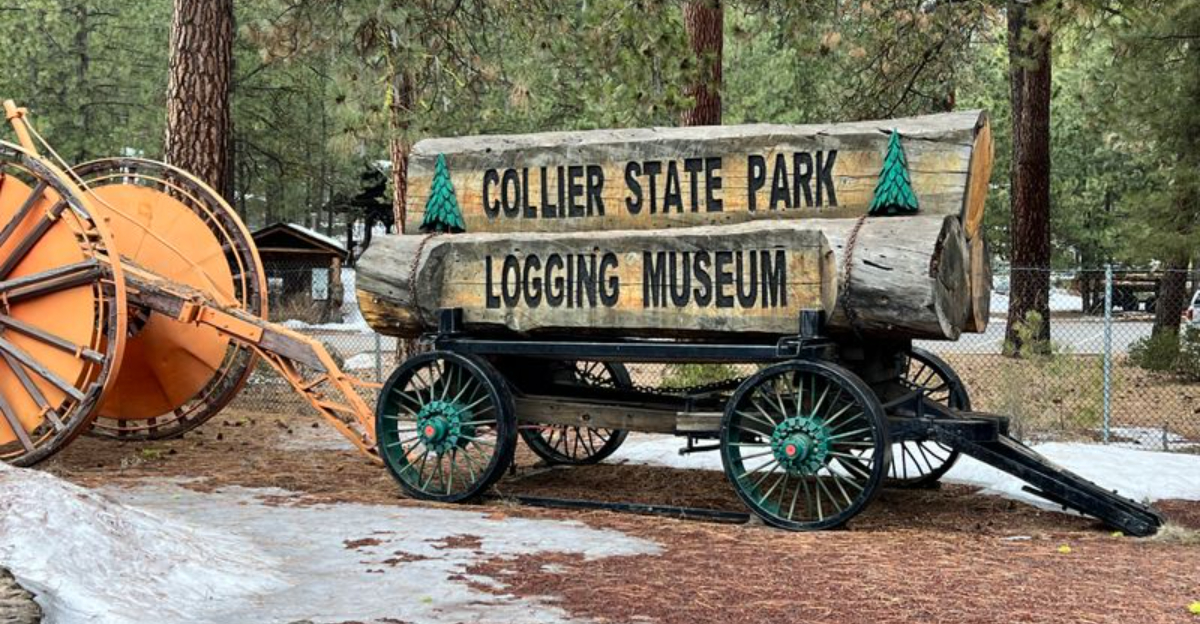
Hidden along the scenic routes of southern Oregon lies a place where time seems to stand still.
Collier Memorial State Park and its Logging Museum offer a rare window into the rugged world of 19th-century timber work and pioneer life.
Walking through the historic cabin village feels like stepping onto a movie set, except everything here is real – authentic structures, tools, and stories from Oregon’s logging past.
Whether you’re a history lover, outdoor enthusiast, or just curious about how life looked more than a century ago, these ten facts will show you why this forgotten village deserves a spot on your travel list.
One Of The Nation’s Largest Historic Logging Equipment Collections
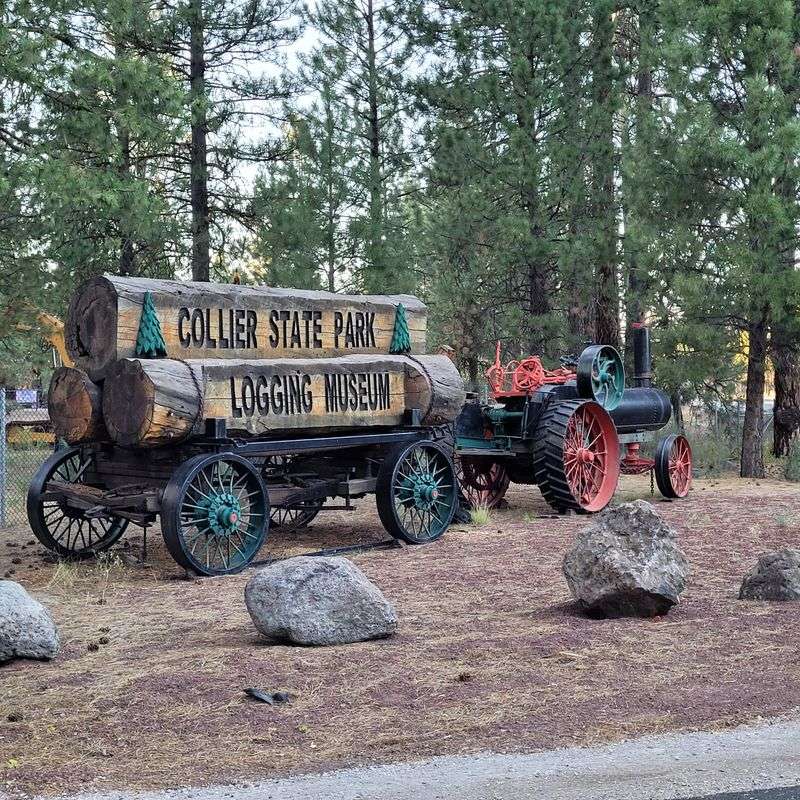
Walking through the outdoor exhibits feels like flipping through a living textbook on American logging history.
Collier Memorial State Park, located at 46000 US-97, Chiloquin, OR 97624, holds one of the most impressive collections of logging equipment in the entire country.
Artifacts span from the 1880s all the way to the early 1980s, showing how technology transformed the timber industry over a full century.
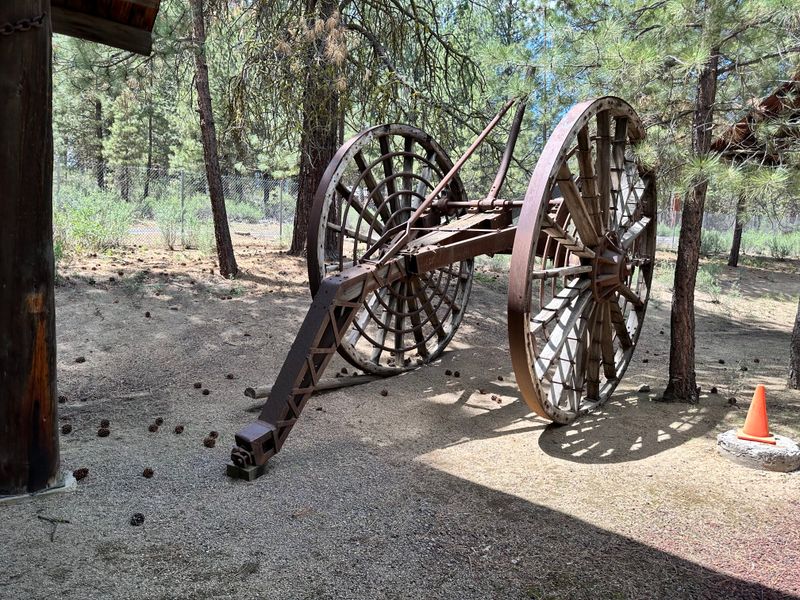
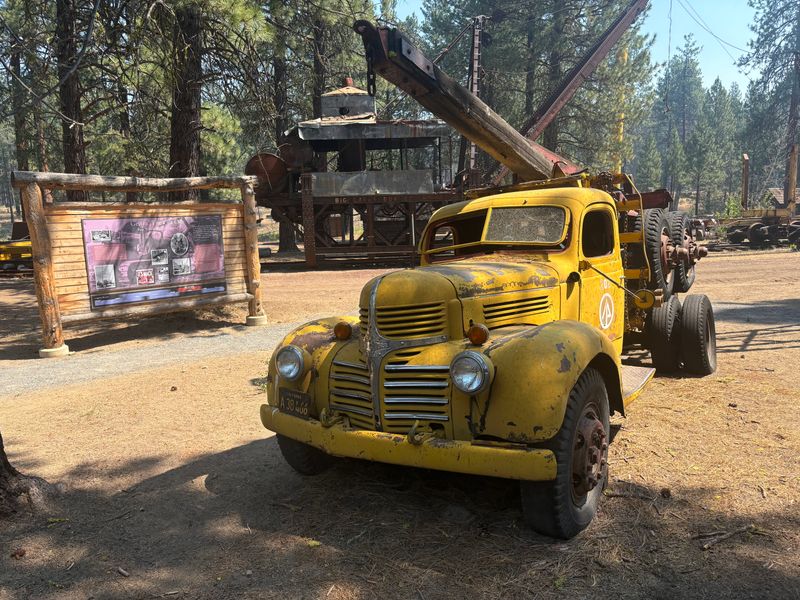
Massive steam-powered “donkey engines” sit alongside ox-drawn “high wheels,” each piece telling its own story about backbreaking labor and ingenuity.
Diesel “cats” and steam tractors demonstrate how power sources evolved, making logging faster but no less dangerous.
Visitors can walk freely among these giants, getting up close to machinery that once moved entire forests.
Interpretive signs explain how each tool worked and why it mattered to Oregon’s economy and growth.
A Relocated Pioneer Village Preserving 1800s Architecture
Cabins, general stores, and small offices stand quietly along dirt paths, looking much as they did when Oregon was still wild frontier.
The pioneer village features authentic structures relocated from various corners of the state to preserve them for future generations.
Each building showcases construction methods common in the 1800s – hand-hewn logs, wooden pegs, and simple but sturdy joinery.
Stepping inside these structures offers a tangible sense of how families lived, worked, and survived in remote timber country.
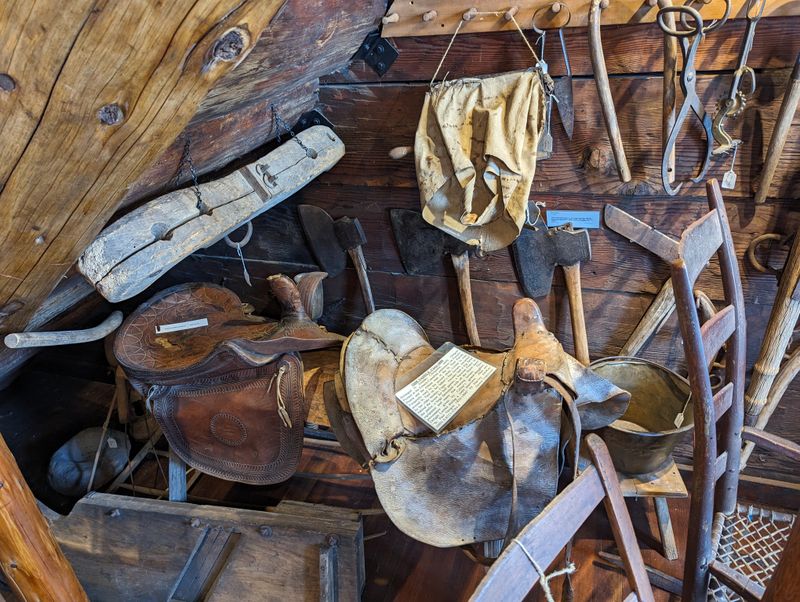
Furnishings and tools inside the cabins reflect daily routines, from cooking over wood stoves to mending clothes by lantern light.
The village layout mimics small logging settlements, where everyone knew each other and community bonds ran deep.
It’s a rare chance to experience frontier life without imagination filling in too many blanks.
The Rare 1926 McGiffert Log Loader On Display
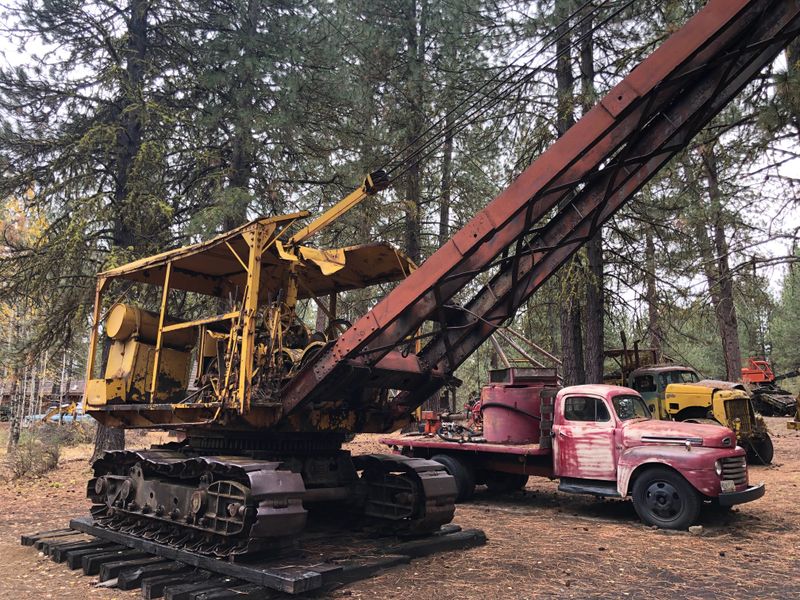
Only two of these mechanical marvels still exist, and one of them rests right here in southern Oregon.
The 1926 McGiffert Log Loader at Collier Memorial State Park represents a peak moment in logging engineering.
This towering machine could lift enormous logs onto railcars using a complex system of cables, booms, and counterweights.
Its sheer size and intricate design make it a favorite photo stop for visitors who appreciate industrial history.
Before modern hydraulics, machines like the McGiffert required skilled operators who understood leverage, timing, and physics.
Seeing it up close reveals the craftsmanship and problem-solving that went into moving timber before today’s technology.
Interpretive plaques explain how it worked and why so few survived the scrapping waves of later decades.
Railroad Equipment That Moved Mountains Of Timber
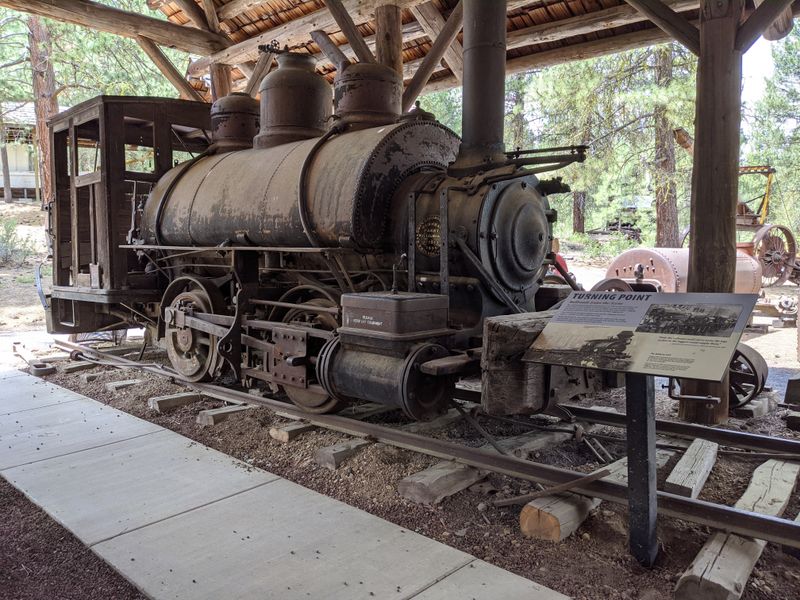
Trains weren’t just for passengers and freight – they were lifelines for Oregon’s booming timber economy.
Visitors can explore a Baldwin locomotive and other railroad equipment that once hauled massive log loads across rugged terrain.
The museum also displays a diesel-powered tugboat that towed log rafts across Agency Lake, connecting water and rail transport networks.
Together, these exhibits show how loggers adapted to geography, using rivers, lakes, and tracks to move timber efficiently.
The Baldwin locomotive, with its imposing steel frame and worn paint, looks ready to chug back into service at any moment.
Kids especially enjoy climbing around these relics, imagining the roar of engines and the clatter of wheels on iron rails.
It’s a hands-on history lesson that beats any classroom textbook.
A 16-Foot Cross-Section From Oregon’s Largest Douglas Fir
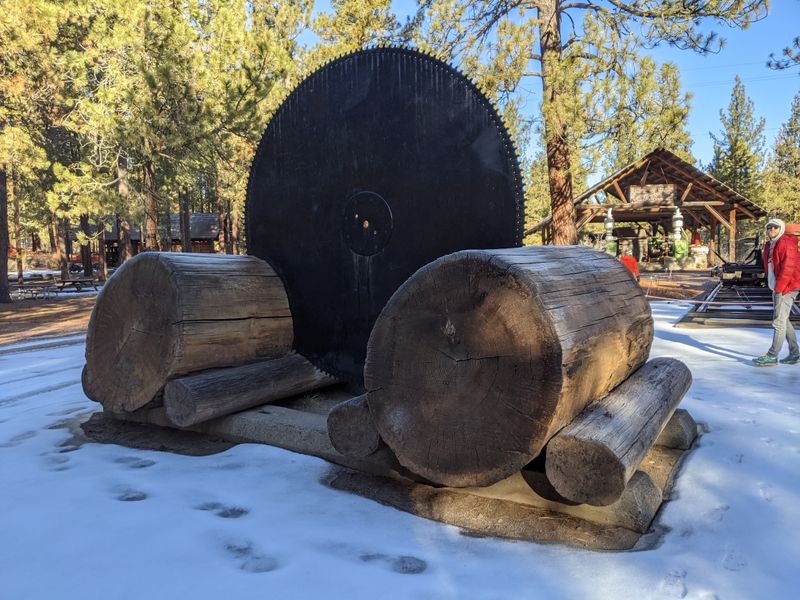
Standing before this colossal tree slice feels humbling, almost overwhelming in its sheer scale.
Collier Memorial State Park showcases a 16-foot cross-section from the largest Douglas fir ever recorded and cut.
Counting the rings reveals centuries of growth, droughts, fires, and resilience before the tree finally fell to a saw.
This exhibit reminds visitors of the old-growth forests that once blanketed the Pacific Northwest, many now gone forever.
The sheer diameter makes it hard to imagine the height and canopy this tree once supported.
Interpretive information explains the ecology of Douglas firs and their importance to both wildlife and human industry.
The logging village offers a sobering but fascinating glimpse into what Oregon’s forests looked like before large-scale logging began.
Living History Events That Bring The Past To Life
Certain days at the park feel less like a museum visit and more like time travel.
Living History Day at Collier State Park Logging Museum features period music, traditional dance, hands-on logging demonstrations, and hayrides on vintage steam tractors.
Costumed interpreters share stories, skills, and songs from the logging camps and pioneer settlements of the 1800s.
Visitors can watch blacksmiths forge tools, see hand-milling techniques, and even try their hand at old-fashioned tasks.
The hayride on a steam tractor is a crowd favorite, combining nostalgia with a gentle rumble of antique machinery.
These events tend to draw families, school groups, and history buffs eager for interactive learning experiences.
Check the park’s seasonal schedule, as Living History Days usually happen during warmer months when outdoor programming thrives.
Year-Round Camping Along The Scenic Williamson River
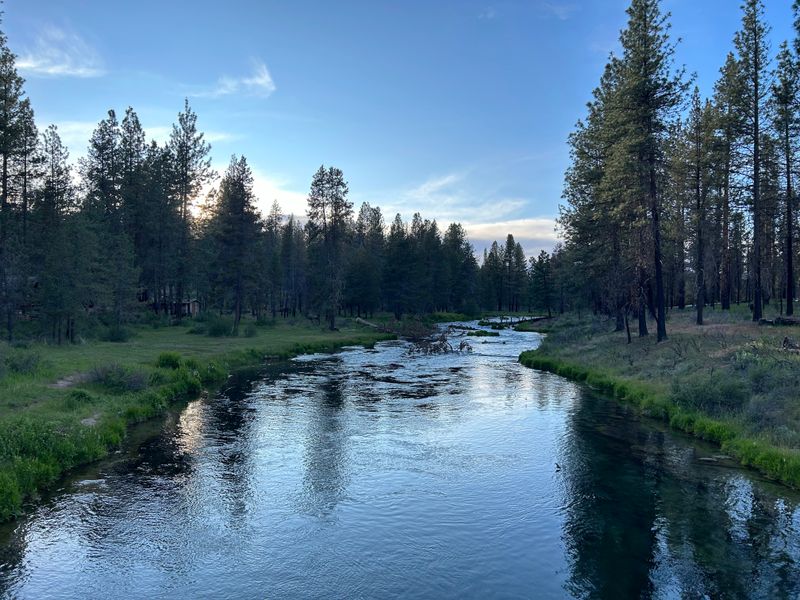
History isn’t the only draw – nature lovers find plenty of reasons to stay awhile.
The campground at Collier Memorial State Park sits along the beautiful Williamson River and welcomes visitors year-round.
Tent and RV sites nestle under towering pines, offering a quiet retreat with easy access to fishing, hiking, and equestrian trails.
The Williamson River is known for excellent trout fishing, attracting anglers from across the region during peak seasons.
Campsites tend to fill up during summer weekends, so reservations are smart if you’re planning a visit between May and September.
Even in cooler months, the park remains open, providing a peaceful base for exploring nearby Crater Lake or Klamath Basin wildlife refuges.
It’s a rare combination of cultural immersion and outdoor adventure in one scenic spot.
Self-Guided Tours And Educational Interpretive Programs
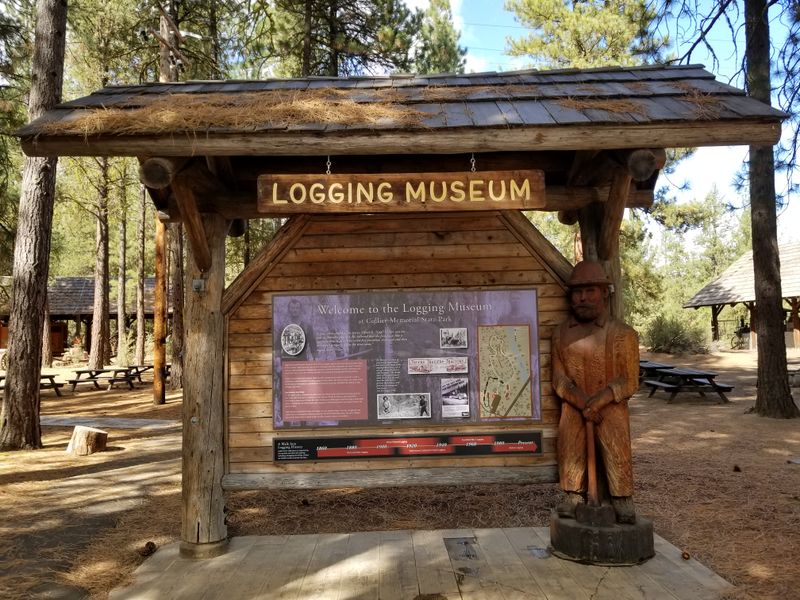
Learning here happens at your own pace, without pressure or rigid schedules.
Self-guided tours let visitors wander through exhibits, reading interpretive signs that explain logging evolution and railroad history.
Each piece of equipment has detailed plaques covering its function, era, and significance to Oregon’s timber industry.
Educational programs also run periodically, offering deeper dives into topics like forest ecology, pioneer life, and industrial heritage.
School groups often schedule guided visits, but individual travelers can absorb just as much by exploring independently.
The layout is intuitive, with clear pathways connecting the outdoor museum, pioneer village, and natural areas.
Bring comfortable walking shoes and allow at least two hours to see everything without rushing through the experience.
Established In 1945 To Honor The Collier Brothers
Behind every preserved place lies a story of vision and generosity.
Collier Memorial State Park was established in 1945 thanks to brothers Alfred and Andrew Collier, who donated land and equipment to protect Oregon’s logging legacy.
The Collier family understood that without intentional preservation, these tools and stories would vanish as the industry modernized.
Their foresight created a lasting educational resource for future generations curious about frontier life and timber history.
The park’s name honors their commitment, ensuring visitors remember who made this museum possible.
It’s a reminder that heritage conservation often depends on individuals willing to act before history disappears.
Walking through the exhibits feels like a tribute to their vision and love for Oregon’s past.
Open Year-Round With Seasonal Campground Access
Planning a visit is straightforward, with the museum welcoming guests every day of the year.
Collier Memorial State Park keeps its logging museum and pioneer village open year-round, though campground facilities typically operate from mid-May through late September.
Winter visitors can still explore the exhibits and enjoy the quiet beauty of the park without the summer crowds.
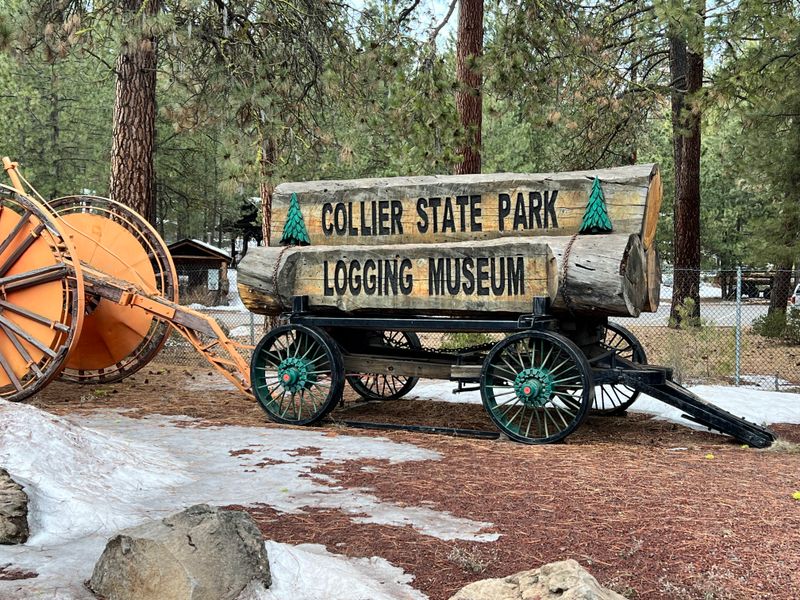
Snow may dust the equipment and cabins during colder months, adding an extra layer of historic atmosphere.
Spring and fall offer mild weather, fewer bugs, and vibrant foliage, making them ideal times for photography and leisurely exploration.
Summer brings families, RV travelers, and school groups, creating a lively but still manageable visitor experience.
Check the official Oregon State Parks website for any seasonal closures or special events before heading out.