This Free Idaho Museum Lets Kids Stand Beneath A Full Mammoth Skeleton Up Close
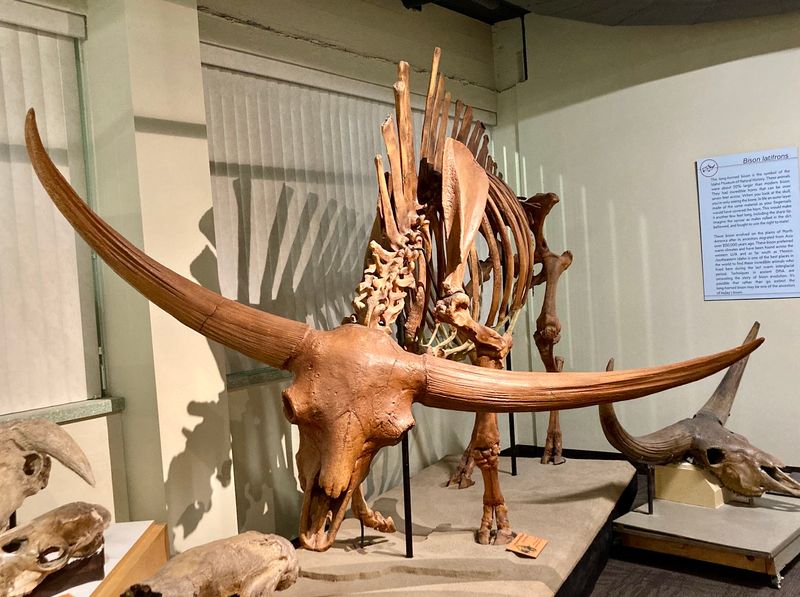
A mammoth tusk twelve feet long sits inside a modest brick building on a college campus in southeastern Idaho. Most people drive right past it on the way to somewhere else.
Kids who step inside find ancient beasts, spiral-toothed sharks, a giant spider, and a quiet corner full of picture books. It is a small place with a big backstory, and it can be surprisingly easy on the wallet if you time your visit right.
A Campus Museum With Deep Roots
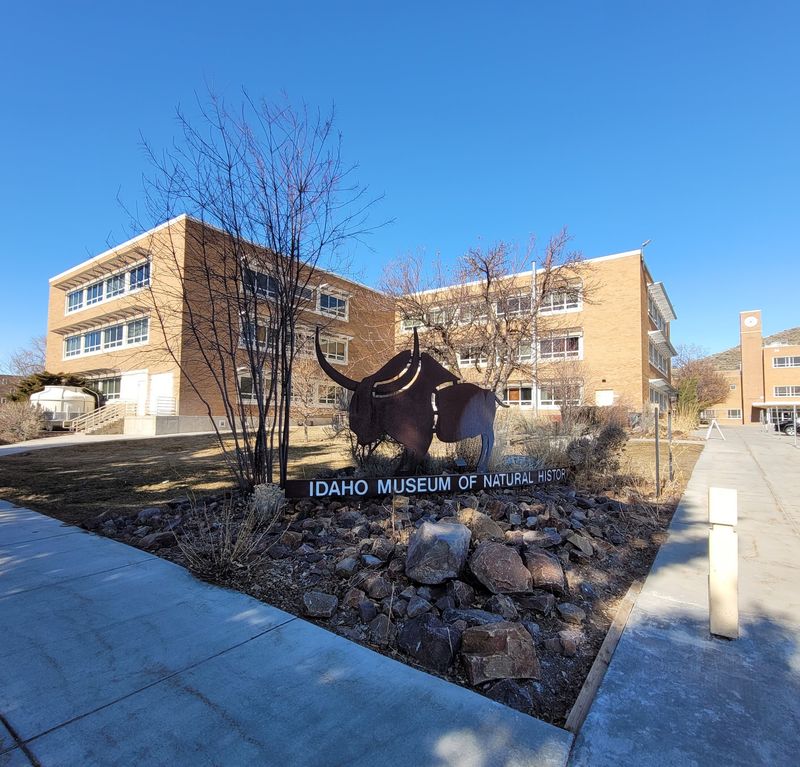
College students hurry past it with backpacks, but families in the know slow down. The Idaho Museum of Natural History sits on the Idaho State University campus in Pocatello, the gateway city of southeastern Idaho where the Snake River Plain meets the mountains.
Officially, it is the state’s natural history museum, and it takes that job seriously. Displays cover archaeology, geology, living animals, and fossils that document the natural history of Idaho and the wider Intermountain West.
That means you get everything from rocks and arrowheads to prehistoric giants under one roof.
Size matters here, just not the way you might think. The gallery is small, and the staff openly admit it, saying their plan is simply to pack it as full as possible.
The result feels like a treasure chest rather than a warehouse, with something new catching your eye every few steps.
For families, that compact layout is a gift. Little legs do not give out halfway through, and parents can actually read the signs without chasing anyone across a giant hall.
Many visitors walk in expecting a quick stop and end up staying far longer than planned, reading panel after panel about the ground beneath their own feet.
Finding The Door On Dillon Street
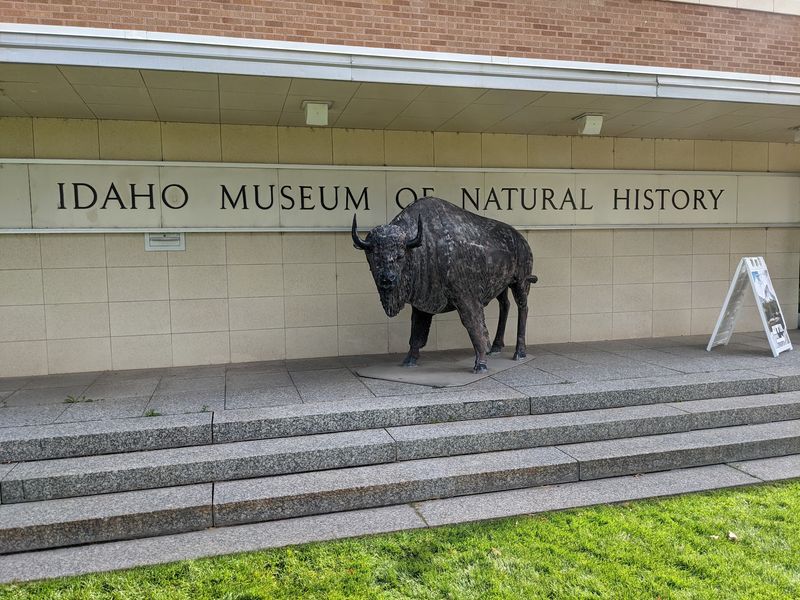
Parking has tripped up more than one first-time visitor, so here is the scoop. The museum sits at 698 E Dillon St in Pocatello, tucked among other university buildings on the east side of campus.
Families who have figured it out share a simple route. Enter the first entrance of the lot from the south, drive all the way down until the museum sign appears, then turn left into the small lot set aside for visitors.
It is easy to miss the first time, so go slowly and watch for that sign.
Worried about a campus parking ticket? Visitors report that if you end up with one anyway, you can bring it inside and the museum staff will take care of it.
That small kindness says a lot about how the place treats its guests.
Outside, a grassy area gives kids room to run before or after the exhibits. It is a handy spot to burn off extra energy, especially after a long car ride from Idaho Falls, Blackfoot, or the Magic Valley.
Pack a snack, let everyone stretch, and then head inside ready to look closely at some very old bones.
Idaho’s Story Written In Stone
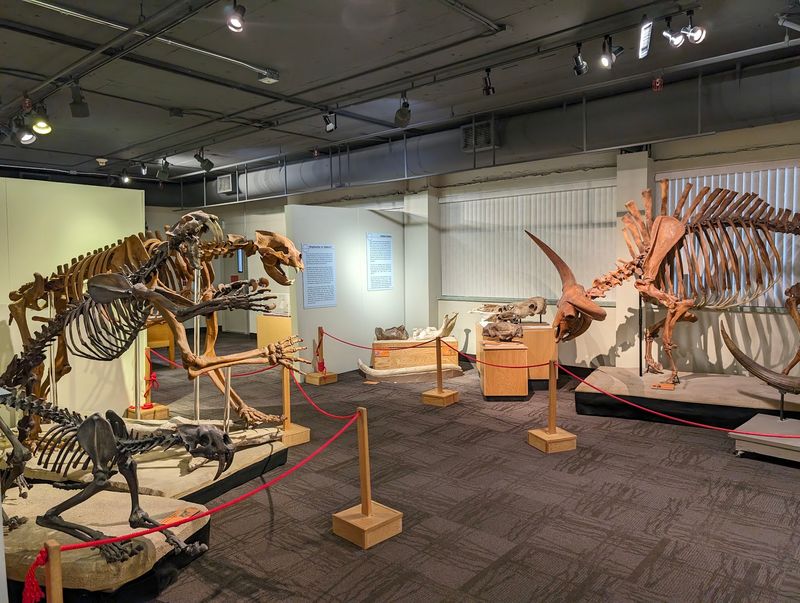
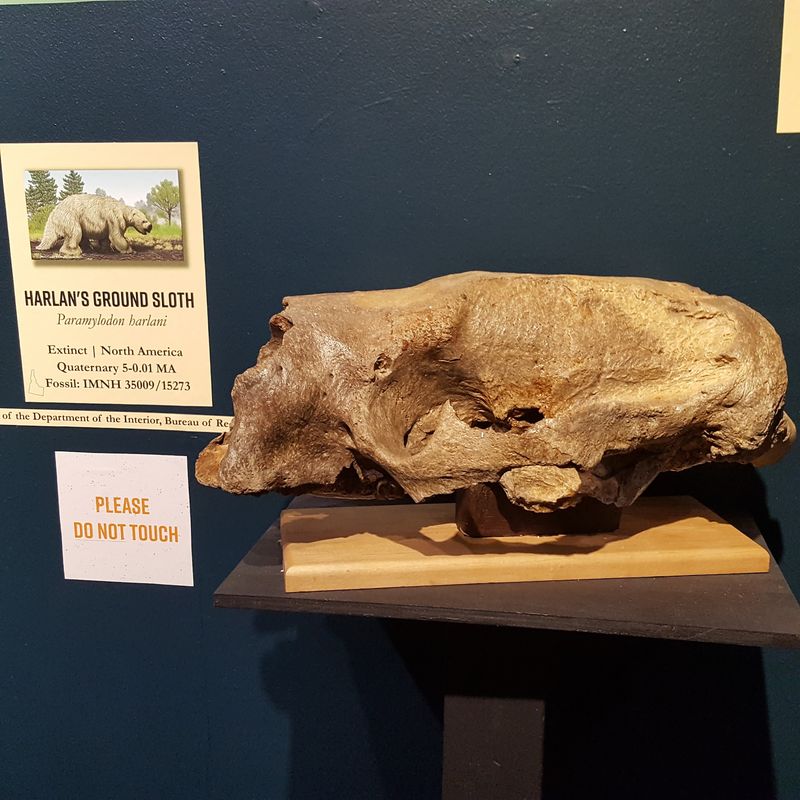
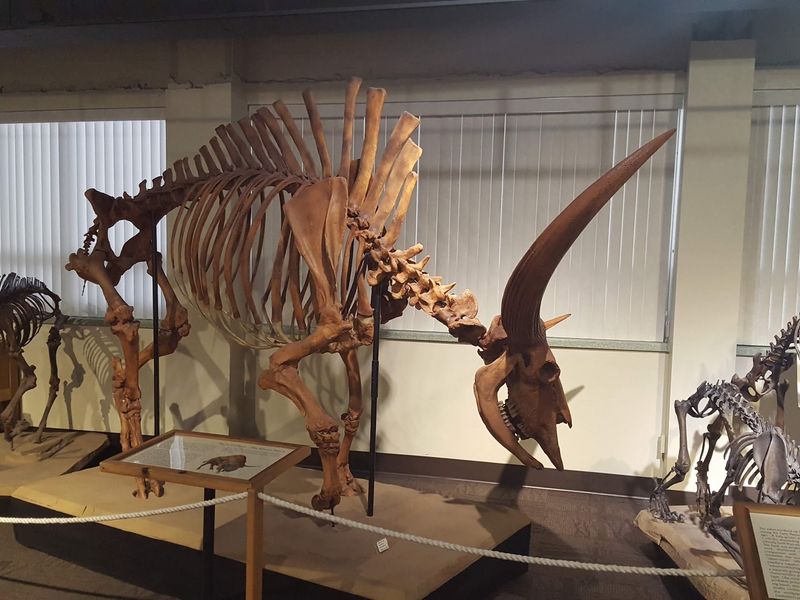
Long before potatoes made Idaho famous, the land was home to camels, giant sloths, and enormous elephants. The museum tells that story through the fossil record, layer by layer, and it does a good job of making deep time feel real.
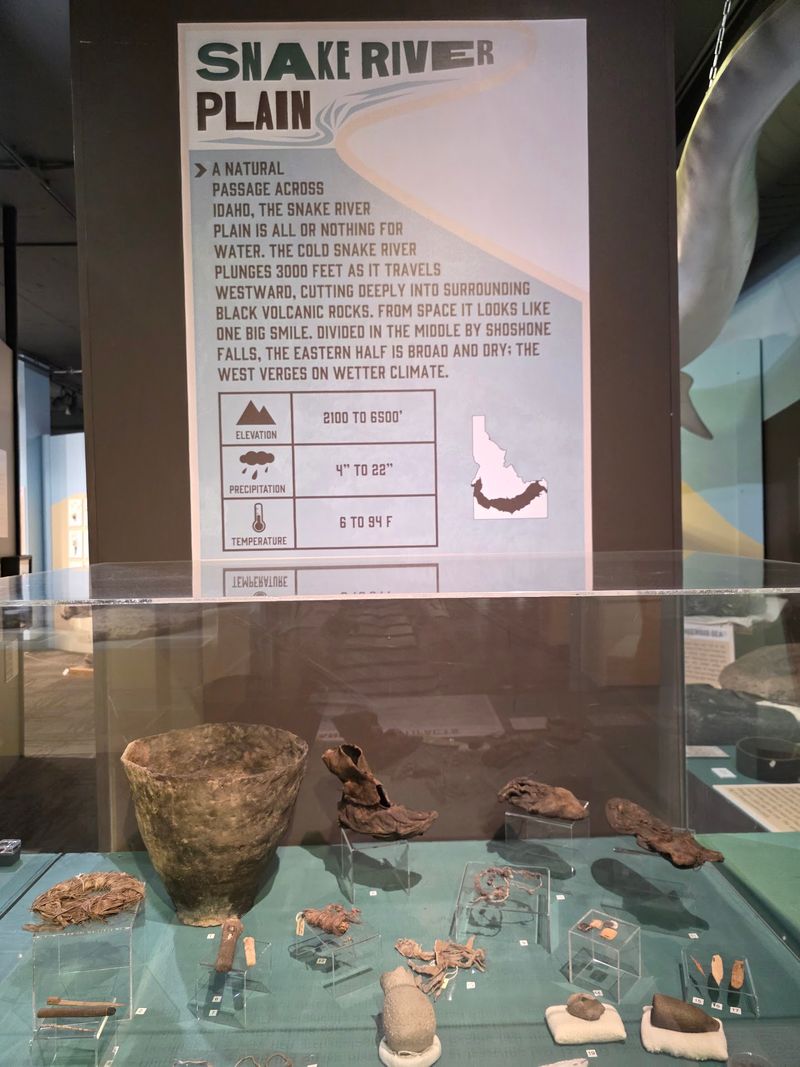
Signs are plentiful and detailed. Visitors often mention how much they learned simply by reading the panels, which explain what you are looking at and where in Idaho it came from.
Adults tend to linger here while kids hunt for the biggest teeth.
What makes the collection special is how local it feels. These are not bones shipped in from faraway deserts.
Many specimens came out of Idaho ground, from river banks, reservoirs, and hillsides that families may have driven past a hundred times.
That connection hits home for young visitors. A child who learns that ancient creatures once roamed near American Falls or along the Snake River suddenly looks at the next road trip differently.
Every dusty cliff becomes a possible hiding spot for a fossil.
Staff and faculty clearly care about the displays. Dioramas, artifacts, and fossils are curated with obvious attention, and it shows in the neat, thoughtful arrangement.
The Columbian Mammoth From American Falls
Twelve feet. Stretch out a measuring tape across your living room and you will start to understand the tusk that anchors this museum’s mammoth story.
The tusk belonged to a Columbian mammoth estimated to be more than 70,000 years old. It was unearthed near the American Falls Reservoir, just down the road from Pocatello, along with a partial skull.
Seeing them together gives kids a real sense of how huge these animals were.
Columbian mammoths were not the shaggy woolly kind from cartoons. They were a bit larger and lived in warmer grasslands across much of North America, including the Snake River Plain.
Picture a creature taller than a basketball hoop, grazing where farm fields stretch today.
Standing beside that curved ivory is the moment many families come for. Children tend to go quiet, then immediately start asking questions.
How did it get so big? What did it eat?
How did anyone dig it out?
Those are exactly the questions the museum loves. The mammoth remains are more than a showpiece.
They are a doorway into how scientists read the ground, handle fragile bones, and piece together the past from scattered clues.
A Whole Skeleton Still Waiting
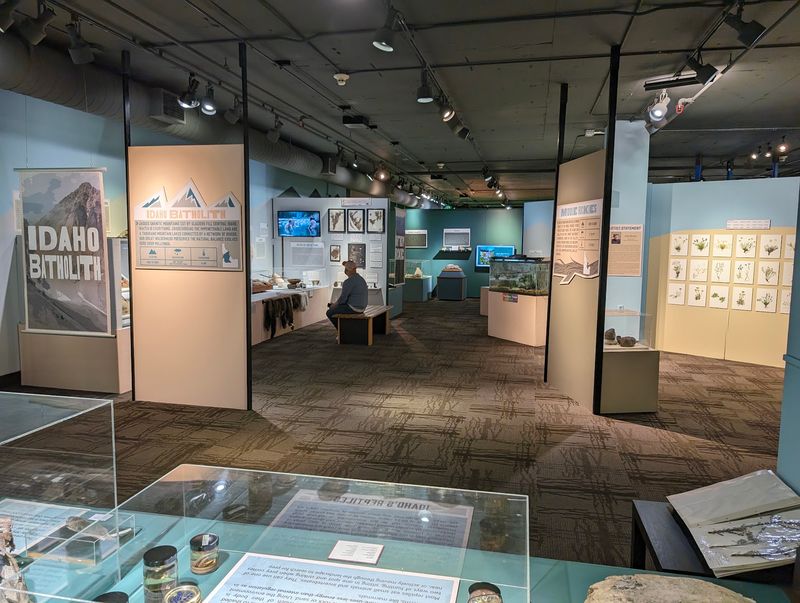
Here is the exciting part that most visitors never hear about. Researchers connected to the museum have said they believe a rare, complete mammoth skeleton may still be buried at the American Falls site.
Complete mammoth skeletons are uncommon anywhere, so the possibility has scientists hopeful. Efforts to excavate and potentially display it are ongoing, which means the story in the gallery is not finished yet.
It is still being dug up, one careful scoop at a time.
To be clear, what you will see today is the tusk and partial skull, not a fully assembled mammoth. Reviewers do mention some impressive life-size skeletons of other animals, with the biggest specimens waiting at the very back of the museum.
Save that corner for last.
Kids love being part of an unfinished mystery. Telling them that the rest of this giant might be resting under a reservoir bank a short drive away turns a museum trip into an adventure story.
Some may even decide right there that they want to become paleontologists.
Keep an eye on news from the university. If that skeleton comes out of the ground, Pocatello could soon be home to one of the most talked-about fossils in Idaho.
Spiral Jaws Of The Helicoprion
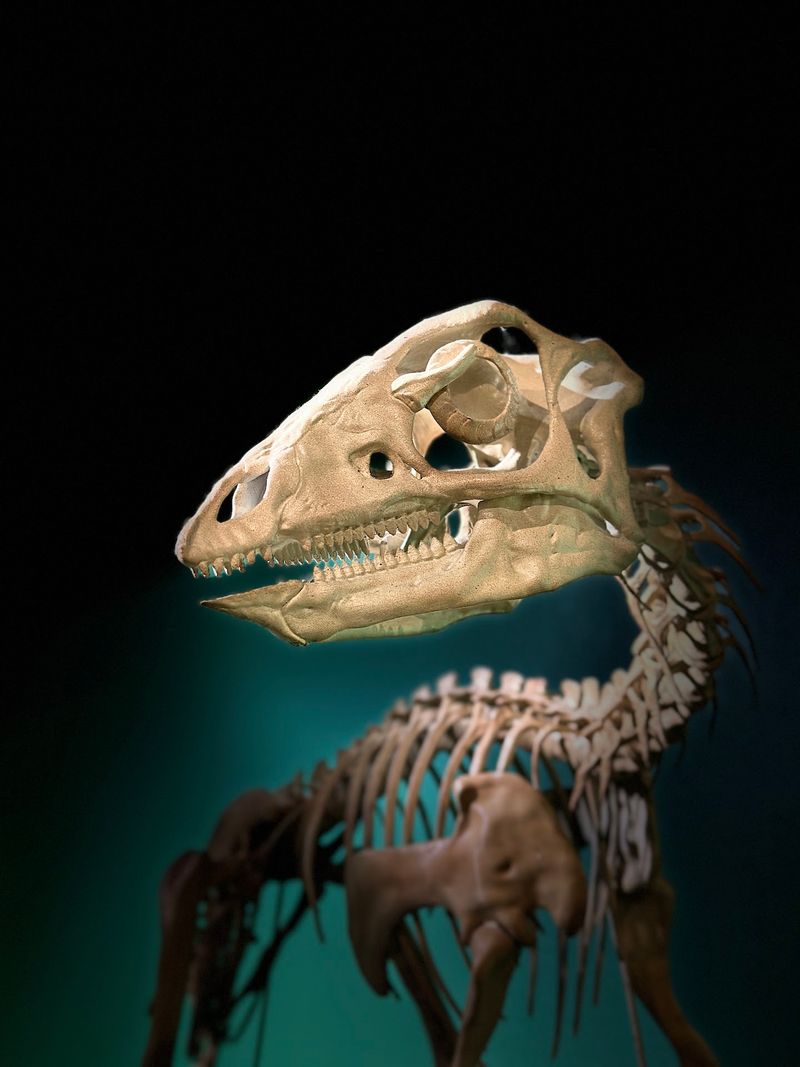
Imagine a fish with teeth arranged like a circular saw blade. That strange creature is the Helicoprion, and this museum holds the most Helicoprion fossils in the world.
These animals swam in ancient seas that once covered parts of Idaho, long before mammoths arrived. Their fossils are mostly the tooth whorl, a tight spiral of teeth that puzzled scientists for decades.
Nobody was sure where the spiral even sat in the mouth.
Research tied to Idaho fossils helped solve that riddle, and the collection here is a big reason why. It is a point of genuine pride for the museum and a fun surprise for visitors expecting only dinosaurs and bison.
Kids tend to react with a mix of giggles and shivers. The spiral looks almost made up, like something from a science fiction movie.
Pointing out that it was real, and that it came from Idaho rocks, makes the moment even better.
One visitor summed it up nicely by noting there is more to Idaho than potatoes. Spend a few minutes at the Helicoprion display and you will agree.
Nearby, heads of fish and sharks add even more toothy drama to the room.
Snakes, Spiders And Mounted Wildlife
Scary but interesting. That is how one family described the snake exhibit, and it is a pretty fair summary of this whole section of the museum.
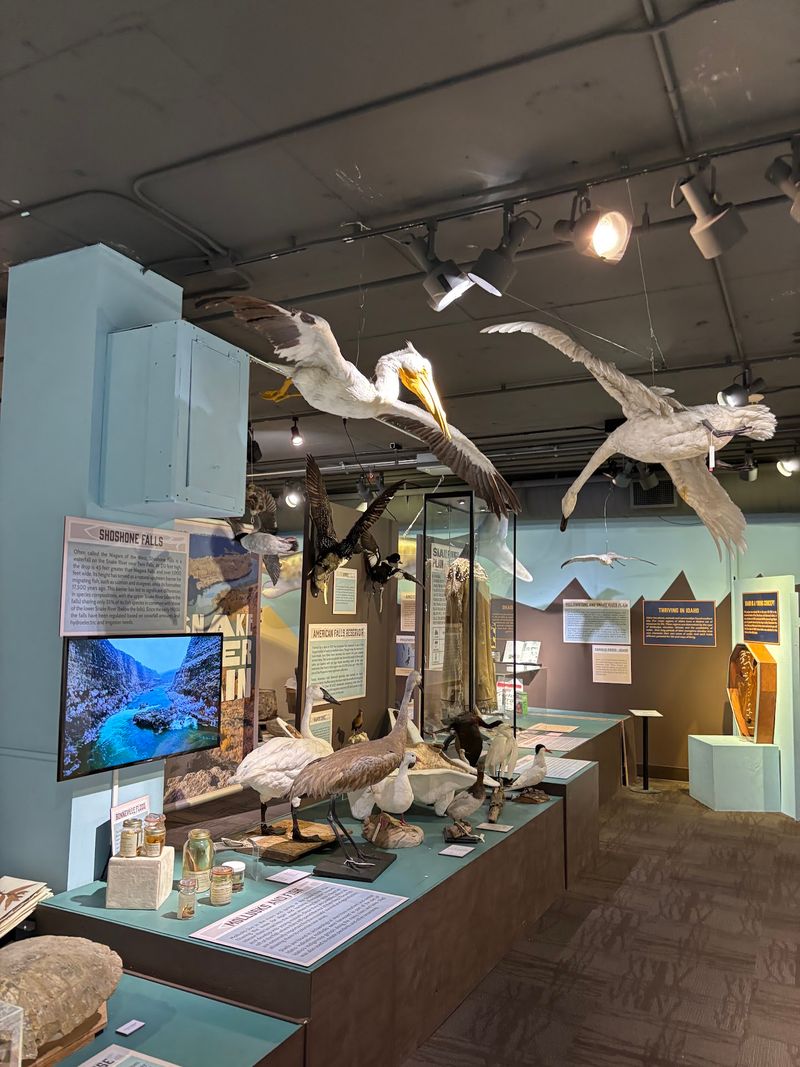
Beyond the ancient creatures, displays cover animals that live across Idaho right now. Taxidermied wildlife and detailed dioramas show critters from mountains, deserts, and river valleys.
It is a great way for kids to meet animals they might spot on a hike near the Sawtooths or along the Portneuf River.
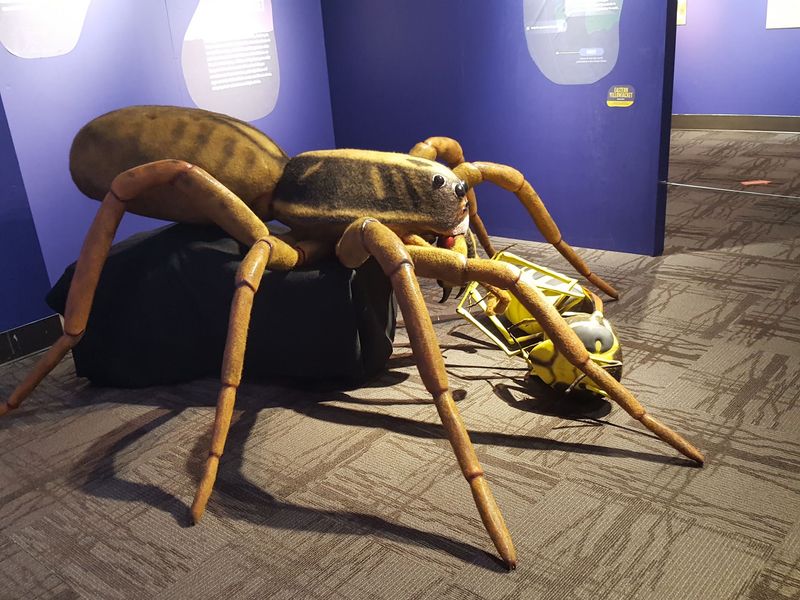
Then there is the giant wolf spider. Visitors rave about it, and even the staff agree it is pretty awesome.
Arachnophobes may want a warning, while bug-loving kids will likely park themselves in front of it for a while.
A few displays, like specimens stored in jars, can be tricky to see clearly, according to some visitors. Lifting a smaller child up for a better view helps.
This mix of living and prehistoric animals is part of what keeps the visit lively. One minute you are staring at a 70,000-year-old tusk, and the next you are face to face with a modern Idaho snake.
The jumps in time keep curious minds busy.
Book Nooks, Crayons And Scavenger Hunts
Parents with wiggly kids, take note. Staff hand out scavenger hunts at the front, and families say the hunts keep children focused long enough for adults to actually enjoy the exhibits.
A hands-on room offers exploratory stations aimed at elementary-age kids and up. Visitors especially love the objects they can touch and feel, which beats simply looking through glass.
Small fingers get to test textures and weights while learning along the way.
Tucked into the museum is a happy surprise: a book nook. Kids can sit down and read, which makes a nice break halfway through.
Nearby, displays show Idaho’s state flower, bird, and other symbols, with coloring pages to match.
Coloring might sound simple, but it works. Kids who color the mountain bluebird or syringa tend to remember them later.
One dad mentioned his daughter enjoyed the coloring pages as much as anything else in the building.
Families have also asked for more child-focused classes, and the museum has responded that new programming was in the works. Check what is currently offered before you go.
Between the stations, books, and hunts, younger visitors rarely run out of things to do.
Small Rooms, Big Curiosity
Some museums overwhelm. This one invites you to slow down.
The gallery is compact enough that you can walk through without rushing, yet full enough that careful readers spend hours inside.
The mood is relaxed and friendly. Visitors repeatedly mention kind, caring staff who seem genuinely glad you came.
Questions get real answers, and nobody hurries you along.
So who fits best here? Young families looking for an affordable outing will find plenty.
Grandparents with grandkids in tow appreciate the manageable size and chances to sit. Curious adults, college visitors touring the campus, and anyone who grew up in southeastern Idaho all seem to find something worthwhile.
For some, it is pure nostalgia. One former local called the museum a solid piece of childhood, remembering classes and even an overnight stay.
Bringing a niece or nephew back years later became a full-circle moment.
Road-trippers crossing Interstate 15 also treat it as a smart stop. It breaks up the drive, teaches something about the land outside the car window, and sends everyone back on the road with new stories.
Expect a thoughtful, unhurried afternoon rather than a flashy spectacle.
Free Days, Small Fees And Timing
Money-savers, listen up. Admission for kids and teens costs just a few dollars, and several groups get in completely free.
Children three and under enter at no charge. So do Idaho State University students, faculty, staff, and museum members.
The museum also takes part in the Museums for All program, which offers free admission to EBT cardholders, a big help for families on a tight budget.
Free days pop up too. One family visited during a special library time on the last Monday of the month and paid nothing.
The museum has also hosted free events such as World Day of Play, so it pays to check the calendar before driving.
Hours generally run from midday into late afternoon most days, with an earlier start on Saturdays and a shorter window on Mondays. Schedules can change around university breaks and special events, so confirm before you head out.
Plan for an hour or two, longer if your crew loves reading every sign. Visitors say the price feels fair for the size, so nobody leaves feeling overcharged.
Pair it with a picnic on the grass outside and you have an easy, low-cost day in Pocatello.
Worth The Drive To Pocatello
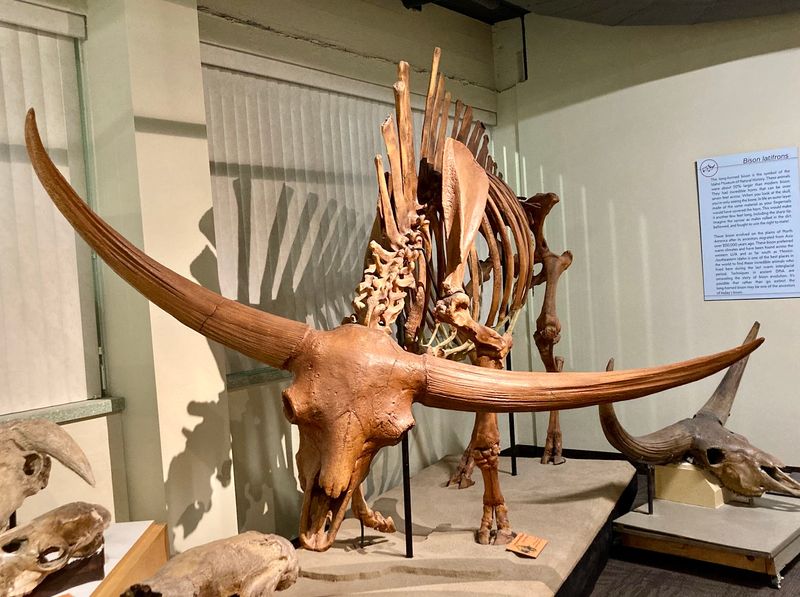
Before you leave, swing through the gift shop. Families praise how reasonably priced it is, with T. rex earrings, ammonite pairs, and cute necklaces for only a few dollars each.
It is the rare museum shop where a kid’s allowance actually stretches.
So, is the trip worth it? For most families in southeastern Idaho, the answer leans toward yes.
You get a real Columbian mammoth tusk, the world’s largest collection of Helicoprion fossils, hands-on stations, a book nook, and staff who make visitors feel welcome.
Go in with honest expectations. It is a small university museum, not a giant city attraction, and the full mammoth skeleton is still a hope rather than a display.
What you will find is a heartfelt collection about Idaho itself.
That local focus is the real payoff. Kids leave knowing that elephants once roamed near American Falls and spiral-toothed fish swam where mountains stand today.
Those facts stick.
Time it with a free day, bring a snack, and follow the parking tips. Chances are you will drive home already planning a return visit, especially if that buried skeleton ever sees daylight.