This Free Kentucky Train Museum Sits Near Tracks Where Trains Pass About 23 Times A Day
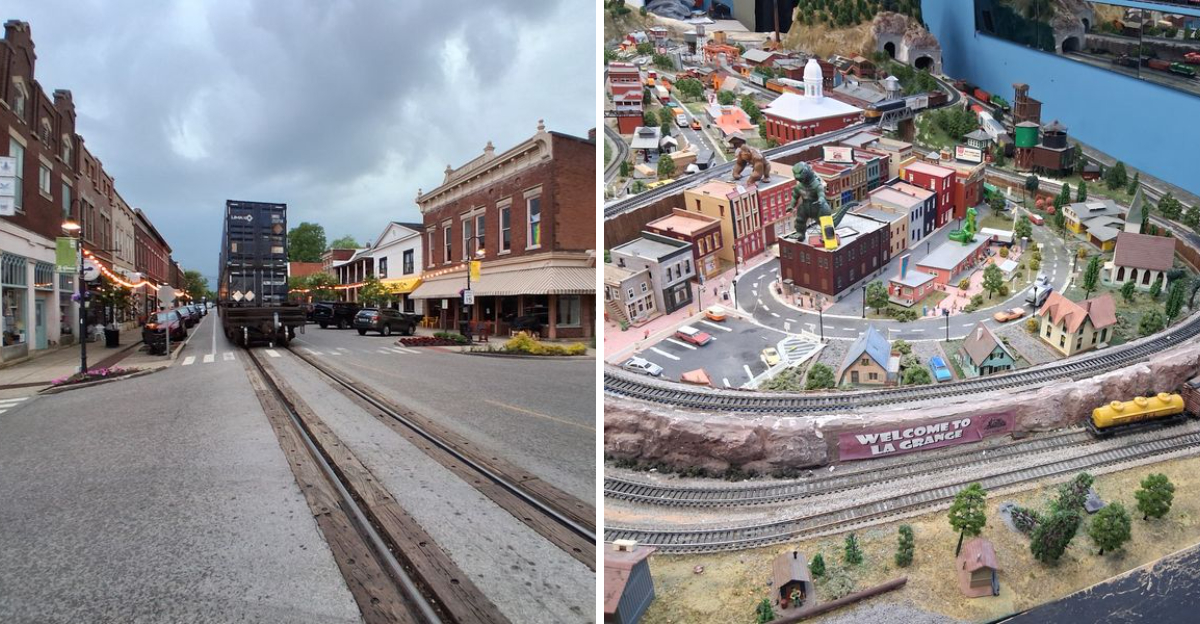
There is a town in Kentucky where freight trains use Main Street. They do not run beside the street, they run down the middle of it.
Shoppers hear a horn and simply keep shopping. This happens about twenty three times a day.
There is a museum right there watching all of it. It lives in a depot built more than a century ago.
The observation deck is under thirty feet from the rails. You feel the whole thing in your chest.
Admission costs nothing, which still surprises people. Volunteers run the place and they love a question.
Inside there are model layouts and a British steam engine. Outside there is a dining car from nineteen twenty nine.
Kids lose their minds and adults quietly join them. You will plan a short visit and stay much longer.
Something is always about to come through town. Nobody there wants to miss it.
A Small Storefront With A Very Loud Neighbor
The La Grange Railroad Museum & Learning Center hides in plain sight along a busy little downtown street.
Admission is free, which still feels surprising. Donations are welcome, and the jar near the front gets plenty of attention from happy visitors.
Freight trains roll through the middle of Main Street here, not behind a fence. That single detail makes this museum different from almost any other train stop.
The building itself is modest brick, the kind you might drive past twice. Look for the signage and the crossing signals nearby.
Inside, the layout is easy to follow in one loop. Nothing feels overwhelming, even for younger kids with short attention spans.
Plan thirty to forty five minutes if you read the displays. Plan longer if a train shows up while you are there.
Parking sits on nearby side streets and downtown spaces. Walk a block and you are at the door.
You will find it at 412 E Main St, La Grange, Kentucky, right in the thick of the action.
Trains Down The Middle Of Main Street
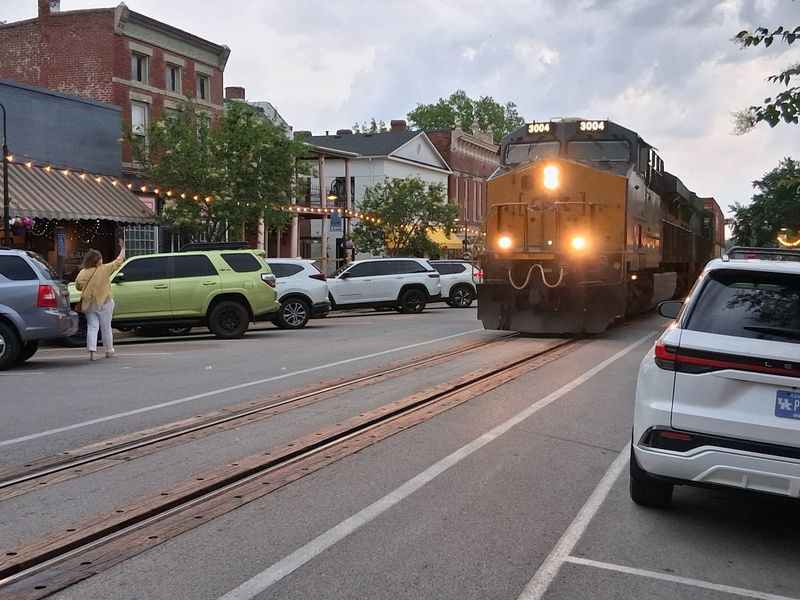
Most towns push their railroads to the edges. La Grange kept its tracks straight down the center of Main Street.
Crossing gates drop, bells clang, and traffic simply waits. Shoppers on the sidewalk barely look up because they have seen it a thousand times.
For a first time visitor, the effect is unforgettable. A full freight train passes a few strides from storefront windows.
Reports commonly put the daily count around twenty three trains. That averages out to roughly one an hour, though they never keep polite schedules.
Kids react with pure joy. Adults grab phones and try to film the whole thing without missing the caboose end.
Safety matters more than photos here. Stay well back on the sidewalk and never step between the gates.
The museum staff can often tell you when traffic tends to pick up. Ask when you walk in.
Bring a camera with a wide lens if you have one. The trains fill the frame faster than you expect.
Honestly, the free show outside might be the best part of the visit.
Model Layouts That Steal The Show
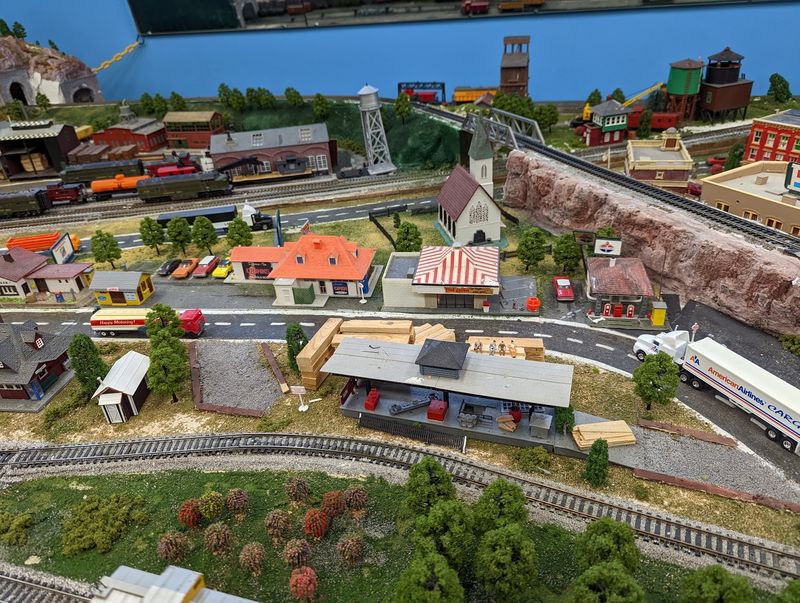
Model trains have a way of turning grown adults back into eight year olds. I watched a man in a work jacket study a tiny depot for ages.
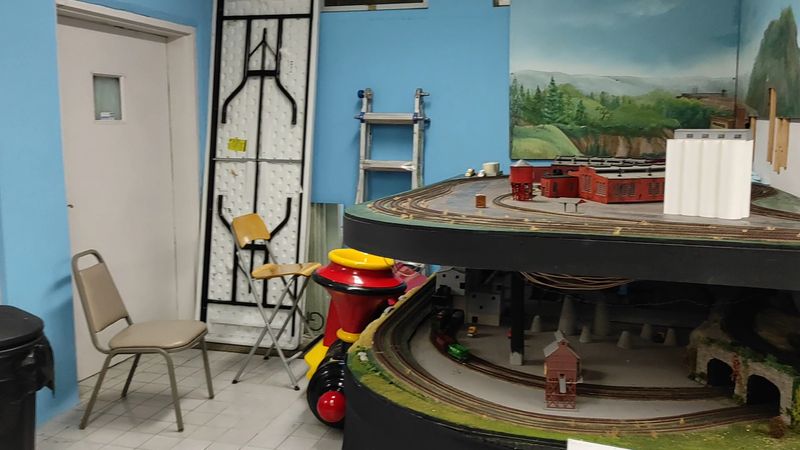
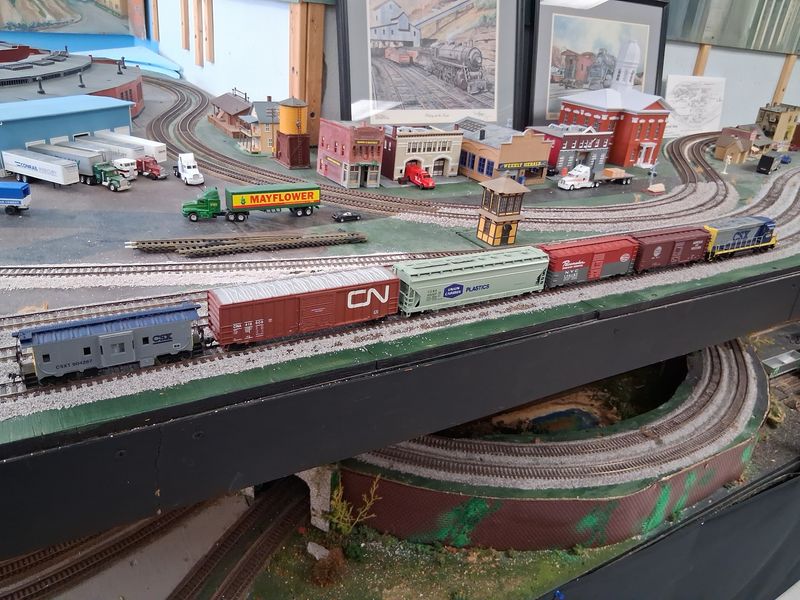
The layouts inside draw crowds of all ages. Small locomotives loop past miniature buildings, trees, and crossings.
Details are where the fun hides. Look for little figures, painted signs, and hand built scenery pieces.
Kids press close to the edges, pointing at every car. Parents end up just as absorbed.
Volunteers often explain how the layouts were built and maintained. Some have worked on them personally for years.
Ask about scale if you are curious. Model railroading uses different sizes, and each one changes what builders can include.
Photography works best with the flash off. The soft lighting makes the scenes look almost real.
Younger visitors may need a reminder about hands off viewing. The wiring and tiny parts are fragile.
If your child loves trains at home, this is the payoff. They see the hobby taken to a whole new level.
Artifacts With Real Working History
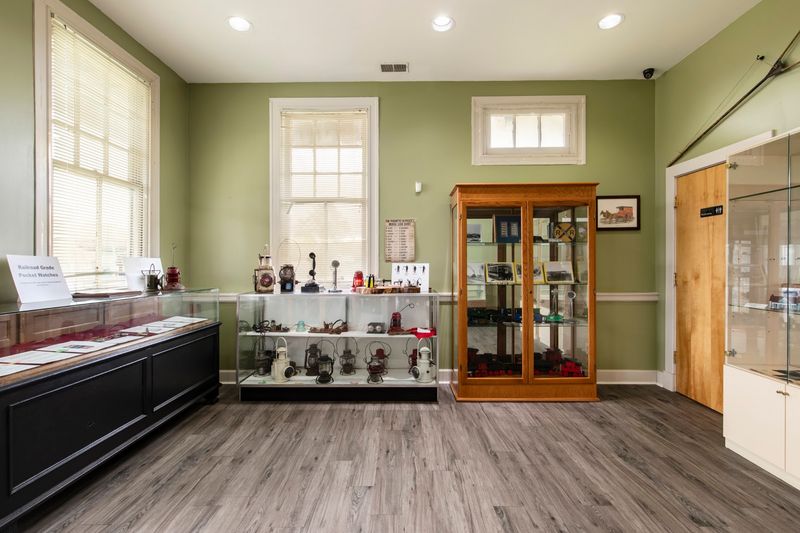
Glass cases here hold objects that once did hard jobs. Lanterns, tools, badges, and signal gear line the displays.
Old photographs cover the walls in black and white. Faces of crews and station workers stare back at you.
What struck me was how personal it all feels. These items belonged to people who worked this line.
Timetables and paperwork show how railroads ran on strict minutes. Precision mattered long before smartphones existed.
Uniform pieces and hats bring the human side forward. You start picturing the conductor who wore them daily.
Read the small labels. Volunteers write them with genuine care, and the details often surprise you.
Ask questions freely. Someone in the room usually knows the backstory behind a specific piece.
The collection reflects local donations and family keepsakes. That gives the museum a hometown feeling you cannot manufacture.
History buffs will slow way down in this section. Casual visitors still find plenty worth a second look.
Bring reading glasses if you need them. Some labels use small print.
By the time I finished the loop, I understood why railroads shaped this town so deeply.
Volunteers Who Know Every Detail
Great museums often come down to the person at the front desk. Here, that person usually loves trains more than you do.
Volunteers greet visitors warmly and offer to walk you through the room. Nobody rushes you.
One gentleman explained how the trains affect downtown traffic patterns. His delivery was better than any audio guide.
Their knowledge covers local railroad history, equipment, and the models. Ask a simple question and you get a real answer.
Because they are volunteers, staffing can shift. Hours may vary, so a quick check before visiting saves disappointment.
Tips from them beat any brochure. They know where to stand for the best train photo.
Kids get patient attention too. I watched a volunteer answer the same question three times without a hint of annoyance.
They also appreciate donations, since that support keeps the doors open. A few dollars goes a long way.
Say thank you on your way out. It clearly means something to them.
Human warmth is the real exhibit here. Machines are interesting, but the storytellers make the stop memorable.
Perfect For Kids Who Point At Everything
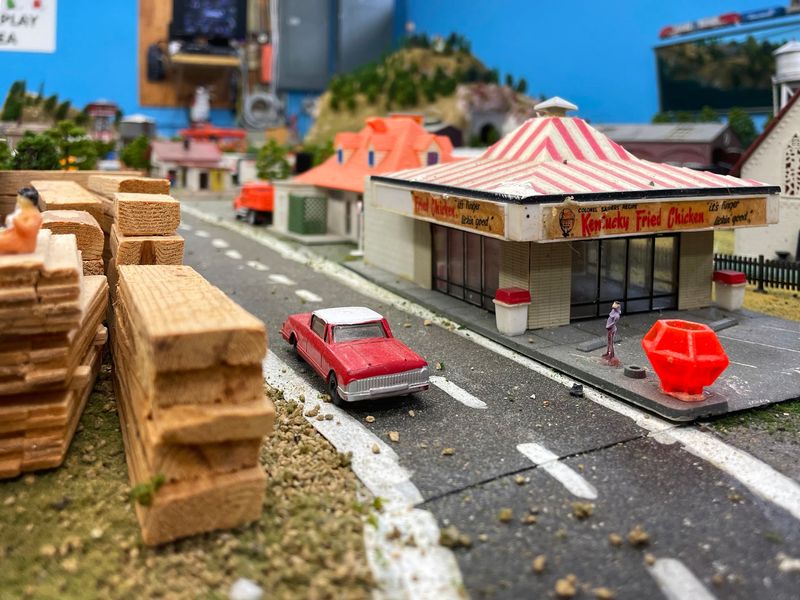
Parents, take note. A free stop that entertains small children for an hour is rare.
The Learning Center part of the name is not decoration. Displays are set up for hands on curiosity and questions.
Kids love the moving models and the crossing sounds outside. The combination keeps them wide eyed.
Strollers fit through the space with a little care. The room is compact, so keep little ones close.
Bring a snack for afterward, since eating inside is not the plan. Downtown has spots nearby.
Younger visitors respond well to a simple game. Ask them to count how many train cars pass outside.
School groups and scouts sometimes visit for learning programs. Call ahead if you want group details.
Restrooms and other conveniences are limited in such a small building. Plan accordingly with toddlers.
The best moment came when a train sounded its horn. Every kid in the room ran for the window.
Free admission means no pressure if the visit runs short. You lose nothing by ducking in for ten minutes.
For train obsessed children, this ranks near the top of Kentucky day trips.
Downtown Strolling Around The Tracks
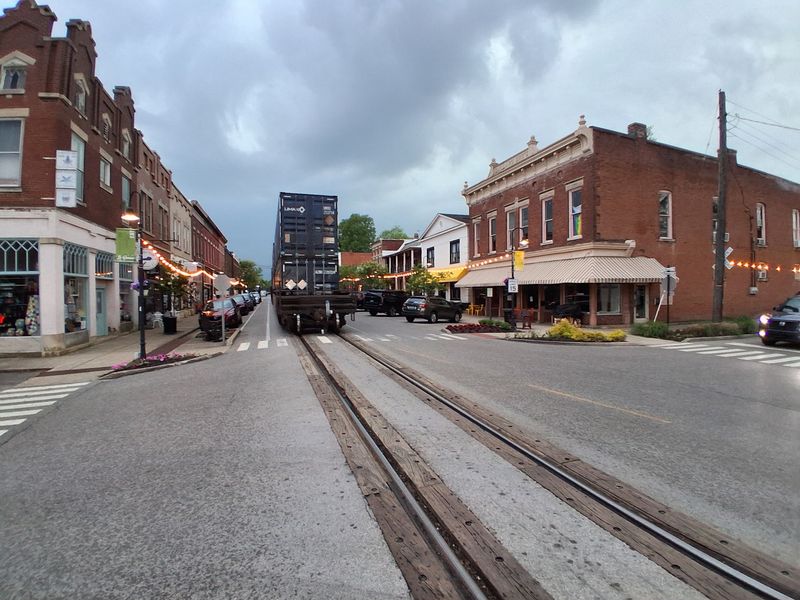
One museum room does not fill an afternoon. Luckily the surrounding blocks are made for wandering.
Shops, small eateries, and storefront windows line both sides of the tracks. Everything sits within an easy walk.
Benches along the sidewalk make good waiting spots. Sit long enough and a train will reward you.
The brick buildings and old signage give the street real character. Photographers get plenty to work with.
I grabbed coffee, walked a block, and heard the crossing bells start up. Timing like that feels like a bonus.
Weekends bring more foot traffic and open doors. Weekdays run quieter, which some visitors prefer.
Seasonal events and festivals sometimes fill the downtown area. Check local listings before you plan.
Wear comfortable shoes since the fun happens on foot. Sidewalks are flat and easy.
Keep an eye on the gates when crossing the street. Trains here move closer than most people expect.
Pair the museum with lunch and browsing for a full outing. The whole thing costs very little.
Small town downtowns rarely combine history and live action this well.
Planning A Visit Without Overthinking It
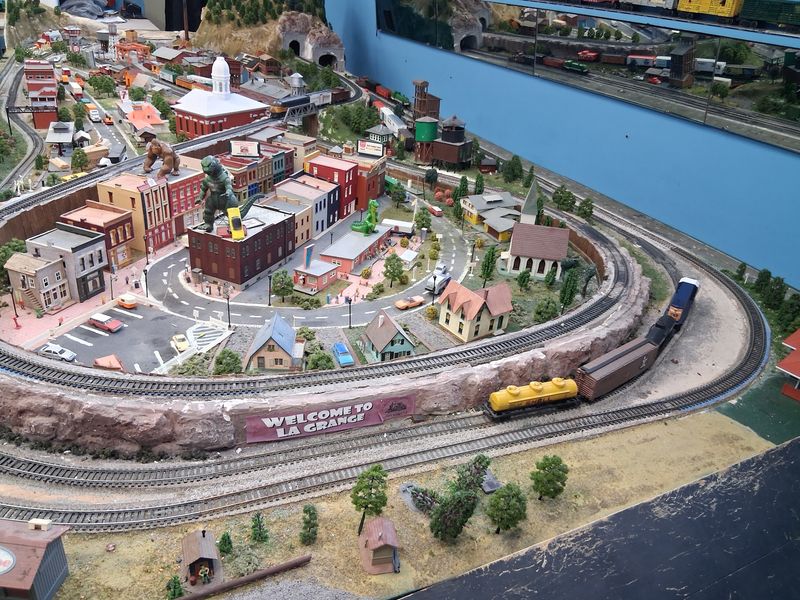
Simple trips are often the best trips. This one needs almost no planning.
Admission costs nothing, so there are no tickets to book. Just show up during open hours.
Since volunteers run the place, hours can change. A phone call or website check is smart.
Weekend afternoons tend to be the most reliable window. Midday light also makes for better photos outside.
Bring a few dollars for the donation box. Support keeps a free museum free.
Allow extra time for train watching. You may catch two or three during a longer stop.
Parking sits on nearby streets, and spaces are usually available. Avoid blocking driveways or crossings.
The location is an easy drive from Louisville, which makes it a solid half day trip. Add a lunch stop downtown.
Rain does not ruin anything, since the museum is indoors. The trains run regardless of weather.
Tell the volunteers what you enjoyed. Feedback matters at small places like this.
My advice is straightforward. Go once, stand near the tracks, and let the horn convince you it was worth the drive.