This Free Nebraska Christmas Market Feels Like A Trip To Germany For One Day Only
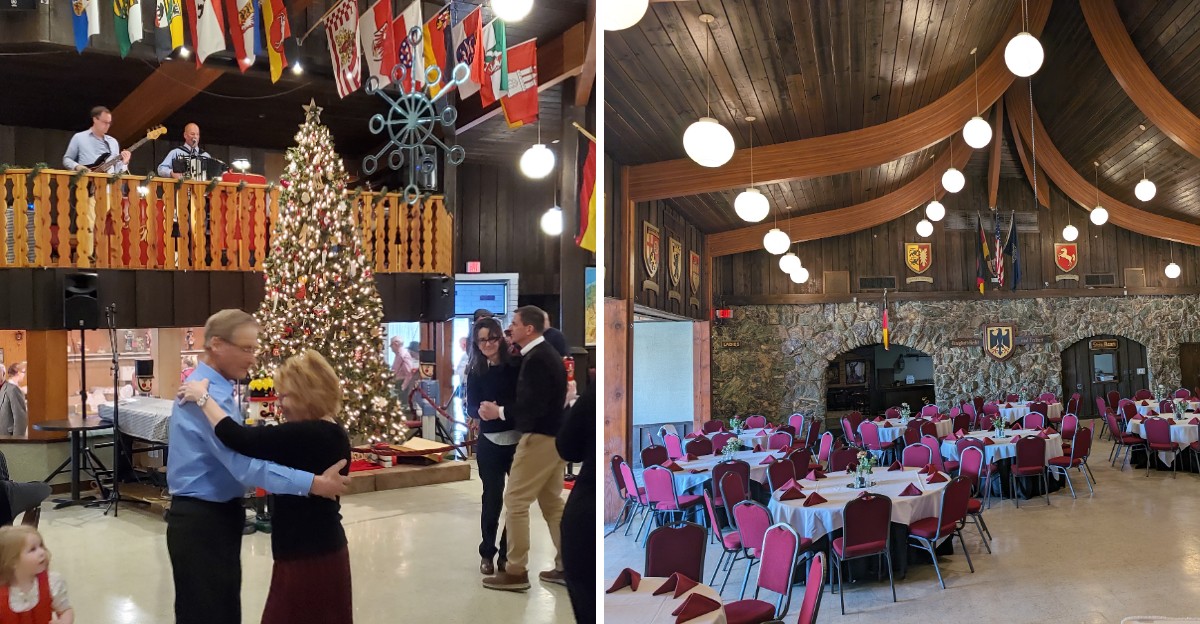
Wood carvers sell their own handmade creations right under a stage while choirs sing German carols nearby. That detail alone had me curious.
The yearly market fills a clubhouse run by a German heritage society with roots reaching back to 1884. Shoppers browse holiday treasures in one hall, while brats, schnitzel and sauerkraut are served in another.
I like how the whole day feels built around old traditions instead of shopping alone. There are folk dancers, a marionette Christmas play and a visit from St. Niklaus for the little ones.
Nebraska has plenty of holiday events, and I love so many of them. Still, I can’t think of many that close with a whole room singing Silent Night in two languages.
So how did a club started by immigrants keep a celebration like this going for well over a century?
A Slice Of Old World Christmas Waiting In West Omaha
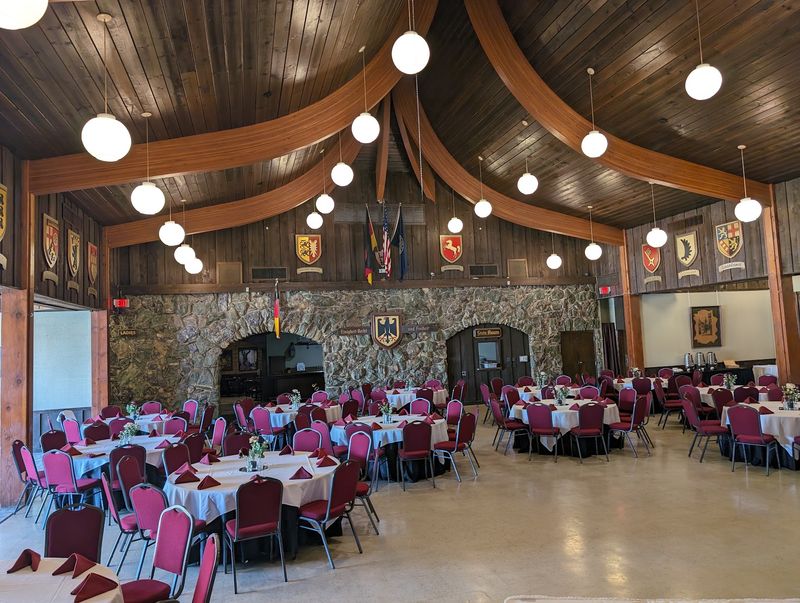
Few people expect to find a German Christkindlmarkt along a busy West Omaha street. Yet every holiday season, the German American Society turns its clubhouse into exactly that.
The event is called Christmas in Germany, and the name fits. Market shopping, German food, choirs, folk dancing and children’s activities all share one roof for the day.
The host is a cultural club, not a shopping center or a theme park. Its members have spent generations keeping German language, music, food and customs alive in Nebraska.
That gives the market a different feel from a typical holiday bazaar. The traditions come from people who actually carry them, and the whole program reflects it.
The clubhouse stays busy all year with Oktoberfest, New Year’s Eve gatherings, Friday Keller nights and private events. Members can even take German lessons or try German cooking.
Christmas in Germany, though, might be the coziest event on the calendar. It blends gift shopping with a full afternoon of culture, which is a rare pairing.
So if your December plans feel a little predictable, this could shake things up. A trip across the Atlantic usually needs a passport, but this one only needs a parking spot.
How A Club Of Northern German Immigrants Kept The Lights On Since 1884
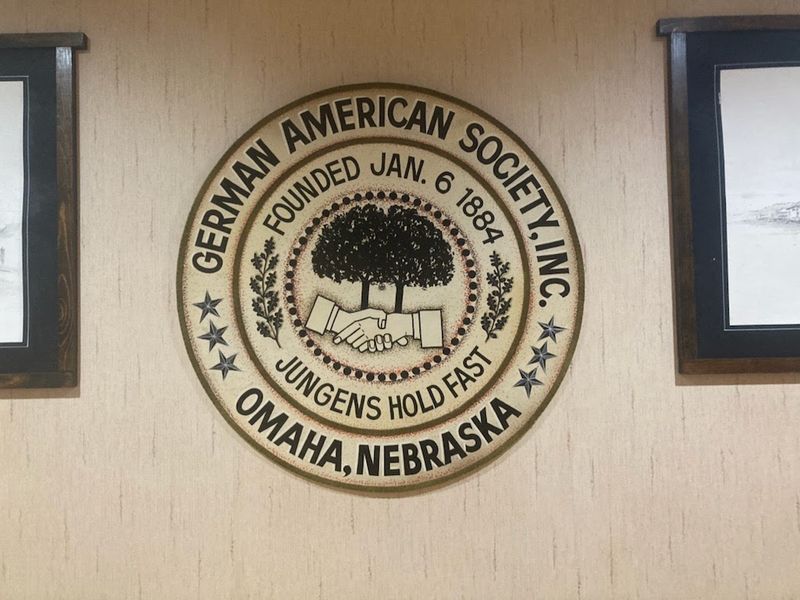
Back in 1884, immigrants from Northern Germany formed a club in Omaha called the Omaha Plattdeutscher Verein. Plattdeutsch refers to Low German, the everyday language many of them brought from home.
That small club grew into a central gathering place for German families in the city. Over the decades, it became the German American Society known today.
Keeping any club running for more than a century takes stubborn dedication. The society held on through the Great Depression and through the hard years when German heritage faced suspicion in America.
Plenty of immigrant clubs from that era faded away long ago. This one kept meeting, kept singing and kept cooking, which says a lot about its members.
In 1969, the society moved into its current clubhouse in West Omaha. The building was planned with large gatherings in mind, which explains why it handles a full holiday festival so well.
Its German Day Oktoberfest reached its 141st run in recent years, a number that is hard to top. Christmas in Germany grows from those same deep roots.
Knowing that backstory makes the market feel richer. Every carol and every plate of sauerkraut connects back to those first Low German speakers in Nebraska.
Hand-Carved Treasures Under The Stage Make Gift Shopping Feel Personal
Mass-produced ornaments are easy to find in December. Handmade carvings sold by the people who carved them are a lot harder to track down.
At Christmas in Germany, the Christkindl Market sets up in the North Hall West, right under the stage. The tucked-under-the-stage spot gives shopping a snug, market-stall feel.
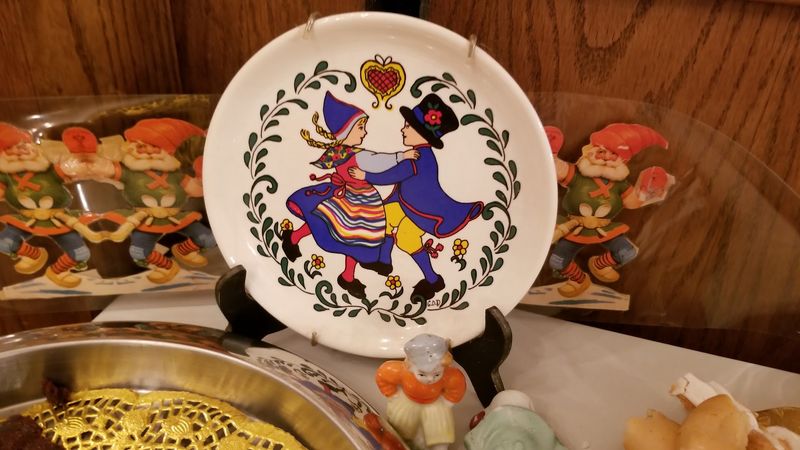
Shoppers browse German Christmas treasures there, and the Mid-America Wood Carvers bring their own original creations. Wood carving vendors have been part of this celebration for years.
Even better, the carvers work on pieces in the lower level during the event. Watching a design slowly appear from a block of wood beats scrolling through an online cart.
Handmade Lebkuchen, the classic German gingerbread cookie, has also been sold downstairs. It makes an easy stocking stuffer, assuming it survives the drive home.
The best part of shopping here is the story attached to each find. A carved figure from a Nebraska artisan means more under the tree than another plastic ornament.
Bring some patience and a little room in your bag. Baskets fill up fast when every table holds something you won’t spot at the mall.
Brats, Schnitzel And Sauerkraut Steal The Spotlight In The South Hall
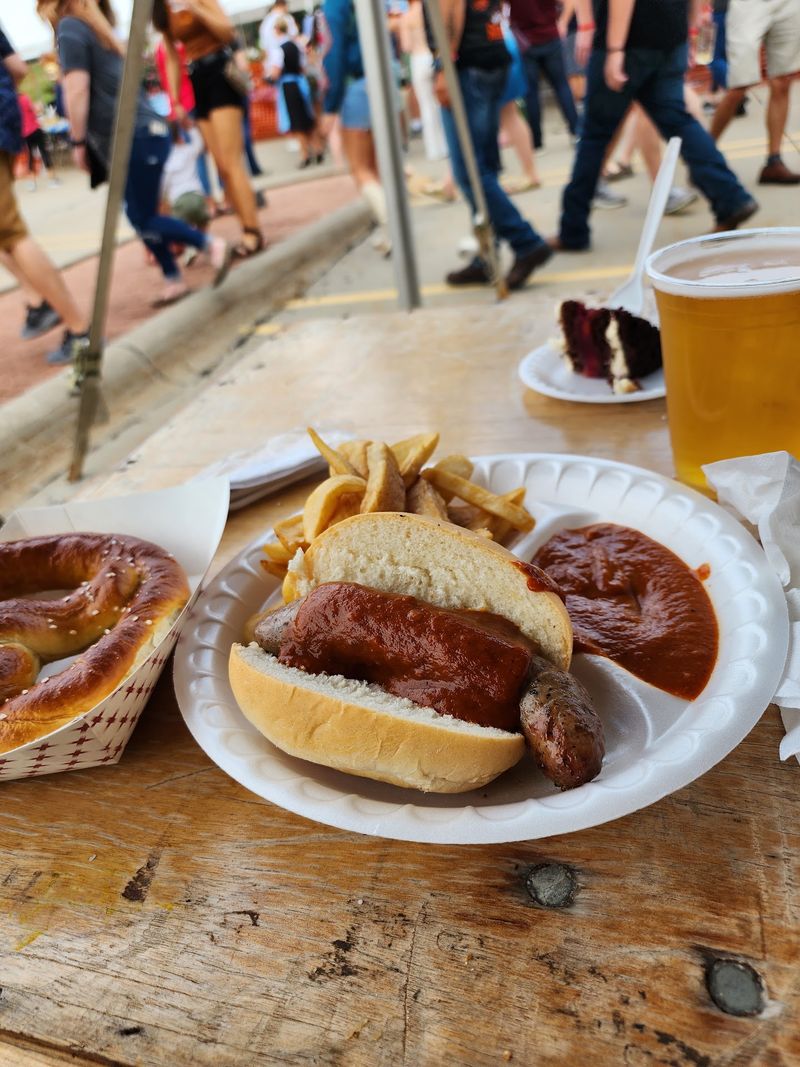
Shopping builds an appetite, and the planners clearly knew that. During Christmas in Germany, food is served in the South Hall for most of the afternoon.
The lineup reads like a German grandmother’s Sunday table. Brats, schnitzel, sauerkraut and potato salad have all appeared on the holiday menu.
Save room for dessert, because traditional tortes and other sweet treats join the spread. Choosing between them could be the toughest decision of the day.
The kitchen here has a strong track record beyond the holidays. The society caters weddings, breakfasts and luncheons, and its Oktoberfest food draws a big following each fall.
Soft pretzels and sauerkraut earn special attention at those fall festivals. That kind of reputation is worth knowing before you grab a plate in December.
Having food in a separate hall also keeps things comfortable. Shoppers can browse the market, then wander over for a hot meal without juggling gifts and gravy.
Families will find something for nearly everyone. Picky kids tend to agree on a brat, and adults can go all in on the schnitzel.
Choirs, Folk Dancers And A Polka Band Keep The Halls Humming
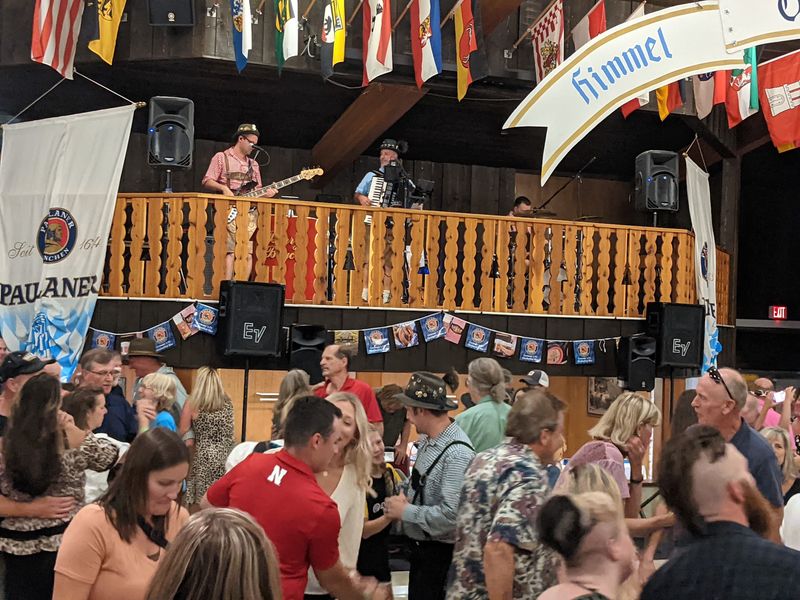
Music runs through this celebration from start to finish. The North Hall fills with traditional German songs and singing throughout the day.
Several local groups take the stage, performing Weihnachtslieder, the German word for Christmas songs. The Die Singenden Wanderer and Sängerchor choirs share their voices with the crowd.
Then the Heimat Tänzer step in with lively German folk dances. Bright costumes and quick footwork add plenty of energy between the carols.
Later in the afternoon, the Barry Boyce Band plays polka and holiday tunes. Good luck keeping your feet still once the accordion gets going.
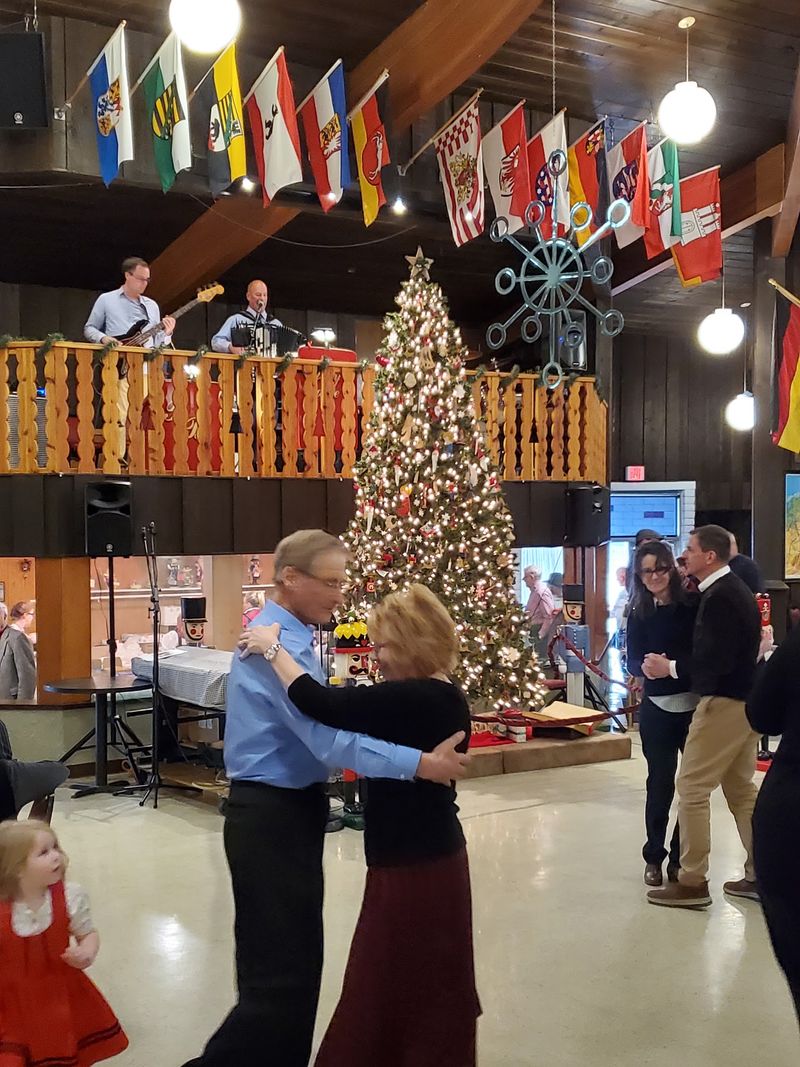
The setting helps the sound shine. The main hall is decorated with flags and crests, plus a giant fireplace framed by rock walls, and its acoustics suit live music nicely.
Dancing is a big part of the society’s identity all year long. It even hosts other groups, such as a Scandinavian dance workshop that has returned year after year.
For anyone who thinks German music means only oompah, this lineup offers a broader taste. Choirs, dancers and a polka band make a surprisingly full concert for one afternoon.
St. Niklaus, Marionettes And A Krampus Tale For The Whole Family
Kids get their own slice of the fun at Christmas in Germany. The program weaves children’s activities through the whole afternoon.
The Schnurrpuppen marionettes perform a Christmas play early in the day. Puppets on strings feel delightfully old-fashioned, and that’s exactly the charm.
A children’s sing-along follows later in the afternoon. Little voices get their chance to join the holiday chorus.
Then comes the headliner for the younger crowd, St. Niklaus himself. He stops by to visit with children and hand out treats.
In German tradition, St. Nicholas is closely tied to December gift-giving, so his appearance fits the theme perfectly. It’s a gentle reminder that Santa has some interesting relatives.
Older kids and curious adults can head downstairs for a Krampus folklore presentation. Krampus is the shaggy, horned companion of St. Nicholas in Alpine legend, and the talk explains his place in holiday customs.
That mix keeps every age group busy. Grandparents, parents and toddlers can all find something that holds their attention, which is no small feat in December.
Planning Your Trip To The Clubhouse On South 120th Street
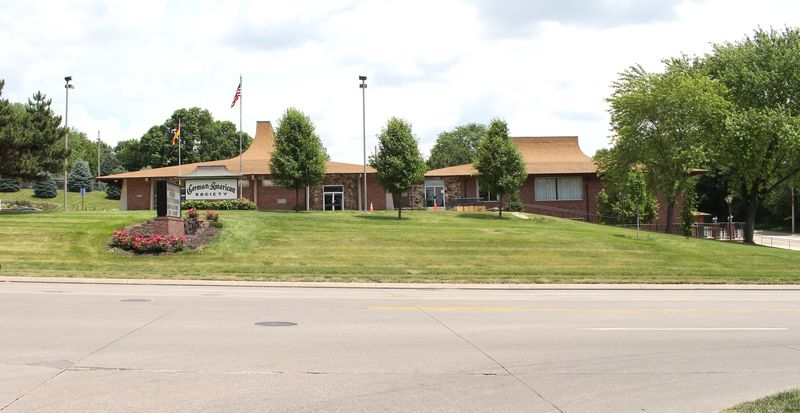
Finding the market is refreshingly simple. The German American Society sits at 3717 S 120th St, Omaha, NE 68144, in the western part of the city.
The location is easy to reach from Interstate 80 and much of the Omaha metro. Day-trippers from Lincoln and smaller Nebraska towns can make it a manageable holiday outing.
Christmas in Germany is a once-a-year event, so timing matters. Check the society’s calendar or social media in late fall for the current date and schedule.
Performances and activities run on a set timetable through the afternoon. Arriving early gives you the best shot at catching the marionettes, choirs and St. Niklaus.
The building itself is roomy, with several halls and a lower level. That space lets shopping, dining and entertainment run at the same time without feeling cramped.
Outside of the holidays, the clubhouse office keeps regular weekday hours, and Friday evenings bring Keller nights. The venue also hosts weddings, reunions and networking events throughout the year.
A sturdy tote is a smart addition to your plans. Carvings, cookies and German trinkets add up quickly once you start browsing.
Why Silent Night Makes This Market Worth Every Mile
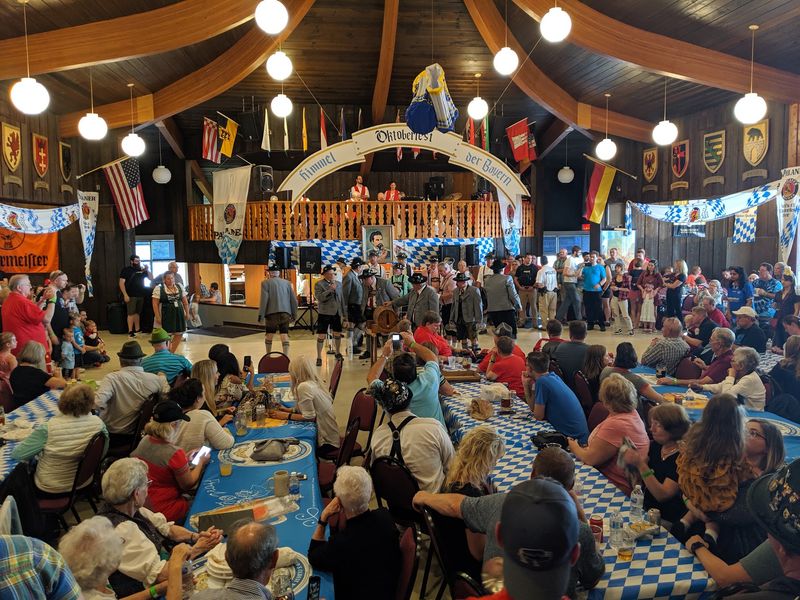
Toward the end of the day, the whole crowd gathers for one last song. Everyone is invited to sing Stille Nacht, or Silent Night, in both German and English.
The carol itself was born in Austria in 1818, and it still carries the same simple warmth. Hearing a full hall sing it together is a lovely way to close the afternoon.
That moment sums up what makes Christmas in Germany special. It’s a market, sure, but it’s also a living tradition kept going by Nebraska families for generations.
The German American Society has carried its heritage from 1884 to today. Few holiday events in the state can point to roots that deep.
Shoppers leave with carved treasures, gingerbread and full stomachs. Many also leave with a few new words of German and a song stuck in their heads.
For families craving something more meaningful than another crowded store, this fits the bill. It’s festive, affordable to explore and rich with culture.
Put it on your December list and bring someone who loves tradition. Odds are good you’ll be humming Stille Nacht all the way home.