This Funky Connecticut Town Has The Kind Of Local Personality You Do Not Find Everywhere
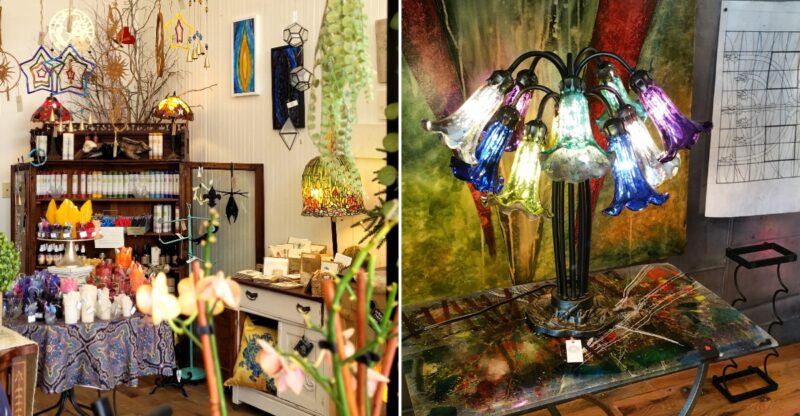
Some towns guard their character fiercely. This little Connecticut spot wears its weirdness with pride.
Giant frogs perch on thread spools downtown. Murals splash color across old brick walls.
I love a place that is this comfortable being itself. Thread built it, and that history runs deep.
Victorian houses climb the hill above Main Street. Coffee shops, diners, and tiny galleries line the sidewalks.
Strangers here strike up conversation without warning. Rivers wind quietly past the edge of everything.
You browse, you linger, you fall hard. Nothing feels mass-produced or polished here.
Quirky and historic somehow share the same street. Wander in and let it charm you.
A Mill Town With Real Roots
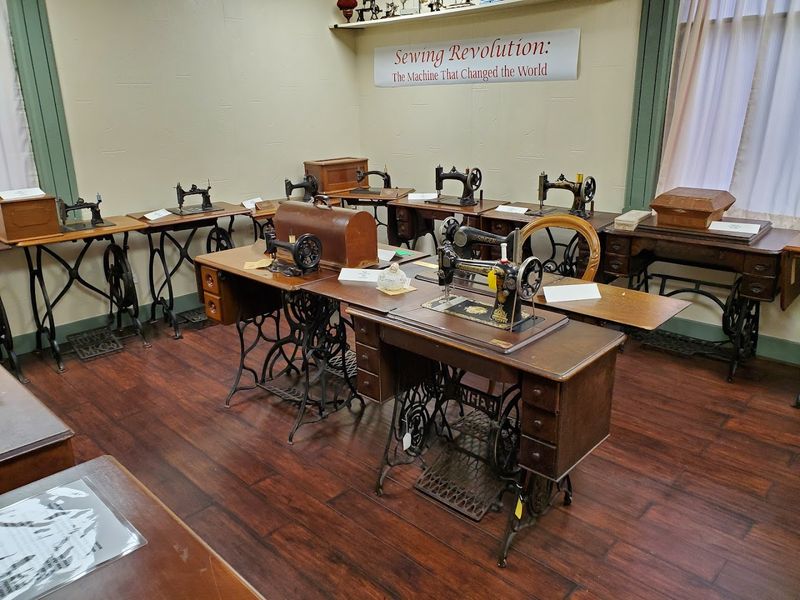
Before the quirky storefronts and art murals, there was thread. Willimantic built its identity on the textile industry, and that history is not hidden away in some dusty archive.
The Windham Textile and History Museum stands as one of the most honest industrial museums in Connecticut. It preserves the original mill spaces, machinery, and worker housing to show exactly what life looked like in the 19th century.
In the museum, you can see the looms, the spool rooms, and the cramped but tidy mill worker quarters. The American Thread Company once made this one of the most productive textile towns in the entire region.
Willimantic earned the nickname Thread City, and locals wear that title with pride. The museum does not just display objects. It tells human stories about the workers who powered this economy for generations.
If you want context before exploring the rest of town, start here. Understanding the mill past makes every Victorian house and brick building feel more meaningful.
The museum is at 157 Union Street, making it easy to find right in the heart of Windham.
Victorian Streets Worth Wandering
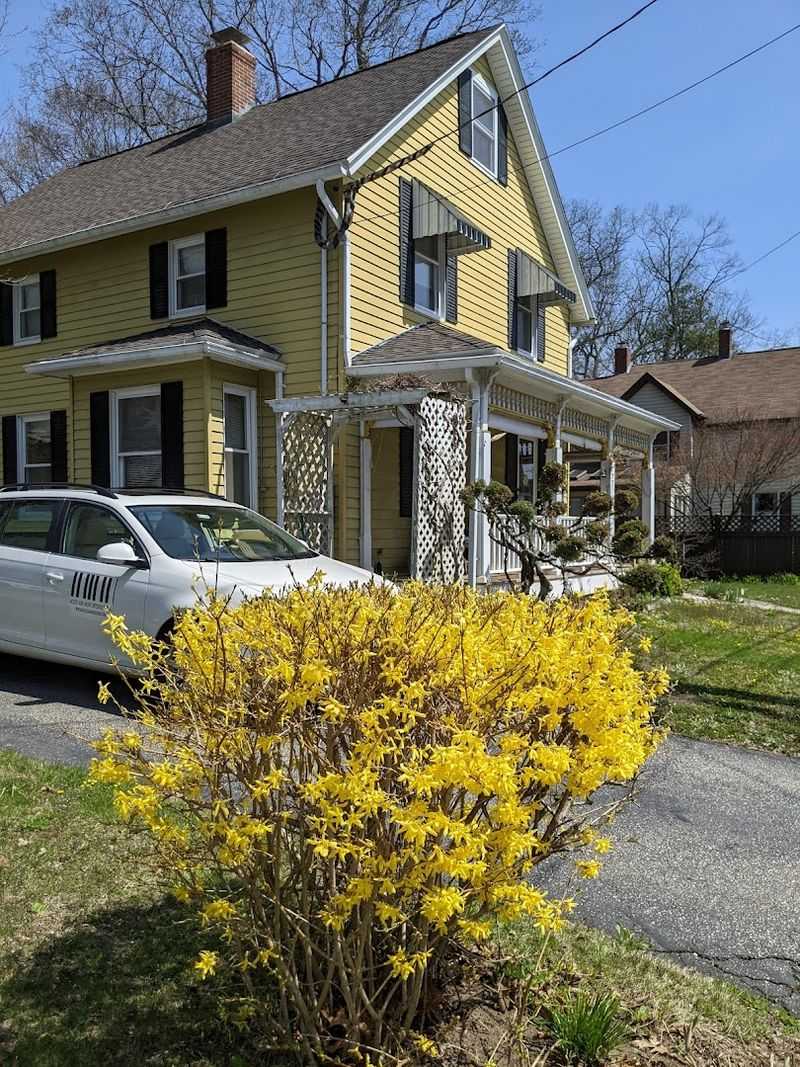
Few things stop a traveler mid-stride like a street full of well-preserved Victorian architecture.
Prospect Hill Historic District in Willimantic does exactly that, and it does it without any tourist fanfare.
The neighborhood sits quietly above the commercial center of town. Its houses are tall, detailed, and surprisingly intact. Decorative woodwork, wraparound porches, and steeply pitched rooflines line block after block.
This district developed during the peak of the textile boom. Mill owners and managers built grand homes here to display their prosperity. What remains today is essentially a living record of late 19th-century ambition.
Prospect Hill feels like flipping through an architecture book, except the pages are real and you can touch the iron fences. Many homes are privately owned and lovingly maintained.
Connecticut has no shortage of historic districts, but Prospect Hill stands out for how cohesive and well-preserved it remains. The scale feels human, not overwhelming.
You do not need a tour guide to appreciate it. Just bring comfortable shoes and a willingness to look up.
Main Street Has Real Character
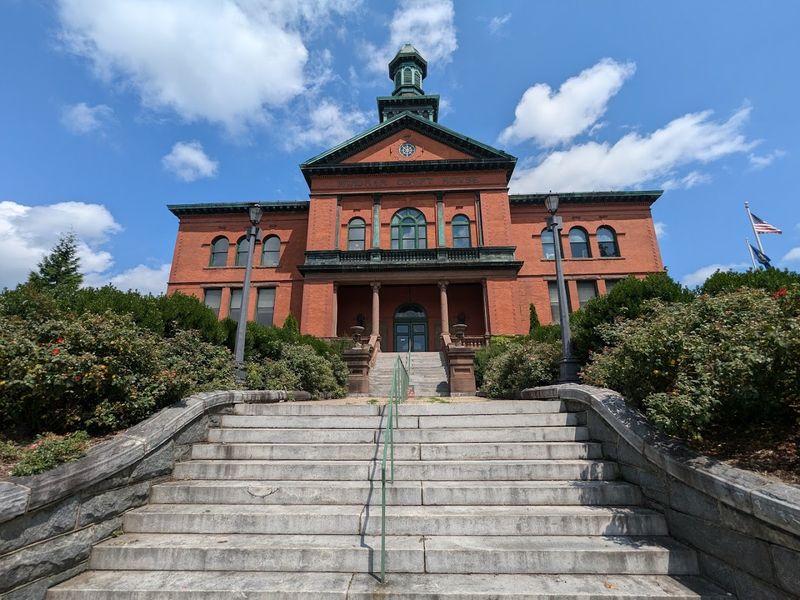
Main Street in Willimantic is the kind of street that rewards slow walkers.
There is always something to notice, whether it is a painted mural, a handmade sign, or a shop window filled with local goods.
The Romanesque Revival town hall anchors the street with its sturdy stone presence. Built in the late 1800s, it gives the block a sense of permanence that chain-heavy commercial strips simply cannot replicate.
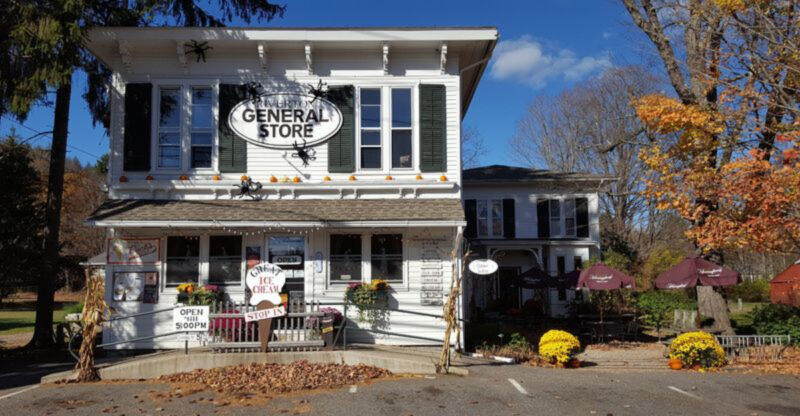
Around it, independent cafes, diners, and gift shops fill the storefronts. The businesses here feel genuinely local. You are more likely to find a hand-painted pottery set than a franchise loyalty card.
Street art appears in unexpected spots. Local artists have contributed murals that reference both the industrial past and the creative present. The result is a streetscape that feels layered and intentional.
Connecticut has plenty of charming town centers, but Main Street here has a scrappier, more honest energy.
On weekends, the foot traffic picks up noticeably. Families, students from Eastern Connecticut State University, and longtime residents all share the same sidewalks.
Frogs, Fountains, And Local Legend
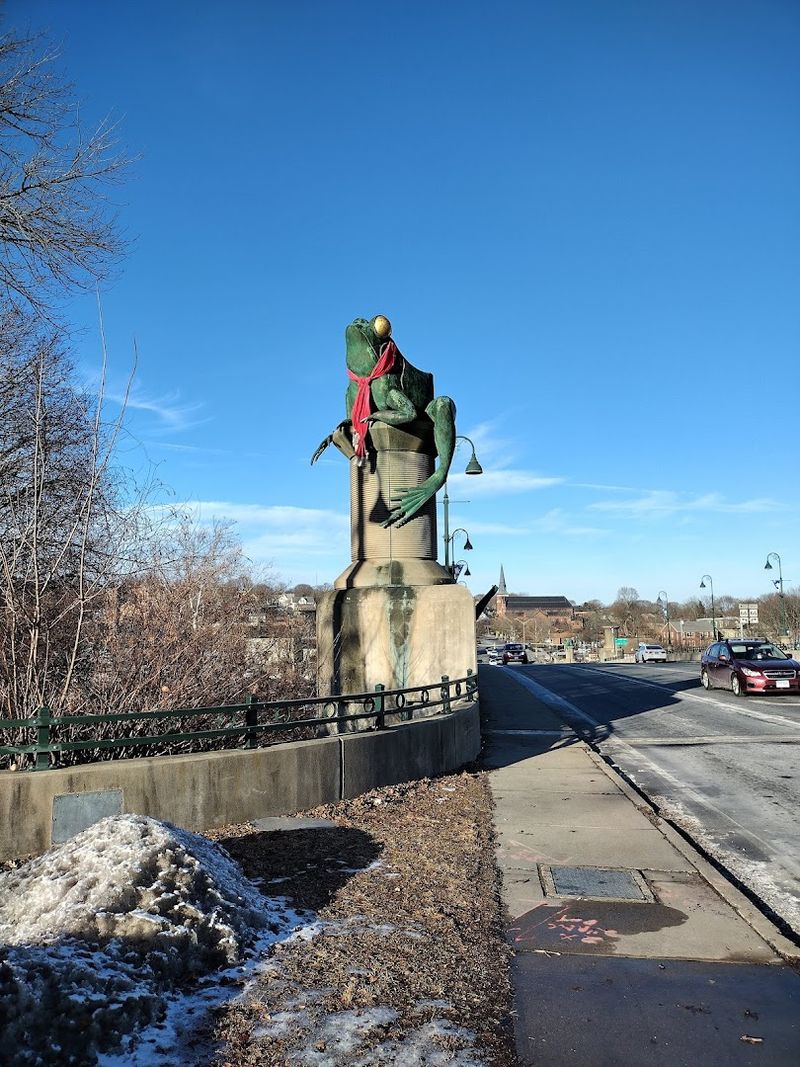
Here is something you will not find in every Connecticut town: a bridge on Bridge Street over the Willimantic River decorated with giant copper frogs sitting on thread spools, spouting water into the air.
The Frog Bridge is one of the most photographed spots in Willimantic. It sits on Bridge Street and references two distinct pieces of local history.
The thread spools nod to the textile industry, while the frogs reference the Windham Frog Panic of 1754.
That event, as the story goes, involved colonists being startled awake by a tremendous noise. They feared an attack, but the source turned out to be thousands of frogs fighting over a drying pond during a drought.
The town has embraced this odd chapter with remarkable good humor. The Frog Bridge is not just a quirky photo stop.
It is a genuine expression of how Willimantic sees itself: historically grounded, but not too serious about it.
Kids love climbing around the base of the statues. Adults love the backstory. Photographers love the light in the late afternoon when the water catches the sun.
Parks Along Two Beautiful Rivers
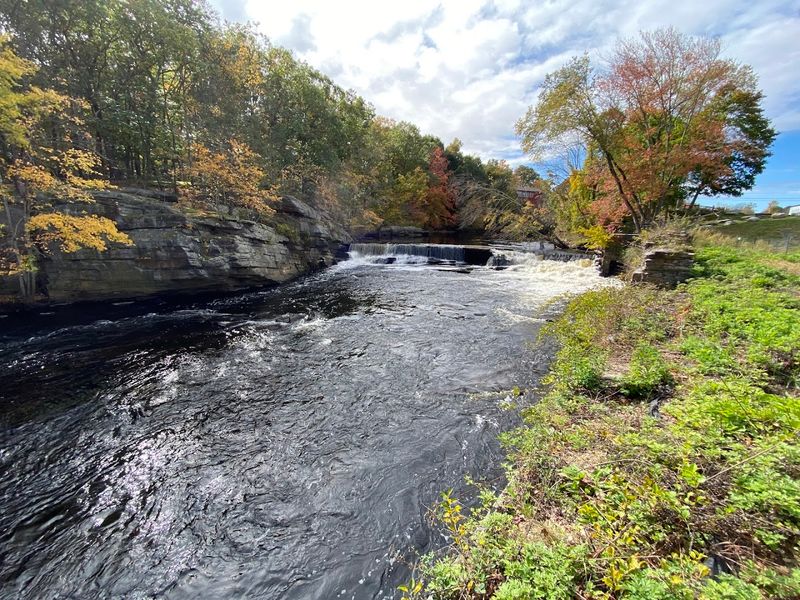
Not every visit needs to be about buildings and history.
Sometimes the best part of a town is where its rivers meet, and Willimantic delivers on that front without any effort.
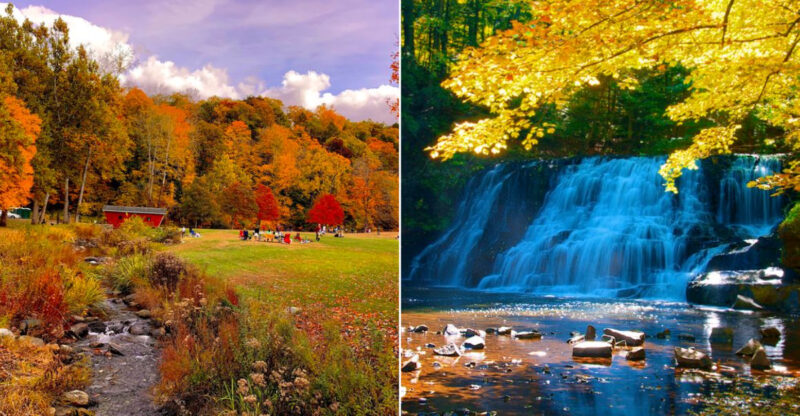
The Willimantic River and the Natchaug River both flow through or near the town, and their banks have been shaped into accessible green spaces. These parks offer a quiet contrast to the busier parts of town.
The river corridors are popular with walkers, joggers, and people who just want to sit near moving water and think for a while. The trails are manageable and well-maintained, even for casual visitors.
Connecticut is known for its river landscapes, and these stretches near Willimantic are among the more peaceful examples in the eastern part of the state.
Bring a book, bring a camera, or just bring yourself. The rivers do not demand anything from you.
They just offer a place to slow down and appreciate that not everything worth seeing requires a ticket or a plan.
Eastern Connecticut State University Energy
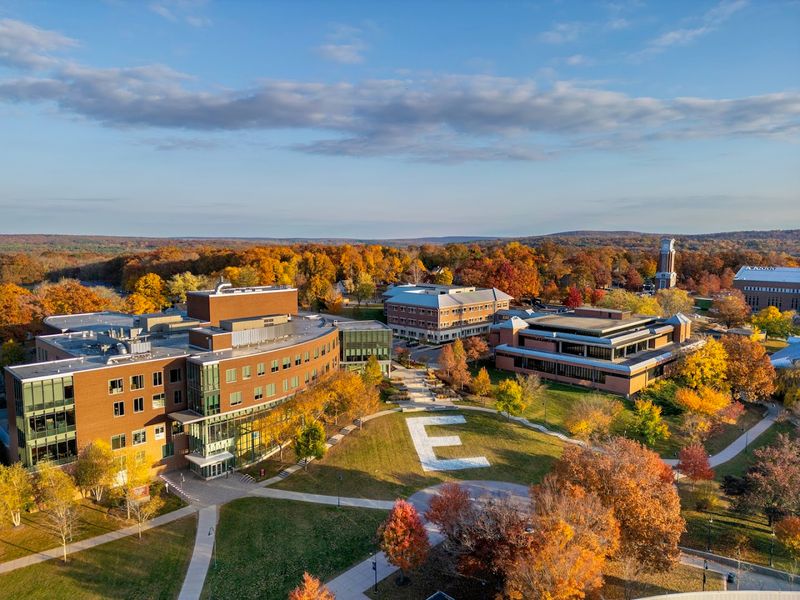
A college campus changes the personality of any town it touches.
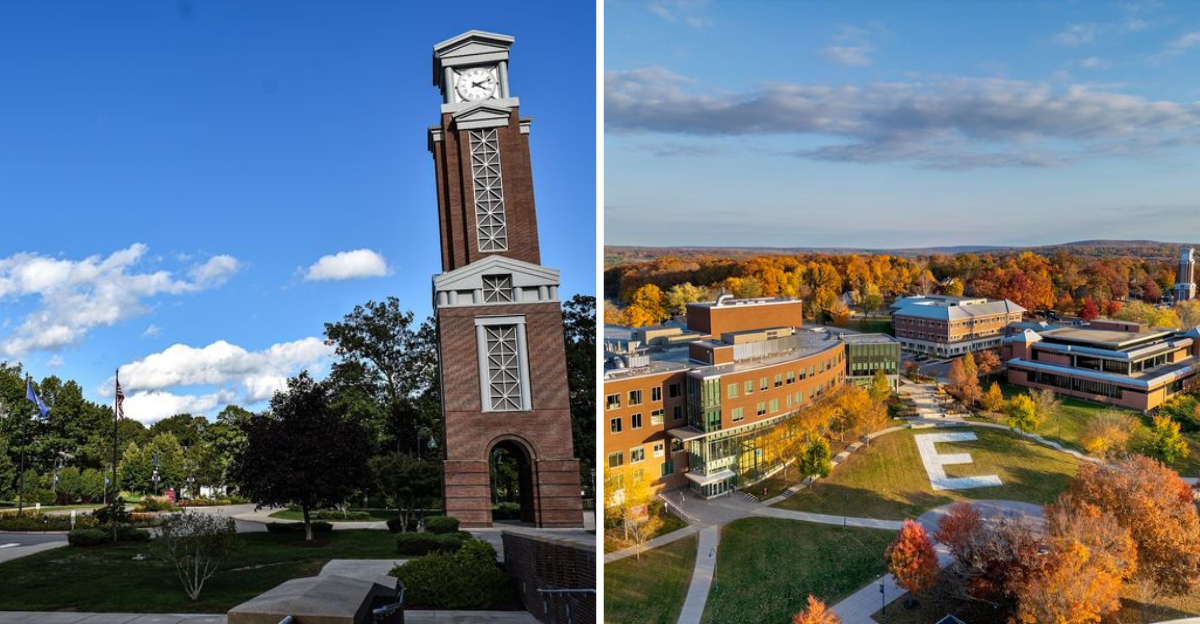
Eastern Connecticut State University, at 83 Windham St, brings a steady current of youthful energy to the area.
Founded in 1889, the university has grown into one of the four regional comprehensive universities in Connecticut. It sits on a well-maintained campus that blends older academic buildings with more modern facilities.
The student population keeps local businesses active throughout the academic year. Coffee shops fill up during exam weeks. Small restaurants see regulars who become familiar faces over four years.
The university also contributes to the cultural life of the town. Art exhibitions, performances, and public lectures regularly spill out from campus into the broader community.
For a traveler, the campus itself is worth a short walk. The grounds are open and pleasant, and the mix of architectural styles across the buildings tells its own story of growth over more than a century.
Local Food Worth Seeking Out
Willimantic does not have a flashy food district with velvet ropes and reservation queues.
What it has is something more satisfying: real neighborhood spots where the food reflects the community.
The diners on and around Main Street serve the kind of breakfasts that require no explanation. Eggs, toast, strong coffee, and a counter where someone might strike up a conversation without being asked.
Local cafes have expanded the options in recent years. You can find espresso drinks alongside homemade pastries, and many shops source from nearby farms and producers in Connecticut.
That local-first approach shows up consistently in the quality.
The town also has small restaurants that reflect the diverse communities living here. The food choices are more varied than the town’s size might suggest, which makes exploring the dining scene interesting.
There is no pressure to eat at a particular place or follow a food tour route. The best approach is to walk until something smells good, then follow your nose through the door.
Best Times And Practical Tips
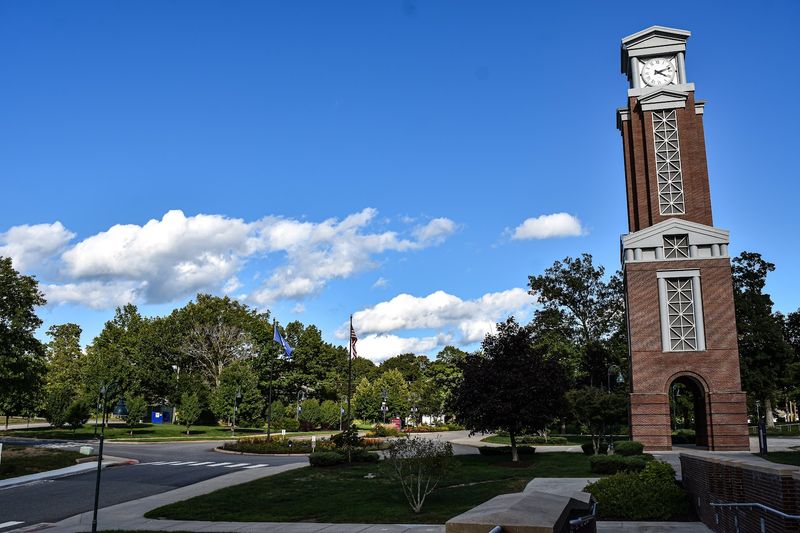
Timing a visit to Willimantic well makes a noticeable difference.
Fall is the most visually rewarding season. The foliage along the river corridors and through the Prospect Hill neighborhood reaches its peak between mid-October and early November.
The colors are genuinely impressive. Spring brings a softer version of the same beauty. The riverbanks green up quickly after winter, and the town starts to feel active again after the slower cold months.
Weekend foot traffic on Main Street picks up noticeably. Summer is comfortable and busy, with the university population supplemented by visitors exploring eastern Connecticut. The parks and river paths see their heaviest use during July and August.
Winter is quieter but not without its appeal. The Victorian architecture looks striking against snow, and the museum is open year-round for those who prefer an indoor focus.
The town is compact enough to explore entirely on foot once you arrive, which is honestly the best way to catch all the details that make this Connecticut destination so worth the trip.