This Georgia Church Was Built By Monks Who Came To The State More Than 80 Years Ago
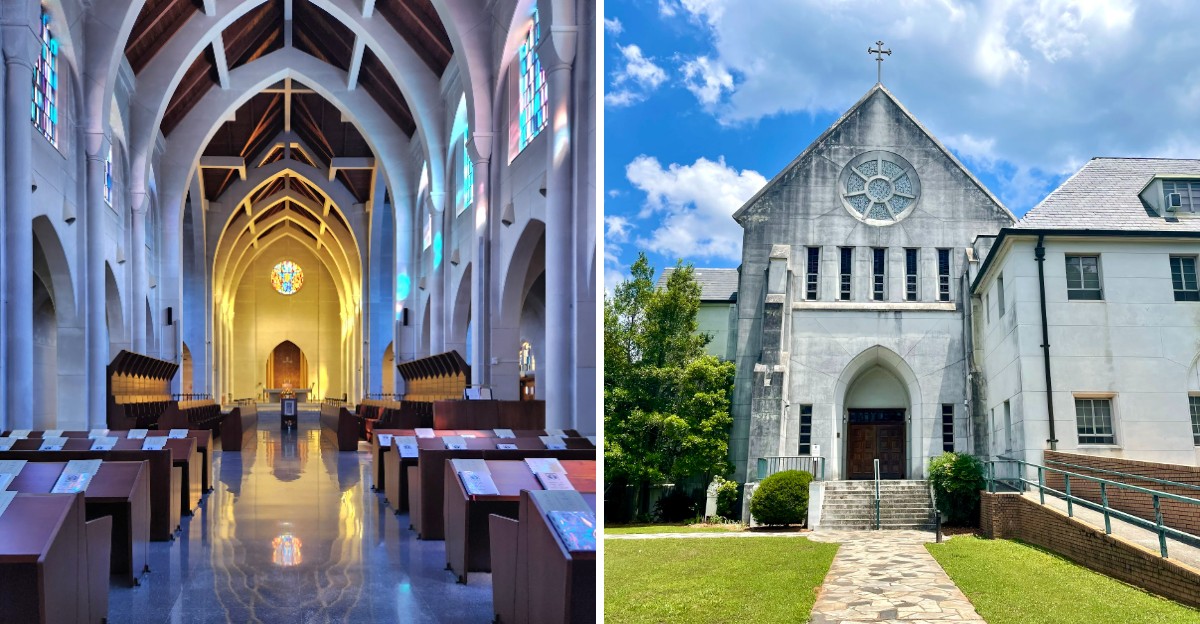
I didn’t expect a religious order to completely rearrange my afternoon, but that’s exactly what happened. I stopped for what I thought would be a quick look and maybe some baked goods.
Instead I found a church built almost entirely by hand, stone by stone, decades before anyone in the area imagined it would still be standing.
Georgia has its share of historic churches, but this one comes with monks who still live there, still pray on a strict schedule, and still bake bread the same way they did generations ago.
Walking the grounds felt like stumbling into a different century. A lake, quiet trails, bells marking the hours.
Georgia rarely gets credit for places this peaceful. I stayed far longer than planned, and I still think about the silence.
Some stops change your whole day. This is one of them.
Twenty-One Monks And A Long Drive South
In March 1944, twenty-one Trappist monks packed up and left Kentucky. Their destination was rural Georgia, and their plan was to start from nothing.
The date was March 21, 1944, which makes the community more than eighty years old. They came from the Abbey of Gethsemani, already a well-known monastic house.
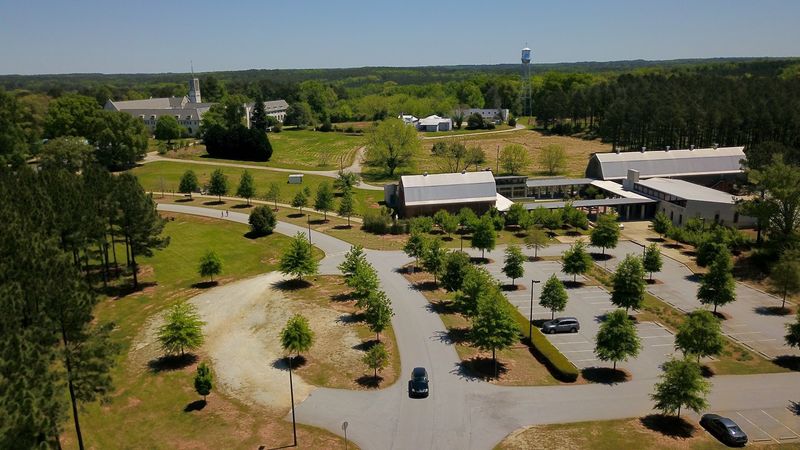
What waited for them was 1,400 acres of old cotton farmland called Honey Creek. The monks settled on 1,400 acres of former farmland known as Honey Creek, once owned by silent film actress Colleen Moore.
Here is the part that always gets me. Those first monks lived in a barn while they built a temporary home out of pine boards.
No plumbing luxuries, no comfortable dormitory, no shortcuts. Just farmland, Georgia heat, and a very long to-do list.
They were Trappists, formally the Order of Cistercians of the Strict Observance. Silence and manual labor were not hardships to them but part of the plan.
The address is 2625 GA-212 SW, Conyers, GA 30094, and parking sits right near the entrance. Start at the heritage center before wandering anywhere else.
Fifteen Years Of Pouring Concrete By Hand
Building a church takes patience. Building one yourself, with your own crew of monks, takes fifteen years.
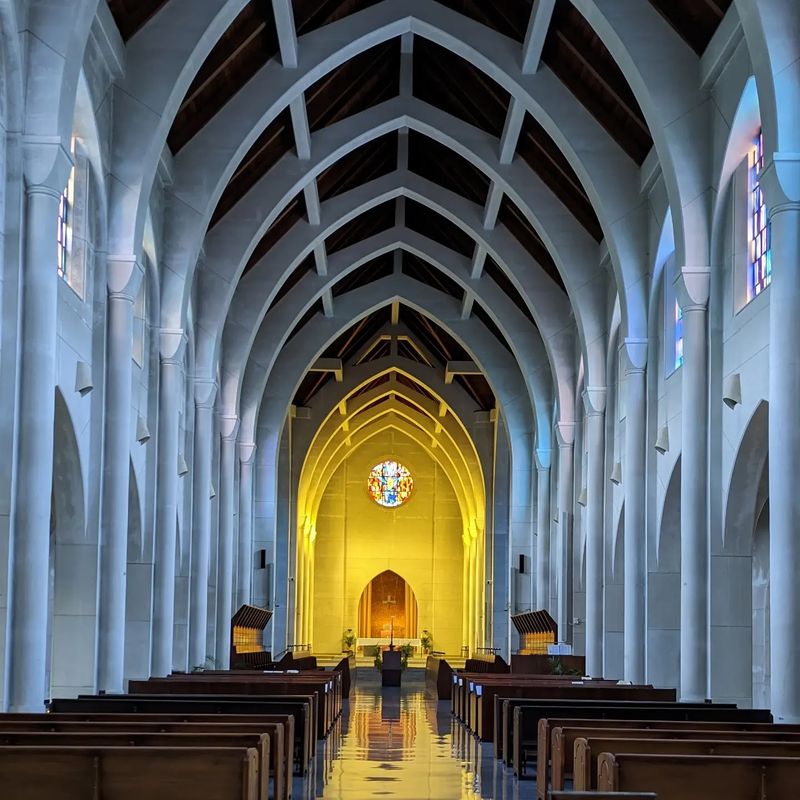
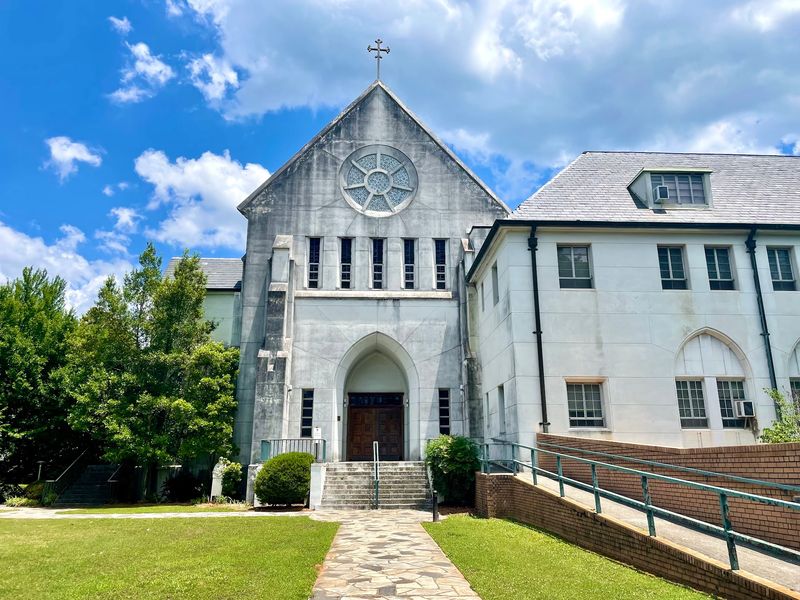
The Abbey Church was finished in 1960 after a decade and a half of labor. The monks did the construction work themselves, which is almost impossible to imagine today.
The massive concrete building remains one of the monastery’s most distinctive structures. scale surprises people who expected something small and rustic.
The design came from a real ambition. The church was designed around the simplicity and restraint associated with Cistercian architecture.
Several monks had backgrounds in art history, architecture, and sculpture. Their training shaped the finished look in ways you can still notice.
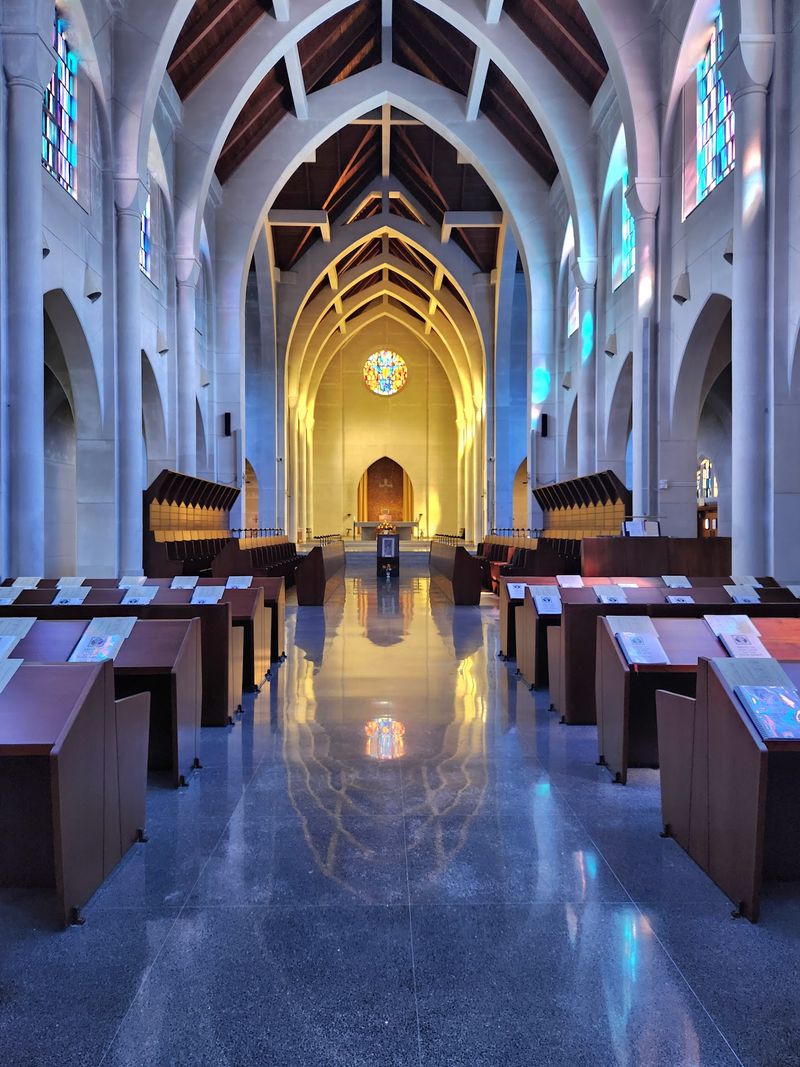
Instead of heavy Gothic decoration, the style follows Cistercian ideals. Clean lines, plain surfaces, and light doing most of the decorating.
Standing inside, the quiet feels structural, like the walls were poured to hold it. The large circular stained glass window pulls every eye upward.
Fifteen years of mixing, forming, and lifting. That fact alone is worth the drive.
Stained Glass Made In House Since 1957
Most churches order their windows from a catalog. Not here.
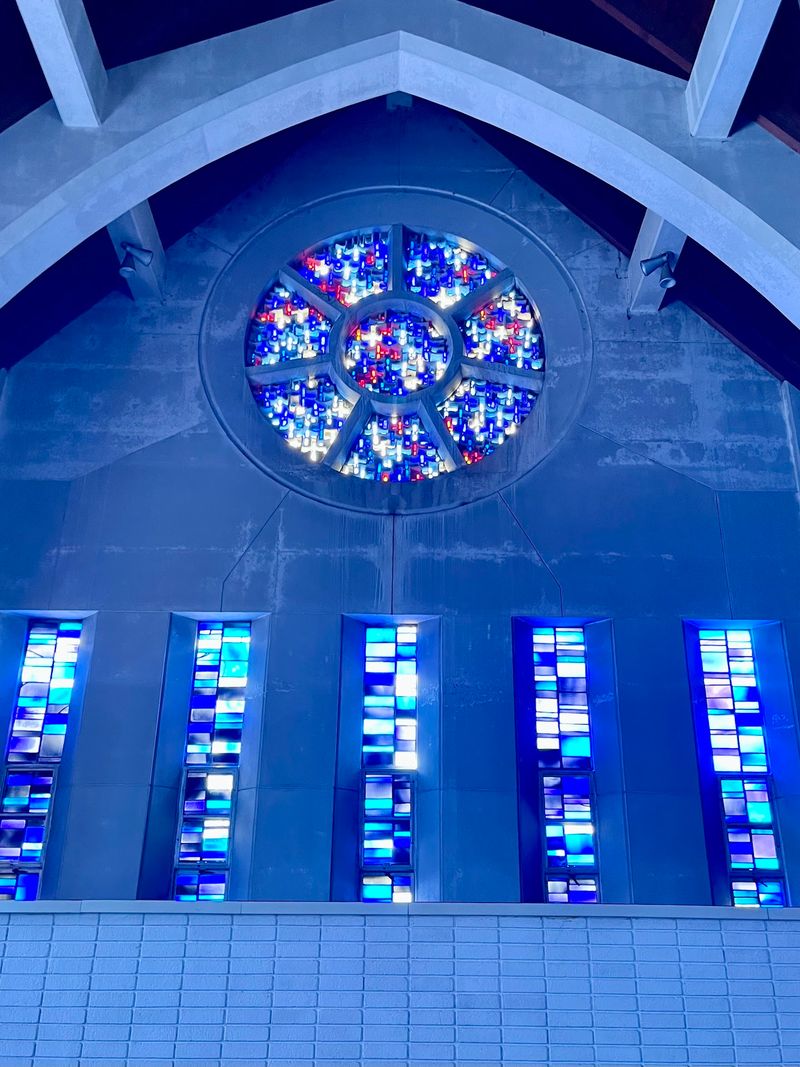
The monastery started its own Stained Glass Studios in 1957. The windows in the Abbey Church were crafted right on the property.
That detail changes how the building feels. Nothing was shipped in to imitate an old European cathedral.
The big circular window is the showstopper. Light moves across the plain concrete all day, and the color shifts with it.
Against such simple walls, the glass carries real weight. There is no competing ornament to distract from it.
The studio work did not stop with the church. Handcrafted stained glass items are still made and sold by the community.
If you like small, useful souvenirs with a real story, this is the category to browse. A suncatcher from here beats a keychain every single time.
Timing helps, so try a midday visit for the strongest light. Morning has its own softer mood if you prefer calm over drama.
Bring a camera, but also just sit for a minute. The glass rewards people who slow down.
A Prayer Schedule That Starts At 4 A.M.
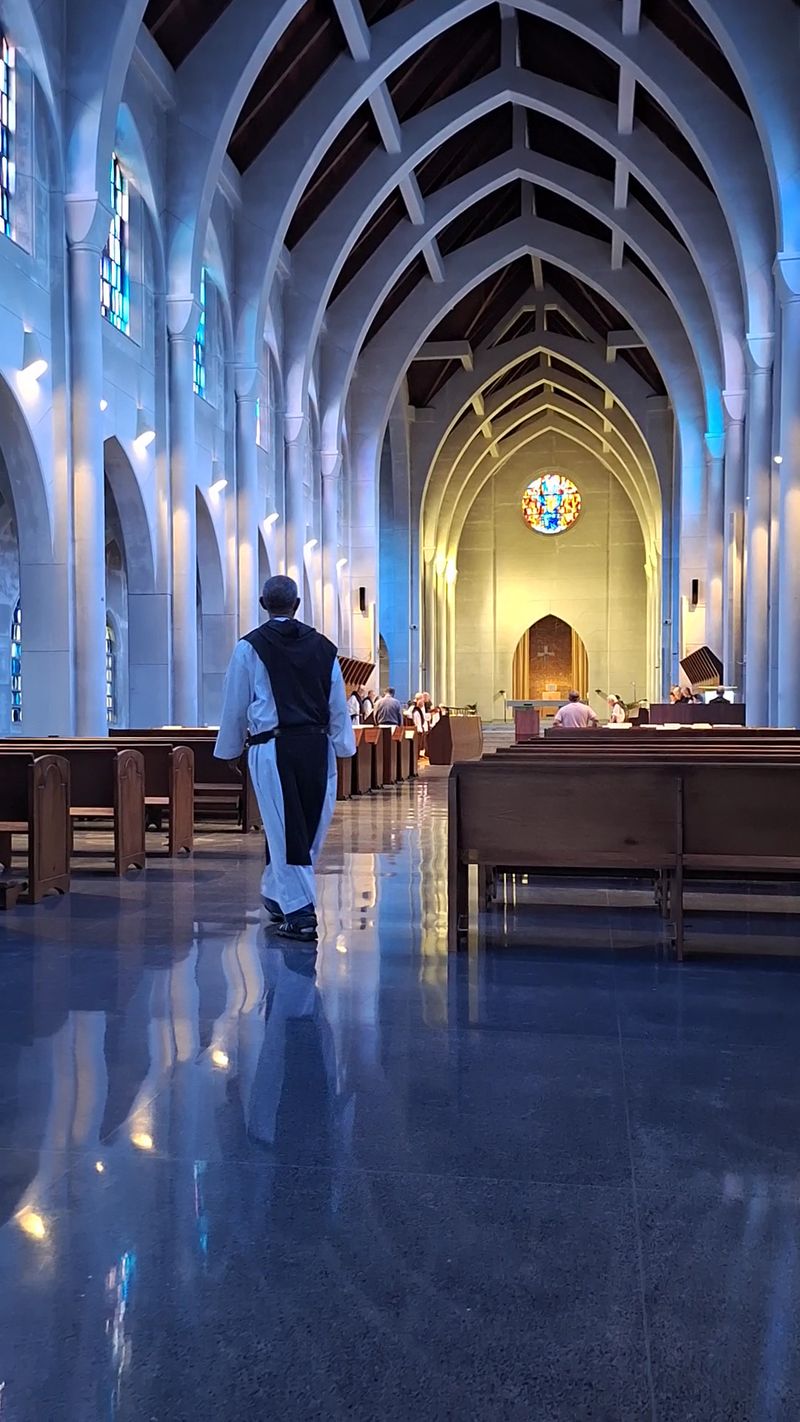
My alarm feels cruel at seven. The monks here are already three hours into their day.
Vigils begin at 4:00 a.m., the first of seven daily gatherings for communal prayer. The last one, Compline, lands at 7:30 p.m.
Their whole rhythm follows the Rule of St. Benedict. Contemplation, prayer, silence, solitude, and manual labor fill the hours between.
Visitors can attend the services, which honestly surprises a lot of first-timers. Hearing chant fill a concrete church is a genuinely unusual experience.
Midday prayer around 12:15 p.m. is the easiest one to catch on a day trip. You slip in, sit quietly, and let it happen.
There is no pressure to participate or perform. Plenty of people come simply to listen and think.
A prayer request book sits available for anyone who wants to write an intention. Holy water is there to take home as well.
My advice is simple. Plan your arrival around a service instead of squeezing one in.
The Barn Where It All Started, Now A Museum
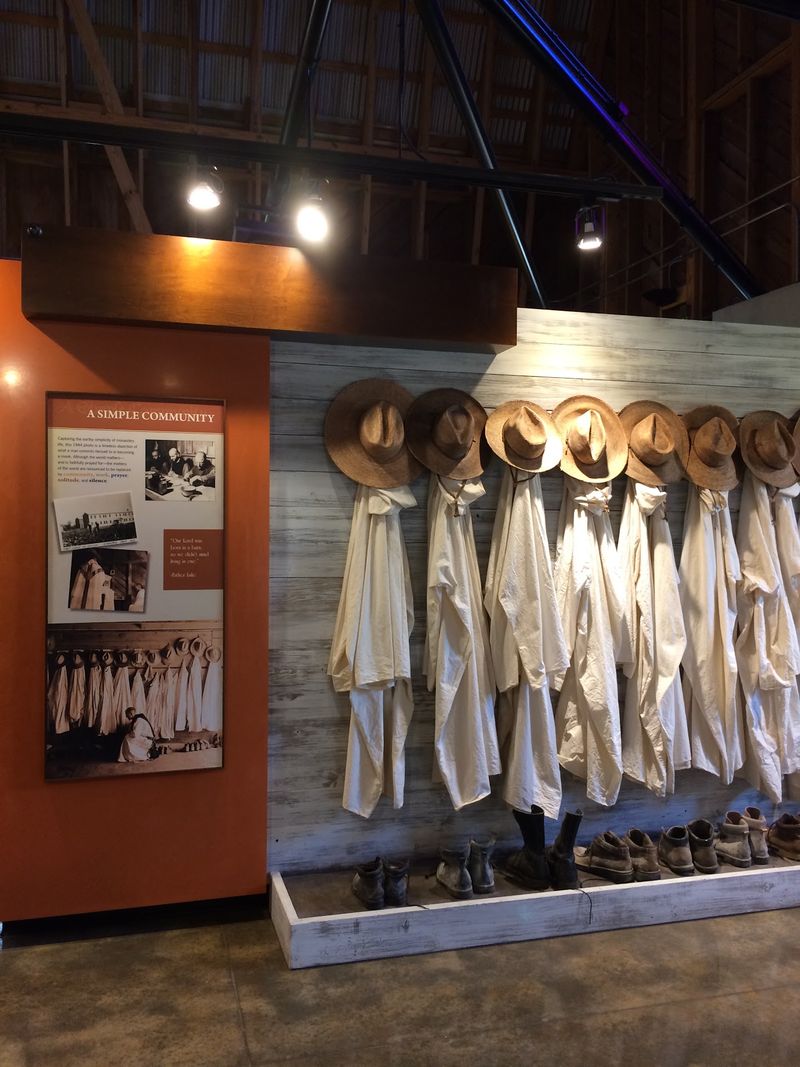
The barn is my favorite building on the property, and that is not a joke. It is where the first monks actually lived.
Today it houses the Monastic Heritage Center, which opened in 2011. The space works as both visitor center and museum.
Inside you will find equipment the founders used, along with clothing, shoes, and details of their living quarters. Placards walk you through the early years step by step.
There is a video worth the time investment. Around thirty minutes, and it fills in the gaps no sign can cover.
The building also holds the Abbey Store, so browsing and learning happen in one stop. Convenient, and honestly kind of clever.
Context makes the church hit harder. Once you see the barn, the concrete walls stop being just concrete.
An altar for prayer sits inside too. Quiet moments happen here more often than you would guess.
Sweet Treats Made By Hand At The Monastery Bakery
Let me defend fruitcake for one paragraph. The version made here has a genuine following, and for good reason.
The Monks’ Bakery produces fruitcakes, biscotti, and fudge on site. These are not novelty items but a real part of how the community supports itself.
Biscotti is the easy win if fruitcake still scares you. It travels well and pairs with coffee like it was designed to.
The fudge disappears fast in my house. I have learned to buy two boxes and hide one.
Everything sold helps fund the community and its work. Your snack purchase is doing quiet good in the background.
The store also stocks Honey Creek Wildflower Honey, produced right on the property. Named for the old farm, which is a nice touch.
Prices are not bargain-bin, so plan accordingly. You are paying for handmade goods from a small operation.
Gift shopping here solves several birthdays at once. Everyone appreciates food with an eighty-year story attached.
Peaceful Trails Until The Geese Get Involved
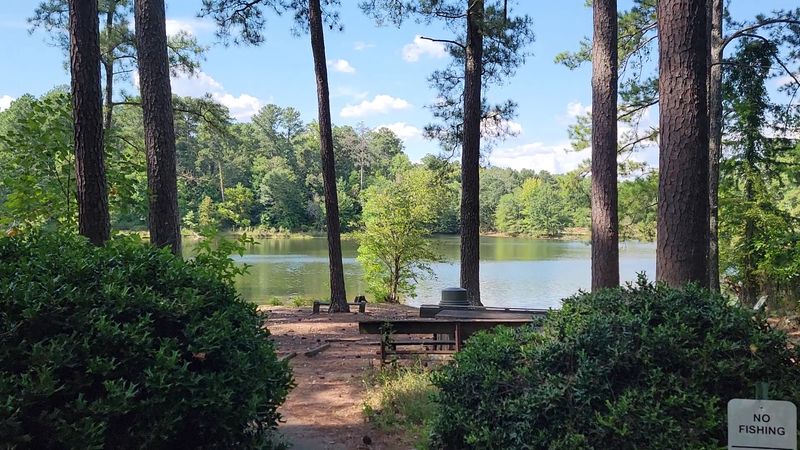
You could spend an entire morning here without entering a single building. The grounds are that good.
Miles of trails cross the property, which spans a large stretch of former farmland. Getting pleasantly lost in the quiet is part of the appeal.
A lake sits near the center with seated areas along the water. Geese patrol the banks and clearly consider themselves in charge.
One walking loop runs about half a mile, gentle enough for kids and grandparents. Longer routes exist for anyone wanting a real stretch.
A bridge crosses part of the path and makes for a nice photo stop. Rose of Sharon and trumpet vines bloom near the Abbey in warmer months.
Resident cats wander the property too, unbothered by visitors. They have opinions about attention, and they will tell you.
The monastery grounds are open to visitors every day, while the Visitor Center and Abbey Store follow separate operating hours.
Comfortable shoes matter more than anything else you pack. Georgia humidity respects nobody.
Retreats That Can Fill Up Quickly
Here is the insider tip nobody tells you. The weekend retreats book out months in advance.
The monastery hosts structured retreats with lodging, meals, and access to the daily prayer schedule. Details and dates live on the monastery website.
Accommodations are comfortable without being fancy. Meals are homemade and included in the price, which stays surprisingly reasonable.
Retreats require advance payment, unlike day visits. Grounds, museum, gift shop, and church cost nothing to enter.
Silent retreats are also part of the offering. Two days without small talk sounds terrifying until you try it.
People come for all sorts of reasons. Big decisions, spiritual questions, or simply a break from constant noise.
You do not need a formal retreat to benefit. Showing up for a service and walking the trails works fine.
Repeat visitors are common, and several make the trip multiple times a year. That says more than any brochure could.
My suggestion is to check the calendar early. Popular weekends vanish quickly.
A Bonsai Collection, Tours, And Heritage Area Roots
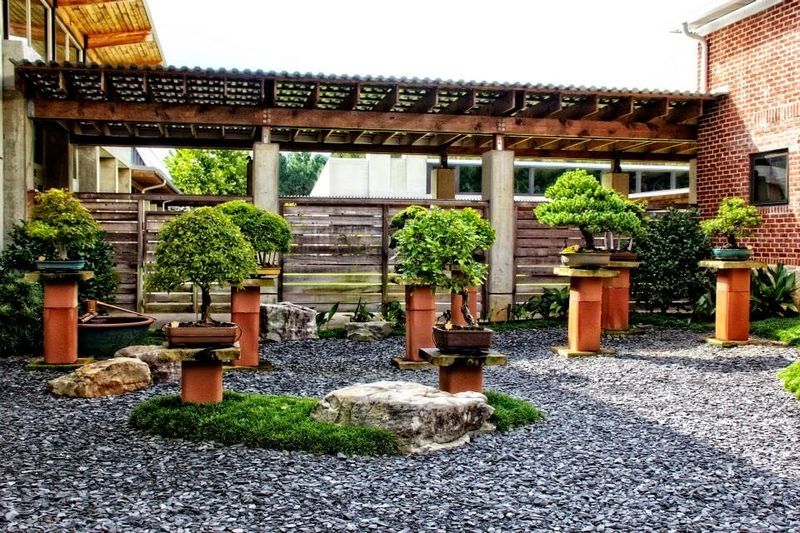
A bonsai garden at a Trappist monastery sounds random until you see it. Tiny, patient trees suit a community built on patience.
The monks maintain and sell bonsai, with special specimens shown in a small garden area. Availability changes, so displays are not always out.
Monthly guided tours open doors normally reserved for the monks. Tickets go quickly, and buying ahead is smart.
Guides answer questions with real depth and adjust well for kids. Families tend to leave happier than they expected.
The property also belongs to the Arabia Mountain National Heritage Area. That connection links it to a wider network of protected Georgia landscapes.
PATH hiking and biking trails run right alongside the grounds. A parking area near the entrance makes it easy to start a ride.
A conservation burial ground operates on the land as well, part of the community’s stewardship of the property.