This Georgia City Is Home To An Animal Hospital Doing Remarkable Work With Pets And Honeybees
Most people think of vet visits as routine. A checkup.
A round of shots. Maybe a nervous dog trembling on the exam table.
Then there’s the clinic that rewrites the whole idea.
In one Georgia city, a team of veterinarians is doing something remarkable. No other animal facility on Earth can make the same claim.
You’d expect a breakthrough like this from a massive research hospital in a famous medical hub. Instead, it’s happening right here in the South.
For families facing a tough diagnosis with a beloved pet, that could mean a precious second chance.
I love stories like this one. They remind me how much talent lives in our own backyard.
They also prove that animals deserve cutting-edge medicine too.
If you’re curious how Georgia landed a true world first, keep reading. This one will leave you impressed.
Honeybees Helped Make World History Here
Most people picture dogs and cats at an animal hospital, not buzzing hives. I laughed when I learned bees had a spot on this campus.
The college keeps its own apiary, which is a fancy word for a bee yard. That apiary served as an early proving ground for the world’s first vaccine against American foulbrood.
American foulbrood is a serious bacterial disease that strikes young honeybees in the hive. It spreads easily between colonies, so beekeepers take it seriously.
A vaccine for insects sounds like science fiction to me. Yet the testing work behind this global first happened on a working vet school campus.
Why should a dog owner care about bees? Honeybees pollinate many of the fruits and vegetables that land on our dinner plates.
Healthier hives can mean steadier crops and happier farmers. That makes this tiny patient one of the most important ones the hospital has ever helped.
If you keep backyard bees, ask your local extension office about foulbrood prevention. Staying informed is the easiest way to protect your colony before trouble starts.
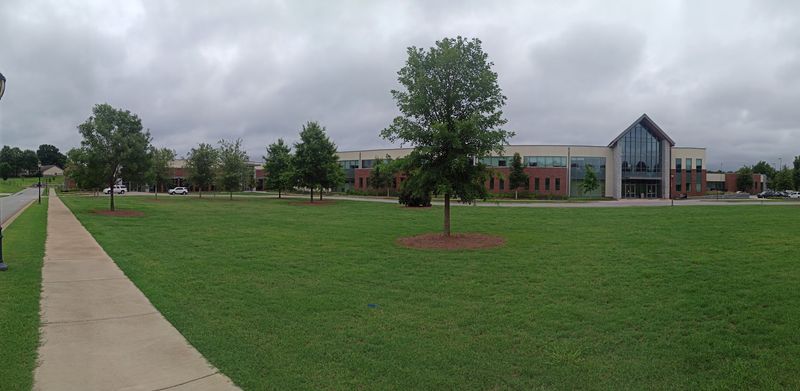
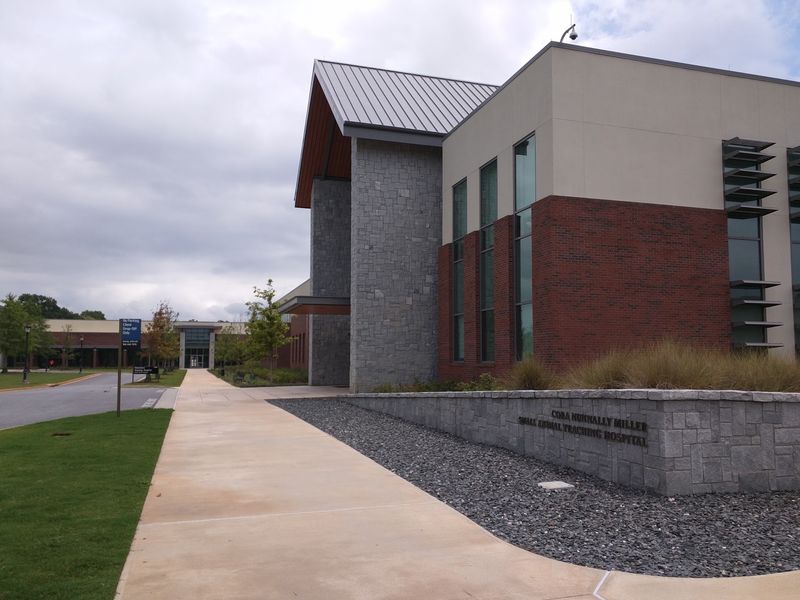
All of this buzz traces back to the vet school that runs the UGA Veterinary Teaching Hospital at 2200 College Station Rd, Athens, GA 30605. Who knew vets made bee history?
Sweet Science From The Hive
Honey on toast is my weekly treat, but scientists here see much more in a hive. The same apiary now works as a research lab for apitherapy.
Apitherapy is the study of using bee products to help with different illnesses. Think honey, pollen, propolis, and even bee venom.
Researchers are exploring how these natural materials might support treatment for various conditions. Cancer is one of the illnesses on their list.
That caught my attention right away. A small wooden box of bees could one day play a part in serious medical care.
Research like this takes patience, careful testing, and plenty of protective gear. Nobody wants a surprise sting in the middle of an experiment.
Keep in mind that this work is still research, not a cure you can buy. I would never swap my pet’s prescribed treatment for a jar of honey.
Still, it is exciting to see an animal hospital campus looking at nature in such a creative way. Bees already give us food and pollination, and now they may offer clues for medicine too.
Here is my practical tip for curious readers. Always talk to a licensed vet before trying any bee product on your pet, since some animals can react badly.
New Kidneys For Lucky Cats
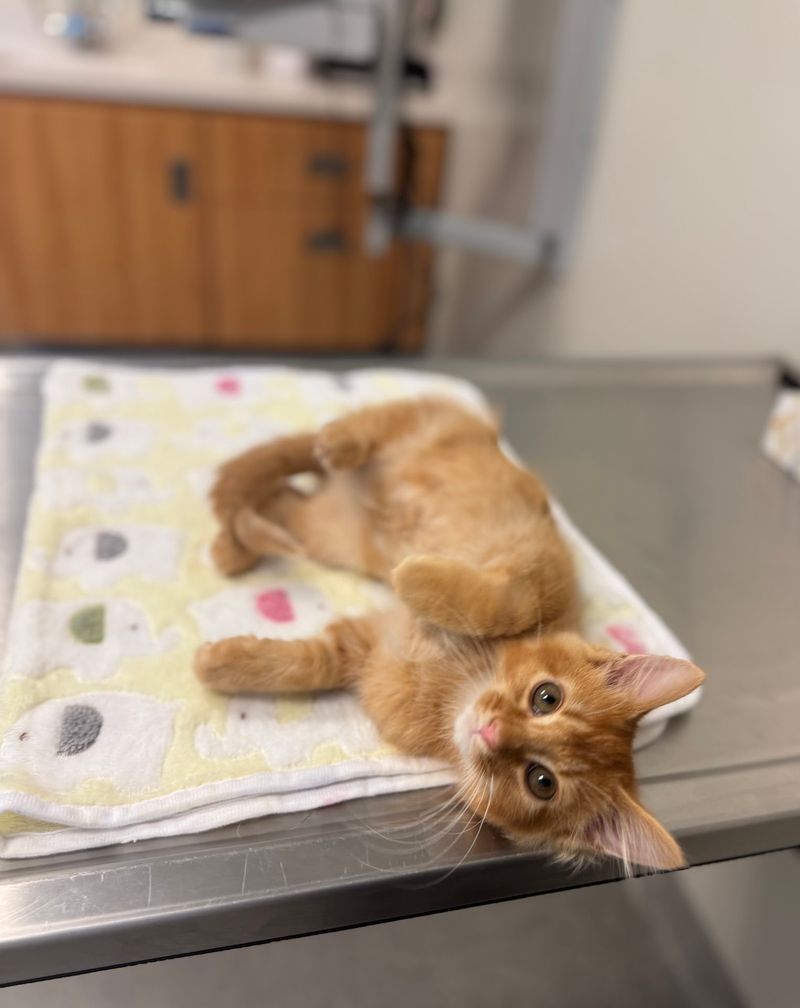
My neighbor’s old tabby had kidney trouble, and I remember how helpless she felt. Back then, I had no idea a cat could receive a kidney transplant.
The hospital is among a select few veterinary teaching hospitals in the United States that perform feline kidney transplants. That short list makes it a rare stop for cat families facing kidney disease.
Kidneys act like the body’s filter system, cleaning waste from the blood. When they stop working well, a cat can feel tired, thirsty, and unwell.
A transplant is major surgery that needs a skilled team and careful planning. It also requires close follow-up care long after the cat goes home.
Cat lovers know these furry bosses rarely hide their opinions. Picture a proud feline strutting around after getting a second chance at feeling good.
Want a helpful takeaway? Watch for early signs like drinking more water, peeing more often, or losing weight.
Regular checkups and simple blood tests can catch kidney problems before they become severe. Early answers give you and your vet more options to consider.
Not every cat will need a transplant, of course. Still, it is comforting to know this advanced option exists for families who need it.
A Brain GPS Built For Human Patients
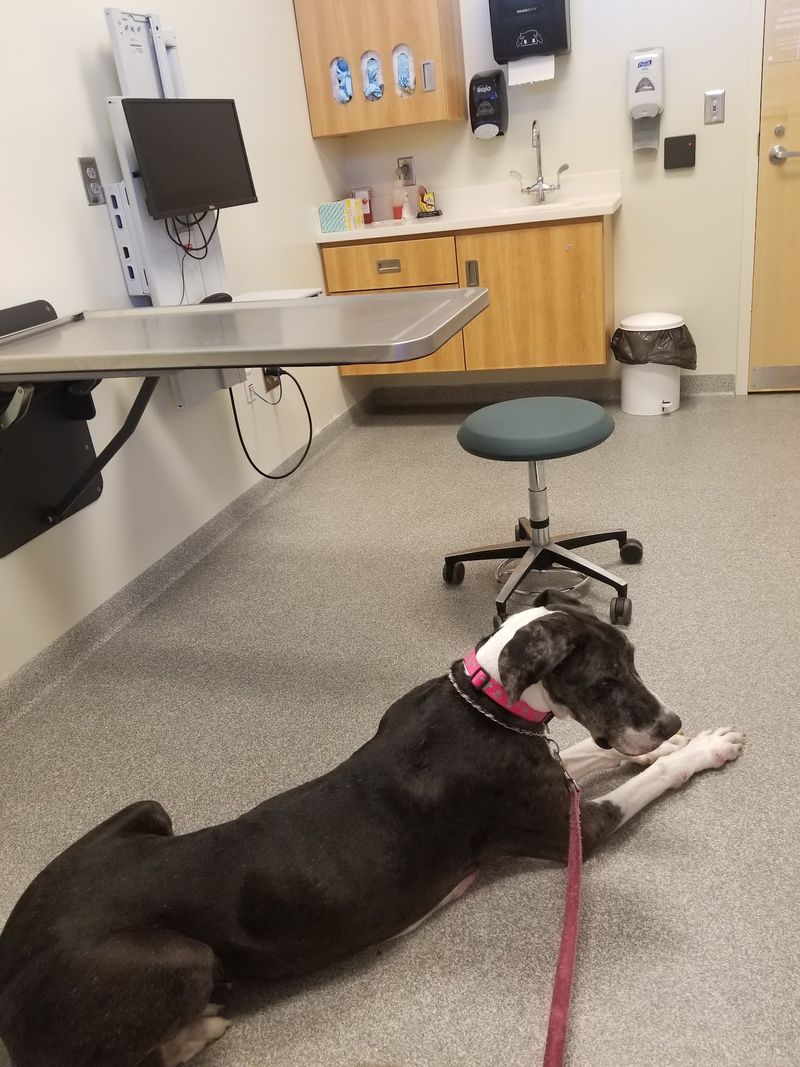
Imagine a GPS, but for the inside of a brain. The neurology and neurosurgery teams here use a device called a neuronavigator.
UGA has used a neuronavigation system originally designed for human patients to assist with precise veterinary neurological procedures.
A neuronavigator helps surgeons map exactly where they are during delicate procedures. Precision matters when you are working near the brain or spinal cord.
Dogs and cats can face seizures, tumors, and spinal problems just like people. Having this level of guidance gives surgeons a clearer path to the problem area.
Neurology care here covers a wide range of problems. Pet owners travel for help with conditions like epilepsy and spinal injuries.
I once watched a friend’s dachshund struggle with a back issue. Seeing how scary that was made me appreciate tools that help surgeons work with extra care.
Here is a smart habit worth building. If your pet suddenly wobbles, drags a leg, or has a seizure, call your regular vet right away.
Quick action can make a big difference with nerve and brain problems. Your vet can decide whether a referral to a specialty center makes sense.
Imaging Power Unmatched In Georgia

Some pets hide pain like tiny poker players. That is where a powerful imaging lineup becomes a pet parent’s best friend.
The hospital’s diagnostic imaging capabilities are currently unmatched by any other specialty hospital in Georgia. The tool list reads like a science museum exhibit.
There is a 64-slice CT scanner that creates detailed cross-section pictures. A 3T MRI captures sharp images of soft tissues like the brain and joints.
Fluoroscopy works like a live X-ray video, showing organs as they move. Ultrasound uses sound waves to peek at the heart, belly, and more.
Nuclear scintigraphy tracks how organs and bones function using tiny amounts of tracer material. The team also offers radioactive iodine treatment, a common therapy for cats with overactive thyroids.
Clear pictures mean fewer guesses and more focused treatment. For a worried owner, that clarity can feel like a huge weight lifted.
Here is a tip before any imaging visit. Ask your vet whether your pet should skip breakfast, since some scans require an empty stomach or sedation.
Bring a list of symptoms, medications, and past test results too. The more details the team has, the smoother the day goes for everyone, especially your pet.
Specialists For Every Kind Of Creature
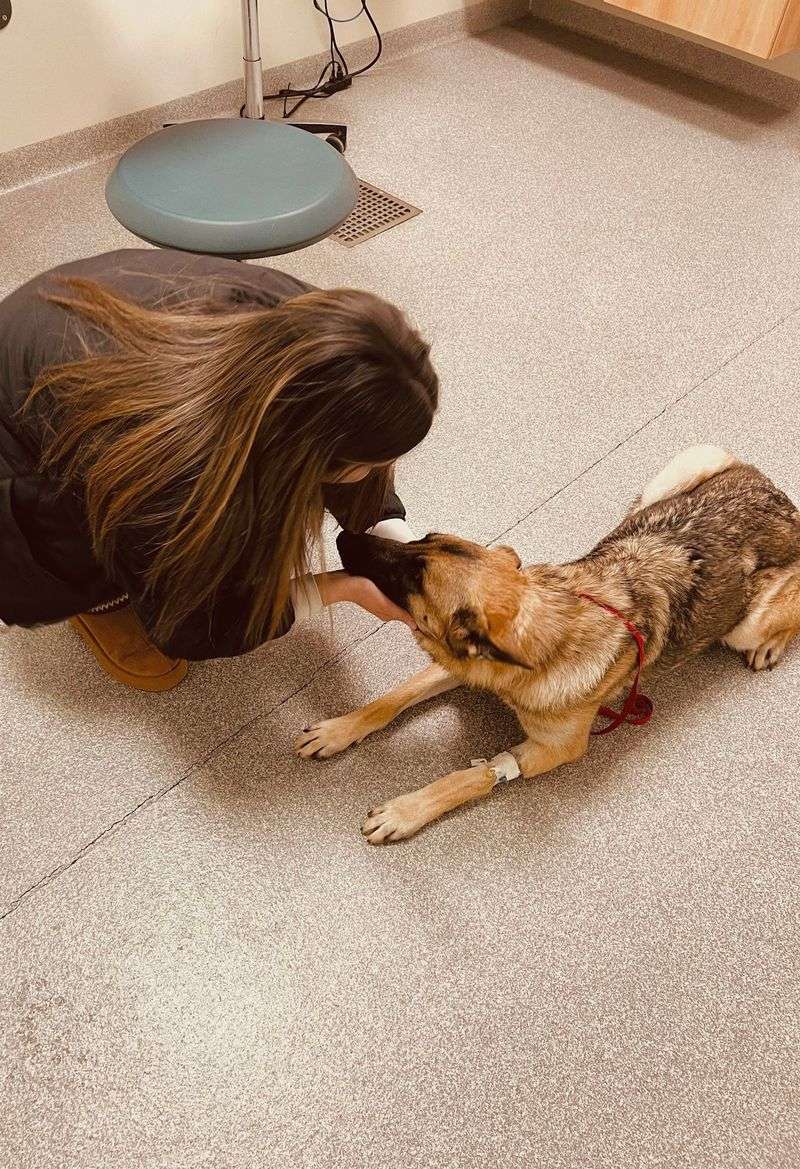
Parrots, lizards, rabbits, and snakes all deserve expert care too. Finding a vet who truly knows scales and feathers can feel like a treasure hunt.
The Zoological Medicine Service here is the only clinical service in Georgia with recognized specialists across all exotic pet species. That is a bold claim, and it is backed by the school itself.
Exotic animals often have very different bodies and needs than dogs or cats. A bearded dragon’s diet and a parakeet’s breathing system follow totally different rules.
I once helped a friend care for a pet rabbit, and I was stunned by how delicate bunnies are. Small changes in eating can signal big trouble fast.
Even backyard birds count here. Chickens and other feathered friends can get expert attention when something goes wrong.
Good exotic care starts at home with the right setup. Research proper lighting, temperature, and food for your species before you bring a new pet home.
Many exotic pet problems come from small habitat mistakes, like a heat lamp that runs too cool. Fixing those details can prevent a lot of vet visits.
Schedule a yearly wellness exam with an exotic-savvy vet. These animals are experts at hiding illness, so regular checkups help catch issues early.
Farm Animals Get Top-Notch Care Too

Not every patient fits on an exam table. Some arrive by horse trailer, and the hospital is built to handle them.
Care here stretches far beyond cats and dogs. Horses, cows, goats, and other farm animals receive advanced treatment alongside exotic pets and household companions.
The hospital works much like a human specialty medical center. It offers more than 25 specialty services, covering areas from cardiology to dermatology.
Farmers and horse owners know emergencies rarely wait for a convenient time. Colic in a horse or a sick calf can turn a quiet evening into a long, anxious night.
Livestock are often a family’s livelihood, not just animals in a field. Expert care protects both the animal and the farm that depends on it.
Large animal care calls for special equipment, bigger spaces, and teams trained in handling heavy patients. Few facilities can juggle ponies and parakeets on the same campus.
If you own livestock, keep your regular vet’s number and an emergency backup saved in your phone. A quick call can guide you on whether to load up the trailer.
Keep basic records of vaccines, feed changes, and weight too. Those notes help any vet figure out what is happening much faster.
Open Every Hour Of Every Day
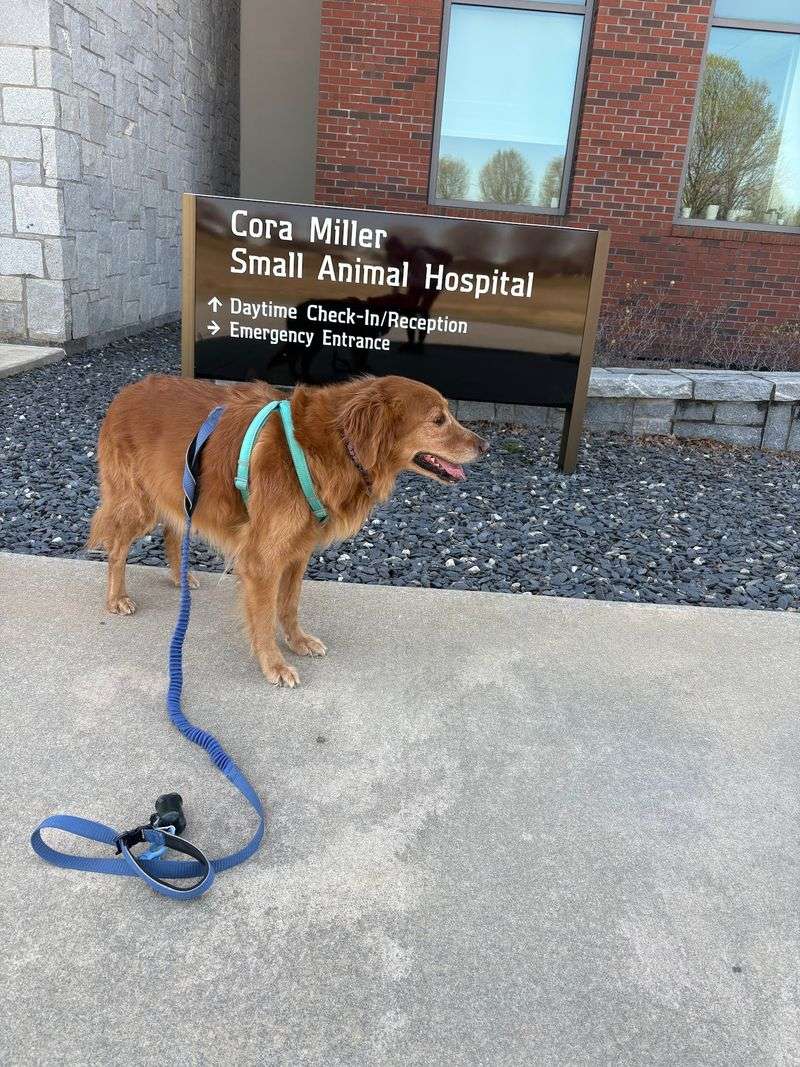
Pets have terrible timing, and mine seem to save every crisis for midnight. Thankfully, the hospital is open 24 hours a day, every day of the week.
That round-the-clock schedule matters for a place that handles about 36,000 patient visits each year. Divide that out and you get roughly 100 visits daily.
The hospital moved into its current state-of-the-art home in March 2015. Modern spaces help the team care for patients big and small more efficiently.
Care comes from licensed veterinarians, senior veterinary students, veterinary nurses, and hospital staff working together. Because it is a teaching hospital, tomorrow’s vets are learning right beside experienced experts.
I actually find that comforting. More sets of eyes often means more questions asked and more details noticed.
Emergency visits can involve waits, since the most critical patients are seen first. Packing patience, a leash, water, and your pet’s records helps the time pass easier.
Referrals from your regular vet can also speed things along. Ask your vet to send records ahead so the specialists start with the full picture.