This Georgia County Rejected A Massive Data Center After Residents Spent Months Fighting The Proposal
A 504-megawatt data campus almost landed on nearly 280 acres of land east of Atlanta. Then neighbors showed up, spoke up, and kept showing up for months.
The plan called for seven buildings and two substations. It also needed a rezoning that county staff and the Planning Commission both said should be denied.
I like how ordinary people turned comment cards, protest signs, and long town hall nights into real influence. One hearing even ended with no vote at all after the board lost its quorum.
I can’t imagine sitting through that much suspense.
This Georgia story is about power lines, water, noise, and who gets a say in a community’s future.
The Project Had A Name Straight Out Of A Video Game
Project Rockforge sounds like a fantasy castle, but Rockdale County, Georgia had a very real proposal on its hands. MMM Acquisitions LLC wanted to build a huge data center campus near Conyers.
The numbers were big from the start. Plans described a 504-megawatt campus on roughly 263 to 282 acres of land.
So what exactly is a data center? Think of it as a giant warehouse full of computers that power apps, streaming, and online storage.
Those machines run around the clock. They need lots of electricity and often lots of water to stay cool.
A campus of this size isn’t a corner office building. It’s closer to a small industrial town, humming away behind fences.
That scale is exactly why people started paying attention. When something this large wants to move next door, neighbors naturally have questions.
Here’s a helpful tip for any community. When you hear a project’s size in megawatts or acres, look up what those numbers mean in daily life.
Three Roads Mark The Spot Where It Almost Happened
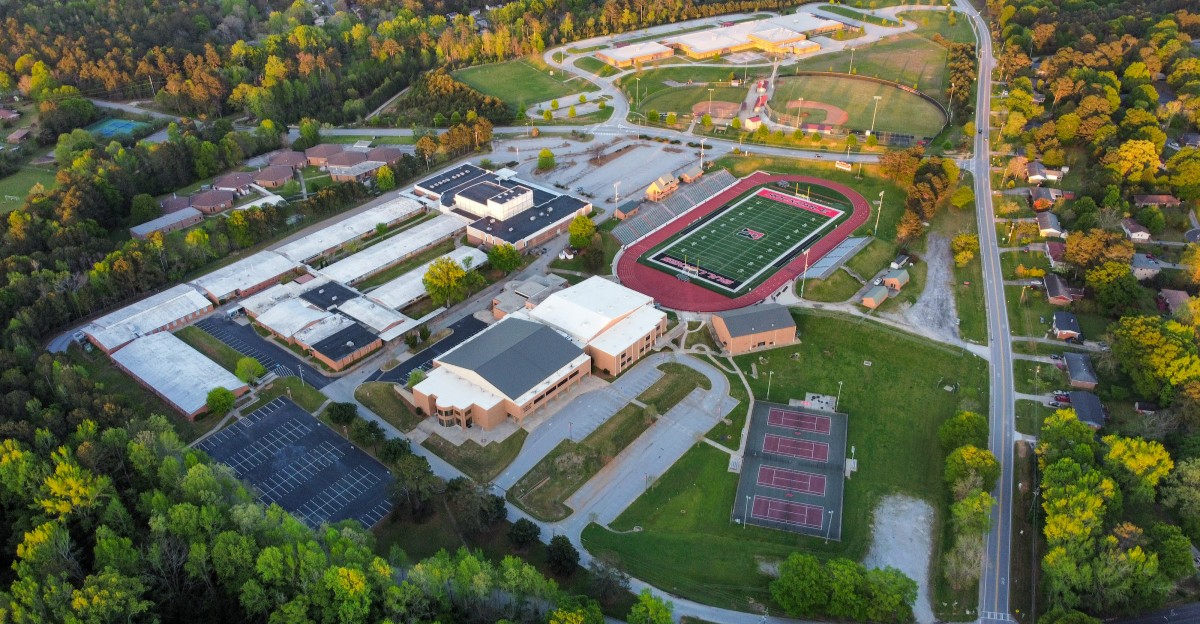
Location matters in any land fight. Project Rockforge was planned for land off NW Farmer Road, Irwin Bridge Road, and Rockbridge Road in the Conyers area of Rockdale County, Georgia.
Conyers is the county seat and its only incorporated city. The county had about 93,570 people in the 2020 census, up from 85,215 in 2010.
That growth tells a story. More families have been moving in, and they care about what gets built nearby.
Rezoning can sound boring. It’s actually one of the most powerful tools a county has for shaping its future.
A zoning label decides what can go where. It separates homes from factories and parks from power stations.
If you ever want to know what might be built near your house, check your county’s zoning map. Most counties post them online, and reading one takes only a few minutes.
That small habit can keep you from getting surprised later.
A Data Center Was Already Rising Down The Road
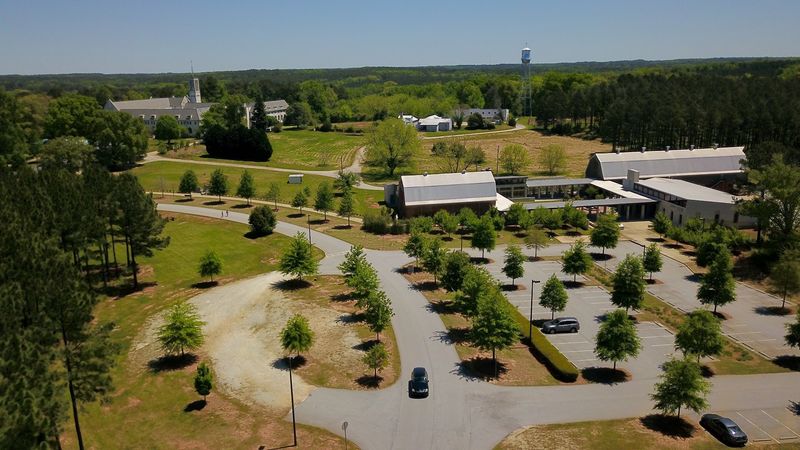
Plot twist: Rockdale already had one data center on the way. DC BLOX was building its Atlanta East campus on Farmer and Lester roads.
Site preparation for that campus began in September 2024. By May 2026, it was under construction.
That project was approved under older zoning rules. It stood apart from Project Rockforge and kept moving forward.
Living near one big construction project is one thing. Hearing about a second and third is something else entirely.
Grind Capital Group, another Atlanta-based company, also proposed a data center on Irwin Bridge Road. That site sat about half a mile from the DC BLOX property.
Grind Capital deferred its application in April 2026. The company said the delay would let the county review its zoning policies.
Suddenly, one corner of the county looked like it could become a data center cluster. Residents could see the pattern forming in real time.
This is a useful lesson for any neighborhood. Watching what gets approved early helps you understand what might come next, before the bulldozers start rolling.
The County Hit The Pause Button, Then Hit It Again
Sometimes the smartest move is simply waiting. On January 13, 2026, Rockdale County adopted a 180-day moratorium on new data center applications.
The pause also covered battery energy storage systems. It was set to last until July 13, 2026.
A moratorium works like a timeout in a ballgame. Nobody scores, and everyone gets a chance to rethink the plan.
Then the county extended it. In May 2026, leaders pushed the deadline to September 8.
Later, they stretched it once more through October 9, 2026. Each extension bought time to study infrastructure needs, zoning rules, and community impacts.
That kind of homework matters. A data center can change electricity demand, traffic, and land use for decades.
Residents wanted even more time, too. Some called for a longer moratorium while the county sorted out its rules.
If your community faces a big proposal, ask whether a moratorium is an option. It doesn’t say yes or no. It simply makes sure the right questions get asked first.
Nobody Watched The Clock At That May Town Hall
No time limits. That’s how the May 2026 town hall in Rockdale County ran, and neighbors took full advantage.
People gathered for hours to share concerns with county leaders. Between 40 and 50 comment cards were turned in that night.
I love that detail about unlimited speaking time. It shows leaders were willing to actually listen.
Most public meetings give speakers two or three minutes. That’s barely enough time to say your name and clear your throat.
At this meeting, folks could explain their worries fully. They talked about water, noise, property values, and the future of their neighborhoods.
Some residents also said they felt left out of the loop. They learned about certain projects only days before public hearings.
That frustration helped fuel the push for answers. When people feel surprised, they tend to show up with even more energy.
Want to make your voice count at a meeting like this? Write your main points on a card ahead of time.
Keep it clear, calm, and specific, and leaders will remember it.
Water, Wetlands, And That Constant Hum
Cooling a building full of computers takes serious resources. A single large data center can use up to 200 million gallons of water per year.
Rockforge’s team estimated their project would use less than 5 million gallons yearly. Still, water stayed near the top of everyone’s worry list in Georgia.
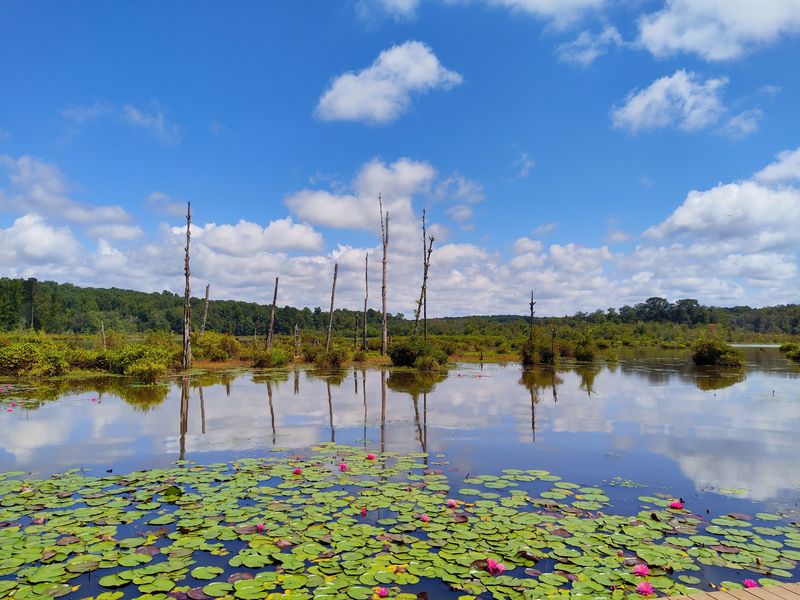
The land itself raised flags. Concerns came up about wetlands, ponds, and streams on or near the property.
Residents also worried about possible groundwater pollution. Once groundwater gets dirty, fixing it is slow and expensive.
Then there’s the noise. Data centers run fans and equipment all day and night.
Opponents got creative at public hearings. They used audio demonstrations so commissioners could hear what that steady hum might sound like.
That’s a clever move worth remembering. Telling someone a sound is annoying works fine, but letting them hear it works much better.
If you ever speak at a hearing, consider what will make your point real. A photo, a map, or a sound clip can say more than a long speech.
Homes, Parks, And The Bigger Picture
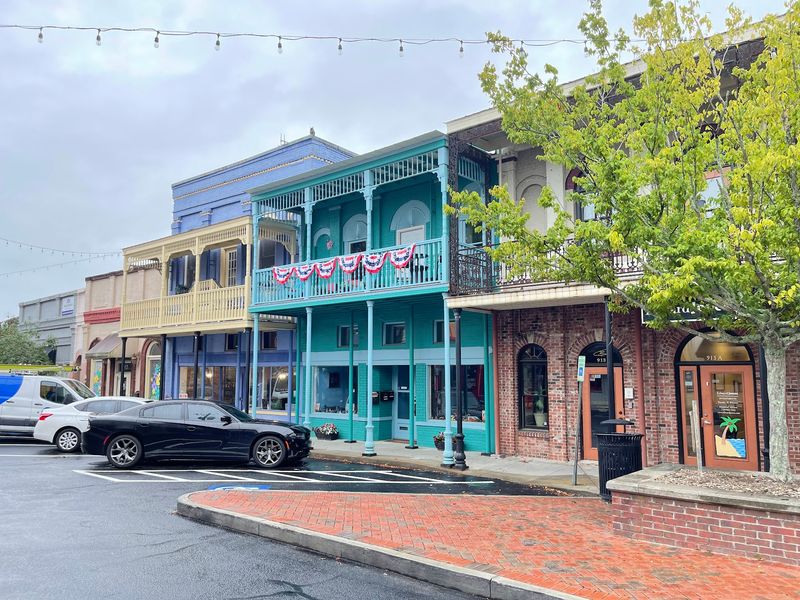
Land can only be used once. That simple truth sat at the heart of many concerns about Project Rockforge.
Critics said huge data centers would take up land that could serve housing, parks, or green space. They also argued the plan didn’t match the county’s long-term development goals.
Property values came up again and again. Many homeowners feared a massive industrial campus nearby would lower what their houses were worth.
For most families, a home is their biggest investment. Anything that threatens it gets attention fast.
Quality of life mattered just as much. People moved to Rockdale for a certain feel, and they wanted to protect it.
County officials had their own questions. They wanted more time to study electricity demand and other infrastructure needs.
Power lines, substations, and roads all cost money and space. Those choices shape a community for generations.
Here’s a practical idea. Look up your county’s comprehensive plan sometime.
It explains what leaders hope your area becomes, and it’s a powerful tool when you speak up.
Protest Signs Came Out On A September Saturday
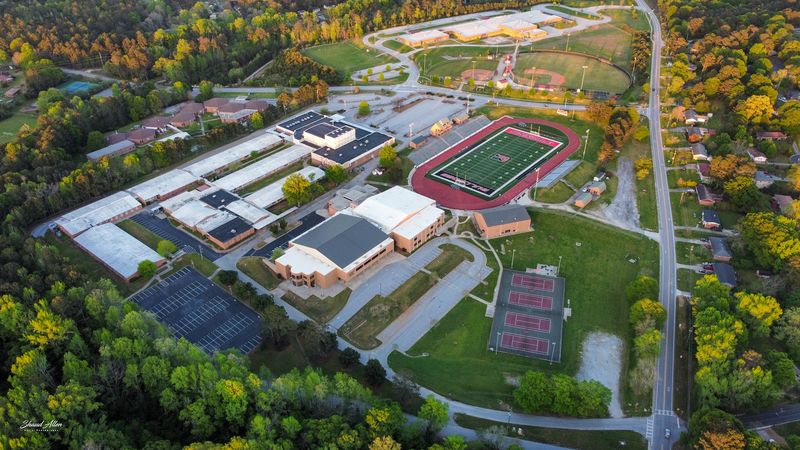
Krystel Boie and Sara Kennedy helped lead a group with a very direct name. It was called Say No To Data Centers in Rockdale Co.
On September 19, 2026, residents held a protest. They called for the county to reject Rockforge and lengthen the moratorium.
Grassroots groups like this often start small. A few worried neighbors talk, share information, and invite friends.
Before long, there’s a name, a plan, and a crowd. That’s how ordinary folks turn concern into action.
The timing was smart, too. The protest came just days before a key hearing on Rockforge.
Showing up before a vote reminds leaders that people are watching. It also brings more neighbors into the conversation.
Thinking about starting a group in your own town? Pick a clear name, set up a simple way to share updates, and stay respectful.
Calm, organized voices tend to carry further than angry ones. In Rockdale County, Georgia, steady pressure over many months clearly made a difference.
A Missing Quorum, Then A Final Answer
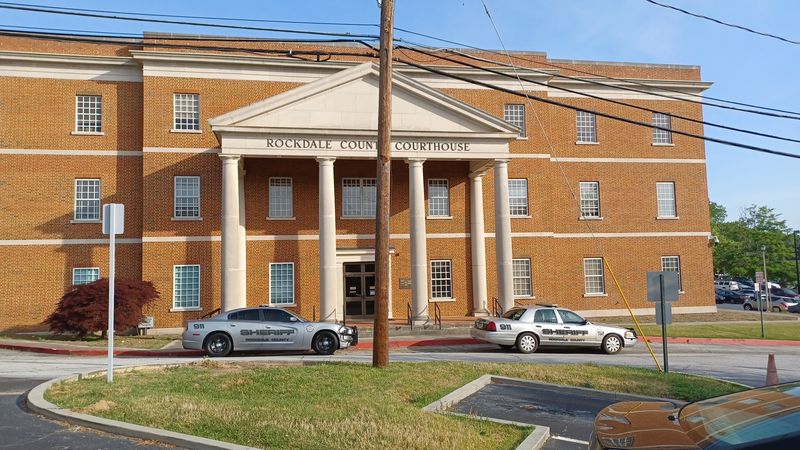
September 24, 2026 was supposed to be decision day. Instead, the Rockforge hearing ended with no vote at all.
A commissioner left the meeting. Without enough members present, the board lost its quorum and couldn’t act.
Talk about a cliffhanger. Residents had to wait nearly two weeks to learn how the story would end.
The county staff and Planning Commission had both already recommended denial. That gave opponents some hope going in.
On October 6, 2026, the Rockdale County Board of Commissioners finally voted. They denied all four requests tied to Project Rockforge.
Months of town halls, comment cards, protests, and hearings had led to this moment. Neighbors got the outcome they’d pushed for.
The DC BLOX campus remains a separate, approved project. So this wasn’t the end of data centers in the county, just the end of Rockforge.
The biggest takeaway is simple. Local government can feel distant, but it’s the level where your voice travels farthest.
Rockdale proved that showing up, again and again, really can change the ending.