This Georgia Craft Supply Store Is So Affordable Shoppers Drive Hours To Stock Up
I did not expect to leave with three bags I could barely carry. My neighbor mentioned a shop where crafters load up carts for almost nothing, so I figured I would check it out on a slow Saturday.
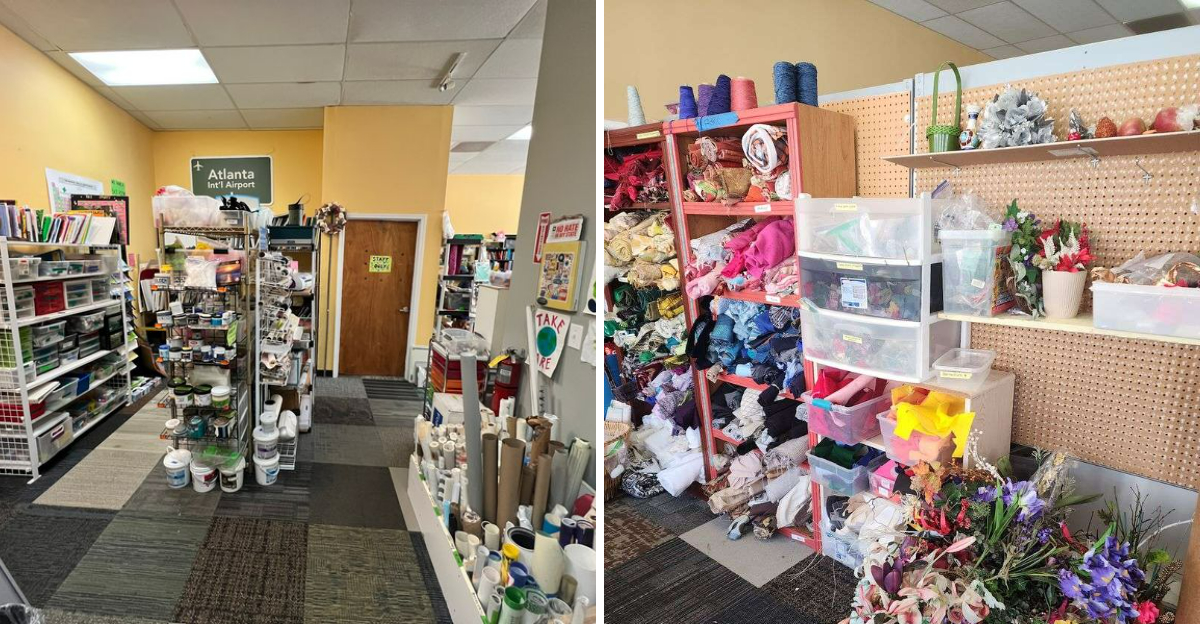
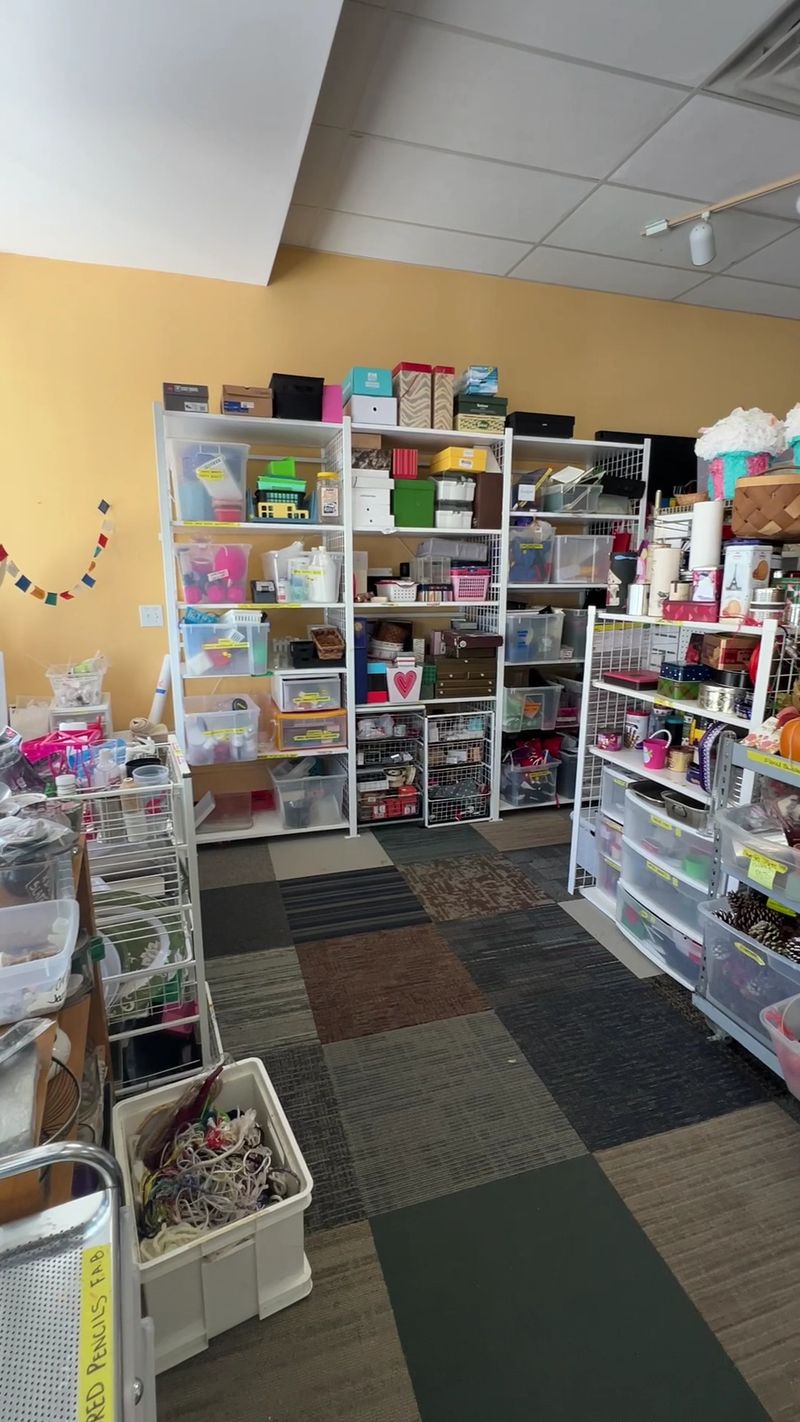
The parking lot was fuller than I imagined for a place with such a plain exterior. Inside, bins spilled over with ribbon, yarn, buttons, and fabric scraps sorted by color.
A woman next to me filled an entire cart for less than twenty dollars. I grabbed paint, beads, and paper I did not even need yet.
Georgia has its share of craft stores, but nothing matches these prices. Shoppers drive from every corner of Georgia just to stock up before the good stuff disappears.
I walked out grinning, already planning my next visit.
A Storefront That Hides Its Best Secret
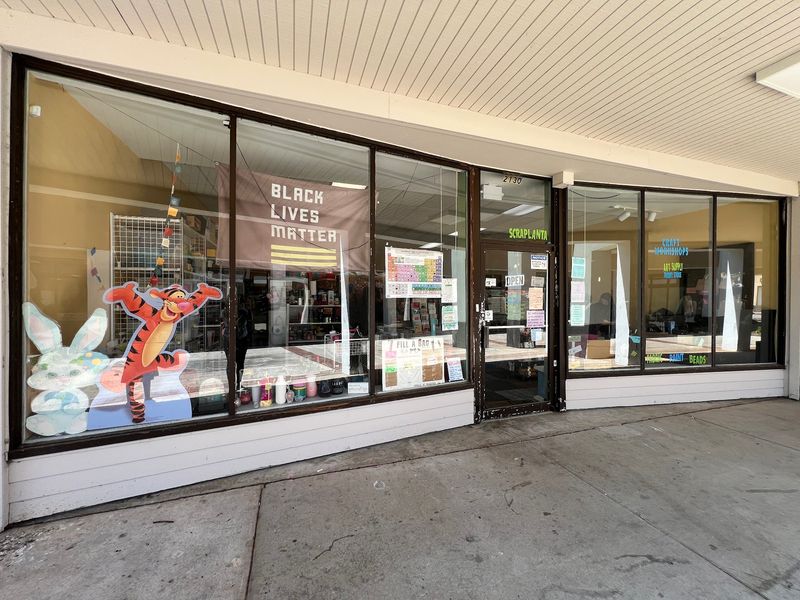
The entrance is not visible from the road, which feels like a small test for first-timers. Park near the TJ Maxx side of the plaza and walk left behind the nail salon.
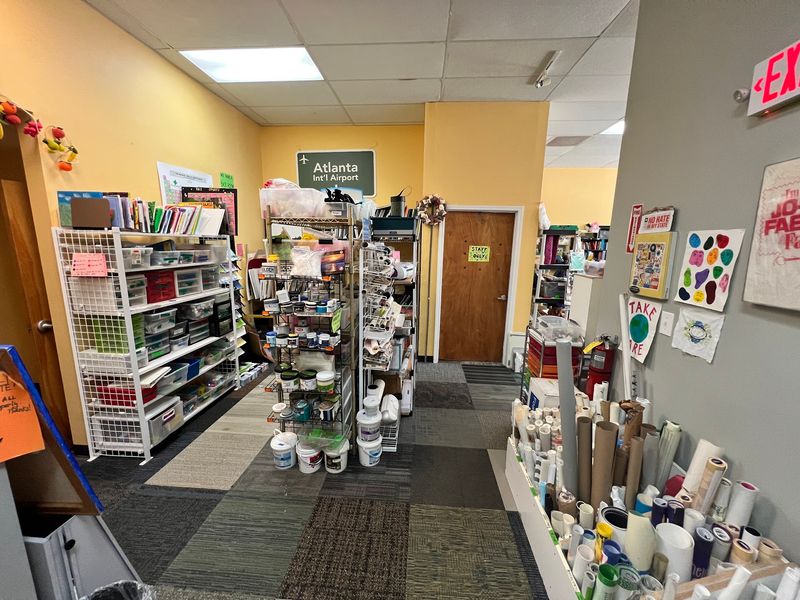
A few shops down, the door opens into a room packed floor to ceiling. Shelves lean with paper, jars of buttons, and bins that beg to be sorted through.
The building is modest, but the inventory is anything but. Every square foot holds something usable, and the layout stays organized despite the volume.
Hours run Thursday through Monday, 10 AM to 6 PM, with the store closed on Tuesday and Wednesday.
Space is tight, so patience helps when the aisles fill up. Regulars move slowly and let others squeeze past without fuss.
The staff greet everyone at the door and answer questions without hovering. They know where the odd items live, which saves real time.
You will find the whole operation at Scraplanta Creative Reuse – ScrapTucker, 2130 Henderson Mill Rd, Atlanta, GA 30345.
Pricing By The Bag Changes Everything
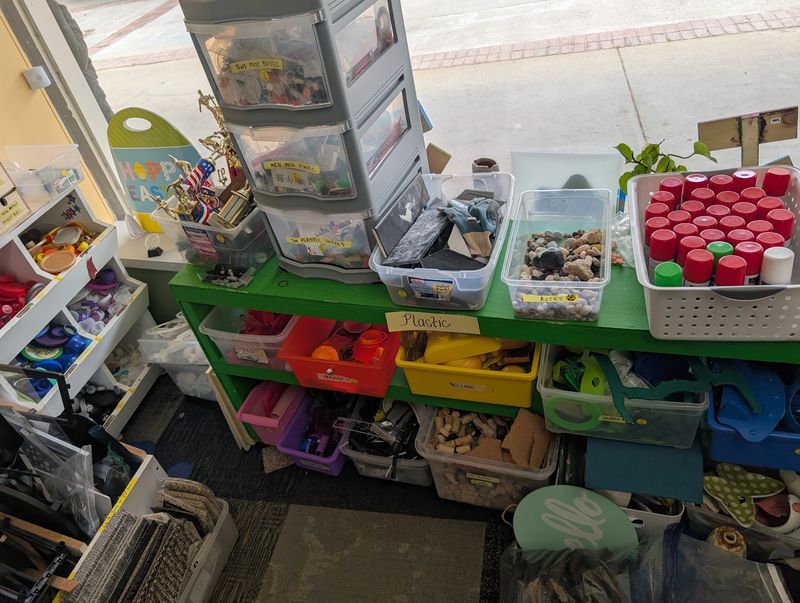
Most craft stores charge by the package, whether you need it all or not. Here, small items are often priced by the bag instead.
Select small items are sold using a fill-a-bag system, making it easy to bundle multiple craft supplies into one purchase.
That system rewards careful packing. The fill-a-bag system encourages shoppers to make the most of the space while choosing the supplies they need.
The bigger benefit is buying only what a project needs. No more twelve googly eyes when the plan calls for four.
Larger goods carry individual tags, usually 50 to 75 percent below typical retail. That gap adds up fast on paint, canvas, and fabric.
One shopper walked out with notebooks, beads, buttons, fabric scraps, and acrylic paint for five dollars. That kind of total sounds made up until you see the shelves.
Teachers get their own discount days, which stretches classroom budgets further. Art educators load up before the school year begins.
Bring reusable bags or containers if you can. It fits the mission and keeps your haul easier to carry.
Inventory That Never Looks The Same Twice
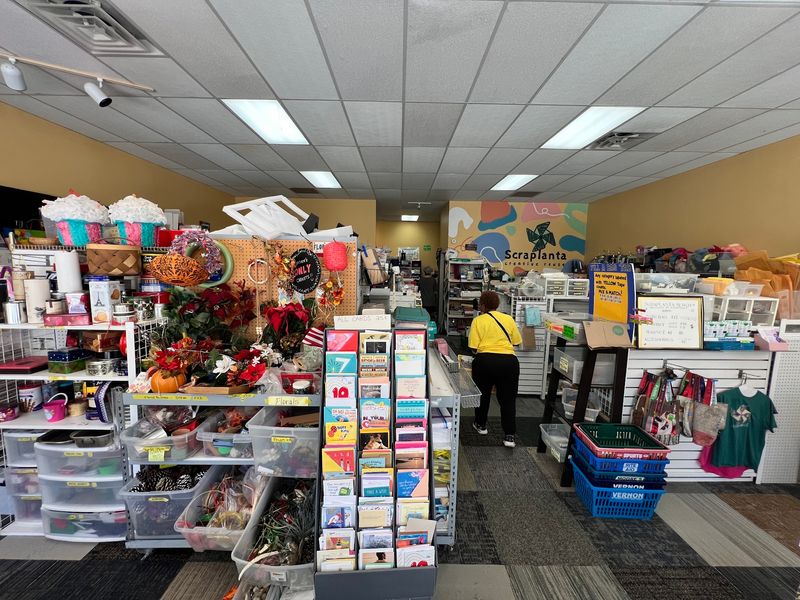
Two visits a week apart can feel like two different stores. Donations arrive constantly, so the shelves shift shape all the time.
Knitting needles, beads, ribbon, fabric, cardstock, and half-used paint tubes fill the main aisles. Then come the surprises.
Chemistry glassware. Clocks.
License plates. Vinyl records.
Even trophies waiting for a new job as sculpture parts.
The unpredictability is the whole appeal for collage artists and junk journalers. Wallpaper samples, vintage stamps, and old playing cards show up regularly.
In 2024 alone, roughly 58,780 pounds of art supplies came in from 200 zip codes across the Southeast. That is a serious pile of rescued material.
Since inventory changes frequently, each visit can bring a different mix of materials and unexpected finds.
Some items are genuinely scrap, like half sheets of paper or empty gift cards. Creative shoppers see potential where others see leftovers.
Following the shop on social media helps too. Special donations and flash sales get announced there first.
Fabric And Sewing Finds Worth The Drive
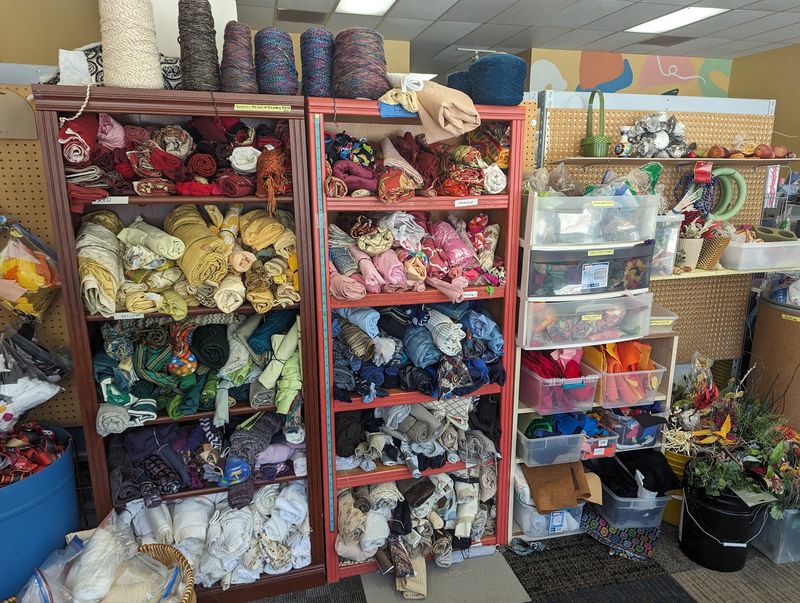
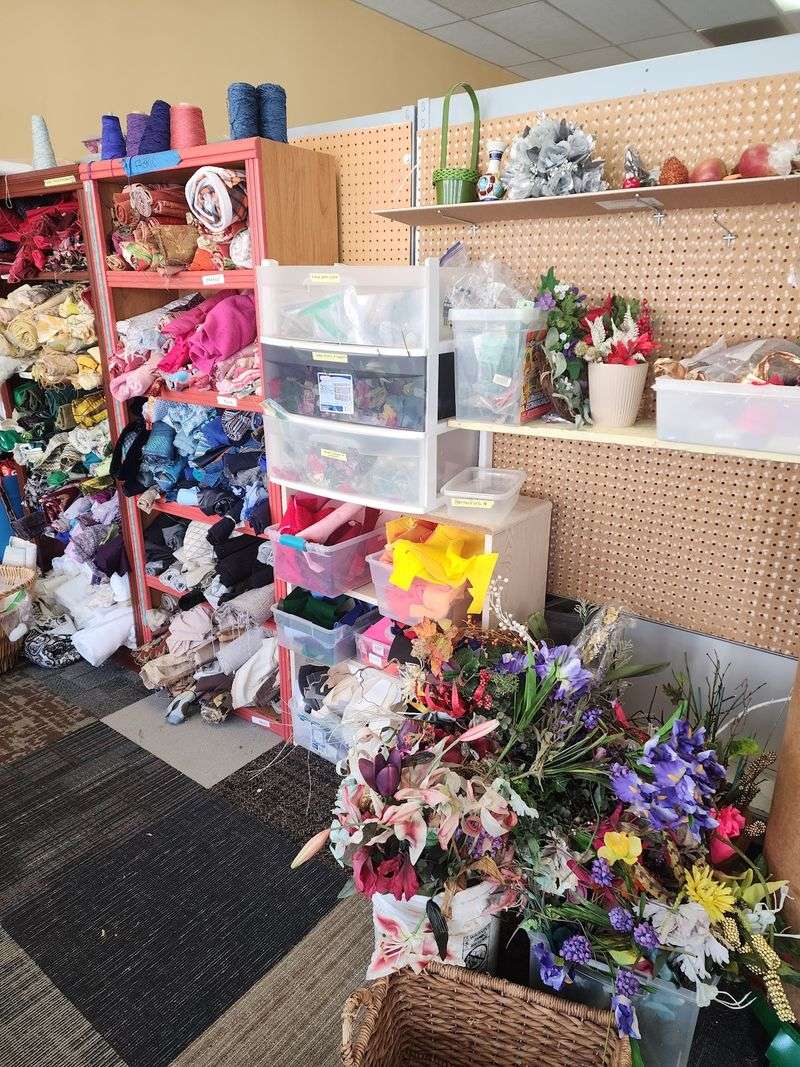
Sewists tend to head straight for the fabric section without saying a word. Folded pieces, remnants, and scraps sit sorted by size and type.
Thread, buttons, zippers, and notions round out the area. You can rebuild a sewing kit for a few dollars.
Quilters love the scrap bins because small cuts cost almost nothing. Piecing projects suddenly become very affordable.
Beginners benefit even more. Learning to sew on secondhand fabric removes the fear of ruining expensive yardage.
Knitting needles and yarn appear often, though quantities change week to week. Checking back is part of the routine for regulars.
The mix leans practical rather than precious. Cotton, felt, canvas, and upholstery samples all rotate through.
Marble scraps and unusual materials sometimes land nearby, which pushes projects in new directions. Mixed media crafters take full advantage.
Everything here stays out of a landfill, which makes the savings feel even better. Buying used fabric is quietly one of the greenest craft choices available.
Bring a project list, but stay flexible. The best finds are rarely the ones you planned for.
Paper Lovers Have Met Their Match
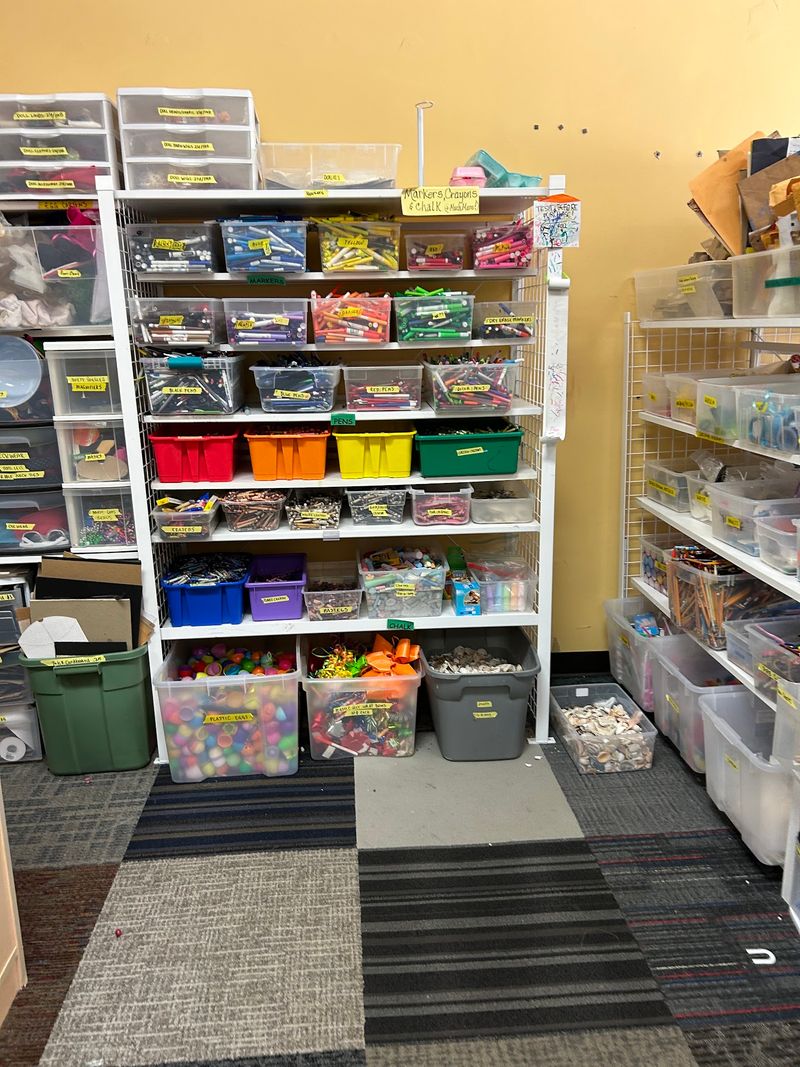
Ask any junk journal maker about paper and watch their eyes light up. This shop keeps stacks of it in every finish imaginable.
Cardstock, scrapbook sheets, tissue paper, and handmade paper share space with wallpaper sample books. Stickers and vintage stamps hide in nearby bins.
Collage artists dig through boxes of photos and printed odds and ends. A whole haul can cost under ten dollars.
Construction paper and notebook paper make it a smart stop before school starts. Parents stock up without touching the big-box prices.
Blank subject notebooks show up fairly often, which surprises people. Buying paper new for sketching feels wasteful after seeing these.
Sorting is done by category, so hunting stays manageable. Staff clearly spend hours keeping the chaos in line.
Rubber stamps and ink pads sit in sorted tubs rather than one giant jumble. That detail alone saves a lot of digging.
Zine makers find everything they need in one visit. Paper, glue sticks, and a printer at home is the whole recipe.
A Nonprofit With A Real Mission
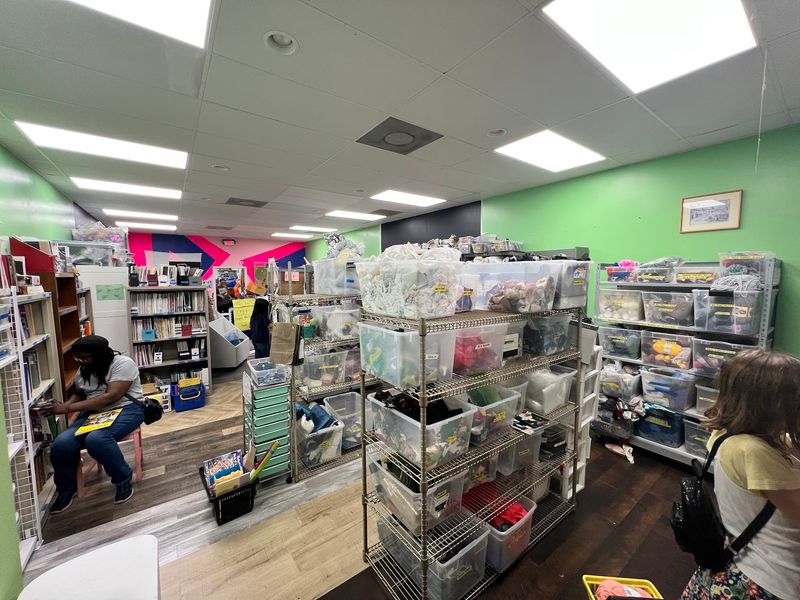
Behind the bargain prices sits a 501(c)3 environmental arts nonprofit. The goal is making art accessible and sustainable across Metro Atlanta.
The organization began in 2011 as WonderRoot Creative Reuse. Popularity grew until a permanent storefront made sense.
Waste diversion drives the whole model. Art, classroom, and party supplies get rescued before they reach a landfill.
Donations come in from all over the region, and shoppers can drop off while they browse. Shoppers can bring one grocery-sized bag or box of accepted donations, while larger donations require an appointment.
Seeing your donated items back on the shelf within an hour is oddly satisfying. Nothing sits around gathering dust.
The nonprofit runs additional Metro Atlanta locations, including The Scraplet in Adair Park and a Duluth pop-up. The Henderson Mill store remains the flagship experience.
Every purchase supports programming rather than a corporate bottom line. That makes the low prices feel like a bonus, not a gimmick.
Workshops That Cost What You Can Pay
Shopping is only half of what happens here. Classes and workshops run throughout the year for all skill levels.
Topics include bag making, cardboard sculpture, appliques, beading, and zine making. Sewing circles bring people together around shared machines.
Workshop pricing uses a sliding scale, allowing participants to choose from available pricing tiers.
A collage workshop using family photos has been a favorite. Participants leave with finished pieces, not just half-started ideas.
Beginners fit right in because materials come from the store itself. No shopping list, no expensive starter kit.
The teaching tone stays relaxed and encouraging. Mistakes turn into design choices pretty quickly.
Workshops also introduce people to techniques they might never try otherwise. Cardboard sculpture sounds silly until you see the results.
Community building is the quiet goal behind every session. Crafters meet other crafters and trade ideas freely.
Check the schedule before visiting, since popular classes fill up. Signing up early is the safest plan.
Shoppers Who Log Serious Highway Miles
People drive in from McDonough and even the North Georgia mountains. That is a long haul for buttons and paper.
The reason is simple math. A single trip can replace months of full-price craft shopping.
Visitors range from families with toddlers to seniors, college students, art teachers, and working artists. The crowd is genuinely mixed.
Some regulars stop by daily just to see what changed. Browsing here feels calming rather than rushed.
A Michaels sits across the street, which makes the comparison easy. Many shoppers check here first, then cross over only if needed.
Long drives make sense when the haul fills a trunk. Splitting a trip with a crafting friend cuts gas costs too.
Plan for at least an hour inside. People routinely stay until closing without noticing the time.
Smart Tips Before Your First Trip
A little planning turns a good visit into a great one. Start by bringing reusable bags or sturdy containers.
Keep in mind that inventory changes frequently, so the selection can look different from one visit to the next.
Wear comfortable shoes since browsing takes longer than expected. Aisles are narrow and worth a slow pass.
Anyone with strong allergies might consider a mask. Lots of different materials share one small room.
Ask staff about unusual items because they are artists themselves. Their reuse ideas often beat anything you would find online.
Bring a donation if you have one. Trading unused supplies for new-to-you materials feels like a fair swap.
Round up at checkout if you can. Totals are usually small enough that it barely stings.
Teachers should ask about discount days before shopping. The savings stack on top of already low prices.