This Georgia Cultural Center Keeps Arab Traditions Alive Through Dance, Music, And Embroidery
An architect saw a famous Arab cultural institute in Paris and decided his own city needed one. That spark eventually grew into a 10-acre cultural center in Georgia, packed with dabke, oud, and cross-stitch.
I love that this place started with one big idea. Today it offers music lessons, a women’s chorus, cooking classes, and Arabic language classes for kids.
It even hosts a festival that fills the grounds every fall.
The best part is that nobody needs a family connection to join in. Curious neighbors, students, and families all show up to learn.
I believe that open-door spirit is what keeps old traditions feeling fresh.
A Paris Daydream Turned Into A Real Cultural Home
Some big ideas start on vacation. Architect Haitham Haddad admired l’Institut du Monde Arabe in Paris and pictured a smaller version for Atlanta.
That dream became the Alif Institute, which officially opened on January 17, 2004. It was founded by the Arab-American Fund of Georgia, a nonprofit promoting Arab awareness since 1986.
The roots go back even further. The Arab-American Women’s Society of Georgia began building community in the mid-1980s, and that work helped inspire the institute.
Founders secured a 10-acre site and remodeled it into the center that stands today. Not bad for an idea sparked by a museum visit overseas.
I like that the mission stays simple and generous. The institute works to share Arab culture with everyone, no matter their background.
It also operates as a non-political, non-religious cultural center. That focus keeps attention on art, language, food, and history.
Think of it as a classroom, gallery, and community living room rolled into one. The name itself fits nicely, since alif is the first letter of the Arabic alphabet.
Every great story needs a first letter. This one turned out to be a whole library of traditions.
Your Feet Will Not Stay Still Once The Dabke Starts
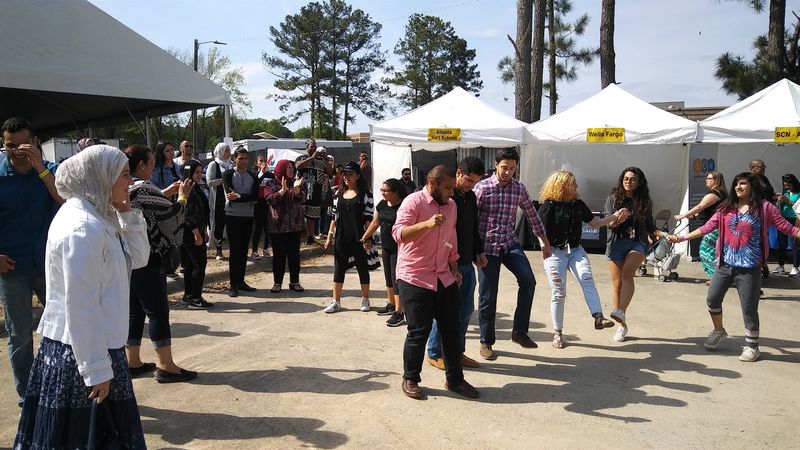
Stomp, clap, step, repeat. Dabke is a lively Levantine line dance, and it sits at the heart of the action here.
Dancers link hands or shoulders and move together as one long chain. The rhythm builds, the stomps get louder, and suddenly everyone feels like part of a team.
That togetherness is exactly the point. Dabke has brought communities together at weddings and celebrations for generations.
The Alif Institute has even featured dabke as an exhibit, exploring its history as a traditional folkloric dance. Learning the story behind the steps makes every stomp feel more meaningful.
Groups can also try it through the Rhythm and Spice Team Building Experiences. Coworkers learn moves together, which beats yet another trust fall by a mile.
Beginners shouldn’t worry about two left feet. The line carries you along, and the energy does half the work.
My advice is simple. Wear comfortable shoes, loosen up, and follow the person beside you.
You might miss a step or two at first. Nobody minds, because dabke is about joining in, not looking perfect.
By the end, you’ll probably be smiling, slightly out of breath, and ready for another round.
Strings, Drums, And Voices Fill The Halls With Music
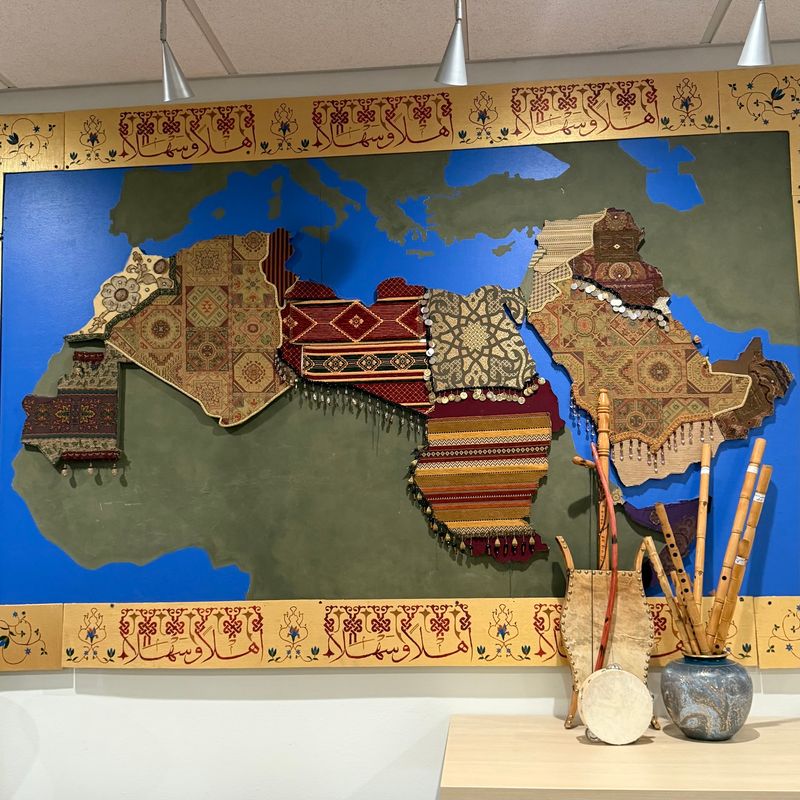
The oud looks like a pear-shaped guitar with a deep, warm voice. At this Georgia center, you can actually learn to play one.
Classes and workshops cover the oud and the darbakeh, a goblet-shaped hand drum. Together, they form the backbone of so much Arab music.
Drummers learn sharp taps and booming beats. Oud players learn melodies that wind and slide in ways Western scales rarely do.
Singing more your style? The Ladies’ Arabic Chorus brings women together to sing traditional songs in harmony.
Then there’s the monthly Music Jam. It gives musicians and listeners a relaxed space to gather, play, and share a love of sound.
I can’t imagine a friendlier way to practice. Playing with others pushes you to listen closely and keep the beat honest.
A practical tip for newcomers is to start with the drum if you love rhythm. Pick the oud if melodies are what stick in your head.
Either way, your ears will start noticing new patterns everywhere. That alone makes the lessons worth it, even before your fingers catch up.
Every Tiny Stitch Here Carries A Big Story
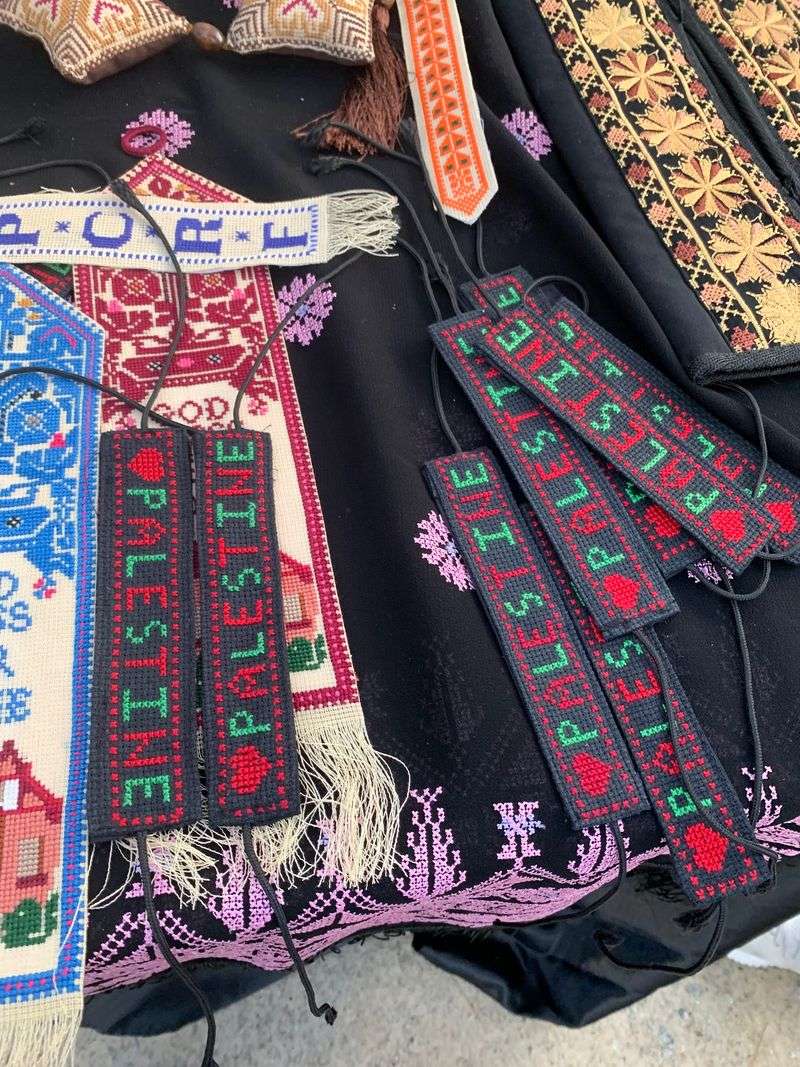
Thousands of tiny crosses, one patient needle. That’s tatreez, the detailed Levantine cross-stitch embroidery celebrated at the Alif Institute.
The institute has featured tatreez as an exhibit, showing off its rich colors and careful geometric designs. Patterns often reflected where a person came from, almost like a stitched map.
Families passed these designs down for generations. A single dress could hold the memories and identity of a whole village.
Knit and stitch programs give people a chance to craft together. Hands stay busy, conversation flows, and the projects slowly come to life.
Embroidery rewards patience more than speed. If you rush, you’ll be pulling threads out, and nobody enjoys that sequel.
Start with a small piece, like a bookmark or patch. Small wins build confidence before you try anything ambitious.
I believe crafts like this connect people in a quiet, powerful way. Sitting side by side, stitching the same old patterns, links today to the past.
Dance and music might be louder. Tatreez proves that some of the strongest traditions survive one careful thread at a time.
And yes, the finished results look amazing framed on a wall.
Flip The Pot And Watch Dinner Become A Showstopper
Few dishes come with a dramatic reveal like maqlooba. The name means upside-down, and the cook flips the whole pot onto a platter.
The Art of Arabic Cooking classes at the Alif Institute have taught this classic rice and eggplant dish. Learning the flip alone feels like earning a kitchen badge.
Hands-on classes let you practice real recipes and techniques. Then you can take those skills straight home to your own stove.
Cooking also shows up in the Rhythm and Spice Team Building Experiences. Groups can cook together and share a meal like maqlooba.
Food has always been a big part of Arab hospitality. Sharing a meal welcomes people in faster than any speech could.
Here’s a tip worth remembering. Take notes during class, because family-style recipes rarely come with exact measurements.
Bring a friend along if you can. Chopping vegetables goes faster with company, and the flip is more fun with a cheering squad.
Just be ready for a little suspense when the pot turns over. Holding your breath is basically part of the recipe.
When it lands in one proud tower, celebrate. You earned it.
Galleries And Movie Nights Bring Big Ideas To Life
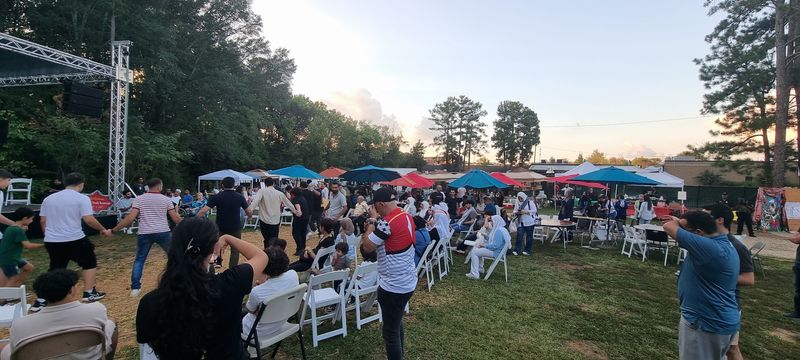
Coffee lovers, pay attention. One past exhibit at the Alif Institute explored the history of coffee, a drink with deep roots in the Arab world.
Rotating exhibits highlight the richness and diversity of Arab cultures. Topics have also included tatreez and dabke, tying displays to the classes happening down the hall.
That connection makes everything click. After learning a dance step, seeing its history on the wall feels extra rewarding.
Movie Nights add a different kind of storytelling. The institute screens Arabic-language films, often with English subtitles.
Screenings frequently include an optional light dinner and a discussion afterward. So a movie becomes a conversation, not just two hours of quiet popcorn crunching.
I like this format because it invites questions. Talking through a film helps you notice details you might have missed.
Don’t stress about reading subtitles either. Your brain adjusts quickly, and good stories work in any language.
Bring an open mind and maybe a friend who loves debating plot twists. Those after-film chats can get lively.
Between the gallery walls and the big screen, there’s always something new to learn and talk about later.
Saturday Mornings Sound Like Little Kids Speaking Arabic
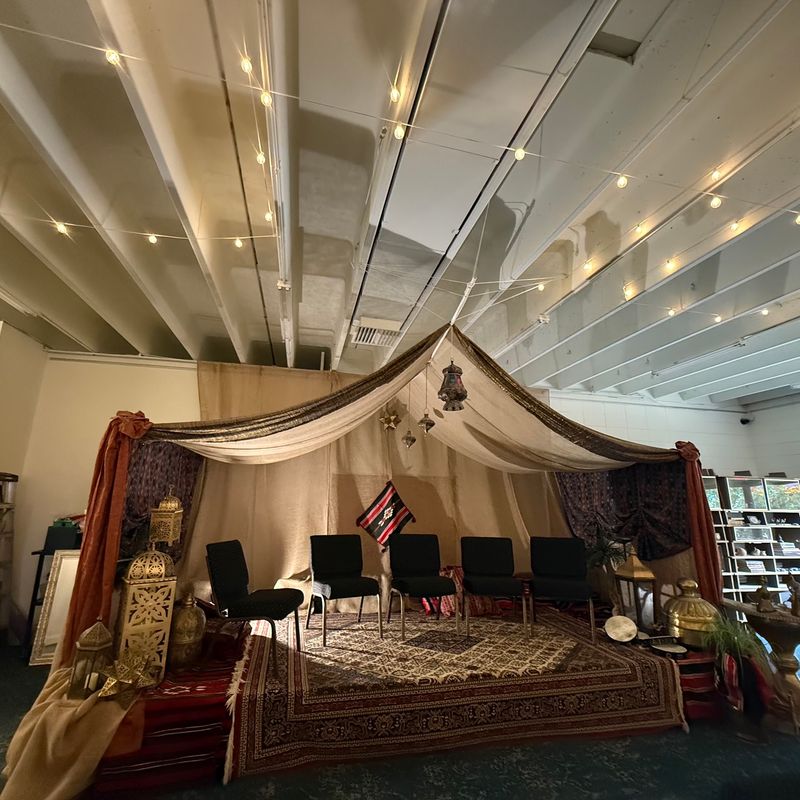
Plenty of kids groan about weekend school. Arabic Saturday classes at this center somehow win them over anyway.
The Alif Institute runs an Arabic language program for youth, with classes starting as young as toddlers. Students build speaking, reading, and writing skills step by step.
Language unlocks everything else here. Songs make more sense, recipes feel personal, and family conversations get easier.
Adults aren’t left out of the cultural fun. The center also offers art classes, sewing classes, and events for children and families.
For parents, consistency matters most. Practicing a few words at home between classes helps new skills stick.
Try labeling things around the house in Arabic. Seeing a word on the fridge every day works surprisingly well.
I believe learning a language young is a lasting gift. It opens doors to culture, travel, and connection with relatives far away.
Also, kids pick up pronunciation faster than grown-ups. Don’t be surprised when your seven-year-old starts correcting you.
Arabic has sounds English simply doesn’t use. Little learners treat that like a fun challenge instead of a hurdle.
Give it a semester and listen closely. Those first confident words feel like a big win.
Thousands Show Up When The Festival Takes Over The Lawn
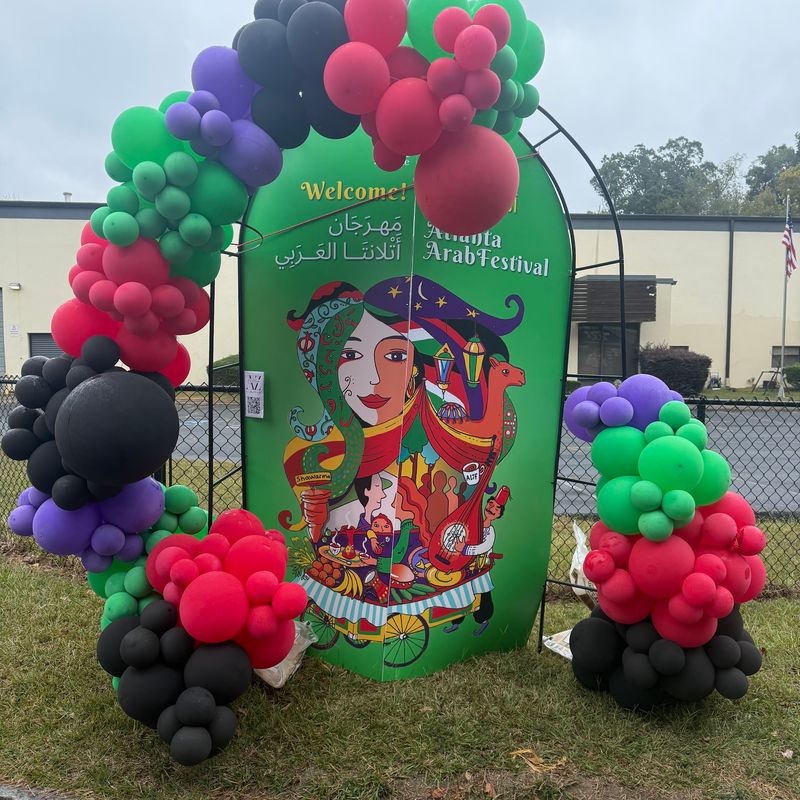
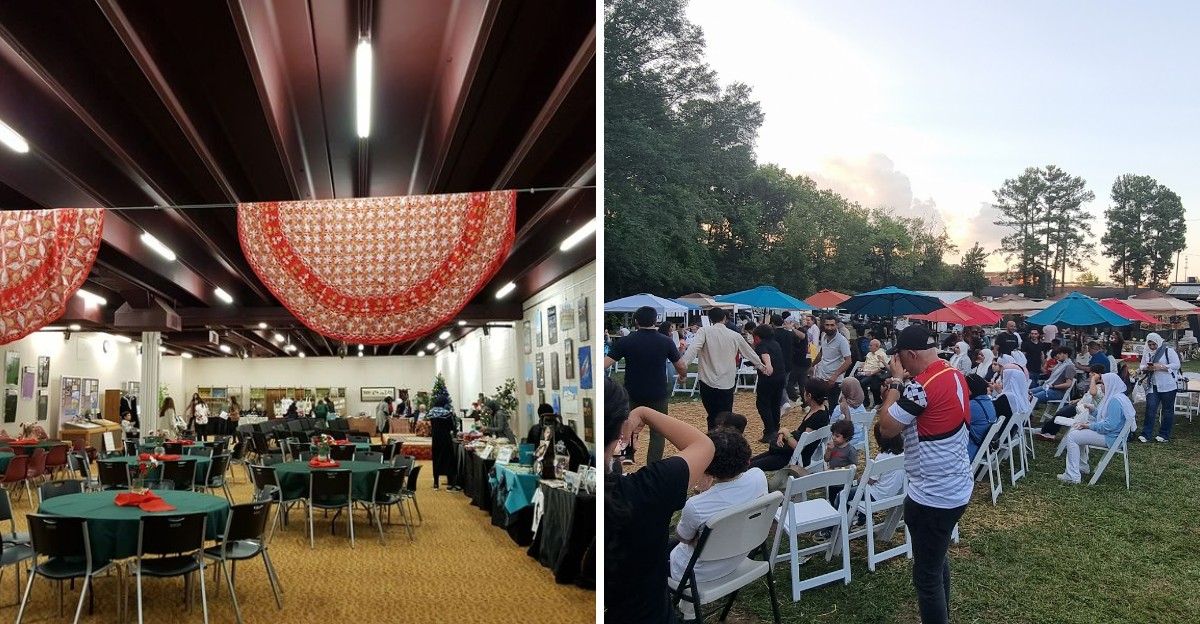
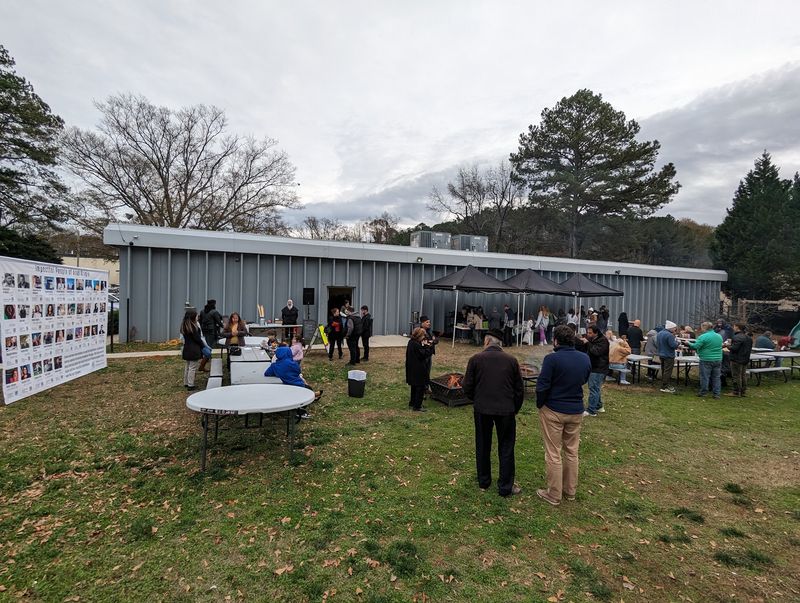
Free admission, free parking, and a whole weekend of culture. The Atlanta Arab Festival might be the institute’s loudest, happiest event all year.
Hosted by the Alif Institute, this two-day celebration draws thousands of people. It honors Arab and Arab-American heritage with energy to spare.
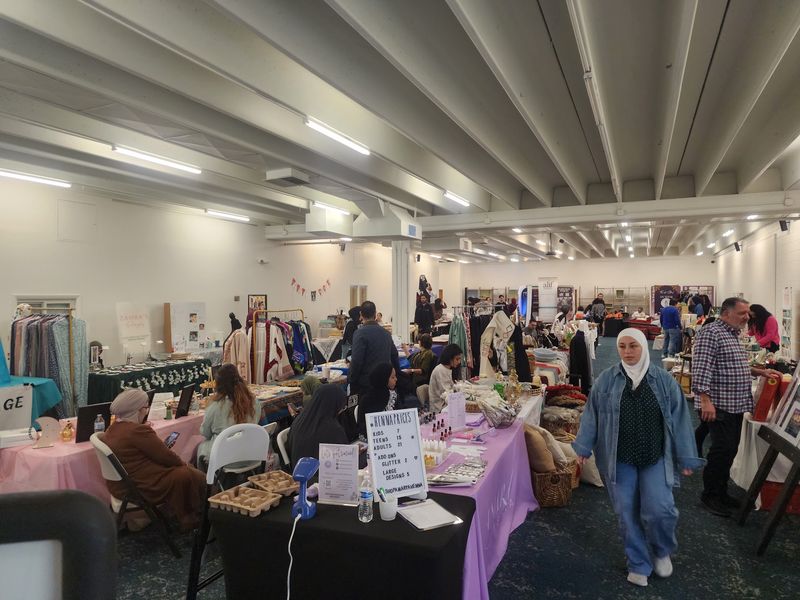
Live performances keep the music going. A food court serves dishes from across the region, and a souq, or marketplace, fills with vendors.
Cultural exhibits and workshops add plenty to explore. Activities for all ages make it an easy family outing.
Here’s my practical advice. Arrive early, wear walking shoes, and pace yourself at the food booths.
Bring a tote bag for souq finds too. Handmade goods and unique treasures are hard to resist.
The festival grounds sit at 3288 Marjan Dr, Atlanta, GA 30340. That’s the same campus where classes happen all year.
I can’t imagine a better introduction for first-timers. You get dance, music, crafts, and food in one afternoon.
Just plan your snack strategy. Trying everything in one lap is ambitious, even for seasoned festivalgoers.
Check the schedule ahead so you catch the performances you want most.
Your Next Party Could Borrow Some Arabic Flair
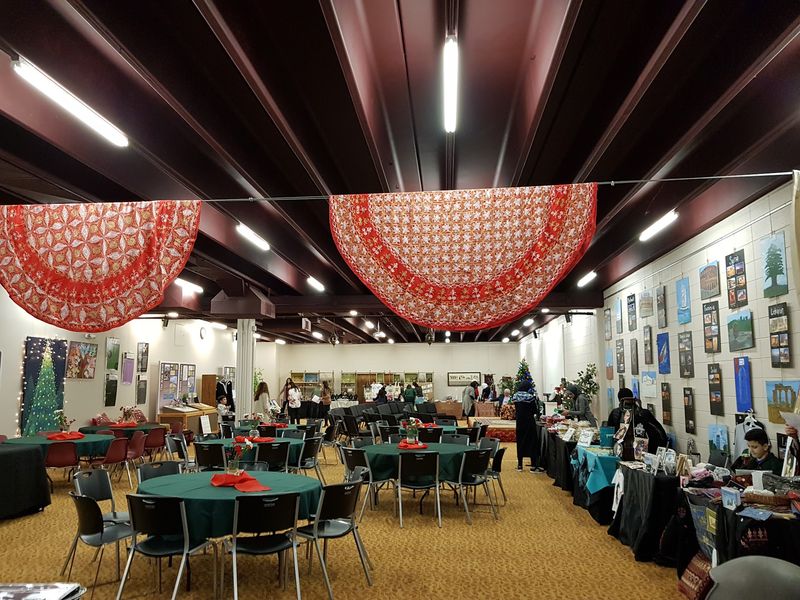
Need a venue with personality? The Alif Institute rents out its space, and it comes with built-in culture.
Inside, there’s an event hall and conference rooms for meetings, classes, or celebrations. The hall offers plenty of tables, chairs, and a large projection screen.
Outside, front and back lawns provide open space for outdoor gatherings. That flexibility suits picnics, parties, and community programs alike.
Here’s the fun twist. The institute can suggest Arabic musicians, dancers, decorators, and caterers to give events extra cultural flair.
Imagine a birthday with live oud music or a work event ending in a dabke line. Guests won’t forget that anytime soon.
Exhibits around the building also add interest. Attendees get a little cultural lesson simply by looking around.
Plan ahead if you have a date in mind. Popular weekends fill up, especially around big community events.
The center is generally open Tuesday, Thursday, and Saturday during the day. Calling ahead during those hours makes planning smoother.
Future plans include an outdoor educational exhibit, an Arab-style garden, and a fountain on nearby wooded land. This Georgia gathering spot keeps growing, and every event helps tell its story.