This Georgia Mountain Farm Lets You Pick Apples And Wildflowers In One Trip
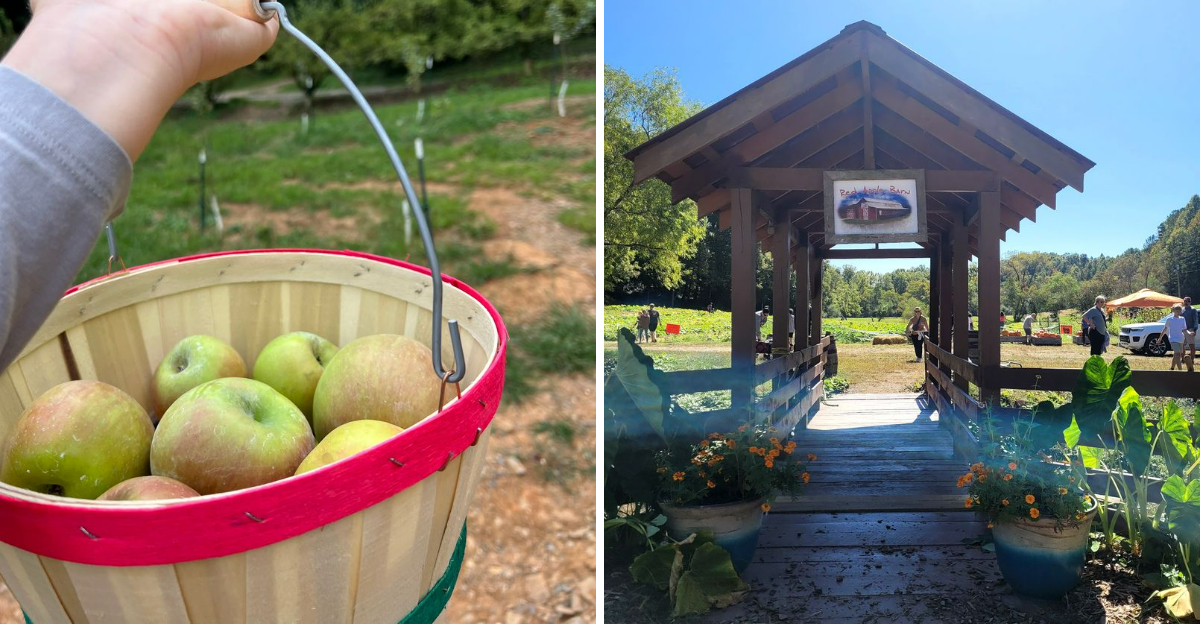
What if one afternoon could give you two entirely different seasons at once? I found the answer on a mountain farm where apple trees and wildflower fields sit side by side.
I came for a quick bag of apples and left three hours later, sunburned and happy. Rows of trees stretched up the hillside, heavy with fruit ready to pull straight off the branch.
Just beyond them, a field burst open in every color imaginable, taller than my knees and buzzing with bees. Kids ran between the rows while parents wandered slower, cameras out, picking flowers one stem at a time.
Georgia grows more than people realize in one small patch of mountain soil. I filled a basket with apples, then filled my arms with flowers, and still did not want to leave.
Georgia has a way of turning a simple errand into an entire afternoon.
A Family Farm With Roots Going Back To 1927
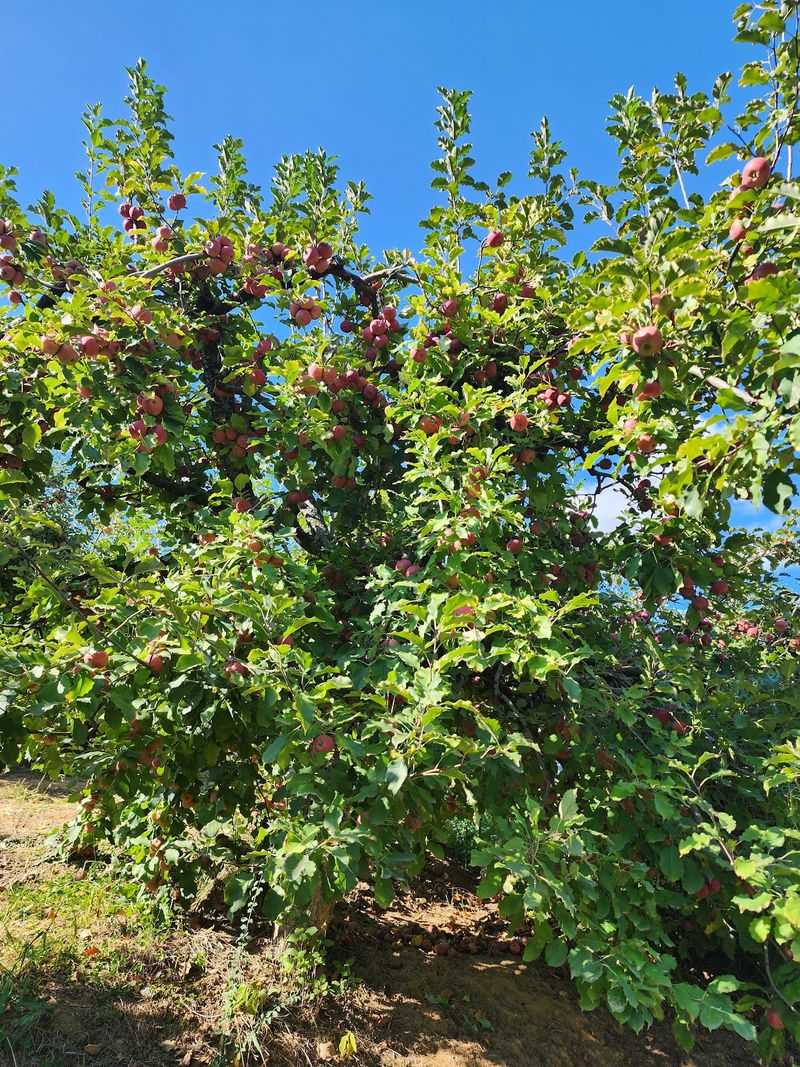
Almost a century of farming happens in one spot here. The land has belonged to the same family since 1927, when W.T.
Pritchett started working it.
His son Marvin planted the first apple trees in 1965. The famous red barn came six years later, and it still marks the property today.
Now W.T.’s grandson Barry and his wife Becca run the place. Three generations of decisions show up in small details everywhere.
You can feel that history in how smoothly things move. Signs are clear, staff answer questions without rushing, and nothing feels thrown together.
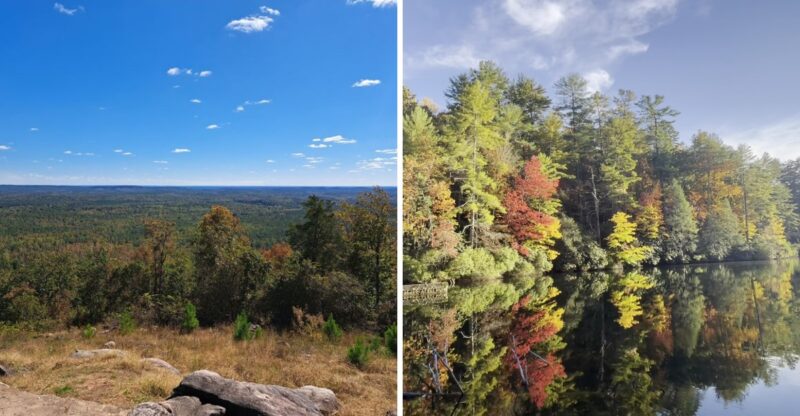
The orchard sits high in the mountains, which explains the hills. Rows climb and dip, and the views come free with every step.
Older apple trees mix with newer plantings across the property. That mix keeps varieties coming at different points in the season.
The owners still talk about customer care as the whole point. That attitude started back in 1965 and clearly stuck around.
Veterans receive a discount, a quiet nod to family military history. Small gestures like that say plenty about a business.
The address is 3379 Tails Creek Rd, and parking is plentiful. That alone reduces a lot of stress.
Tractor Rides That Haul You Straight To The Trees
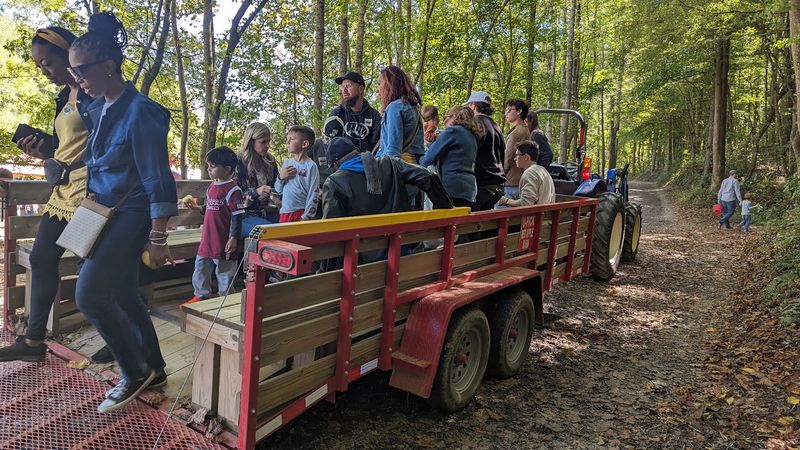
Walking to the orchard is not part of the plan. A tractor pulls you up instead, and the ride takes about five minutes.
You cannot see the orchard from the parking area. That reveal at the top is half the fun.
Tractors run back and forth constantly during busy weekends. Lines rarely build up because another one shows up quickly.
The wagon tailgate lowers for loading, which helps families with strollers. Riders still get decent leg room once everyone settles in.
Once you arrive, a staff member gives a quick orientation. They explain which varieties are ready and where to find them.
They also share flavor notes for each apple type. That advice saves you from picking something you will not enjoy.
Bring real shoes because the orchard rows are steep and rocky. Hiking boots or sneakers beat sandals every single time.
Strollers and wagons struggle on the uneven paths up there. Carrying small kids works better than pushing them.
Shaded rest spots sit near the orchard for tired legs. Kids appreciate a break before the ride back down.
The whole trip feels less like a chore and more like an event.
Cutting Your Own Wildflowers Before You Leave
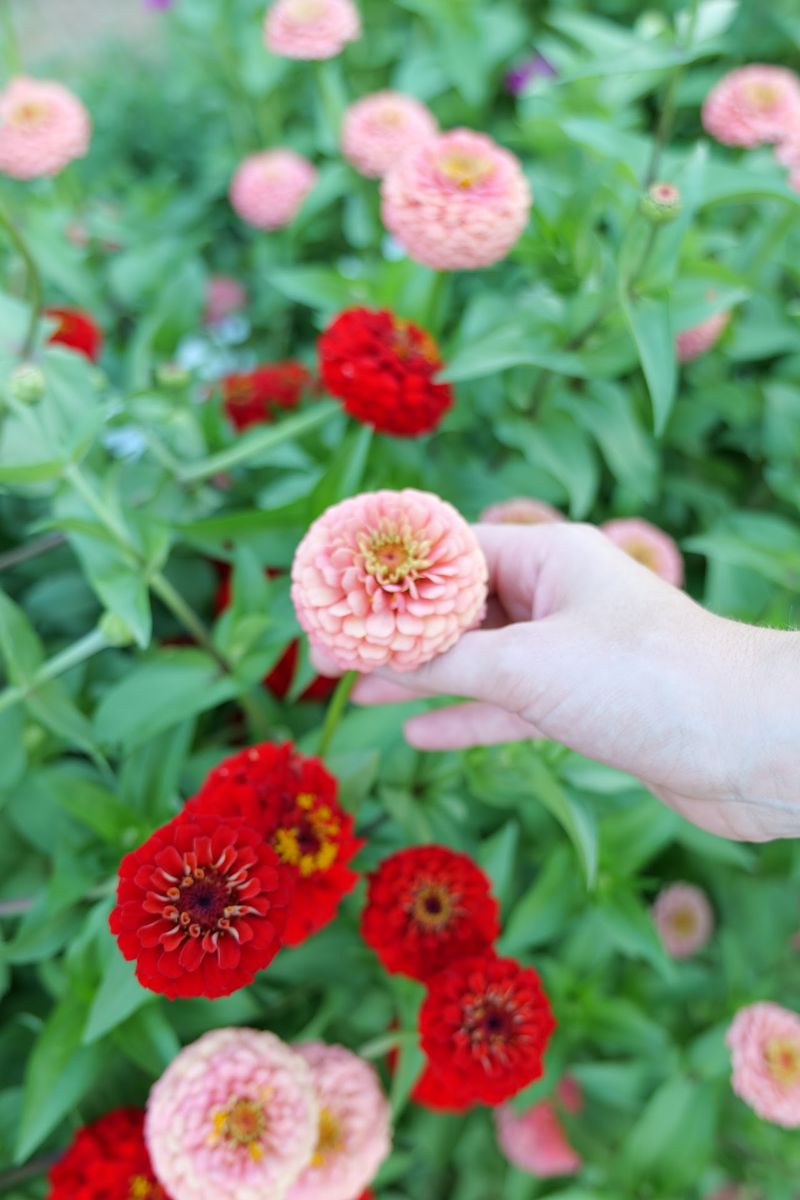
Flowers were the surprise I did not expect. A cutting garden sits right near the parking area, bright and buzzing.
Admission packages typically include a few flowers per person. Admission currently includes three U-pick flowers per person.
You cut them yourself, which feels oddly satisfying. Choosing stems takes longer than you think it will.
The U-pick flower season runs weekends in September and October. That lines up neatly with apple picking weekends.
Sunflowers have earned their own fan club here over the years. Visitors stop just to photograph the field.
Combining apples and flowers in one visit is rare. Most orchards make you choose one or the other.
Bring a water bottle or cup for the ride home. Cut stems wilt fast in a warm car.
The garden also makes a great photo backdrop. Color everywhere means almost any angle works.
Kids love this part because cutting feels grown up. Give them a little guidance and let them pick.
Doing flowers last works best in my experience. You finish with apples in the trunk and a bouquet on your lap.
It turns a produce run into something you actually remember.
Apple Varieties Worth Learning By Name
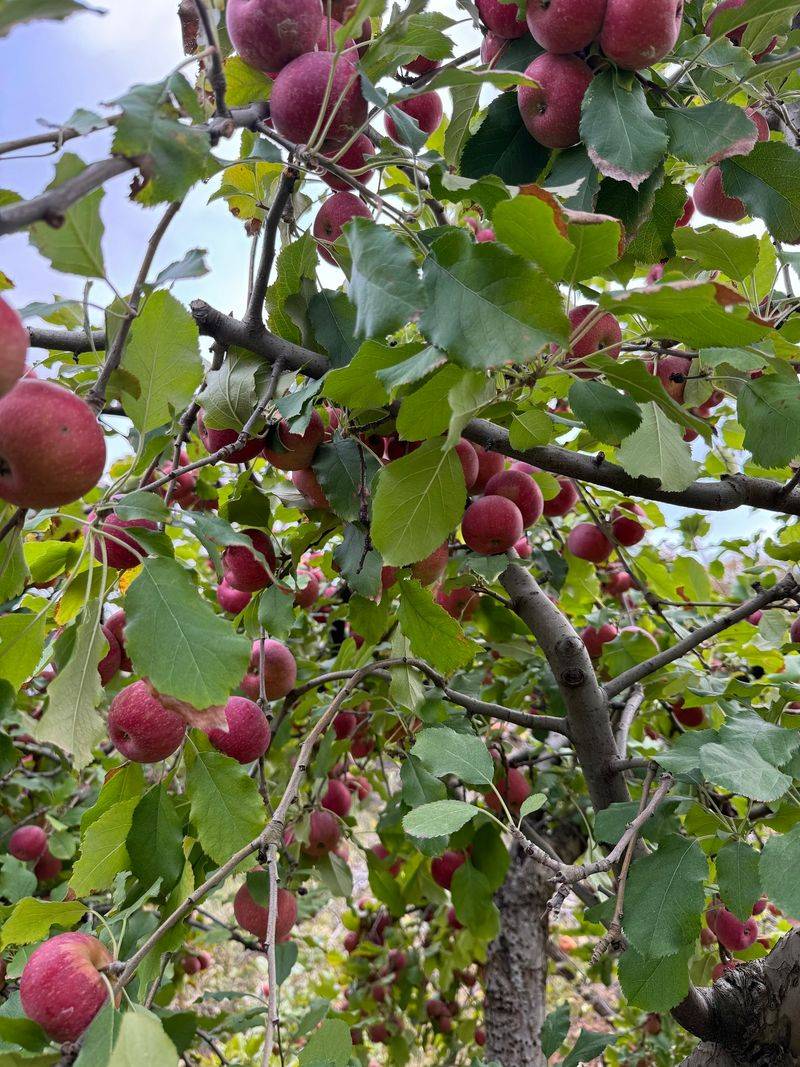
Not all apples taste alike, and this farm makes that obvious. Varieties are labeled at the checkout counter so you know what you are grabbing.
Seeing each type side by side helps enormously. Colors and sizes differ more than most people realize.
Cameo and Mutsu win over a lot of first-timers. Both have fans who return specifically for them.
A sampling table lets you taste before committing. Trying two or three saves you from a bag of regret.
Bag sizes come in four options, so you control the haul. A half peck currently costs about twelve dollars.
Woven baskets sell separately if you want something prettier. They double as decoration once you get home.
Ask staff which apples hold up for baking versus snacking. They know which ones cook down and which stay firm.
Some varieties also keep longer in the fridge. That matters if you are picking a big batch.
Trees closer to the entrance get picked over first. Walk deeper into the rows for heavier branches.
Kids do better with small plastic bags of their own. They want to carry their apples, not share a basket.
The Farm Store Smells Like Fall Itself
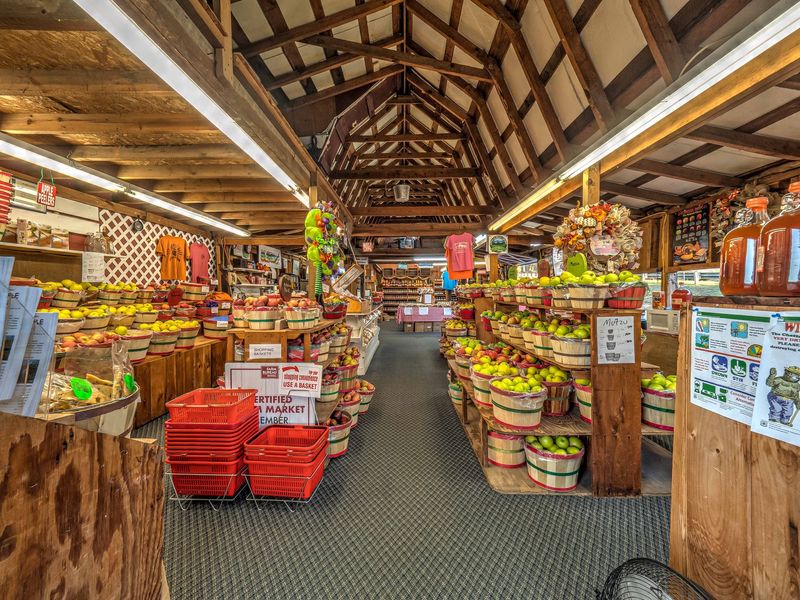
The smell hits you first. Fresh apples and baked goods fill the store from the moment you step inside.
Apple pies sit near fritters and loaves of fresh bread. Caramel and candied apples wait under the glass.
Jams, jellies, and honey line the shelves in neat rows. Apple cider comes cold or hot depending on the day.
The apple bread has a serious following. So do the spiced doughnuts, which disappear quickly.
Cider here goes beyond apple, with other fruit blends available too. Sampling is part of the experience.
Displays stay clean and organized even on crowded afternoons. Finding what you want does not take long.
Weekend checkout lines can stretch during peak hours. Shop before picking if you want to skip the wait.
Store hours run Monday through Saturday, 9 AM to 6 PM. Sundays open at 1 PM and close at 5:30 PM.
Varieties not available for U-pick often appear in the store. You can still take home what you were hoping for.
Merchandise, candy, and drinks round out the shelves. Nobody leaves empty-handed, which is probably the point.
Cider And Doughnuts Included With Admission
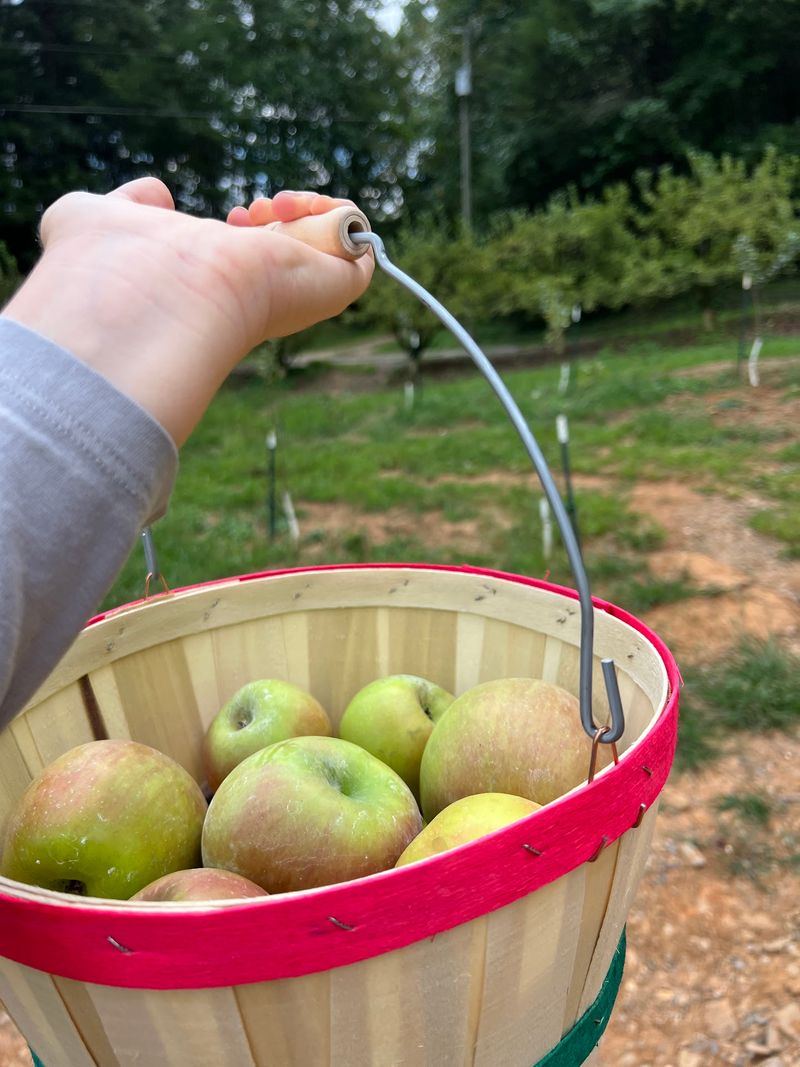
Free food at the end of a walk always improves the mood. Admission includes a cup of apple cider and an apple cider doughnut.
You collect them after picking, which times out perfectly. Hungry legs meet warm doughnut.
The cider tastes fresh and not overly sweet. That balance makes it easy to finish quickly.
Doughnuts come soft with real apple flavor coming through. They are the kind you eat standing up.
Admission also covers the tractor ride and one apple to pick. General U-pick admission currently costs $12.75 per person, plus taxes and fees.
Children two and under enter free. That helps families with toddlers keep costs sensible.
Extra apple bags currently range from about $7 for a quarter peck to $22 for a full peck. A single bag holds enough apples for a week of snacking.
Weekend U-pick hours currently run 10 AM to 5 PM on Saturdays and 1 PM to 4 PM on Sundays.
Arriving early on Saturday helps you beat the heaviest crowds. Midday tends to be busiest.
Even packed, the flow moves well. Good planning shows in how little you actually wait.
Kids Enjoy Cows, A Playground, And Tire Swings
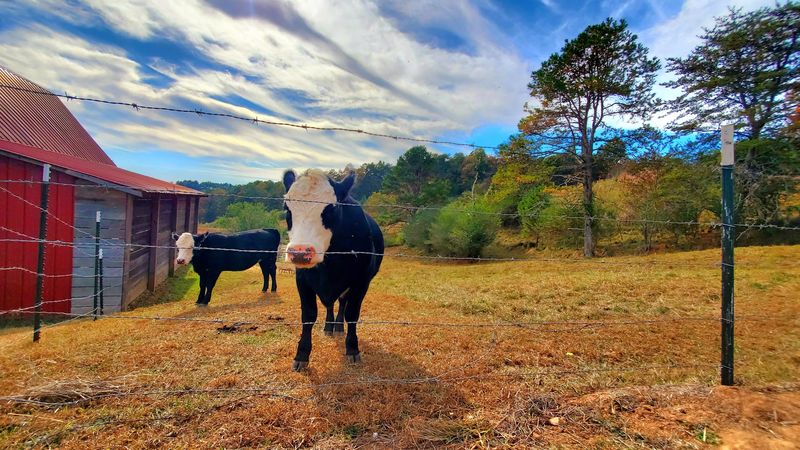
Kids find their own agenda here fast. Playgrounds sit on the property, and tractor tire swings hang nearby.
Dairy cows live up near the orchard barn. Visitors can feed them apples, which never gets old.
Three cows have become minor celebrities among returning families. Feeding them beats any gift shop toy.
Yard games like cornhole and horseshoes are set up too. Adults end up playing longer than the children.
Play areas near the orchard give tired kids a shaded break. That placement is smart and clearly intentional.
Pumpkin painting shows up during the right season. It gives kids something to do with their hands.
Nothing feels flashy or overbuilt, which is the charm. Simple activities keep everyone happy without screens.
Parents should expect hills between every attraction. Comfortable shoes matter for the whole family.
Animals at the barn make the farm feel real. Kids connect apples to trees and cows to milk.
Bring a change of clothes if your children are young. Dirt happens, and that is part of the fun.
Plan two hours minimum if kids come along.
Creekside Picnic Spots And A Little Covered Bridge
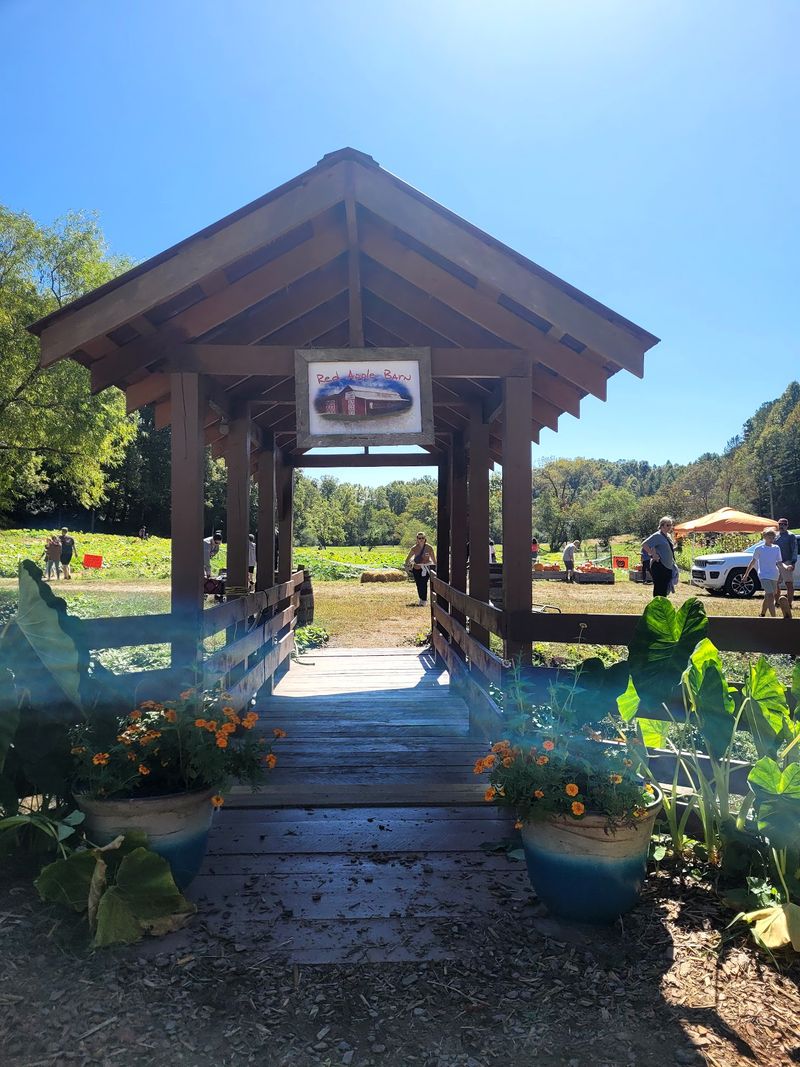
Water changes the whole feel of a farm visit. A creek runs through the property with picnic areas beside it.
Tables sit close enough to hear the water. Eating there beats a car seat lunch every time.
A small covered bridge crosses the creek. It has become the most photographed spot on the farm.
Walking trails let you explore beyond the orchard rows. They are easy to follow and pleasantly quiet.
Packing a picnic works well if you plan a longer stay. Grab pies and cider from the store first.
Autumn light near the creek is genuinely lovely. Photographers linger there for good reason.
The flower garden at the store entrance adds another photo option. Together they cover most family picture needs.
Trails give restless kids somewhere to burn energy. Adults get a break from the crowd noise.
Shade near the water helps on warmer September afternoons. Georgia fall does not always feel like fall.
Sitting by the creek turned a quick errand into a slow afternoon. That shift is what makes people return yearly.
Bring a blanket if tables are full.
Timing Your Visit Around Pumpkins And Seasons
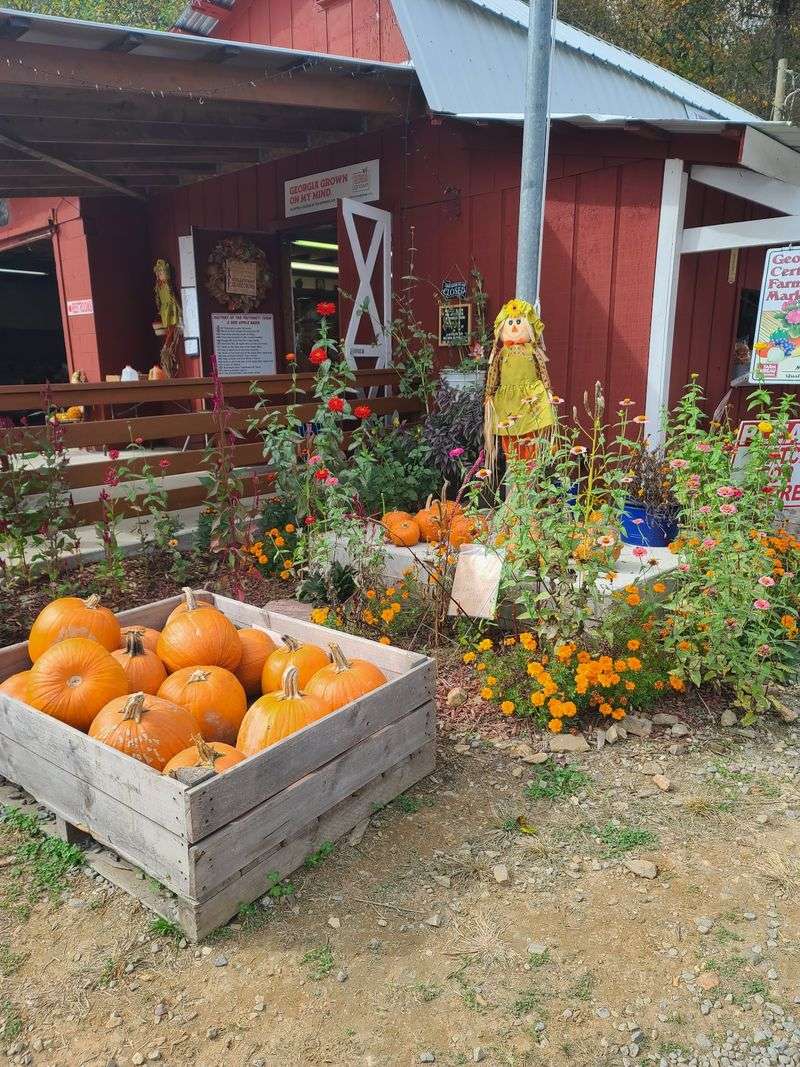
Timing decides how good your trip goes. The farm operates seasonally, typically from August through December.
U-pick apples run on select weekends from August into October, depending on the harvest. Picking continues until the harvest finishes.
U-pick pumpkins typically begin in late September or early October, depending on the season. Grabbing one on the way out feels almost required.
Late season means fewer large pumpkins remain. Early October gives you the best selection.
The road it sits on is lined with apple farms. This one anchors the far end.
Weekdays are quieter if you only want the store. U-pick, though, requires a weekend visit.
Admission costs less than many nearby orchards. Getting cider, a doughnut, apples, and flowers included stretches the value.
Pick a Saturday morning, wear sturdy shoes, and give yourself time. Rushing this place would be a waste.