This Georgia Observatory Lets You Explore The Night Sky Through One Of The State’s Largest Public Telescopes
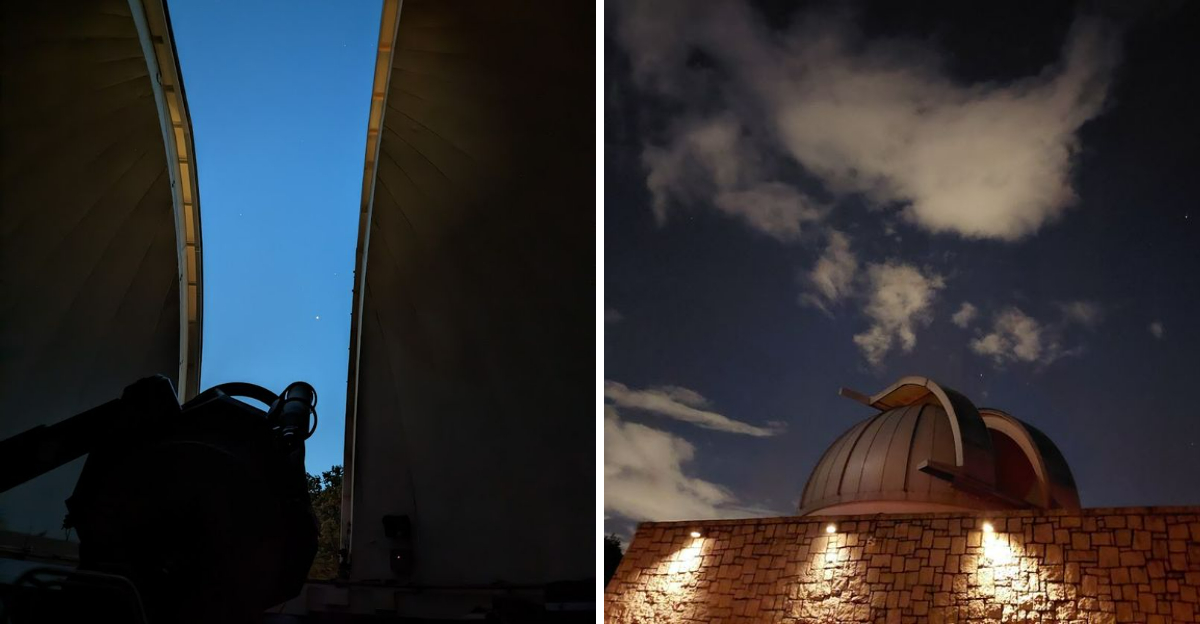
I saw the rings of Saturn with my own eyes, and I have not stopped talking about it since. Not in a photo.
Not on a screen. Through a telescope so large it needs its own dome, right here in Georgia.
I remember pressing my eye against the lens and holding my breath. There it was, a planet nearly 800 million miles away, floating in perfect focus like a tiny ornament.
The volunteer next to me chuckled and said everyone reacts that way. Georgia does not usually come up when people talk about stargazing.
That needs to change. On clear nights, one spot swings open its dome and invites regular people to explore galaxies, nebulae, and planets, completely free of wonder-killing crowds.
Bring your curiosity. The universe shows up on time.
A Telescope That Means Business
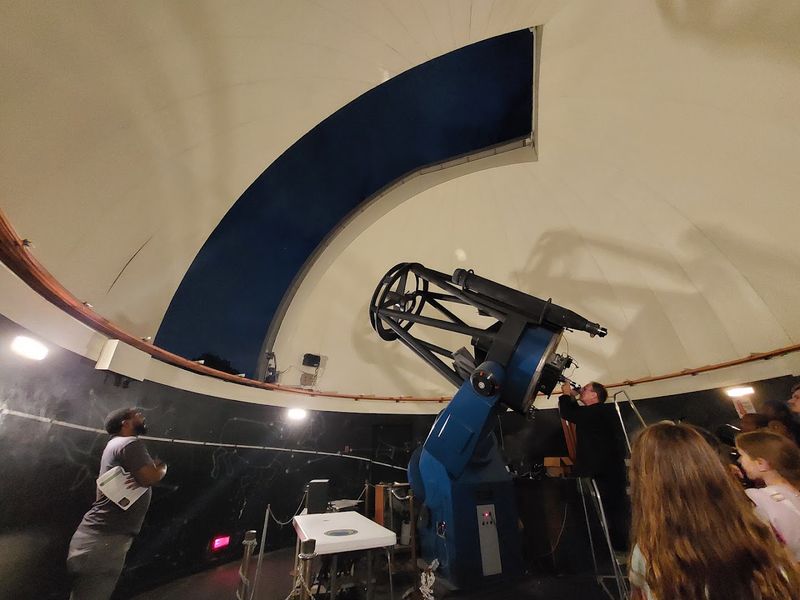
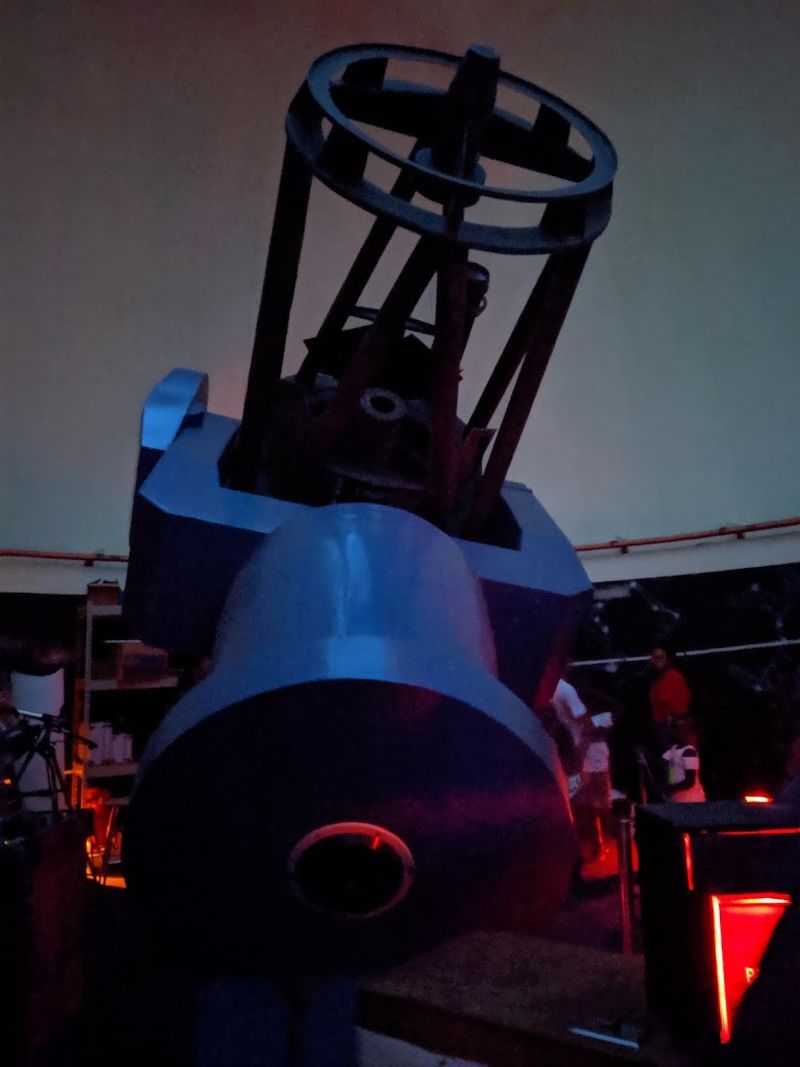
Not all telescopes are created equal, and this one makes that very clear. The observatory houses a 36-inch Cassegrain reflector telescope, one of the largest publicly accessible instruments in the entire southeastern United States.
That is not a small claim.
To put it in perspective, most backyard telescopes measure just a few inches across. This one is nearly three feet wide.
The difference in what you can see is staggering.
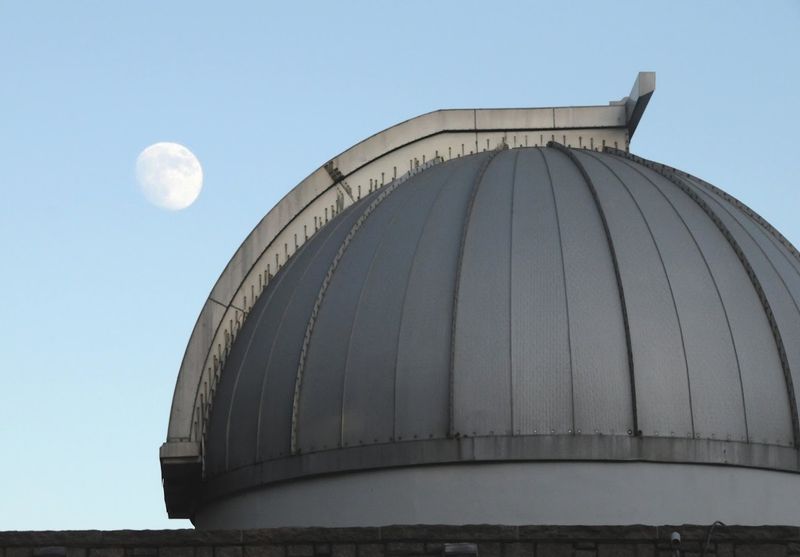
Through this powerful instrument, visitors have spotted Jupiter’s moons, Saturn’s rings, and even distant nebulae. The observatory dome measures approximately 30 feet across, creating an impressive setting around the telescope.
You almost expect a movie score to start playing.
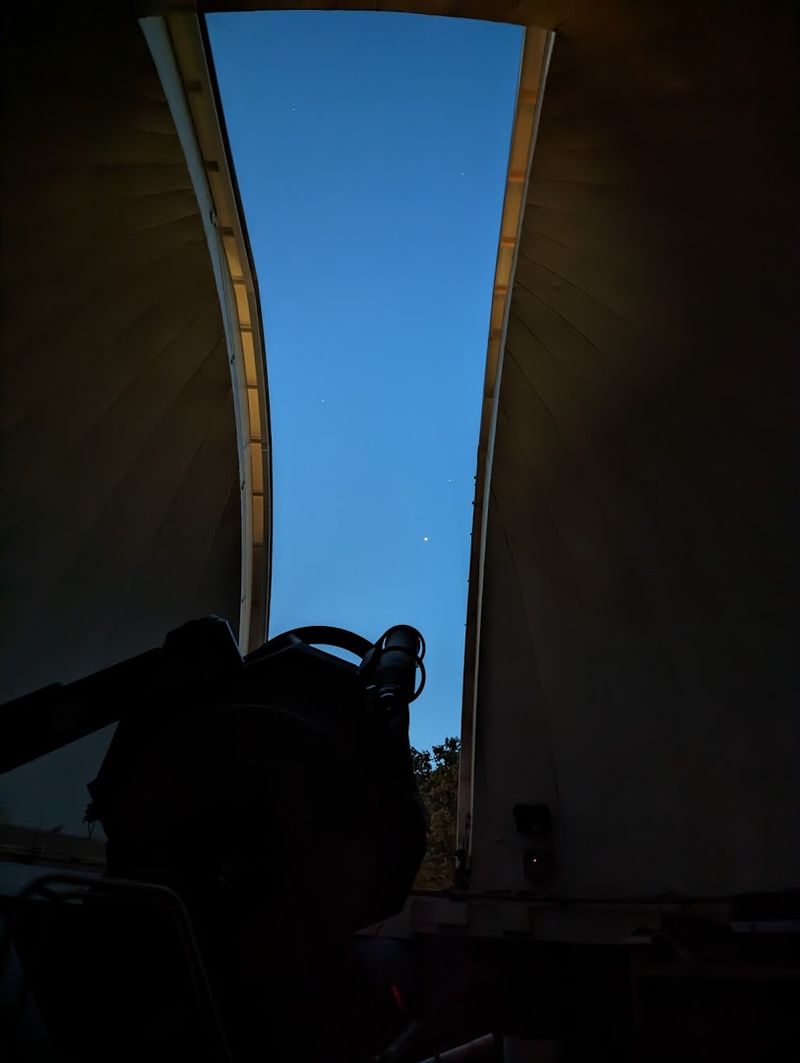
The telescope rotates smoothly to track celestial objects as Earth moves. Watching the dome shift and the scope reposition is surprisingly thrilling.
It feels like being inside a real-world science fiction story.
This is the Dr. Ralph L. Buice, Jr. Observatory, located at 156 Heaton Park Drive, Atlanta, Georgia.
It is operated by the Fernbank Science Center and has been sharing the cosmos with curious visitors for decades. Come ready to be amazed.
It Is Completely Free To Attend
Free admission to a world-class telescope sounds almost too good to be true. Yet that is exactly what this place offers every week.
No tickets, no membership, no catch.
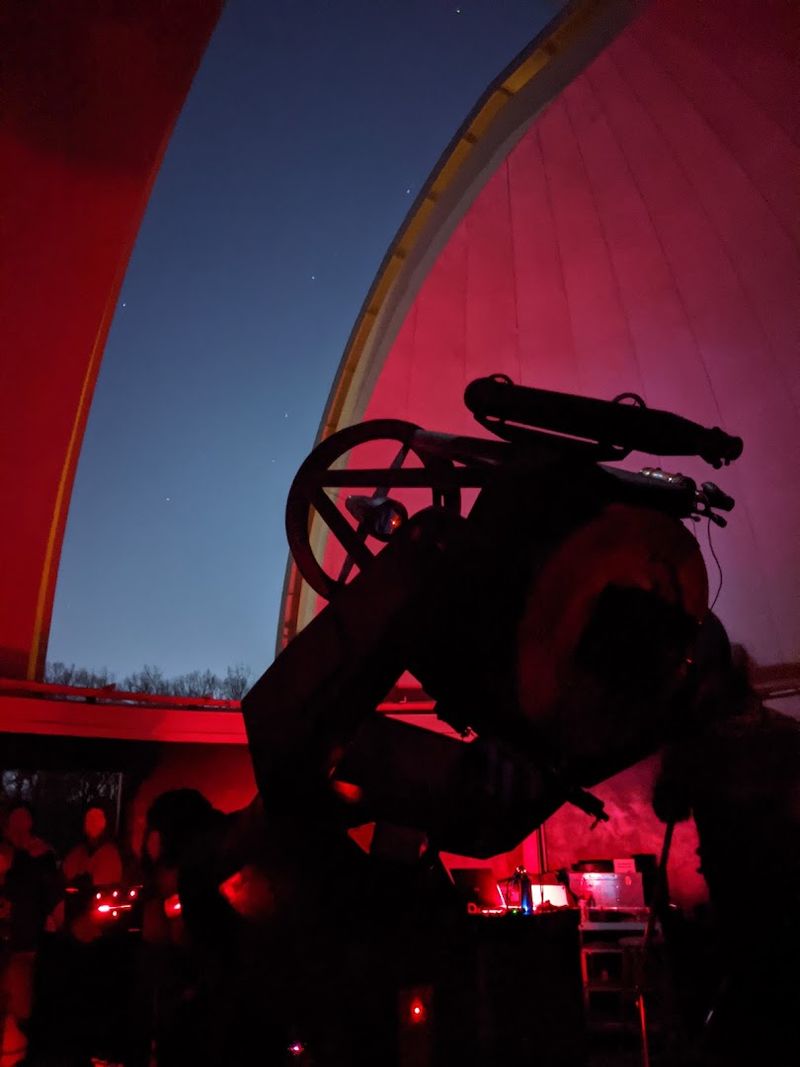
Public viewing nights happen every Thursday and Friday evening. The doors open at 9 PM and close at 10 PM during most of the year.
Winter hours extend a little, running from 8 PM to 10 PM between November and February.
I remember pulling up and double-checking the website, convinced I was missing a fee somewhere. There was nothing.
Just show up on a clear night and prepare to look deep into the universe for free.
This kind of access is genuinely rare. Most major observatories charge entry fees or require advance reservations.
This spot keeps things open and welcoming for everyone.
Families, couples, students, and solo stargazers all show up on viewing nights. The crowd itself adds to the energy.
There is something infectious about standing in a group of people all looking at the same distant light.
What You Can Actually See Through The Eyepiece
The real question everyone has before visiting is simple: what will I actually see? The answer depends on the night, but it is almost always something memorable.
The telescope is powerful enough to reveal details that feel genuinely surreal.
On a good night, Jupiter appears with visible cloud bands and its four largest moons lined up beside it. Saturn shows off its rings clearly, which never gets old no matter how many times you see it.
These are not blurry smudges either.
During certain seasons, the team points the scope toward deep-sky objects like nebulae and star clusters. One couple even caught a rare green comet during their visit, which sounds like something from a science fiction novel but is completely real.
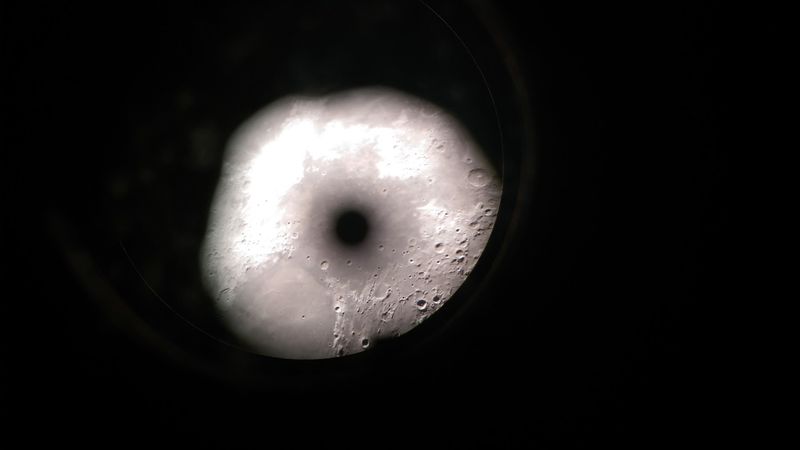
The Moon, when it is visible, is almost overwhelming in detail. Craters, ridges, and valleys fill the entire eyepiece.
It is the kind of view that makes you feel both tiny and electrified at the same time.
Keep expectations grounded but genuinely high. Some nights offer more than others depending on atmospheric conditions.
The astronomers will always point the telescope toward whatever is showing best that evening, so every visit feels different and fresh.
The Fernbank Science Center Has Even More To Explore
The observatory is just one part of a much larger scientific playground. The Fernbank Science Center has been sparking curiosity since it opened in December 1967.
It was built to promote science education across DeKalb County and beyond.
Inside the center, you will find a 9,000-square-foot exhibit hall packed with engaging displays. Science does not have to feel dry or distant, and this place proves that with every exhibit it puts on the floor.
The Jim Cherry Memorial Planetarium seats 500 people, making it one of the largest planetariums in the entire United States. Catching a show there before or after a telescope viewing is a seriously smart way to spend an evening.
Perhaps the most jaw-dropping artifact inside is an authentic Apollo 6 Command Module. This is not a replica.
It is the real capsule that traveled to space, and it sits right there for you to stand next to and contemplate.
The center is owned and operated by the DeKalb County School District, which explains its strong educational focus. It was designed to serve students but has always welcomed the general public with open arms.
Visiting here feels like getting a full science education packed into a single afternoon and evening. Plan to stay longer than you think you will need.
Planning Your Visit The Smart Way
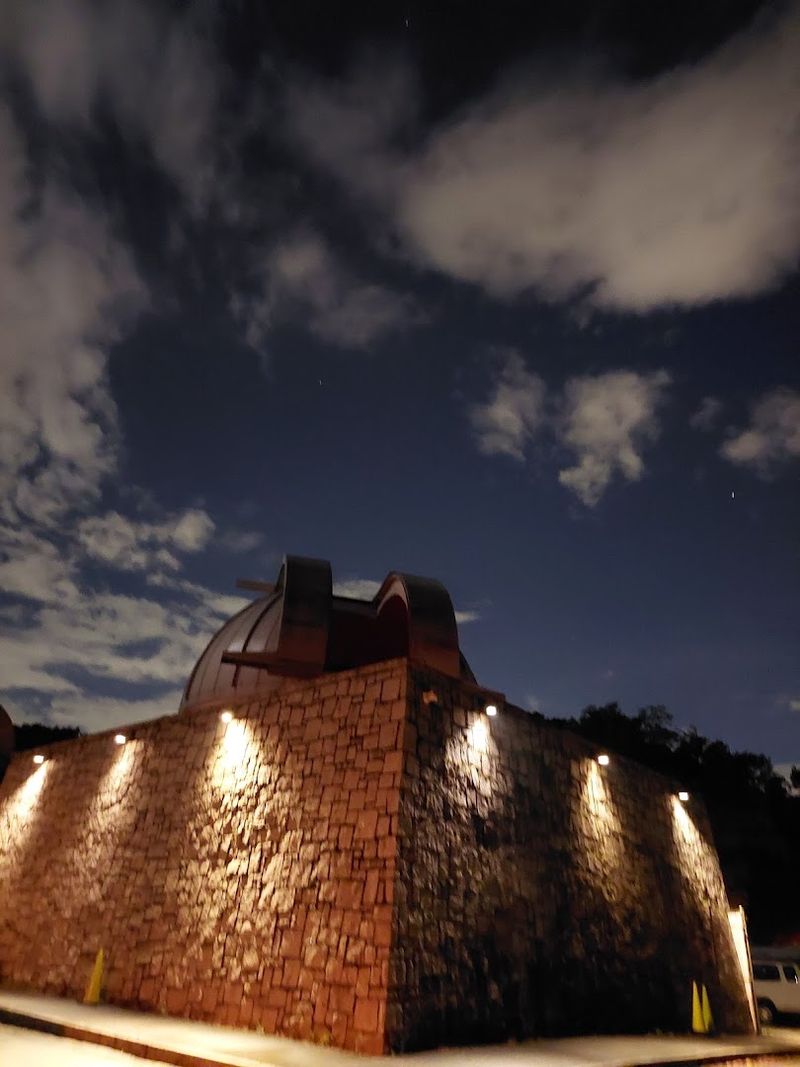
Showing up to a closed observatory is nobody’s idea of a fun night out. A little planning goes a long way when visiting this spot.
The most important rule is to check the sky conditions before you leave home.
The observatory only opens when the night sky is clear enough for quality observations. Clouds or heavy humidity can cancel the evening without much notice.
Dress for the weather, especially in cooler months. The observatory area can feel breezy, and standing outside or near the dome for an hour gets chilly fast.
Layers are always a smart call.
Parking is available but can be limited on busy nights, especially when school groups visit at the same time. Arriving a little early gives you the best shot at a good spot and a shorter wait at the telescope.
The website at fernbank.edu/observatory.html lists updated hours and seasonal changes. Hours shift throughout the year, so it is worth a quick check before heading out.
Being informed means you spend your evening looking at stars, not sitting in a parking lot wondering what happened.
Perfect For Date Nights And Family Outings
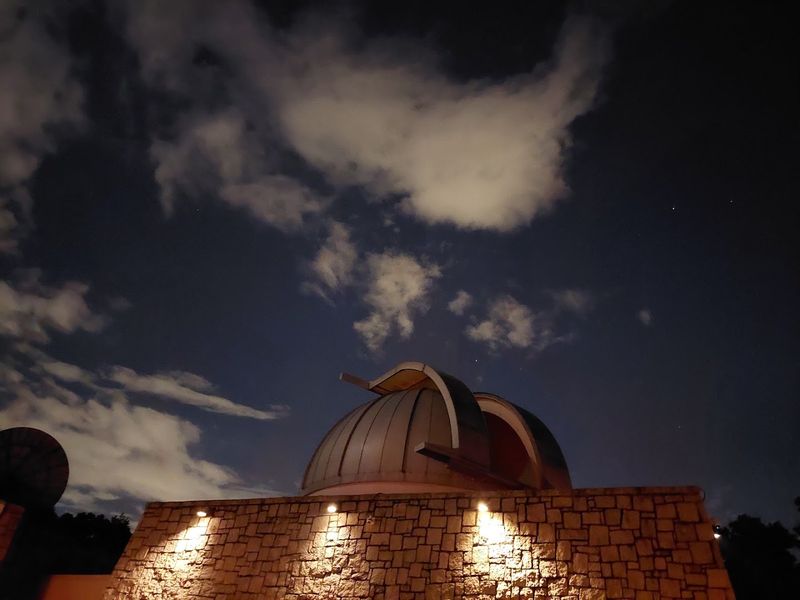
Few experiences match the quiet wonder of sharing a look at Saturn’s rings with someone you care about. This place has quietly become one of Atlanta’s most unexpected and romantic outings.
More than one first kiss has apparently happened under this dome.
Couples have made it a Valentine’s Day tradition, and some have returned year after year. There is something about looking at something impossibly vast together that brings people closer.
The scale of the universe has a funny way of making everything feel more meaningful.
Families with kids absolutely love it here too. Children who are bored by textbooks come alive when they press their eye to the eyepiece and see Jupiter’s moons for the first time.
That moment of real discovery cannot be faked or replicated on a screen.
Parents have noted that the astronomers speak to kids directly, not over their heads. That respect for young visitors makes a real difference.
Kids leave feeling smart and excited, which is exactly what you want from a science outing.
It combines education, wonder, and connection in a way that feels effortless and completely memorable every single time.
The History Behind The Observatory’s Name
Every great institution has a story behind its name, and this one is no different. The observatory carries the name of Dr. Ralph L.
Buice, Jr., honoring a figure connected to the legacy of science education in the DeKalb County community. Names matter, and this one carries real weight.
The Fernbank Science Center, which operates this facility, was established in December 1967 with a clear mission. That mission was to enhance scientific literacy and deepen public understanding of science and technology.
Over five decades later, that mission is still very much alive.
Being part of the DeKalb County School District gives the observatory a unique position. It serves students during school hours and opens to the general public on Thursday and Friday evenings.
That dual role makes it genuinely one of a kind.
The planetarium, observatory, and exhibit facilities were part of the Science Center when it opened in 1967, while the Apollo 6 Command Module joined the collection later. Each addition reflects a continued commitment to making science accessible and exciting.
This is not a place that rests on its history.
Understanding where a place comes from adds depth to the experience of being there. Knowing the Fernbank Science Center was built with education at its core makes every visit feel like part of something larger and genuinely worth celebrating.
Why This Observatory Deserves A Spot On Your Atlanta Bucket List
Atlanta has no shortage of things to do on a Friday night. But how many of those things let you see the rings of Saturn with your own eyes for free?
That is a very short list, and this spot sits right at the top of it.
The combination of a massive telescope, expert guidance, free admission, and a genuine sense of discovery makes this experience stand out. It is the kind of place that earns a permanent spot in your memory after just one visit.
You will be talking about it for weeks.
Stargazing often feels like something you need to drive deep into the countryside to enjoy. This place proves that wrong.
A world-class astronomical experience is available right inside the metro Atlanta area, on a regular weekly schedule.
If you have never looked through a telescope this powerful, make this your first time. If you have been before, bring someone new.
The look on a person’s face the first time they see Jupiter’s moons clearly is something you will never get tired of witnessing.