This Georgia Town Is Where The First Surgery Using Ether Anesthesia Changed Medicine Forever
A doctor once watched people at wild ether parties bump into things and feel zero pain. He took that odd clue and changed surgery forever.
On March 30, 1842, he put a patient to sleep with ether and removed a cyst from his neck. The patient was a young man named James Venable.
That date is now honored across the country as Doctor’s Day.
I can’t imagine facing surgery before that moment. People just gritted their teeth and hoped for the best.
That history happened in a small Georgia town, and a museum there tells the whole story.
I love that a world-changing idea came from a country doctor’s sharp eye. The museum also holds an old general store and a recreated 1840s doctor’s office.
So how did one quiet discovery reach every operating room on Earth?
The Birthplace Of Anesthesia Has A Front Door You Can Walk Through
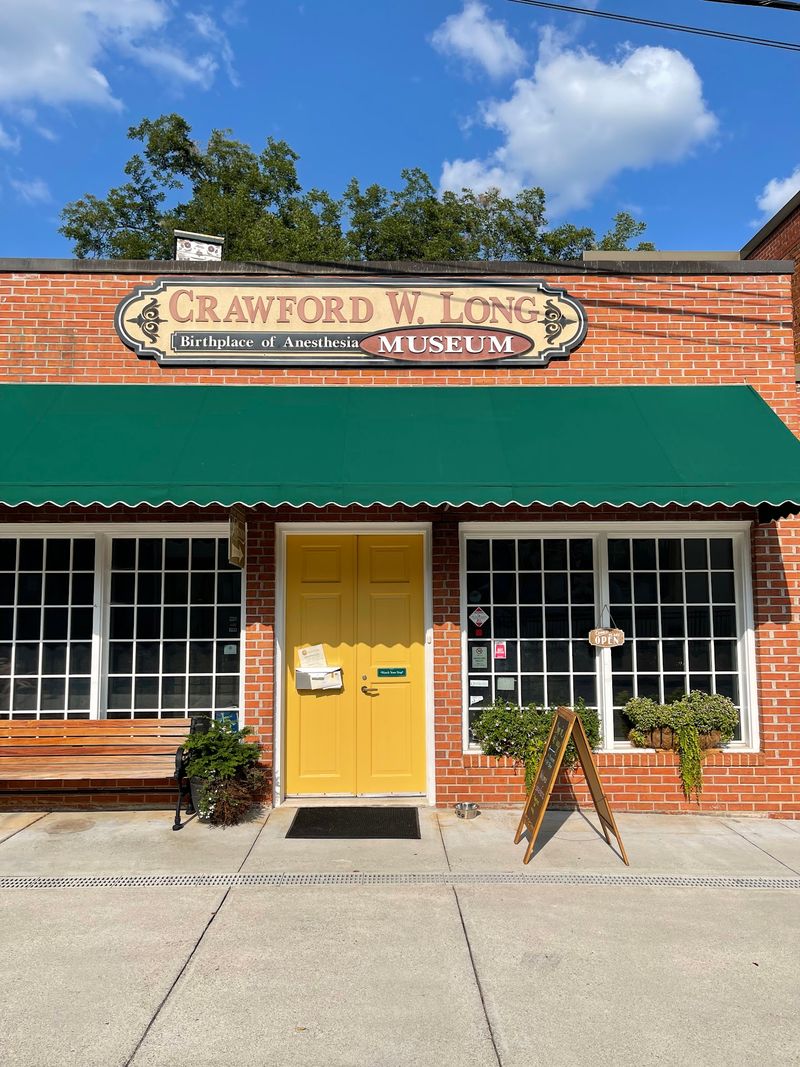
Few small towns can claim a moment that changed every hospital on the planet. The Crawford W.
Long Museum honors exactly that kind of moment.
It’s often called the Birthplace of Anesthesia, and that nickname earns its keep. Dr. Crawford W.
Long first used ether for surgery here in 1842.
The museum has welcomed curious folks since 1957. That’s a long run for a place built around one brave medical idea.
Inside, the gallery walks you through Dr. Long’s whole life. You’ll follow his schooling, his early practice, and his big discovery.
The story keeps going after that breakthrough, too. Exhibits cover his life during the Civil War and Reconstruction years in Georgia.
I like that the museum treats him as a real person, not just a statue. You get the full arc of a country doctor’s career.
Personal artifacts and documents that belonged to Dr. Long are on display. Seeing his actual belongings makes the history feel close and human.
Plan to read a lot, because the signs are packed with detail. History fans will feel right at home here.
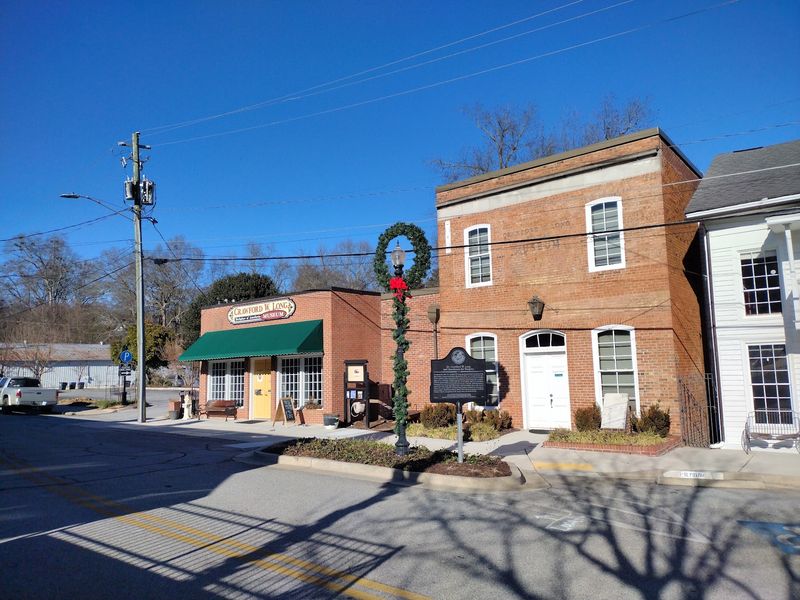
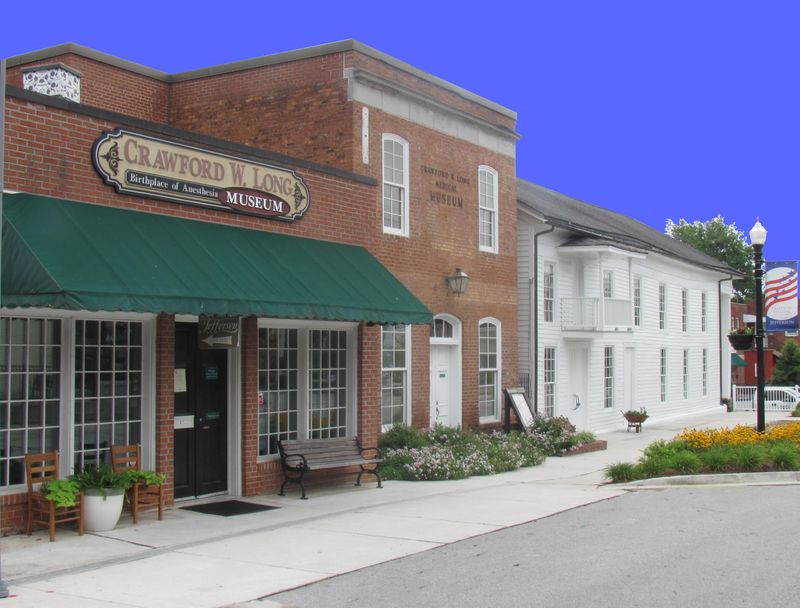
You’ll find it at 28 College St, Jefferson, GA 30549. That’s right on the eastern side of the town’s historic square.
Wild Ether Parties Sparked A Medical Breakthrough
Ether frolics sound like the strangest party theme ever invented. In the 1840s, young people actually inhaled ether for fun at social gatherings.
Dr. Long noticed something important at these events. People bumped, bruised, and scraped themselves but felt no pain at all.
Most folks would just laugh at the clumsy partygoers. Dr. Long saw a possible answer to one of medicine’s biggest problems.
Surgery back then was a painful ordeal for every patient. If ether could block pain at a party, could it work in an operating room?
He decided to find out. His curiosity turned a silly pastime into a serious medical tool.
The museum explains this origin story in clear, fascinating detail. It’s a great reminder that big ideas can start in unexpected places.
I believe this part of the tale sticks with almost everyone. It shows how paying attention can matter more than fancy equipment.
Kids especially tend to enjoy this surprising twist. It’s history with a hook, and it makes the rest of the visit click.
March 30, 1842 Is The Date Every Patient Should Thank
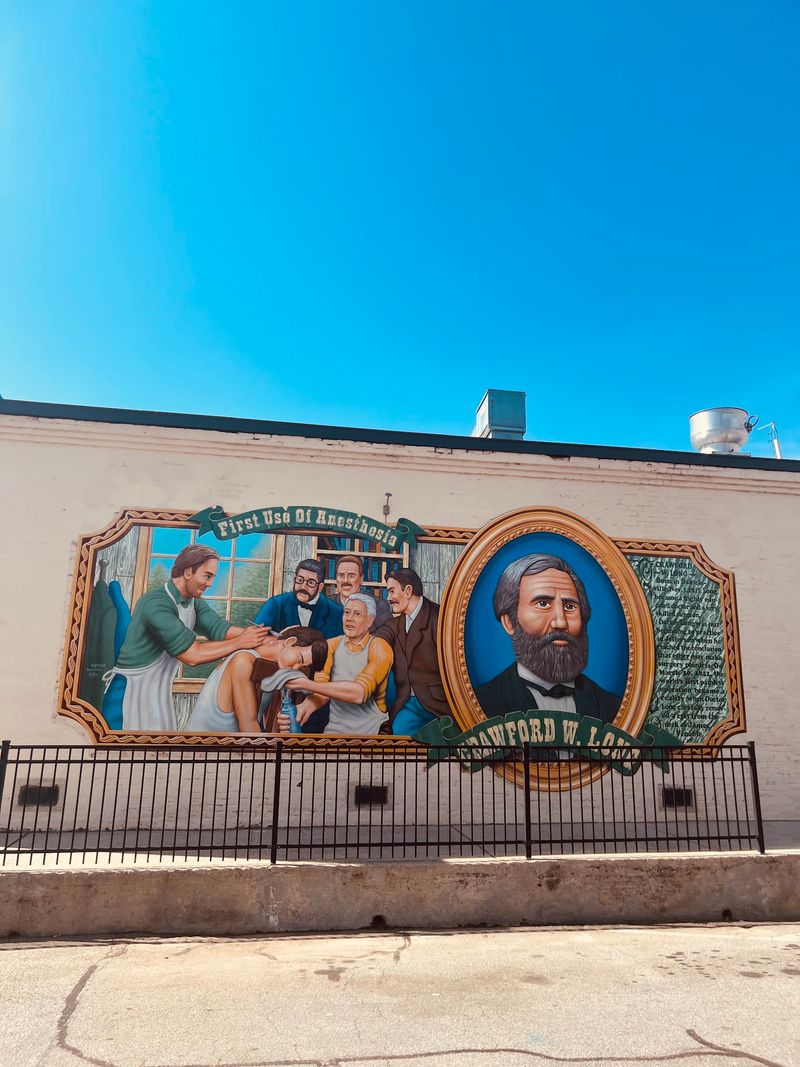
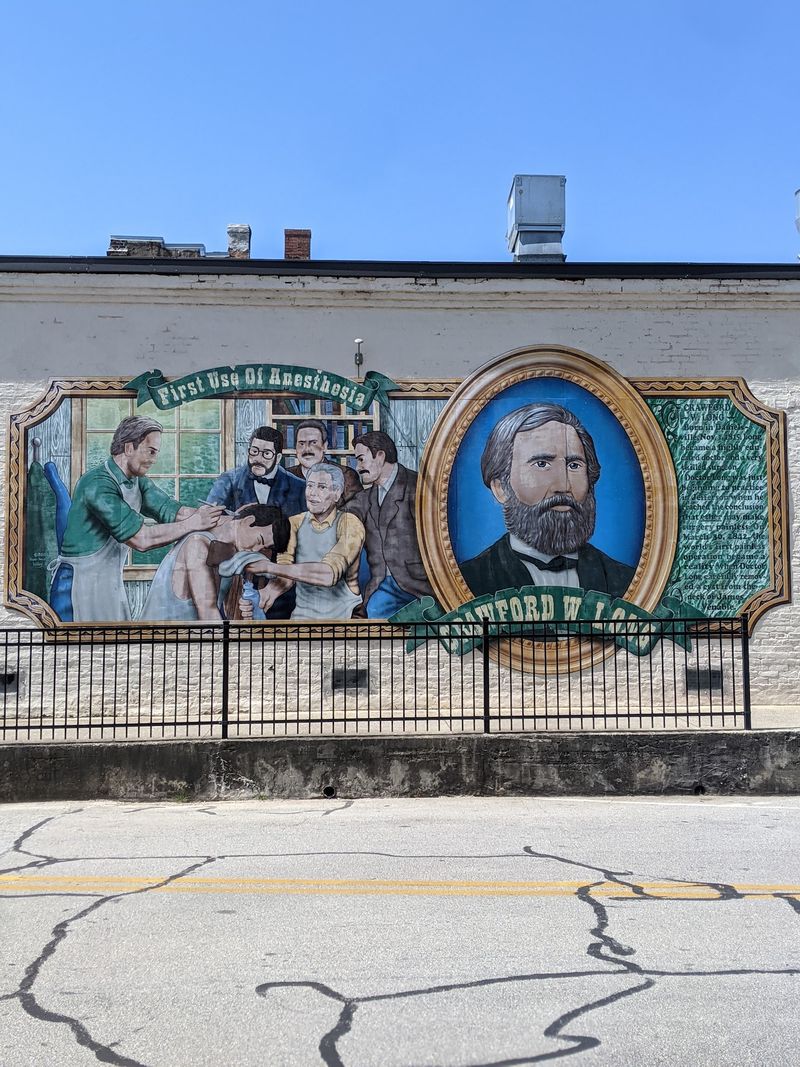
James Venable was a medical student with a cyst on his neck. On March 30, 1842, he became the first patient of surgery under ether anesthesia.
Dr. Long had him breathe in ether before removing the cyst. Venable felt no pain during the operation, which was astonishing at the time.
That single procedure opened a new chapter in medicine.
The museum brings this scene to life with a model of that first operation. It helps you picture the room and the people in it.
The date now has a national holiday of sorts attached to it. March 30 is celebrated as Doctor’s Day across the United States.
That’s a pretty great legacy for one afternoon of work. Every doctor who gets a thank-you card that day owes a nod to Georgia.
Standing near this exhibit gives the whole visit its emotional center. You realize how much comfort came from one careful experiment.
It might just make your next dentist visit feel a little less scary.
Credit Took Decades, And The Drama Is Worth Hearing
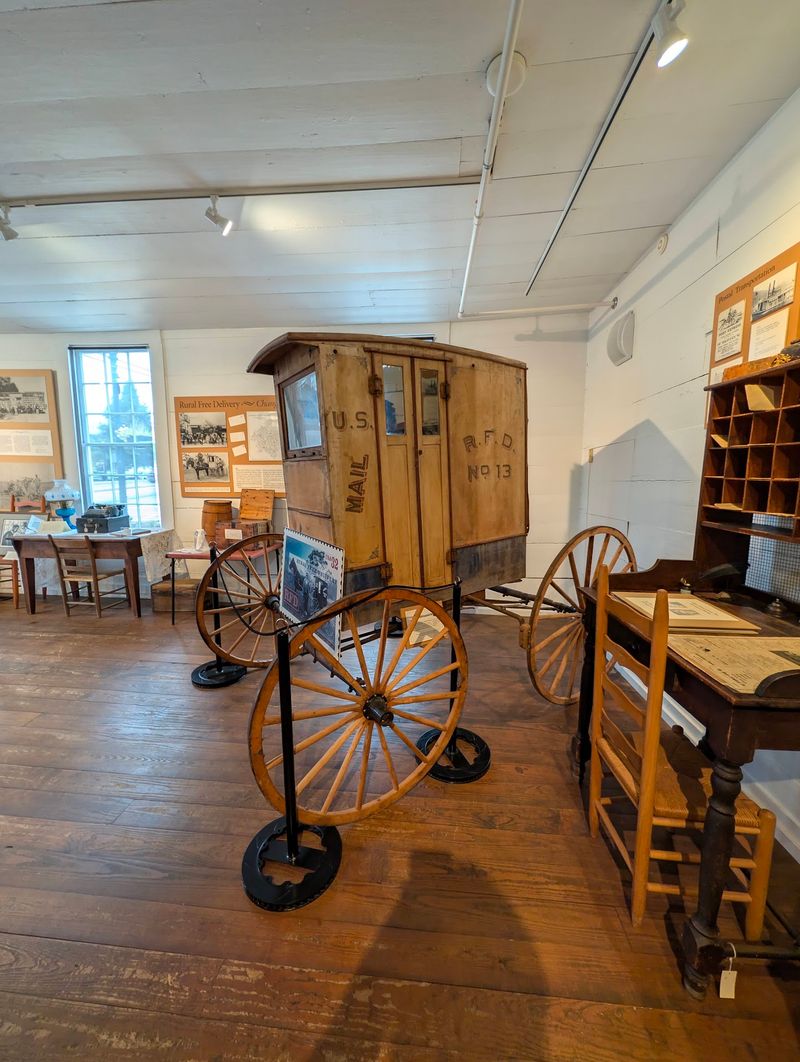
Here’s a plot twist worthy of a courtroom show. Dr. Long used ether in several operations but didn’t publish his results until 1849.
Meanwhile, William T.G. Morton gave a public ether demonstration in Boston in 1846.
That event grabbed big headlines and plenty of attention.
So who came first? The answer sparked a long historical dispute over priority.
Dr. Long’s earlier work was finally recognized in 1879. It took decades, but the record caught up with the facts.
The museum lays out this tangled story in a way that’s easy to follow. You can see why the debate lasted so long.
I find this part oddly inspiring. Dr. Long was careful and quiet, and the truth still found its way out.
His honors today are impressive for a small-town doctor. Long County in Georgia carries his name, and a U.S. postage stamp features him.
He even has a statue in Statuary Hall at the U.S. Capitol.
Not bad for a man who once let others take the spotlight.
Old Anesthesia Gear Will Make You Grateful For Modern Medicine
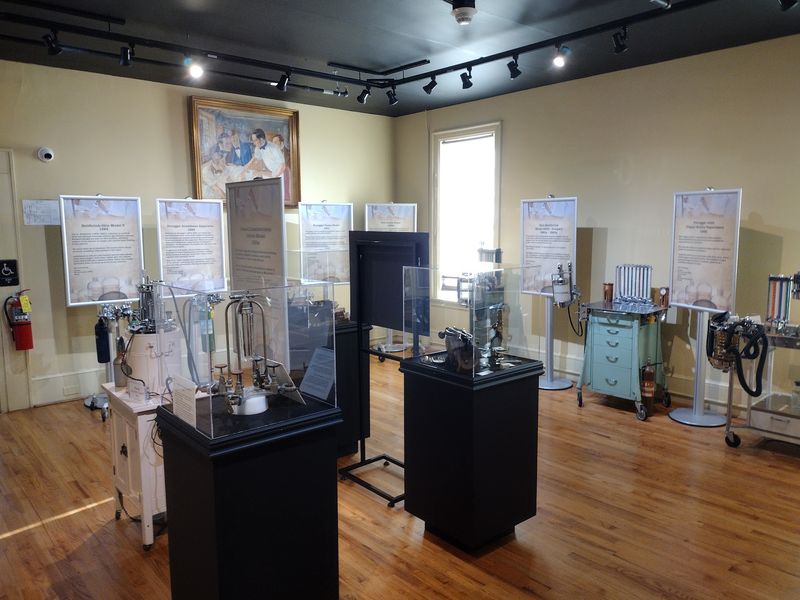
Glass inhalers, odd masks, and curious metal tools fill some of the most memorable displays. Early anesthesia equipment looks wonderfully strange to modern eyes.
The Crawford W. Long Museum shows how this gear changed over time.
You can trace the journey from simple methods to more advanced devices.
Medical students and future nurses will love this section. Anyone headed into health care gets a real sense of where their field began.
Even casual visitors can’t help but compare old and new. Some pieces look more like kitchen gadgets than medical tools.
The collection also includes older medical instruments beyond anesthesia. Dentistry items show up too, which may make you rub your jaw a little.
Take your time reading each label here. The details explain how each object worked and why it mattered.
I like how this room turns history into something you can actually see. It’s one thing to read about progress and another to stare right at it.
Bring curious kids, and let them guess what each tool did before reading the answer.
A Mid-1800s General Store Hides Inside The Museum
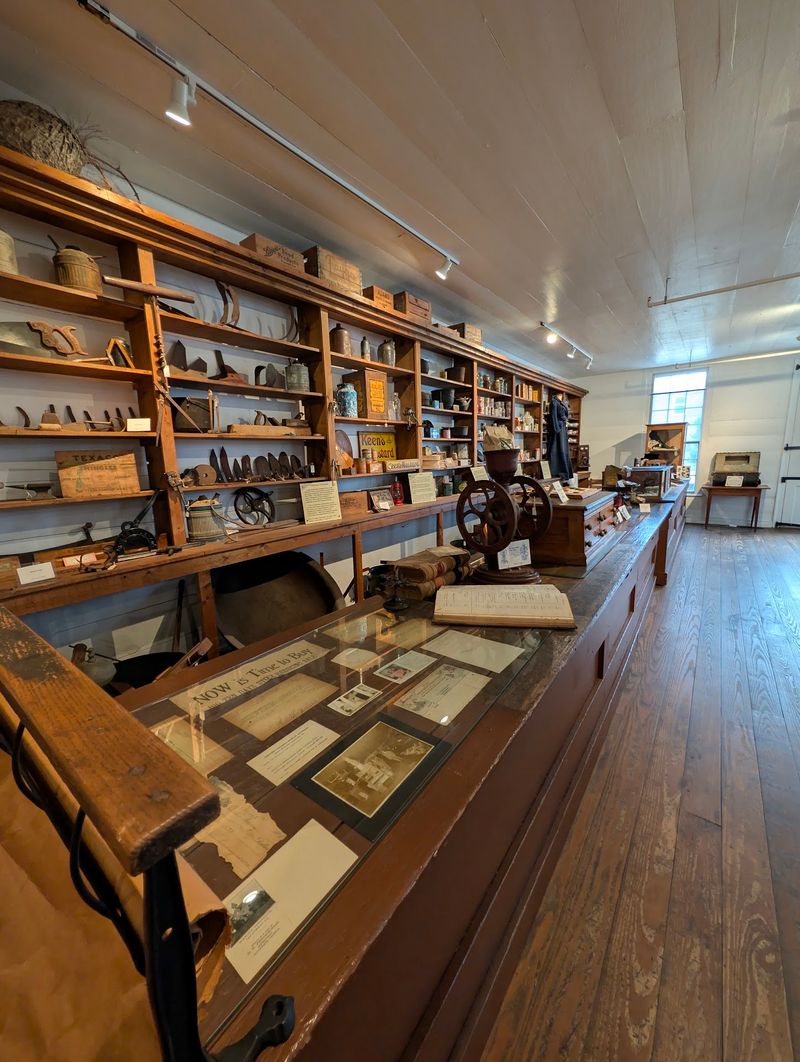
Shopping in the 1800s meant one store for almost everything. The mid-1800s Pendergrass General Store building shows exactly what that looked like.
This section is a big part of the museum, not a tiny side room. It offers a peek at goods small-town shoppers could buy back then.
The exhibits focus on how household items changed over the years. You’ll see how families moved from homemade goods to store-bought ones.
Textiles get special attention here. The displays trace how fabric went from home spinning to factory-made cloth.
Canned goods also tell a surprising story. America’s Industrial Age brought big improvements to how food was packed and stored.
I think this part adds real charm to the visit. It shows the everyday world Dr. Long’s patients lived in.
Medicine history can feel serious, so this section balances things nicely. It’s lighter, homey, and full of familiar objects with old-fashioned twists.
Grandparents might spot items that spark stories of their own. That makes it a fun stop for mixed-age groups.
Country Doctors Had To Be Part Pharmacist, Part Inventor
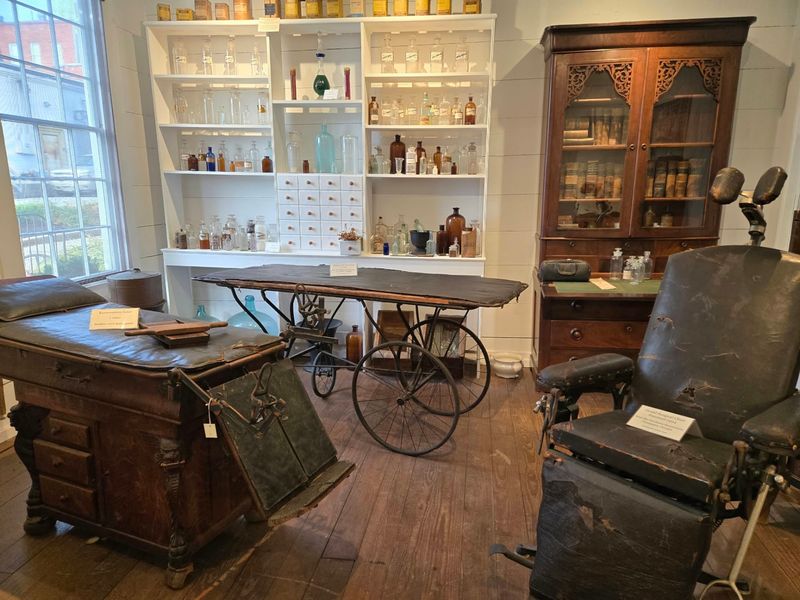
Forget quick trips to the pharmacy. In the 1840s, country doctors often mixed their own medicines by hand.
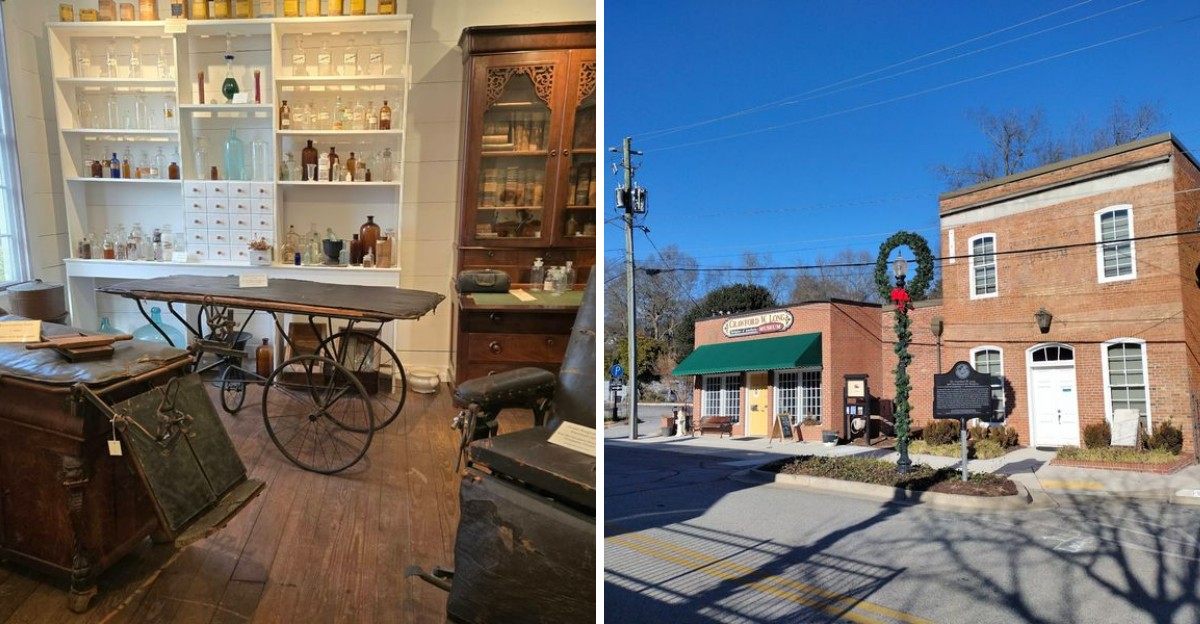
The Pendergrass Store holds a recreated doctor’s office and apothecary shop from that decade. It shows the tough daily work of an early rural physician.
Shelves and tools give you a sense of how treatments were made. The exhibits explain the challenges doctors faced with limited supplies.
These doctors had to solve problems with whatever they had. That kind of resourcefulness helps explain how Dr. Long made his discovery.
I can’t imagine running a practice without modern labs or drug companies. It took skill, patience, and plenty of trial and error.
This space gives the whole museum a grounded feel. You see the setting where a country doctor actually worked.
Families can make it a little game. Try to guess what each bottle or tool was used for before checking the signs.
You’ll leave with fresh respect for your own doctor. And probably for the person who invented the childproof cap too.
Plan Your Visit Around These Handy Details
Good news for planners: the museum keeps a steady schedule. It’s open Tuesday through Friday from 10 a.m. to 5 p.m.
Saturday hours run from 10 a.m. to 4 p.m. The museum stays closed on Sundays, Mondays, and major holidays.
Not a big fan of reading every sign? Audio tours are available for an extra fee and walk you through the exhibits.
Groups can arrange guided tours with advance notice and a docent fee. Groups of 10 or more can also get a discount on self-guided tours when booking ahead.
Military families get a sweet perk during the summer. Through the Blue Star Museums program, active duty members and families visit free from Armed Forces Day to Labor Day.
Admission is budget-friendly, and young kids get in free. There’s even a special rate for anesthesiologists, which feels perfectly fitting.
Can’t make the drive? A virtual Google tour lets you explore from home.
Stay A While, Because The Town Square Deserves Your Time
Jefferson goes by a lovely nickname: the City of Roses.
The town was founded in 1803 and incorporated in 1806. It once served as an overnight stagecoach stop for weary travelers.
Today, the historic downtown keeps that old-time charm alive. Picturesque buildings line the streets around the square.
The iconic Jackson County Courthouse stands out as a local landmark. It makes a great backdrop for photos after your museum visit.
The Crawford W. Long Museum sits right on this square, so exploring is easy.
You can step outside and keep the history going on foot.
Location makes this an easy day trip in Georgia. Jefferson is about 20 miles north of Athens and roughly 70 miles northeast of Atlanta.
I love that a small town holds such a huge story. It feels close-knit and calm, yet its impact reached around the world.
Give yourself time to wander after the exhibits. Some of history’s best chapters deserve a slow ending.