This Giant California Pinball Museum Is A Retro Gamer’s Dream Come True
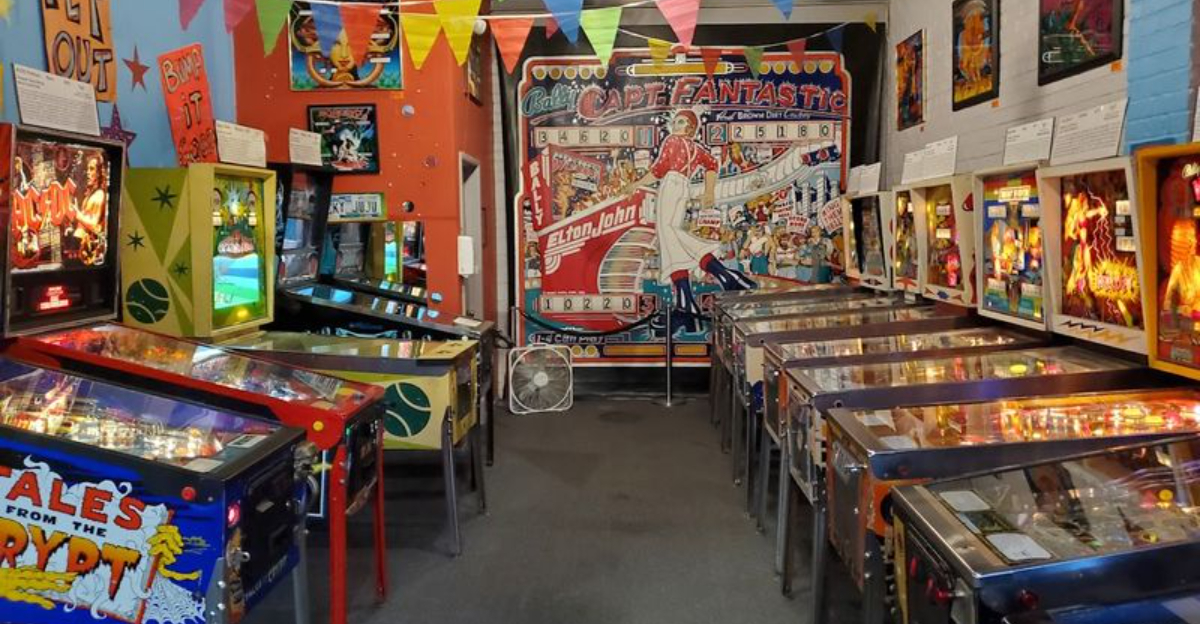
Pinball is not quiet nostalgia. It flashes, dings and makes people lean in like the next ball might change their whole personality.
A giant museum full of machines turns that feeling into an actual playground.
You think you are just going to look around. Then one cabinet catches you and another one starts blinking like it has been waiting for you personally.
A California pinball museum can make retro gaming feel loud, competitive, and ridiculously alive.
Here is the dangerous part. You do not need to be a serious gamer to get pulled in. One game is enough to start the problem.
Two games and suddenly you have opinions about flippers and whether that last shot absolutely should have counted.
The best museums teach you something. This one might also make you lose track of time.
A Nonprofit With A Playful Purpose
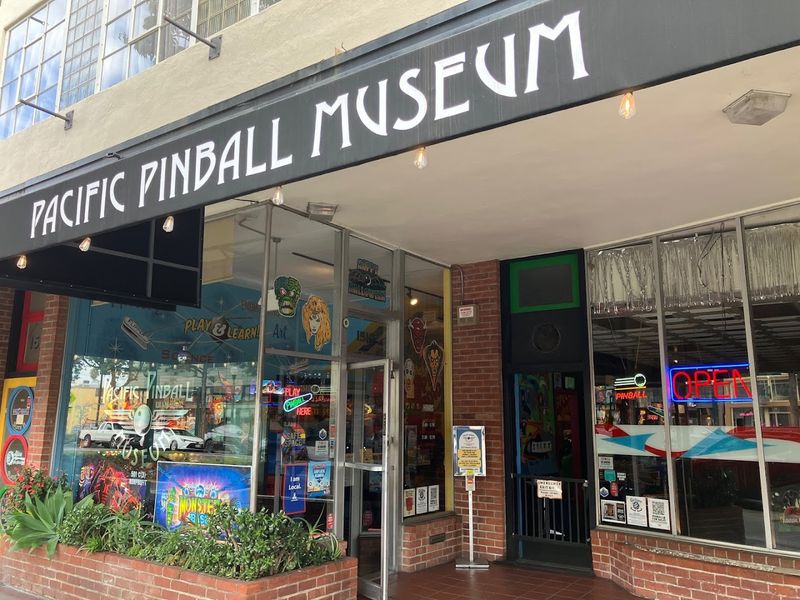
Not every museum starts with a single person and a growing obsession, but the Pacific Pinball Museum in Alameda did exactly that.
Founded in 2004 as a 501(c)(3) nonprofit, the museum grew out of a collection started in 2001 by its founder, who wanted to preserve pinball as a meaningful piece of American cultural history.
The venue at 1510 Webster Street, Alameda, CA 94501 evolved from an earlier space called Lucky Ju Ju Pinball, which opened in 2002 and helped establish the community around the collection.
The nonprofit model shapes everything about how the museum operates.
Admission fees go directly toward maintaining machines, expanding exhibits, and supporting educational programming rather than generating profit.
That philosophy shows up in small but meaningful ways throughout the building.
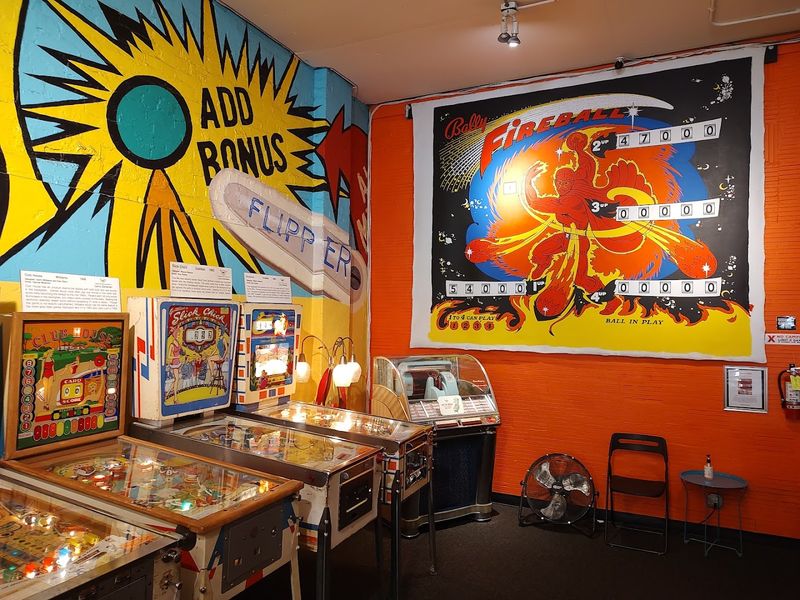
Hand-painted murals cover the walls, and the overall atmosphere feels curated rather than commercial. Staff tend to be knowledgeable and approachable without being pushy.
For a single admission price, visitors receive a wristband that allows unlimited play and in-and-out privileges for the full day, making it one of the more generous value propositions of any attraction in the Bay Area.
Over 100 Playable Machines On The Floor
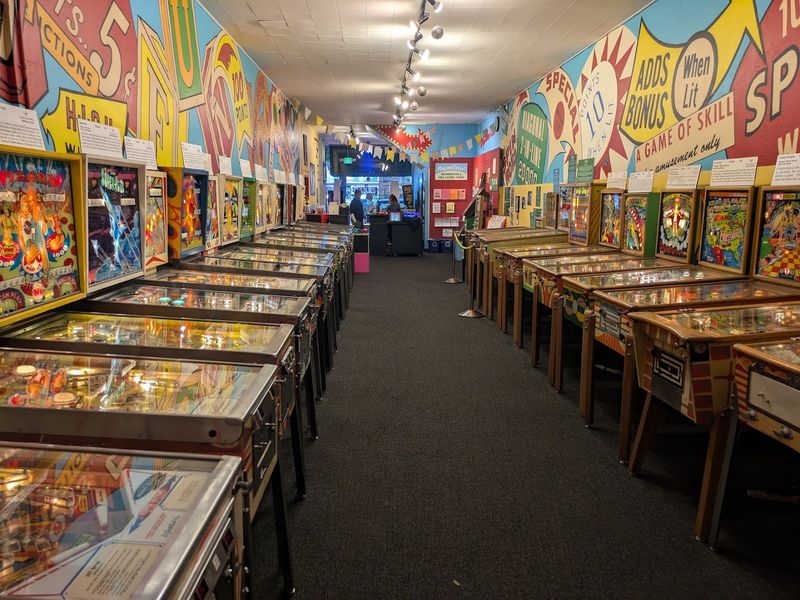
The sheer number of machines tends to catch visitors off guard in the best possible way after they step inside.
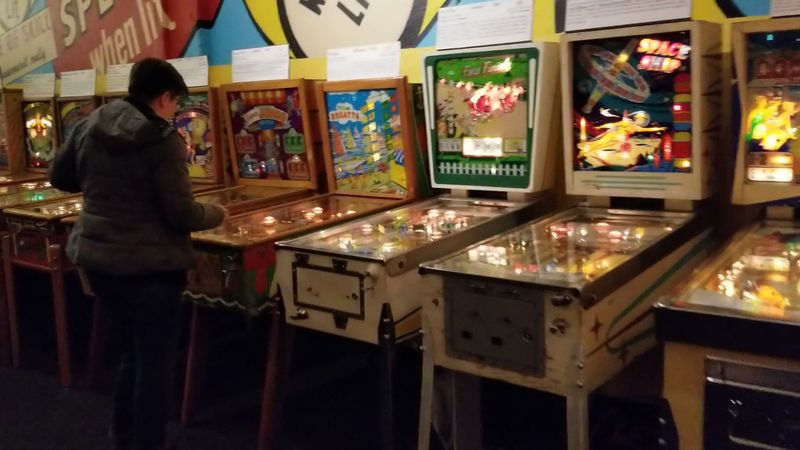
The museum keeps over 100 playable pinball machines on the floor at any given time, arranged chronologically so that moving through the rooms feels like traveling through decades of design and technology.
Each machine comes with an informational placard that explains its history, maker, and place in pinball’s evolution.
Beyond the playable floor collection, the museum’s full holdings are staggering.
The total archive, including machines stored at a nearby annex, contains somewhere between 1,100 and 1,350 unique machines, making it one of the largest pinball collections in the world.
The rotating nature of the displays means repeat visitors may encounter machines they have never seen before.
All machines are set to free play, so there are no quarters needed and no pressure to rush through a game.
Sitting areas are scattered throughout the space, giving visitors a chance to rest between rounds.
The layout across multiple rooms keeps the experience from feeling overwhelming, even when the building gets busy on weekend afternoons.
The History Room And Earliest Machines
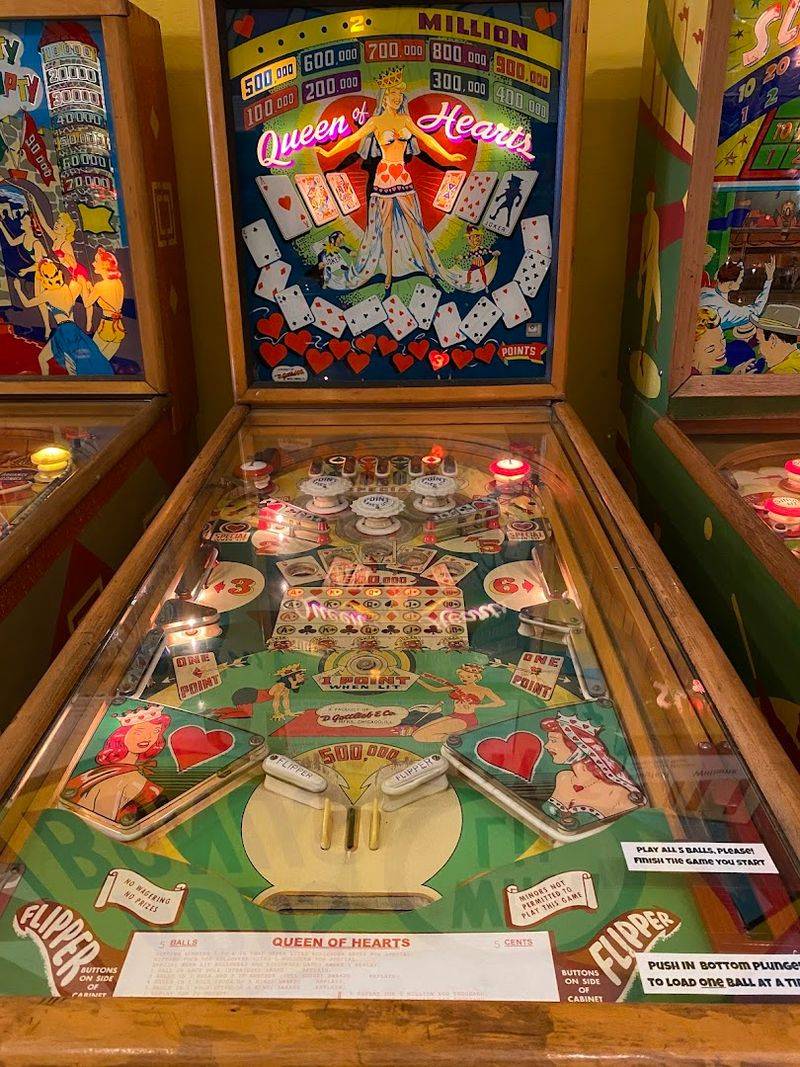
Long before flippers existed, pinball had a completely different personality.
The museum’s History Room walks visitors through the earliest chapters of the game, starting with an 1879 Montague Redgrave Parlor Bagatelle board, which is the oldest piece on display.
These early machines relied entirely on gravity and the angle of the plunger, with no flippers, bumpers, or electronic sounds to guide the ball.
Seeing these antique pieces alongside their modern counterparts makes the technological leap feel almost unbelievable.
The transition from simple wooden boards to electromechanical machines happened gradually over decades, and the History Room captures that progression with surprising clarity.
Gottlieb’s Humpty Dumpty from 1947, the first pinball machine ever built with flippers, holds a prominent spot in the collection.
Reading through the placards in this section of the museum tends to be unexpectedly absorbing, even for visitors who came just to play.
The history of pinball is tied to broader American social history, including a period when the game was actually banned in several major cities because authorities considered it a form of gambling.
The First Talking Machine That Took People By Surprise
Among the hundreds of machines in the collection, a few stand out as genuine technological landmarks.
Williams’ Gorgar from 1979 holds the distinction of being the first talking pinball machine ever produced.
Hearing it speak mid-game still surprises people who are not expecting it, and the novelty has not worn off despite the machine being over four decades old.
Milestones like Gorgar are woven throughout the museum’s layout rather than isolated in a trophy case.
The chronological arrangement means visitors encounter these historic machines in context, surrounded by the machines that came before and after them. That approach makes the technological jumps feel earned rather than arbitrary.
Other notable machines in the collection include early solid-state games from the late 1970s and elaborate multi-level machines from the 1990s that introduced video screen elements and licensed themes from popular movies and television.
Each era brought new engineering challenges, and the machines themselves tell that story visually through their playfields, artwork, and sound design.
Spending time with each generation of machines builds a genuine appreciation for how much creativity went into what many people dismiss as a simple carnival game.
The Famous See-Through Pinball Machine
Tucked toward the back of the museum is one of its most talked-about pieces: a fully functional pinball machine built with a transparent body.
Every gear, solenoid, wire, and mechanical component is visible through the clear acrylic housing, turning a familiar game into a live engineering demonstration.
Watching the ball trigger mechanisms and activate features while seeing exactly what is happening underneath the playfield is genuinely fascinating.
The machine was built by the museum’s founder and serves as a centerpiece of the STEAM programming the museum offers.
STEAM stands for Science, Technology, Engineering, Art, and Math, and the transparent machine makes abstract concepts like electrical circuits and mechanical feedback immediately tangible.
School groups and curious adults alike tend to linger here longer than expected.
Playing the machine feels slightly different from a standard game because the visual noise of the internal components competes for attention with the ball itself.
The transparent pinball machine is a reminder that every game ever made is also a small mechanical marvel, and the museum uses it effectively to bridge the gap between entertainment and education without making either feel like a compromise.
Vintage Jukeboxes Adding Era-Appropriate Music
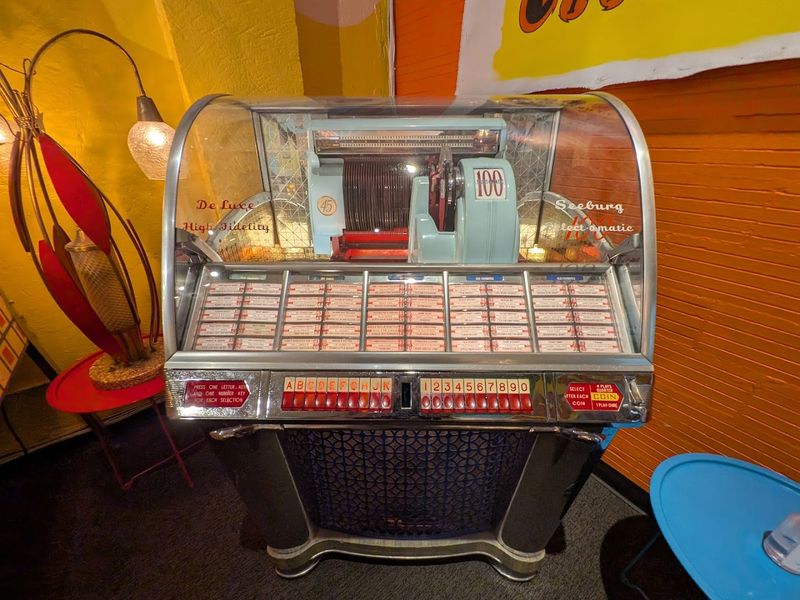
Sound is a big part of what makes the Pacific Pinball Museum feel like more than just an arcade.
Scattered throughout the rooms are vintage jukeboxes, some of which are set up to play music that matches the era of the machines surrounding them.
Walking from a room full of 1950s machines into one dominated by 1980s titles comes with a subtle but noticeable shift in the audio atmosphere.
The jukeboxes are interactive and free to use, adding another layer of engagement beyond the pinball machines themselves.
Choosing a song from a jukebox that predates most visitors by several decades has a particular kind of charm that is hard to manufacture artificially.
The combination of machine sounds, music, and ambient lighting creates a sensory environment that feels cohesive rather than chaotic.
For visitors who grew up with pinball arcades, the jukeboxes tend to trigger strong nostalgic responses. For younger visitors, they function as a curiosity and a conversation starter.
Either way, they contribute to the museum’s broader goal of making history feel alive and accessible rather than preserved behind glass.
The music element is a small detail that ends up having an outsized effect on how the whole visit feels.
Educational Programming And STEAM Activities
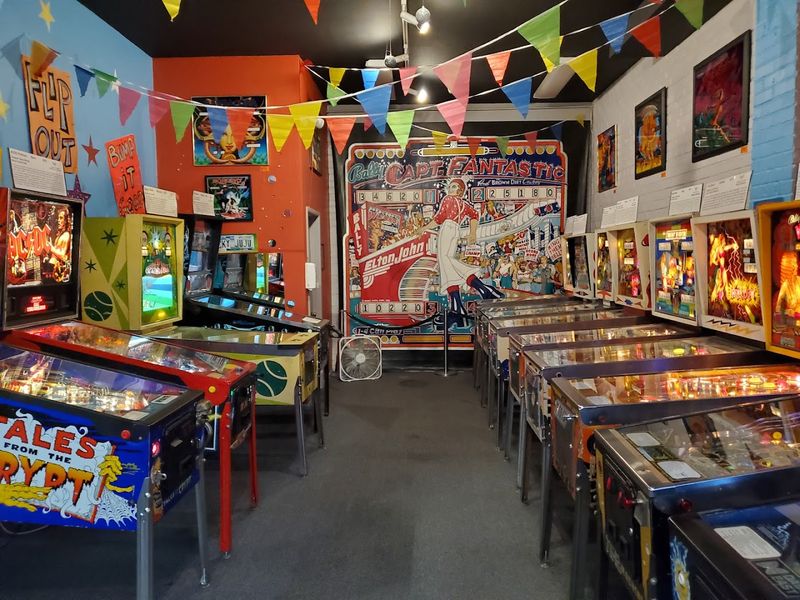
Few places manage to blend learning and play as naturally as the Pacific Pinball Museum does.
Beyond the machines themselves, the museum offers structured educational programming built around the STEAM framework, connecting pinball to real concepts in science, technology, engineering, art, and math.
Field trips for school groups are available, and staff can guide discussions around the mechanics and design principles embedded in every machine on the floor.
Self-guided activity sheets are available for visitors who want a more structured experience without joining a formal program.
These handouts encourage closer observation of the machines, prompting visitors to notice details they might otherwise walk past.
The approach turns a casual visit into something more intentional without removing any of the fun.
Educational placards are posted above or near most machines throughout the museum, providing context about each game’s year of release, manufacturer, and historical significance.
Some placards highlight specific engineering innovations, while others focus on the artistic evolution of pinball backglass design.
The result is a layered experience where visitors can engage as deeply or as lightly as they choose.
Children who arrive expecting a simple game room often leave having absorbed a surprising amount of history without realizing it happened.
What The Multiple Rooms Feel Like
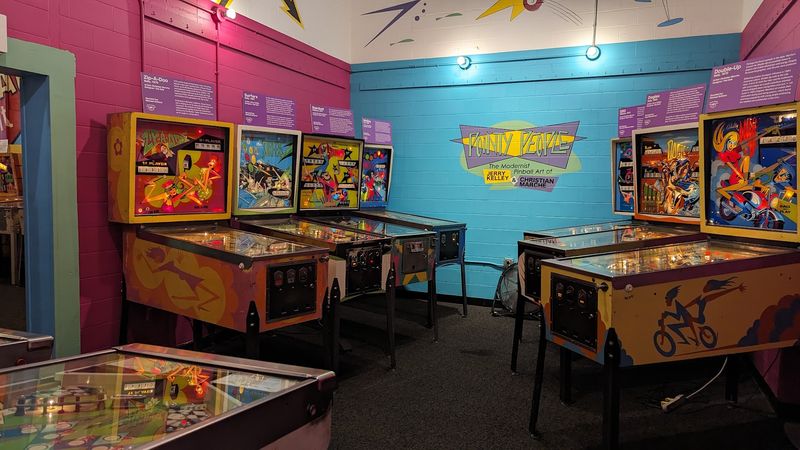
Spreading the collection across multiple rooms does more than solve a space problem.
Each room carries a distinct atmosphere tied to the era of machines it houses, with older rooms feeling quieter and more mechanical while newer rooms pulse with electronic sounds and elaborate light shows.
Moving between them creates a natural sense of progression that keeps the experience feeling fresh rather than repetitive.
Sitting areas are placed throughout the museum, giving visitors a place to rest, watch others play, or simply absorb the environment for a moment.
The pacing of a visit here is entirely self-directed, which suits both the quick drop-in visitor and the dedicated enthusiast who wants to work through every machine methodically.
The overall noise level is significant, as dozens of machines running simultaneously generate a constant layered hum of bells, flippers, and electronic music.
For most visitors this becomes part of the charm rather than a distraction, though the museum’s own guidance suggests that those sensitive to sound may want to take breaks in quieter corners or consider hearing protection.
The rooms vary in size and density, so there are always calmer pockets available even when the building is at its busiest.
Check The Admission, Pricing, And Daily Deals
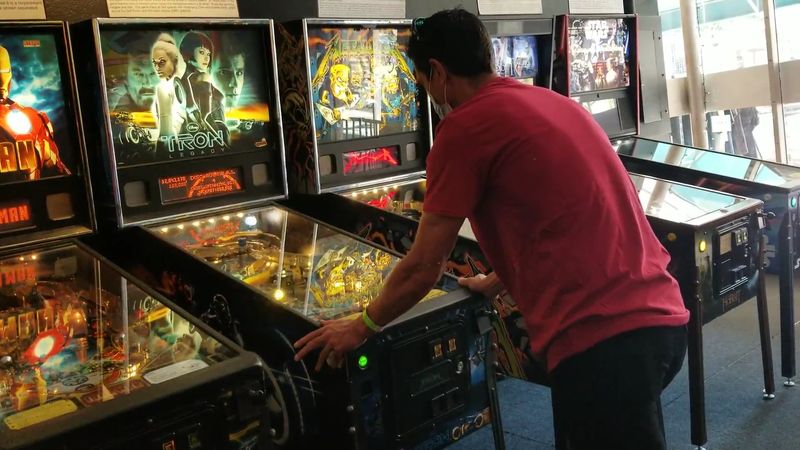
Getting the most out of a visit starts with understanding how admission works.
A single fee covers unlimited play on all machines for the entire day, and the wristband issued at the door allows in-and-out privileges, so stepping outside for lunch or a short break does not mean paying again.
That flexibility makes it genuinely easy to spend several hours at the museum without feeling trapped or rushed.
Tuesdays offer a notable deal where two admissions are priced at a combined rate, making it a smart day to visit with a friend or family member.
Discounts are also available for students, veterans, military members, teachers, and first responders, reflecting the museum’s nonprofit commitment to keeping the experience accessible to as many people as possible.
Pricing details can shift over time, so checking the museum’s official website at pacificpinball.org before visiting is a good habit.
A small gift shop near the entrance sells souvenirs, and a pressed penny machine toward the back offers a classic keepsake option.
A free water dispenser with paper cups is available inside, and clean restrooms are maintained throughout the day. The overall value compared to most Bay Area attractions tends to impress first-time visitors.
Plan Your Visit With Hours, Location, And Getting There Details
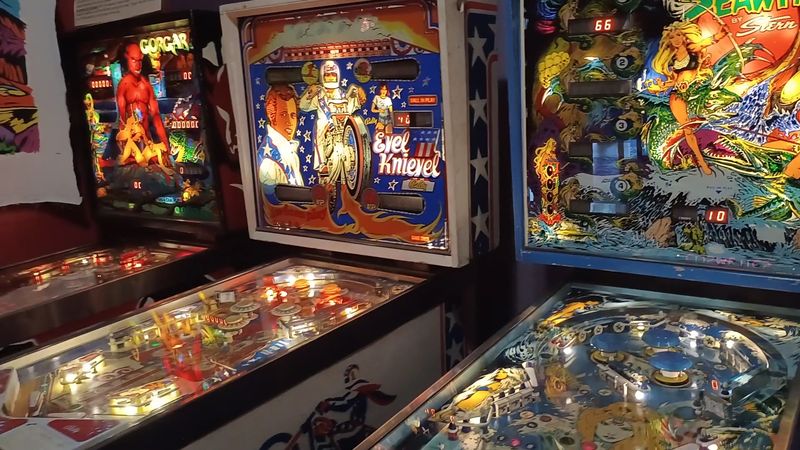
Planning a visit is straightforward once the schedule is clear.
The museum is open Tuesday through Thursday from 11 AM to 9 PM, Friday and Saturday from 11 AM to 10 PM, and Sunday from 11 AM to 9 PM. Mondays and major holidays are closed, so arriving on the right day matters.
Weekend evenings tend to draw larger crowds, while weekday mornings and early afternoons are generally quieter.
The museum is located at 1510 Webster Street in Alameda, California, on a walkable stretch of the island city’s commercial district.
Street parking is available in the surrounding neighborhood, with free spots often found on residential side streets.
A city-operated metered lot sits directly behind the building for visitors who prefer a guaranteed space, with rates running around one dollar per hour.
Alameda is accessible from Oakland via the Posey Tube or the Park Street Bridge, making it reachable without a long drive from most parts of the East Bay.
The Webster Street corridor has several restaurants and cafes within easy walking distance, which pairs well with the museum’s in-and-out policy.
Arriving close to opening time on a weekday gives the best chance of having machines to oneself before the afternoon crowd builds.