This Giant Chair In North Carolina Makes Thomasville Feel Like A Roadside Cartoon
Downtown furniture should not be tall enough to make regular chairs question their life choices, but here we are.
North Carolina has a 30-foot roadside legend that turns a simple drive into an instant double-take situation.
Drivers slow down before their brains fully understand why a giant chair is standing there like it owns the block.
Nobody sees it and calmly continues with their day.
Phones come out, passengers start laughing, and suddenly an oversized piece of furniture becomes the most important stop on the route.
That is the charm. It is weird, proud, and impossible to ignore.
One look, and every normal chair feels underachieving.
A 30-Foot Chair That Makes Downtown Feel Slightly Unhinged
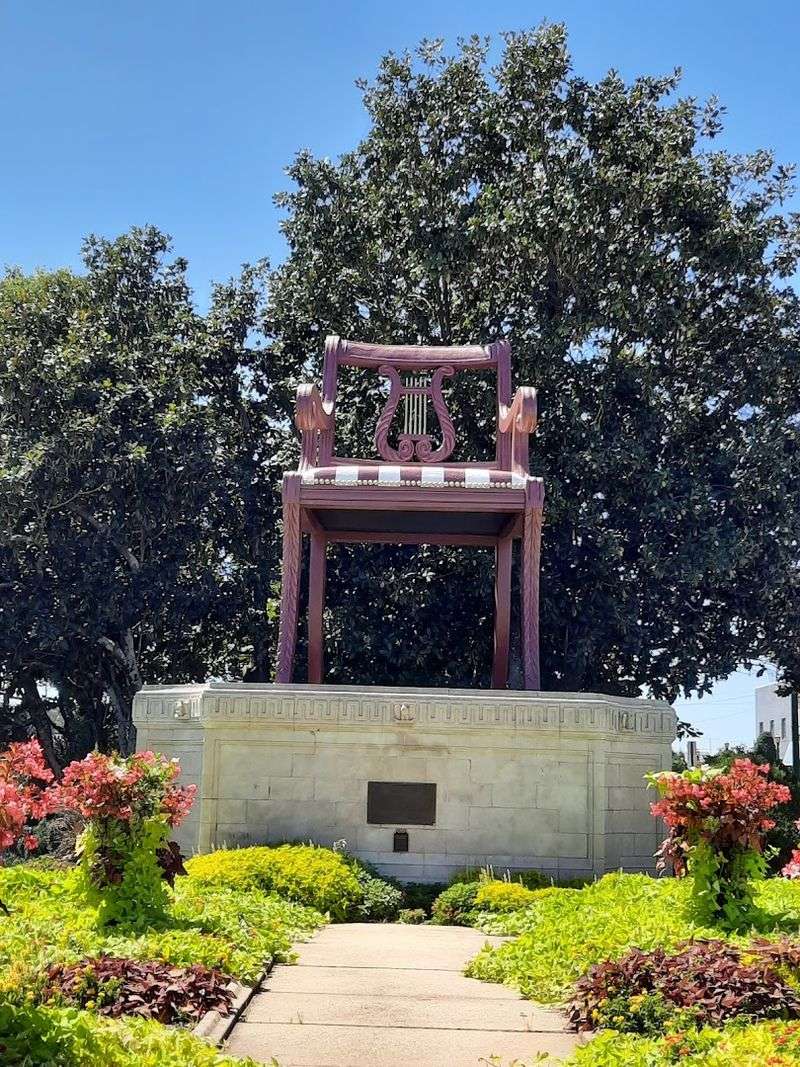
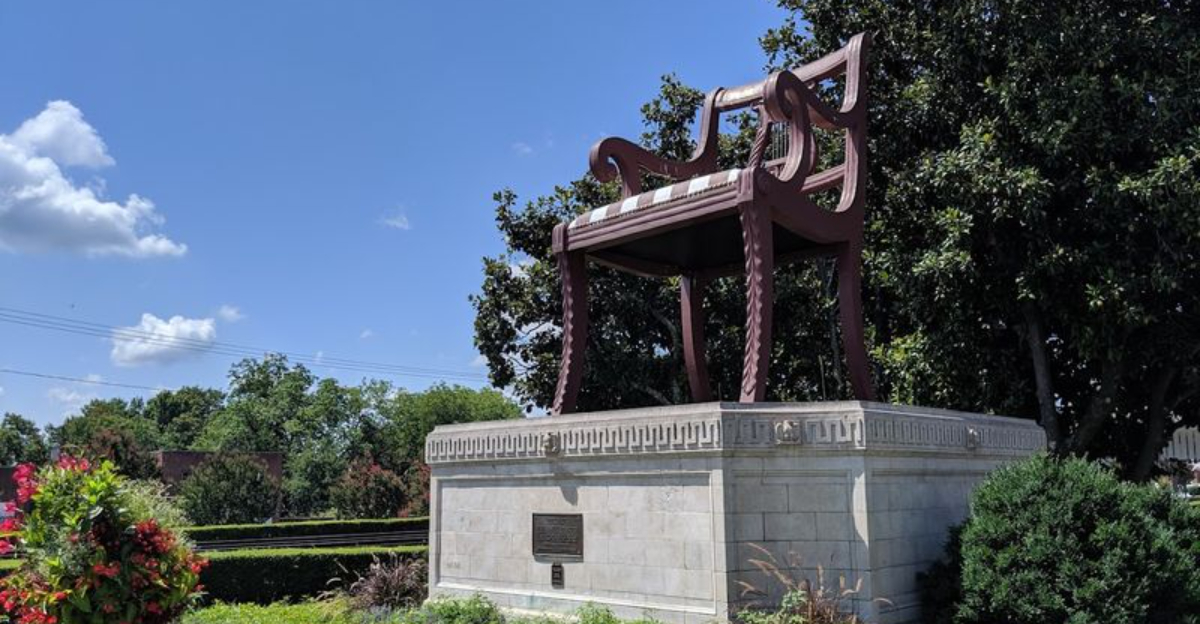
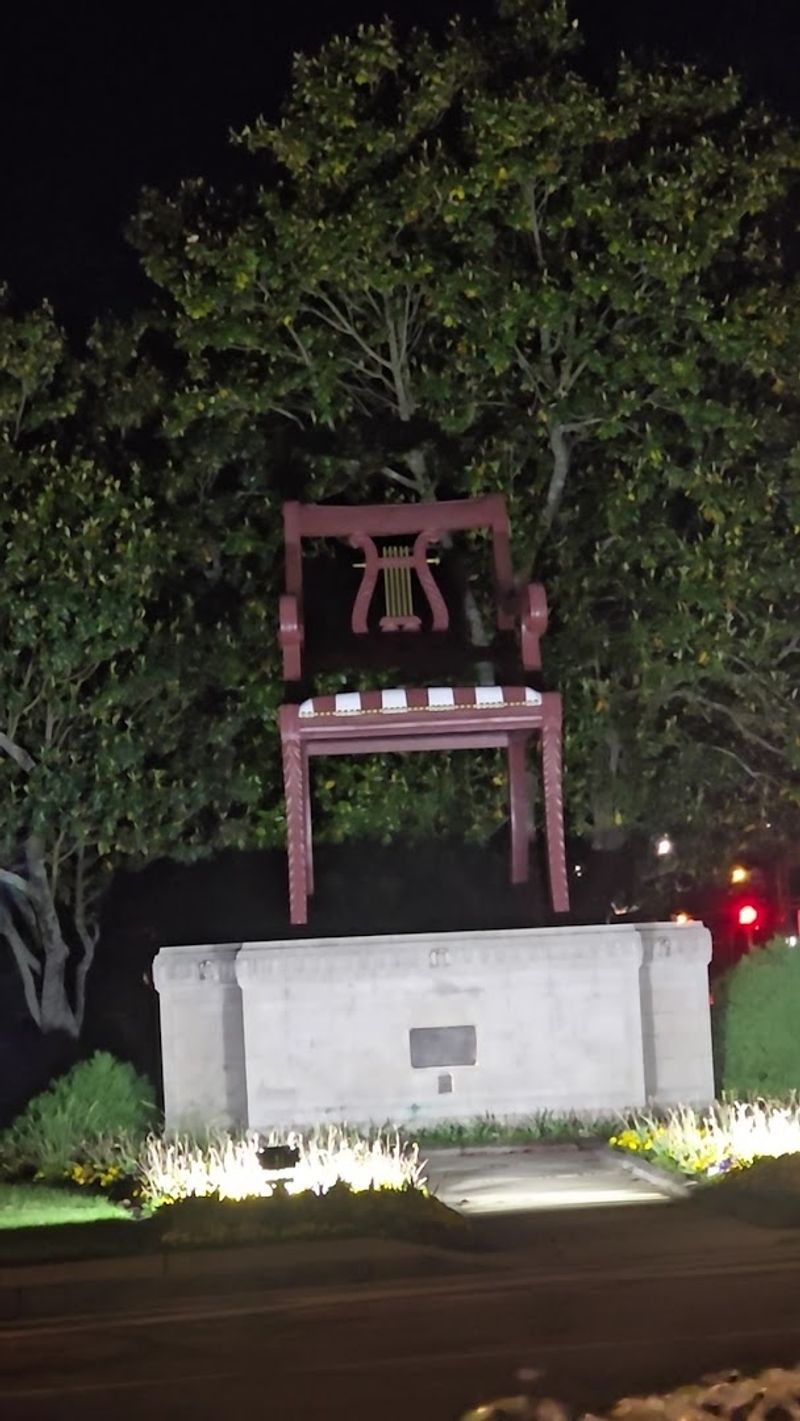
Right in downtown Thomasville, a 30-foot chair turns an otherwise normal Main Street scene into something delightfully oversized. The current Big Chair is not 18 feet tall; multiple sources describe it as 30 feet tall, with Documenting the American South noting a 10-foot-6-inch-wide seat.
That scale is the whole joke and the whole charm. Storefronts, passing cars, flower beds, sidewalks, and nearby railroad scenery all stay ordinary, while one enormous Duncan Phyfe-style chair calmly towers over everything like it belongs there.
The landmark is easy to reach near Main Street and Highway 109, and visitor listings commonly use 6 W. Main St., Thomasville, NC 27360, as the destination.
Chair stands as an outdoor landmark rather than a ticketed attraction, so travelers can stop for photos without planning around admission hours. Daylight conditions still make for the best pictures and easier visibility.
Morning light gives the scene a quieter small-town mood, while busier daytime visits add the fun of watching other drivers slow down for the same double take.
The chair works because it is both ridiculous and sincere. It makes people laugh first, then quietly explains what Thomasville once built its identity around.
That combination gives the stop more staying power than a simple novelty prop.
Thomasville’s Furniture History Gets A Giant Photo Op
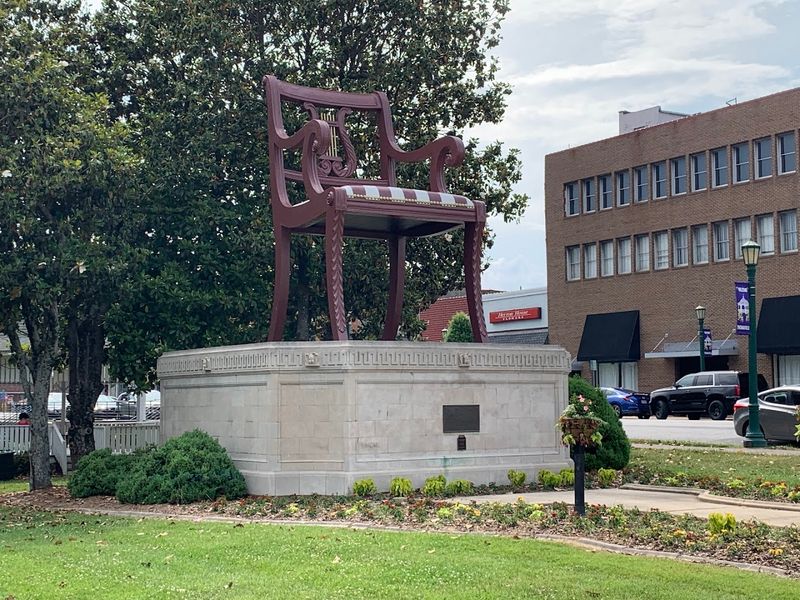
Furniture heritage becomes impossible to miss when a town marks it with a chair big enough to stop traffic. Thomasville earned its “Chair City” association through a long furniture-making history, and the Big Chair was created as a public symbol of that identity.
Visit Thomasville still leans into the landmark, welcoming visitors with the line “We Saved You a Seat.” The Big Chair is promoted alongside restaurants, vintage shopping, antique stops, train watching, trails, and other local attractions.
That context matters because the landmark is not just an oversized object dropped randomly into town.
It is a visual shorthand for an industry that shaped Thomasville’s economy, reputation, and civic pride. Visitors who stop for a quick photo may come for the humor, but the longer story gives the image more weight.
The chair’s downtown placement also helps because the landmark sits where people can naturally explore nearby streets instead of treating it like a lonely highway pull-off.
A photo here says more than “I saw something big.” It says the town knew exactly what it wanted to be remembered for and had enough confidence to build the memory at giant scale.
For a North Carolina road-trip stop, that mix of history and playfulness is hard to beat.
The Roadside Cartoon Energy Starts Right On Main Street
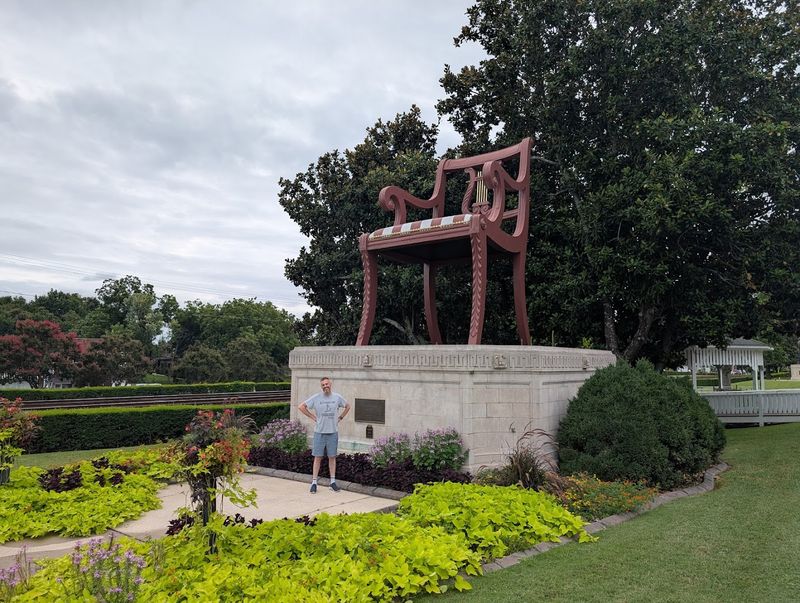
Main Street gives the Big Chair its best punchline because the landmark is surrounded by everyday downtown details that make the scale feel even funnier.
A giant chair in an empty field would still be strange, but a giant chair near storefronts, sidewalks, railroad tracks, and regular traffic feels like a comic strip panel that wandered into Davidson County.
Thomasville tourism promotes restaurants, antique and vintage shopping, train watching, walking trails, and The Big Chair. Landmark fits into a broader downtown outing rather than a quick photo stop.
Travelers can pull in for the chair, then let the visit stretch into browsing, lunch, or a short walk through town.
That is where the roadside-cartoon feeling becomes more memorable. The scene is odd enough to entertain kids, nostalgic enough for adults who love old-school roadside Americana, and local enough to avoid feeling like a manufactured attraction.
Even the chair’s seriousness adds to the humor. It stands with full monument confidence, while visitors grin beside it because no normal person expects downtown furniture to require a wide-angle lens.
Thomasville’s Big Chair succeeds because it does not apologize for being weird. It simply sits there, huge and proud, making Main Street more fun.
A Landmark Built For The City Known As Chair City
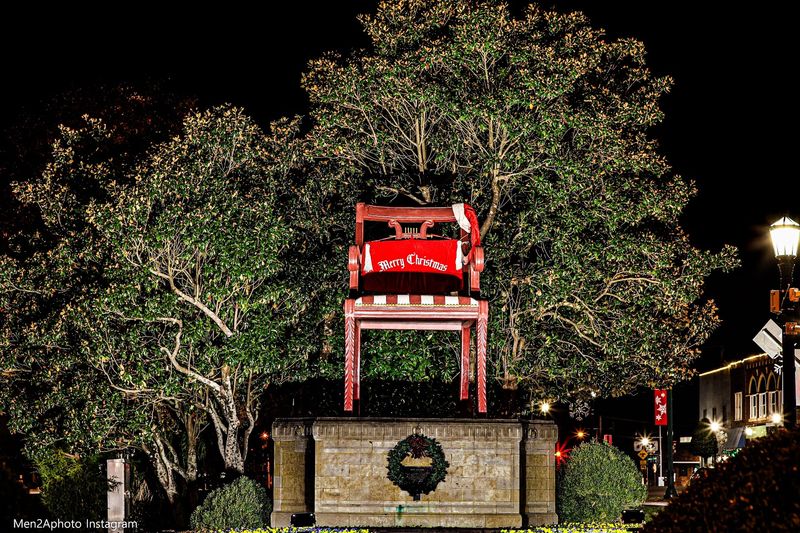
Chair City pride needed a symbol, and Thomasville answered with a landmark nobody could politely ignore. The Big Chair is a large-scale Duncan Phyfe-style armchair, and its connection to local furniture manufacturing is central to its meaning.
Documenting the American South describes it as a tribute to Thomasville’s furniture industry and notes it is the second chair to stand in the location after the earlier wooden version deteriorated. That backstory gives the monument a practical local logic.
Thomasville did not build a giant chair only because giant things are fun, although that part definitely helps. The town built it because furniture, especially chairs, helped define its industrial reputation through much of the 20th century.
Roadside landmarks work best when they are specific to place, and this one could not be easily moved to another town without losing the joke and the history. Standing near it feels different once that connection clicks.
The chair is not random roadside clutter. It is a proud, oversized business card for a community shaped by craft, labor, factories, and furniture shipments that once carried the Thomasville name far beyond North Carolina.
The cartoon scale gets people out of the car, but the Chair City story gives them a reason to remember the stop.
The 1950 Version Made The Original Even Bigger
Older roadside stories often come with a replacement, and Thomasville’s Big Chair has exactly that kind of second act.
North Carolina’s Department of Natural and Cultural Resources explains that the first monument was built in September 1922 and stood 16 feet, six inches tall. Other historical summaries note the wooden version eventually came down after years of exposure.
The current version was built around 1950, with a cornerstone placed in 1951 according to regional reporting, and was made far more durable through steel, concrete, and stone materials. That upgrade changed the chair from a promotional oddity into a lasting civic landmark.
The difference matters because the town could have let the idea disappear once the first chair failed. Instead, Thomasville doubled down and built something much bigger, sturdier, and harder to miss.
That decision says a lot about how deeply the chair idea had become tied to local identity. A temporary novelty became permanent public memory.
Visitors today see the stronger version, but the earlier wooden chair adds a fun origin story to the photo stop. It proves the landmark did not appear fully formed as a modern roadside attraction.
It grew, wore out, got rebuilt, and became a bigger symbol than the original builders probably imagined.
Railroad Tracks And Downtown Buildings Frame The Oddball Scene
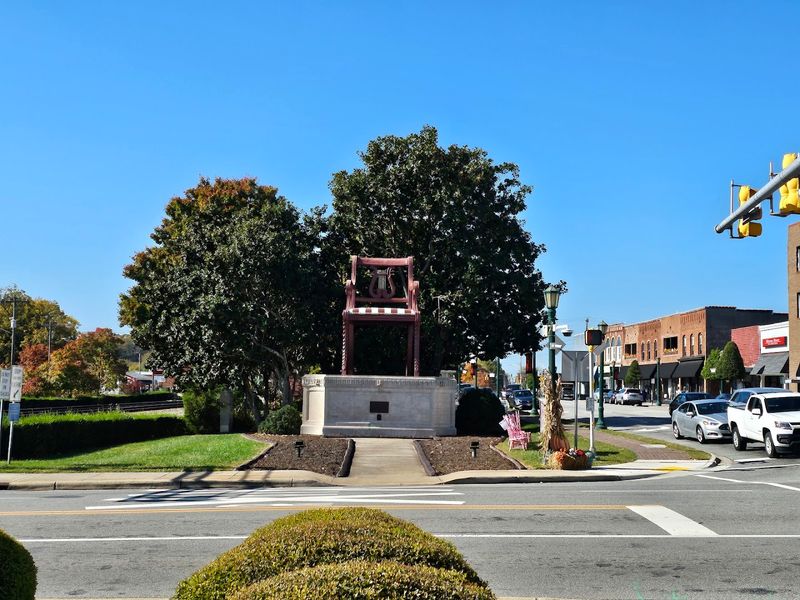
Nearby railroad scenery makes the Big Chair feel even more rooted in Thomasville’s working-town past. The landmark’s downtown setting places it among streets, tracks, buildings, and public space rather than isolating it like a theme-park prop.
That backdrop helps the chair tell two stories at once. First, it is a funny oversized object that invites photos.
Second, it belongs to a city shaped by manufacturing, transportation, and the movement of goods. Visit Thomasville promotes train watching alongside The Big Chair and downtown attractions, which shows how the railroad remains part of the town’s visitor identity.
For photographers, the setting does much of the work. The chair’s height gives the frame drama, while the surrounding streets and buildings keep the image grounded.
Instead of looking like a fake object staged for social media, it looks like a landmark that has been absorbed into daily life. Locals pass it regularly, visitors stop to pose, and the whole downtown scene continues around it.
That contrast is what makes the stop so visually satisfying. A huge chair by itself is funny.
A huge chair surrounded by small-town streets, railroad character, and furniture-industry history becomes something more specific: a real North Carolina place with a very unusual centerpiece.
A Quick Stop Turns Into A Very Specific North Carolina Memory
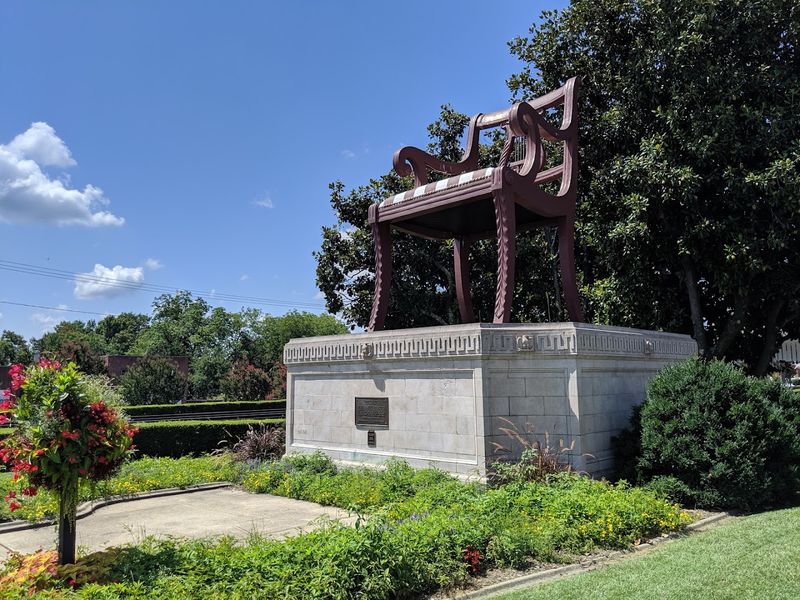
Roadside landmarks work best when they take almost no effort but still leave a sharp memory, and Thomasville’s Big Chair does exactly that. Travelers can swing through downtown, park nearby, take photos, and continue on with barely any disruption to the day.
The funny part is how often a quick look turns into a longer pause.
Once visitors are out of the car, downtown Thomasville offers more reasons to linger. The city promotes restaurants, vintage and antique shopping, walking trails, train watching, and local attractions around the Big Chair experience.
That makes the landmark a useful anchor for a small-town detour rather than a one-note photo stop. The memory also becomes oddly specific because few people forget standing beside a chair several stories tall in the middle of a North Carolina town.
It is easy to recall the scale, the street, the humor, and the first moment when the landmark came into view. Some attractions impress because they are beautiful.
This one sticks because it is both funny and earnest. The Big Chair has no need to be complicated.
It gives road-trippers a clean little story: we stopped in Thomasville, saw a giant chair, learned why it mattered, and somehow loved it.
The Chair Still Nods To A Huge Furniture-Making Past
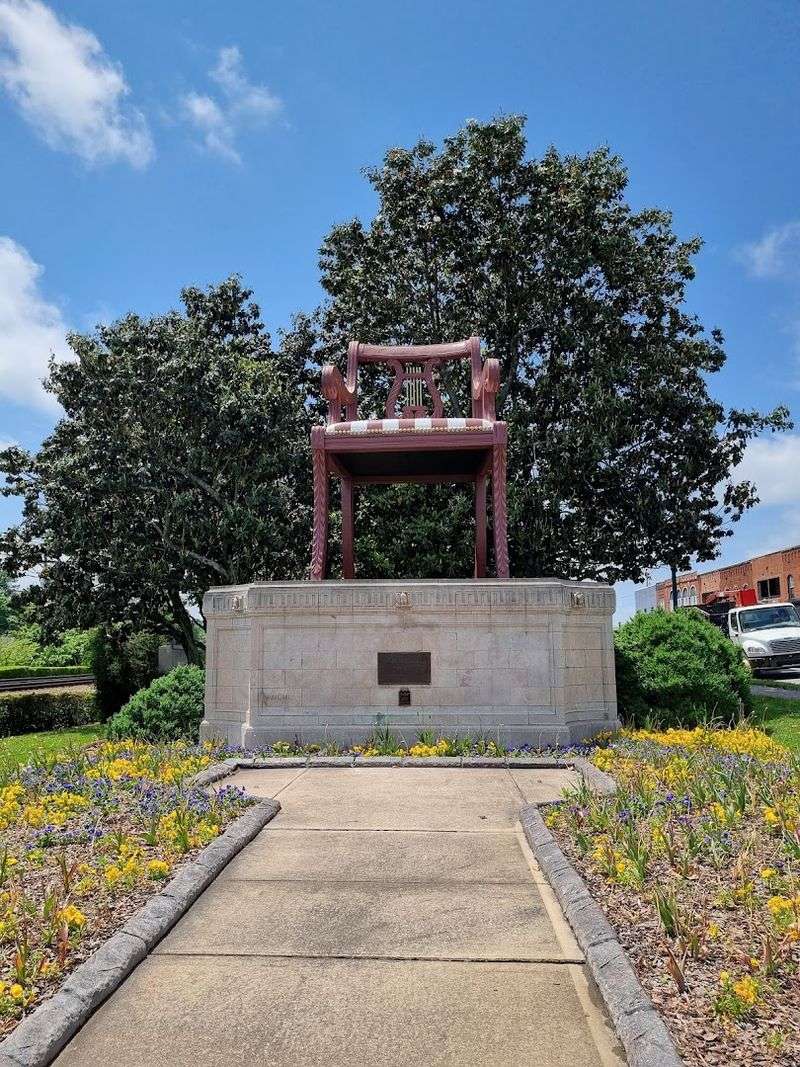
Even after the furniture industry changed, the Big Chair still keeps Thomasville’s manufacturing story visible in the most literal way possible.
City’s identity as Chair City came from a long history of furniture production. Monument remains a reminder of the people, companies, and craft traditions that built that reputation.
Historical summaries connect the chair to Thomasville Furniture Industries and describe the current 30-foot landmark as a replacement for the earlier wooden monument built in 1922.
That continuity matters because it shows how a town can preserve pride through a symbol even as industries rise, shift, and change over time.
Visitors may arrive for the novelty, but the chair asks them to notice a deeper local legacy. Furniture was not just something made in Thomasville.
It shaped jobs, architecture, civic identity, advertising, and the way the town presented itself to the wider world. The Big Chair compresses all of that into one oversized object that is easy to understand at a glance.
It is playful enough for a family photo and meaningful enough for anyone who appreciates industrial history. North Carolina has plenty of quirky roadside stops, but this one still feels especially tied to its community.
It is not just big for the sake of being big. It is big because Thomasville’s furniture story was big too.