This Gigantic Virginia Fabric Wonderland Is The Reason Crafters Are Making Road Trips
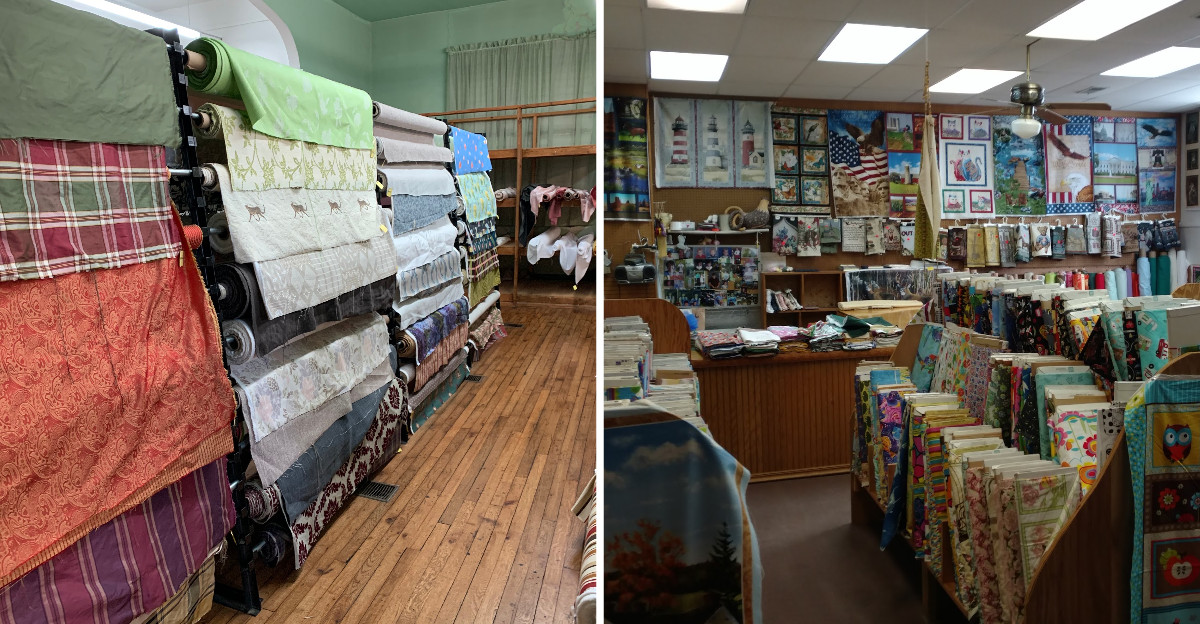
Three whole floors of fabric are stacked inside an old school building in Virginia. Then there’s a second building just for upholstery.
I’m amazed that one small mountain store holds this much cloth. I was surprised to learn how far some shoppers drive to reach it.
Some come from hours away, and a few plan whole vacations around a fabric run. I can see why. Specialty apparel fabric, bridal trims, and laces are getting harder to find in person.
I love that the old schoolhouse still gets used for learning. Kids take sewing classes here, making pajama pants and zipper pouches.
I keep thinking about the old blackboard still hanging inside. So what kind of fabric lover leaves this place empty-handed? Probably nobody.
Three Floors Of Fabric Means Wearing Comfy Shoes Is Smart
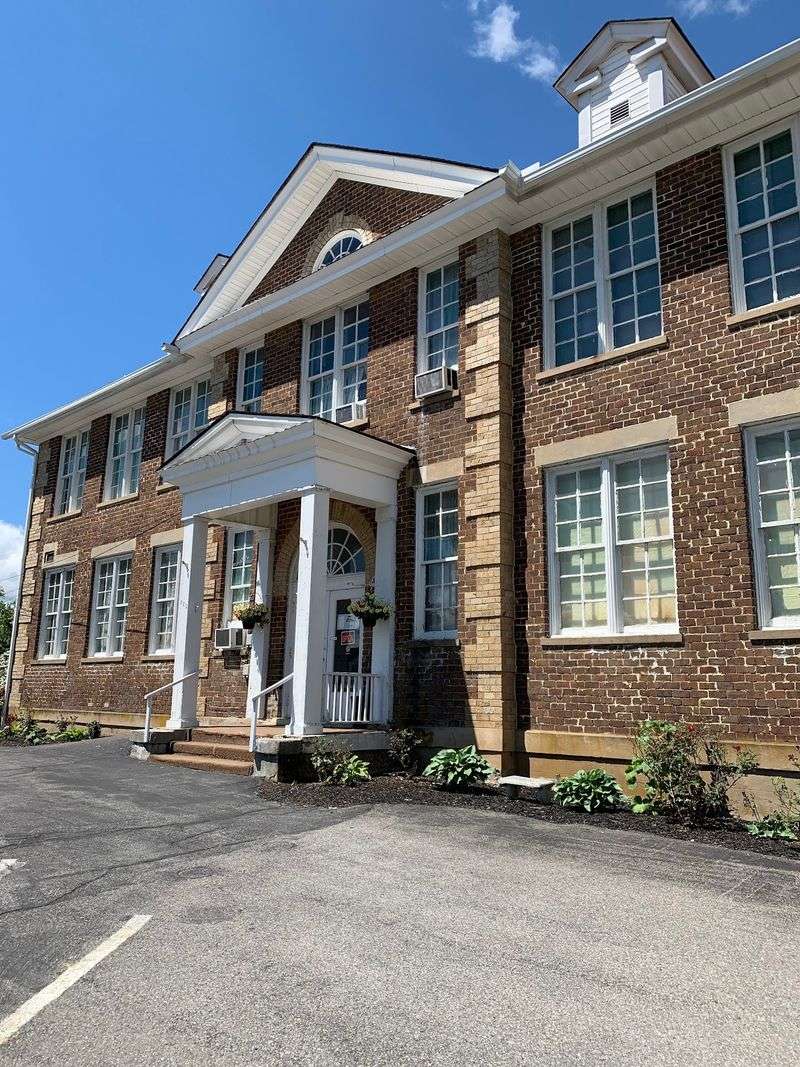
Most fabric stores fit on one floor. Schoolhouse Fabrics spreads its stock across three levels of a former school building in Floyd.
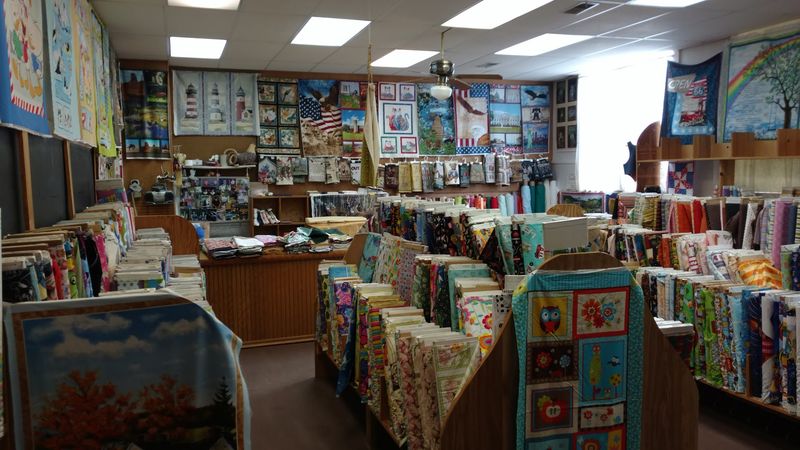
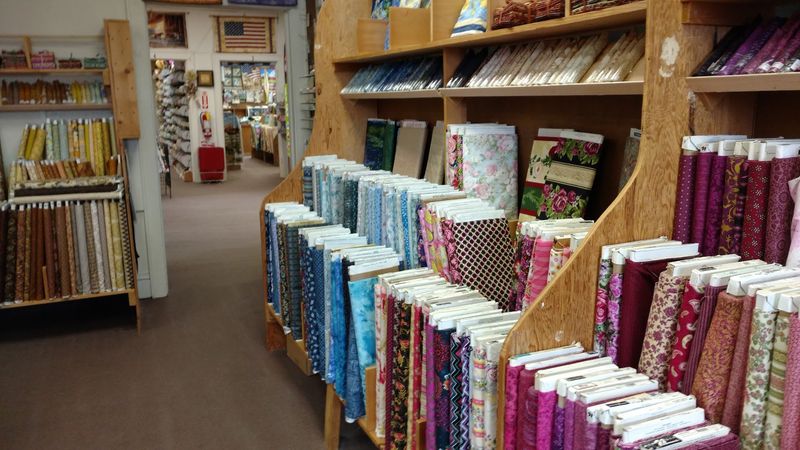
There’s a practical method behind that unusually large layout. On the main floor, quilting cottons, novelty prints, notions, and craft supplies take up much of the space.
The basement carries heavier and more specialized materials, including upholstery fabric, denim, leather, and knits. Upstairs, shelves hold garment fabrics, flannel, fleece, drapery materials, and formal selections.
That arrangement turns a single shopping trip into a tour of different sewing disciplines. A quilt pattern might lead you toward jacket fabric or curtain material. The former classrooms are linked by staircases, so exploring takes time.
The upper and lower levels involve stairs, so anyone needing step-free access should ask about assistance before visiting.
Allow time to compare colors and weights. The unusual scale of this Virginia shop rewards a deliberate visit rather than a hurried stop.
Class Is Still In Session Inside This Brick Beauty
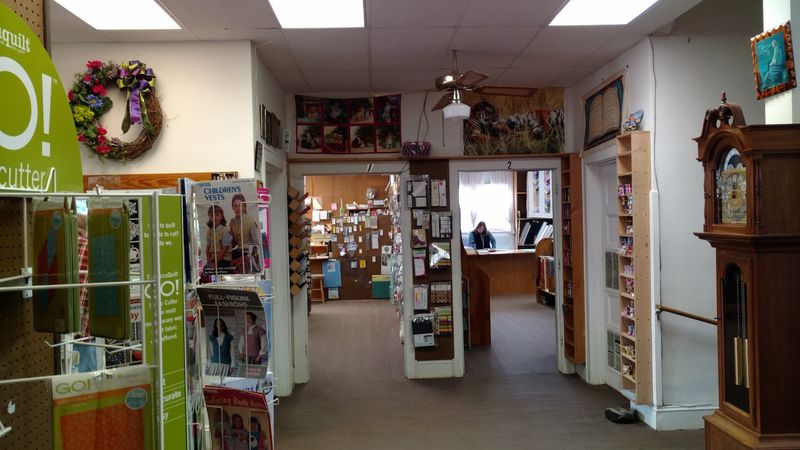
Old schoolhouses usually become museums or take on entirely different purposes.
This one became a fabric store, and the brick building has a history worth noticing.
Constructed in 1913, the building once held classrooms for Floyd students. Elementary pupils used the lower level, while older students attended classes upstairs. Large windows remain visible behind the bolts.
The shop’s story began in 1971, when its original owner opened a fabric business in just one classroom. Over time the stock expanded to two floors, then occupied all three levels in the early 1980s. It remains a family business.
Some interior details still point to the building’s first purpose. An old classroom blackboard and the original arrangement of rooms give shoppers a sense of what the hallways looked like before textiles arrived.
It’s easy to imagine a teacher writing lessons where someone now compares patterns for a skirt. That contrast gives the shop its character.
Floyd’s historic school building continues to be used every week, just with rulers, thread, and fabric replacing textbooks.
Prom Gowns And Wedding Dreams Start With These Laces
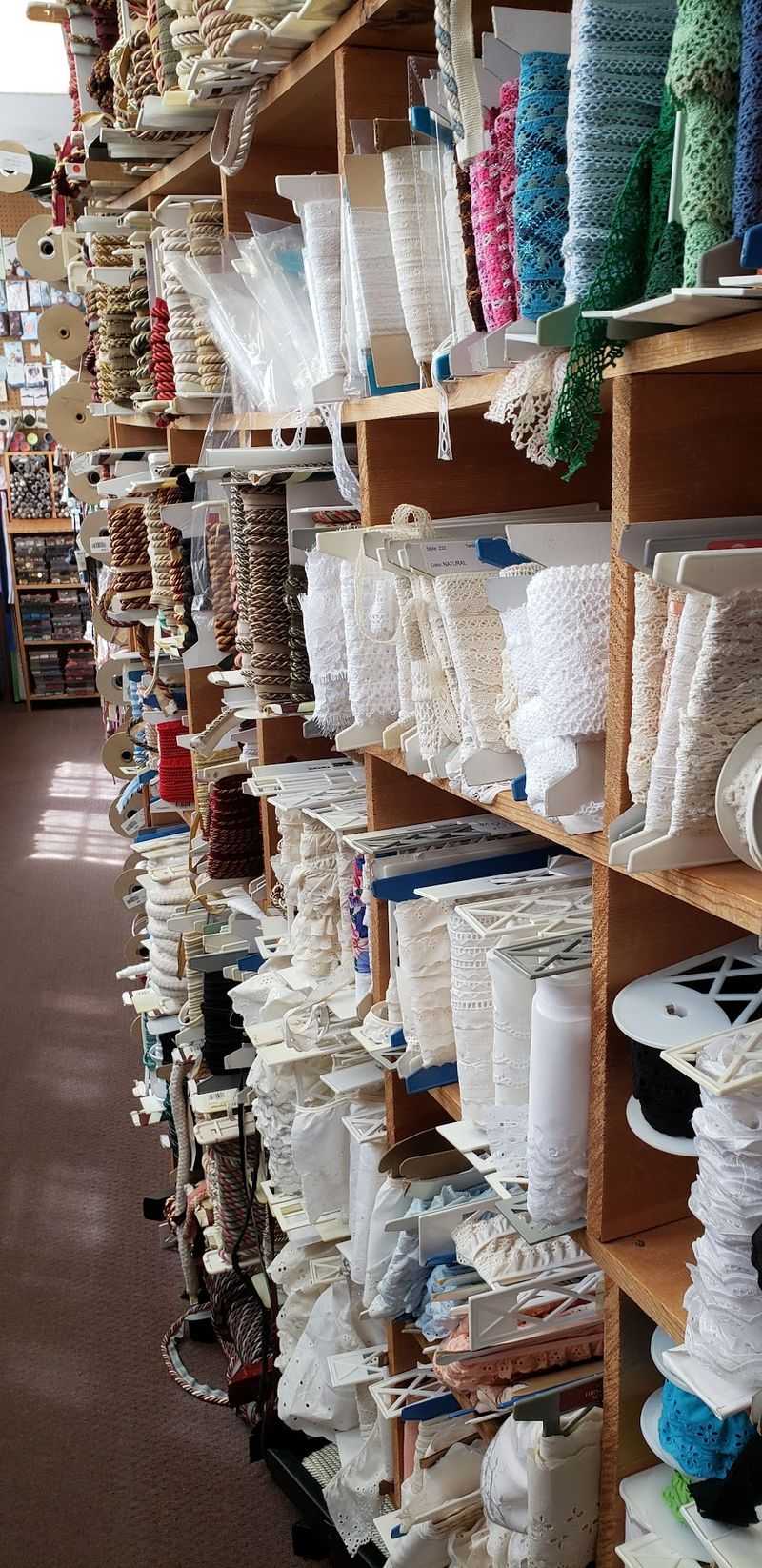
Formal sewing is tricky business. Finding the right satin or lace in person has become a real challenge in many towns.
Schoolhouse Fabrics carries materials for bridal gowns, prom dresses, special-event outfits, and tailored clothing.
Its upper floor includes formal fabrics and garment materials, giving dressmakers a chance to look beyond ordinary quilting cotton.
Color isn’t the only detail to consider. Two pale fabrics can look similar on the bolt but behave very differently when gathered or draped. Linings, suiting materials, and soft dress fabrics serve different purposes.
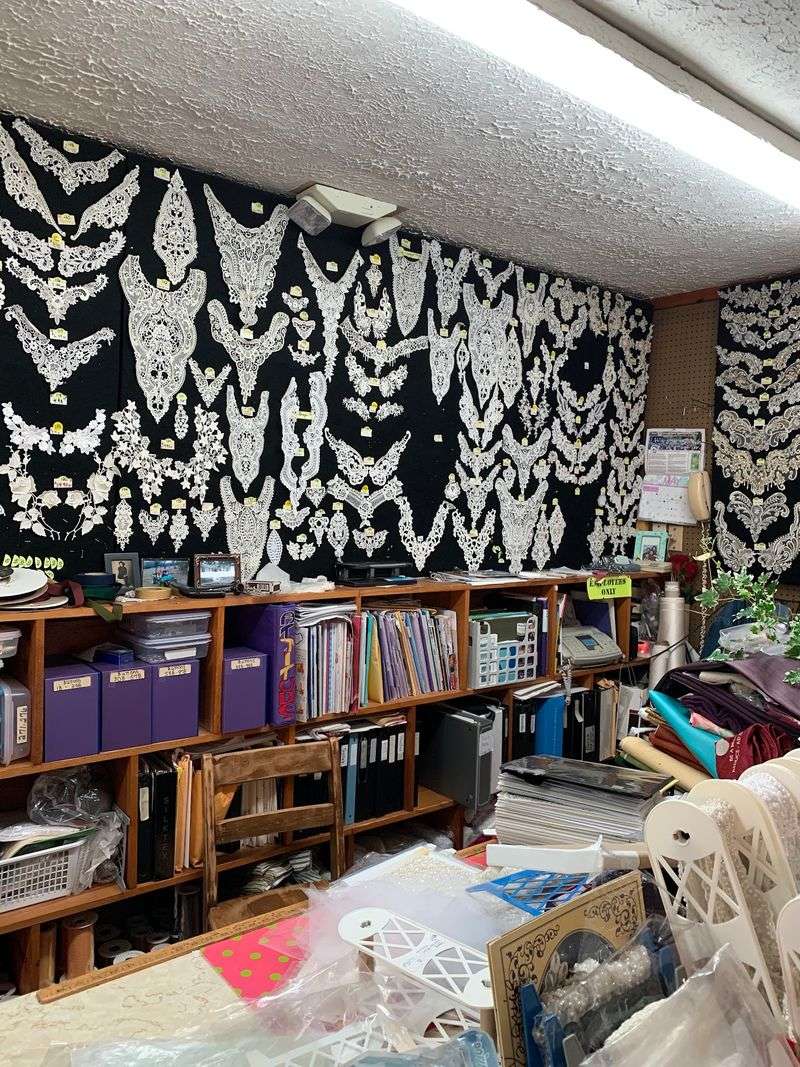
Lace and trims open up another set of possibilities. Narrow edging finishes a sleeve; wider lace can transform a dress. Buttons, thread, and other notions help pull the final details together.
Bring a pattern envelope and note the required yardage before shopping. Check fabric width before buying.
The selection is particularly useful for Virginia dressmakers planning a garment for a specific occasion. Sometimes you need to see how the cloth moves, rather than merely imagining the finished outfit from a description.
Quilters, Your Next Favorite Stash Builder Awaits
Quilters, get ready to make some tough choices. The quilting options at Schoolhouse Fabrics go well beyond plain cotton.
The main floor brings together quilting and novelty prints, with an assortment of coordinating materials and craft supplies. Florals, bright novelty prints, flannel, and fleece offer contrasting options.
Choosing fabric for a quilt is part color exercise and part practical calculation. A striking central panel may call for quieter borders. Busy prints can work as backing or accents.
The store carries notions and supplies that let you plan more than the quilt top. Thread, rulers, needles, and other sewing essentials help keep the project moving after the fabric has been chosen.
Check panel dimensions, backing measurements, and binding needs before choosing yardage.
One useful trick is to bring small samples of the fabrics already in your project. Matching them in person can spare you from realizing at home that two almost-identical shades don’t quite belong together.
The color planning can be as enjoyable as the sewing.
Thread Walls So Colorful They Look Like A Rainbow Got Organized
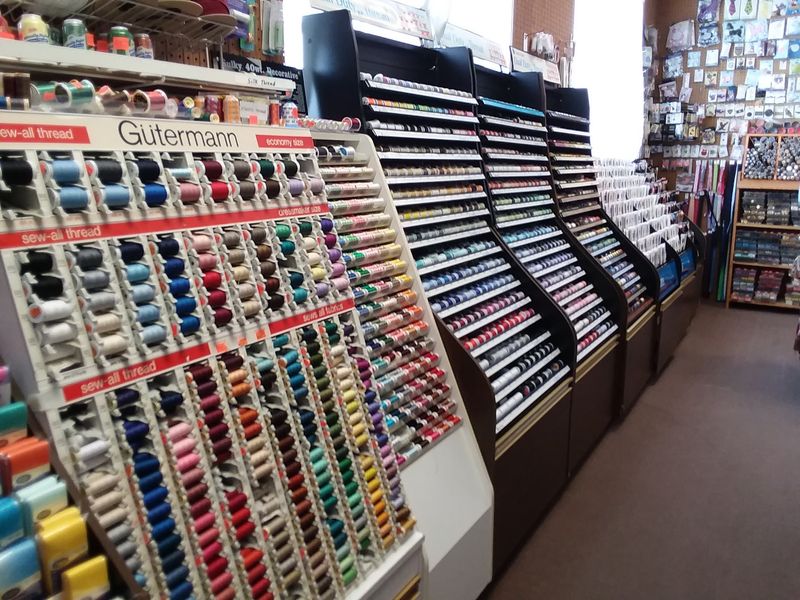
Matching thread can make or break a project. Luckily, notions and sewing supplies occupy their own areas within the old schoolhouse.
Thread, buttons, needles, scissors, and trims are among the items that turn a length of fabric into a finished garment. Match zipper length, button size, and trim to the cloth.
Schoolhouse Fabrics also stocks craft supplies and yarns, so a visit needn’t be limited to people working at sewing machines. Embroidery and crochet call for different supplies.
For garment sewing, thread fiber and strength can matter just as much as color, especially when the fabric stretches. Before heading into the notions section, bring a sample of your fabric.
Colors change with lighting, and matching a spool by memory can be surprisingly difficult. Having the actual cloth in hand makes it easier to compare undertones and finishes.
A simple button may be exactly what a handmade jacket needs.
Of course, choosing fabric is only half the pleasure. The finishing touches are often where a project finally starts to look like your original idea.
A Whole Separate Building Exists Just For Upholstery
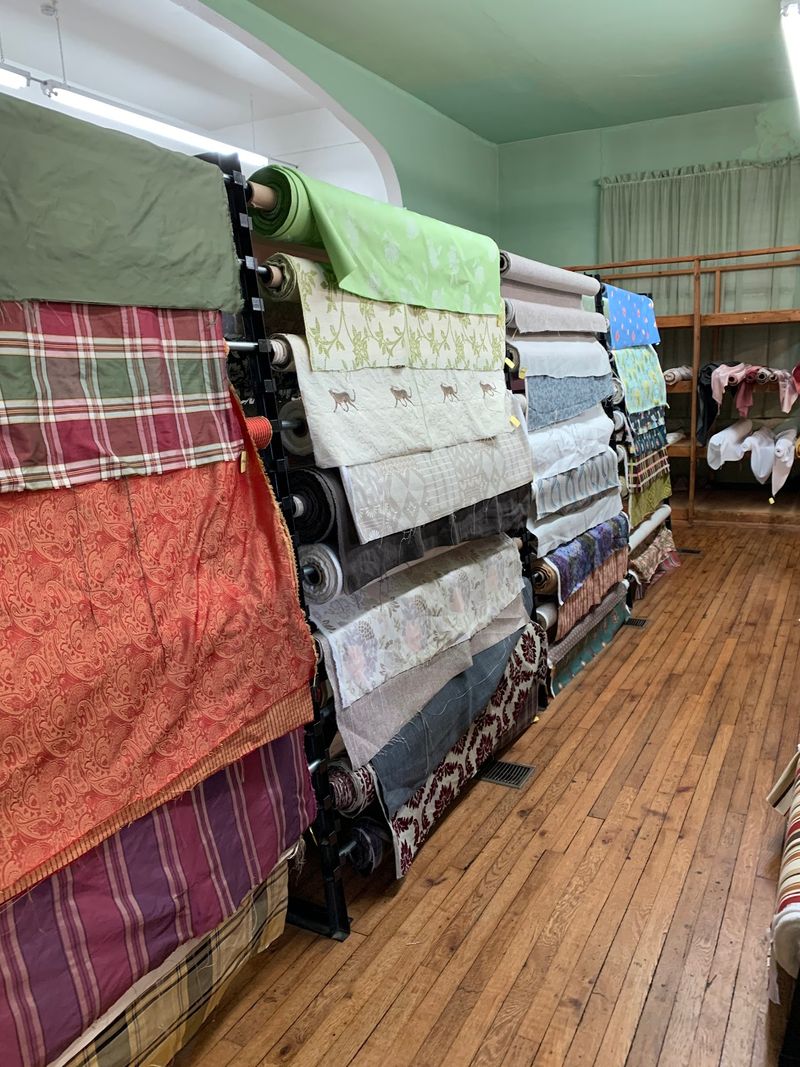
One fabric building apparently wasn’t enough. Behind the main store sits another building devoted to upholstery fabrics and supplies.
The addition makes sense once you compare materials for a dress with those needed for a sofa.
Upholstery fabric generally has to handle more friction and regular use, while drapery materials may need a different weight and drape. Weight and durability matter alongside color.
The main schoolhouse has a basement section for upholstery, leather, and related textiles, too. Together they cover cushions, furniture, and household projects.
Bring measurements if you’re planning a chair makeover or new curtains. A snapshot of the room and a sample of an existing cushion can help when comparing patterns and textures. Large repeats may require extra yardage.
The upholstery building has its own schedule, generally beginning service later than the main shop. Hours are typically 10 a.m. to 4 p.m. for that department, but it’s sensible to confirm Saturday access before making a special trip.
There’s a different kind of satisfaction in choosing material that can change the look of a whole room.
The Former Classrooms Still Inspire New Sewers
Kids once learned spelling and arithmetic here. Today, the same building is stocked with supplies that can help a beginner make something useful with needle and thread.
A drawstring bag teaches straight seams, a pillowcase teaches measuring, and a zipper pouch introduces closures. Each uses little fabric, making experimentation easy.
The main floor’s cottons and notions offer a practical starting point. Needles, thread, and basic tools can go into the same shopping basket as a carefully chosen print.
For younger makers, picking a fabric with a favorite color or playful design is a fun way to take ownership of the result.
Measuring pieces against a simple paper pattern also helps turn an idea into a practical first project. Beginners might attempt an apron or pajama bottoms.
The former school setting makes the creative possibilities feel particularly fitting.
A trip through the rooms can spark ideas for learning at home, with the fabric itself providing plenty of inspiration for a first handmade creation.
Plan Your Road Trip Around These Mountain Town Hours
Road trippers, set your GPS for 220 N Locust St in Floyd. That’s where this fabric adventure begins.
The shop stands near downtown on Route 8 in Virginia’s Blue Ridge region. Arrive with a project in mind.
Current hours are generally 9 a.m. to 5 p.m. Monday through Friday and 9 a.m. to 2 p.m. Saturday. Sunday is closed. Confirm the schedule before planning a lengthy drive, especially on Saturdays.
The separate upholstery building typically opens later and may have different access times. Leave time to inspect those heavier fabrics.
Write down the sizes of anything you intend to sew and bring a tape measure or pattern details. Arriving early leaves time for all three floors.
Across the street, the Floyd County Historical Society Museum offers another look at the town’s past. Floyd also has a compact downtown and Blue Ridge scenery nearby.
A fabric run can easily become a day exploring this corner of southwest Virginia.