This Gorgeous Lantern Festival In New York Is One Of The Most Beautiful Sights Of The Season
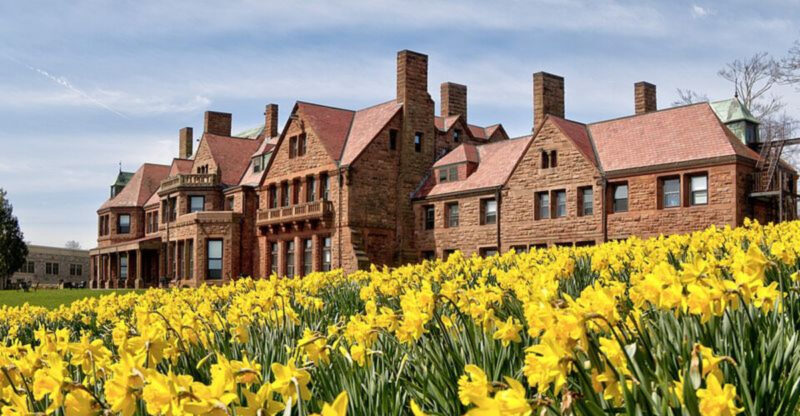
This festival made its very first appearance in the United States on a former home for retired sailors.
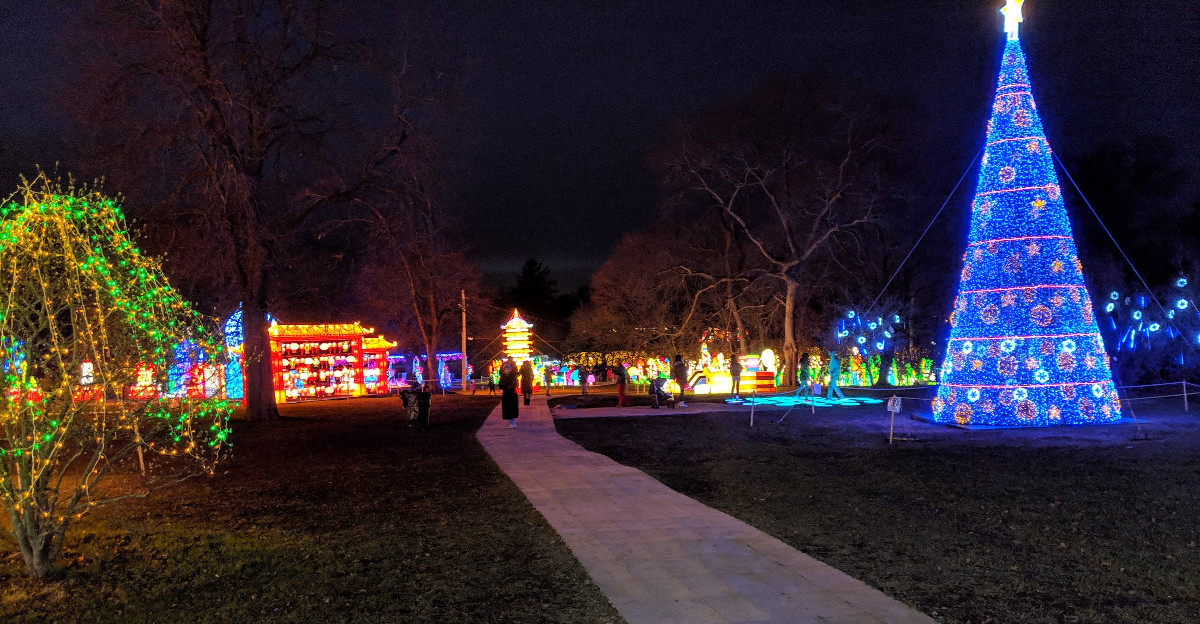
It filled historic gardens with hundreds of handcrafted Chinese lanterns that glow after dark through the coldest weeks of the year in New York. Sailors, then lanterns. Naturally.
Those lanterns aren’t tiny paper globes on a string.
Many are larger-than-life sculptures shaped by Chinese legends, cultural traditions, and the natural world. Some even move and change color.
The setting deserves its own spotlight, too. It’s an 83-acre campus packed with 19th-century buildings, a classical Chinese garden, and a walkway lined with sculpted trees.
What happens when all of that history gets lit up at night?
A Glowing Homecoming You Will Want On Your Calendar
Some events travel the country and quietly forget where they started.
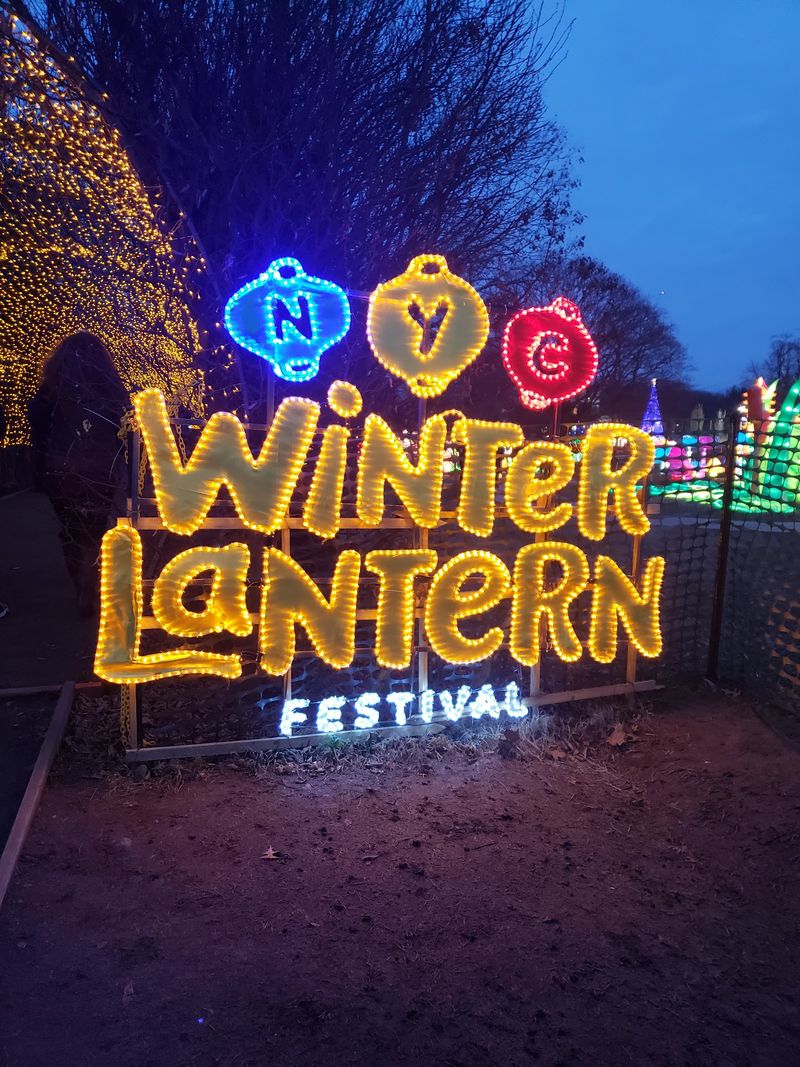
The Winter Lantern Festival returns to Snug Harbor Cultural Center & Botanical Garden on Staten Island, the very spot where it debuted in the United States back in 2018.
That first festival transformed seven acres of the historic grounds into an illuminated celebration. Its return coincides with Snug Harbor’s 50th anniversary as a cultural center, making this New York homecoming especially fitting.
The upcoming run is scheduled from November 19, 2026, through January 10, 2027. That gives you a long stretch of chilly evenings to plan around.
Opening night begins at 6:30 PM, while regular sessions start at 5 PM and continue until 10 PM. The festival generally operates Thursday through Sunday, with additional dates during the holiday break.
Last entry is at 9 PM, so don’t roll up at 9:15 hoping for mercy. Most visits take approximately an hour, although it’s easy to spend longer enjoying the installations and performances.
Larger-Than-Life Lanterns Steal Every Single Photo
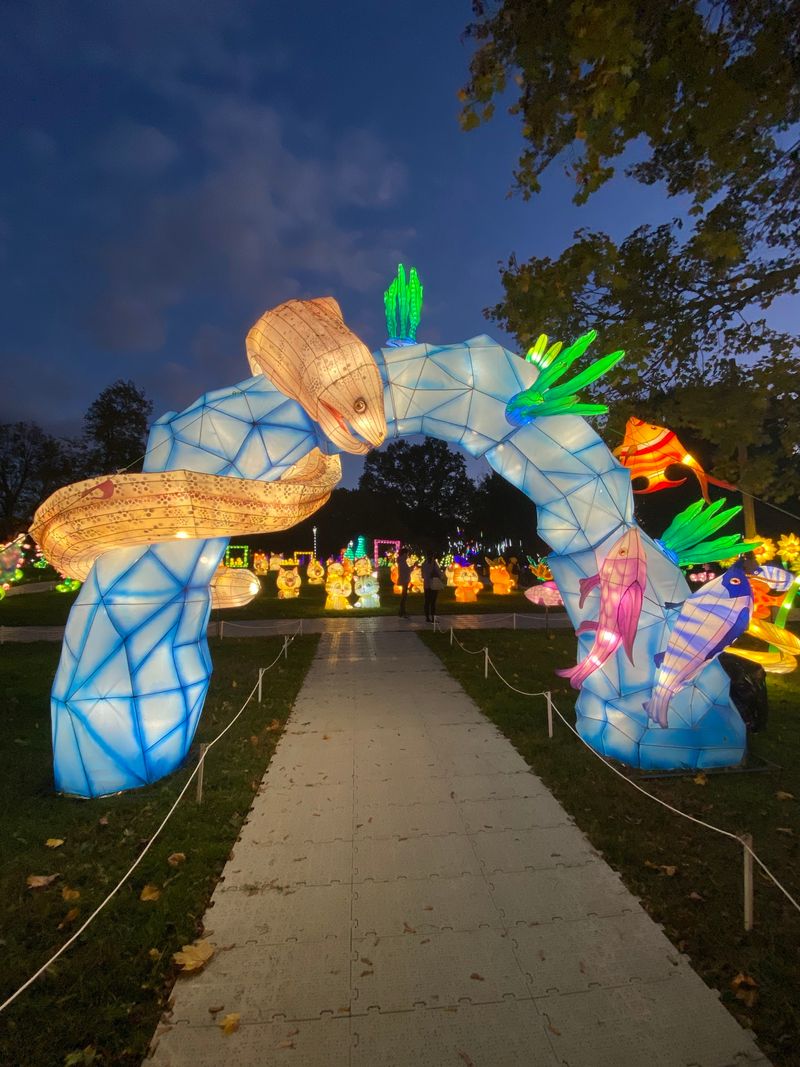
Hundreds of handcrafted Chinese lanterns fill the festival grounds, and these aren’t the kind you hang from a porch. The displays are elaborate sculptures illuminated from within by colorful LED lights.
Their designs draw from ancient Chinese legends, cultural traditions, and the natural world.
Imagine enormous mythical creatures, brilliantly colored flowers, and intricate patterns glowing against the winter sky.
The craftsmanship is part of the fascination. Traditional lantern-making techniques combine sculpted frameworks with translucent coverings, allowing light to reveal the shapes and decorative details.
Some installations rise well above the people admiring them, creating an entirely different experience from ordinary decorative lighting.
Your camera roll should prepare itself. Nearly every display offers something interesting to capture, whether it’s a brightly colored animal or a collection of glowing flowers.
Try slowing down instead of rushing toward the next large sculpture. Smaller decorative elements are often just as intricate as the enormous centerpieces.
Acrobats And Face-Changing Will Make Your Jaw Drop
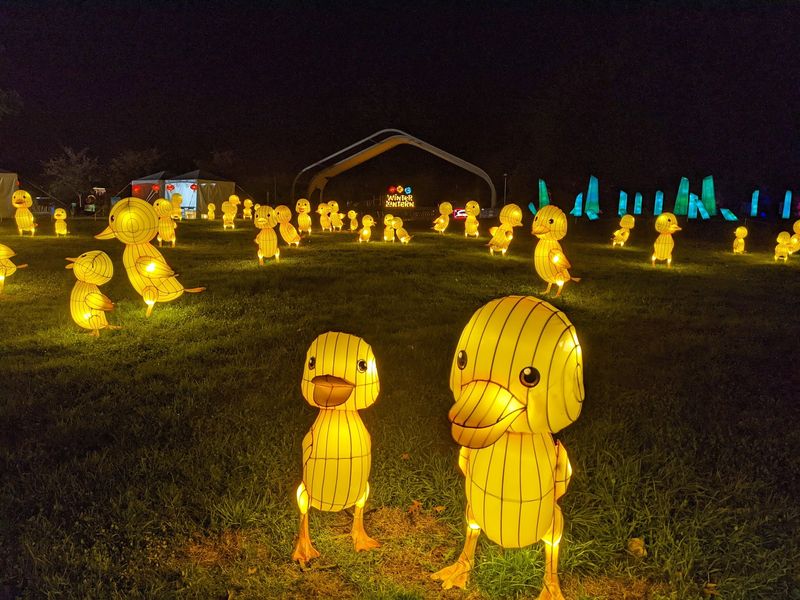
Admission gets you more than glowing paths. The festival also includes an energetic acrobatic performance featuring accomplished performers from China.
Expect astonishing balance, precision, and carefully coordinated routines. Somewhere in the audience, a child will probably start wondering how anyone learns to move like that.
Then there’s face-changing, a traditional Chinese performance art associated with Sichuan opera.
Performers switch colorful masks in quick succession, creating an illusion that seems almost impossible to follow with your eyes.
The entertainment takes place in large tents, providing a dedicated performance area separate from the outdoor lantern displays.
That makes planning your evening a little more interesting. You can explore the illuminated sculptures, enjoy the acrobatic show, and return to the pathways afterward.
Check the performance schedule when you arrive, since individual showtimes may vary.
Mixing live entertainment with the lantern installations creates a fuller cultural experience. The illuminated artwork highlights traditional craftsmanship, while the performances introduce another side of Chinese artistic expression.
Before The Lanterns, Retired Sailors Called This Place Home
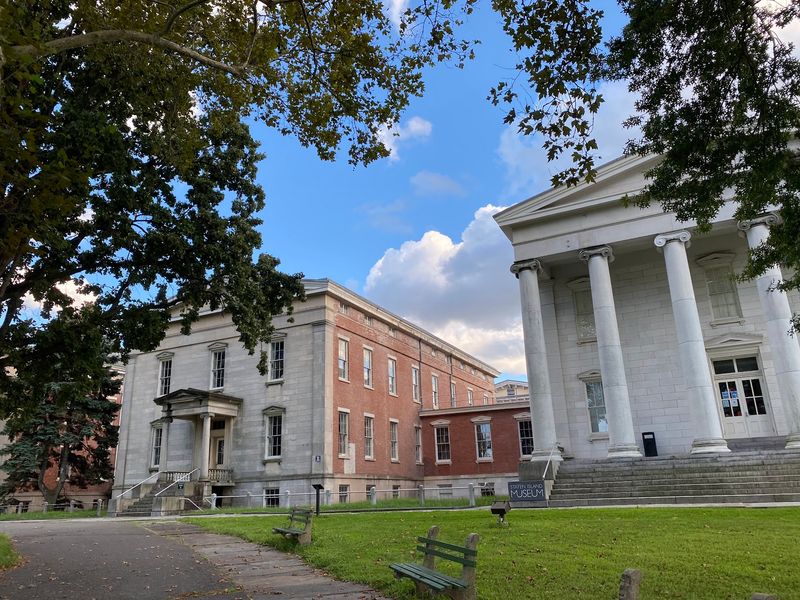
Long before glowing dragons arrived, this campus took care of retired sailors. Snug Harbor began as a charitable institution established through the estate of Robert Richard Randall, whose bequest helped create a home for aging mariners.
The Staten Island residence opened in 1833 and gradually developed into an extensive community with housing, gardens, recreation areas, and medical facilities.
Picture a quiet retirement community with grand architecture. That’s essentially what it was, just with considerably more sea stories than your average neighborhood.
In 1976, the property began its new chapter as a cultural center. Its historic buildings were preserved and adapted for artistic, educational, and community activities.
The grounds stretch across 83 acres on New York’s Staten Island, bringing together museums, studios, performance spaces, gardens, and open meadows.
Greek Revival columns and other nineteenth-century architectural details create a striking setting around the illuminated displays.
Knowing the history makes the festival feel even more unusual. When you pass an imposing old building near the lantern installations, you’re looking at a place that has served several completely different purposes over nearly two centuries.
Historic Gardens Get A Brand New Personality After Dark

Snug Harbor has gardens with very different personalities. There’s a formal White Garden, a Tuscan-inspired landscape, a Healing Garden, and several spaces dedicated to colorful plants and seasonal displays.
During daylight, these areas offer flowers, pathways, and carefully arranged greenery. Winter brings a different atmosphere, with bare branches and historic garden structures providing a beautiful setting for outdoor artwork.
That’s what makes this lantern event feel different from an ordinary exhibition space.
The festival uses a designated section of the 83-acre campus, so its illuminated route doesn’t include every garden or historic attraction.
Mature trees, landscaped grounds, and surrounding architecture still give the nighttime experience plenty of character.
Wear comfortable, warm shoes for the evening. You’ll be exploring outdoor paths, and a slippery fashion boot will regret its life choices pretty quickly.
A Real Ming-Style Garden Hides Right On Campus
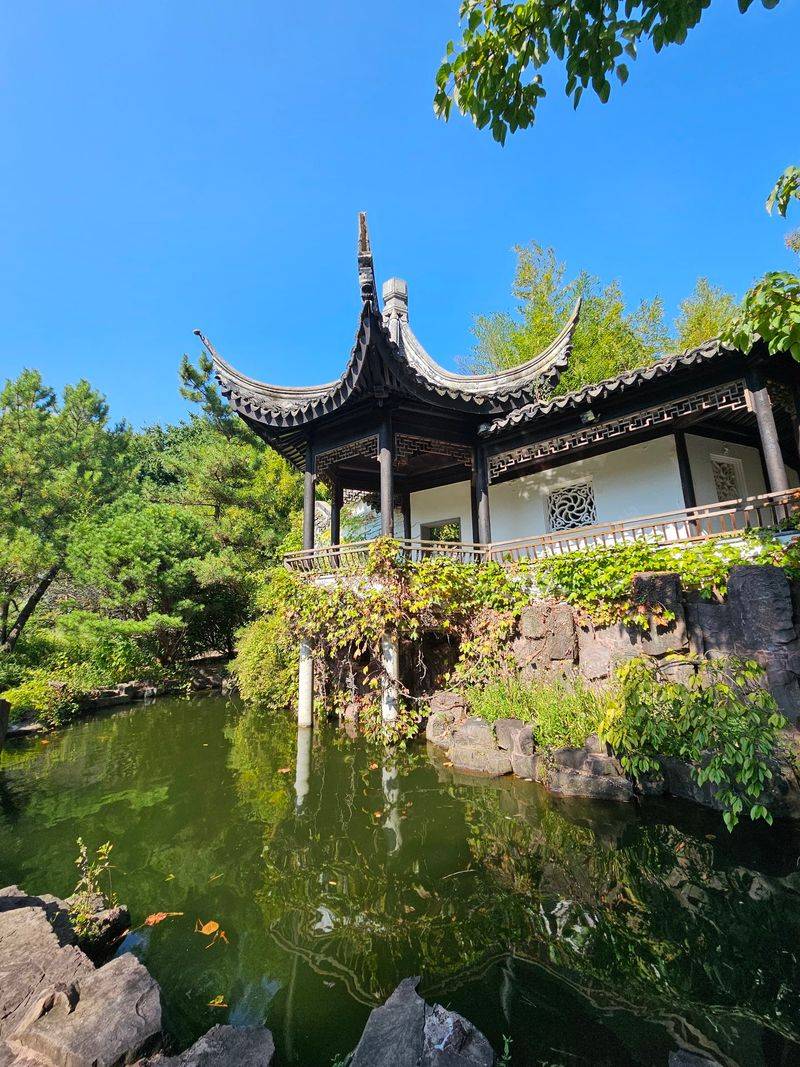
Few people expect a piece of Suzhou on Staten Island. The New York Chinese Scholar’s Garden opened in 1999, with architectural components fabricated in Suzhou, China.
Its design draws inspiration from classical gardens associated with the Ming Dynasty, bringing traditional Chinese craftsmanship to the historic Snug Harbor campus.
The garden includes bamboo pathways, waterfalls, a koi pond, and sculptural rocks arranged to resemble miniature landscapes.
Traditional wooden joinery was used in its construction, with structural elements carefully fitted together.
The garden was the first authentic classical Chinese scholar’s garden constructed in the United States.
Its connection to Chinese architectural traditions makes it a particularly meaningful attraction alongside a festival celebrating Chinese lantern craftsmanship.
However, the garden operates separately from the evening festival. Its regular 2026 autumn season ends December 6, with additional guided daytime tours scheduled on selected December weekends.
Planning a separate daytime visit allows you to appreciate its intricate architectural features and tranquil landscape.
Those 120 Hornbeam Trees Look Like Something From Versailles
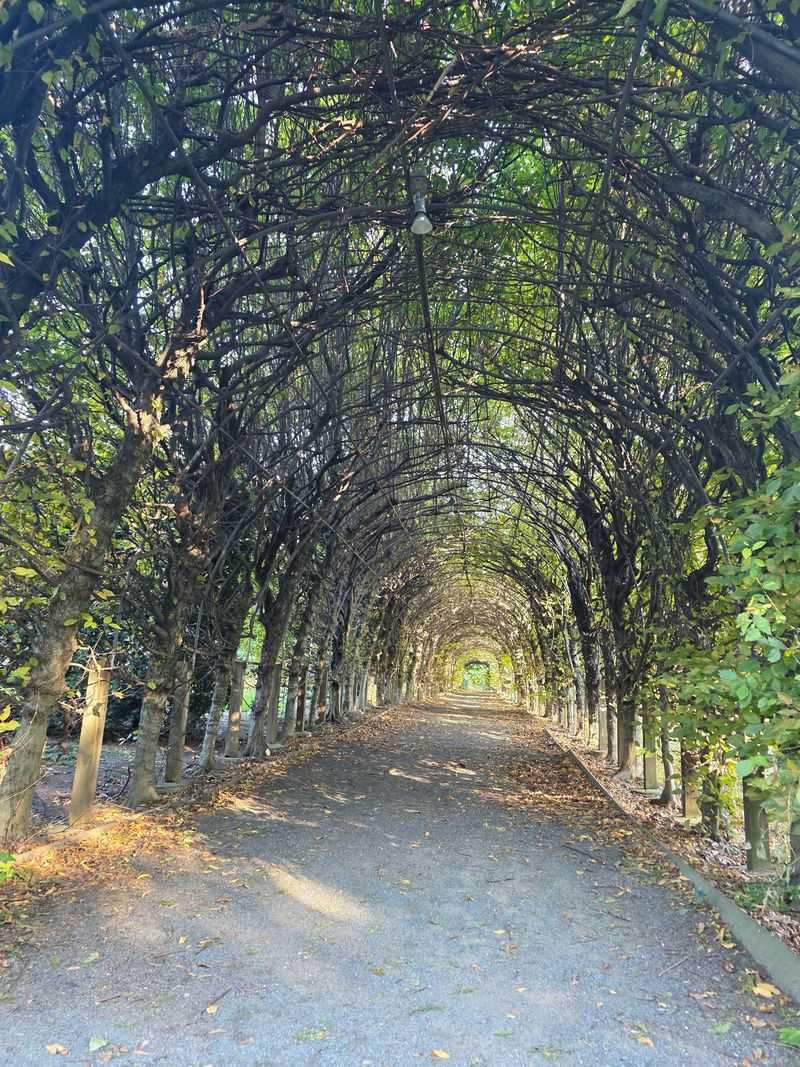
One hundred twenty trees, shaped with serious discipline. The Allée at Snug Harbor was originally planted with 120 European hornbeams, creating a formal walkway inspired by traditional European garden design.
The trees were planted in 1997 and trained into an architectural arrangement that gives the pathway its distinctive shape.
The style echoes the carefully maintained gardens associated with places such as Versailles. It’s a surprising bit of French flair for a former sailors’ residence.
The trees create a long corridor, with sculpted branches forming a striking pattern overhead.
From certain angles, the repeated shapes almost resemble the arches of an outdoor gallery.
This is another attraction worth exploring during daylight. The Allée is part of Snug Harbor’s wider botanical landscape rather than a guaranteed feature of the festival’s illuminated route.
Its formal design makes an interesting contrast with the colorful Chinese-inspired artwork presented elsewhere on the property.
Warm Snacks Keep The Glow Going On Chilly Nights
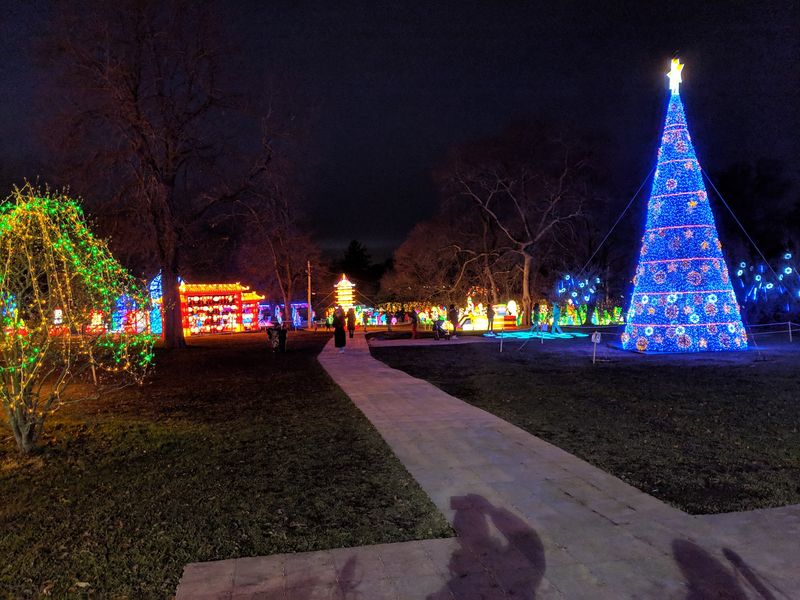
Walking past hundreds of lanterns builds an appetite fast. Thankfully, the Winter Lantern Festival brings food and drinks from local vendors onto the grounds.
You can grab something to eat and enjoy a warm beverage during the evening. A hot drink in mittened hands makes a cold winter night feel much friendlier.
Food selections may vary between festival dates, so there’s an element of surprise when you reach the stands.
The event also includes merchandise shopping for anyone wanting a souvenir of the illuminated celebration.
A small strategy goes a long way here. Eat something before arriving, then use a vendor stop as a relaxing break during your visit.
That plan keeps hungry kids focused on the glowing sculptures rather than wondering when dinner is happening.
The festival is designed for families, with stroller-friendly access and seating available along the experience.
Accessible amenities and restrooms also help make the outing comfortable for different age groups.
Bring a little patience during popular evening sessions. Allowing extra time for food and the performances means you can enjoy the festival without constantly checking the clock.
Smart Planning Makes Your Lantern Night Way Smoother
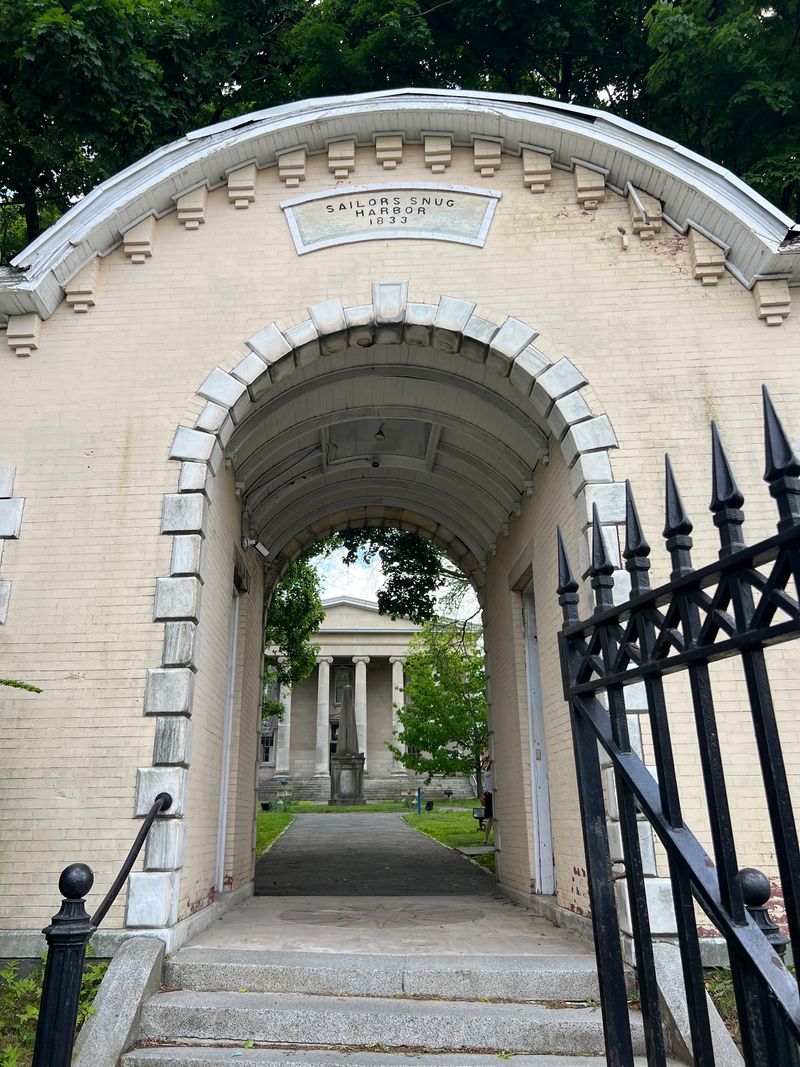
Getting there is easier than most people assume. Snug Harbor Cultural Center & Botanical Garden sits at 1000 Richmond Terrace, Staten Island, NY 10301.
The festival entrance is at the corner of Cottage Row and Chapel Road on campus. Knowing that ahead of time saves a lot of confused wandering.
On-site parking is available in designated lots P1 through P4, with spaces allocated on a first-come, first-served basis.
Public transportation is another option. From the Staten Island Ferry terminal in St. George, the S40 bus provides access to Snug Harbor along Richmond Terrace.
Infrastructure improvements are underway through mid-2027. Partial weekday closures affect Chapel Road and nearby parking areas, so following posted signs is important.
The festival continues in ordinary rainy conditions, with rescheduling arrangements available when extreme weather requires cancellation.
For a New York winter outing that combines Chinese artistry with nearly two centuries of local history, it’s a wonderfully unusual way to spend an evening.