This Grand 1920s Nebraska Theater Still Fills Its Seats With Plays And Candlelight Concerts
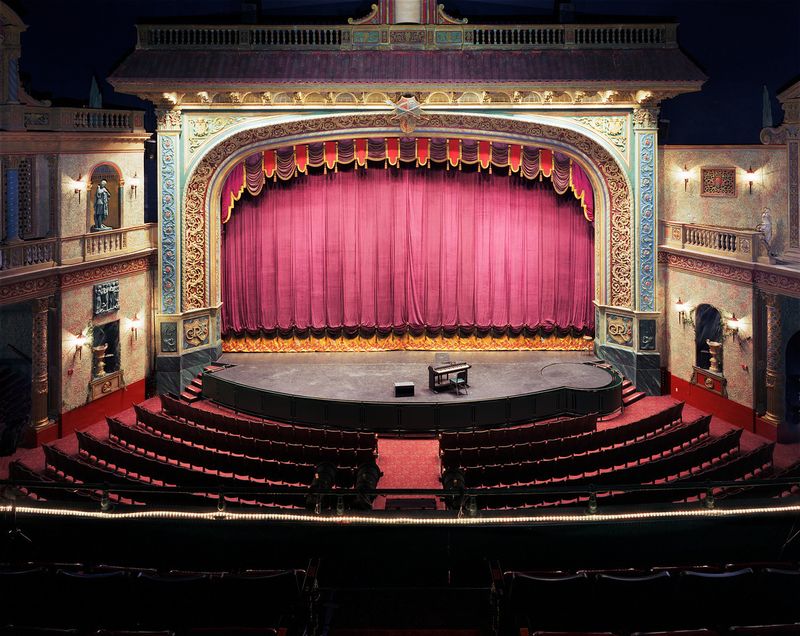
Some buildings in Nebraska hide their best parts behind a plain downtown door. I walked past this one twice before noticing the marquee, and then I stepped inside and stopped talking mid-sentence.
Gilded ceilings, chandeliers, a lobby that belongs in a much bigger city, and a stage that has been busy since the 1920s. It turns out this place hosts everything from kids clutching their programs to string quartets playing by candlelight.
A Farnam Street Landmark in Downtown Omaha
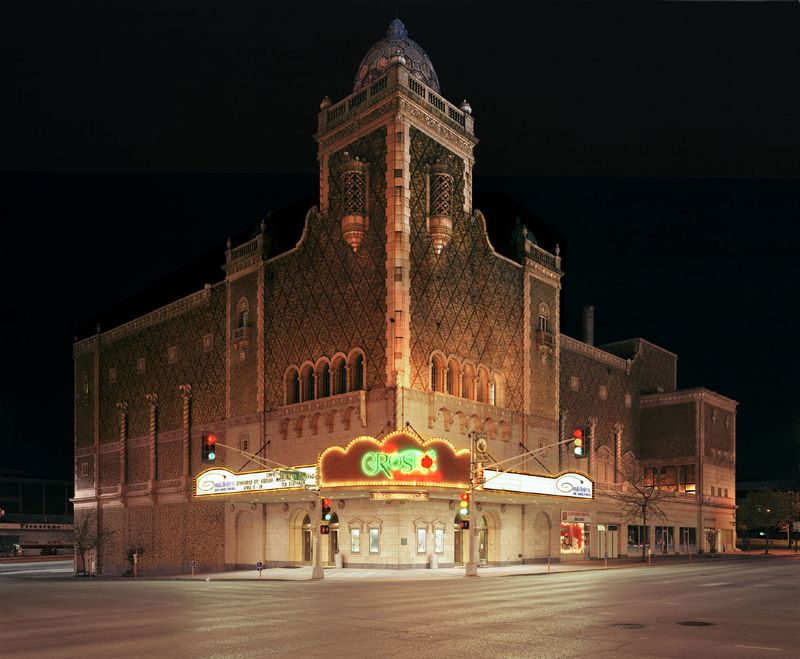
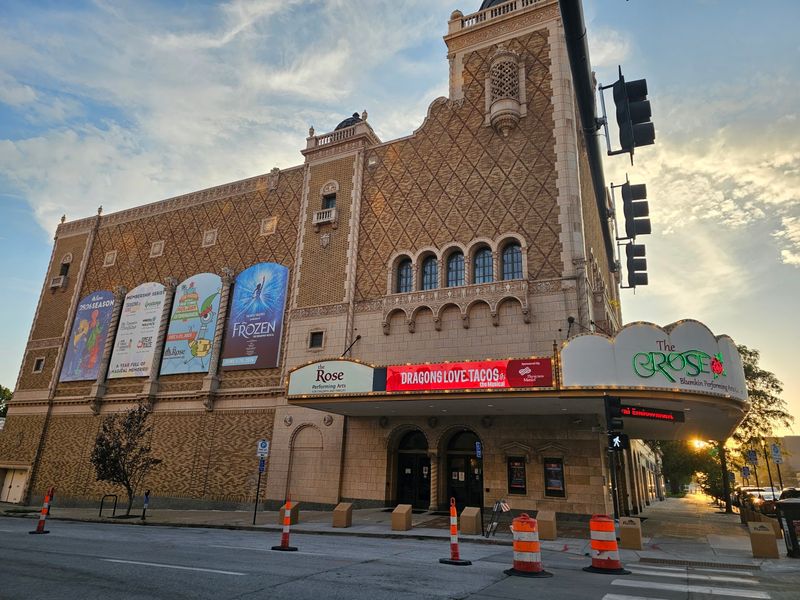
At 2001 Farnam Street, right in the thick of downtown Omaha, sits a theater whose outside gives away almost nothing about its inside. The corner reads as ordinary city block until the marquee catches your eye.
The Rose Theater operates as a performing arts venue built in the 1920s, now dedicated largely to plays and musicals aimed at young audiences and their families. Douglas County residents have driven past it for generations, often without realizing what the doors open onto.
Live theater fills the calendar here most of the year, with productions ranging from Disney titles to original works by regional playwrights. Alongside those shows, the building hosts candlelight concerts featuring string quartets, which draw a different crowd entirely.
Its 4.8-star rating across more than 800 Google reviews suggests the place delivers on what the architecture promises. Few Nebraska venues manage to serve both a three-year-old seeing a first show and grandparents attending a quartet performance in the same week.
That double life is what makes the address worth remembering.
From Jazz Age Showplace to Children’s Stage
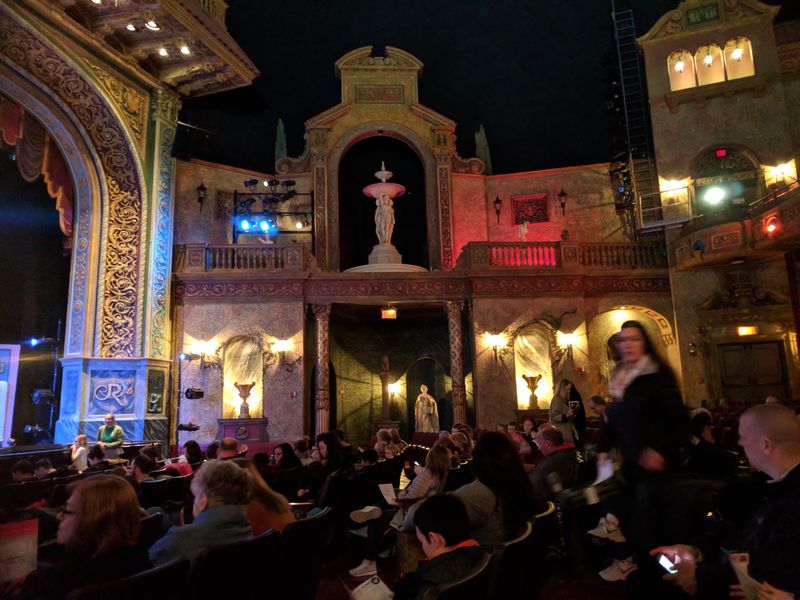
Buildings like this one went up during a stretch when American cities competed to construct the most elaborate entertainment palaces they could afford. Ornate plaster, deep balconies, and lobbies designed to make an ordinary evening feel like an occasion were standard equipment.
Decades later, many of those halls sat idle or came down entirely. The Rose took a different path, transitioning into a home for children’s theater while keeping its 1920s bones intact.
Repurposing rather than replacing is a quiet Nebraska habit, from grain elevators turned shops to depots turned museums. Here, the conversion means a room designed for one kind of audience now serves a much younger one, complete with wiggle space and post-show question sessions.
What survives is the sense of scale. Kids walk into a room that dwarfs them, and the effect lands before a single line is spoken.
Rating comments about the architecture appear again and again, showing up in nine separate review mentions, which says something about how strongly the building itself registers on people who came for a play.
Ornate Details That Stop Conversations
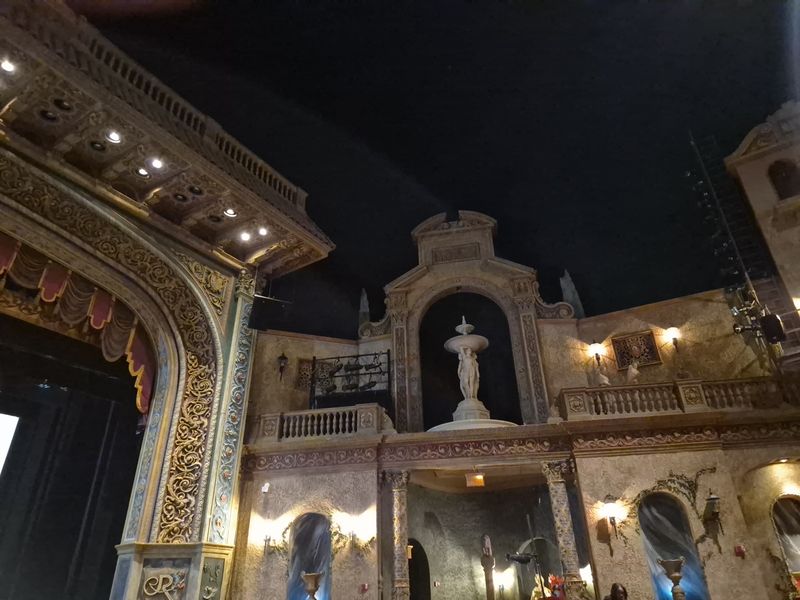
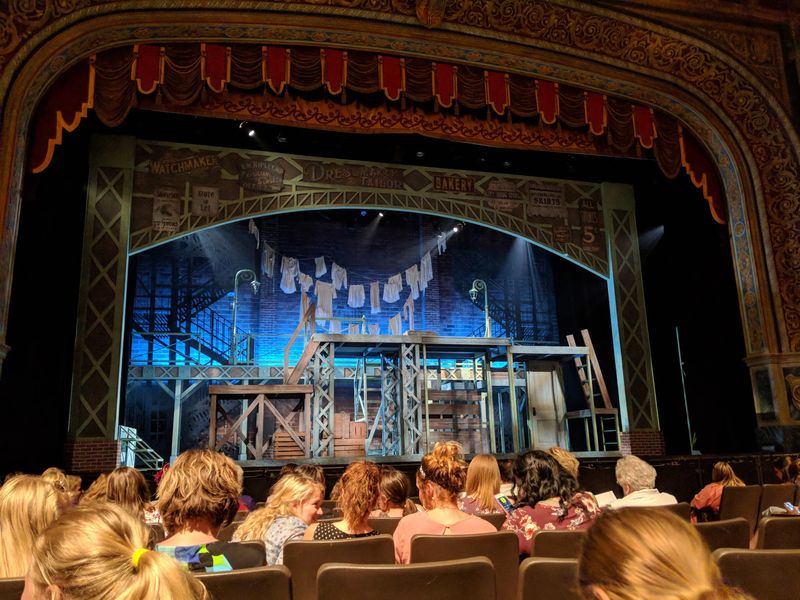
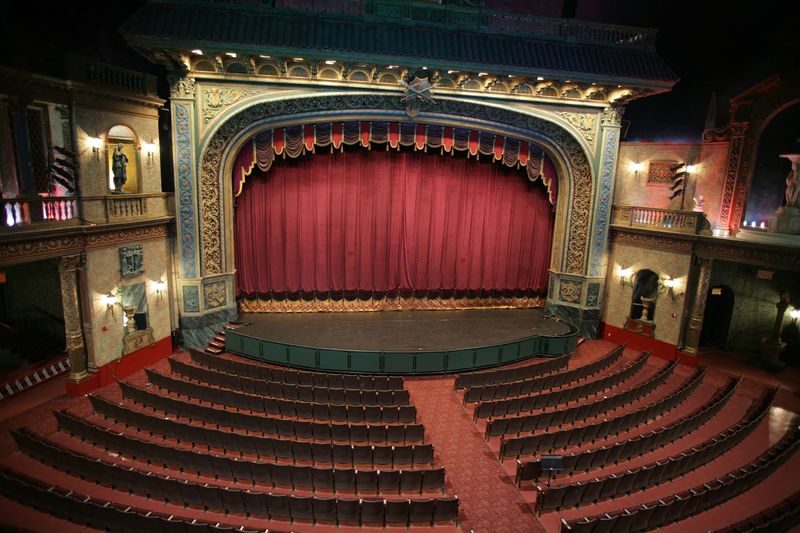
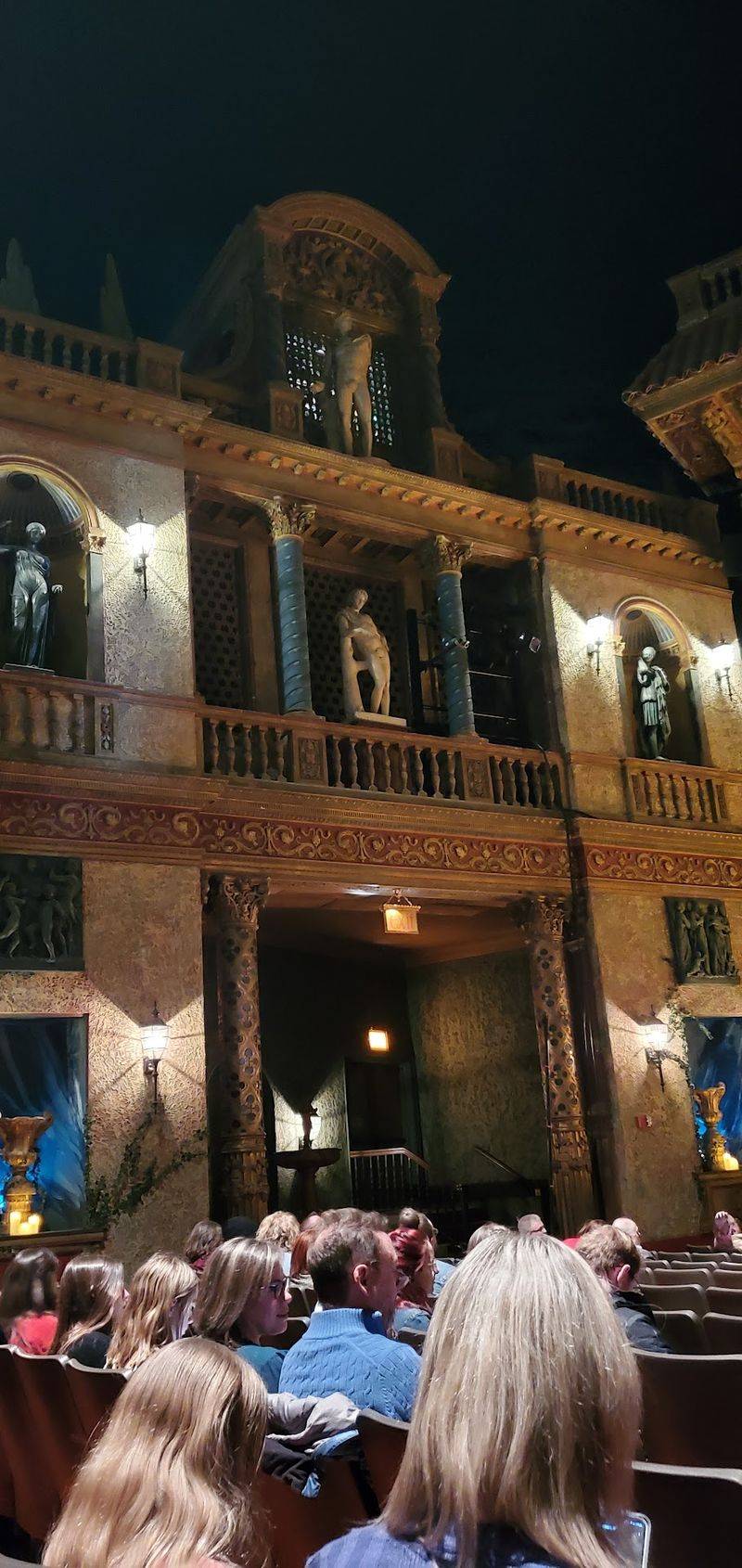
Look up first. The ceiling work overhead does most of the heavy lifting, layered plaster and gilt catching the house lights in a way that flattens phone cameras completely.
Chandeliers hang above the seating, and the lobby carries decorative finishes that clearly predate anyone currently buying a ticket. Nothing about it feels like a modern auditorium, which is precisely the appeal.
Reviews describe the theater as beautiful inside, and that reaction shows up whether someone attended a musical or a quartet performance. Beauty in a room like this works on a practical level too, giving audiences something to study during the minutes before curtain.
The seating rows deserve their own note. Spacious lanes between rows make getting to a middle seat less of an ordeal than in many older houses, and the acoustics carry sound cleanly from stage to back wall.
Well-maintained is the phrase that fits best. Historic buildings can slide into shabbiness, and this one clearly hasn’t been allowed to.
Arrive ten minutes early just to look around the lobby.
Candlelight Concerts and String Quartets
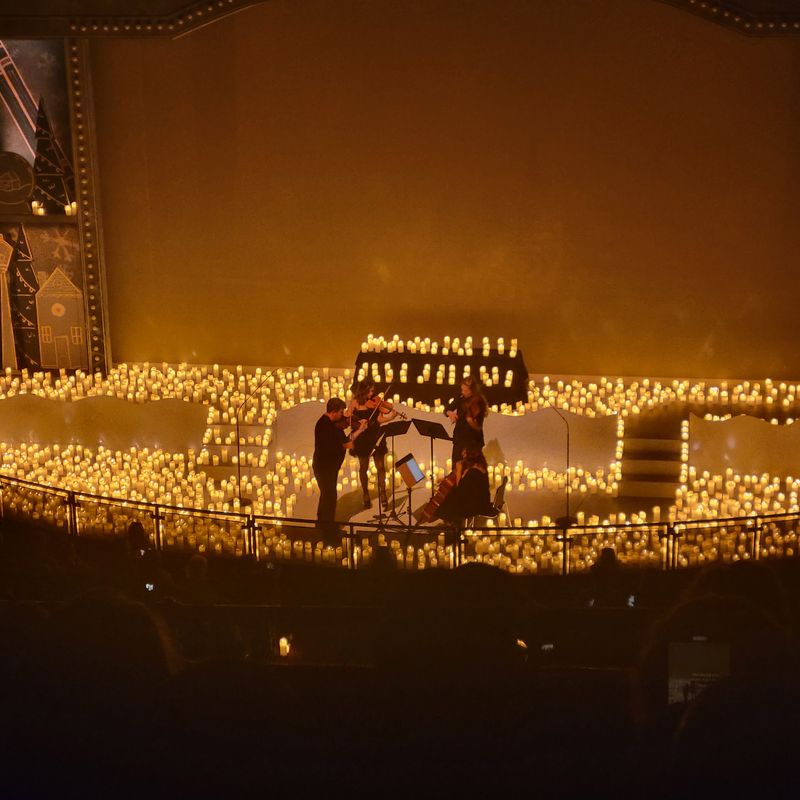
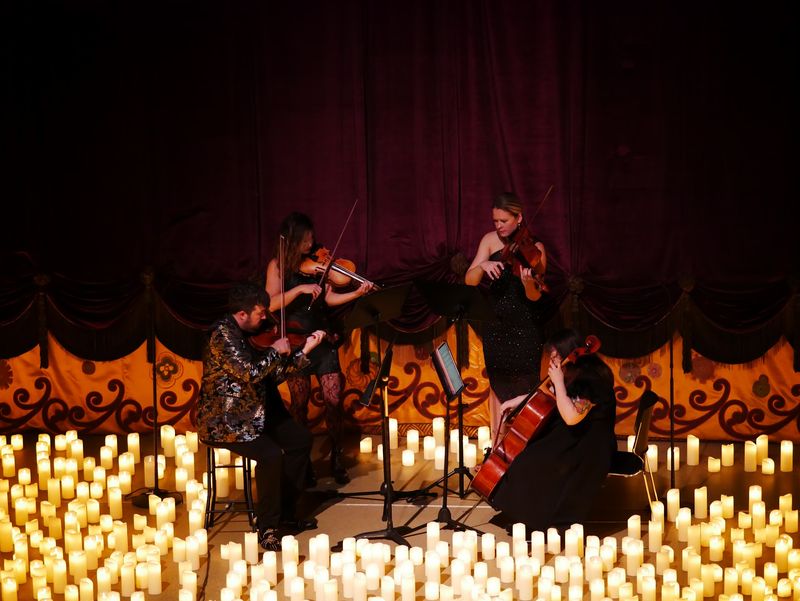
Hundreds of small flickering lights arranged across a stage, a string quartet in the middle of them, and an audience sitting close enough to hear bow on string. Candlelight concerts have become one of the most talked-about offerings at this address, appearing in fourteen separate review mentions.
The format runs intimate rather than grand. One attendee returning for a second concert noted the smaller theater space created a more personal feel, and the Fountain City Quartet delivered both playing and entertainment value.
Programs tend to run under two hours, a length that suits an evening out without turning into a commitment. Adults, grandparents, and older kids all fit comfortably in the same row.
Sets are decorated for the occasion, adding to the effect of a room already built for drama. Combining candlelight with 1920s gilt and chandeliers produces something no purpose-built modern concert hall can copy.
Concert dates rotate throughout the year, so checking the current schedule matters more than assuming one is always running.
It’s a different kind of evening from a family matinee, and that’s the point.
Big Musicals Built for Small Audiences
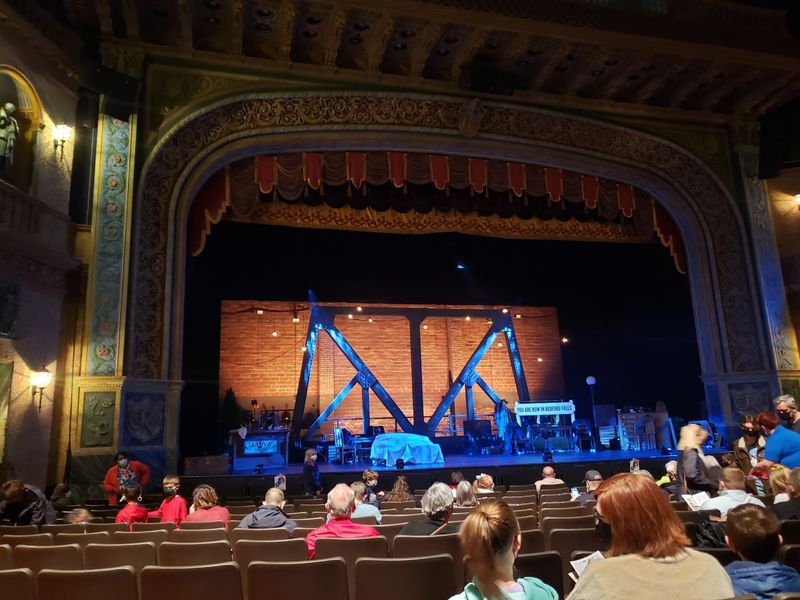
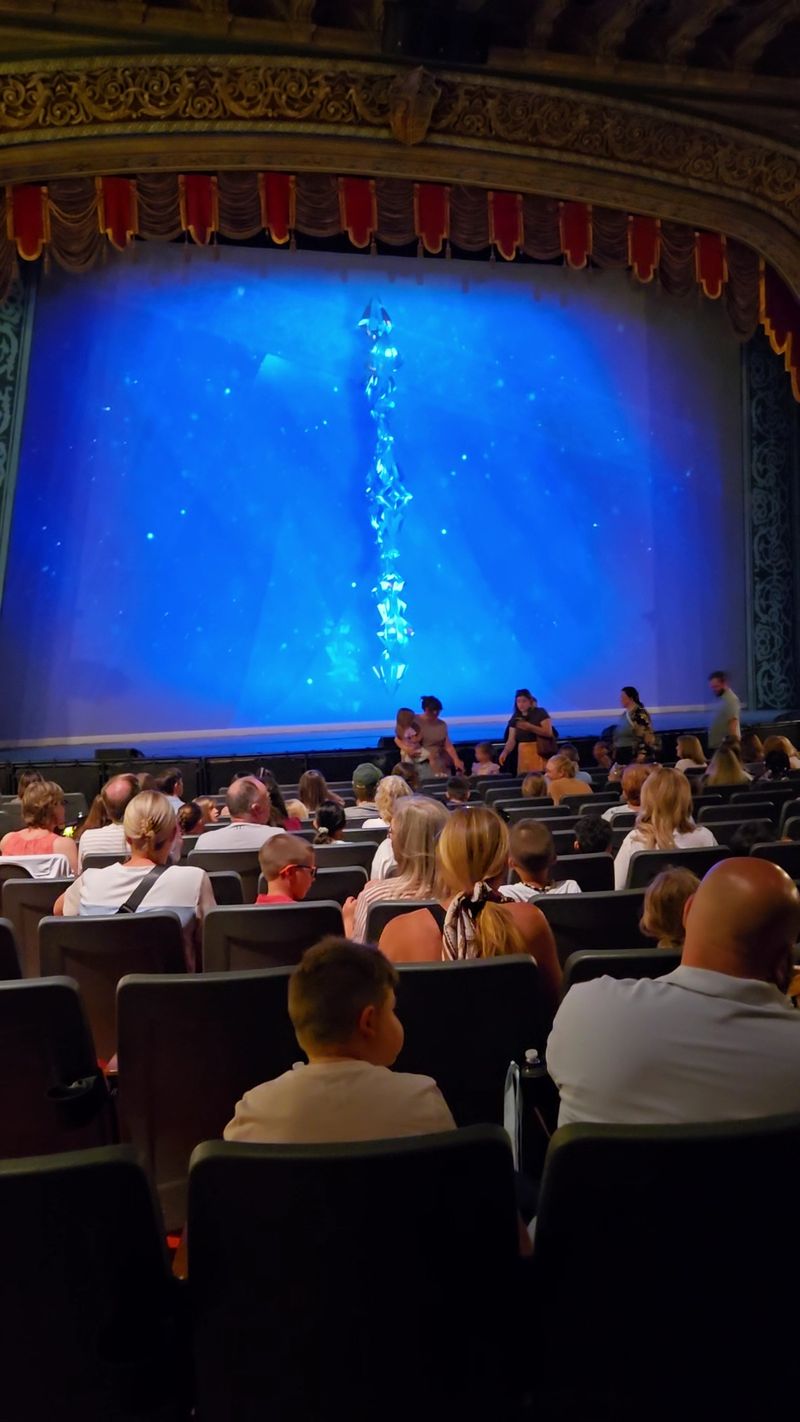
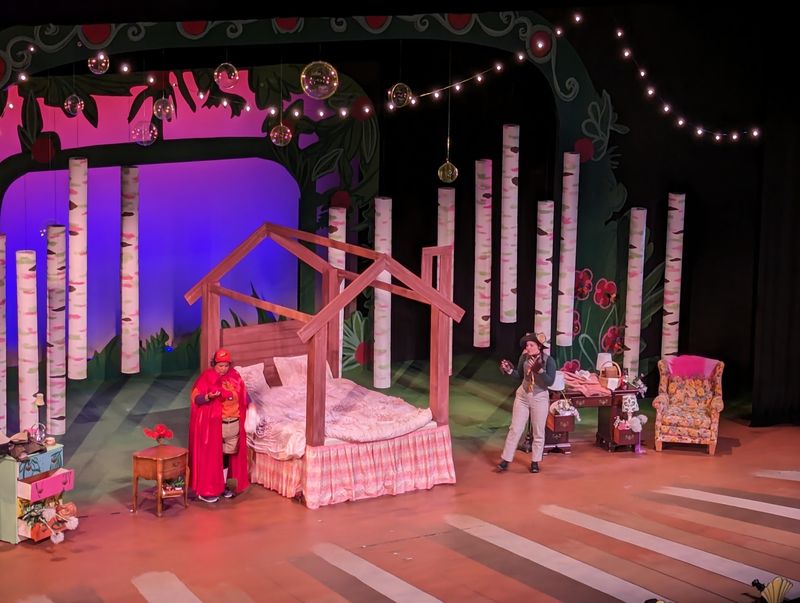
Frozen came through and arrived with everything: costumes, a pit orchestra, full lighting design, and a cast that handled the material without talking down to anyone. Productions here aim high rather than settling for simplified staging.
Goosebumps: The Musical, Phantom of the Auditorium, and Descendants have all filled the stage in recent seasons. The Sound of Music turns up in review mentions five separate times, which hints at how strongly certain titles land with Omaha families.
Live orchestration is not a given in children’s theater, and having musicians in the pit changes the whole texture of a show. Costume and lighting work matches that ambition.
Run times stay manageable. One family raced in from a full day at the zoo and dinner, caught a one-hour show, and their three-year-old stayed engaged the whole way through.
Amazing cast comes up in reviews, as does the observation that the shows suit all ages rather than only the youngest ticket holders.
Bringing an adult who thinks children’s theater means cardboard sets is a reliable way to change their mind.
The Wiggle Space Downstairs
Not every three-year-old can sit through ninety minutes, and this theater planned for that reality. A designated wiggle space in the basement gives restless little ones somewhere to move without a family having to leave entirely.
Small accommodation, big difference. Parents who have ever hauled a squirming toddler up a dark aisle understand exactly what that room is worth.
Sensory accommodations also factor into productions, described in reviews as being handled at a high level. That means families with kids who process noise and light differently can still make an evening work.
Strollers get through the doors without drama. One family arrived a few minutes late pushing a stroller and met nothing but friendly help, which tells you how the staff approaches the inevitable chaos of family audiences.
Kid friendly shows up in four review mentions, and it clearly refers to more than the show content itself. The whole building operates on the assumption that young children behave like young children.
Practical thinking like this is rarer than it should be in historic venues.
Classes, Workshops and the Brigade Program
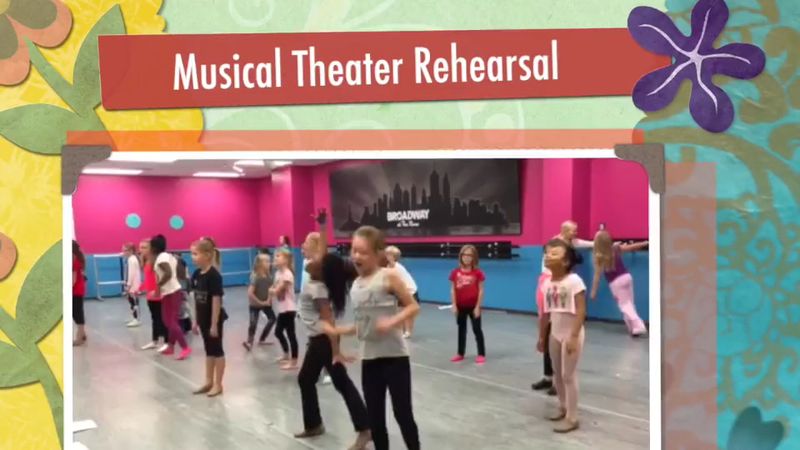
Stage time is only half of what happens in this building. Classes, workshops, and the Brigade program run alongside the performance calendar, bringing kids in as participants rather than spectators.
Instruction focuses on more than technique. The programs push young people toward confidence and collaboration, treating character development as part of the curriculum instead of an afterthought.
Grown adults in Omaha remember taking classes here as children and still speak well of the experience years later. Continuity like that is unusual for arts programming, which often depends on whoever happens to be running it that season.
Some families end up on both sides of the footlights, watching shows one month and having a child cast in a production the next. Membership options exist for households that attend regularly.
Dedicated staff turns up twice in review mentions, and kind staff appears seven times, which lines up with what you’d expect from a place teaching children.
Enrollment details change by session, so contacting the theater directly is the way to sort out what fits a particular kid.
Acoustics Worth Sitting Still For
Sound in a 1920s hall depends entirely on how the room was shaped, and this one was shaped well. Voices from the stage carry to the back rows without electronic assistance doing all the work.
Impressive acoustics is how one review put it, and that assessment came alongside praise for the venue’s upkeep and seating layout. String quartets benefit especially, since a candlelight concert lives or perishes on room tone.
Pit orchestras get the same advantage during musicals. Instruments and singers stay balanced rather than competing.
Older theaters sometimes trade sound quality for visual grandeur, ending up gorgeous and muddy. Here the two work together.
Seat choice matters less than it does in some venues because coverage stays consistent through the house. Families sitting toward the rear still catch dialogue clearly, which counts when the audience includes six-year-olds who will ask what just happened.
Rows have generous spacing, so latecomers can slip in without climbing over knees.
Pay attention during the quiet moments of a show. That’s when a well-built room announces itself.
Meet the Cast After the Curtain
Curtain call isn’t always the end. Question-and-answer sessions after certain performances let kids ask the cast whatever comes to mind, and meet-and-greet opportunities put performers in the lobby afterward.
Small moments like that convert a show into a memory. A three-year-old who loved a one-hour production immediately wanted to meet the performers, which is exactly the instinct these sessions serve.
Families who attend often list the Q and A and the meet-and-greet among their favorite parts of the experience. Seeing a costumed character turn back into a friendly person tends to fascinate rather than disappoint.
Staff handle these transitions smoothly. One evening, workers let a family wait indoors past closing and checked on them once they went outside, which suggests the after-show attentiveness extends beyond the scripted portion.
Not every performance includes a talkback, so checking the schedule ahead of time helps if that’s the draw.
For kids who catch the theater bug, standing three feet from someone who just sang a lead role is the spark that starts it.
Programming That Sparks Nebraska Debate
Not every production lands the same way with every family, and the theater has been open about that. A recent reimagining of the Chinese zodiac folktale, The Great Race, paired the traditional story with a contemporary narrative from a local playwright and drew sharply divided responses.
Some families arrived expecting a straightforward retelling and found something different. Others praised the theater for taking a stand on inclusivity.
Management responded to feedback directly rather than letting it sit. Their replies point to audience advisories published in the show guide, on each production’s webpage, and in a social narrative, all intended to outline themes ahead of time.
The practical takeaway for anyone planning a trip is simple: read the show materials before buying tickets. Advisories exist specifically so families can pick the productions that suit them.
Original and reinterpreted works sit alongside familiar Disney titles on the calendar, so the season offers range.
Knowing what a given show is actually about beats assuming, especially when a long drive and a carful of kids are involved.
Getting There Through Downtown Construction

Road work has been complicating trips to Farnam Street. Omaha’s downtown construction has made getting in and out of the area slow, and the theater has acknowledged the frustration while noting the streets aren’t theirs to fix.
Padding your travel time is the fix. What used to be a quick drop-off can stretch considerably depending on which blocks are closed that week.
Checking current detours before leaving home saves stress, particularly for families coming in from Sarpy, Washington, or Douglas County suburbs with a curtain time to hit. Parking downtown works best when you scout an option in advance rather than circling.
Arriving early has a second benefit beyond avoiding the rush, since the lobby rewards a few unhurried minutes.
The location itself sits within easy reach of the Old Market and downtown restaurants, making a show one part of a larger afternoon or evening.
One family paired a zoo day and dinner with a matinee and still made it, so the logistics are manageable with a little planning.
Leave earlier than feels necessary.
Tickets, Memberships and Planning Ahead
Season calendars drive everything here, so the first stop is the theater’s current schedule. Show titles, run dates, and audience advisories all live there.
Membership is one option for households planning multiple visits, and families who attend regularly consider it money well spent. Regular single tickets remain available for anyone testing the waters with one show.
Donated tickets sometimes circulate through nonprofit fundraisers, though redemption windows have been limited in the past. The theater has responded to concerns about those restrictions and invited affected recipients to reach out directly to sort things out.
Booking early makes sense for popular titles. Big-name musicals fill seats fast, and candlelight concerts run in a smaller space with limited capacity.
Run times vary by production. Family shows can be as short as an hour, while concert programs have run just under two hours, a length that suits mixed-age groups.
Calling the box office at 402-345-4849 handles questions about accessibility, sensory-friendly performances, or group seating.
Sorting these details in advance turns a downtown trip into something relaxed rather than rushed.
Who Fits Best in These Seats
Three generations in one row is a common sight here, and the programming supports it. One group brought adult children plus grandparents to a quartet performance and everybody found something to enjoy.
Families with preschoolers get the wiggle space, short run times, and staff who don’t flinch at a late stroller arrival. Elementary and middle school kids get musicals with real production values behind them.
Teenagers interested in performing have classes and the Brigade program to grow into. Adults without kids in tow have candlelight concerts, which run on an entirely different register.
Anyone who likes old buildings will find the ceiling and chandeliers reason enough to buy a ticket regardless of what’s playing.
Retirees looking for an affordable afternoon downtown fit comfortably, especially for matinees when driving home in daylight is possible.
Families particular about content should read production advisories first, since the season mixes familiar titles with newer, reinterpreted work.
Anyone hoping for a quiet, adults-only evening should aim for a concert date rather than a family matinee.
The Verdict on Omaha’s Rose
Ninety-plus years into its run, this Farnam Street building still does the job it was built for, filling seats and dimming the lights. The 4.8-star average across 831 reviews reflects a venue that has held onto quality while adapting its purpose.
The combination is unusual. Few places can stage a Disney musical with a live pit orchestra one weekend and host a string quartet by candlelight the next, all under the same gilded ceiling.
Downtown construction is a real inconvenience, and programming choices have generated genuine disagreement among Omaha families. Both are manageable with a schedule check and a bit of reading before you buy.
What’s harder to replicate is the room itself, the acoustics, and staff who handle young audiences with patience.
For Nebraskans within a couple hours of Omaha, a matinee here pairs easily with the zoo, the Old Market, or a walk along the riverfront.
Bring a kid, bring a grandparent, or bring nobody at all and sit through a concert. The building holds up either way.