This Hidden California Lake Locals Don’t Want Tourists To Discover
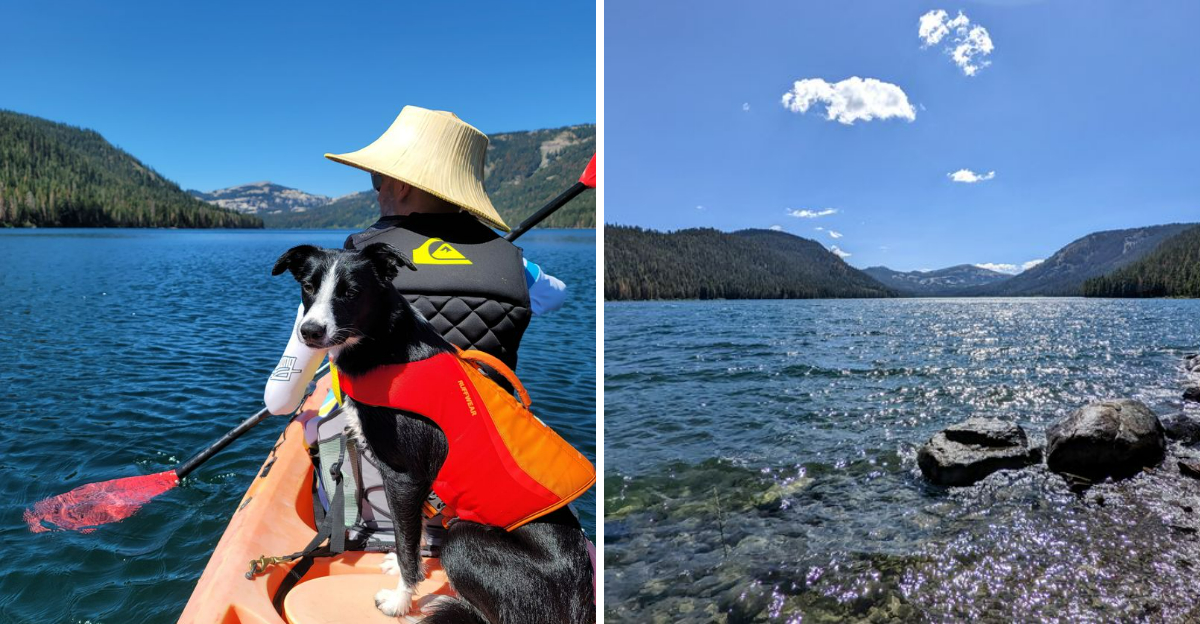
California has plenty of famous lakes that draw crowds every summer, but there’s one place that stays calm and quiet.
I always felt like this lake hides something special, and maybe that’s why it never turned into a tourist magnet. Independence Lake sits high in the Sierra Nevada mountains, with clear waters and scenery that feels untouched by time.
The first time I came here, I was struck by how peaceful everything felt, almost like stepping back in history. Trails wind through the surrounding forests, and the reflections on the water make you pause and take it all in.
Have you ever found a spot that feels like it’s been waiting for you? Locals love this lake for that reason, and many keep the story of this hidden corner to themselves.
If you want to escape the summer crowds and experience nature at its most serene, Independence Lake might just be the perfect place to visit.
1. Crystal-Clear Waters Rival Lake Tahoe
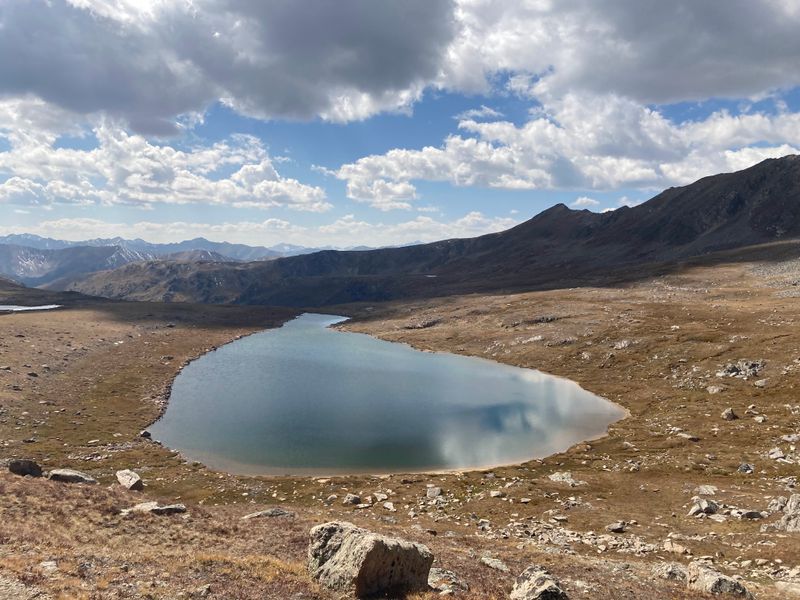
Imagine looking down into water so clear you can see fish swimming 30 feet below the surface.
That’s exactly what you’ll find at this pristine mountain lake.
The water clarity here matches Lake Tahoe’s famous transparency, making it one of California’s cleanest natural bodies of water.
Scientists measure the purity regularly to protect the delicate ecosystem.
Cold temperatures and limited human activity keep the water in near-perfect condition year after year.
You won’t find this kind of clarity at most popular swimming spots anymore.
The glacial origins contribute to the exceptional quality that makes locals protective of their secret paradise.
2. Rare Lahontan Cutthroat Trout Live Here
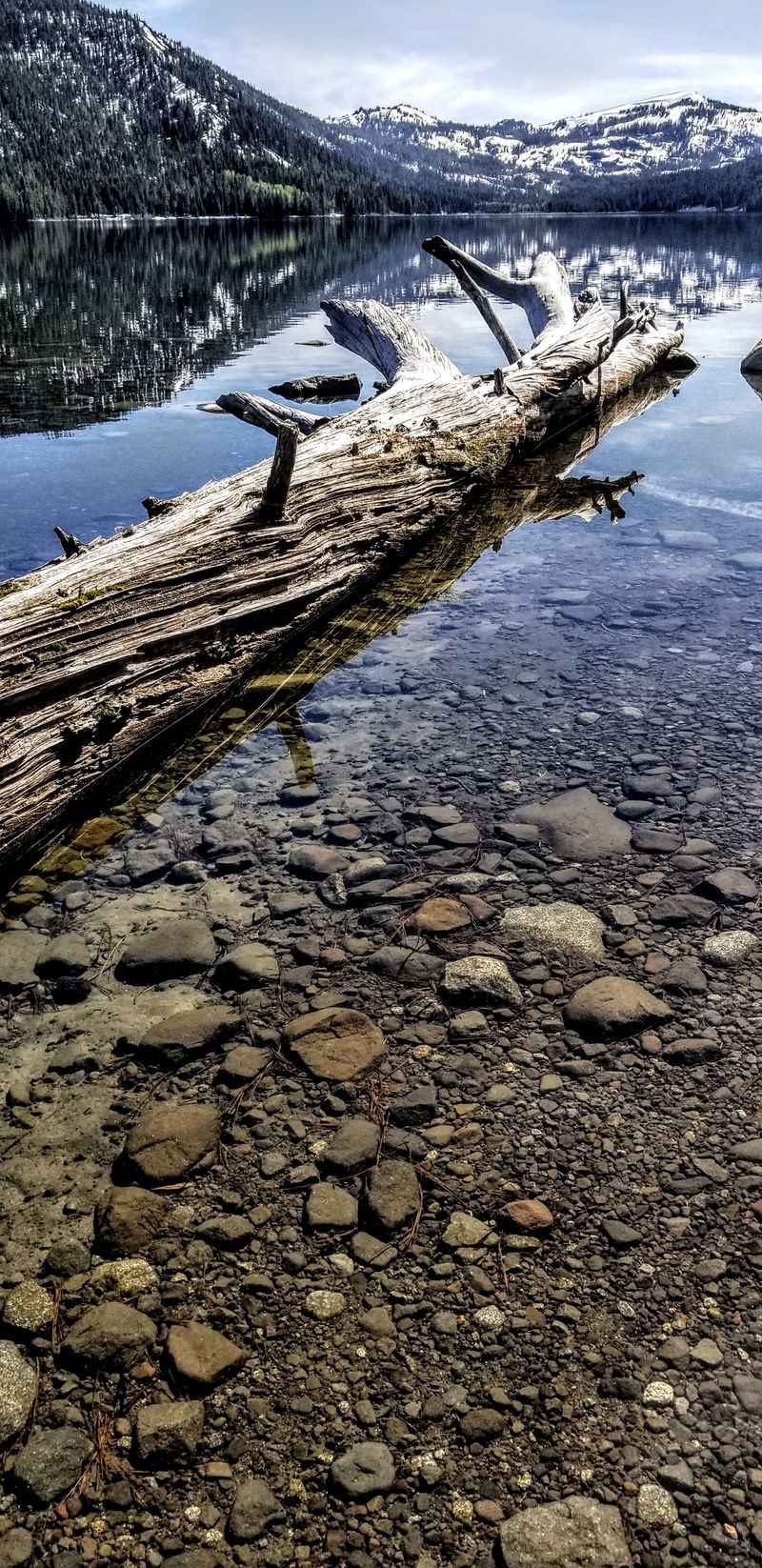
A fish that once faced extinction now thrives in these protected waters.
The Lahontan cutthroat trout represents one of the last genetically pure populations left in California.
These beautiful fish display distinctive red-orange markings along their jaws and can grow surprisingly large in the deep, cold lake.
Conservation efforts have focused on keeping this population healthy and free from non-native species.
The strict rules about outside boats help prevent invasive species from entering the ecosystem.
Anglers who secure permits have a chance to catch these historic fish.
Seeing them swim in their natural habitat feels like witnessing a piece of California’s wild past.
3. Limited Access Keeps Crowds Away
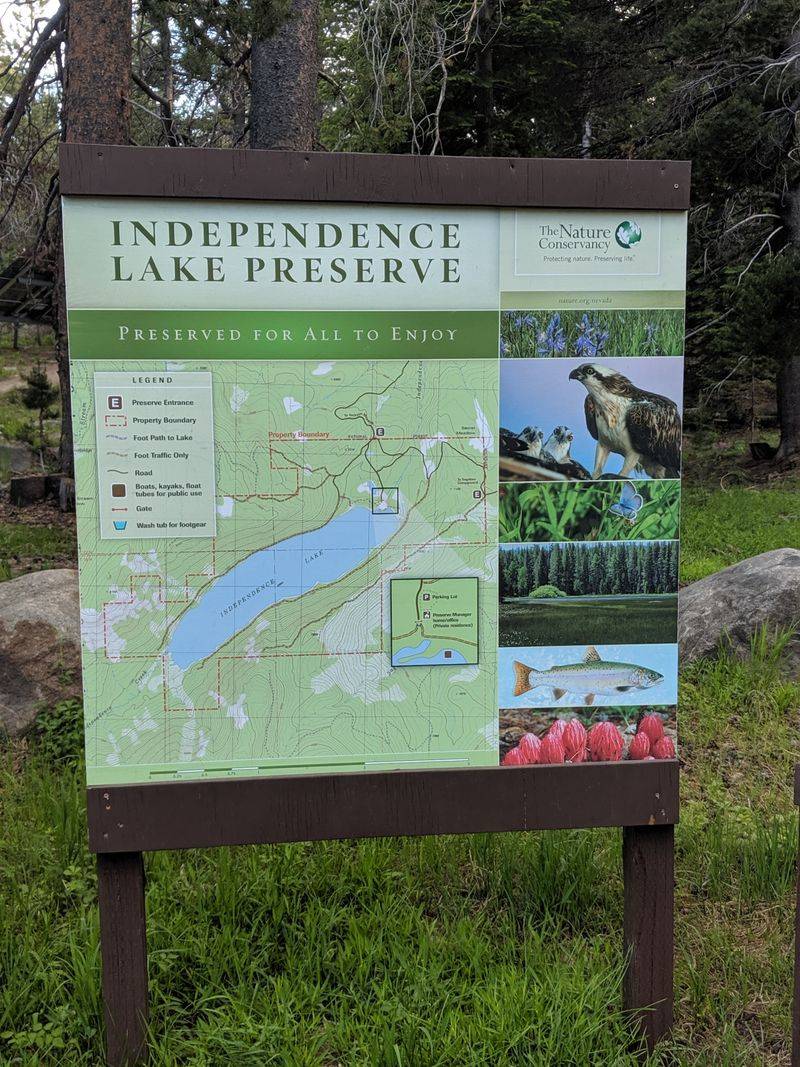
Getting to this lake requires more planning than just hopping in your car.
The Nature Conservancy manages access through a permit system that limits daily visitors.
You’ll need to apply for walk-in day use permits ahead of time, and the road isn’t maintained during winter and spring months.
Heavy snowfall makes the area impassable for much of the year.
Summer months offer the best access when snow finally melts from the mountain roads.
This controlled access might seem inconvenient at first.
However, it’s exactly what keeps the lake in such pristine condition while other California destinations suffer from overcrowding and environmental damage.
4. Free Kayaks and Boats Available On-Site
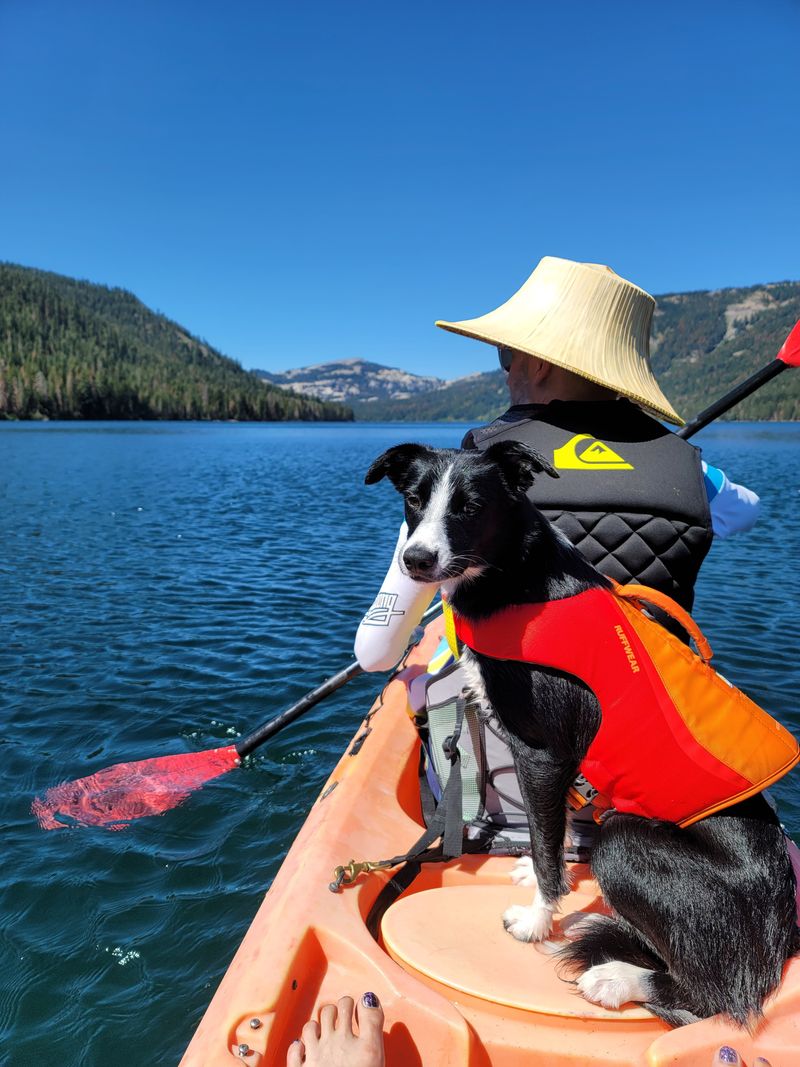
Here’s the catch that surprises most visitors who make the journey.
You can’t bring your own watercraft, but free kayaks and pontoon float tubes wait for you at the lake.
Small motorboats are also available, though only during alternating weeks throughout summer.
The no-outside-boats rule protects against invasive species like quagga mussels that have devastated other California lakes.
Everything provided on-site stays clean and safe for the delicate ecosystem.
I love this system because it removes the hassle of transporting your own gear.
Everyone gets equal access to explore the 700-acre lake without expensive equipment or roof racks.
5. Eagles and Ospreys Nest Around the Shore
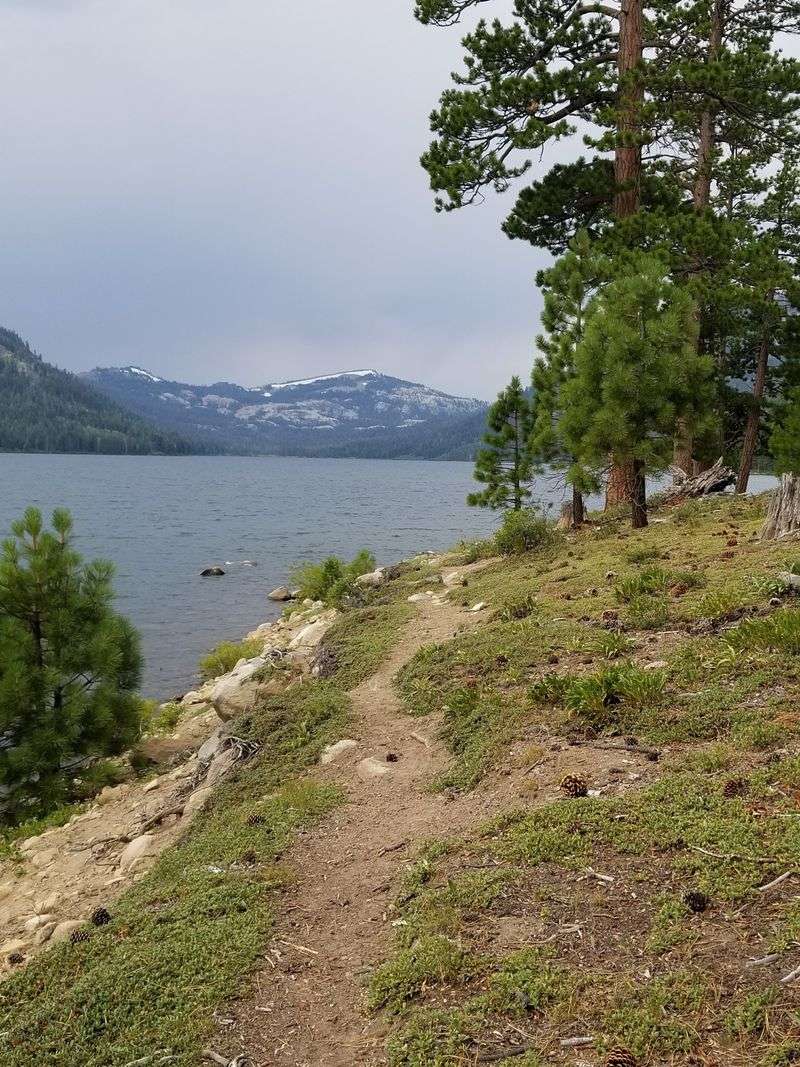
Bring your binoculars because the bird watching here is absolutely incredible.
Bald eagles, ospreys, and great blue herons call the surrounding preserve home during different seasons.
Watching an osprey dive from the sky to snatch a trout from the crystal waters is something you’ll never forget.
The 2,325-acre preserve provides protected habitat that’s becoming increasingly rare in California.
Early morning hours offer the best chances to spot these magnificent birds hunting or tending their nests.
Wildlife photographers travel from all over hoping to capture these moments.
The combination of pristine wilderness and rare species makes every visit feel like a wildlife documentary come to life.
6. High Elevation Means Cooler Summer Temperatures
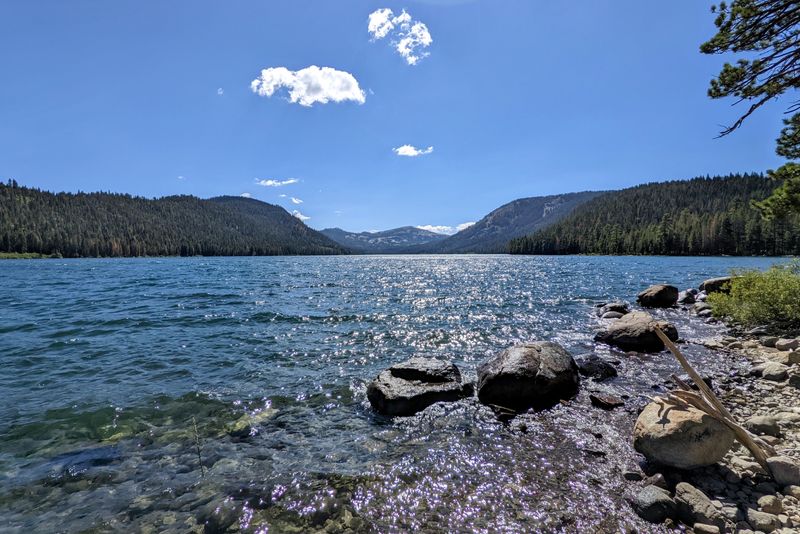
When valley temperatures soar past 100 degrees, this mountain retreat stays refreshingly cool.
Sitting at 6,949 feet elevation, the lake offers natural air conditioning during California’s brutal summer months.
You’ll want to pack layers because mornings can be quite chilly even in July and August.
The elevation also means the water stays cold year-round, reaching depths of 145 feet in some spots.
Swimming feels invigorating rather than just cooling off.
Locals escape here when lowland areas become unbearable.
The mountain environment provides relief without the crowds you’d find at more accessible destinations, making it worth the extra effort to reach this elevated paradise.
7. Part of Little Truckee River Watershed
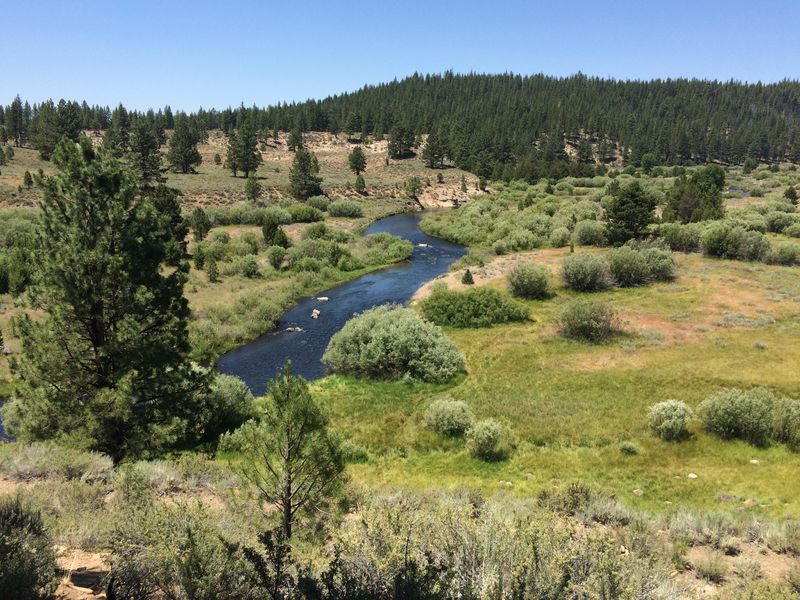
This lake plays a crucial role in one of California’s most important water systems.
As part of the Little Truckee River watershed, the lake contributes to a network that eventually flows into the Truckee River.
The entire watershed supports communities, agriculture, and wildlife throughout the region.
Understanding this connection helps explain why preservation matters so much here.
What happens at Independence Lake affects water quality and ecosystems far downstream.
Hiking trails around the preserve let you explore the broader watershed landscape.
You’ll see how mountain streams feed into the lake and begin their long journey toward Nevada, connecting California’s high country to distant communities below.