This Hidden Idaho Lake Has Caribbean-Blue Water And You Can Only Reach It On Foot
Some diamonds come in little velvet boxes.
This one makes you hike uphill for it.
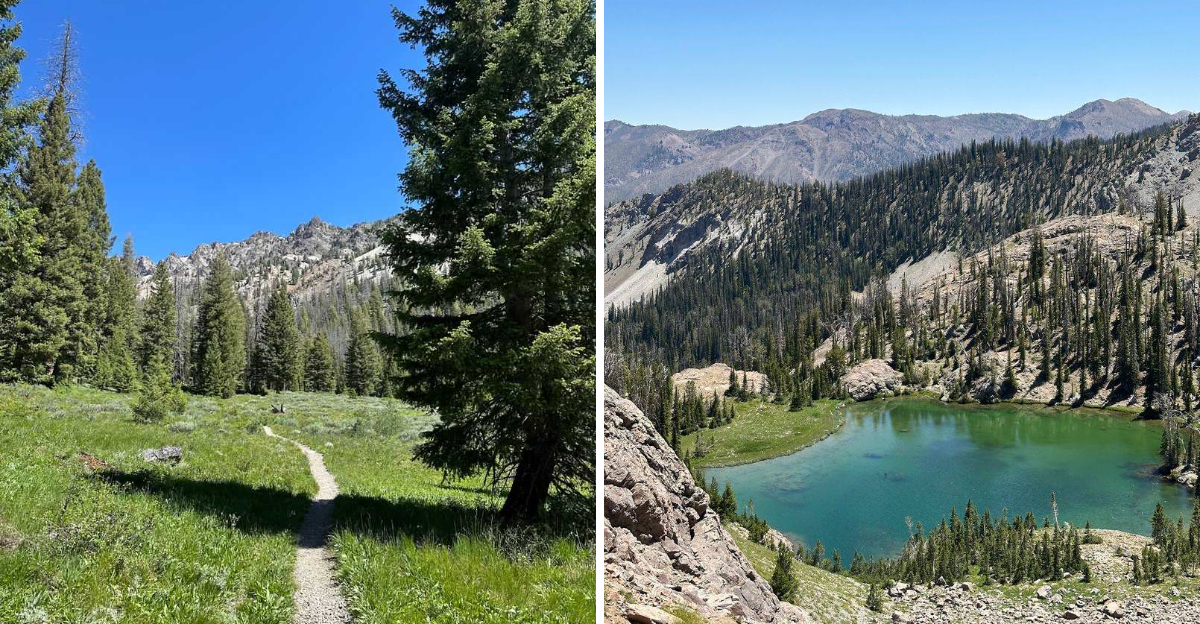
Hidden high in Idaho’s mountains, a pair of alpine lakes waits beyond a roughly 2.1-mile climb. There are no shortcuts to the reveal, which honestly makes that first flash of blue feel even better.
For much of the walk, the trail keeps its secret.
Then the trees begin to open and the water finally appears, bright enough to make the whole climb feel suspiciously cheap for the payoff.
That is when the “hidden diamond” comparison starts making sense.
The lakes sit beneath rocky ridges with a wildness that feels far removed from the roads below. Even better, reaching them requires just enough effort to keep the experience from feeling handed to you.
No jewelry store could compete with that reveal. You arrive sweaty.
You leave understanding why some treasures are better without a price tag.
Follow A Mountain Trail To Water So Blue It Barely Looks Real
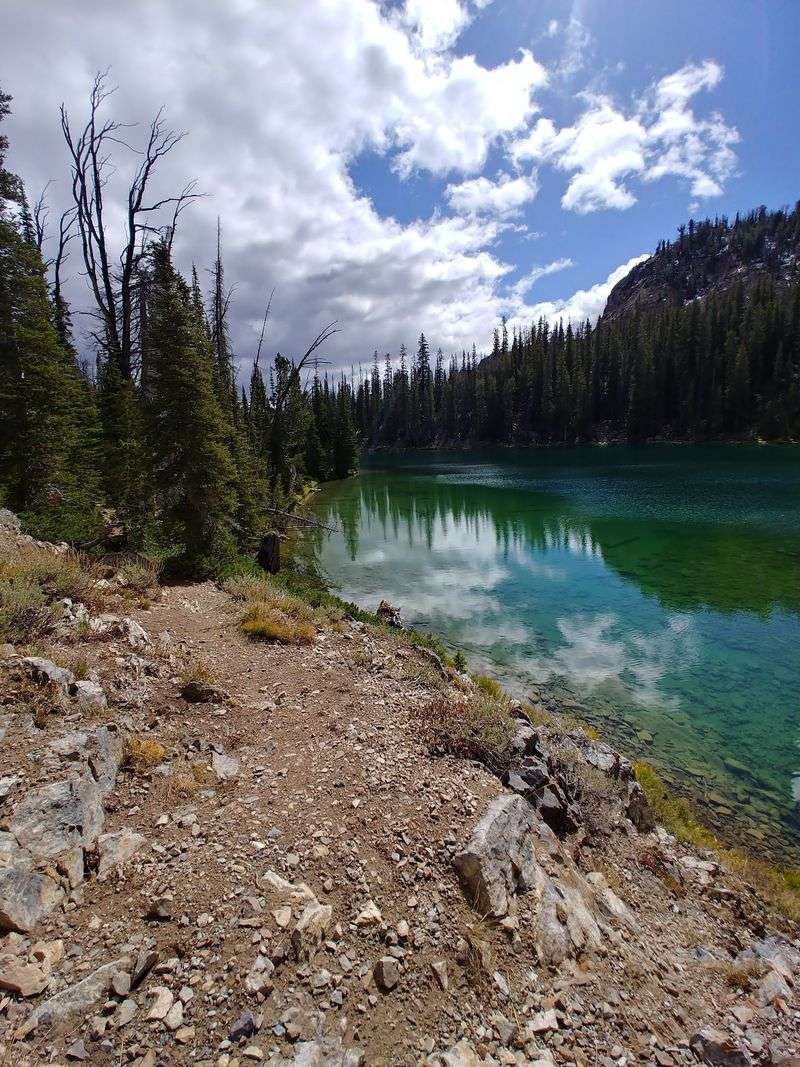
Some hikes make you work for a payoff, and the walk up to Norton Lakes belongs firmly in that group. The route runs roughly 5.1 miles roundtrip and climbs about 1,500 feet, which sounds steep on paper but unfolds at a steady, manageable pace.
Pine sap warms in the sun along the lower stretches, and light drops through the branches in shifting patches. Boots crunch over needles and loose dirt while the creek murmurs somewhere below the tread.
Roughly 2.1 miles of climbing separates the trailhead from the lower lake, so most hikers reach water within an hour and a half. Trekking poles help on the steeper switchbacks, especially early in the season when snowmelt leaves the ground soft.
Wildflowers crowd the edges of the path in July, adding purple and yellow to the ascent.
Then the trees thin, the grade eases, and the first flash of blue appears through the branches. It looks almost painted, a color that seems borrowed from somewhere far warmer than these mountains.
Early starts beat the afternoon heat.
Earn The View Since You Can Only Reach These Lakes On Foot
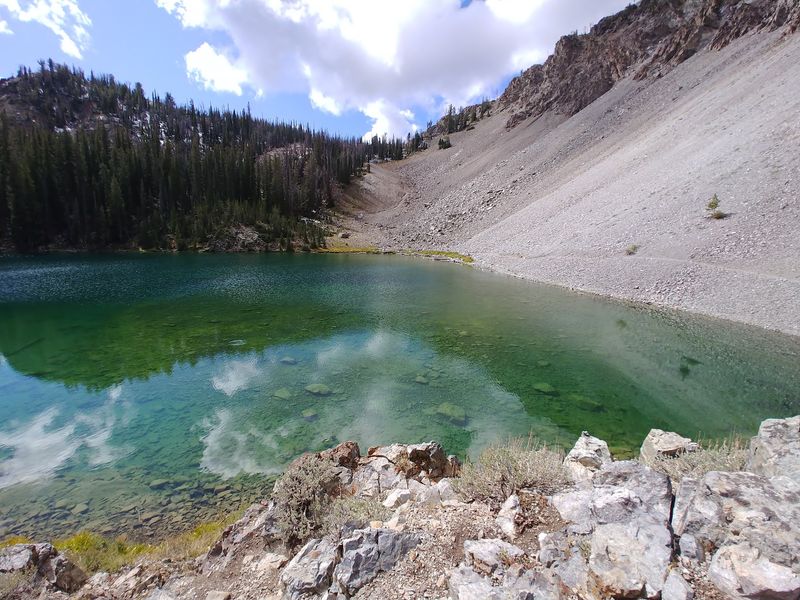
No road reaches the shoreline, and no shuttle drops you at the water. Getting there starts at the Norton Lakes Trailhead off Norton Creek Road, reached by driving north on Highway 75 from Ketchum, turning left onto Baker Creek Road, then right toward the trailhead.
The dirt approach road is passable for most vehicles in summer, though higher clearance makes the washboard sections friendlier. Parking is limited, so arriving before mid-morning usually secures a spot.
Cell service fades quickly, so download maps before leaving town.
From there the walking begins. About 2.1 miles of consistent uphill leads to the lower lake, with a grade that rarely lets up but never turns brutal.
Sturdy shoes matter more than fancy gear, and a full water bottle earns its weight fast.
That effort filters the crowds in a way pavement never could. Families with older kids manage the climb with snack breaks, and the quiet at the top feels like something traded for sweat rather than handed over.
Watch The Scenery Shift From Forest To Open Alpine Country
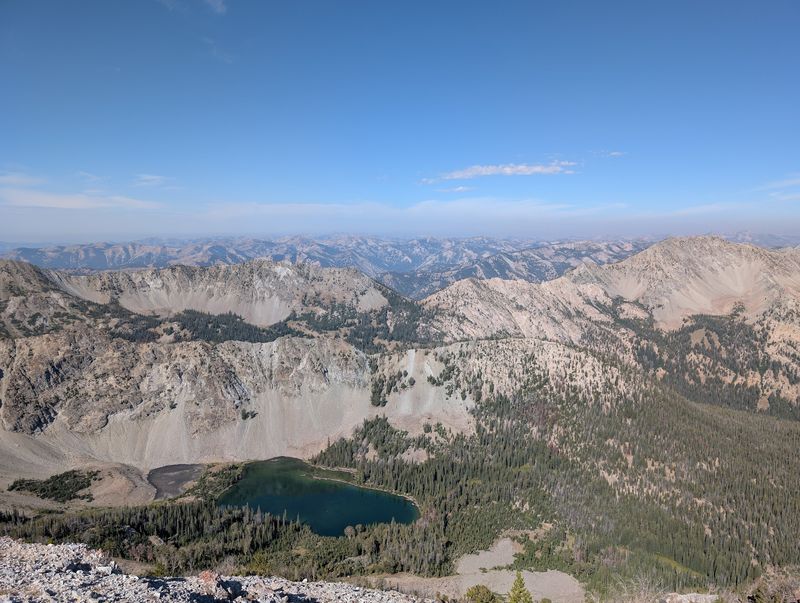
Three distinct worlds unfold on the way up, and each one arrives without much warning. Early on, lodgepole and fir press close, keeping the air cool and the light dim even at midday.
Sound changes too, from steady birdsong to open silence.
Higher up, the canopy loosens into slopes where mid-summer wildflowers spread across the hillsides in lupine purple and paintbrush red. Grasshoppers snap out of the grass as boots pass, and the creek noise fades behind you.
Snowmelt keeps the ground damp into July, so expect a few muddy steps.
The final stretch trades green for gray. Talus fields spill down from craggy ridges, and Norton Peak stands over the basin like a wall at the end of a hallway.
Wind picks up here, and the temperature can drop several degrees in minutes.
Marmots whistle from sun-warmed boulders, and mountain goats occasionally pick their way across the rock above the water. Few trails in this corner of Idaho pack so much change into two miles.
Bring A Camera Because The Water Color Steals The Show
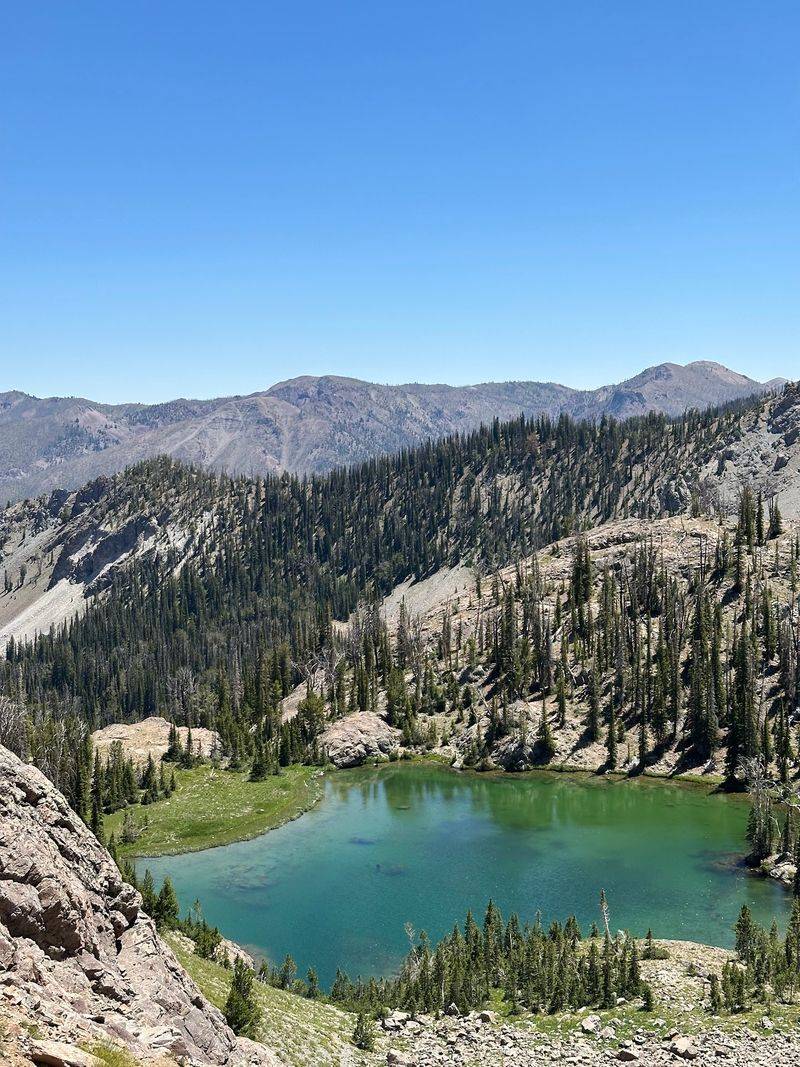
Cameras come out fast at the shoreline, and phone storage takes a hit. Depending on the hour and the angle of the light, the water reads turquoise, emerald, or a blue-green that seems to shift while you watch it.
Fine glacial silt and depth do the work, scattering sunlight into that saturated color. Shooting from a slight rise above the outlet captures water, talus, and sky in a single frame.
Midday sun brings out the brightest tones, while a polarizing filter cuts glare and reveals stones resting several feet below the surface. Morning stillness gives near-perfect reflections of the ridgeline.
Late shadows from the peak creep across the basin, so plan photos before the light leaves.
Photos rarely match what the eye sees. The color has an intensity that flattens on a screen, which is part of why the walk matters more than the picture.
Still, one frame with a hiker on the rocky shore gives the scene scale. Pack a lens cloth, since alpine dust settles on everything.
Take Your Time At The Shore Instead Of Rushing The Turnaround
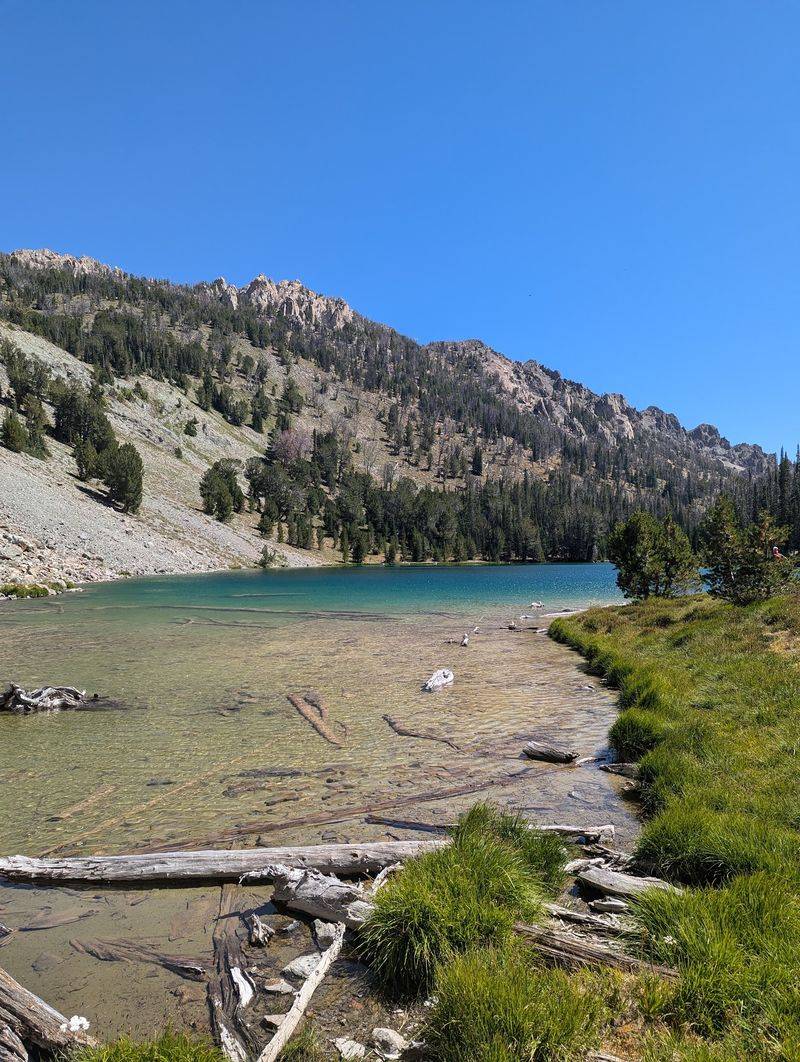
Turning around the moment you touch the shore would be a mistake. Nothing here rewards rushing.
Lower Norton Lake invites sitting still, boots off, feet on warm granite while the surface ripples in the breeze.
A short push of another quarter mile to half a mile leads to Upper Norton Lake, quieter and framed even more tightly by rock. The extra effort is modest, and the payoff is a shoreline where you might have the whole basin to yourself.
Cutthroat trout hold in the cold, clear water, rising in slow circles on calm evenings. Anglers with a valid state fishing license often find the upper lake worth the extra steps.
Careful handling keeps the fishery healthy for those who come next.
An hour spent here changes the whole trip. Listening to wind move through the whitebark pines, watching cloud shadows slide across the talus, and letting the climb settle out of your legs turns a hike into an actual break.
Carry a light layer, because the air cools fast once the sun drops behind the ridge.
Pack Lunch And Turn The Hike Into A Full High-Country Escape
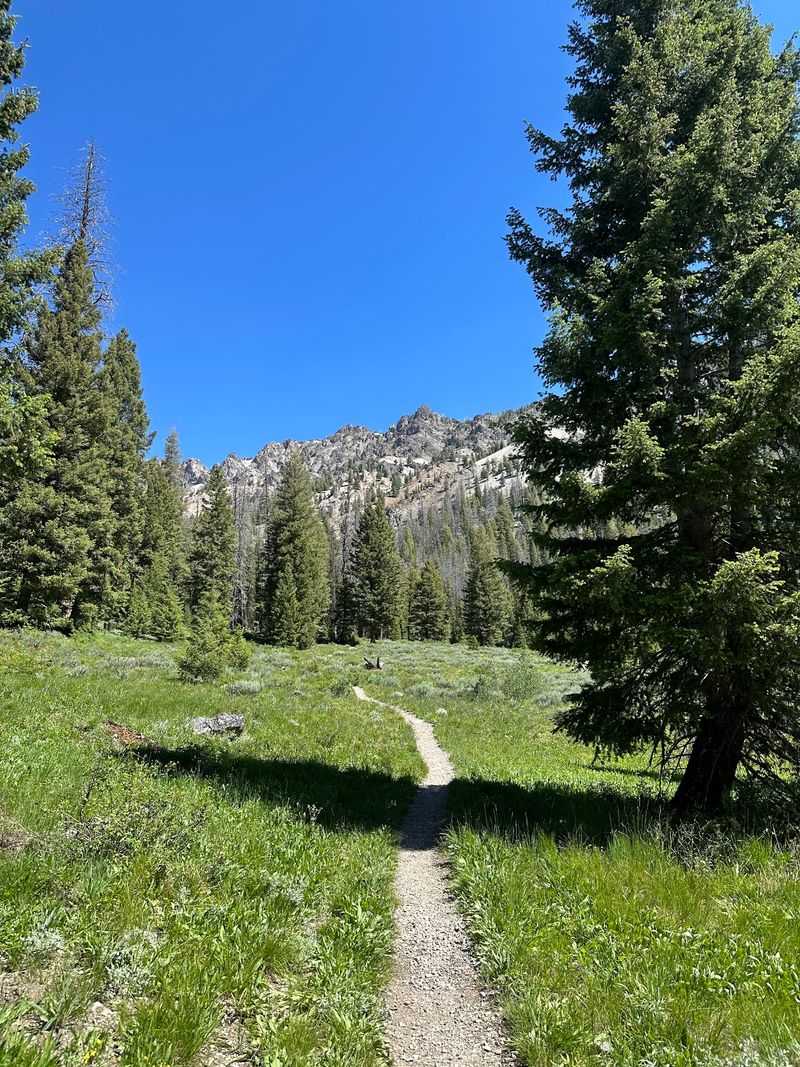
Lunch tastes different at high elevation, and even a squashed sandwich turns into a feast. Packing a real meal shifts the outing from a quick leg-stretcher into a full day in the mountains.
Sturdy items travel best. Hard cheese, crusty bread, apples, dried fruit, trail mix, and a thermos of soup all survive a backpack without turning to mush.
Several established campsites ring both the upper and lower lakes, and flat rocks nearby make natural tables. Spread a small blanket, let the food come out slowly, and the meal stretches into an hour without anyone noticing.
A water filter is useful too, since the inlet streams run clear and cold.
Toes dipped in the water last about ten seconds before the cold wins, which is half the fun. Bring a trash bag and carry out every crumb and wrapper, since these basins stay clean only because people take their litter home.
Insect repellent earns its place in the pack during July. Afternoon storms build quickly, so start down by early afternoon.
Pick A Clear Day When The Blue Water Looks Even Brighter
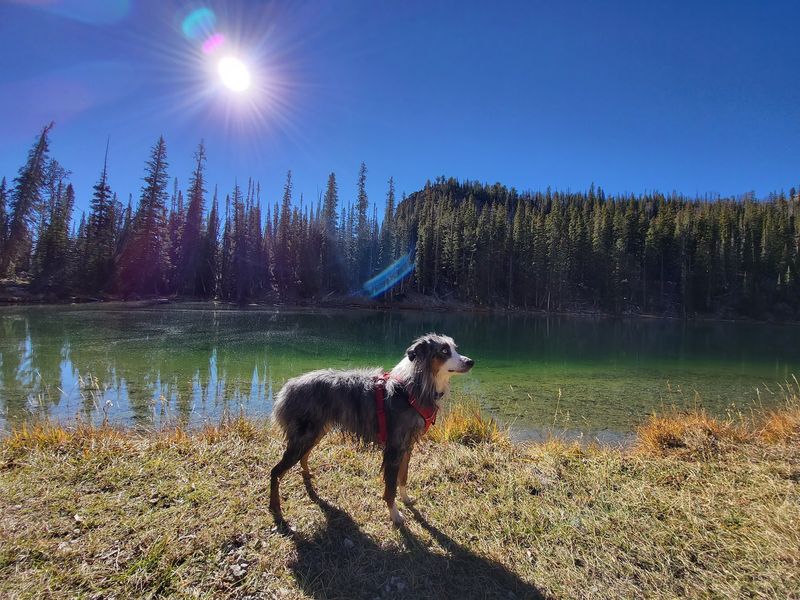
Weather makes or breaks the color. Under gray skies the lakes turn steel and flat, while a clear day lights the shallows into glowing bands of turquoise that darken toward the middle.
Mid-summer through early fall generally brings the most dependable conditions, with snow lingering on shaded slopes into June and returning by October. July and August offer warm afternoons and long daylight.
Wildflower displays usually peak in mid-July, adding color to the climb.
Checking a mountain forecast the night before pays off. Storms build over the Smoky Mountains quickly, and being above the trees during one is no fun at all.
Afternoons often turn breezy, which ruffles the surface and mutes reflections.
Sunlight hitting the basin between late morning and mid-afternoon shows the water at its most vivid, since the peak throws long shadows later in the day. Autumn adds gold to the meadows and quiet to the trail, though nights turn cold fast.
Few places in Idaho reward a blue-sky forecast so directly.
Head Back Down With One Of Idaho’s Best Lake Hikes Checked Off
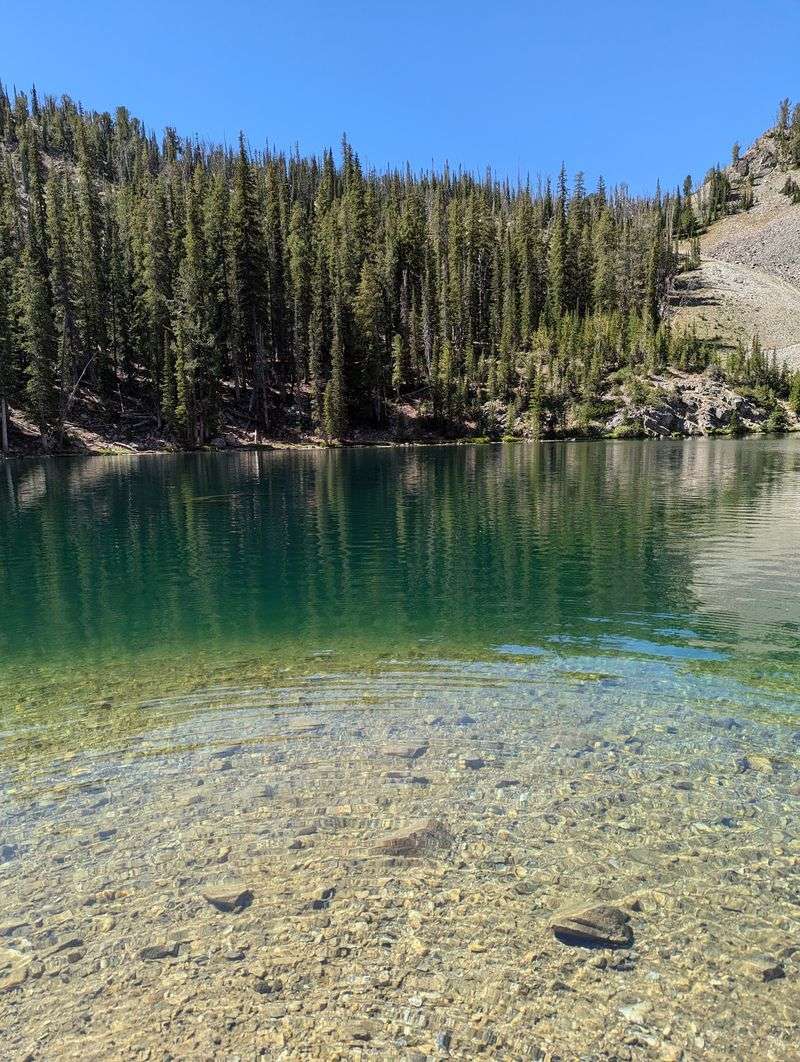
Downhill travel reveals things the climb hides. Ridgelines that stood behind you on the way up now fill the view ahead, and the meadows look wider without the effort of ascent blurring the edges.
Knees appreciate a slower pace on the loose sections, and poles help again here. Most hikers cover the return in under an hour.
A late-afternoon walk out often means softer light through the trees and cooler air on your neck.
Forest closes back in near the bottom, cool and shaded, with the creek getting louder as the trail drops. Dust settles on boots, water bottles run low, and the car appears sooner than expected.
What stays with you is the color. Long after the trail dust washes off, the memory of that impossible blue against gray talus keeps surfacing, and the 5.1-mile roundtrip starts to feel like a bargain for what it delivers.
Few alpine hikes near Ketchum pack this much reward into a half day. Stopping in town afterward for a hot meal rounds things out nicely.