This Hidden Kentucky College Offers Tuition-Free Education To Students From Appalachia
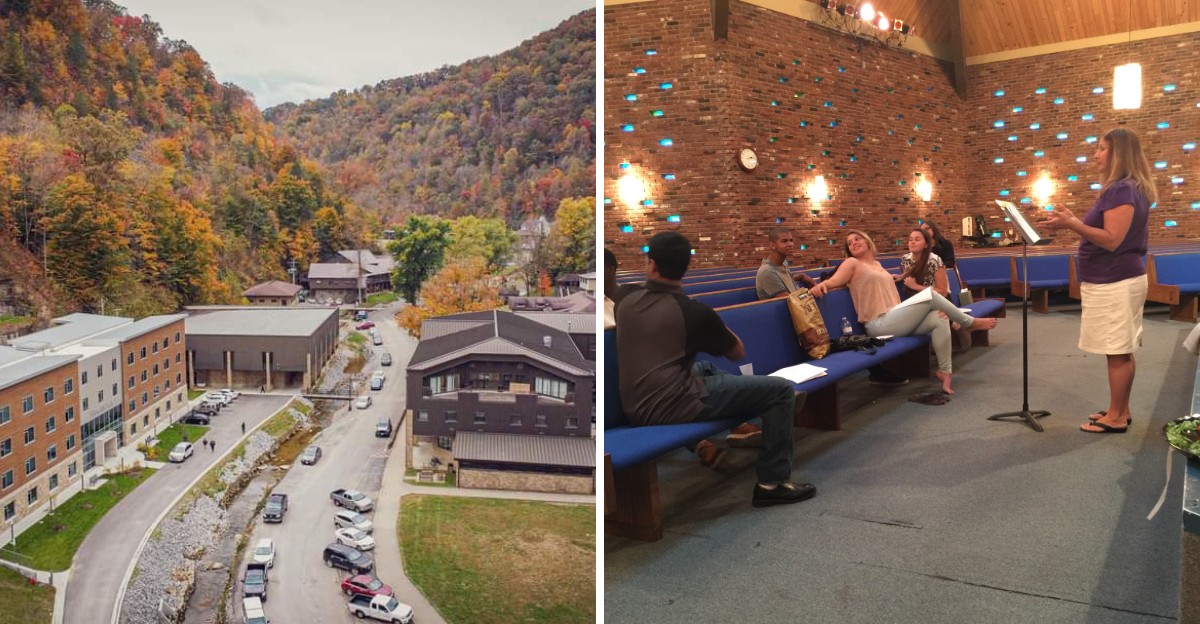
You have probably heard the phrase “there is no such thing as a free lunch.” That may be true, but tuition is another story. In the mountains of eastern Kentucky, one small college has been rewriting the money rules for generations.
If you grew up in its Central Appalachian service area, your tuition bill comes out to zero. You read that correctly.
It does not matter what your family earns. The college covers the cost through scholarships, grants, and a nationwide circle of donors.
There is one catch, and it is a good one. Every full-time student works for the college as part of the deal.
That means you graduate with real work experience and far less debt. The founder believed mountain kids were among the brightest anywhere.
She was onto something. So how does a place like this work?
Stick around, because the story behind it is even better.
A Price Tag That Reads Zero
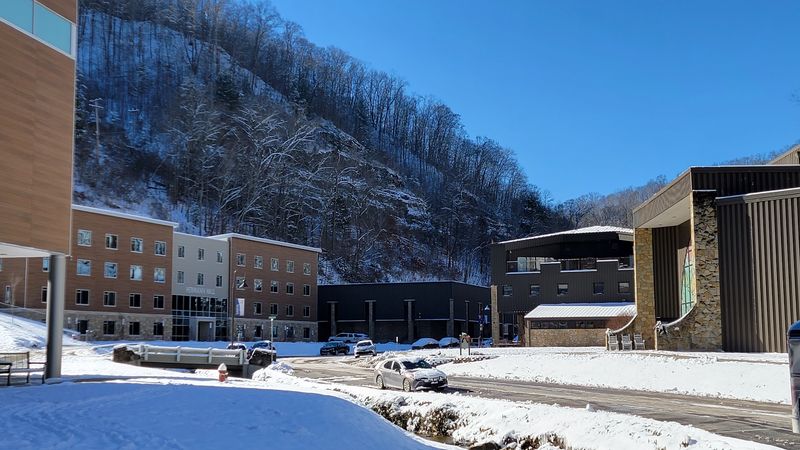
Free is a word that usually comes with fine print. At Alice Lloyd College, the promise is surprisingly simple, and it has helped thousands of mountain students.
The school guarantees tuition-free education to eligible students from its service area.
Tuition is covered through federal and state grants, privately funded scholarships, college grants, and the required Student Work Program.
Eligible students pay nothing out of pocket for tuition.
That changes the whole college conversation at the kitchen table. Instead of asking whether you can afford school, you can ask what you want to study.
Tuition is not the only cost of college, of course. Room, board, books, and fees can still show up on the list.
Even so, removing tuition takes a giant weight off your shoulders. Recent numbers show 38 percent of the class of 2023 graduated with no student loan debt.
That is a big deal in a country where loans often follow graduates for years. Many students leave with a diploma and a much lighter backpack of bills.
Want a smart first step? Talk with the financial aid office at 100 Purpose Rd, Pippa Passes, Kentucky, early and ask what your total costs might look like.
Knowing the full picture helps you plan without surprises. Free tuition is the headline, and good planning makes it shine even brighter.
Your Zip Code Is Your Golden Ticket
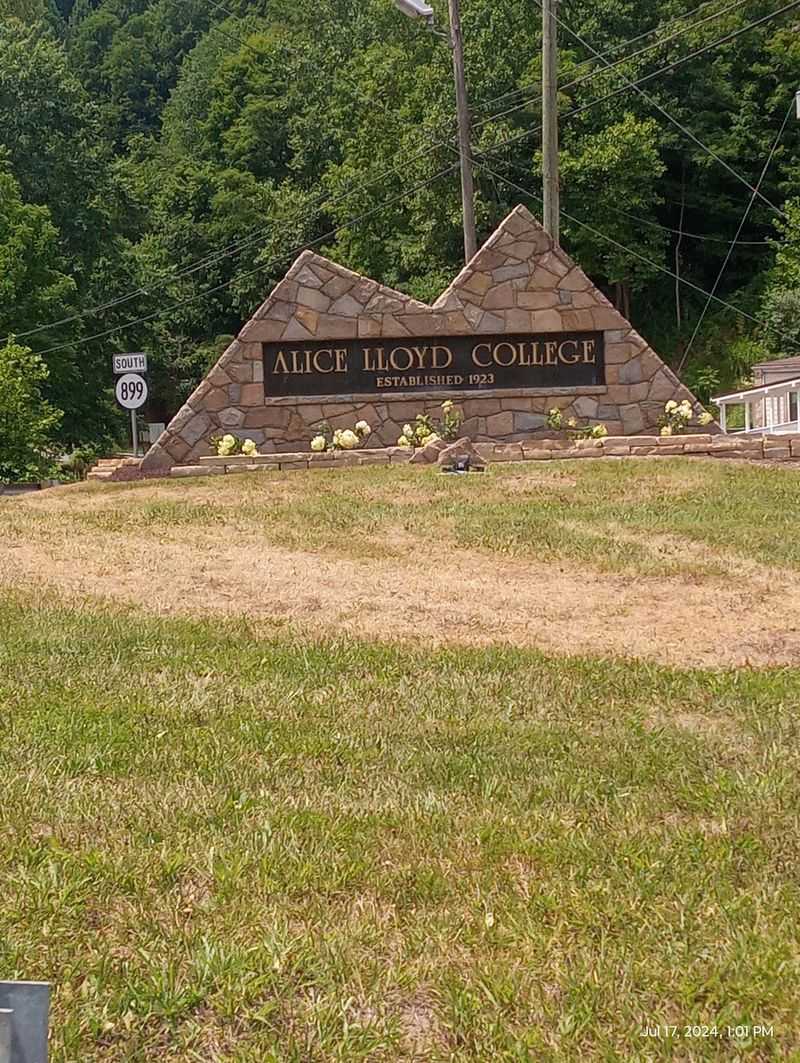
Some scholarships ask for essays about your dreams. This one starts by asking where you live.
Alice Lloyd College serves a region of 108 counties. They stretch across parts of Kentucky, Ohio, Tennessee, Virginia, and West Virginia.
If your home sits inside that area, you could qualify for the tuition guarantee. The college website lists the counties, so checking takes only a few minutes.
Grades matter too, but the bar is reachable. A minimum high school GPA of about 2.25 in academic subjects is typically required.
Some programs ask for more. The Appalachian Leaders College Scholarship has been listed with a 2.5 GPA and a 17 ACT composite.
You will need your high school transcripts for the application. SAT or ACT scores are considered, though they are not always required.
The Honors Program is the exception, since it does ask for test scores. Students aiming for that track should plan a test date early.
Admitted students carry an average GPA of around 3.55. Typical ACT scores land between 16 and 22, so you do not need perfect numbers.
Here is a helpful tip for juniors. Start a simple folder for transcripts, scores, and deadlines now, and senior year will feel calmer.
Brooms, Books, And A Real Work Ethic

Homework is not the only thing on the schedule here. Every full-time student also clocks in for a campus job.
Alice Lloyd College is one of only a few official work colleges in the United States. That label means work is part of the education, not an extra.
Students complete at least 160 hours of work each semester. That usually works out to about 10 to 20 hours per week.
The jobs help cover education costs. They also teach things a textbook cannot, like showing up on time and finishing what you start.
Think of it as a resume that builds itself while you study. By graduation, you can point to years of real experience.
Employers love hearing that you balanced classes and a job. It shows you can handle responsibility without someone checking on you every minute.
Of course, juggling both takes planning. A simple weekly calendar can keep shifts, classes, and study time from crashing into each other.
Some students find their work assignment sparks a new career idea. A job in one office might lead you toward a whole new major.
So if you ever groaned about chores at home, here is good news. At this school, those chores come with a diploma attached.
Two Women, One Big Idea From 1923
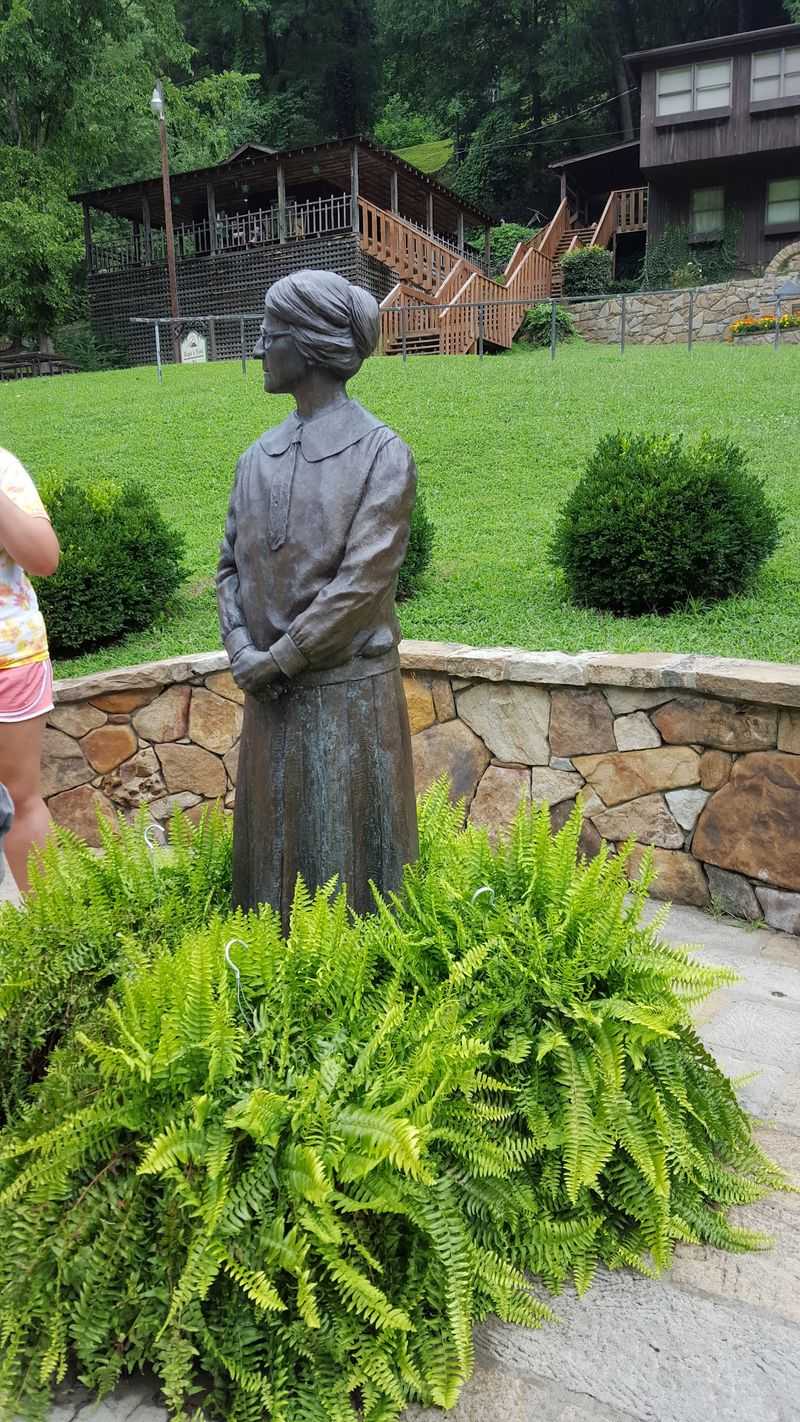
Back in 1923, two determined women looked at a quiet mountain valley and saw a classroom. Their names were Alice Spencer Geddes Lloyd and June Buchanan.
Together they co-founded the college that still carries Alice Lloyd’s name. Their goal was clear and bold for its time.
They wanted to educate mountain people for leadership roles. Money was not supposed to decide who got a chance to learn.
That idea still guides the school today. It runs as a private, four-year liberal arts work college with Christian values at its center.
Character development matters here as much as grades. The college stresses service and high personal standards for every student.
You can spot the founders’ influence across campus. The June Buchanan Alumni Center honors one of the two women who started it all.
Here is a fun bit of trivia. Alice Lloyd loved literature, and the town name Pippa Passes comes from a Robert Browning poem.
Not many college towns can say they were named after poetry. It gives the place a storybook feel before you even arrive.
History buffs will enjoy reading about the founders before a visit. Knowing their story makes the campus feel even more meaningful.
Mountains On Every Side Of The Quad
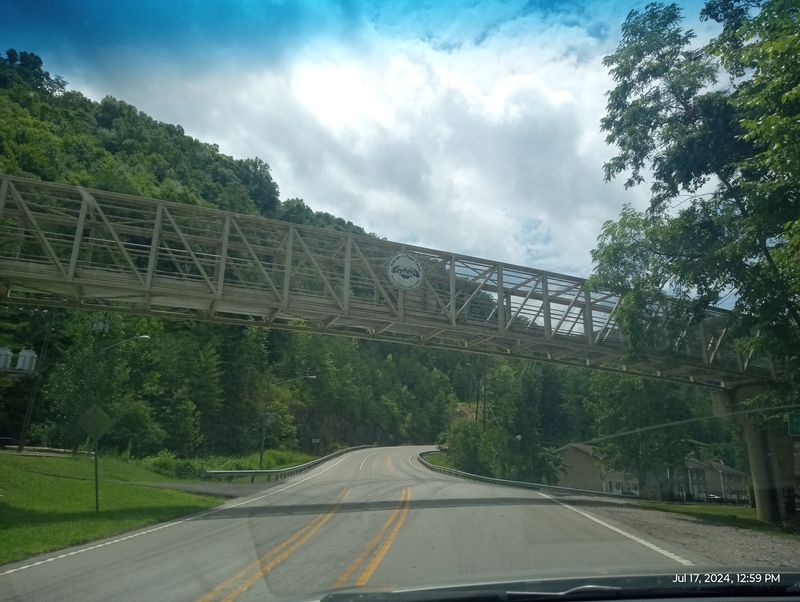
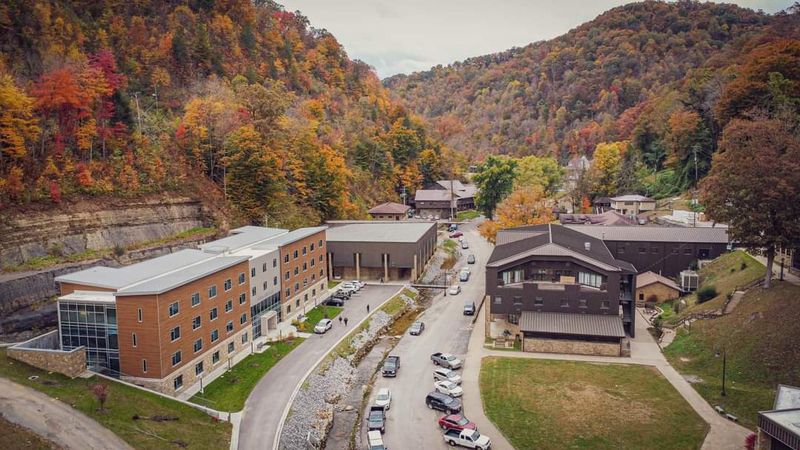
Forget skyscrapers. The tallest things around this campus are tree-covered mountains.
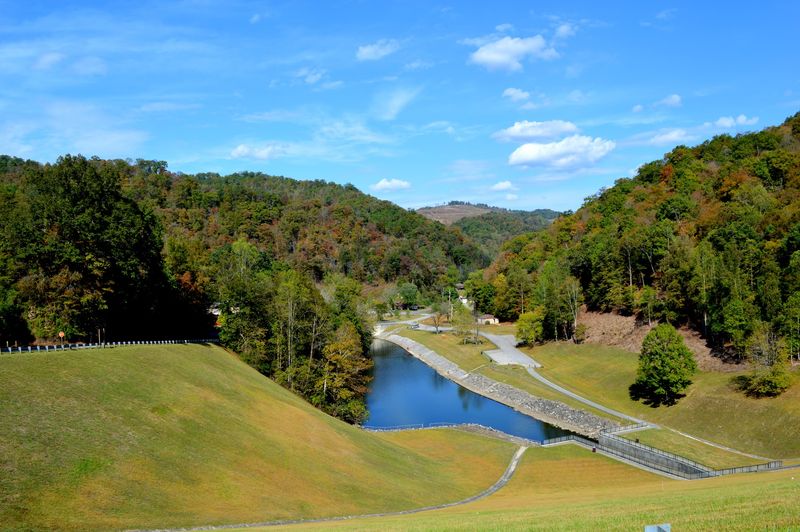
The college spreads across roughly 175 acres in a rural mountain valley. Fall turns the hillsides orange and gold, which makes walking to class feel like a postcard.
Visitors often praise how pretty the grounds are. The school also has strong positive ratings, and the scenery is a big reason why.
Around campus you will find the Anderson Science Center and the Campbell Arts Center. There is also a swimming pool, a softball field, and several residence halls.
Most full-time students live on campus. That keeps friendships close and makes a quick walk to breakfast very easy.
Now for the honest part. Pippa Passes is small, so nightlife and shopping are limited nearby.
Students often drive to larger towns for movies or a bigger meal out. Planning a weekend trip with friends can turn into a fun tradition.
If you love nature, this setting is a treat. Hiking, quiet evenings, and starry skies come with the address.
Thinking about a visit? Tours are offered by staff and students, which gives you a real feel for daily life.
Small Classes, Big Choices
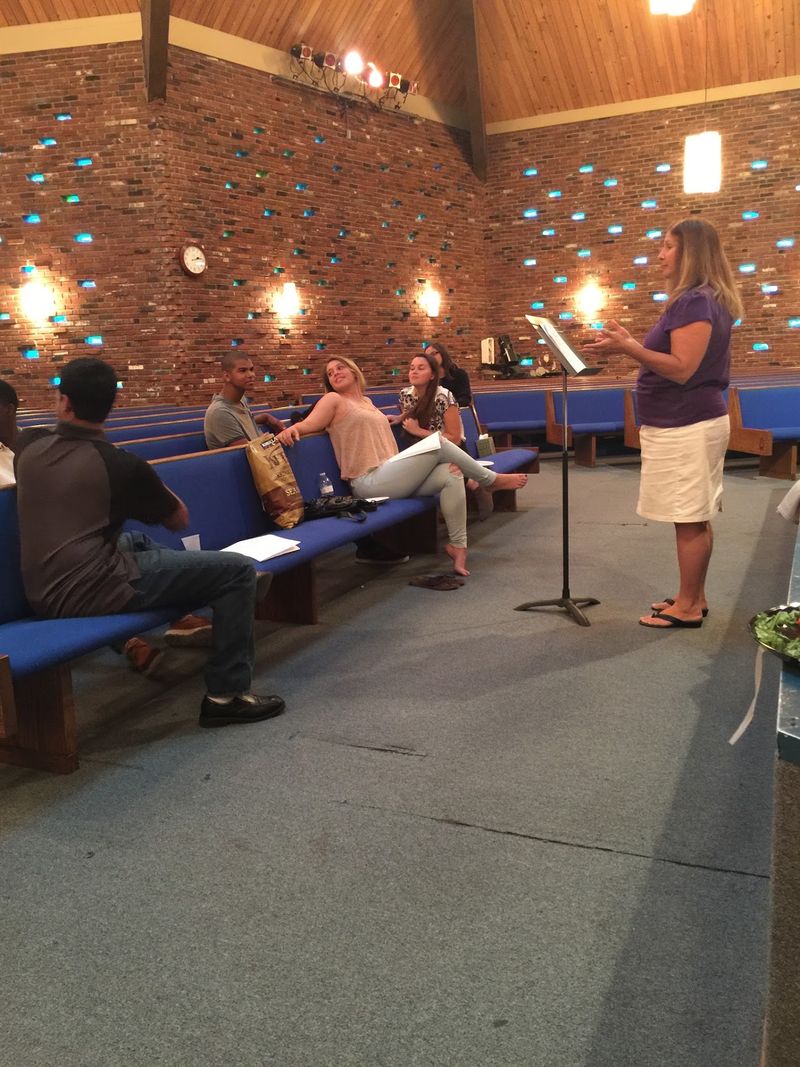
Twelve students and one professor. That is roughly the student-to-faculty ratio here, and it changes how learning feels.
In small classes, hiding in the back row is nearly impossible. Professors learn your name, and you get help when a topic feels tricky.
The degree list covers plenty of ground. Options include Biological Sciences, Education, English, History, Sociology, Business Administration, and Criminal Justice.
Some majors are especially popular. Criminal Justice and Safety Studies, Biology, and Elementary Education draw many students.
Leadership is woven into the coursework too. Students take leadership classes that fit the school’s mission of serving the mountains.
Planning a science or medical path? You will be glad to know that over 90 percent of graduates applying get accepted into graduate and professional schools.
That number speaks loudly for a small mountain school. It shows that a modest campus can still open very big doors.
Here is a practical tip. Visit the department you care about and ask about labs, internships, and advising.
Those questions show what daily classes really look like. They also help you picture your future, one semester at a time.
Courts, Clubs, And A Championship
Life here is not all homework and work shifts. When the bell rings, the fun begins.
Alice Lloyd College competes in 15 intercollegiate sports. That gives athletes plenty of ways to keep playing after high school.
The proudest moment came in 2021. That year, the women’s basketball team won a national championship.
Picture a tiny mountain college bringing home a national title. It is the kind of underdog story that makes a gym roar.
Not into sports? There are many clubs and activities to explore.
Circle K Club focuses on service, which fits the school’s caring spirit. Voices of Appalachia celebrates the culture and stories of the region.
Families who come back for games often say the crowds feel welcoming. Cheering for friends can make a small campus feel like one big team.
Joining a group early is a smart move for new students. It helps you meet people fast and keeps homesickness away.
Try one club in your first month, even if you feel shy. You might just find your favorite people on campus.
Graduates Who Come Back Home
Ninety-eight percent. That is about how many students come from the Appalachian region itself.
Alice Lloyd College reported that 44 percent of its students were first-generation college students during the 2023–2024 academic year.
Here comes the heartwarming part. About 83 percent of alumni choose to live, work, and serve in Appalachia after graduation.
They become teachers, nurses, business owners, and community leaders. Their skills flow right back into the towns that raised them.
The college also boosts the local economy in a big way. It generated an estimated 33 million dollars in economic impact during the 2021 to 2022 fiscal year.
That is a lot of good news for one small valley. Jobs, spending, and fresh talent all help the region grow.
If you are a first-generation student, this place may feel familiar. Many classmates share your story and your hopes.
Ask about support programs when you visit. Mentors and advisors can make a new world feel much less scary.
The founders hoped mountain students would lead their own communities. A century later, their graduates keep proving that dream right, one hometown at a time.