This Hidden New Jersey Zoo Is The Perfect Spot For An Unforgettable Day Out
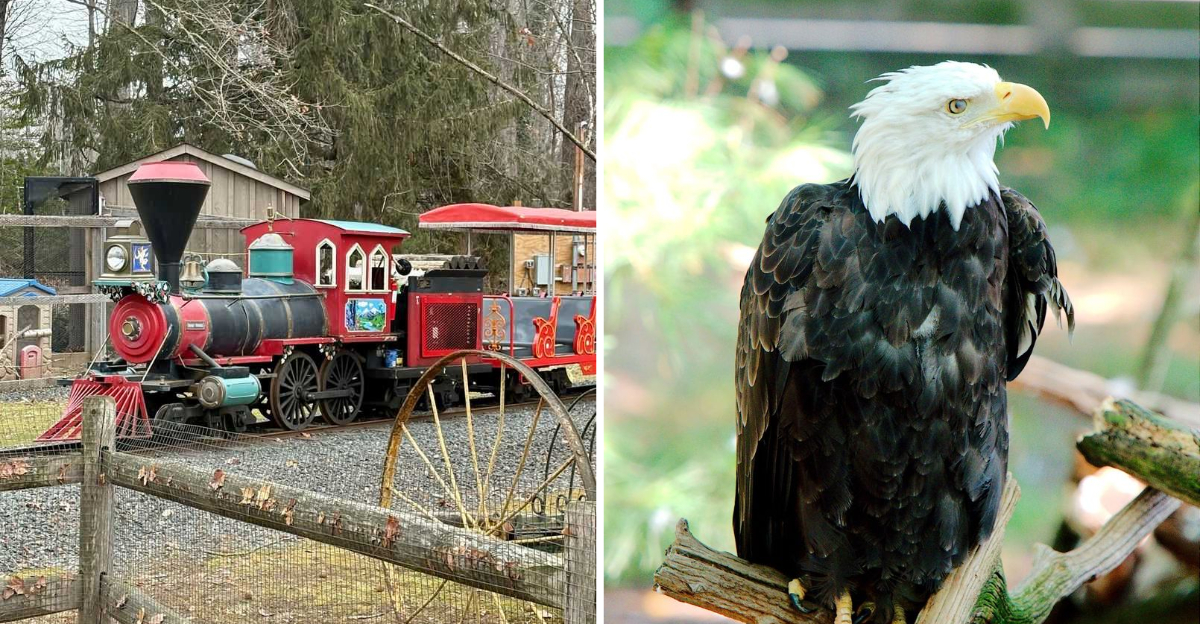
A zoo visit does not need an enormous map to keep a whole afternoon interesting.
In New Jersey, this compact animal park brings together sloths, bison, big cats, farm animals, and species from across the Americas. Then the train adds another layer of fun!
The smaller scale makes it easy to slow down and actually enjoy each stop.
There is room to revisit a favorite animal, take a break, and still fit in other family activities nearby. That relaxed rhythm is part of the charm.
You get plenty of variety without turning the outing into an all-day endurance test.
For families craving animals, rides, and easy entertainment, this place packs a surprising amount into one manageable visit.
From Family Farm To Wild Retreat
Long before the first monkey chattered here, this land grew crops. The Van Saun family farmed these acres, which later became a county park.
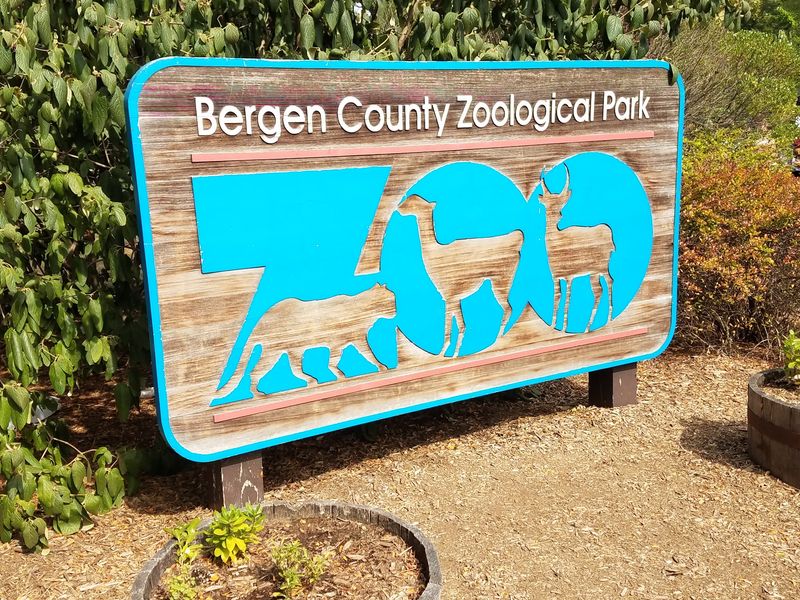
The Bergen County Zoo opened its gates in 1960 and quickly became a regional favorite. Three years later, in 1963, the Safari Express miniature railroad started rolling and never really stopped.
History runs even deeper on the grounds. A spring on the property is tied to 1780, when General George Washington is said to have watered his horse nearby during the Continental Army’s time in the area.
That spring is now recognized as a historic site, and the Washington Spring Garden gives the park a patriotic footnote most visitors walk right past.
Conservation milestones followed. A Brown Lemur born in 1982 marked the first birth of an endangered species here, and the 1990s brought Andean Condors and Golden Lion Tamarins into the collection.
You will find it all at Van Saun County Park, 216 Forest Ave, Paramus.
Green Acres Wrapped Around Everything
Picture roughly over 130 acres of lawns, woods, and open fields hugging a small animal park. That is the setting here, and it changes the whole rhythm of a visit.
Over three miles of paved paths wind through the grounds. Walkers, joggers, and cyclists share them easily, and the shade makes summer laps surprisingly pleasant.
Walden Pond sits quietly nearby, open for catch-and-release fishing. I watched a few patient anglers there while families zipped past toward the animals.
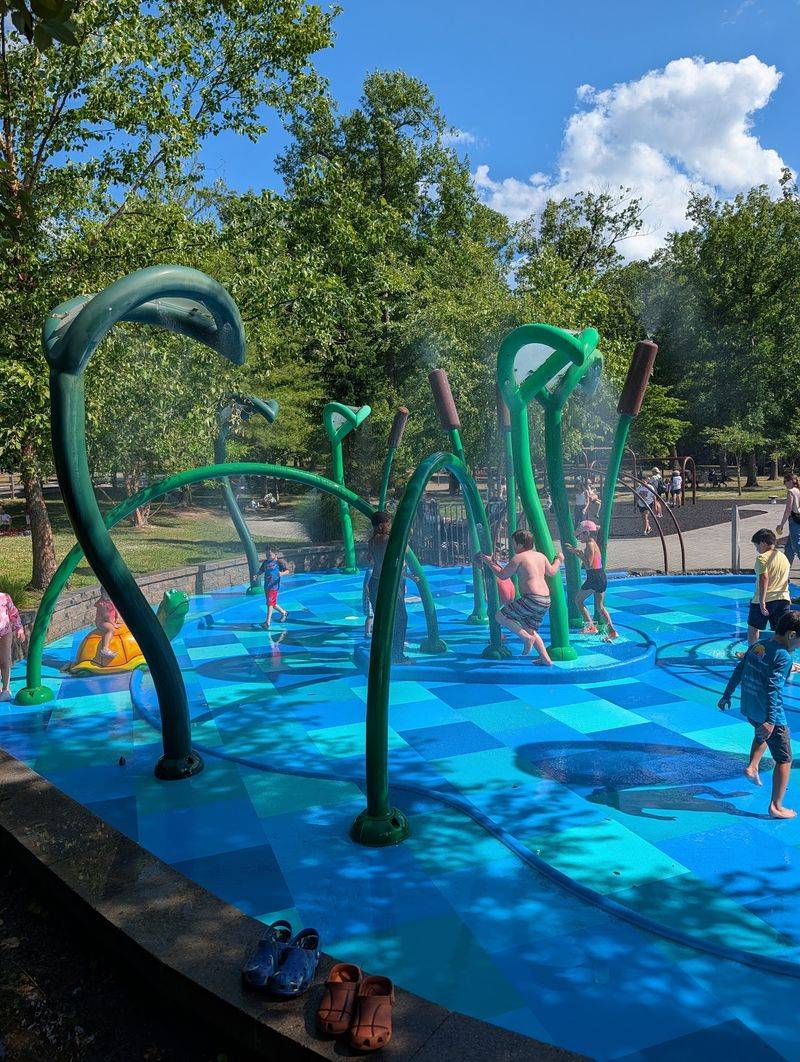
Harmony Playground is the loud, happy heart of the park. It is a modern play area with a seasonal water sprinkler and splash pad, which saves the day in July heat.
Picnic areas are scattered generously, and some come with pavilions and electricity. Packing lunch here feels less like a backup plan and more like the smart move.
Autumn turns the tree line gold and copper, while summer keeps everything deep green. Either season delivers.
This New Jersey zoo’s compact footprint makes it easier for families with young children to cover without navigating a sprawling complex.
The zoo, playground, carousel, train, and other park amenities sit close enough together to combine easily in one visit.
Six Hundred Neighbors From The Americas
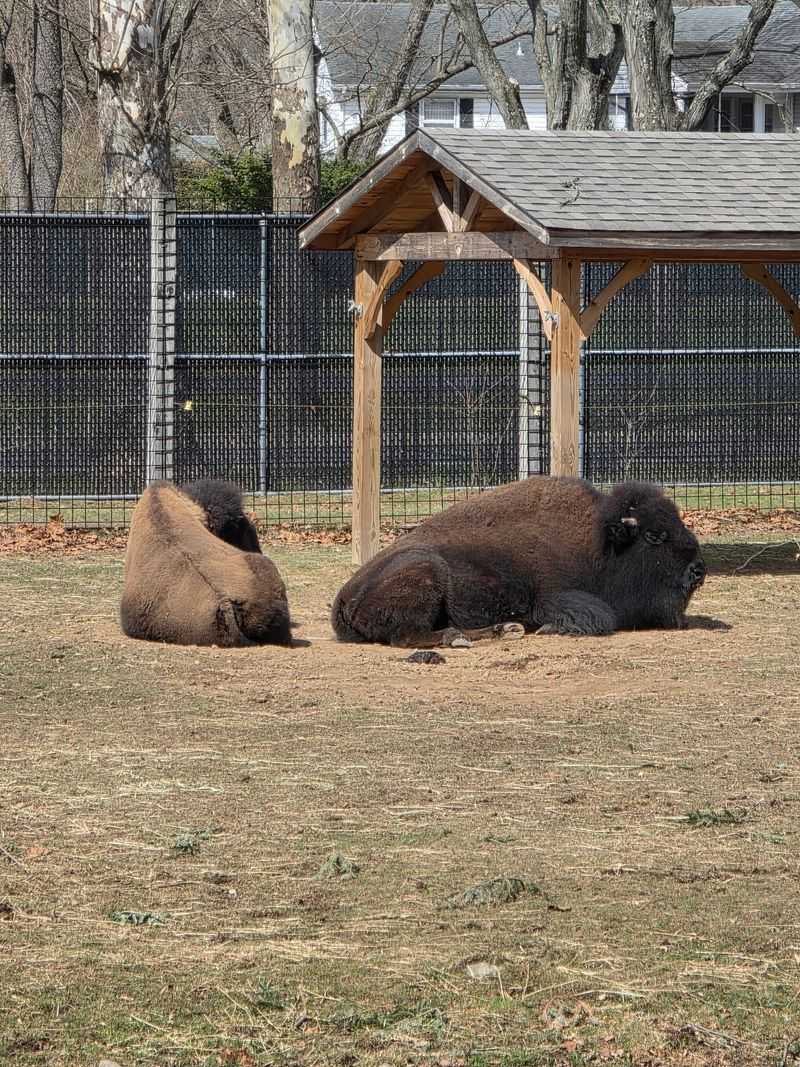
Here is the twist that makes this place different: every resident hails from North, Central, or South America. It is a New World zoo, start to finish.
Recent descriptions place the zoo’s collection at more than 600 individual animals, spread across a compact set of exhibits focused on species from the Americas.
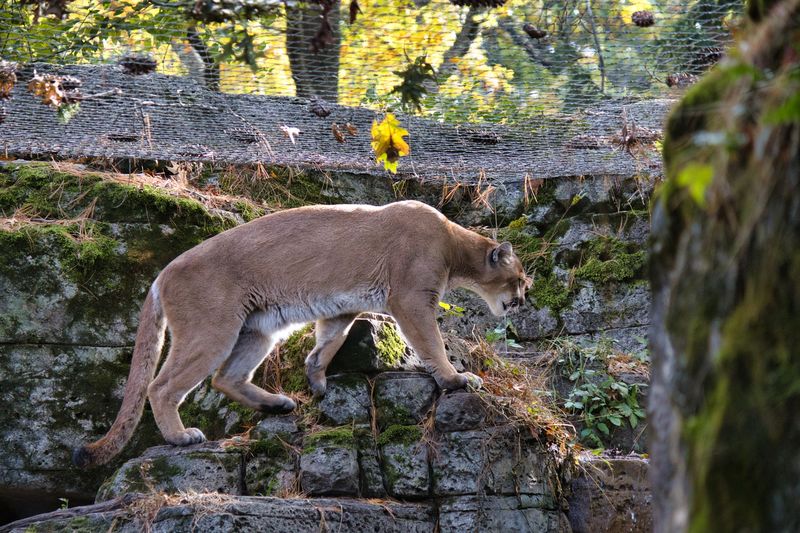
Black-handed Spider Monkeys swing and squabble overhead, while Tamarins add another small primate to the collection alongside the spider monkeys. The Mountain Lion is the shy celebrity everyone hopes to spot.
A sloth brings a much slower pace to another part of the zoo, and the Giant Anteater strolls with that unmistakable long-snouted swagger.
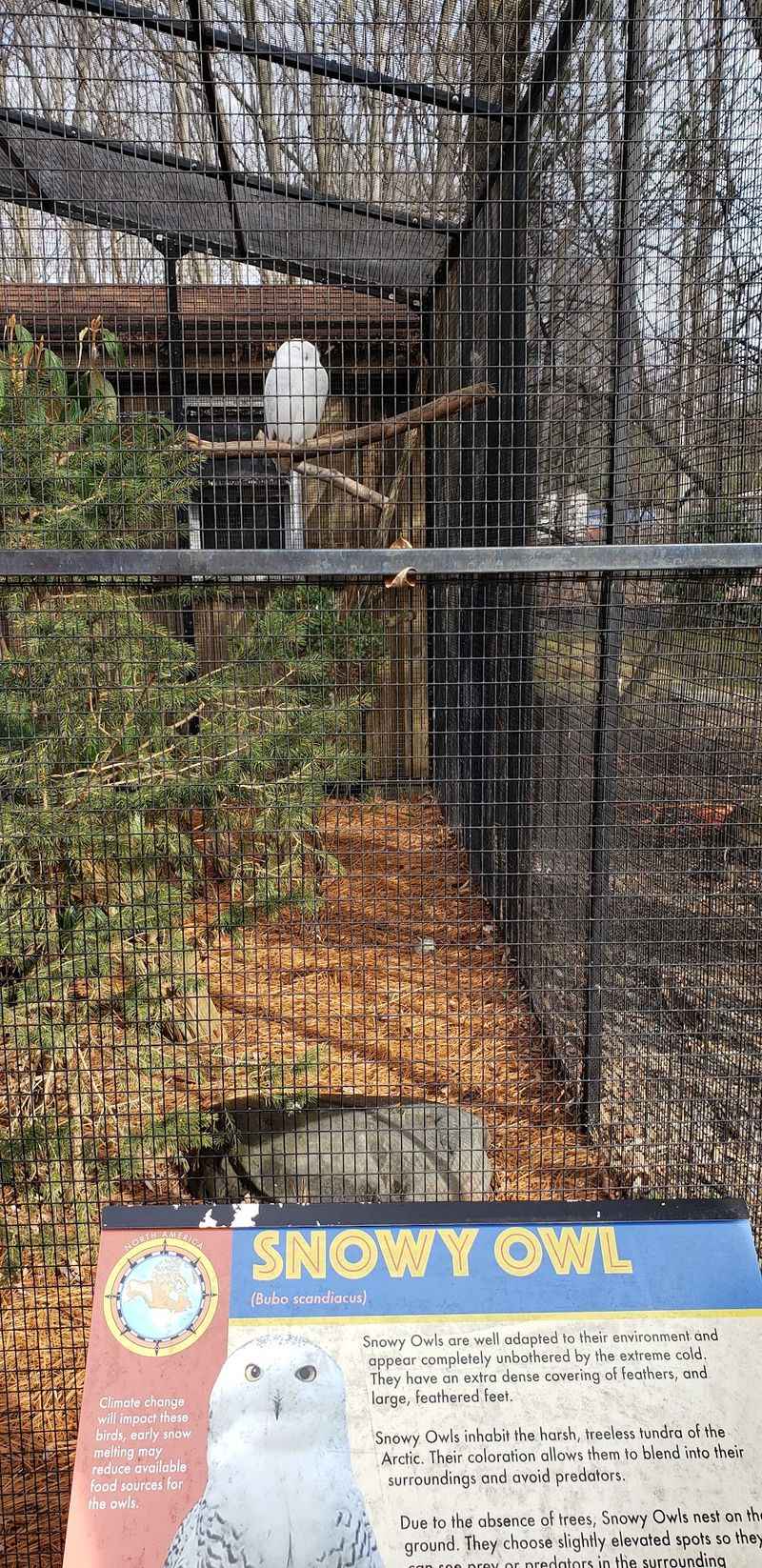
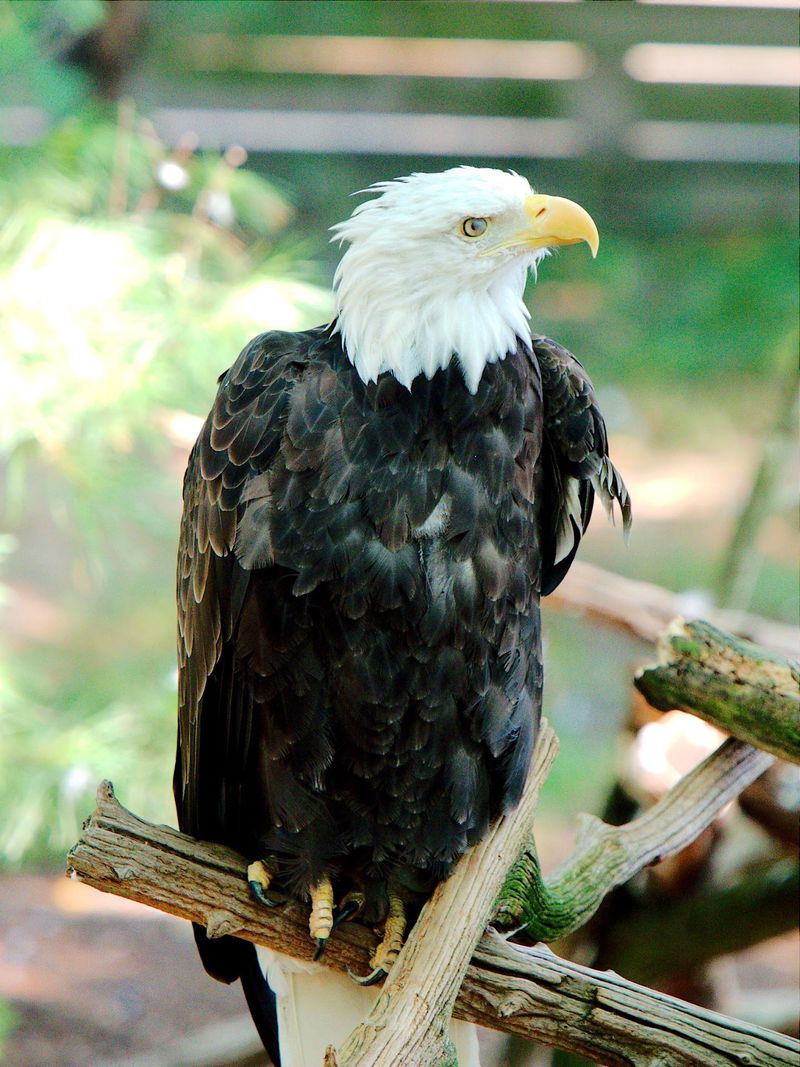
Bird fans get a treat. Andean Condors, Bald Eagles, and a Snowy Owl all live here, and the wingspans are genuinely humbling.
Inside the Education and Discovery Center, reptiles and amphibians hold court, including an American Alligator that draws a steady crowd.
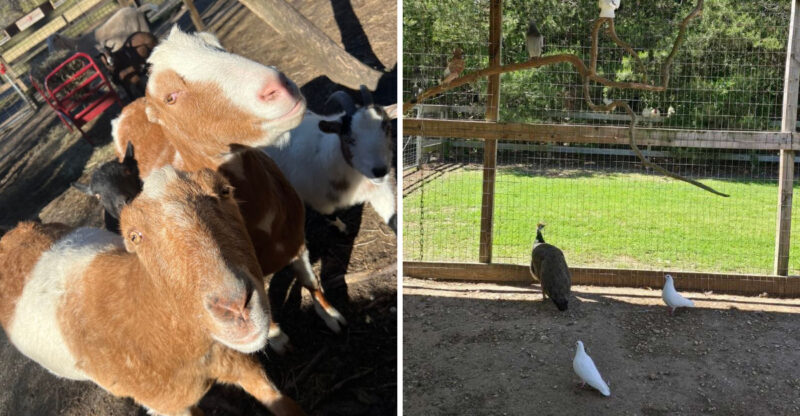
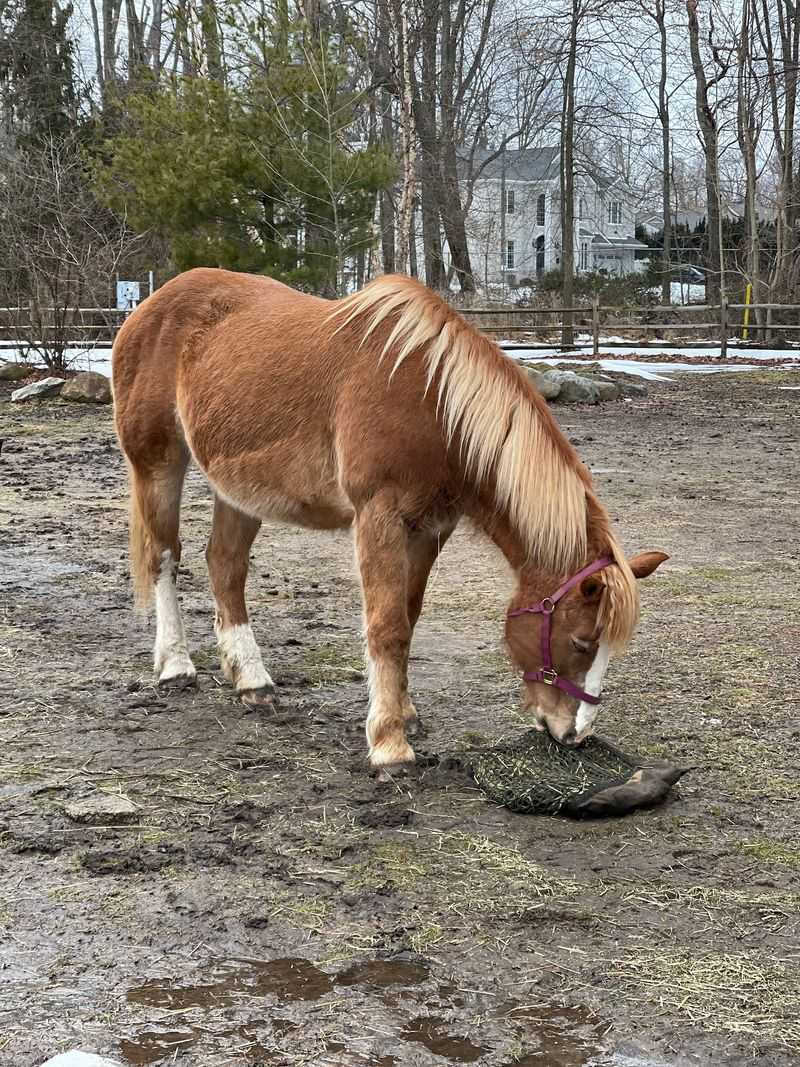
The farmyard area adds horses, cattle, sheep, goats, pigs, geese, and a donkey to the mix.
Trains, Carousels And Pony Trots
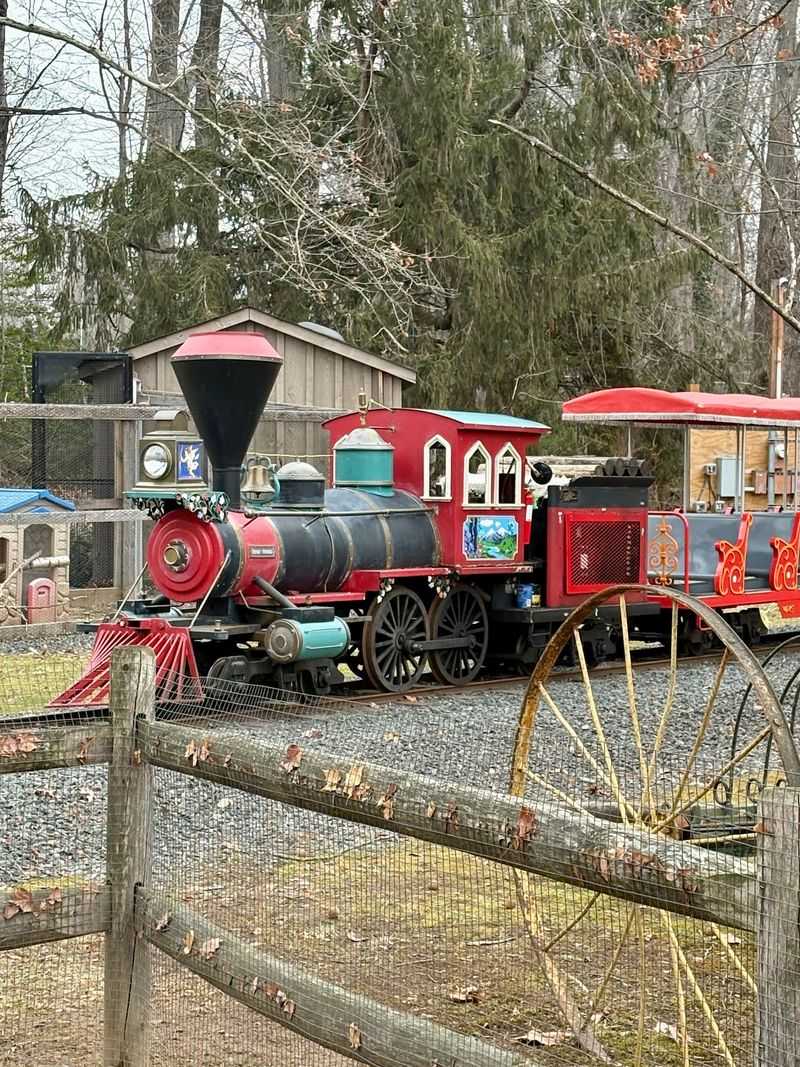
Animals may headline, but the rides steal a few scenes. The Safari Express Miniature Train loops around the zoo and parts of the park, giving you a fresh angle on the exhibits.
Train lines can vary with crowds and weather, so checking ride status early in the visit is useful if it is a priority.
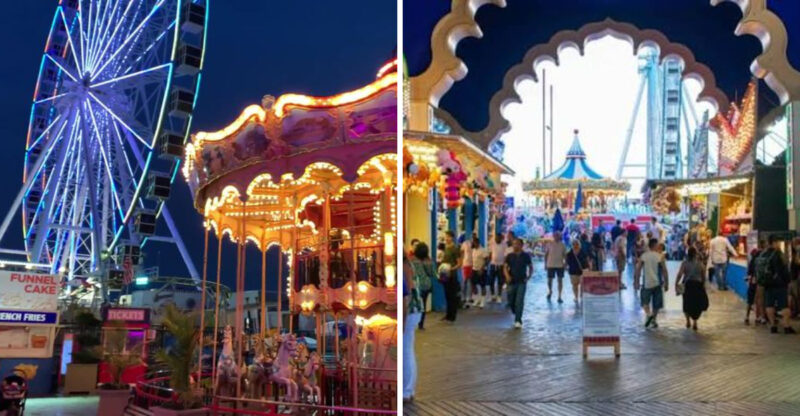
Just outside the entrance sits the Millennium Carousel, packed with hand-painted animal figures. The carousel gives families another paid ride option just outside the animal exhibits.
Pony rides are available elsewhere in Van Saun County Park through a separate operator rather than the zoo itself. Current days, hours, age, height, and weight restrictions should be checked before visiting.
Harmony Playground and its splash pad handle the rest of the energy. Harmony Playground and its seasonal water feature can easily extend a family outing after the zoo.
The wider park keeps going with tennis courts plus baseball, softball, and soccer fields. There is even a dog park, so the family retriever gets an outing too.
Seasonal events fill the calendar all year. The zoo also hosts seasonal events and conservation programs throughout the year, with current dates posted on its event calendar.
Smart Planning For A Smooth Trip
The zoo stays open through most of the year, with seasonal hours. From April through November, standard hours are 10 AM to 4:30 PM, while winter hours shorten to 10 AM to 3:30 PM.
Admission is charged during peak season from May through October. Between November and April, entry is complimentary, which budget travelers should absolutely circle on the calendar.
During July and August, certain Wednesdays stretch open until 8:00 PM for Late Nights at this New Jersey zoo. Evening visits feel cooler and calmer.
The miniature train and Millennium Carousel operate weather permitting, and current ride status is posted by the zoo. Tickets currently cost $3 per person for each ride.
Food options can be limited, so packing a picnic is a practical option, especially with picnic areas available throughout Van Saun County Park. Honestly, a packed picnic paired with a shady table beats both.
Strollers roll easily on the paths, and rentals are available at the gift shop just inside the entrance. Wheelchairs can be borrowed at no charge.
Outside pets are not permitted, service animals excepted. Feeding or touching the animals is off limits, and staying on marked paths keeps everyone safe.
Learning Programs And Local Spirit
Ask any local parent and you will hear about the classes. Run by the Bergen County Parks Department, this place doubles as a neighborhood classroom.
Programs stretch across every age group. Zoo Babies and Zoo Kids serve the youngest learners, while summer camps and group sessions welcome schools and scout troops.
The Education and Discovery Center hosts interactive lessons alongside its reptiles and amphibians. Birthday parties happen there too, complete with live animal demonstrations.
Adults get involved through the Docent program. Volunteers train to lead educational moments for guests, and their enthusiasm is contagious.
Behind the scenes, the Friends of the Bergen County Zoo, a nonprofit group, funds animal welfare projects, educational efforts, and facility upgrades.
Partnerships with local and global organizations strengthen the conservation mission. That network turns a modest county attraction into something with real reach.
What struck me most was the tone. Staff members answer questions patiently and clearly enjoy talking about their animals.
What Makes This Place Different
Bergen County Zoo has a long history with the Association of Zoos and Aquariums, but it is not currently AZA-accredited.
The zoo is now participating in AZA’s Pathway Toward Membership program as it works toward reaccreditation.
The New World focus gives the whole visit a clear thread. Instead of hopping continents, you explore the biodiversity of two, which sticks in your memory longer.
Size is the other secret weapon. Many families call it the ideal first zoo experience for toddlers, since you can see everything without sore feet.
I finished a full loop in about an hour, then went back for a second look at the mountain lions and the sloth.
One conservation story stands out. An Andean Condor chick hatched here was later released into the Andes Mountains of Colombia to support wild populations.
That single fact reframes the place. A modest park in New Jersey helped strengthen a species half a hemisphere away.
Add the historic Washington Spring Garden inside the park and you get nature, animals, and heritage layered together.
Conservation Work That Keeps Going
Every path here leads back to one mission: inspiring care for wildlife and wild places. That purpose shapes daily decisions, not just signage.
Breeding programs for endangered and threatened animals form a big piece of the effort. Research support and funding for global projects follow closely behind.
Education carries the message forward. Programs are built to help visitors understand how animals and their habitats depend on one another.
Party for the Planet shows the growth clearly. Once a single-day event, a major grant expanded it into a three-day conservation program.
That expansion put pollinators in the spotlight. Staff now plant pollinator gardens on the grounds and teach guests why bees and butterflies matter locally.
Citizen science plays a role too. Team members contribute to FrogWatch USA and Project FeederWatch, feeding real data into amphibian and bird conservation across North America.
Hands get dirty off-site as well. Staff volunteered to help install an osprey nest in Raritan Bay, proving the commitment reaches beyond the fence line.