This Hidden North Carolina Lake Holds Mysteries You Have To See
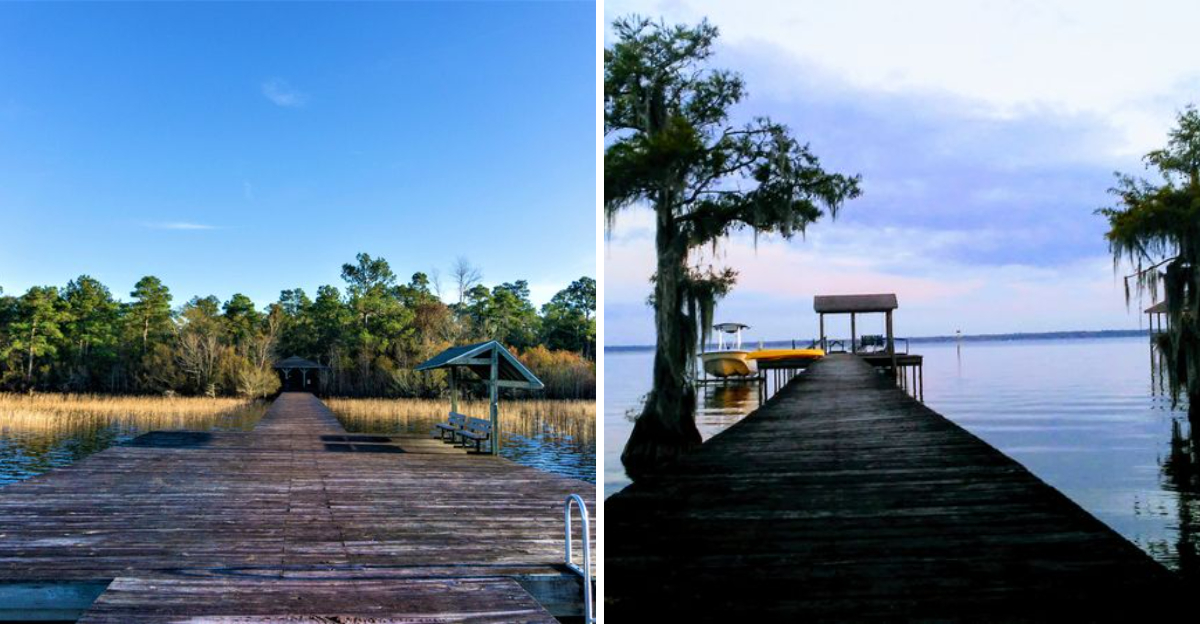
Hidden away in Columbus County, North Carolina, there’s a body of water that scientists and nature lovers can’t stop talking about. Lake Waccamaw isn’t your typical Southern lake with muddy water and ordinary fish.
Instead, it holds rare species found nowhere else on Earth, mysterious geological formations, and water chemistry that shouldn’t exist in this region. Stretching across 9,000 acres with a shoreline that winds for 14 miles, this natural wonder has been quietly captivating visitors for generations.
Whether you’re into fishing, hiking, or simply exploring places that feel untouched by time, this lake delivers experiences you won’t find anywhere else. From ancient Carolina Bay origins to creatures with the lake’s name in their scientific titles, every corner reveals something unexpected.
Pack your sense of adventure and prepare to discover why this hidden gem deserves a spot on your travel bucket list.
1. Carolina Bay Formation Makes It Geologically Special
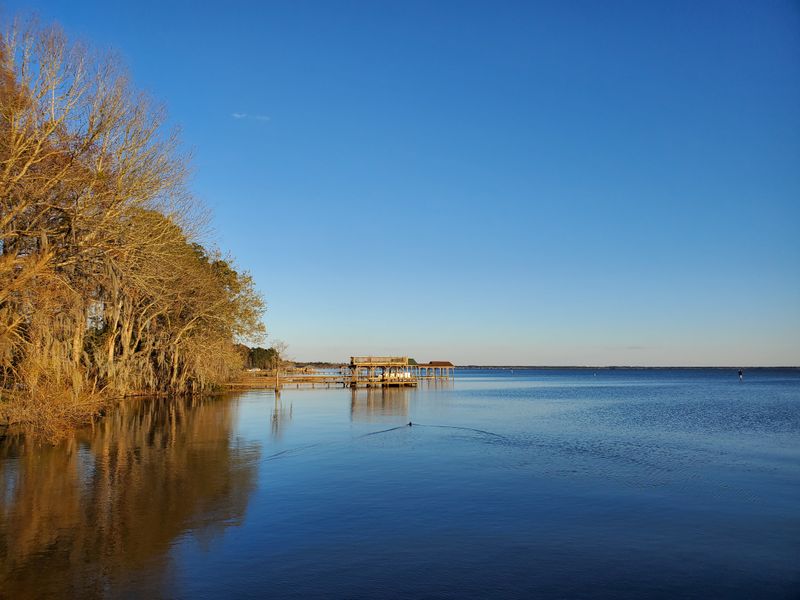
Geologists get genuinely excited when discussing how this lake came to be thousands of years ago. Lake Waccamaw ranks as the largest natural Carolina Bay lake, part of a mysterious group of elliptical depressions scattered along the Atlantic Coastal Plain.
These oval-shaped formations have puzzled scientists for decades, with theories ranging from meteor impacts to wind and wave action.
What makes this particular bay stand out is its size and depth compared to its neighbors. Most Carolina Bays are shallow wetlands or completely filled in, but Lake Waccamaw maintains an average depth of around 7.5 feet with some areas reaching 11 feet.
The lake’s northwest-to-southeast orientation matches the classic Carolina Bay pattern perfectly.
Walking along the shoreline at Lake Waccamaw State Park located at 1866 State Park Drive, Lake Waccamaw, NC 28450, you can actually see the raised rim that defines these formations. The southeastern shore sits noticeably higher than the northwestern edge.
This geological quirk creates unique habitats and contributes to the lake’s unusual water chemistry.
Visiting during different seasons reveals how this ancient formation interacts with modern weather patterns and wildlife cycles throughout the year.
2. Neutral Water Chemistry Defies Regional Norms

Most Carolina Bay lakes have water so acidic it could strip paint, but Lake Waccamaw breaks all the rules. The water here tests neutral on the pH scale, a phenomenon that shouldn’t exist in this swampy coastal region.
Limestone bluffs along the northern shore work like nature’s antacid tablets, constantly neutralizing the tannin-stained water flowing in.
Scientists discovered that these calcium carbonate deposits slowly dissolve into the lake, creating a chemical balance found nowhere else in similar environments. The neutral pH allows species to thrive that would never survive in neighboring acidic waters.
You can spot the white limestone outcroppings easily from the shoreline trail.
This unique chemistry makes the water surprisingly clear compared to the tea-colored lakes typical of the region. Swimmers and boaters notice the difference immediately when they see their feet or paddles beneath the surface.
The water still carries some tannin color from surrounding cypress swamps, but visibility remains much better than expected.
Local researchers regularly monitor the water quality to understand how this delicate balance maintains itself despite environmental pressures and development around the lake’s perimeter.
3. Endemic Species Found Absolutely Nowhere Else
Evolution took a fascinating turn in these waters, creating fish species that exist only in Lake Waccamaw’s 9,000 acres. The Waccamaw darter, Waccamaw silverside, and Waccamaw killifish all carry the lake’s name in their scientific titles for good reason.
These creatures evolved in isolation, adapting specifically to the lake’s unique neutral pH and mineral content.
The Waccamaw silverside swims in shimmering schools near the surface, its translucent body catching sunlight like living glass. This tiny fish measures only a few inches but represents millions of years of specialized evolution.
Biologists travel from universities across the country to study these endemic populations.
Snorkelers and divers sometimes spot the Waccamaw darter darting between underwater vegetation near the limestone bluffs. Its colorful markings distinguish it from common darter species found in nearby rivers.
The killifish prefers shallow areas where aquatic plants provide cover.
Conservation efforts focus intensely on protecting these irreplaceable species from pollution, invasive species, and habitat degradation. If Lake Waccamaw’s ecosystem collapsed, these fish would vanish from Earth entirely, making every visit a chance to witness something truly irreplaceable.
4. Diverse Fish Population Attracts Serious Anglers
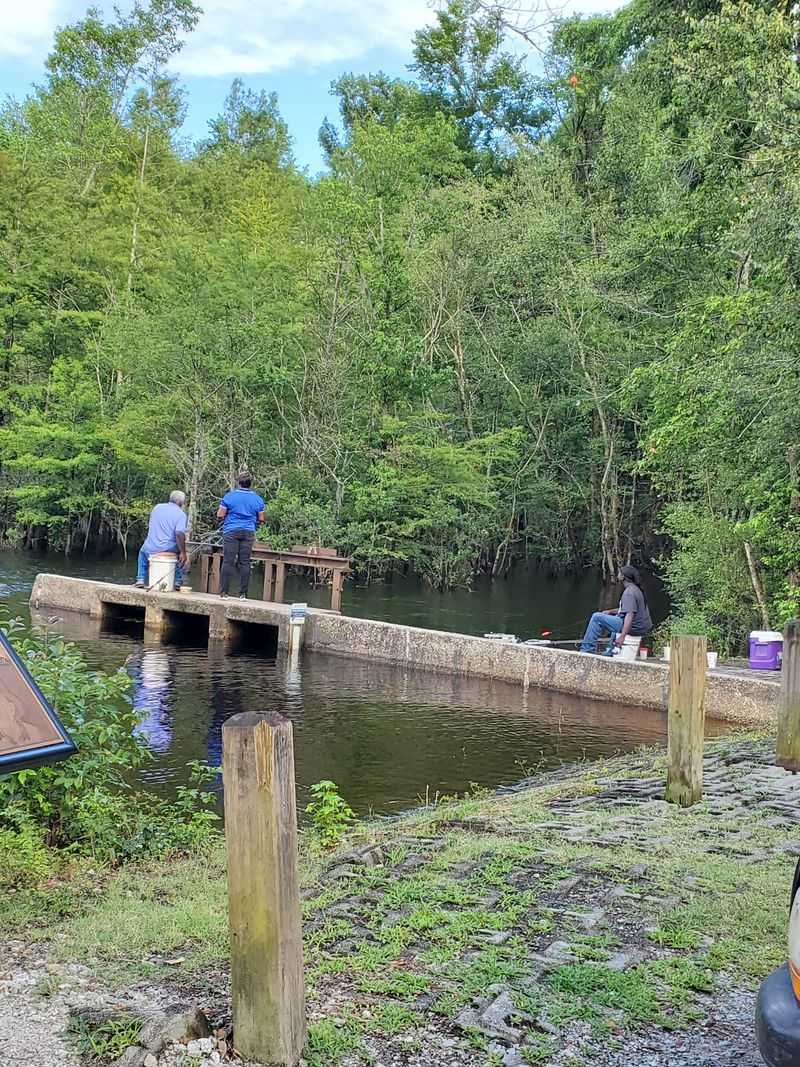
Fishing enthusiasts discover quickly that Lake Waccamaw offers variety that rivals lakes three times its size. White perch and yellow perch populate the deeper sections, while crappie hide around submerged timber and dock pilings.
Redear sunfish, locally called shellcrackers, crunch through snails and mollusks along the bottom.
Largemouth bass grow impressively large in these nutrient-rich waters, with springtime spawns producing excellent fishing near the vegetated shorelines. Pumpkinseed sunfish add splashes of color to any catch, their orange-spotted flanks looking almost tropical.
The state maintains healthy fish populations through careful management and seasonal regulations.
Charter guides operating from the public boat ramp know exactly where different species congregate during various seasons and times of day. Early morning anglers casting along the state park shoreline at 1866 State Park Drive often hook into unexpected species.
The lake’s neutral pH supports fish diversity that acidic Carolina Bays simply cannot match.
Tournament fishermen appreciate the lake’s accessibility and consistent productivity throughout the year. Winter fishing for perch and crappie remains productive when other regional lakes slow down, making Lake Waccamaw a four-season destination for rod-and-reel enthusiasts.
5. Rich Birdlife Creates Year-Round Watching Opportunities
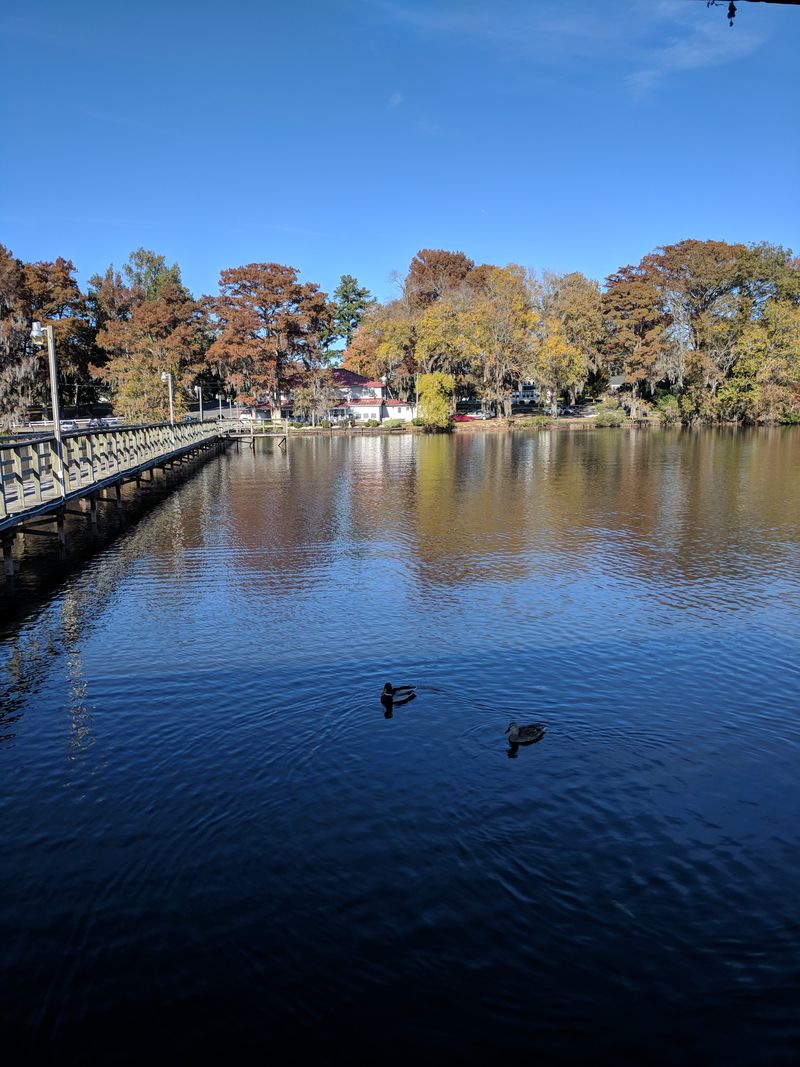
Binoculars become essential equipment the moment you arrive at this avian hotspot along the Atlantic Flyway. Brown-headed nuthatches announce their presence with squeaky calls while foraging along pine bark near the shoreline trails.
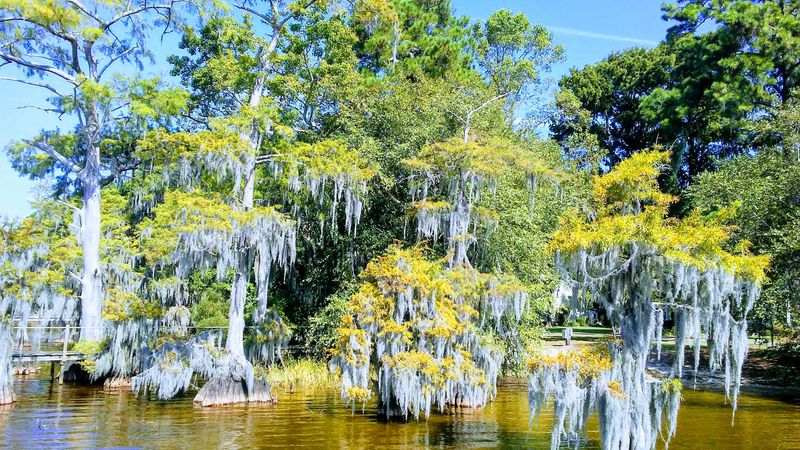
Parula warblers weave hanging nests in Spanish moss draped from cypress trees, their buzzing trills echoing across the water.
White-eyed vireos skulk through dense understory vegetation, challenging birders to spot their distinctive pale irises and yellow spectacles. Spring migration brings waves of colorful warblers, tanagers, and orioles passing through on their journey northward.
Patient observers stationed along the boardwalk sections often tally over fifty species in a single morning.
Winter transforms the lake into waterfowl central with rafts of ducks floating in protected coves and bays. Ring-necked ducks, buffleheads, and hooded mergansers dive repeatedly for small fish and aquatic invertebrates.
Great blue herons stalk the shallows year-round, their prehistoric silhouettes frozen in patient hunting poses.
The Lake Waccamaw Depot Museum at 201 Flemington Drive occasionally hosts birding programs led by local experts who share insider knowledge about seasonal patterns and rare sightings reported around the lake’s diverse habitats.
6. Historic Train Depot Preserves Community Heritage

Railroad history comes alive inside a charming building that once welcomed passengers arriving by steam locomotive around 1900. The Lake Waccamaw Depot at 205 Flemington Drive, Lake Waccamaw, now serves as a museum showcasing local history, natural exhibits, and cultural artifacts.
Restoration efforts preserved the original architectural details, including wooden ticket windows and vintage railroad signage.
Photographs lining the walls document the town’s development when the railroad connected this remote lake community to larger coastal cities. Timber and turpentine industries depended on these rail lines to ship products to distant markets.
The depot buzzes with activity during special events and educational programs throughout the year.
Natural history displays explain the lake’s unique geology and endemic species in accessible terms that kids and adults both appreciate. Taxidermy mounts showcase local wildlife, including the American alligator and various fish species.
Interactive exhibits let visitors explore how limestone chemistry creates the lake’s unusual neutral pH.
Volunteers staff the museum on weekends, sharing stories passed down through generations of families who built lives around this mysterious lake. The depot’s front porch offers shaded seating where visitors can imagine the excitement of travelers stepping off trains a century ago.
7. Recreational Activities Suit Every Adventure Style
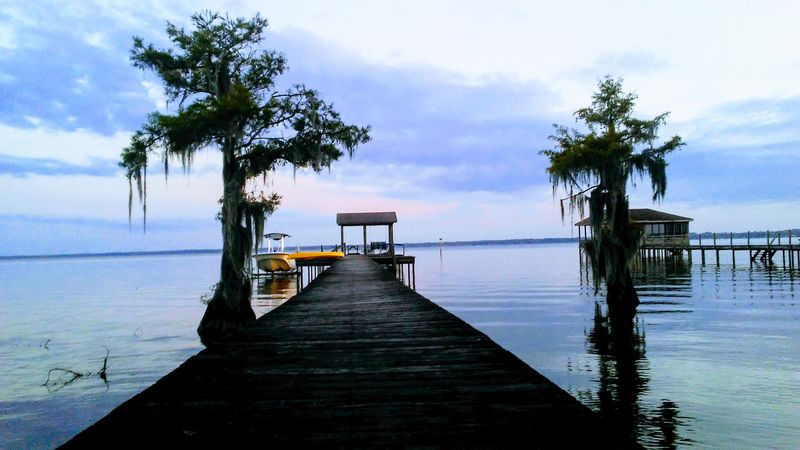
Outdoor enthusiasts find their happy place along the 14-mile shoreline offering everything from peaceful paddles to challenging hikes. Lake Waccamaw State Park maintains over 10 miles of trails winding through longleaf pine forests, cypress swamps, and pocosins.
Hikers encounter diverse ecosystems within minutes of leaving the parking area.
Kayakers and canoeists explore hidden coves where cypress knees emerge from dark water like wooden sculptures. The lake’s relatively protected waters make it ideal for beginning paddlers while still offering interesting routes for experienced boaters.
Public boat ramps provide easy access for motorboats and personal watercraft.
Picnic areas scattered around the state park at 1866 State Park Drive feature tables positioned to capture lake breezes and scenic water views. Families spread blankets on grassy areas while kids run along the shoreline looking for turtles and wading birds.
Swimming beaches attract visitors during hot summer months.
Photography opportunities abound with sunrise and sunset painting the water in colors that seem too vivid to be real. Fall brings additional beauty when cypress needles turn russet-orange before dropping.
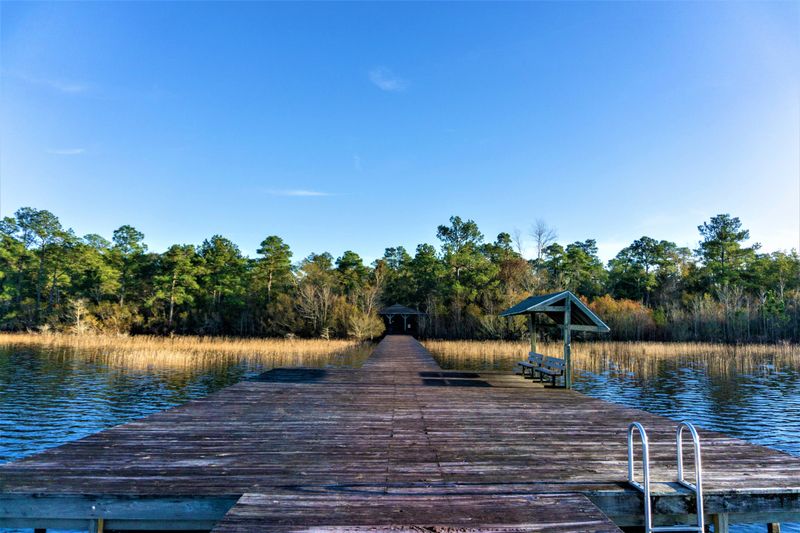
Winter’s bare trees reveal lake vistas hidden during leafy seasons, creating entirely different landscape compositions worth capturing.
8. Camping Facilities Immerse You In Nature Overnight
Spending nights under star-filled skies elevates any Lake Waccamaw visit from day trip to unforgettable adventure. The state park offers tent sites positioned among towering pines where campfire smoke mingles with the scent of lake water.
Backpacking sites located farther from parking areas reward hikers with solitude and authentic wilderness experiences.
Group camping areas accommodate scout troops, church groups, and family reunions looking to share the lake’s magic collectively. Amenities include picnic tables, fire rings, and access to bathhouses with hot showers.
Firewood bundles are available for purchase, eliminating the need to haul logs from home.
Evening hours bring choruses of frogs and insects creating natural soundtracks that city dwellers rarely experience anymore. Owls hoot from the darkness while fireflies blink their bioluminescent courtship signals across campsites.
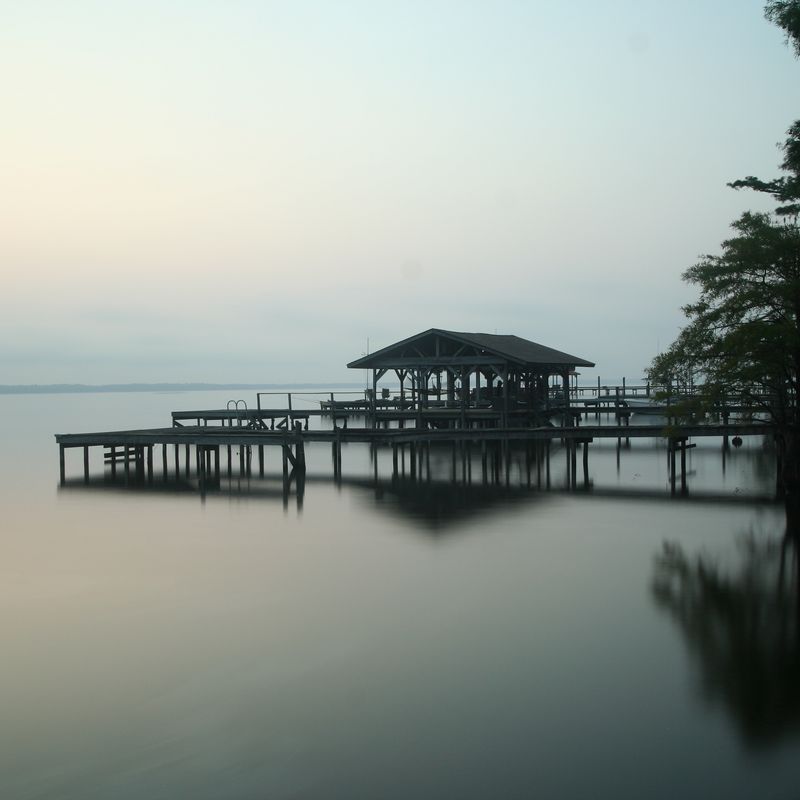
Early risers witness mist rising from the lake’s surface as birds begin their dawn songs.
Reservations for popular summer weekends fill quickly, so planning ahead ensures securing your preferred camping dates. Off-season camping from fall through spring offers cooler temperatures, fewer crowds, and different wildlife viewing opportunities.
The campground’s proximity to hiking trails and water access makes it incredibly convenient for active campers.
9. Unique Flora Includes Botanical Rarities
Botanists practically swoon when exploring the plant communities thriving around Lake Waccamaw’s distinctive habitats. Venus-hair fern drapes delicately over limestone outcroppings where calcium-rich conditions support its growth.
This elegant fern appears so fragile you hesitate to breathe near it, yet it survives year after year in its specialized niche.
Green-fly orchid blooms in subtle greenish-white flowers that many hikers walk past without noticing. Sharp-eyed wildflower enthusiasts search specifically for this rare native orchid during its summer flowering period.
Seven-angled pipewort grows in shallow water, its unusual geometric seedheads looking almost alien compared to typical aquatic plants.
Narrowleaf yellow pondlily floats its bright blossoms across quiet coves where water remains calm and shallow. Water arrowhead sends up distinctive arrow-shaped leaves that give it an unmistakable profile.
These rare plants depend on the lake’s neutral pH and specific mineral content that neighboring acidic waters cannot provide.
Spring wildflower walks led by park naturalists help visitors identify and appreciate these botanical treasures without disturbing fragile populations. Photography from designated trails allows documentation while protecting sensitive plant communities.
Every season reveals different species blooming, fruiting, or displaying fall colors worth discovering.
10. Alligator Habitat Adds Prehistoric Presence
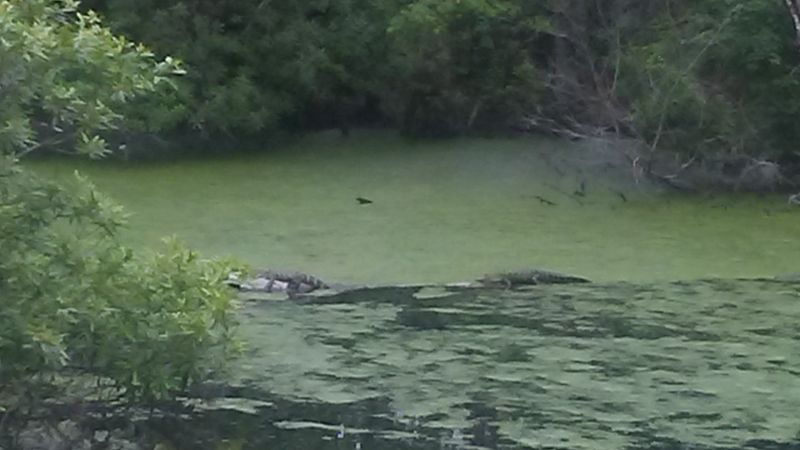
Spotting an American alligator sunning itself on a log creates those heart-pounding moments that make nature observation thrilling. Lake Waccamaw represents the northern edge of alligator range in North Carolina, where these state-threatened reptiles maintain small but stable populations.
Warm summer days bring them out to bask and regulate their body temperatures.
Most alligators here measure between four and eight feet long, much smaller than their Florida cousins but still commanding respect. They prefer quiet coves and marshy areas where vegetation provides cover and prey remains abundant.
Spring mating season brings deeper bellowing calls that echo across the water during evening hours.
Responsible wildlife viewing means maintaining safe distances and never feeding these wild predators. Alligators naturally avoid humans and typically slip underwater when people approach.
Binoculars and telephoto lenses allow close observation without disturbing their natural behaviors or creating dangerous situations.
Park rangers at Lake Waccamaw State Park occasionally present educational programs about alligator biology, conservation status, and coexistence strategies. Understanding these ancient reptiles increases appreciation while reducing unnecessary fears.
Seeing an alligator in its natural habitat reminds visitors that Lake Waccamaw preserves ecosystems where wildlife still follows patterns established thousands of years ago.
11. Geological Significance Attracts Scientific Study
University research teams regularly visit Lake Waccamaw to unlock secrets about Carolina Bay formation, endemic species evolution, and unique water chemistry. The lake functions as a natural laboratory where conditions exist nowhere else on Earth.
Graduate students collect water samples, survey fish populations, and monitor changes over time.
Geological studies focus on understanding how limestone deposits accumulated in this coastal plain location far from typical karst landscapes. Core samples drilled from the lake bottom reveal layers of sediment documenting thousands of years of environmental changes.
Climate scientists examine these records for clues about historical weather patterns and sea level fluctuations.
Evolutionary biologists study the endemic fish species to understand how isolation and specialized conditions drive speciation. Genetic analysis reveals how long these populations have been separated from their closest relatives.
The research has implications beyond Lake Waccamaw, informing conservation strategies for rare species worldwide.
Published scientific papers citing Lake Waccamaw number in the dozens, covering disciplines from limnology to botany to paleoclimatology. Visitors walking the trails literally stand on ground that advances human understanding of Earth’s natural processes.
The lake’s continued protection ensures future generations of scientists can continue unraveling its mysteries.
12. Community Events Celebrate Lake’s Special Character
Local residents take immense pride in their unique natural treasure and share it through annual celebrations and fitness challenges. The Take the Lake event encourages participants to run, walk, swim, bike, or paddle their way around the lake’s perimeter.
Athletes and families alike join this community tradition that promotes health while celebrating the lake.
Completing the full 14-mile circumference by any combination of activities earns bragging rights and official recognition. Some people tackle the entire distance in one ambitious day while others accumulate miles over weeks.
The event fosters connections between residents and visitors who share appreciation for Lake Waccamaw’s gifts.
Seasonal festivals held in the town of Lake Waccamaw bring live music, local food vendors, and craft booths to the lakefront. These gatherings showcase regional culture and provide opportunities to meet families whose roots extend back generations.
Stories shared over barbecue plates reveal deep connections between community identity and the mysterious lake.
Visiting during special events offers insights into how this small town maintains traditions while welcoming newcomers. The warmth and hospitality extended to visitors reflects genuine pride in sharing something special.
Lake Waccamaw’s magic includes not just its natural wonders but also the people who protect and celebrate it year after year.