This Hidden Oregon Botanical Garden Looks Like Something From A Dream
I have visited a lot of gardens in my life, and if I am being honest, most of them blur together after a while. Pretty flowers, tidy paths, a bench near a fountain if you are lucky.
Pleasant enough, but rarely the kind of experience that rewires something in your brain and sends you home seeing the world slightly differently than you did before.
This one in Oregon did exactly that, on a grey afternoon when I was expecting very little and had nowhere particularly urgent to be.
I rounded a corner and stopped walking completely, the way you do when something catches you so off guard that your legs simply forget their job for a moment.
What unfolded in front of me was less a garden and more a living, breathing work of art that someone had the audacity and the vision to actually build in the middle of a city.
Oregon has always played by its own rules, but this place takes that tradition somewhere extraordinary.
A Portland Treasure Worth Every Step
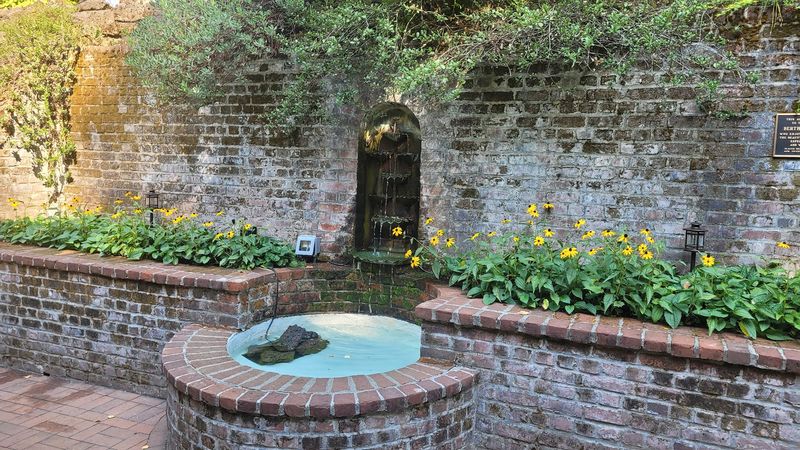
Leach Botanical Garden is the kind of place that makes you question why you ever stayed indoors. Carved into a Johnson Creek canyon, the garden sits on 17 acres of living, breathing Pacific Northwest magic.
The moment you cross the threshold, the city noise simply stops.
Founded by botanist Lilla Leach and her husband John in the early 1900s, the property became a public garden after they donated it to the City of Portland.
Lilla was a serious plant explorer who actually discovered new species in the wild. That history gives the whole place an extra layer of depth.
The garden is free to visit, which somehow makes it feel even more generous. Trails wind through towering Douglas firs, native shrubs, and creek-side plantings that shift with every season.
Spring here is ridiculous in the best way. Come once at 6704 SE 122nd Ave, Portland, Oregon, and you will absolutely come back.
The Historic Manor House And Its Quiet Charm
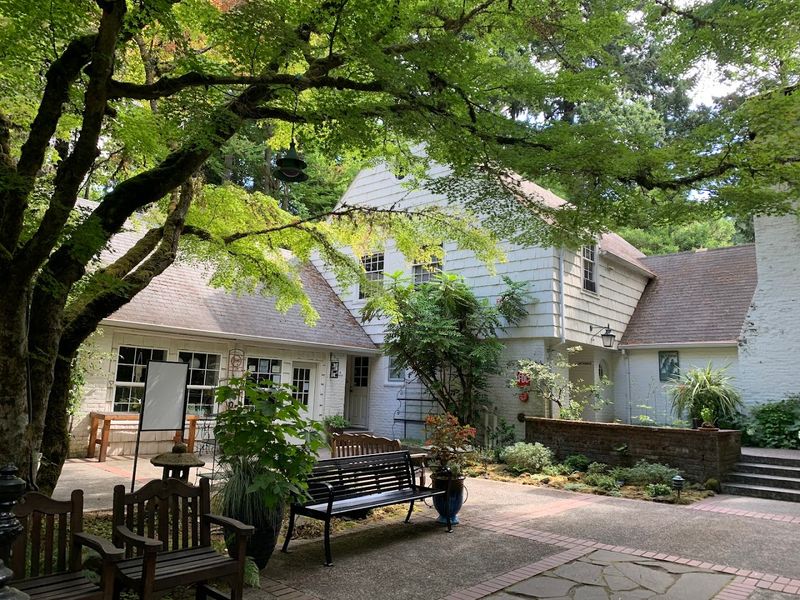
The Manor House at Leach Botanical Garden is not trying to impress you, and that is exactly why it does.
Built in the 1930s, the rustic stone structure sits comfortably among the trees like it grew there naturally alongside everything else. It feels genuinely lived-in, not staged.
Lilla and John Leach actually called this home for decades. Walking up to it, you get a real sense of two people who loved plants more than almost anything else.
Their personal touches are still visible in the stonework and the surrounding plantings they chose with care.
The Manor House now serves as a visitor center and event space for the garden. Inside, you can learn about the Leach family history and pick up a trail map before heading out to explore.
Rangers and volunteers are usually around and genuinely happy to answer questions. It is a grounding starting point before the trail pulls you deeper into the canyon below.
The building alone is worth a photograph or five.
The Sound Of Running Water
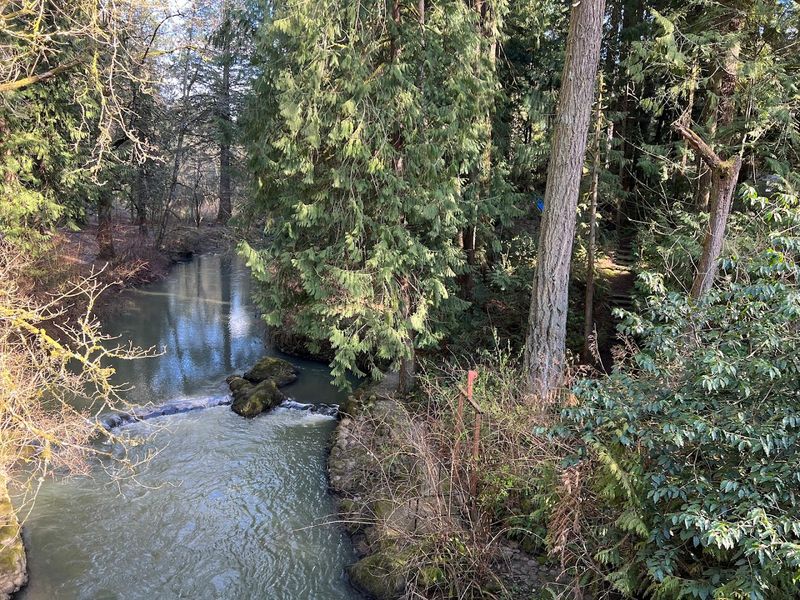
There is something almost unfair about how peaceful the Johnson Creek canyon trail feels when you know a major city is sitting just above you.
The trail follows the creek through a narrow, shaded ravine where the air is noticeably cooler and everything smells like rain-soaked earth. It is the kind of quiet that resets your brain.
The path is well-maintained and relatively easy to walk, making it accessible for most visitors. Wooden bridges cross over the creek at a few points, giving you great views of the water moving through mossy boulders below.
Kids love those bridges. Adults do too, honestly.
In spring, the creek runs fast and the surrounding vegetation is almost aggressively green. By summer, the canopy closes in overhead and the whole trail feels like a green tunnel.
Fall brings color changes that are subtle but genuinely beautiful in that understated Pacific Northwest way. This trail alone is reason enough to visit Leach.
Pack comfortable shoes and expect to slow way down.
Native Plant Collections That Teach You Something
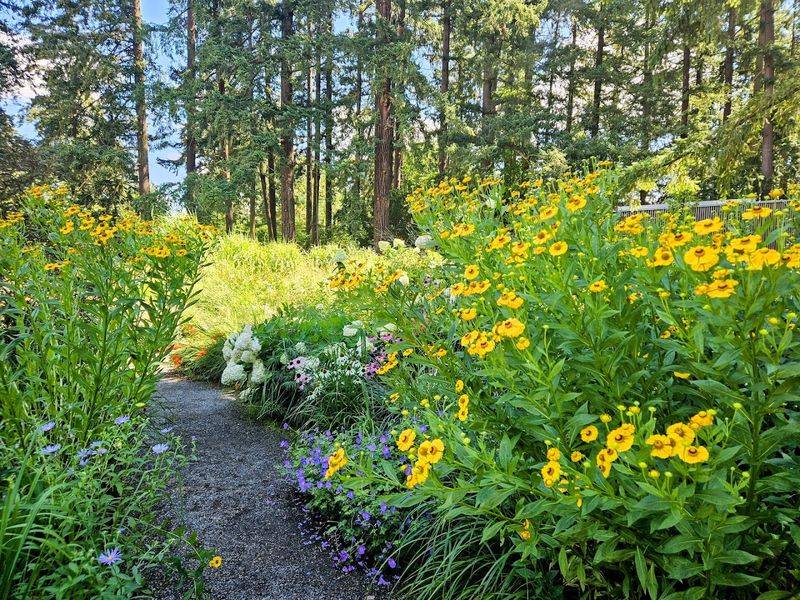
Most people do not walk into a botanical garden expecting to leave genuinely smarter. Leach manages to pull that off without being preachy about it.
The native plant collections are thoughtfully labeled and arranged so that even a complete beginner starts connecting plant names to real living things. That is harder to do than it sounds.
The garden features a strong focus on plants native to the Pacific Northwest, including Oregon grape, red flowering currant, and several types of native ferns.
Lilla Leach herself collected many rare species during her field expeditions, and some of those lineages are still represented in the garden today. That living history is genuinely cool.
Gardeners visiting for inspiration will find plenty of ideas for their own yards, especially if they want low-maintenance, climate-appropriate plants.
The plant diversity across the property is impressive without feeling overwhelming. Signage is clear and informative without being academic or dry.
You come here to look, but you leave knowing things you did not know before. That combination is rare and worth celebrating.
The Woodland Garden Section And Its Storybook Atmosphere
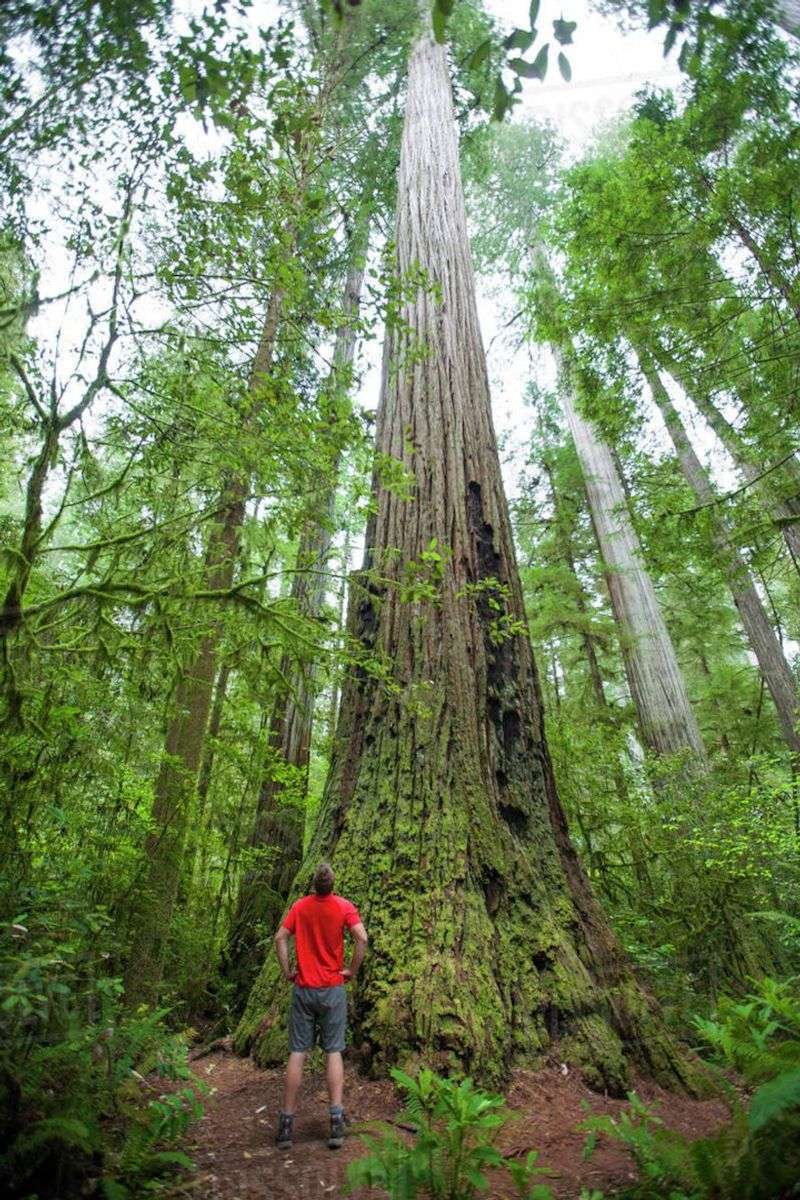
If you have ever wanted to walk through a fairy tale without the questionable plot decisions, the woodland garden section at Leach is your answer.
Shade-loving plants cluster under a tall canopy of conifers and big-leaf maples, creating layers of texture that feel more like art than horticulture. The light filters through in ways that make every photo look professionally edited.
Hostas, trilliums, and native wildflowers fill the ground level while ferns and shrubs build upward toward the trees. The planting design feels natural rather than forced, which takes real skill to achieve.
Nothing here looks like it was placed by a committee.
This section is especially magical in early spring when woodland wildflowers are at peak bloom. The trilliums alone are worth planning a visit around.
Bring a camera with a good macro setting if you have one, because the detail in these plants up close is extraordinary.
The woodland garden is also noticeably quieter than the open sections, which adds to the whole atmosphere. It genuinely feels like the rest of the world agreed to pause for a moment.
Free Admission And Why That Changes Everything
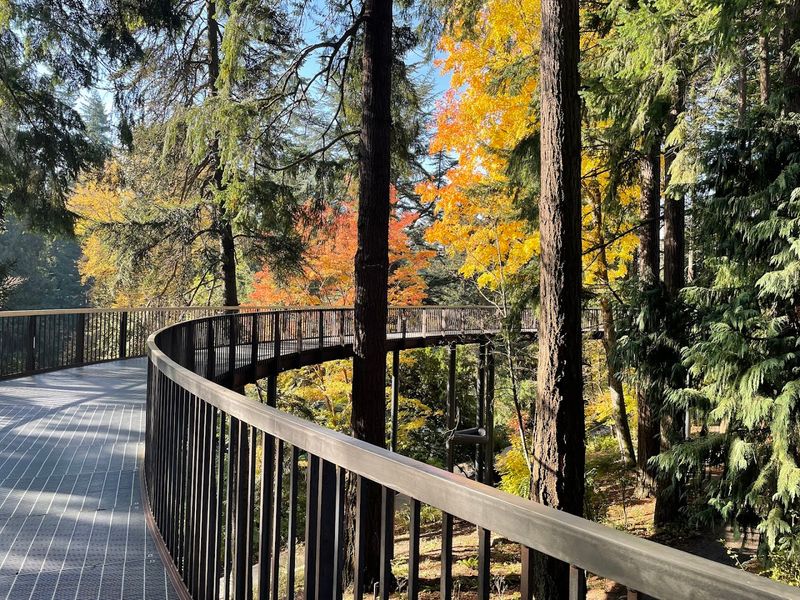
Free admission sounds like a small thing until you realize how rare it actually is for a garden this good.
Leach Botanical Garden does not charge an entry fee, which means you can visit on a whim without any pressure to get your money’s worth. That freedom completely changes how you experience the place.
Because there is no financial commitment, first-time visitors tend to wander more casually and end up discovering corners of the garden they never would have rushed to find otherwise.
The relaxed pace matches the relaxed environment perfectly. It is one of those rare situations where the pricing model and the product are genuinely aligned.
Portland parks and recreation manages the garden, which keeps it accessible to everyone regardless of income.
Community events, volunteer days, and educational programs happen regularly throughout the year. The garden also welcomes school groups, which means local kids grow up knowing this place exists.
That kind of civic investment in green space and natural education is something worth pointing out. Free does not mean cheap here.
It means generous.
Seasonal Highlights That Keep Drawing You Back
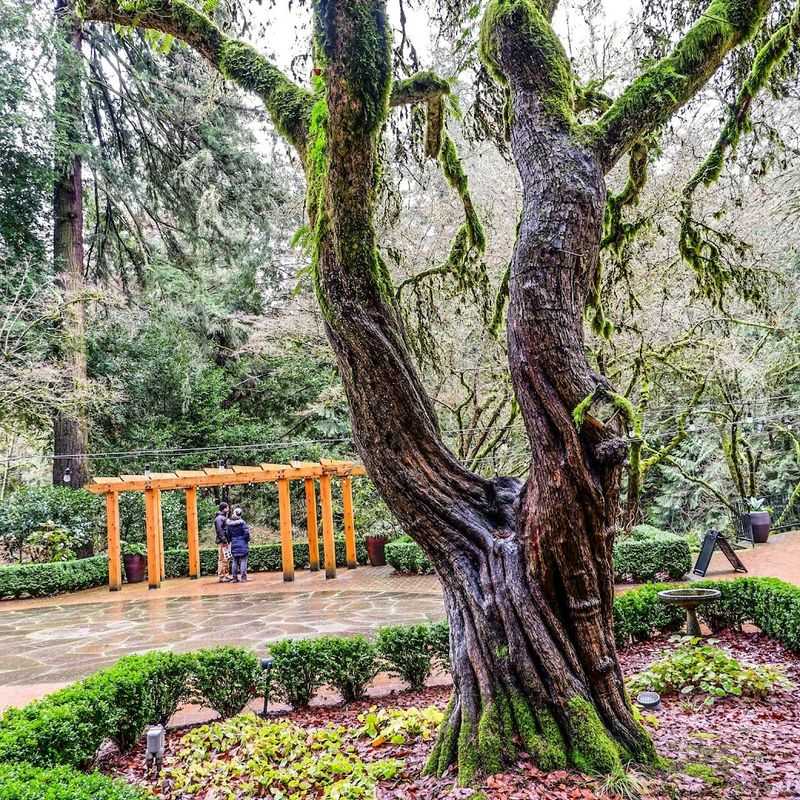
One visit to Leach Botanical Garden is genuinely not enough, and that is not a complaint. The garden shifts so dramatically across the four seasons that repeat visits feel like discovering a completely different place each time.
Returning visitors often say the same thing: it just keeps getting better.
Spring is peak season for wildflowers and fresh new growth along the creek trail. Summer brings dense canopy shade and a cooling effect that feels like a gift during warm Portland afternoons.
Fall delivers understated color changes in the foliage that reward close attention. Winter strips things back and reveals the structure of the garden in a way that is quietly impressive.
Planning your visit around specific blooms is easy with the garden’s online resources and social media updates. The staff and volunteers are good about sharing what is currently at peak in real time.
If you visit in late March through May, expect to be genuinely overwhelmed by how alive everything looks. Each season earns a dedicated visit on its own terms.
The garden basically gives you four reasons to come back every single year.
Why This Garden Belongs On Your List

Portland, Oregon has no shortage of green spaces, but Leach Botanical Garden holds a specific kind of appeal that the bigger parks simply cannot replicate.
The combination of natural canyon landscape, curated plant collections, and genuine human history makes it feel layered in a way that takes time to fully absorb.
One visit plants the seed, and you find yourself thinking about going back for weeks.
The garden is easy to reach by car and has parking on site. It sits in a residential neighborhood that gives no hint of what waits just beyond the entrance.
That contrast between ordinary surroundings and extraordinary interior is part of what makes the experience so satisfying.
Whether you are a serious plant enthusiast, a casual walker, or someone who just needs an hour away from a screen, Leach delivers.
The scale is manageable, the trails are clear, and the whole property feels genuinely cared for. This is the kind of place locals keep to themselves, which is understandable but also a little selfish.
Tell your people. Bring snacks.
Stay longer than you planned.