This Hindu Temple In Nebraska Opens Its Carved Marble Halls To Anyone Who Walks In
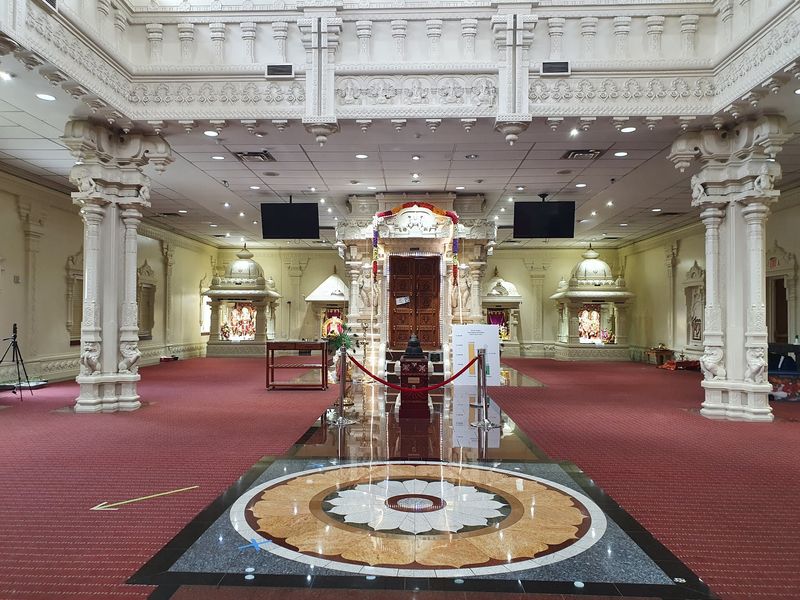
A Ganesha sculpture weighing about 2.5 tons sits at the heart of a temple in Nebraska. It’s carved from granite, and it made the long trip from India to get here.
The building around it has a twist too. It began life as an Italian restaurant that had closed its doors.
A dozen master carvers from southeast India later spent two years shaping its sanctums and sculptures by hand.
I like how ordinary the neighborhood feels compared to what waits inside. Carved pillars, deity figures and quiet sanctums fill a space that welcomes curious guests, not only worshippers.
It’s the kind of place you could drive past for years without a clue.
So how did a spot for pasta become one of the most detailed sacred spaces in the state? The story is better than you’d guess.
A Sacred Landmark Waiting Quietly In West Omaha
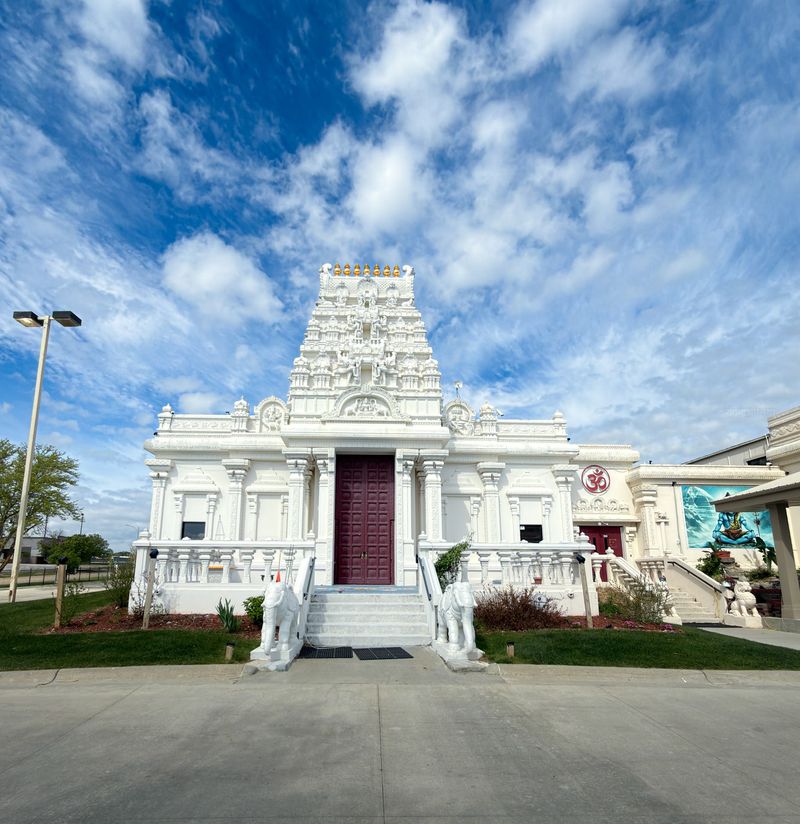
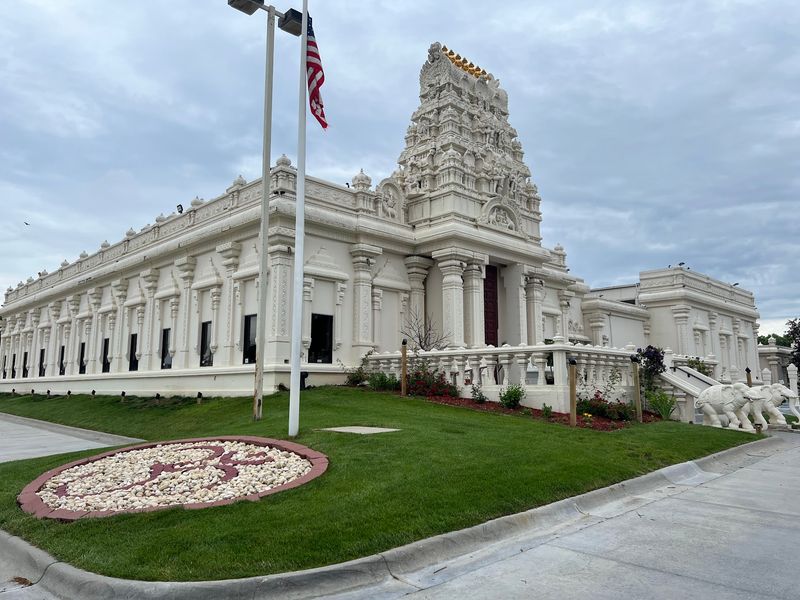
Most people expect suburban Omaha to offer strip malls and soccer fields. Few expect hand-carved Hindu sanctums with deities shaped by artisans from India.
The Hindu Temple of Omaha sits a little off the busy streets in the western part of the city. It serves as a spiritual home for Hindu families across the area and well beyond it.
The temple was officially established in 1993. Today the complex includes a traditional temple structure, a social hall and a library.
A learning center called the Hall of Saints rounds things out.
Here’s the part that matters for the rest of us. The temple welcomes visitors who simply want to look, learn and sit quietly for a while.
You don’t need to be Hindu to appreciate a room full of handcrafted sacred art.
That openness makes it one of Nebraska’s more surprising cultural stops. It’s a working place of worship, so respect comes first.
Still, curiosity is clearly welcome here.
Think of it as a doorway into a tradition thousands of years old. It just happens to be a short drive from Interstate 680.
Living Room Prayers Before There Was A Temple
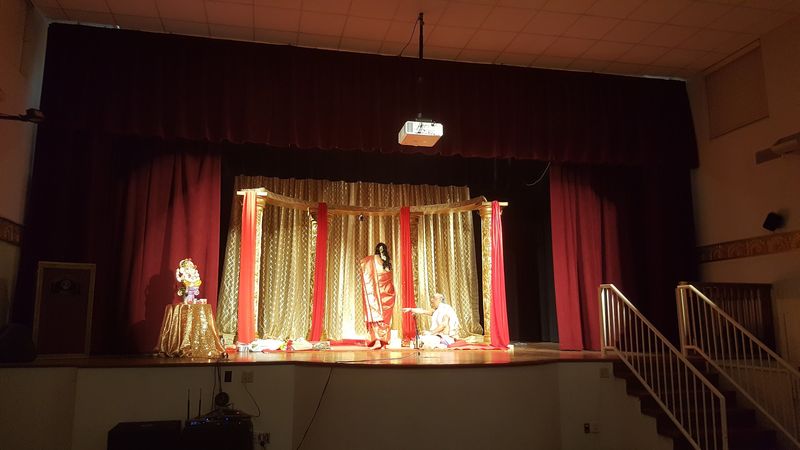
Long before the carvers arrived, worship here happened on couches and folding chairs. The Hindu community in Nebraska started taking shape in the early 1970s.
Engineers from India moved to the area with their families. They brought careers, recipes and faith traditions with them.
What they didn’t have was a dedicated temple.
So they made do. Religious practices took place in private homes or in rented spaces around town.
Picture a small altar set up on a living room shelf, and you get the general idea.
That kind of patience deserves a little credit. Building a community from scratch takes years of potlucks, phone trees and shared effort.
It also takes people willing to host gatherings week after week.
Those early families laid the groundwork for everything that followed. Their children grew up between two cultures, right here on the Great Plains.
It’s a very Nebraska story when you think about it. People arrived for good jobs, put down roots and built something lasting with their neighbors.
The temple you see today grew directly from those humble beginnings.
From Shuttered Italian Restaurant To Holy Ground
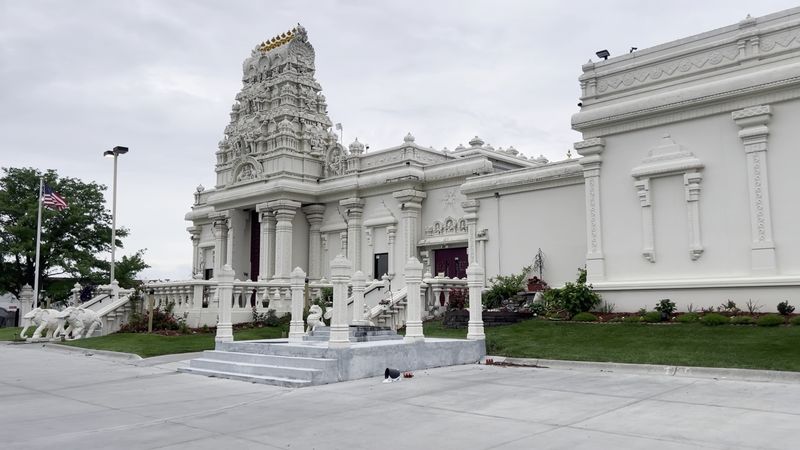
Plenty of Nebraska buildings get second lives as antique shops or coffeehouses. This one became a temple instead.
In November 1993, the community bought a defunct Italian restaurant building. That same year, the Hindu Temple of Omaha was formally established.
Talk about a menu change.
I can’t help smiling at the idea of a dining room turning into a prayer hall. Somewhere in that building’s past, someone probably ordered spaghetti where devotees now bow.
Repurposed spaces always carry a little extra personality.
The purchase gave families a permanent home at last. No more borrowing rooms or rearranging furniture for every gathering.
They finally had a place to grow into.
And grow they did. The old restaurant served as the starting point for much bigger plans.
Over the next decade, the community would reshape the property into something entirely different.
For Nebraskans who love a good building transformation, this one belongs on the list. Courthouses become museums and depots become cafes.
Here, a closed restaurant became one of the most detailed sacred spaces in Omaha.
The Big Expansion That Finished In 2004
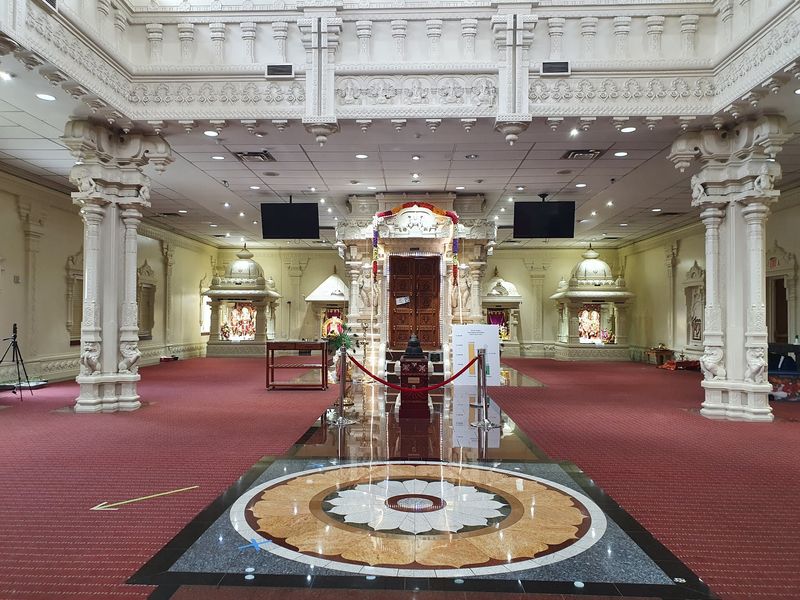
August 30, 2004, is a big date in this community’s calendar. That’s when construction of the traditional Hindu temple was finally completed.
Getting there took a major expansion and renovation project. The community poured years of fundraising and planning into reshaping the property.
The result looks nothing like a restaurant anymore.
The goal was authenticity. Families wanted a temple built the traditional way, with proper sanctums for their deities.
A plain meeting hall simply wouldn’t do.
That ambition explains why the finished space feels so detailed. Every carved surface reflects a decision to do things carefully rather than quickly.
Patience is practically built into the walls.
Around the main temple, the complex expanded to include practical spaces too. A social hall hosts events and can be rented for special occasions.
A library supports study and learning.
Eleven years passed between the restaurant purchase and the temple’s completion. That’s a long stretch of effort for a volunteer-driven community.
Standing inside today, you can see exactly where all that energy went.
Twelve Master Carvers And Two Long Years
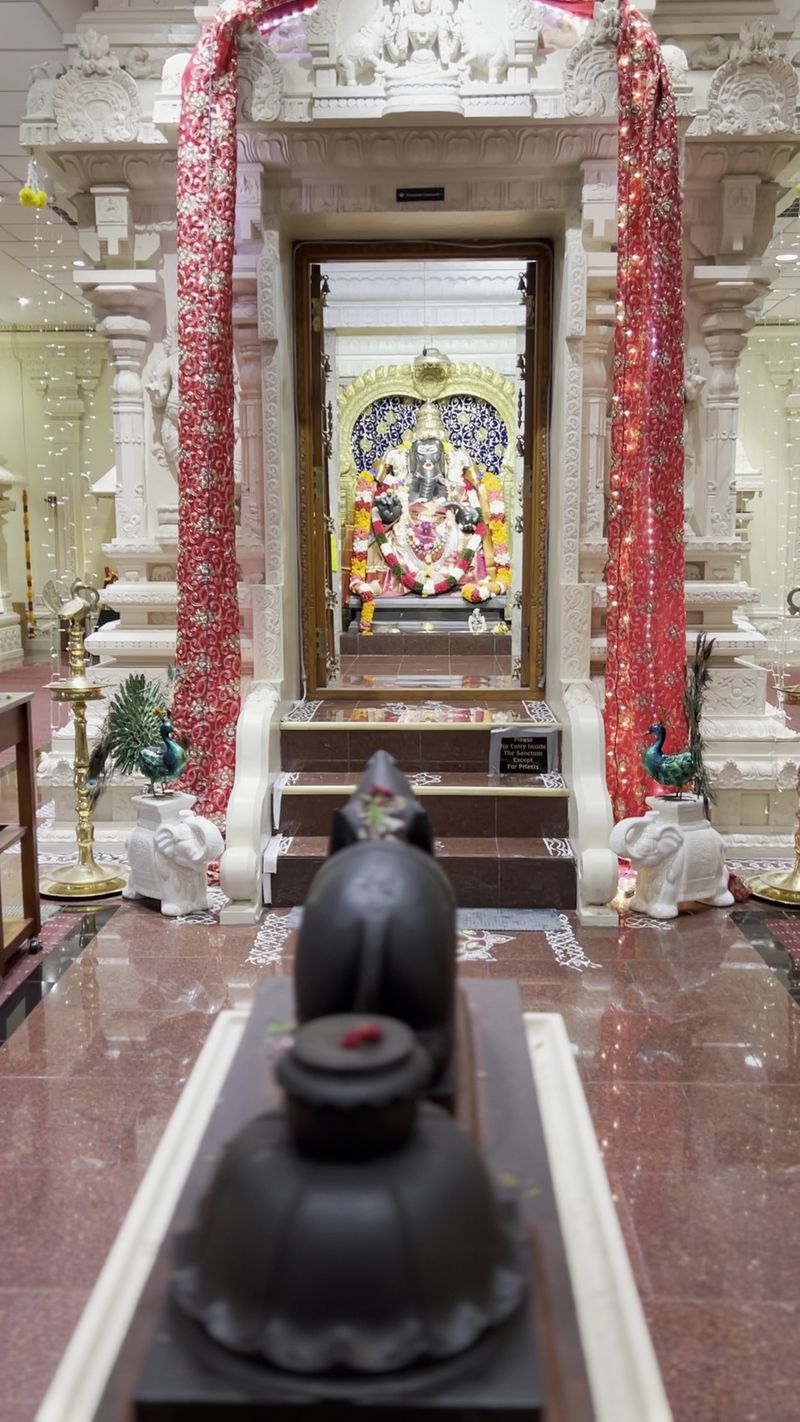
A dozen artisans traveled from southeast India to Omaha for this job. They’re called shilpis, and they’re trained in traditional temple carving.
They stayed for two years. During that time, they hand-carved the sanctums and the decorative sculptures throughout the temple.
No shortcuts and no mass-produced trim.
That’s worth pausing on. Two years is longer than many Nebraska homes take to build from the foundation up.
These craftsmen spent it shaping deity figures and pillars, one detail at a time.
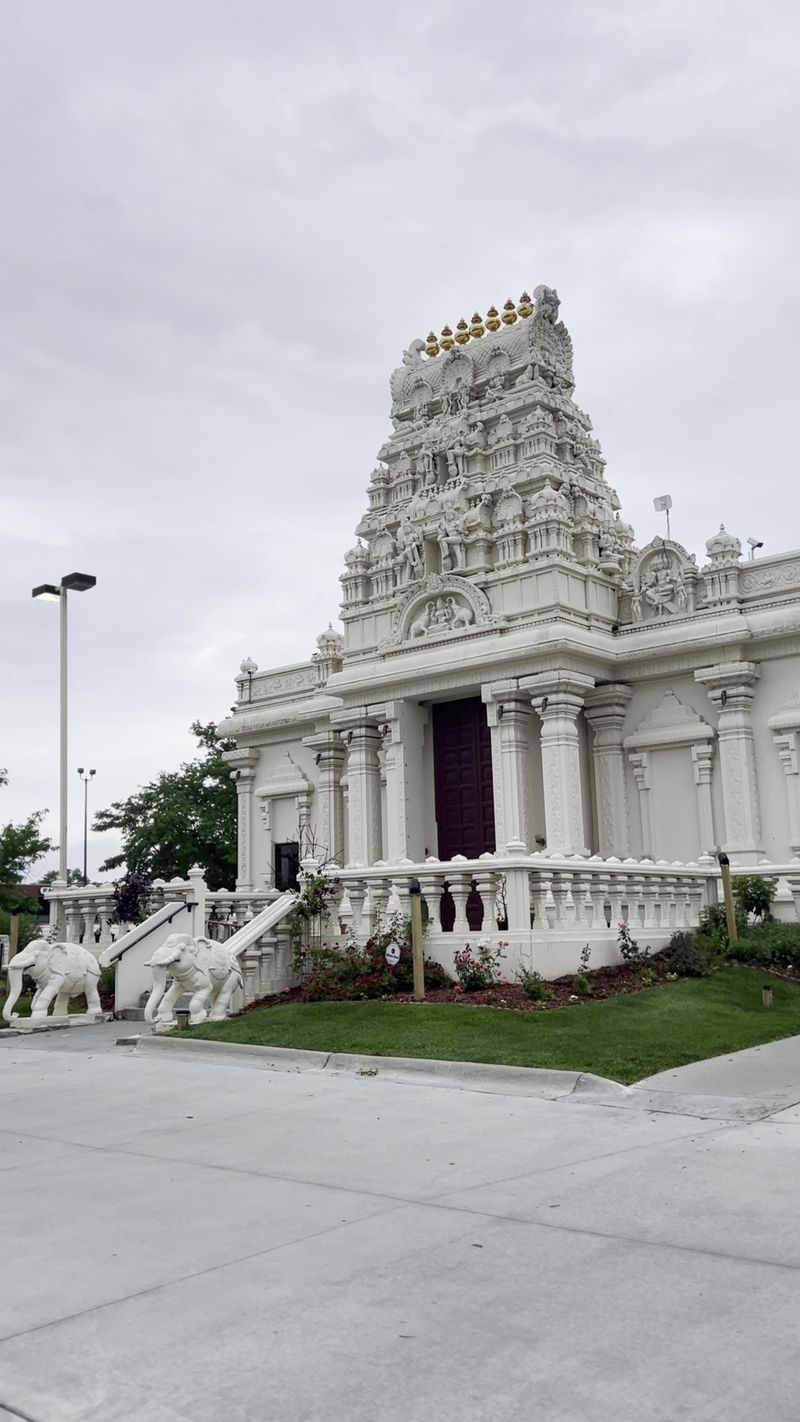
The results show up everywhere you look. Intricately carved pillars line the space, and deity figures appear throughout the building.
The level of detail rewards anyone willing to slow down.
Shilpis carry knowledge passed down through generations of temple builders. Bringing them to Nebraska meant the temple would follow the same artistic traditions found in India.
Omaha got the real thing, not a copy.
Bring your patience and your eyes. Look closely at a single pillar and you’ll keep finding new shapes.
Somewhere in every curve is a carver’s two-year commitment to getting it right.
A 2.5-Ton Ganesha Holds Center Stage
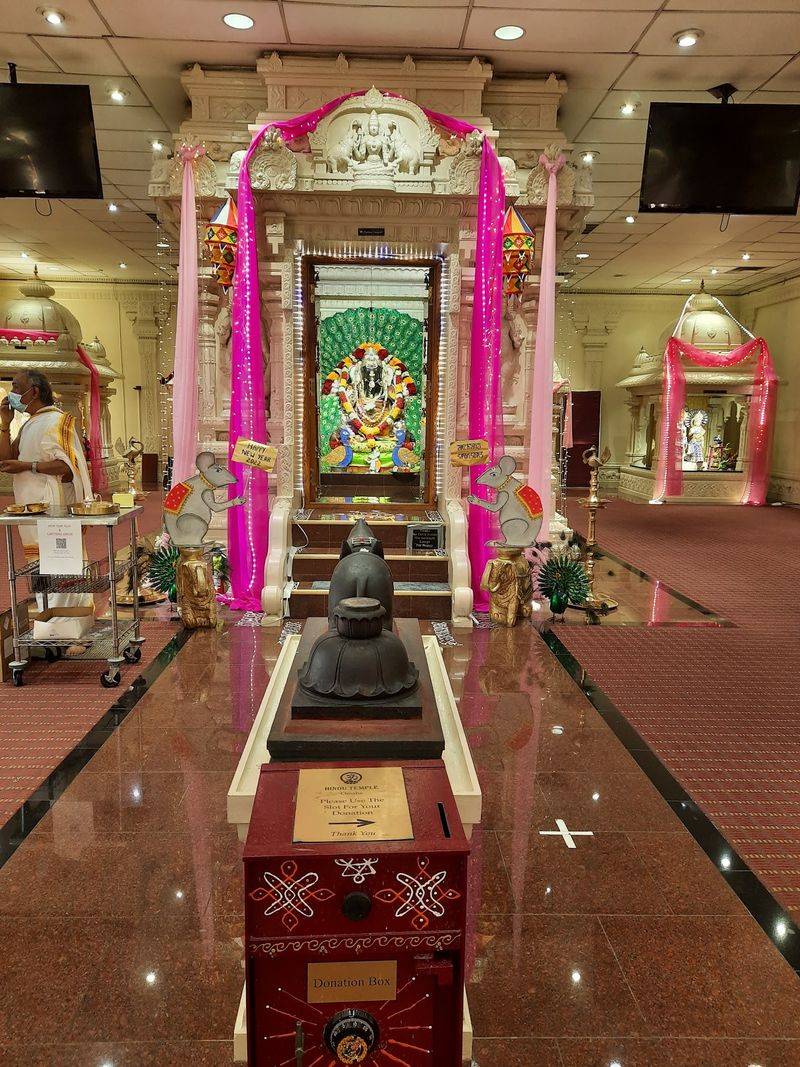
Try moving a 2.5-ton anything across an ocean. The community did exactly that with the granite sculpture of Ganesha in the main sanctum.
The statue was brought from India to Omaha. That’s roughly the weight of a full-size pickup truck, carved from solid stone.
Shipping logistics alone deserve their own story.
Ganesha is the elephant-headed deity widely known as the remover of obstacles. He’s often honored at the start of new beginnings.
Placing him at the center of a new temple makes a lot of sense.
His position in the main sanctum makes him the focal point of the temple. Other deities occupy their own spaces around him.
Your attention naturally lands on Ganesha first.
Priests decorate the deities and perform rituals throughout the year. The temple provides priest services for a wide range of ceremonies.
That keeps the sanctum active rather than museum-like.
Granite holds up beautifully over time, so this sculpture should be around for generations. Seeing it in person beats any photo.
The scale is hard to grasp until you’re standing respectfully in front of it.
Eleven Sanctums Built Like Tiny Palaces
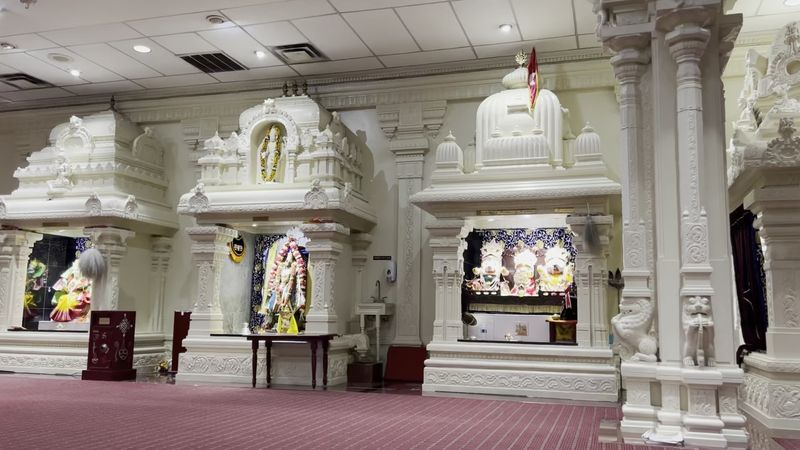
Ganesha has plenty of company here. The temple houses 11 images of gods and goddesses within carefully crafted sanctums.
Each sanctum works like a small dedicated shrine. The carved surroundings give every deity its own sacred space.
Walking from one to the next feels like moving through a series of rooms with distinct personalities.
Having many deities under one roof matters for a regional temple. Families from different parts of India honor different traditions.
A single shared space lets more people find their own place to pray.
For first-time visitors, the variety can feel like a lot at once. Take it slowly.
Notice how each sanctum’s carvings frame the figure inside.
The artisans from southeast India carved these sanctums by hand during their two-year stay. That shared craftsmanship ties the whole interior together.
Different deities, one consistent artistic voice.
Major Hindu festivals bring special decorations and rituals to these shrines. Even on an ordinary weekday, though, the sanctums stay carefully kept.
It’s a good reminder that this space serves daily devotion first and visitors second.
Sant Sadan, The Hall Where Learning Happens
Not every corner of the complex is about ritual. Sant Sadan, known as the Hall of Saints, serves as a center for learning and spiritual discourse.
That gives the temple a classroom side. Talks and discussions happen here, offering deeper context on Hindu teachings.
It’s where questions get room to breathe.
The complex also includes a library. Books support study for adults and kids alike.
A temple with a reading room just feels right.
Education runs through the temple’s programs. Sunday School gives children a chance to learn about their heritage.
Yoga classes take place on Wednesdays.
I believe this learning focus explains a lot about the community’s staying power. Traditions survive when people understand them, not just repeat them.
The Hall of Saints helps make that happen.
For curious Nebraskans, this side of the temple offers a quieter entry point. Not sure what a ritual means or which deity is which?
Learning is clearly part of the mission, and that makes the whole place feel more approachable.
Weekend Cafeteria Plates Worth Planning Around
Good news for anyone who plans outings around lunch. The temple runs a cafeteria on Saturdays and Sundays from late morning into early afternoon.
The food is vegetarian, in keeping with the temple’s traditions. Indian dishes are made fresh for the weekend crowd.
That’s a tasty bonus after time spent among the sanctums.
Here’s a fun irony worth savoring. The building once housed an Italian restaurant, and food still brings people through the doors.
The cuisine just took a very different direction.
Timing matters, so don’t show up mid-afternoon expecting a meal. The cafeteria window is fairly short.
Arrive in the late morning or around midday for your best shot.
Pairing a temple visit with lunch makes for an easy weekend plan. You get art, quiet and a warm plate in one stop.
Few Omaha outings check that many boxes so neatly.
Shopping nearby can extend the trip too. Several Indian grocery stores operate in the area.
Grab spices or snacks on the way home and keep the experience going in your own kitchen.
Festival Days, Yoga Nights And Neighborly Service
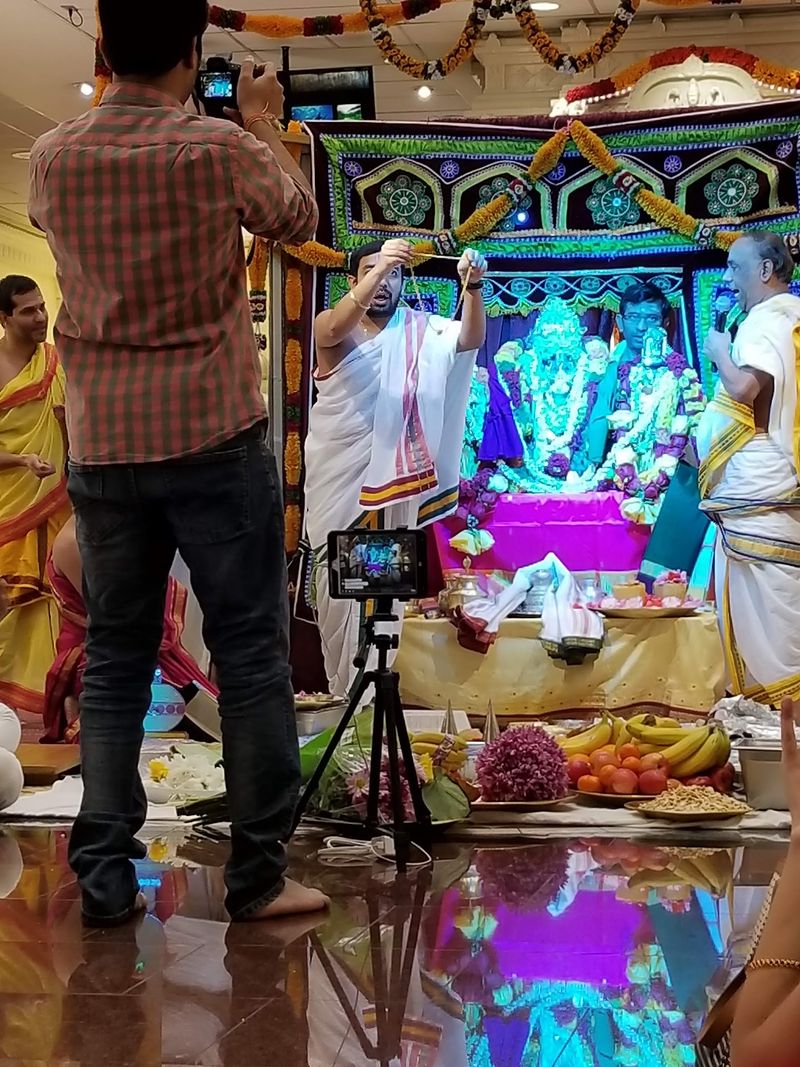
Quiet weekdays are only half the picture. Most major Hindu festivals are celebrated here, filling the calendar with color and ritual.
The temple partners with the Indian Association of Omaha on cultural events. Those gatherings showcase music, dance and traditions from across India.
They also give Nebraskans a window into a vibrant culture next door.
Regular programs keep things busy between festivals. Yoga classes meet on Wednesdays.
Sunday School serves children who are learning their family’s heritage.
Priests also handle rituals for life’s big moments. Families can arrange ceremonies through the temple’s priesthood services.
That makes the space part of many personal milestones.
The community looks outward too. The temple works with other faith communities and takes part in community service projects.
Being a good neighbor seems to be part of the job description.
That mix of devotion and involvement fits Nebraska well. People here tend to show up for each other, whether at church suppers or county fairs.
This temple simply adds its own traditions to that long habit of pitching in.
Calm Enough To Hear Yourself Think
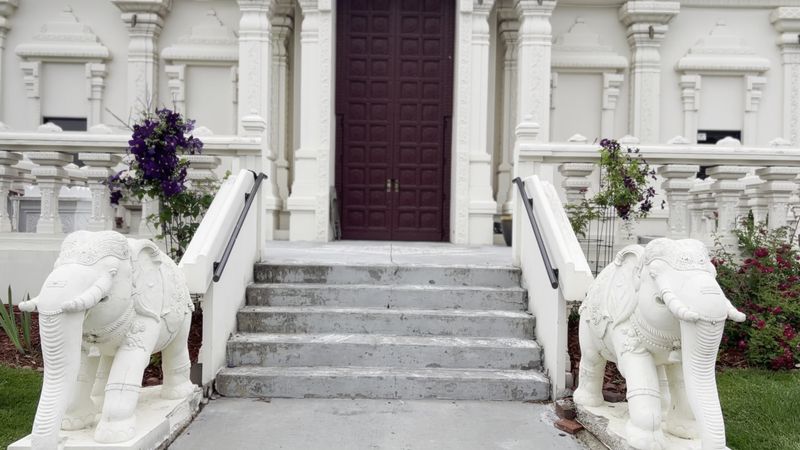
Some places invite you to rush through and snap photos. The Hindu Temple of Omaha nudges you to slow down instead.
Calm sits at the center of the experience. You can sit quietly, meditate for a while or simply study the carvings.
Nobody expects you to hurry.
Remember that this is an active place of worship. Devotees come to pray, and rituals may be underway during your visit.
Quiet voices and respectful behavior go a long way.
Who will enjoy it most? Art lovers will appreciate the hand-carved detail.
Families looking for a cultural outing will find plenty to discuss on the drive home.
Students of religion or architecture get a rare in-state chance to see traditional temple craft up close. Folks needing a peaceful break from busy schedules may find this the best part.
Volunteers and priests help keep the place welcoming and organized.
It’s not a theme park or a museum, and that’s the point. The value comes from experiencing a living tradition on its own terms.
Go in curious, leave a little quieter.
Timing Your Trip Around Those Split Hours
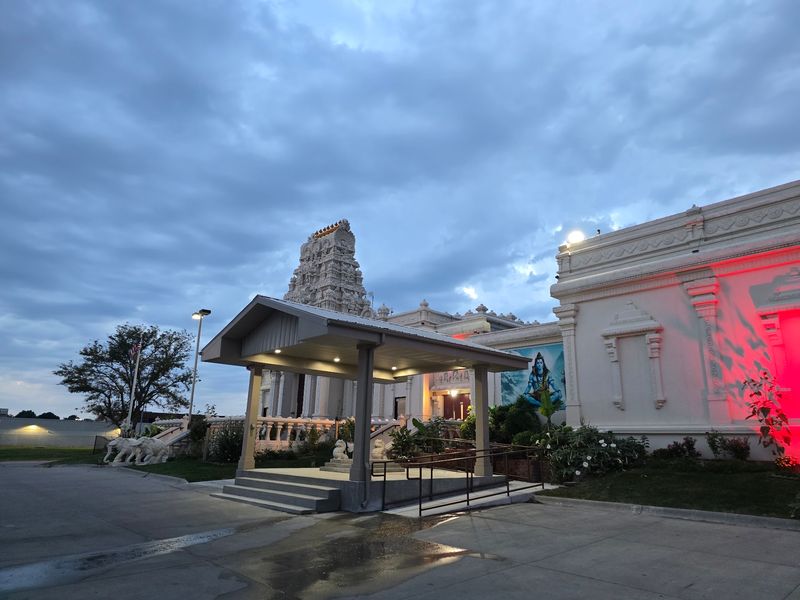
Plan carefully, because this temple doesn’t keep all-day hours. It opens in two separate windows, one in the morning and one in the evening.
On weekdays, the morning session wraps up around lunchtime. On weekends, it runs a bit longer into the early afternoon.
Evening hours pick back up later in the day on every day of the week.
That midday gap catches people off guard. Check the schedule before you leave home.
Nothing deflates a road trip like arriving to locked doors.
You’ll find the temple at 13010 Arbor Street, Omaha, NE 68144. It sits a little away from the busiest roads, yet it’s easy to spot once you’re close.
West Omaha traffic is usually manageable for out-of-town drivers.
Accessibility is well handled. The facility offers ADA parking, ramps and accessible restrooms.
That makes it a smart pick for grandparents or anyone using a wheelchair.
Weekend visitors get the extra perk of the cafeteria. Aim for a late-morning Saturday or Sunday arrival.
You can explore the sanctums first, then settle down to a fresh vegetarian lunch.
Why This Belongs On Your Nebraska Bucket List
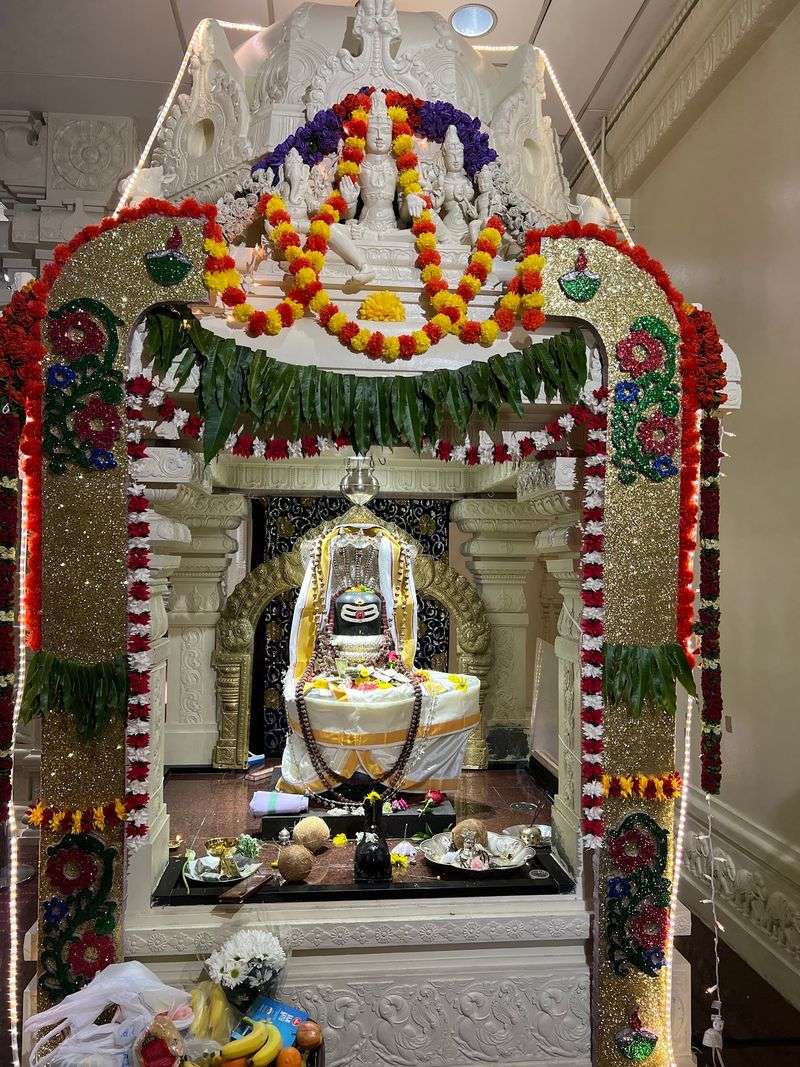
Nebraska loves a good surprise, and this one delivers. A closed Italian restaurant became a hand-carved temple with a 2.5-ton granite Ganesha.
The Hindu Temple of Omaha tells a story that feels deeply local. Families arrived in the 1970s, prayed in living rooms and slowly built something lasting.
Few Nebraska buildings carry that kind of journey.
Then there’s the craftsmanship. Twelve shilpis spent two years carving sanctums and sculptures by hand.
Eleven deity images rest in shrines that took real devotion to create.
Add a weekend vegetarian cafeteria and the trip gets even easier to justify. Festival days bring extra color, while quiet weekdays offer room to reflect.
Either way, you leave knowing your state a little better.
It won’t replace the Capitol or Chimney Rock on your list. It does offer something those places can’t, though.
You get a living tradition from halfway around the world, rooted firmly in Omaha soil.
So next time you’re heading west on Dodge, consider a detour. Go respectfully and check the hours first.
The carvers did their part, and the rest is up to you.