This Historic California Restaurant Sits So Close To The Pacific That Waves Practically Break At Your Table
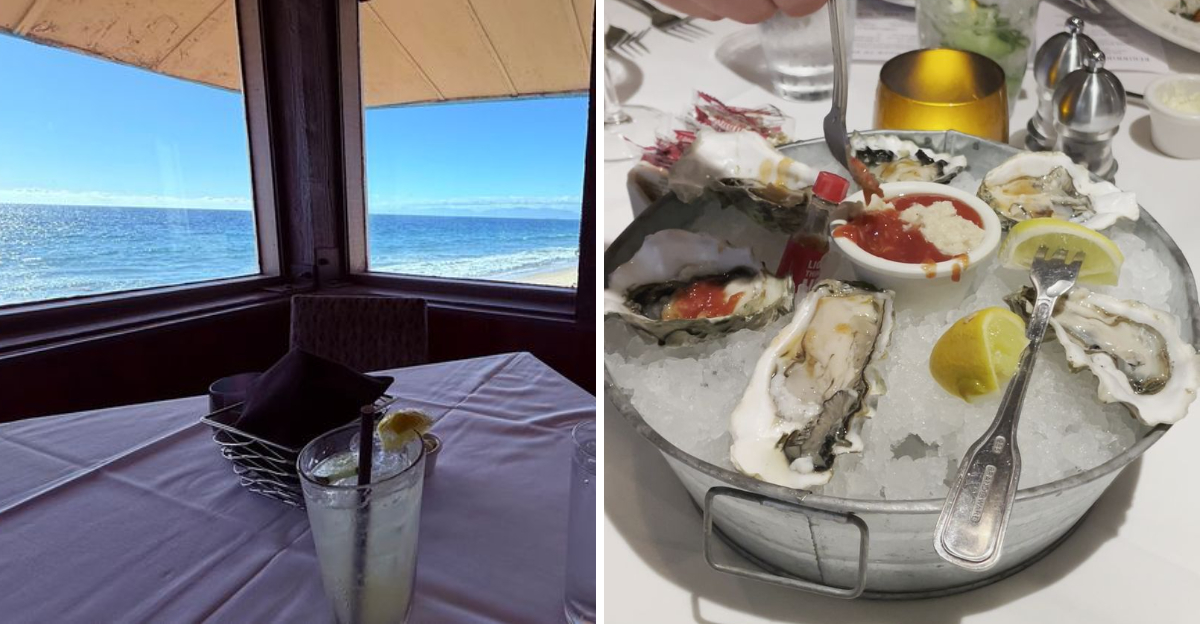
The ocean does not stay politely in the background here. It moves, flashes, crashes, and occasionally steals the entire conversation.
Sit near the windows and dinner starts competing with the Pacific almost immediately.
A wave rises. Someone at the table stops mid-sentence.
Another breaks closer to shore, and suddenly everyone is watching the water instead of deciding what to order.
Few California restaurants put the coastline this dramatically close to the dining room.
That changes the pace of the meal. You linger between bites.
You look up more often. Even an ordinary pause becomes something worth noticing when the view keeps shifting.
The historic setting adds another layer, but the ocean remains the scene-stealer.
Choose the seat carefully. The best table may be the one where your dinner companion has to forgive you for staring past them half the night.
A Dining Room That Has Faced The Surf Since 1969
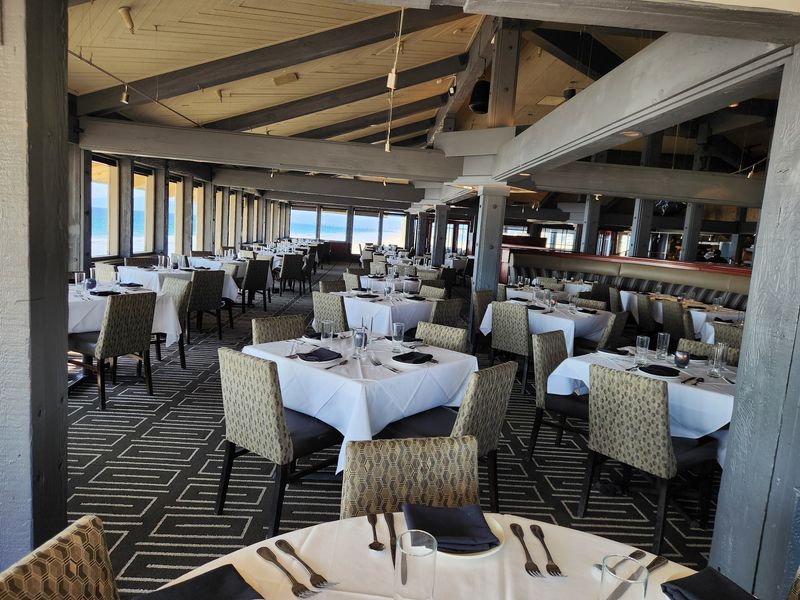
Fifty-plus years is a long run for any restaurant, especially one built where salt air works on everything it touches.
Opening its doors in 1969, this waterfront spot has served generations of South Bay families, and that history shows in the bones of the building.
The dining room is located at 231 Yacht Club Way, Redondo Beach, CA 90277, in the harbor area below street level.
Heavy wooden beams, dark paneling and nautical details give the space a lived-in warmth that newer restaurants spend years trying to fake.
Longevity like that usually means a place figured out what works and stuck with it. Guests still request the same tables their parents once sat at, which says plenty about how the room has held up.
The setting has changed around it as the harbor developed, though the core experience stayed recognizable.
Anyone curious about older California coastal dining will find the atmosphere genuinely dated in the best sense, with candlelight and low ceilings rather than exposed ductwork.
Doors open at 4 PM most days, and the kitchen runs until 9:30 PM Monday through Saturday, closing at 9 PM on Sunday.
How Close Dinner Actually Gets To The Water
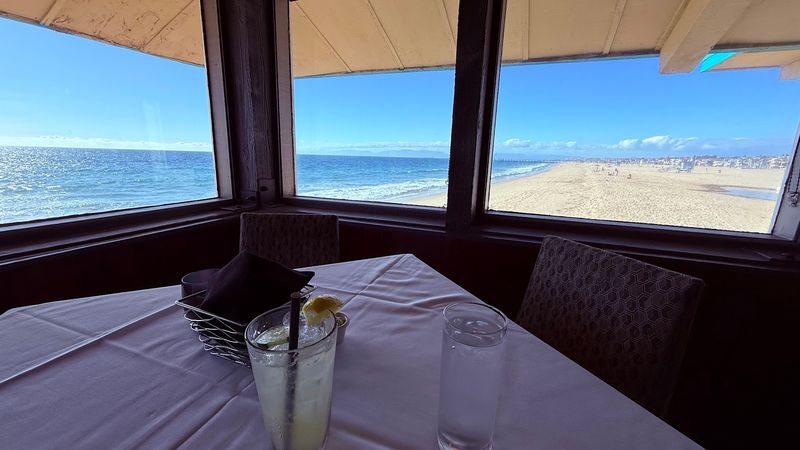
Plenty of restaurants claim ocean views, but very few put the water directly beneath the floor.
Perched on the sand at the edge of King Harbor, this dining room sits where waves roll in and break just outside the windows.
On days with bigger swell, the spray comes close enough that the glass takes a light misting, and the movement below the sill becomes part of the meal rather than scenery in the distance.
The layout leans into that closeness. Floor-to-ceiling windows wrap much of the space, and tables are angled outward instead of inward, so the Pacific stays in view whether the conversation pauses or continues.
Surf conditions shift daily, which means no two visits look quite the same. Calm evenings bring glassy water and reflected light, while windier nights deliver whitecaps and steady spray against the rocks.
Sitting this close to open water does come with a small trade-off worth knowing. Salt spray builds on the exterior glass over time, so the view may look slightly hazier on some days than others.
For anyone who has only experienced coastal dining from a bluff or a patio set back from the beach, the proximity here registers immediately. The ocean is not a backdrop but a neighbor sharing the room.
Asking For A Window Table Pays Off
Anyone who has dined here more than once learns the same lesson: the seat matters.
Window seating puts the surf directly in front of the table, and the difference between that spot and an interior booth is noticeable.
Requesting a view table when booking is standard practice and generally welcomed, though availability depends on how the evening fills up.
Reservations help considerably. Weekend evenings and holidays draw steady crowds, and window tables are limited by the shape of the room, so early booking improves the odds.
Walk-in guests are not out of luck. The bar area serves the full menu and offers its own outlook, which makes it a practical fallback when the dining room is running behind or fully committed.
Something to keep in mind: sitting directly against west-facing glass in late afternoon can feel warm as the sun drops. Mentioning a preference for a slightly shaded table is fine if direct light feels like too much.
Groups celebrating occasions sometimes request specific tables in advance, and the staff handles those notes when possible.
Flexibility helps, since a table two rows back still delivers a full view thanks to the open floor plan and the height of the windows throughout the room.
Timing Dinner Around Golden Hour
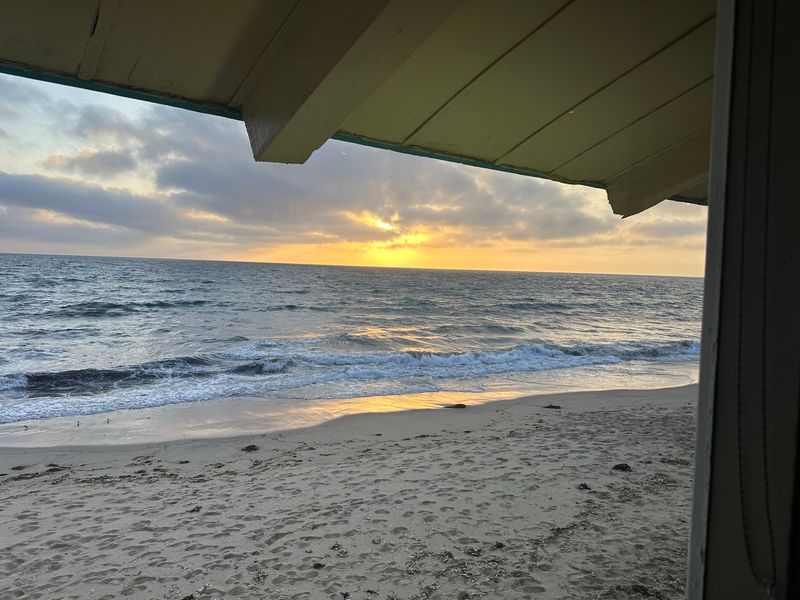
Golden hour here does real work on the room.
Sunset arrives over open water with nothing blocking the horizon, and the dining room fills with warm light that shifts from amber to lavender over roughly half an hour.
Booking a table about ninety minutes before sunset gives enough runway to be seated, order, and settle in before the sky starts changing.
Sunset times swing widely through the year in Southern California. Summer evenings push past 8 PM while winter light fades before 5 PM, so checking the actual time for the date of a visit is worth the thirty seconds.
Winter visits have a quiet advantage. Early sunsets mean the show happens near the start of dinner service, and the room is often less packed than on a July Saturday.
Marine layer can roll in and soften or hide the sun entirely, which happens more often in late spring and early summer.
Even on gray evenings the light over the water has its own muted appeal, so a cloudy forecast does not ruin the visit.
Cameras come out around this time at most tables, and that is simply part of the rhythm here. Setting the phone down afterward and watching the last of it fade is arguably the better move.
Seafood That Matches The Address
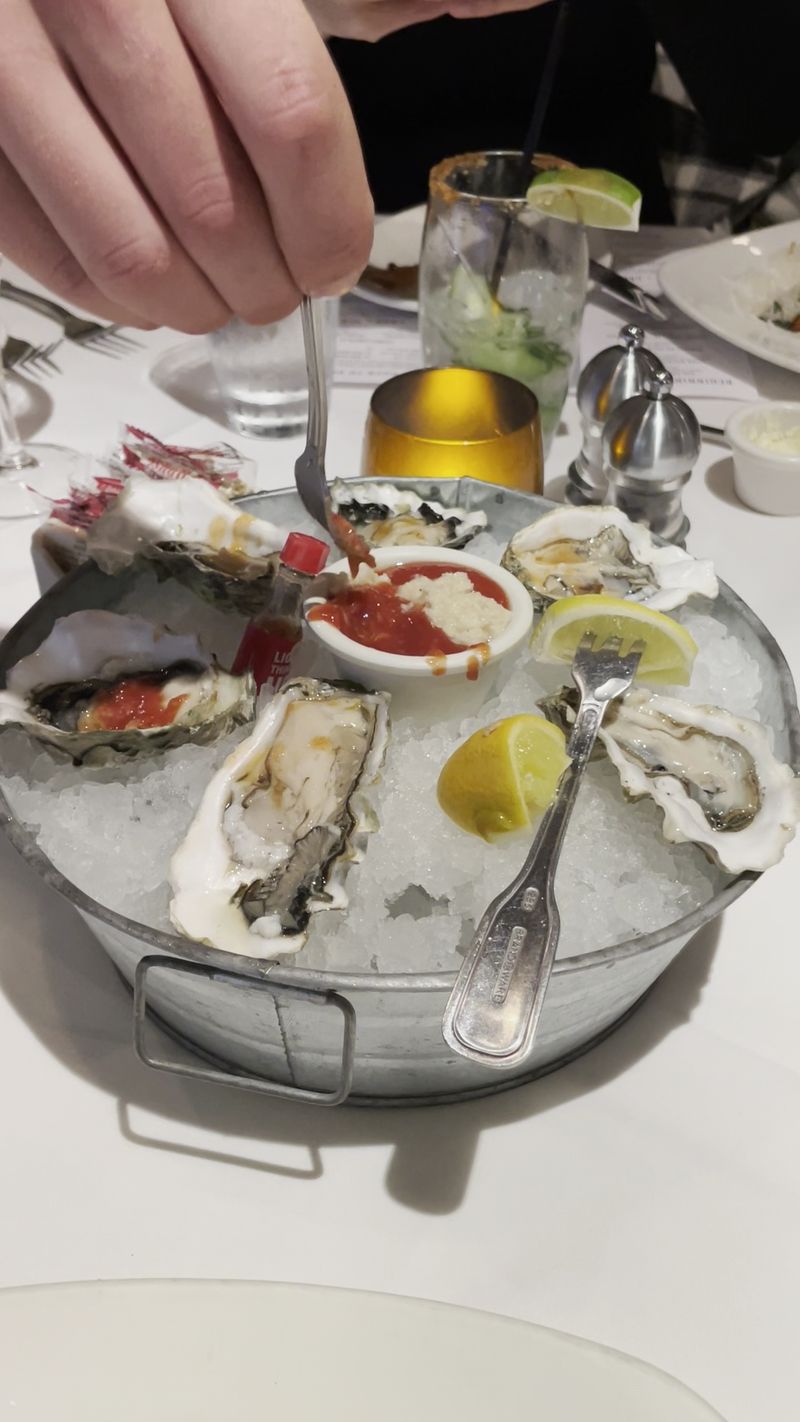
Eating fish while watching the water it came from has an obvious logic to it.
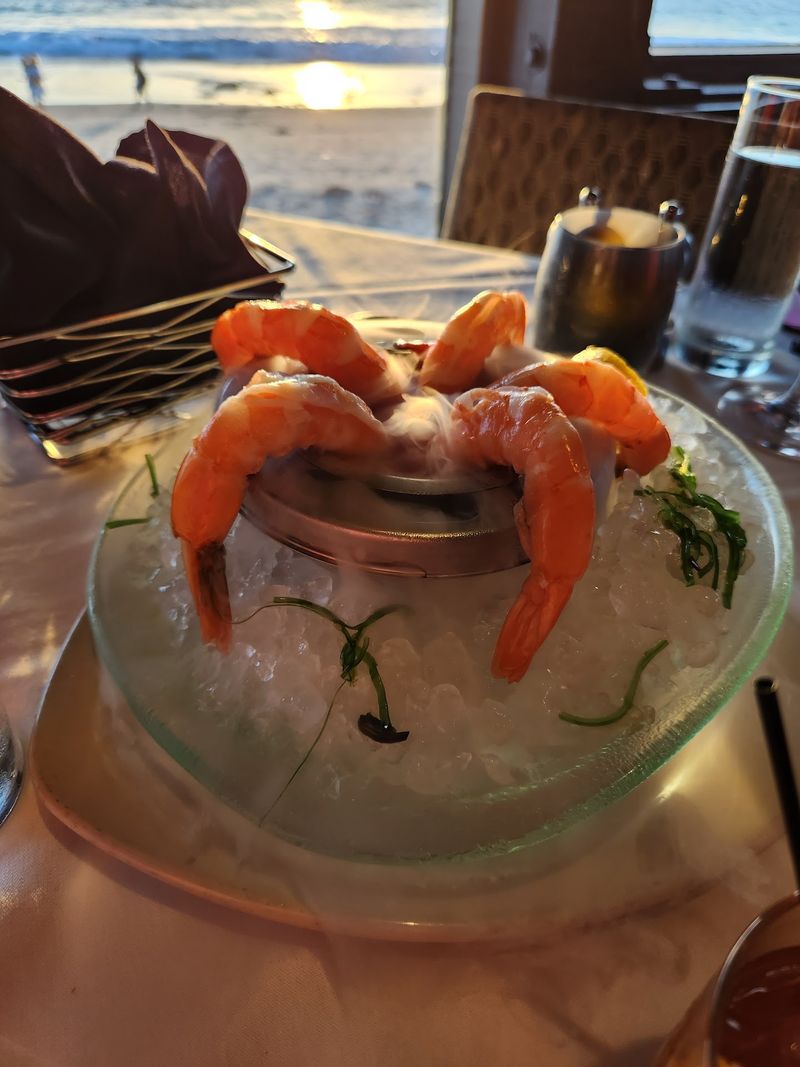
Seafood anchors the menu, and the range covers most preferences. Oysters on the half shell and shrimp cocktail work as lighter openers, while coconut crunchy shrimp and crab cake lean richer.
Entree options have included salmon, halibut, sea bass, swordfish and Alaskan king crab, with preparations that change periodically.
Menu items rotate, so checking the current offerings before a visit is smart if a particular dish is the reason for the trip. Availability of fresh catches depends on what the kitchen receives.
Portions run generous, which matters when planning a multi-course meal. Sharing an appetizer between two people is often plenty before entrees arrive.
An old-school salad bar has long been part of the experience here and gets mentioned frequently by regulars. A three-course option also appears on the menu, giving a structured way through a full dinner.
For guests who skip seafood entirely, the selection narrows somewhat, though steak and chicken options exist. Asking the server about the night’s offerings is the simplest path.
Desserts get attention too, with the hot chocolate lava cake standing out as a longtime favorite worth leaving room for.
Prime Rib Deserves Equal Billing
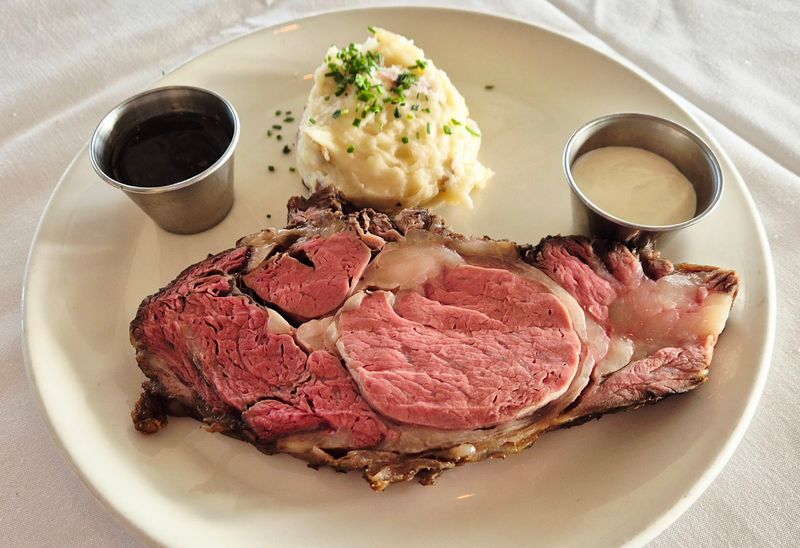
Here is a small surprise at a seafood restaurant on the sand: the prime rib may be the most talked-about plate in the building.
Slow-roasted and herb-seasoned, it has become a signature item and shows up repeatedly among the most requested dishes. Guests who came expecting to order fish frequently end up ordering beef instead after hearing about it.
The preparation is straightforward rather than fussy. Long roasting produces a tender cut, and the seasoning stays simple enough to let the meat carry the plate.
Ordering doneness is worth stating clearly, since preferences vary and slow-roasted cuts have limited flexibility once carved. Mentioning it again when the server confirms the order is not a bad habit.
Sides typically include potatoes in some form, and asking about the evening’s vegetable options gives a sense of what pairs well. Portion size runs substantial, so appetizers should be planned accordingly.
Filet mignon also appears among the popular choices for anyone who prefers a leaner cut. Surf and turf combinations bring both worlds together on one plate, which suits the setting neatly.
Old-School California Atmosphere Without The Stiffness
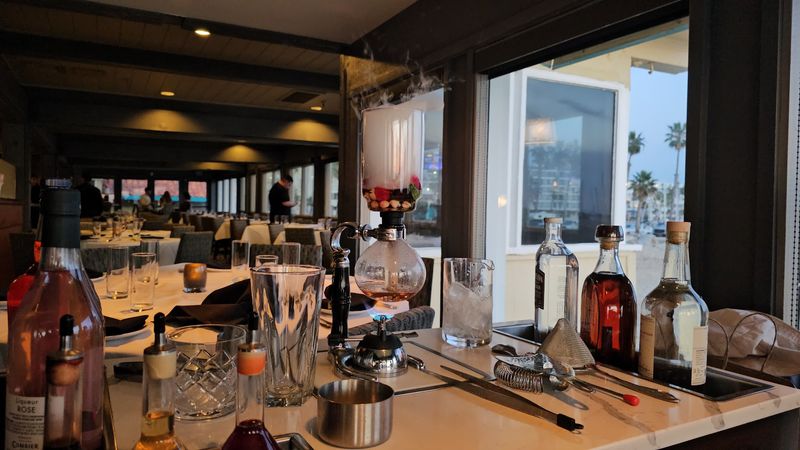
Walking down into this dining room feels a little like stepping back a few decades, and that is deliberate.
Dark wood, exposed beams and nautical touches create a room that reads classic rather than trendy.
Lighting stays low and warm, tables are spaced with some breathing room, and the overall effect lands somewhere between dressy and comfortable.
There is no strict dress code that turns the evening formal. Guests arrive in everything from resort casual to date-night outfits, and both fit the room without anyone feeling out of place.
Noise levels shift depending on where the table sits. The bar area can get lively with games playing on screens, while the main dining room usually holds a moderate hum that allows conversation across a table of four.
Service moves at a relaxed pace suited to a longer meal. Rushing through dinner here would defeat the purpose, so plan on settling in for a couple of hours.
Booths and cushioned seating make lingering easy on the back.
For anyone who finds modern restaurants loud and hard-surfaced, the soft materials and lower ceilings here register as a genuine comfort improvement worth seeking out on purpose.
Extend The Night Along The Pier And Harbor
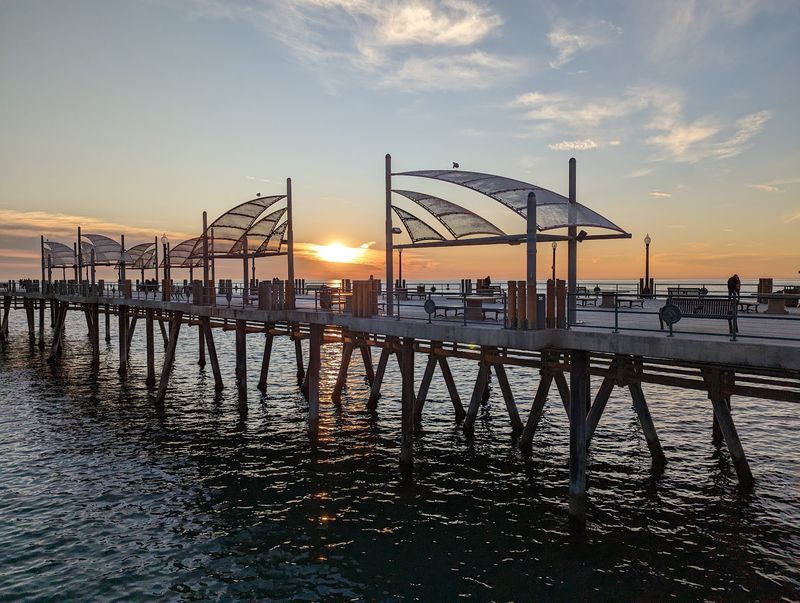
The best part of dinner here might be what happens after the check arrives. Just steps away sit the Redondo Beach Pier and King Harbor Marina, both within an easy walk.
Strolling the pier after eating stretches the evening out, and the horseshoe-shaped boardwalk offers views back toward the coastline and the water below.
Shops and casual spots line portions of the pier, and live music sometimes plays in the open areas. Hours vary by business and season, so some places wind down earlier than others.
Daytime visits open up more options around the harbor. Fishing, boating, swimming, biking and skating all happen in this stretch, which makes the area workable as a full afternoon before a later reservation.
Evening walks along the beach path stay pleasant most of the year, though coastal air cools quickly once the sun sets. A light jacket handles it.
Combining dinner with a pier walk turns a single meal into a longer outing without requiring another drive.
For visitors coming from farther inland, that pairing makes the trip feel more complete, and it costs nothing beyond the time spent moving slowly along the waterfront.