This Historic Colorado Destination Is Perfect For Slowing Down And Unwinding
I didn’t plan to stay as long as I did. Nobody does.
This corner of Colorado simply holds you. The state is home to countless mountain towns, but few carry the kind of quiet that actually reaches your bones.
Here, beneath the San Juan peaks, the earth has been pushing up warm mineral water for nearly 10,000 years. Native peoples knew it first.
Soldiers found it next. Generations of weary travelers have been surrendering to it ever since.
Colorado draws people chasing adrenaline and altitude. This place offers something rarer.
It offers permission to stop. The hot springs, the silence, the slow pace of a town that never tried to keep up with the world.
Once you settle in, the idea of leaving starts to feel almost beside the point.
The Mother Spring And Its Record-Breaking Depth
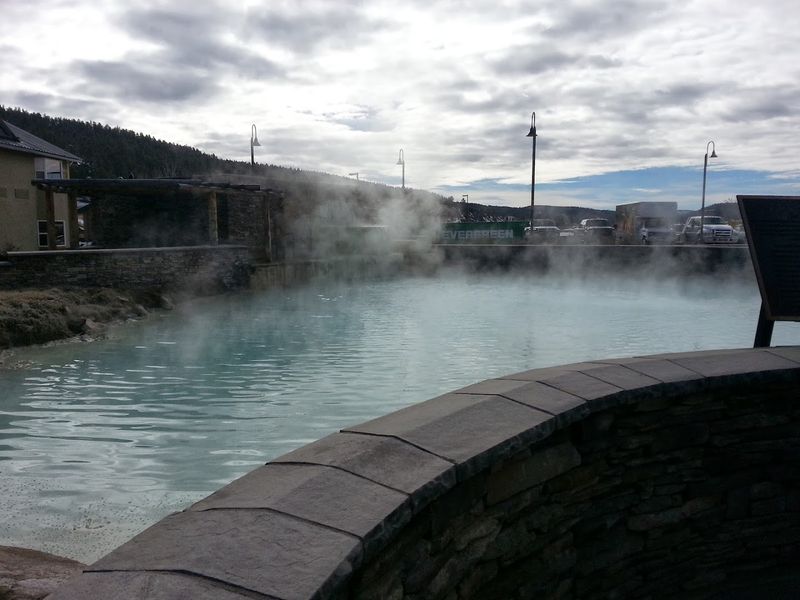
Not every town sits on top of a world record, but Pagosa Springs genuinely does. The Mother Spring holds the Guinness World Record for the deepest geothermal hot spring aquifer on Earth.
That is not a small claim, and the water backs it up completely.
The spring water reaches temperatures around 144 degrees Fahrenheit at the source. It has been bubbling up from deep underground for thousands of years.
Native American tribes, including the Ute and Navajo, considered this water sacred healing ground long before any modern spa existed.
The U.S. Army came to study the water in the 1860s, curious about its medicinal reputation.
The first bathhouse for paying customers opened in 1881, making this one of Colorado’s earliest wellness destinations. The history layered into this spring is genuinely staggering.
Standing near the Mother Spring, you can see and smell the mineral-rich steam rising into the mountain air. It feels ancient in the best possible way.
This is not a manufactured attraction; it is a natural phenomenon that earned its fame honestly.
Soaking Pools That Actually Melt Your Stress Away
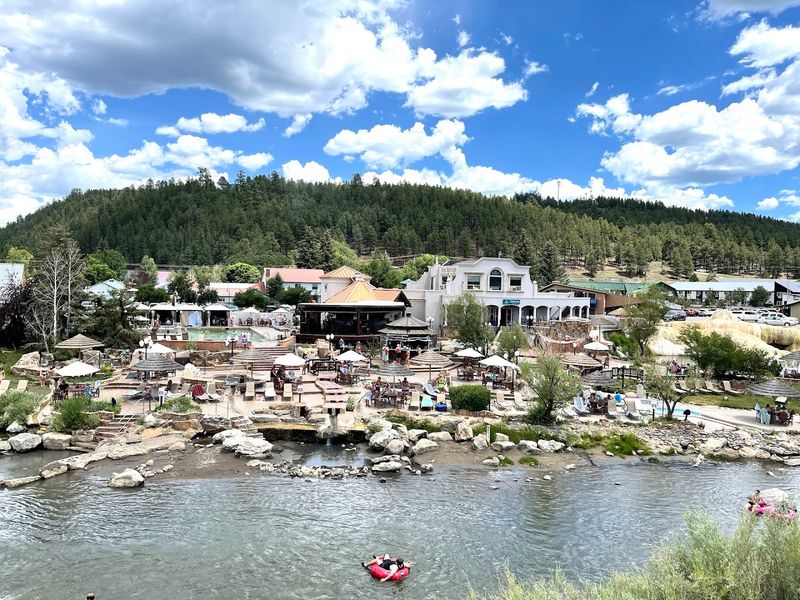
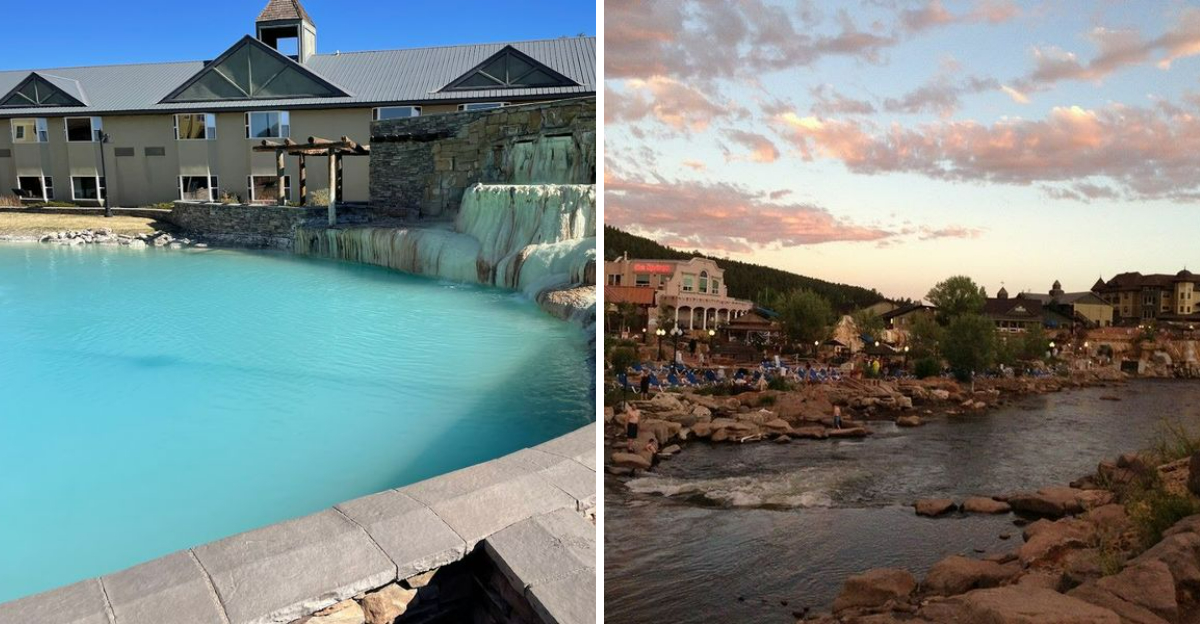
There is a specific kind of tired that only a hot mineral pool can fix. Pagosa Springs has three main developed soaking facilities: The Springs Resort and Spa, Overlook Hot Springs Spa, and Healing Waters Resort and Spa.
Each one offers something slightly different in atmosphere and pool variety.
Pool temperatures range from around 83 degrees Fahrenheit up to 114 degrees in the soaking tubs. You can ease in gradually or go straight for the hottest option if you are feeling bold.
Most people find a middle temperature and stay far longer than planned.
The mineral content in the water is associated with real therapeutic benefits. Regular soaking is often associated with relaxation and overall wellness, making it a popular part of the Pagosa Springs experience.
That combination makes the experience feel genuinely restorative rather than just relaxing.
Several pools offer stunning views of the San Juan River and surrounding mountains. Soaking at sunset here is a specific kind of magic.
The address for the main area is Pagosa Springs, Colorado 81147, and getting there is straightforward from most major routes.
A Vast National Forest Right Outside Town
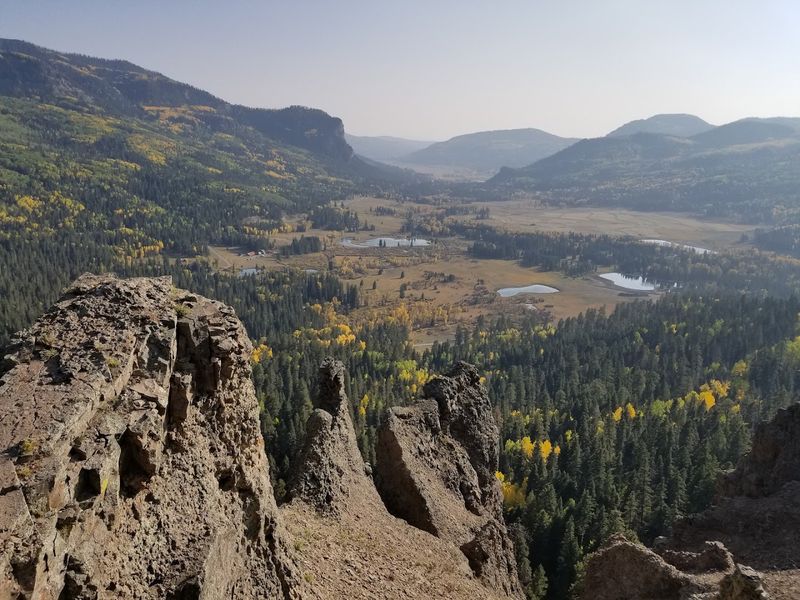
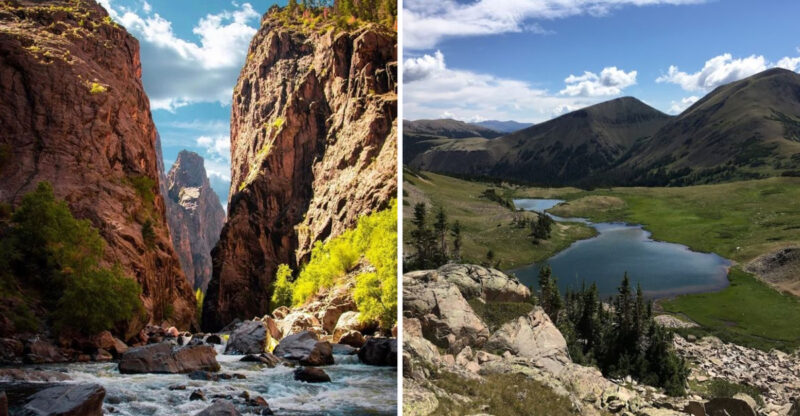
Imagine having between 2.5 and 3 million acres of forest basically surrounding your town. That is the everyday reality in Pagosa Springs, where the San Juan National Forest wraps around the area like a natural fortress.
The scale of it takes a moment to fully register.
Hiking trails here range from easy riverside walks to serious elevation climbs. Fourmile Falls and Treasure Falls are two of the most popular waterfall hikes, and both reward the effort with genuinely impressive views.
The trails are well-marked and accessible for most fitness levels.
Fishing is another major draw throughout this part of the state. The San Juan River runs right through downtown and is stocked with abundant trout.
Fly fishing here feels meditative in a way that is hard to explain until you actually try it.
Wildlife sightings are common and genuinely exciting when they happen. Deer, elk, and various birds of prey make regular appearances along the trails.
The forest feels alive in a way that reminds you how much nature exists just beyond the town limits.
Ancient Puebloan History Lives On At Chimney Rock
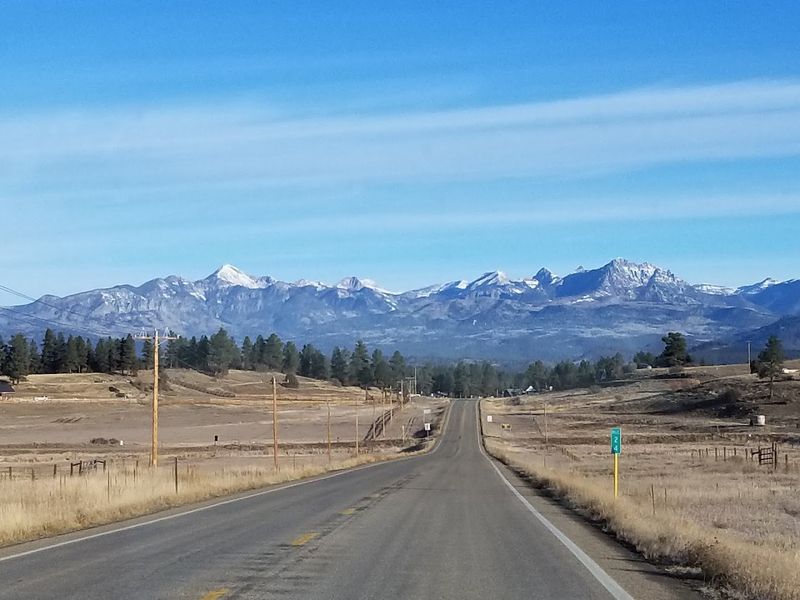
Few archaeological sites in the American Southwest pack as much mystery into one location as Chimney Rock. Located near Pagosa Springs, this national monument preserves over 200 ancient homes and ceremonial sites built by the Ancestral Puebloans.
The twin rock spires dominating the skyline are impossible to forget.
These structures were constructed between 900 and 1125 CE, which means they predate many famous European cathedrals. The Ancestral Puebloans chose this specific ridge with clear astronomical intent.
The twin spires frame the rising moon during rare lunar standstill events, which only happen every 18.6 years.
Guided tours are available and genuinely worth taking. Rangers explain the architecture, the people, and the celestial alignment with real enthusiasm and deep knowledge.
Walking among these structures feels respectful and humbling in equal measure.
The views from the ridge are extraordinary on a clear day. You can see across vast stretches of the San Juan Mountains in multiple directions.
This site connects the landscape to its deepest human history in a way that few places can match, making it essential for any visit to the area.
Floating The San Juan River Through Downtown
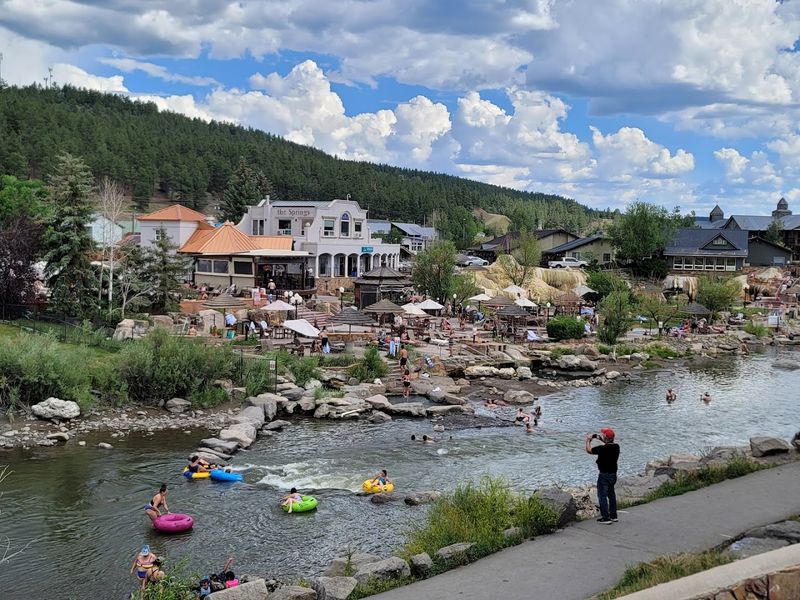
Not every town lets you float a river straight through its downtown, but Pagosa Springs makes it look effortless. The San Juan River winds directly through the heart of town, offering a relaxed and scenic tubing experience that locals genuinely love.
It is the kind of activity that feels like a reward just for showing up.
The float is calm and unhurried, which fits the entire spirit of the place perfectly. You drift past trees, bridges, and mountain backdrops on a generally gentle stretch of river, though conditions can vary throughout the year.
It is suitable for families, solo travelers, and anyone who just wants to let the current do the work.
The river is also a serious fishing destination year-round. Trout are abundant, and the water clarity makes sight fishing particularly satisfying for those who enjoy the sport.
Even watching experienced anglers work the river is oddly peaceful and entertaining.
The combination of the hot springs and the cool river creates a genuinely unique wellness loop. You can soak in the hot pools, cool off in the river, and repeat as often as you like.
Very few destinations offer that kind of natural contrast in such a compact area.
300 Days Of Sunshine And A Small-Town Vibe That Sticks With You
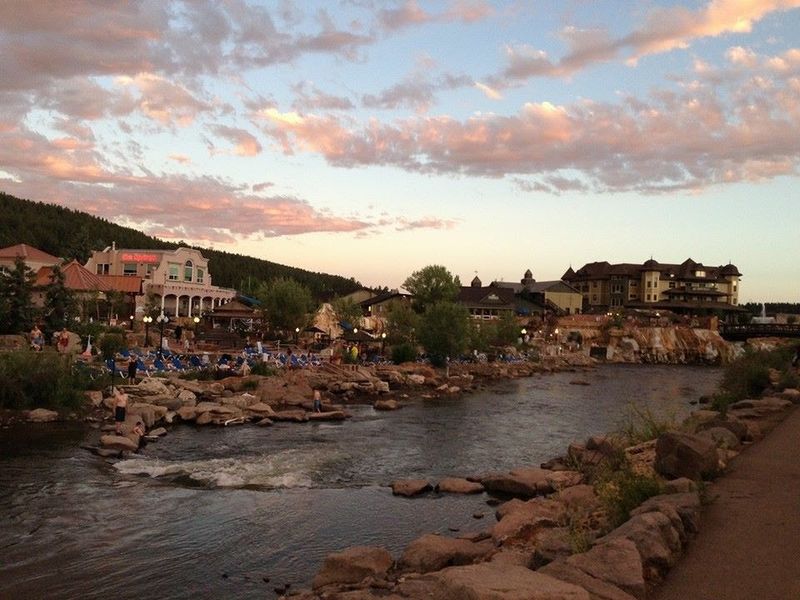
Pagosa Springs is often said to enjoy around 300 days of sunshine annually, helping make outdoor activities popular throughout the year. The light here has a quality that feels different from what most people experience in busier, more congested cities.
Everything looks a little sharper and more vivid under that mountain sun.
The town itself has genuine small-town charm without feeling frozen in time. Local shops, casual restaurants, and friendly faces make it easy to feel comfortable quickly.
There is no pressure to rush anywhere, which is either refreshing or slightly disorienting depending on your usual pace of life.
The seasonal variety keeps things interesting throughout the year. Summers are warm and perfect for outdoor activities, while winters bring snow and access to Wolf Creek Ski Area just northeast of town.
Spring and fall offer their own quiet beauty with wildflowers and changing aspen colors respectively.
The relaxed, outdoor-focused atmosphere here is not manufactured for tourists. It reflects how people actually live in this corner of the state.
That authenticity is something you notice quickly and something you end up missing once you leave.
Spa Services That Go Beyond The Basic Massage
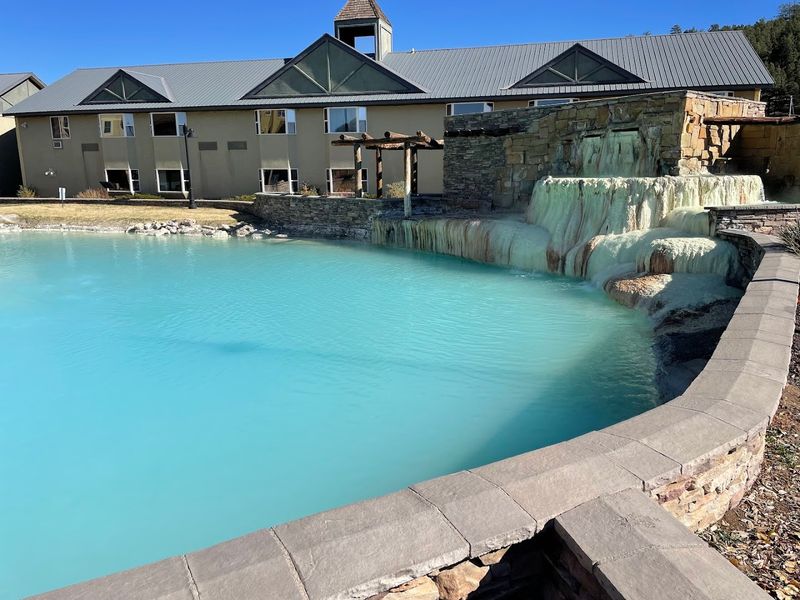
The hot springs facilities in Pagosa Springs offer far more than just pools to sit in. Spa menus at the main resorts include massages, aqua treatments, guided meditation sessions, and aqua yoga classes.
The lineup reads like a serious wellness retreat rather than a simple day spa.
Aqua yoga is a genuinely interesting experience for anyone who has never tried it. Performing gentle yoga movements while supported by warm mineral water changes how your body responds to each pose.
The buoyancy takes pressure off joints while the heat loosens muscles in ways that regular yoga simply cannot replicate.
Massage therapists here often incorporate the mineral water into their treatments directly. Some sessions begin with a soak and transition into bodywork, creating a seamless flow from passive relaxation to active therapy.
The results tend to feel deeper and longer-lasting than a standard massage.
Booking in advance is strongly recommended, especially during peak summer and winter seasons. Availability fills up faster than most first-time visitors expect.
Planning ahead ensures you get the specific treatments and time slots that actually work for your schedule and preferences.
Nearly 10,000 Years Of Human History In One Place
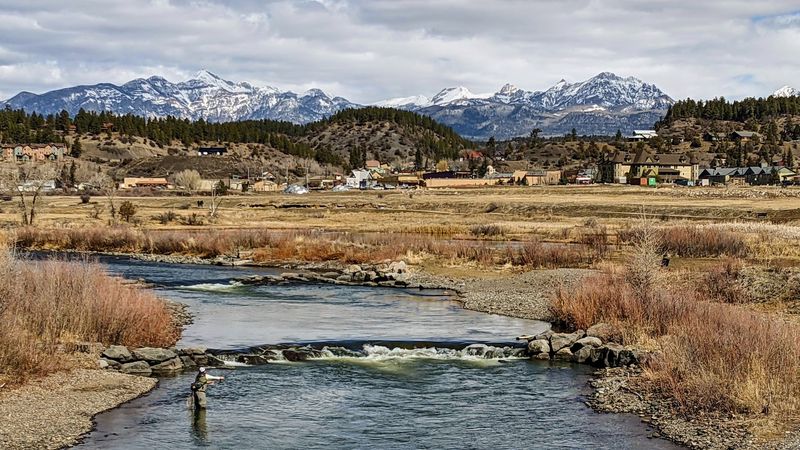
Very few American towns can honestly claim a human history stretching back nearly 10,000 years. Pagosa Springs can, and the evidence shows up in the landscape, the archaeology, and the cultural traditions that still influence the area today.
That kind of depth changes how a place feels underfoot.
Spanish explorers passed through this region centuries before the town was formally established in 1877. They encountered a landscape already rich with Indigenous presence, trade routes, and ceremonial significance.
The hot springs were already famous well before any European arrived to document them.
The name Pagosa itself comes from a Ute word meaning something close to healing waters or boiling waters, depending on the translation source. That linguistic connection to the original inhabitants is a reminder that the town’s identity was shaped long before its official founding date.
Names carry history in ways that street signs rarely acknowledge.
Mesa Verde National Park, located a few hours away by car and famous for its extraordinary cliff dwellings, adds even more archaeological context to a visit here. Combining both destinations creates a genuinely rich cultural and historical journey.
The area rewards curiosity in ways that keep surprising you the longer you stay.