This Historic Florida Destination Is Perfect For A Memorable Day Of Exploration
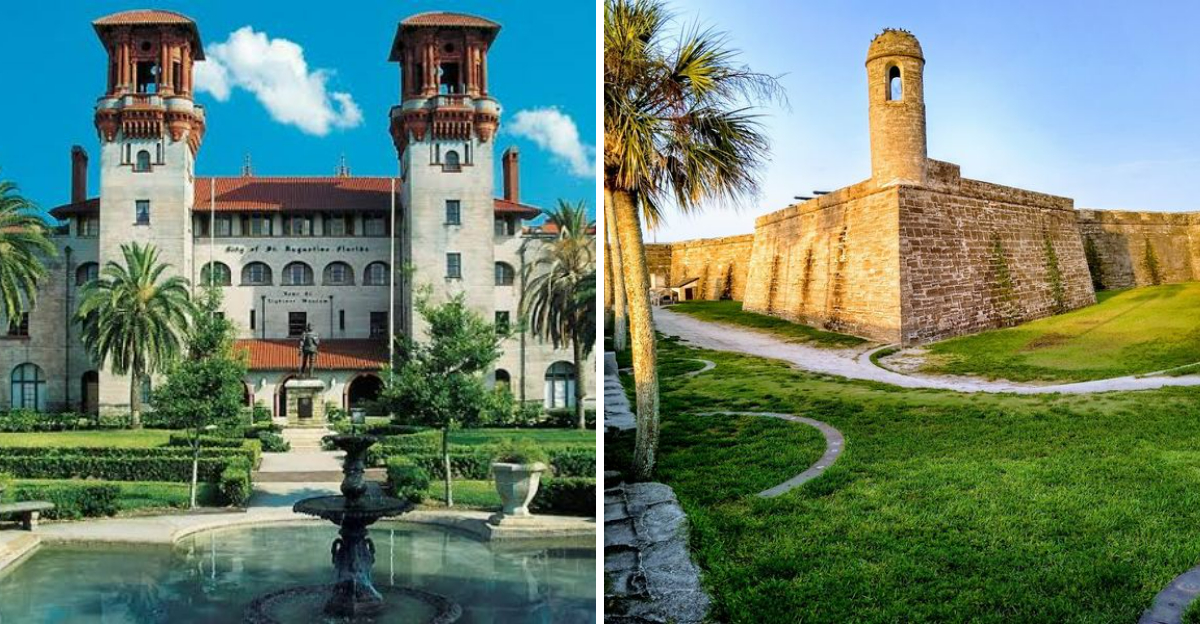
Florida has over 900 miles of coastline, but its most powerful story has nothing to do with the beach. It starts inland, on cobblestone streets older than the United States itself.
The state holds many surprises, but few hit as hard as discovering a place where history is not behind glass. It is right there in front of you, breathing.
The state does not advertise this place loudly, and somehow that makes it even better. One day here feels like reading a book you cannot put down.
Every corner has a chapter, every building a backstory. Come without expectations and leave with a hundred reasons to return.
The Fortress That Refused To Fall
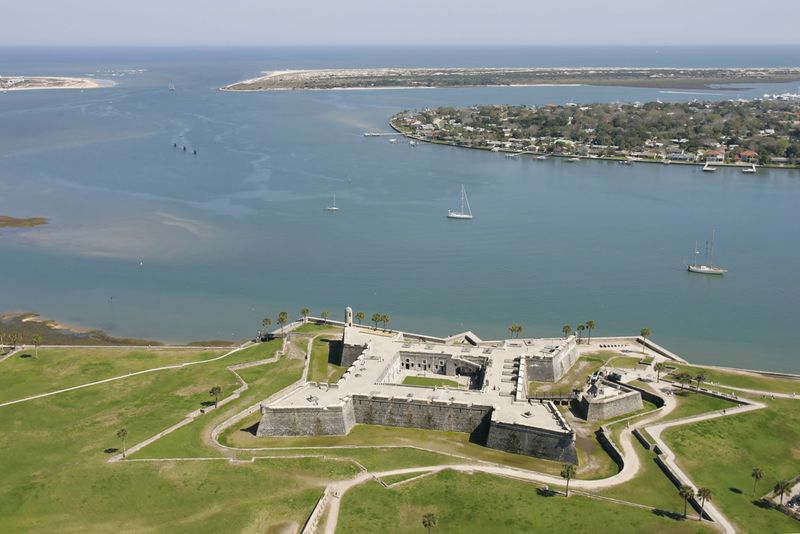
Standing in front of a fort built in 1672 feels like stepping into a different century. The Castillo de San Marcos is the oldest masonry fort in the continental United States, and it still looks remarkably solid.
Spanish builders used coquina, a local shell-stone that absorbs cannonballs instead of shattering. That clever choice helped the fort survive every single attack it ever faced.
The structure took 23 years to complete, finishing in 1695. It protected the city through Spanish, British, and American periods of rule.
Walking along the thick walls gives you a real sense of how life felt for the soldiers stationed here. The views of the inlet from the top are genuinely breathtaking.
Ranger programs are often available, though schedules can vary by day. Kids and adults both love the cannon demonstrations.
Admission is affordable, and the National Park Service maintains the site beautifully. Plan to spend at least 90 minutes exploring every corner of this extraordinary landmark.
The Street Where St. Augustine Comes Alive
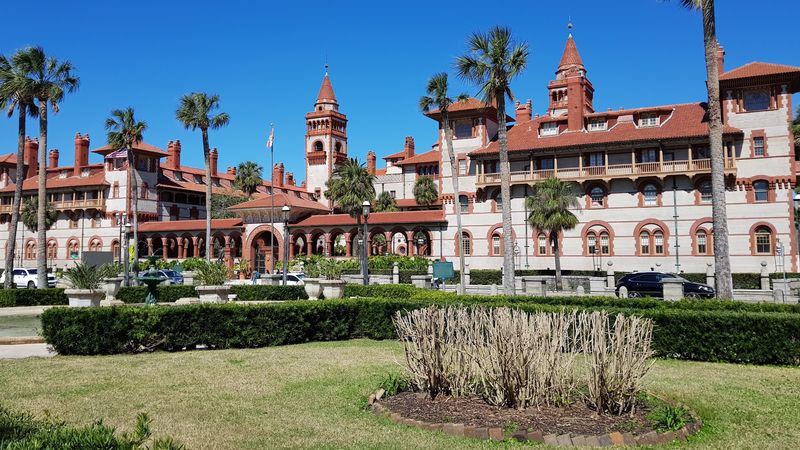
Forget every boring shopping street you have ever walked down. St. George Street is a pedestrian-only stretch through the heart of the historic district, and it buzzes with energy from morning until evening.
Colonial-style buildings line both sides, housing independent shops, art galleries, and cafes that smell absolutely incredible. You will want to stop at nearly every doorway.
The street dates back to the original Spanish colonial layout of the city. Its compact length makes it easy to explore without wearing out your feet.
Street performers occasionally appear, adding a lively soundtrack to your stroll. Every shop feels unique, which keeps the experience fresh from one end to the other.
Picking up local art or handmade jewelry here makes for a genuinely meaningful souvenir. The food options range from fresh seafood to homemade pastries.
Grab something to eat and find a shady bench to people-watch for a few minutes. St. George Street captures the personality of this area better than almost anywhere else in the city.
Climb To One Of The Best Views In Town
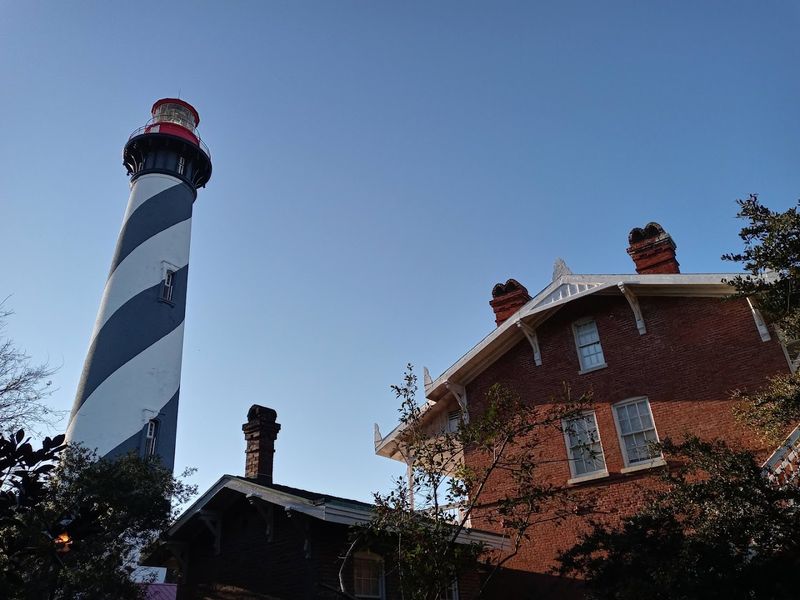
Climbing 219 steps might sound like a workout, but the reward waiting at the top is absolutely worth every single one. The St. Augustine Lighthouse dates back to 1874, making it a cherished piece of this area’s coastal history.
The iconic black-and-white spiral stripe pattern makes it one of the most photographed lighthouses in the entire country. First-time visitors often stop and stare before even reaching the entrance.
The Maritime Museum at the base adds serious depth to the visit. Exhibits cover shipwrecks, lighthouse keeper life, and the maritime heritage of the northeast Florida coast.
Archaeological discoveries from nearby waters are displayed in a way that feels exciting rather than dry. Children especially love the hands-on sections of the museum.
The lighthouse is located at 100 Red Cox Drive, Anastasia Island, just a short drive from the historic district. Hours run most days of the week, and tickets cover both the tower climb and museum access.
Sunset visits are particularly magical when the light catches the water below. This stop delivers views and history in one unforgettable package.
The Legendary Spring That Made History
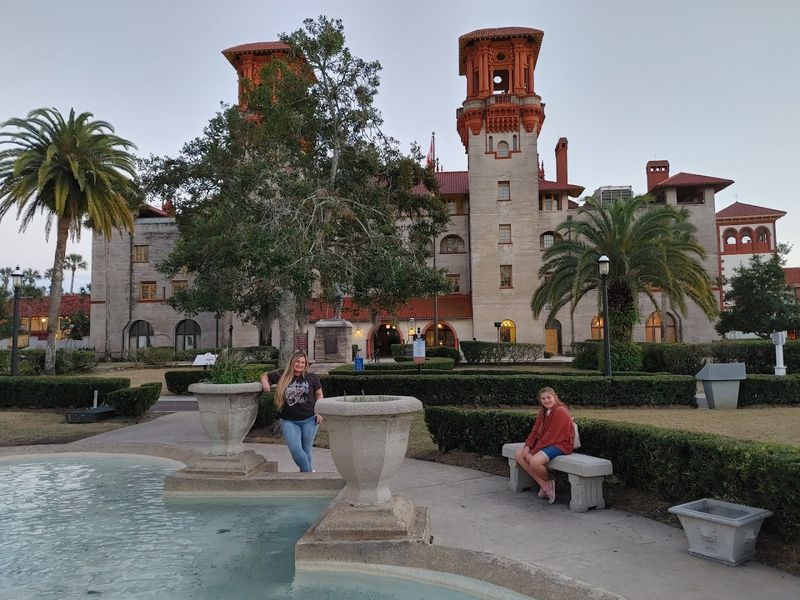
Legend has it that Ponce de Leon searched this very spot for the spring that would grant eternal youth. The story may be impossible to prove, but the Fountain of Youth Archaeological Park makes for a genuinely fascinating visit.
The park is believed to mark the original landing site of Pedro Menendez de Aviles in 1565, connecting it directly to the founding of the city. History and mythology mix here in the most entertaining way.
A reconstructed Timucuan Indian village helps visitors understand the Indigenous people who lived here long before European explorers arrived. Planetarium shows run throughout the day, covering early navigation and Spanish exploration.
The spring water is still available to drink, and yes, most people do try it out of pure curiosity. It tastes like mineral water, not magic.
The park spans 15 acres along the Matanzas River waterfront, giving it a peaceful, open atmosphere. Peacocks roam freely across the grounds, which surprises almost everyone on their first visit.
Admission includes access to all exhibits and shows. It sits at 11 Magnolia Avenue, making it an easy addition to any full-day itinerary in this part of the state.
One Of The Oldest Catholic Landmarks In America
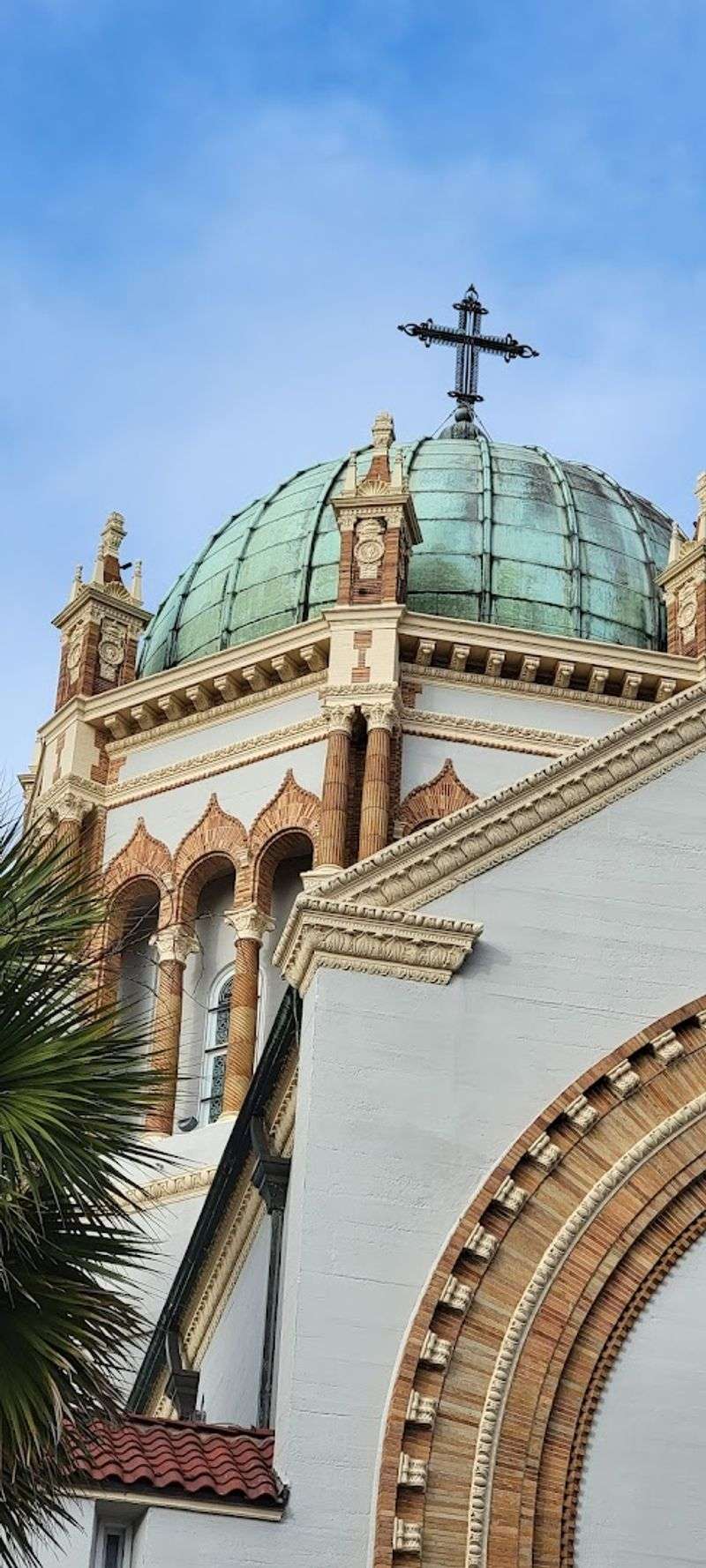
Few buildings carry as much spiritual and historical weight as this one does. The Cathedral Basilica of St. Augustine is home to the oldest Catholic congregation in North America, established in 1565.
The current building dates primarily from 1797, with significant restorations completed over the centuries. Its Spanish colonial architecture anchors the historic district in a way that feels both commanding and peaceful.
The interior is filled with beautiful murals depicting key moments in the history of the parish and the city. The painted ceiling draws almost every visitor’s eyes upward the moment they step inside.
Natural light filters through the windows in a way that changes the mood of the space throughout the day. Photography is permitted in most areas, though respectful silence is encouraged.
The cathedral sits at 38 Cathedral Place, right on the Plaza de la Constitucion, the city’s central square. Mass is held regularly, and visitors are welcome outside of scheduled services.
The plaza surrounding the cathedral is a pleasant place to sit and absorb the atmosphere. Combining a visit here with a stroll around the plaza gives you an immediate sense of why this part of the state feels so unlike anywhere else.
A Museum Inside A Gilded Age Landmark
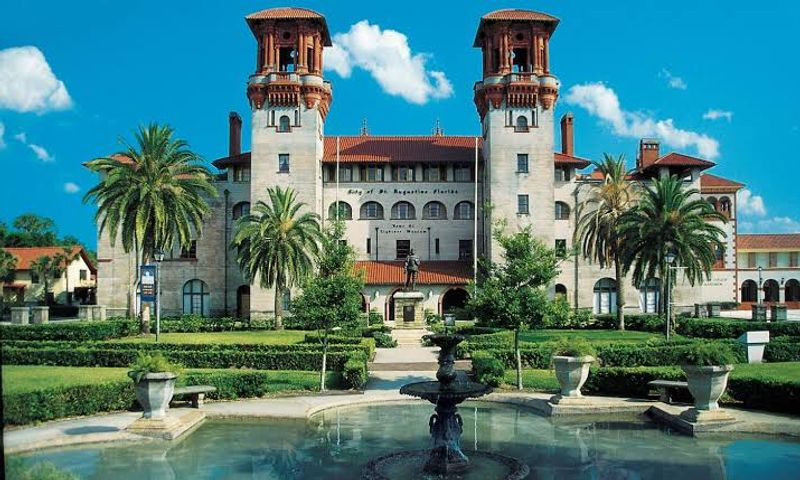
Not every museum makes you feel like you have stepped inside a palace, but this one absolutely does. The Lightner Museum occupies the former Alcazar Hotel, another Henry Flagler masterpiece built in 1888.
Chicago publisher Otto Lightner purchased the building in 1947 to house his enormous collection of 19th-century art and decorative objects. The combination of an extraordinary building filled with extraordinary objects is almost overwhelming in the best possible way.
The collection includes Tiffany glass, mechanical musical instruments, Victorian-era furniture, and fine art spanning multiple continents. One of the most memorable spaces is the former hotel indoor swimming pool, now converted into a cafe and antique mall.
Sitting in that space while eating lunch is genuinely surreal. The architecture above you is reason enough to linger.
The museum is located at 75 King Street, directly across from Flagler College, which makes visiting both in the same morning completely manageable. Admission is reasonably priced, and the building rewards slow, careful exploration.
Every hallway reveals something unexpected. The Lightner Museum is the kind of place that locals recommend quietly, knowing it will impress anyone who walks through its doors.
The Home That Survived Three Centuries
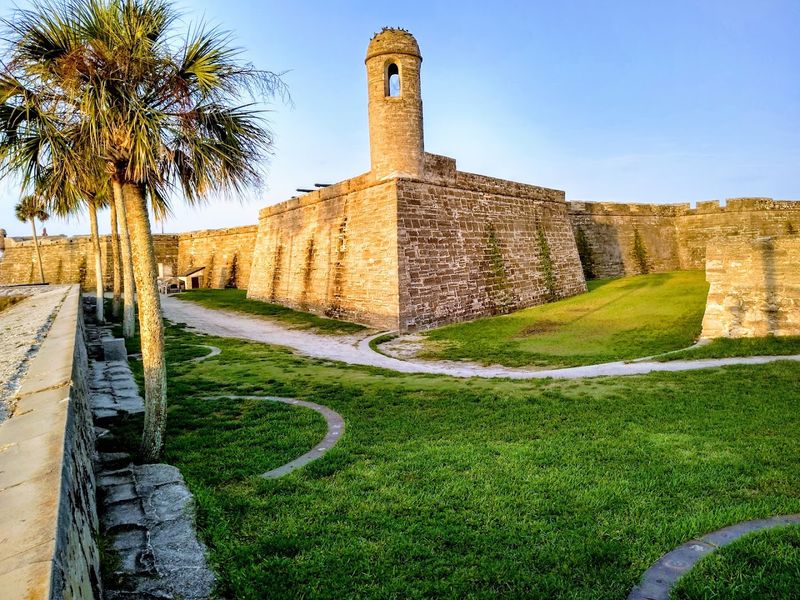
Imagine living in a house that historians have traced back to the early 1700s. The Gonzalez-Alvarez House, better known as the Oldest House Museum, is the oldest surviving Spanish Colonial dwelling in the entire state.
It holds National Historic Landmark status, and walking through it reveals layers of history added by every family that called it home. Spanish, British, and American periods of ownership each left visible marks on the structure.
The house itself is modest in size but enormous in significance. Thick coquina walls, low ceilings, and simple furnishings paint a vivid picture of colonial life.
Guided tours explain how the building evolved over 300 years of continuous occupation. Each room tells a slightly different story depending on which era it represents.
The museum complex also includes a garden, a carriage house, and exhibits on the broader history of the city. It is located at 14 St. Francis Street, within easy walking distance of most other historic attractions.
Admission is affordable and supports ongoing preservation efforts. The Oldest House Museum is one of those stops that sounds modest on paper but leaves a surprisingly deep impression once you experience it in person.
St. Augustine Alligator Farm Zoological Park
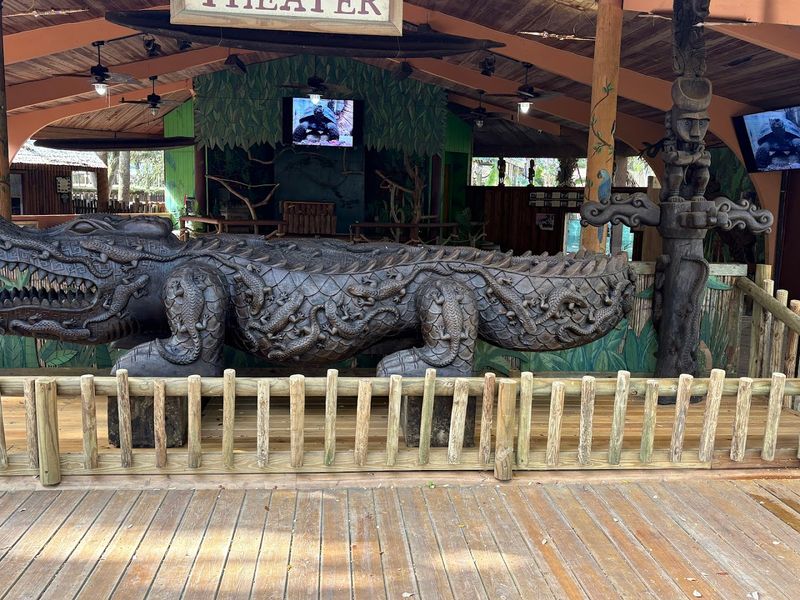
Only in Florida will you find a zoological park that has been operating continuously since 1893. The St. Augustine Alligator Farm Zoological Park is one of the oldest attractions in the entire state, and it has only gotten better with age.
The park is home to all 24 species of living crocodilians in the world, which is a distinction no other zoological facility on earth can claim. That fact alone makes it worth the trip.
Beyond the reptiles, the park features free-roaming birds, exotic animals, and a zip-line experience called Crocodile Crossing that sends you over open alligator enclosures. Brave visitors love it.
The elevated boardwalks give excellent views of hundreds of alligators sunning themselves below. Feeding demonstrations happen throughout the day and draw enthusiastic crowds.
The park is located at 999 Anastasia Boulevard on Anastasia Island, just minutes from the historic district. It is accredited by the Association of Zoos and Aquariums, meaning animal welfare standards are taken seriously.
Families with children tend to spend two to three hours here easily. The Alligator Farm is one of those rare attractions that delivers full entertainment value from the first minute to the last.