This Historic Georgia Jail Is Now One Of The State’s Most Fascinating Museums
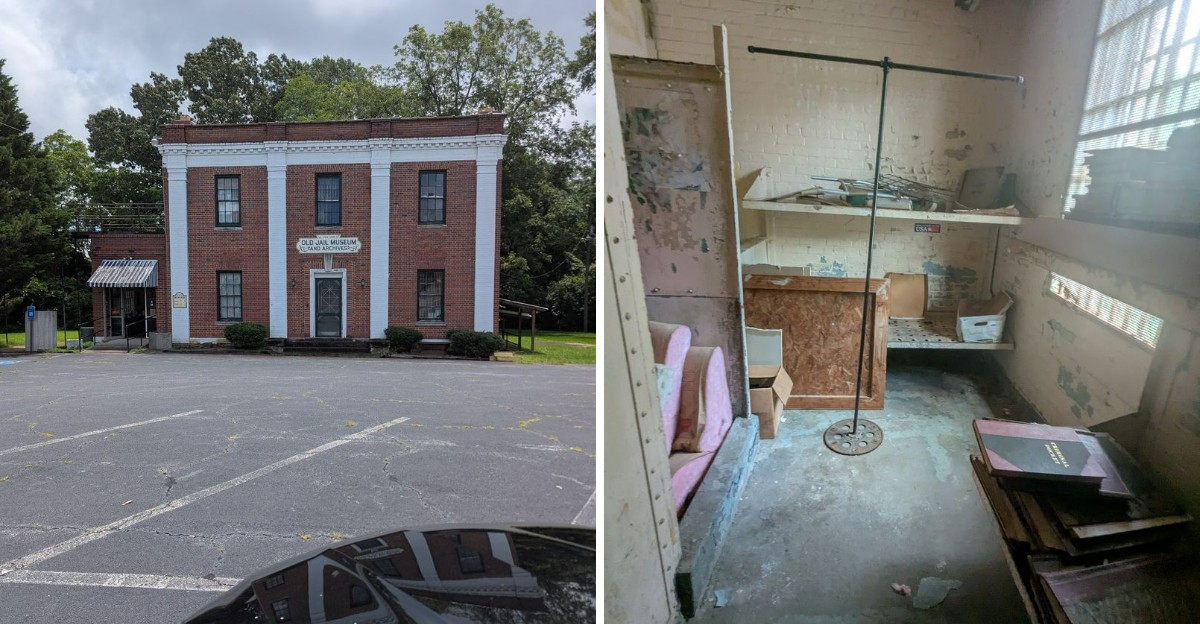
The sheriff and his family once lived downstairs, while the inmates slept in cells right above their heads. I can’t imagine a stranger commute to work.
Talk about bringing the job home.
That building kept doing jail duty until 1992. Now it holds old uniforms, vintage dresses, firefighter history, and a whole room’s worth of stories from the past.
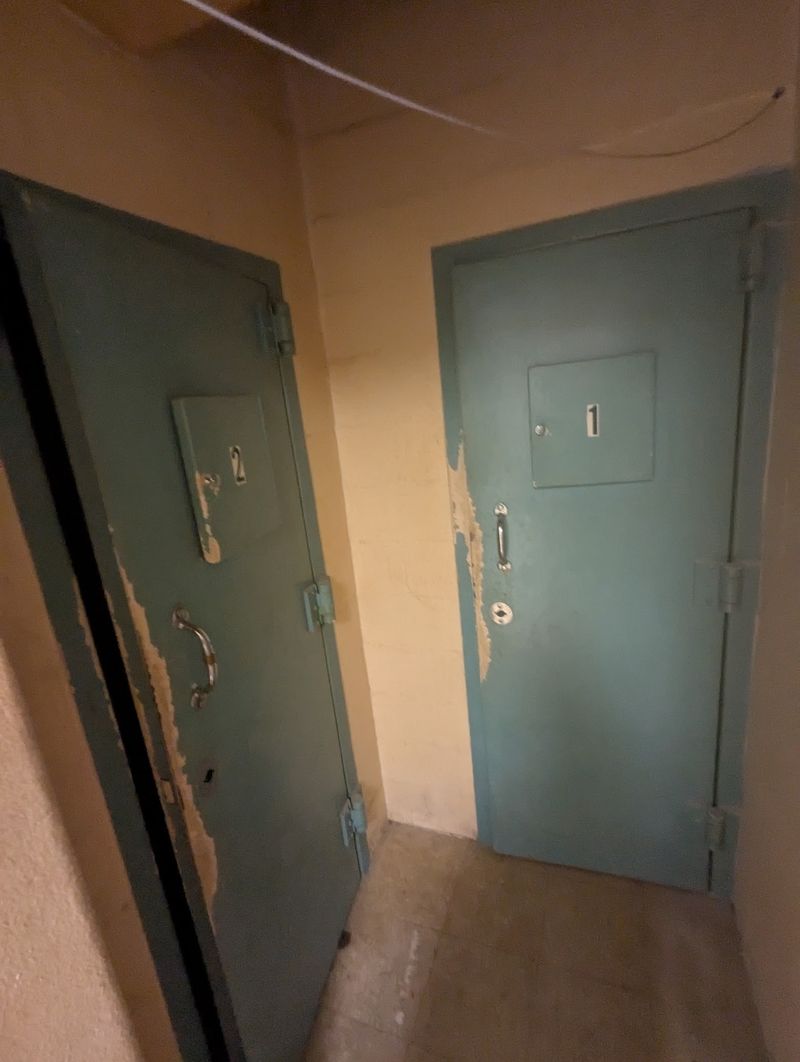
Some of the original ironwork is still there, waiting for sharp eyes to spot it.
I like how this small Georgia museum mixes the slightly spooky with the truly sweet. One minute you’re thinking about locked doors.
The next, you’re tracing your family tree through dusty old newspapers.
Upstairs Cells, Downstairs Supper: The Strangest Family Home Around
Few homes in Georgia came with a built-in security system quite like this one. At the Old Jail Museum & Archives, the sheriff and his family lived on the ground floor.
Inmates, meanwhile, stayed upstairs in the cells. That setup sounds wild today, but it was a common arrangement in many small counties back then.
Think about what that meant for daily life. The sheriff’s family ate meals, did chores, and went to bed with prisoners right overhead.
I believe that detail alone makes this place worth a visit. It turns a plain old building into a story about real people living unusual lives.
The building served as the Lamar County Jail for decades. It finally retired from that job in 1992, when a new detention center opened.
After that, it got a much friendlier second career. The Barnesville-Lamar County Historical Society now manages the museum and keeps those stories alive.
As you explore, keep that upstairs-downstairs layout in mind. It helps every room feel more personal and a lot more interesting.
Plus, it makes for a great question to ask your kids on the drive home. Would they want a jail for a ceiling?
You’ll find it at 326 Thomaston Street, Barnesville, GA 30204. It sits directly behind the Lamar County Courthouse, which makes it easy to spot.
A New Deal Building With Serious Staying Power
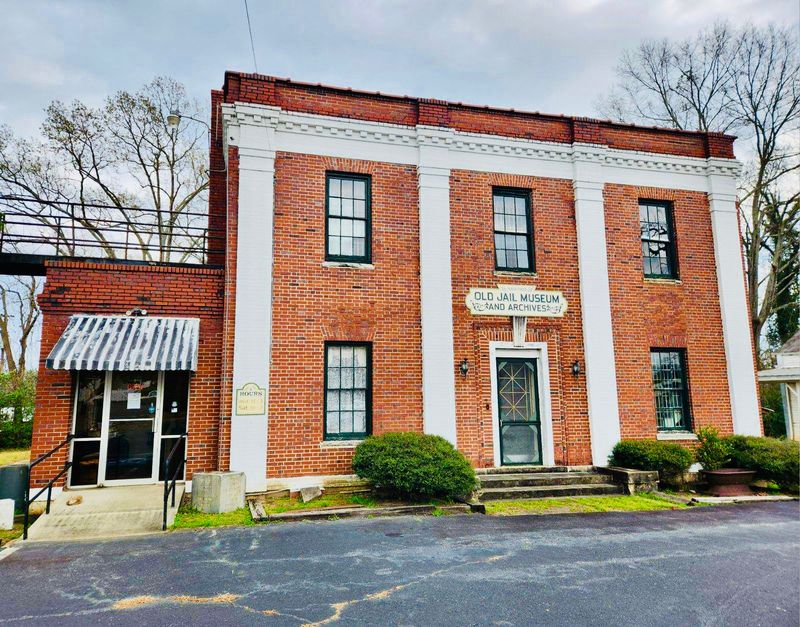
Back in the 1930s, the country was working its way out of the Great Depression. Programs like the Works Progress Administration put people to work building useful public structures.
This jail was one of them. Records tie the project to 1935, and the building was completed in 1938.
That makes it more than a lockup. It’s a piece of a huge national effort that helped families earn paychecks during hard times.
WPA buildings were made to last, and this one proves it. It spent more than fifty years as a working jail before becoming a museum.
I like how the building itself tells a story before you even step through the door. Its very walls connect a small Georgia town to a big chapter of American history.
History teachers, take note. This is a perfect real-life example to show students how government work programs shaped communities.
Look around the outside before heading in. Try to imagine the workers who built it during one of the toughest decades the country ever faced.
It’s a quiet reminder that ordinary hands built the places we still use. Not bad for a building with bars on the windows.
Go Ahead And Hunt For The Original Ironwork
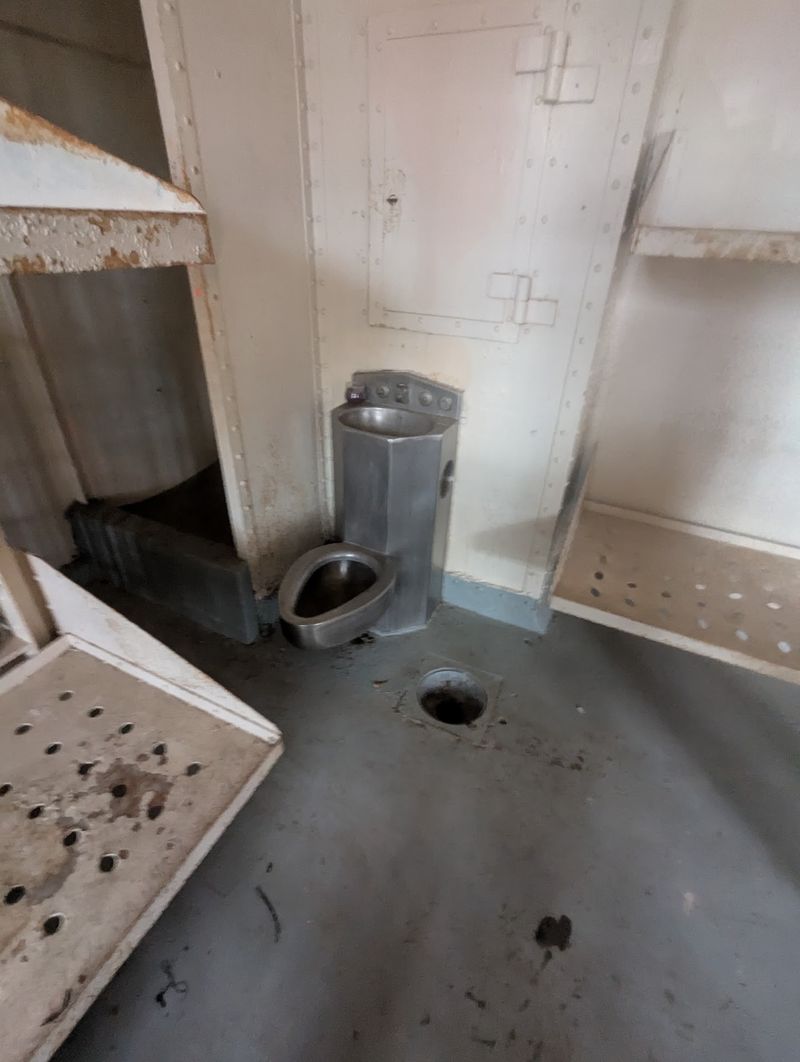
Here’s a museum that practically hands you a mission. Downtown Barnesville includes the Old Jail Museum & Archives on self-guided tours and scavenger hunts.
The challenge? Spot the original ironwork still found inside the building.
That turns a regular museum stop into a game. Kids who usually drag their feet suddenly become detectives with a case to crack.
Adults get pulled in, too. Hunting for old metal details makes you slow down and actually notice the space around you.
Ironwork tells you a lot about a jail’s past. It’s a solid, hands-on clue about how the building once kept people inside.
My tip is simple. Bring a phone for photos so you can compare your finds later or show the family who spotted the most.
Don’t rush this part of the visit. The fun is in the searching, not just the finding.
It’s also a smart way to keep younger visitors engaged between exhibits. A little friendly competition goes a long way.
Who knew old bars and hinges could feel this exciting? Leave it to a former jail to make metalwork the star of the show.
Firefighters Finally Get The Spotlight They Earned
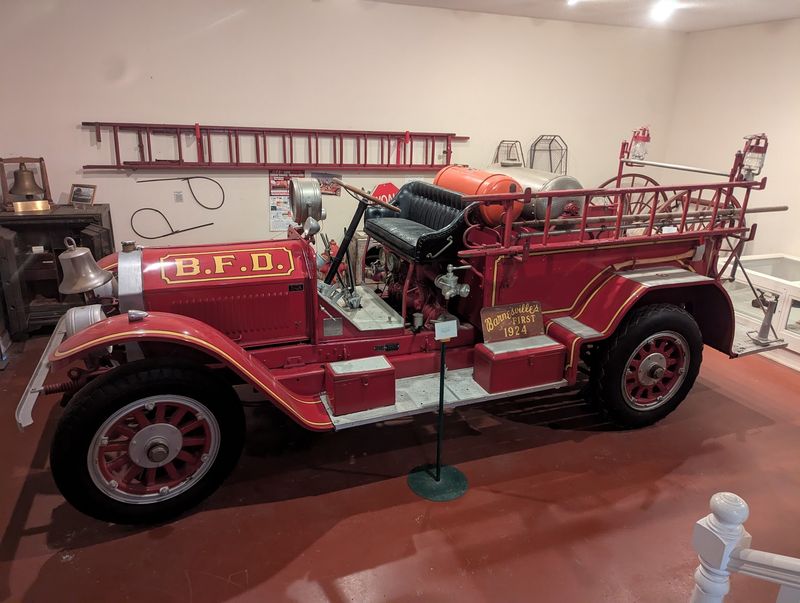
Hometown heroes deserve a room of their own. The Old Jail Museum & Archives gives one to the Firefighters of Lamar County.
It’s a thoughtful touch in a building that once held people who broke the rules. Now it also honors people who rushed in to help.
Fire departments shape small towns in big ways. They protect homes, schools, and businesses, often with volunteers who give up their free time.
This room celebrates that local service. It’s a chance to see how firefighting has been part of Lamar County life over the years.
Families with little ones who love fire trucks should put this room near the top of the list. Few things spark wide eyes faster than firefighter history.
It’s also a good moment for a meaningful chat. Ask kids what it takes to be brave for your neighbors.
I believe local museums shine brightest when they honor everyday people. This room does exactly that.
Spend a few minutes here before moving on. You might leave with a little extra appreciation for the folks who answer the call when the alarm sounds.
Old Dresses And Uniforms That Bring Daily Life Back
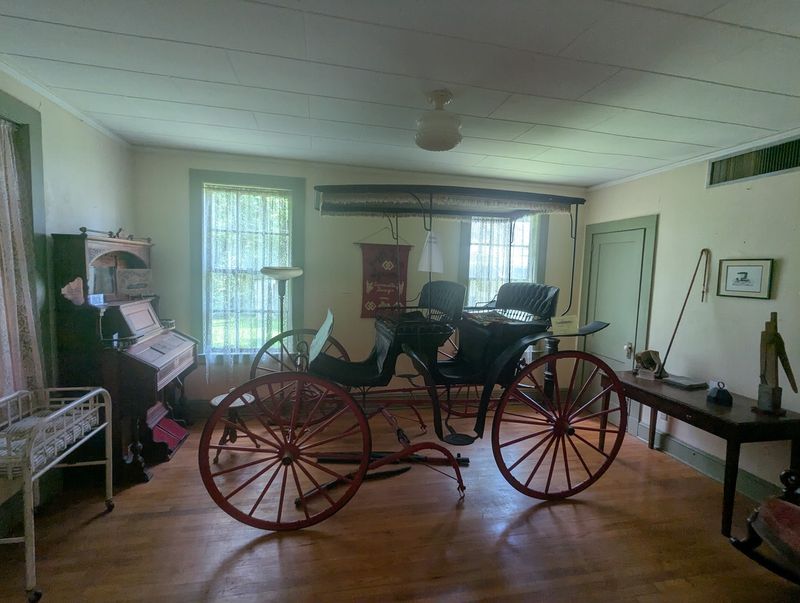
Clothes can tell stories better than a textbook. The museum collects and displays old uniforms, dresses, and household items from Lamar and nearby areas.
Those pieces show how people really lived. You can almost see the busy kitchens and Sunday outfits of generations past.
Household objects are especially fun to study. Some look familiar, while others might leave you scratching your head about what they did.
That’s half the charm. Try guessing what an item was used for before reading about it.
The memorabilia here changes over time, too. So a return trip could show you something you missed before.
I like that mix of fashion and everyday tools. It makes history feel less like dates and more like a family photo album.
Grandparents may recognize a few things from their own childhoods. That opens the door to great stories you might never hear otherwise.
Bring curious questions and plenty of patience. Every dress and dish once belonged to someone right here in this corner of Georgia, and that makes each one a little treasure.
Buggies, Buggies, And More Buggies Next Door
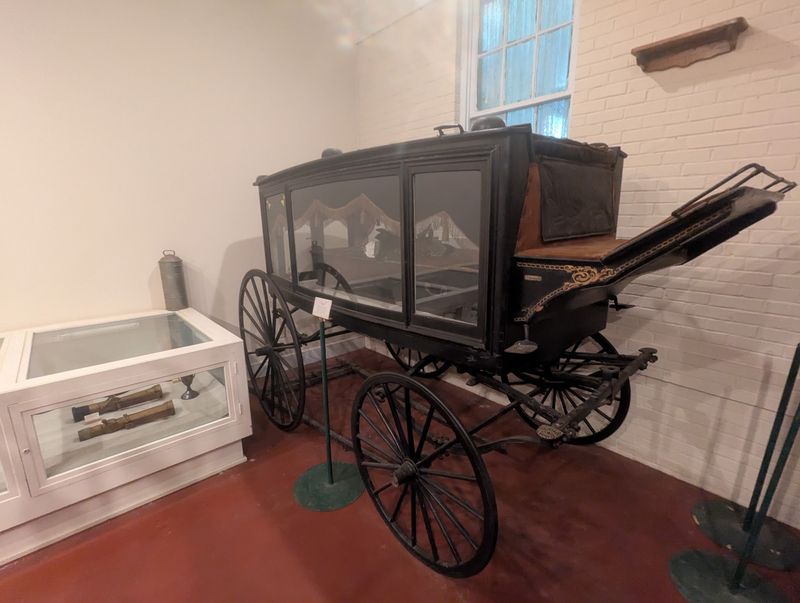
Barnesville once earned a catchy nickname: the Buggy Capital of the South. Several factories in the area built horse-drawn buggies before cars took over the roads.
The museum complex keeps that story rolling. The Old Crowder Brothers Scale House holds a collection of buggies from those local factories.
Seeing them up close is a treat. These were the family cars of their day, and each one shows real craftsmanship.
Kids raised on minivans might find them hilarious. No cup holders, no air conditioning, and definitely no screens.
Still, they represent a booming local industry. Buggy-making helped shape the town’s economy and its identity for years.
I can’t imagine a better way to connect a town to its past. You don’t just hear about the Buggy Capital, you get to see the proof.
Make sure you include this stop in your visit. It’s part of what makes the museum feel bigger than one building.
Snap a photo beside your favorite buggy. Then picture clip-clopping down Thomaston Street in one, long before anyone worried about parking spaces.
Family Tree Hunters, Your Treasure Chest Awaits
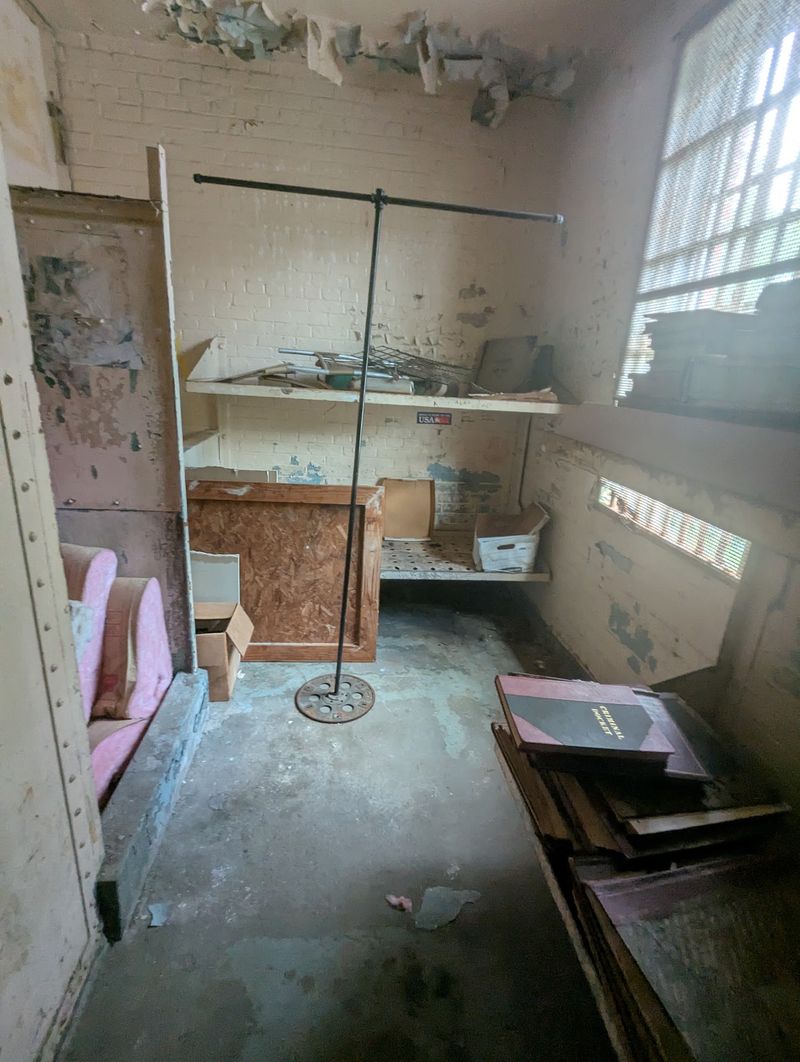
Curious about your great-great-grandparents? The archives here could help you find them.
The Old Jail Museum & Archives holds a deep collection of genealogy resources. It covers Lamar, Monroe, and Pike counties.
You’ll find abstracts of census records and original newspapers. There are also obituaries, probate records, personal histories, and plenty of old photographs.
The museum keeps a large database that gets updated regularly. That’s a big deal for anyone tracing roots in middle Georgia.
My advice is to come prepared. Bring names, rough dates, and any family stories you already know.
Even small clues can open big doors. A single obituary might lead to a whole branch of relatives.
History lovers can also pick up “The History of Lamar County 1825 – 1932” here. It’s a solid read for anyone wanting the bigger local picture.
The People Keeping Barnesville History Alive
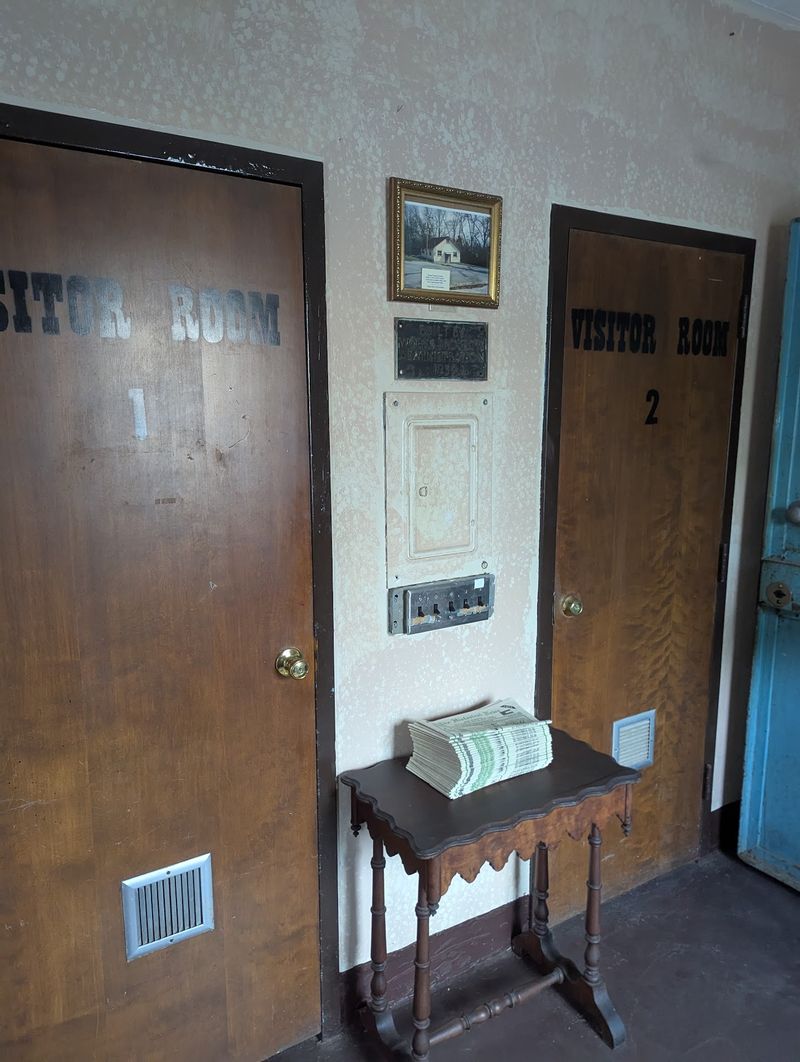
Behind every great small museum stands a group of dedicated history fans. Here, that group is the Barnesville-Lamar County Historical Society.
Founded in 1973, the society works to restore and preserve historic sites around Lamar County. The old jail is one of its proudest projects.
The society does far more than run a museum. It organizes lectures, oral history interviews, guided tours, and craft fairs.
It also hosts an annual Tour of Homes. And then there’s Buggy Days, a celebration of the town’s famous buggy past.
Those events don’t all happen inside the jail. Still, they show how much energy goes into protecting local stories.
Oral history interviews are especially valuable. They capture memories from longtime residents before those voices fade from everyday conversation.
I believe groups like this are the quiet heroes of small-town Georgia. Without them, buildings crumble and stories slip away.
Want to help? Visiting, donating, or attending an event all make a difference.
Your support keeps the doors open. It also helps the next generation discover why this little county has such a big history.
Plan Smart Because The Doors Open Just Two Days
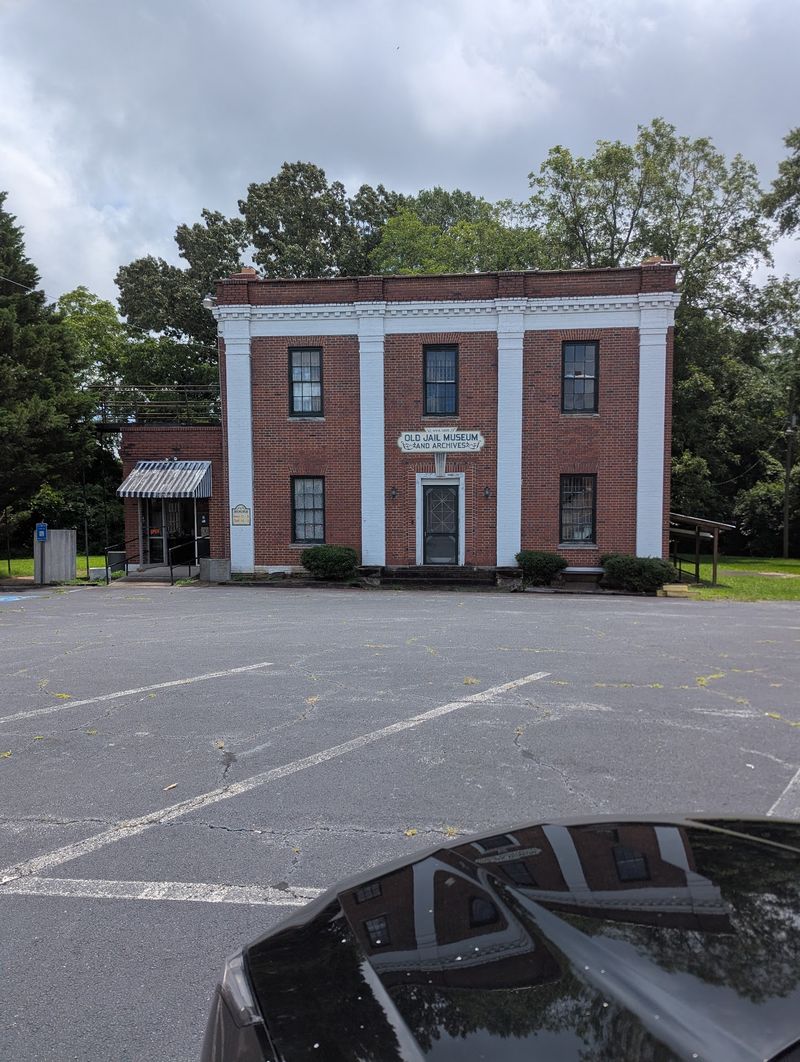
Timing really matters with this one. The museum keeps short weekly hours, so a little planning saves you from a disappointing drive.
Families and homeschool groups should consider reaching out in advance. A guide can make the visit even more engaging for young learners.
Pair your trip with a stroll around downtown Barnesville. The self-guided tours and scavenger hunts make the whole area part of the adventure.
Bring a donation if you can. It helps support the archives, exhibits, and genealogy work.
The Old Jail Museum & Archives proves Georgia history isn’t locked away. It’s right here, behind a courthouse, waiting for curious folks to stop by and finally get thrown in, the friendly way.