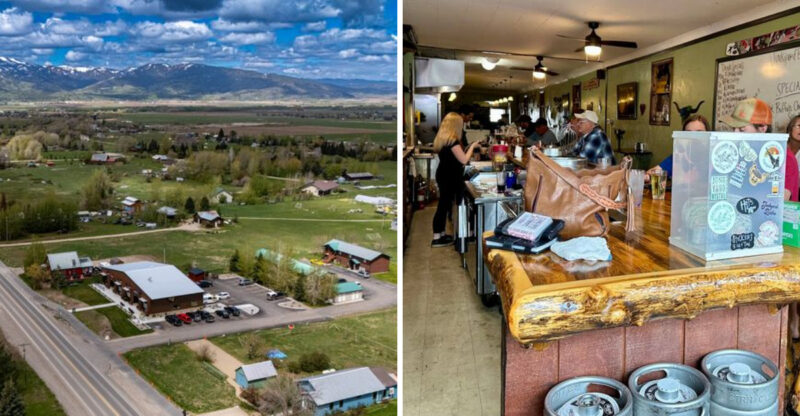
This Historic Idaho Park Packs A Zoo, Museums, Gardens, And River Trails Into One Visit
Calling this Boise spot “just a park” feels like calling a buffet “a light snack.”
Some green spaces are built for sitting around and politely admiring a tree.
Then there is this place, which seems to have heard the word “options” and taken it personally.
A peaceful walk can somehow turn into an entire day before anyone fully understands what happened.
The calm park feeling is still there, but so is the sneaky sense that another attraction is waiting around every corner.
That is what makes it so easy to love.
Nobody has to choose between a relaxing outdoor stop and a place with enough going on to keep the whole group happy.
This place has almost everything, which is great news for everyone except the person who promised it would be a quick stop.
A Historic Boise Park That Packs In Way More Than Green Space
Generous green space is only the beginning at Julia Davis Park, which has grown into one of Boise’s most layered public destinations.
City information lists reservable pavilions, the Rose Garden, and the Gene Harris Bandshell, while tourism listings place the park at 700 S Capitol Boulevard in downtown Boise.
Julia Davis Park is described by The Cultural Landscape Foundation as a cultural center of the city. Major attractions such as Zoo Boise, Boise Art Museum, Idaho Black History Museum, and Idaho State Museum are all tied to the park’s identity.
That concentration is what makes the place feel so useful for visitors.
A family can start with animals, shift into Idaho history, wander through roses, pause by the lagoon, and still have the Greenbelt waiting nearby. Mature trees and broad lawns keep the park from feeling like a cluster of buildings, giving the whole space room to breathe.
This is not a park where one quick lap explains everything. It rewards a slower visit, especially for people who like having multiple options within easy walking distance.
Few Idaho parks make one address feel this full.
Zoo Boise Gives The Park Its Biggest Family-Friendly Draw
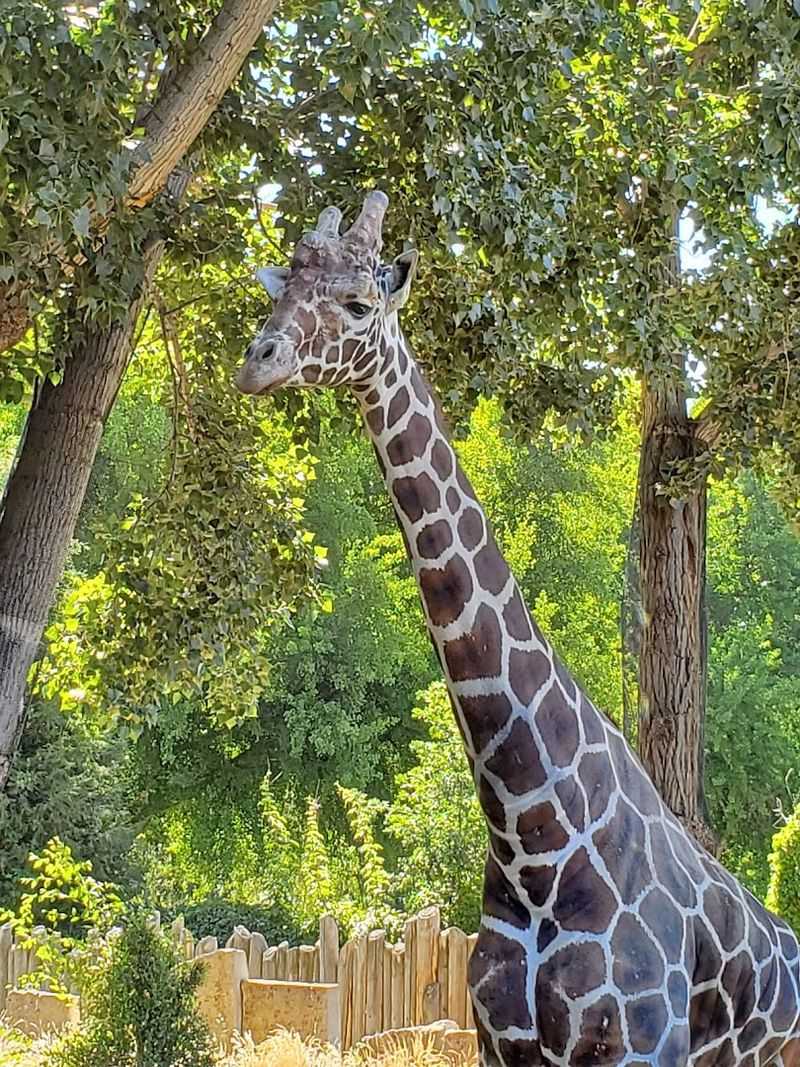
Animal encounters give Julia Davis Park its loudest kid-approved reason to visit. Zoo Boise sits inside the park at 355 Julia Davis Drive and is home to more than 300 animals from more than 100 species, according to Visit Idaho and the Boise Museum Association.
Current zoo animal listings include giraffes, Amur tigers, Chinese red pandas, Magellanic penguins, lions, snow leopards, gibbons, meerkats, zebras, and many other species.
That variety gives families enough to explore for a visit that stretches well beyond a quick walkthrough.
The zoo also highlights its conservation mission, so admission supports more than an afternoon of looking at animals.
For families with different attention spans, the zoo works especially well because it offers an easy rhythm: stop, look, move, repeat, then step back into the wider park when everyone needs a break.
Weather, seasonal hours, animal visibility, and feeding opportunities can change, so checking the zoo’s current schedule before going is always smart.
Still, the basic appeal stays simple. Kids get animals, adults get a manageable downtown outing, and the park gets its strongest family anchor in one compact, walkable place.
Boise Art Museum Adds A Cultural Stop Right Inside The Park
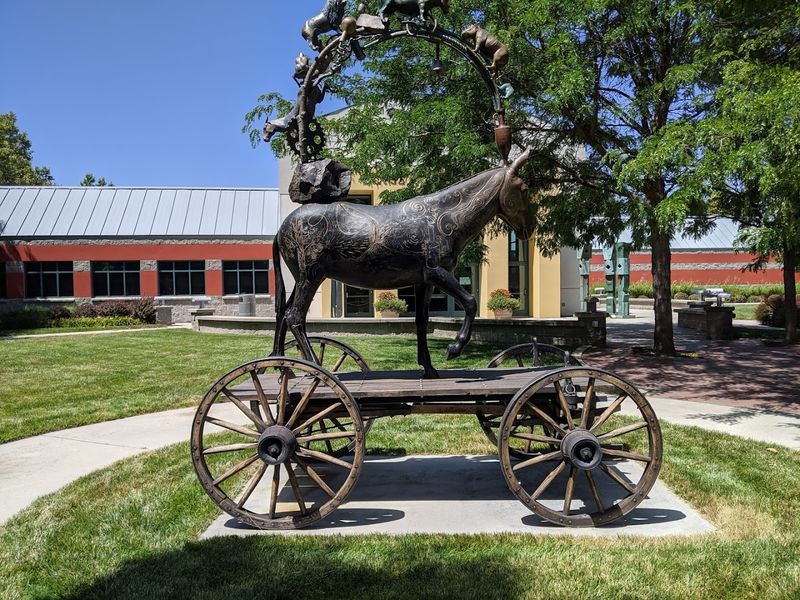
Art gives the park a quieter indoor pause after time in the sun. Boise Art Museum stands at 670 Julia Davis Drive, directly within the park setting, and its official site describes the museum as creating visual arts experiences in Boise.
That location makes it easy to move from lawns and river paths into gallery space without driving across town or reshuffling the day. The museum’s presence also helps explain why Julia Davis Park feels more like a cultural campus than a normal park.
Outdoor wandering pairs naturally with exhibitions, while school groups can build educational trips around several nearby stops, and travelers seeking relief from heat or weather can rely on a meaningful indoor option close by.
A museum visit here does not need to consume the entire day.
An hour inside can reset the pace before returning to the rose garden, lagoon, zoo, or Greenbelt. The contrast is part of the pleasure.
One moment, visitors are under trees near the river. The next, they are standing in front of contemporary or regional art.
Julia Davis Park works because those experiences do not compete. They make the same visit feel richer.
Idaho State Museum Brings State History Into The Same Visit
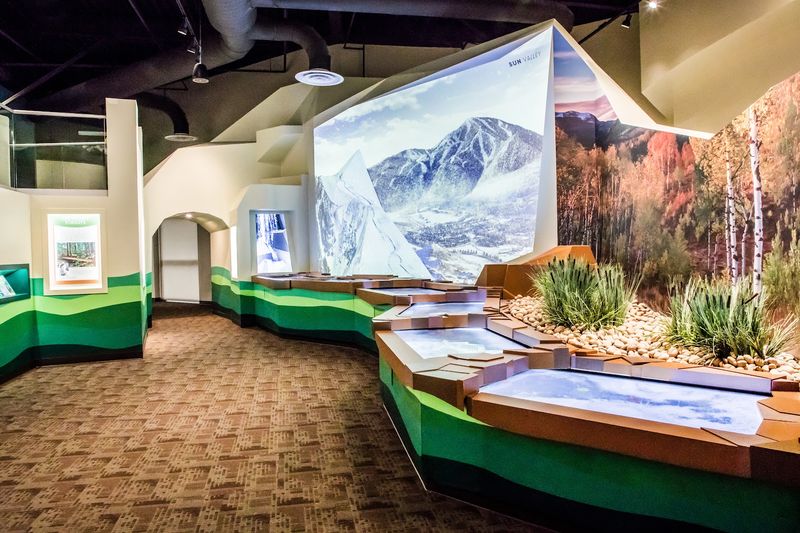
State history becomes easy to add when Idaho State Museum sits right inside the same park day. The museum is at 610 Julia Davis Drive and lists regular hours as Monday through Saturday from 10 a.m. to 5 p.m. and Sunday from noon to 5 p.m., with last admission at 4:15 p.m.
That schedule gives visitors plenty of room to pair exhibits with other Julia Davis Park stops, especially if the day starts at the zoo or along the Greenbelt.
The museum focuses on Idaho’s story, giving context to the land, people, communities, and events that shaped the state.
That makes it a strong match for travelers who want more than a pretty park walk. After seeing the river, gardens, and downtown setting, visitors can step indoors and understand a broader Idaho timeline through museum exhibits.
Families benefit because the park gives kids movement before or after museum time, making the whole outing feel balanced rather than too classroom-like. For adults, the museum adds depth to a Boise visit that might otherwise stay mostly recreational.
Julia Davis Park becomes more rewarding when its green space and cultural stops are treated as one connected experience.
Idaho Black History Museum Adds A Powerful Storytelling Stop
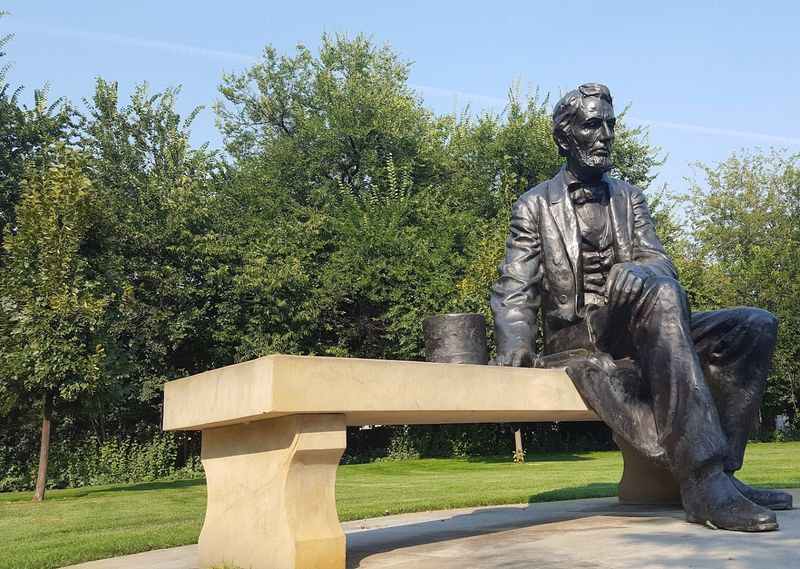
Important stories sit inside one of the park’s most meaningful buildings. Black History Museum is housed in the historic St. Paul Baptist Church building within Julia Davis Park, according to Visit, and the Boise Museum Association lists the museum at 508 Julia Davis Drive.
Current Boise Museum Association information lists hours as Tuesday, Wednesday, and Saturday from 11 a.m. to 3 p.m. and Friday from 10 a.m. to 1 p.m., which makes planning ahead especially important.
The museum’s mission gives visitors a fuller view of state history by centering Black residents, their contributions, and stories that are often missed in broader summaries of the state.
Pairing this museum with State Museum can make the park visit feel more complete, not because the experiences are the same, but because they widen the lens together. The setting inside a historic church adds another layer of meaning before visitors even begin reading exhibits.
A stop here may be shorter than a zoo visit, but it can carry more emotional weight. Julia Davis Park’s strength comes from that range: play, beauty, reflection, art, and history all sharing the same public landscape.
The Rose Garden Gives Walkers A Beautiful Place To Slow Down
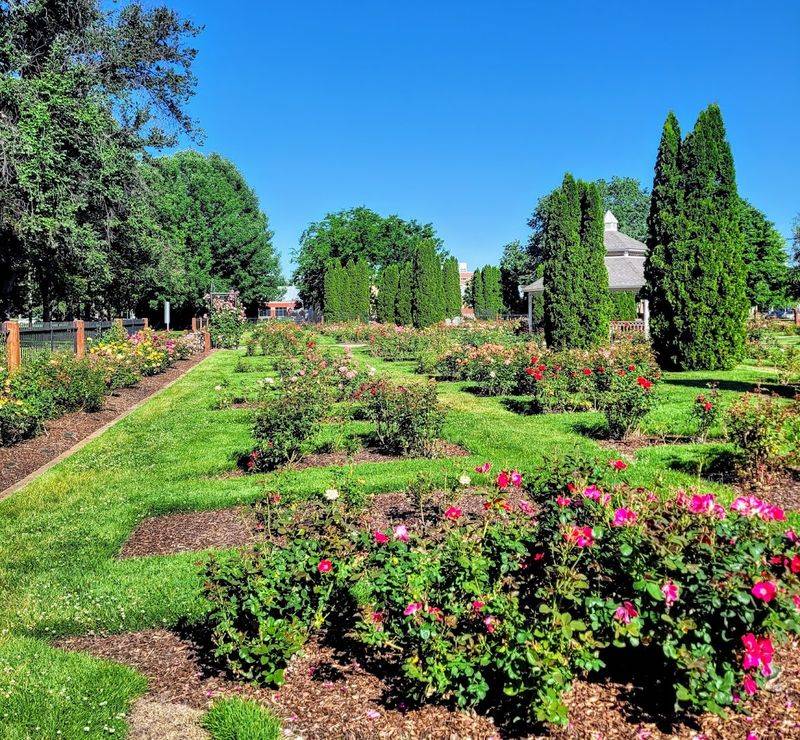
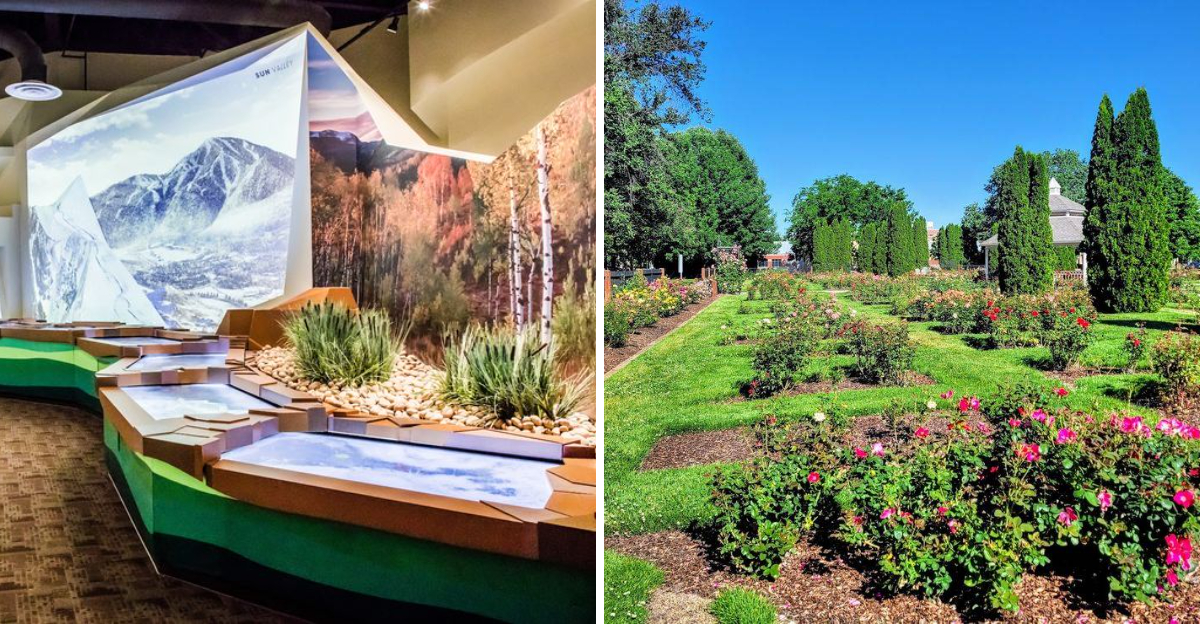
Fragrance and color change the pace near the Rose Garden, where Julia Davis Park feels especially gentle. City information lists the Rose Garden among park facilities that may be reserved for events, and local park coverage notes that an estimated 2,400 roses bloom there each year.
That kind of display gives visitors a free, easy place to pause between bigger attractions. After the movement of the zoo or the focus of a museum, the garden invites a slower rhythm.
Walkers can drift along beds, sit for a moment, take photos, or simply enjoy shade and seasonal color without needing a ticket. The rose garden also works well for visitors who have only a short amount of time in the park.
It offers a classic public-garden experience without requiring a long hike, special equipment, or a full itinerary. Spring and early summer are especially appealing, though bloom timing naturally depends on weather and maintenance.
Photographers, couples, families, and solo walkers all tend to find something to enjoy here. In a park packed with major attractions, the rose garden proves that a quieter corner can be just as memorable.
Boise River Greenbelt Runs Right Along The Park
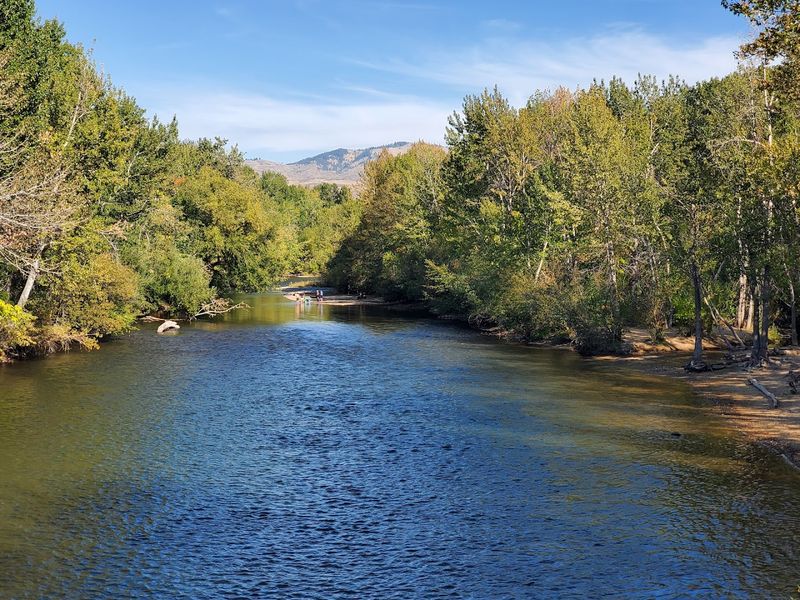
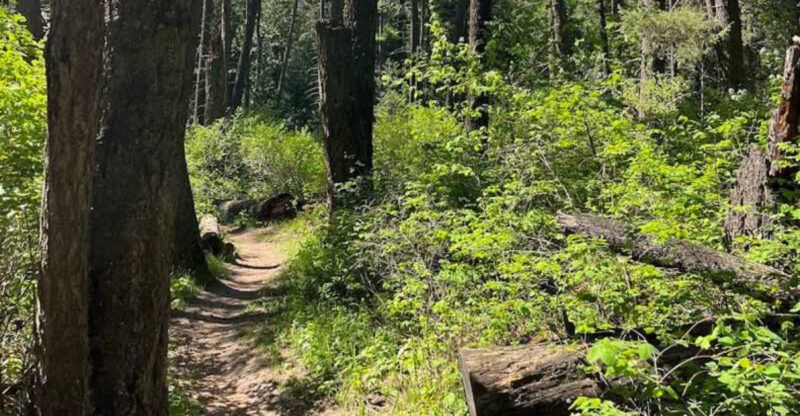
River access gives Julia Davis Park a connection far beyond its own lawns. The Boise River Greenbelt runs along the park area, linking it to a much larger network of walking, running, and biking routes through the city.
Downtown Boise sources list the park as open from sunrise to midnight, and local visitor information places it directly at 700 S Capitol Boulevard, making the Greenbelt easy to add before or after the museums, zoo, lagoon, or rose garden. That flexibility matters.
A visitor can treat the park as a destination on its own or as one stop along a longer riverfront outing. Morning walkers get a calmer start, cyclists can continue through other river parks, and families can use the Greenbelt for an easy stroll when indoor attractions are not the main goal.
Water, trees, birds, bridges, and city views make the trail feel scenic without leaving downtown. For travelers who like to understand a city by walking it, the Greenbelt is one of Boise’s best tools.
Julia Davis Park becomes even more valuable because it sits right along that outdoor spine.
The Lagoon Adds A Classic Picnic-And-Paddleboat Feeling
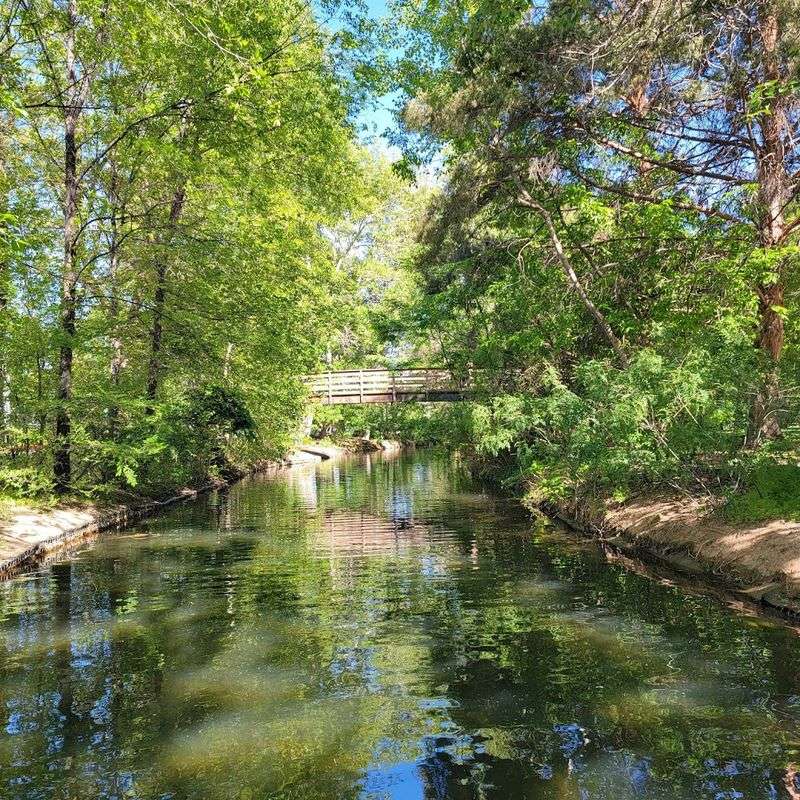
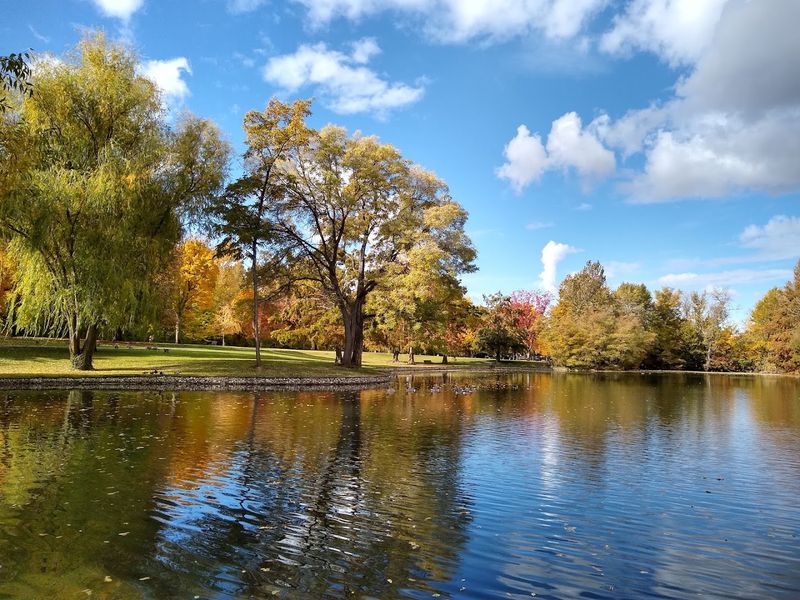
Water gives the park one more old-fashioned reason to linger. Julia Davis Park’s lagoon has long been a gathering point for picnics, casual walks, photos, and slow afternoons.
The lagoon’s appeal is not complicated, which is exactly why it works. After a zoo visit, museum stop, or Greenbelt walk, families can slow down near the water and let the day feel less scheduled.
Paddleboats add a nostalgic touch when available, while nearby lawns make it easy to spread out with lunch or take a break under the trees.
Birds on the water give younger kids something simple to watch, and the surrounding paths make the area feel connected to the rest of the park instead of hidden away from it.
Seasonal events can add energy nearby, but even an ordinary weekday lagoon stop has plenty of charm. Not every part of Julia Davis Park needs to be educational or busy.
Sometimes the best moment is sitting near the water and realizing the park still has more to offer.