This Historic Mill In North Carolina Is So Picturesque, You’ll Feel Like You’re In A Postcard
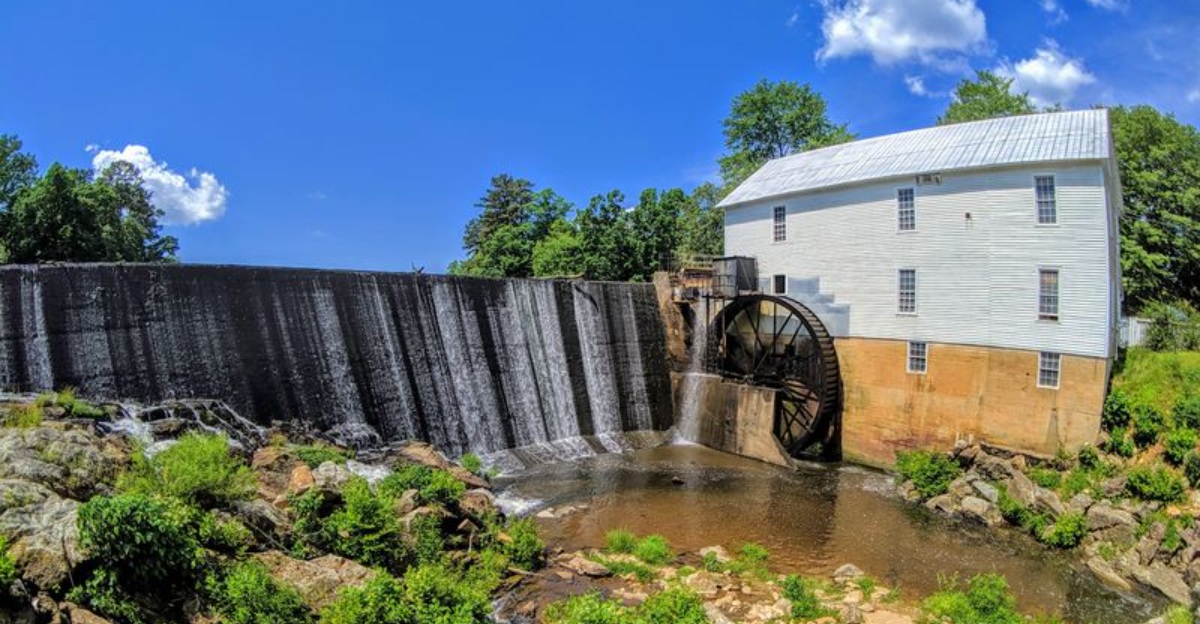
Picture a place where wooden waterwheels spin beside glassy creeks, century-old buildings stand frozen in time, and every corner looks like it belongs on a vintage postcard. Murray’s Mill Historic Site isn’t just another roadside attraction, it’s a full-blown time machine that whisks you back to an era when flour was ground by water power and general stores sold everything from cornmeal to calico fabric.
Tucked along the peaceful banks of Balls Creek at 1489 Murrays Mill Rd in Catawba, this remarkable destination captures the heart and soul of rural North Carolina history. Where else can you wander through an authentic 1913 mill, peek inside a Victorian-era home, and shop in a mercantile that’s been serving customers since the 1890s?
North Carolina knows how to preserve its charm, and Murray’s Mill is proof that the past never really fades, it just waits for curious travelers to rediscover it. With a 4.8-star rating and visitors raving about its beauty and authenticity, this hidden gem offers something genuinely special: a chance to step off the modern treadmill and experience history exactly as it unfolded.
1. A Working Mill Frozen In 1913 Perfection
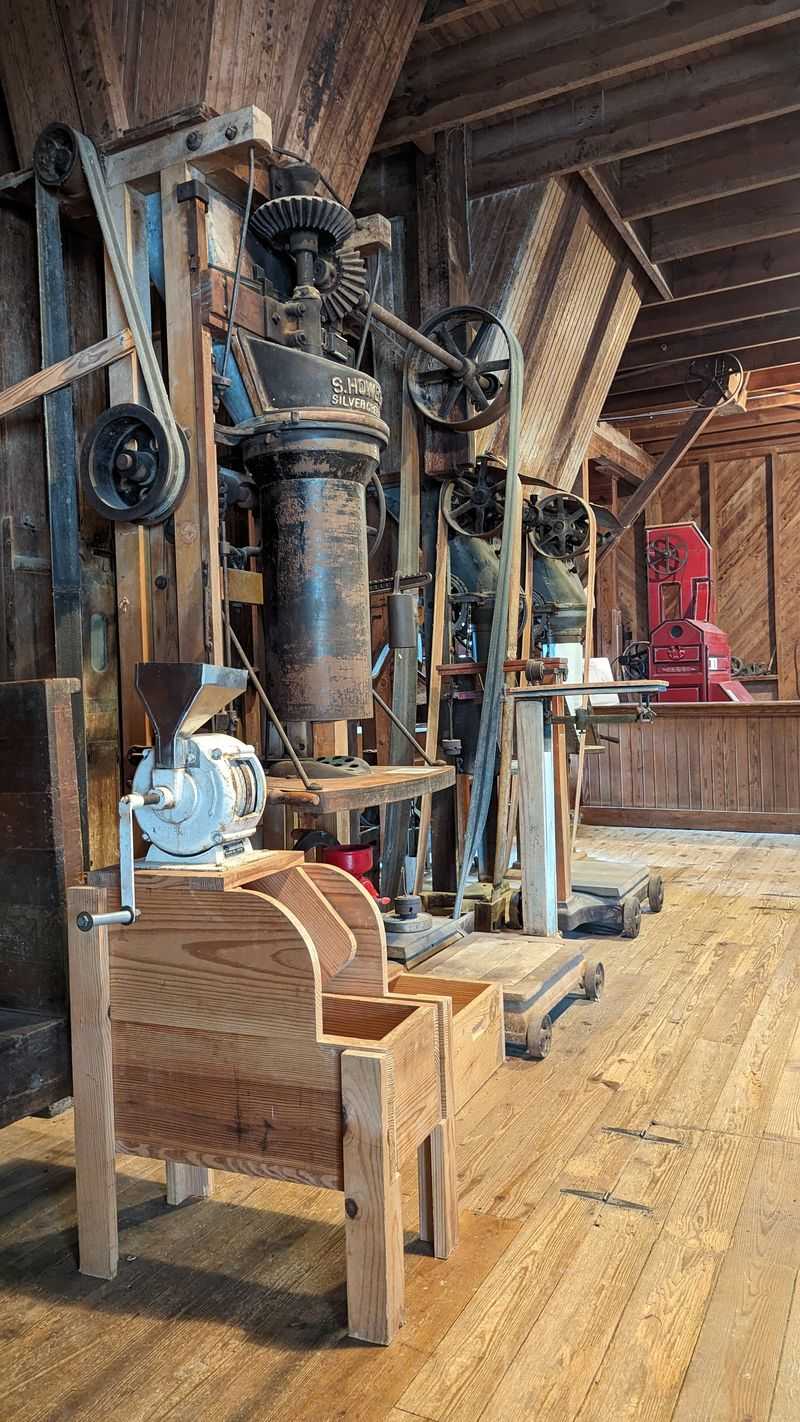
Walk through the mill’s creaking doorway and you’ll find yourself surrounded by the actual machinery that fed families throughout Catawba County. The two-story frame structure was built in 1913 after fire destroyed the original mill, and it operated continuously until 1967 when the Murray family finally closed its doors.
Everything inside remains remarkably intact, offering visitors an authentic glimpse into early 20th-century milling operations.
The centerpiece equipment includes French buhr millstones, circular grinding stones imported from France that were prized for their superior wheat-grinding abilities. These stones could produce finer, more consistent flour than their American counterparts.
The Eureka roller mill represents a technological advancement that allowed millers to process grain more efficiently while producing different grades of flour.
Tour guides explain how grain moved through the various stages of processing. Raw wheat entered at the top floor, gravity helping it descend through cleaning, grinding, and sifting stations before emerging as finished flour ready for baking.
2. The Murray & Minges General Store Time Capsule
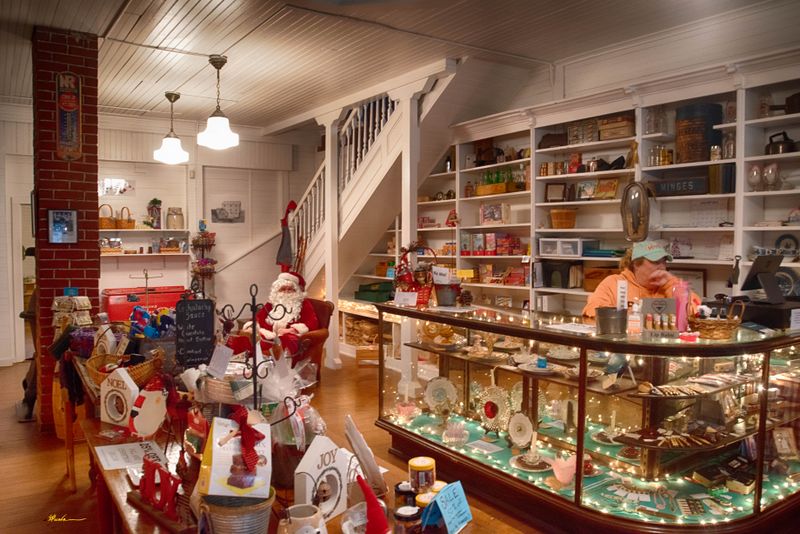
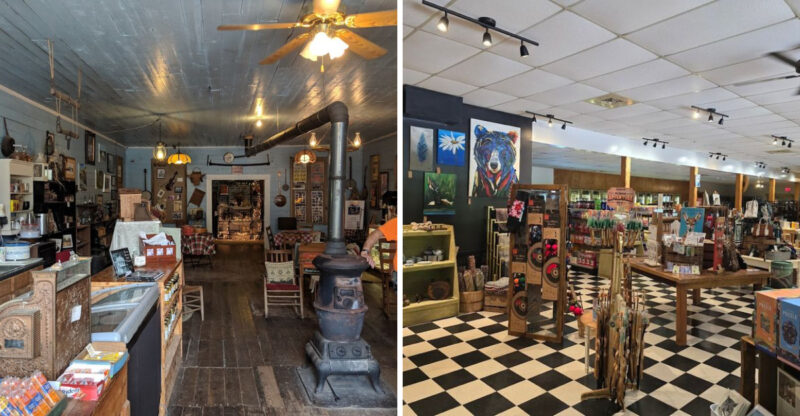
Step inside the 1890s Murray & Minges General Store and prepare for sensory overloadthe good kind. Wooden shelves stacked with period merchandise line the walls, while an antique cash register sits ready to ring up purchases.
The store operated as the community’s shopping hub for generations, selling everything from farm supplies to household goods, fabric to foodstuffs.
Today’s visitors find the store still functions, offering locally ground cornmeal produced on-site along with handcrafted items, historical books, and unique souvenirs. The knowledgeable staff members stationed here receive consistent praise in visitor reviews for their friendliness and deep understanding of the site’s history.
One reviewer specifically mentioned how the mercantile lady shared fascinating details about the mill’s operations and the Murray family legacy.
The store’s atmosphere transports shoppers backward through time. Wooden floorboards creak underfoot, vintage advertisements decorate the walls, and the smell of history hangs pleasantly in the air.
It’s retail therapy with a serious educational component attached.
3. John Murray’s Meticulously Furnished 1913 Home
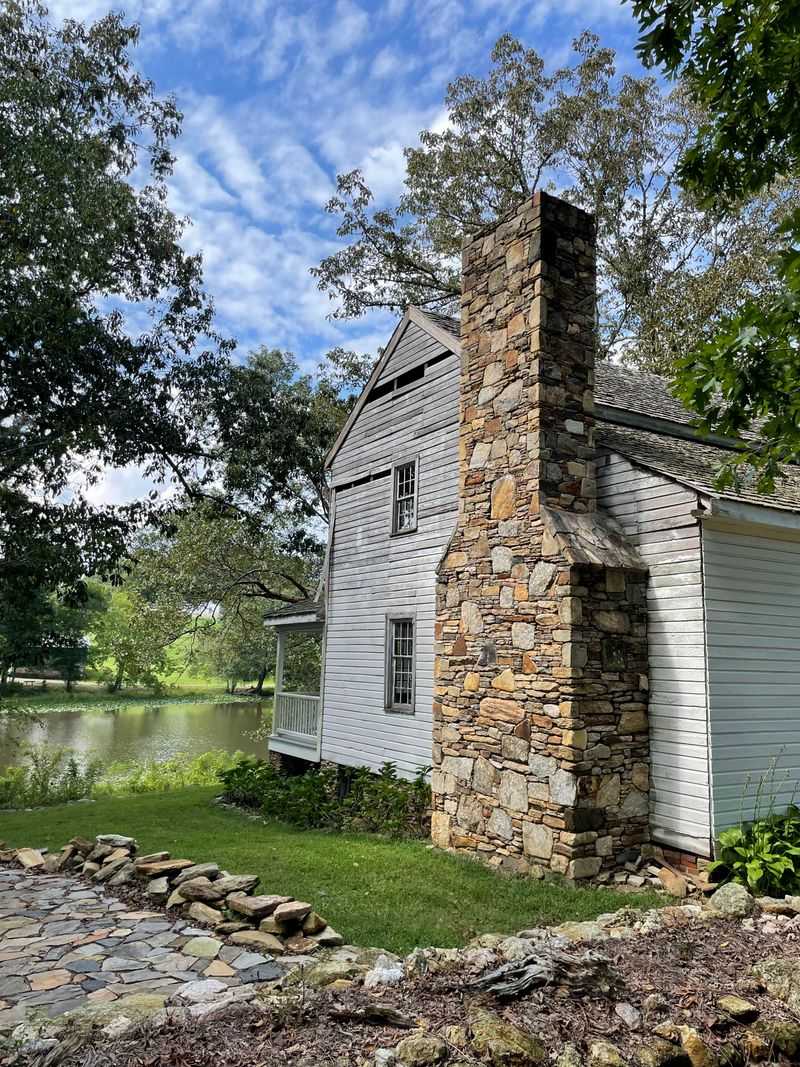
Curious about how mill owners actually lived during the early 20th century? The John Murray House answers that question in exquisite detail.
Built the same year as the current mill building, this residence served as home to the Murray family, who operated the milling business for three generations. Every room has been carefully furnished with period-appropriate pieces that reflect the lifestyle of a successful rural businessman and his family.
Walking through the house reveals fascinating contrasts between then and now. The kitchen showcases cooking methods that required significantly more effort than today’s microwaves and instant meals.
Bedrooms display handmade quilts and simple furniture that prioritized function over flash. The parlor, the family’s formal entertaining space, contains the fanciest furnishings, reserved for impressing important visitors and hosting special occasions.
Historical interpreters often share stories about the Murray family’s daily routines, business challenges, and community involvement. These personal narratives transform empty rooms into lived-in spaces where real people faced real joys and struggles while building their legacy.
4. The Wheathouse Gallery’s Artistic Transformation
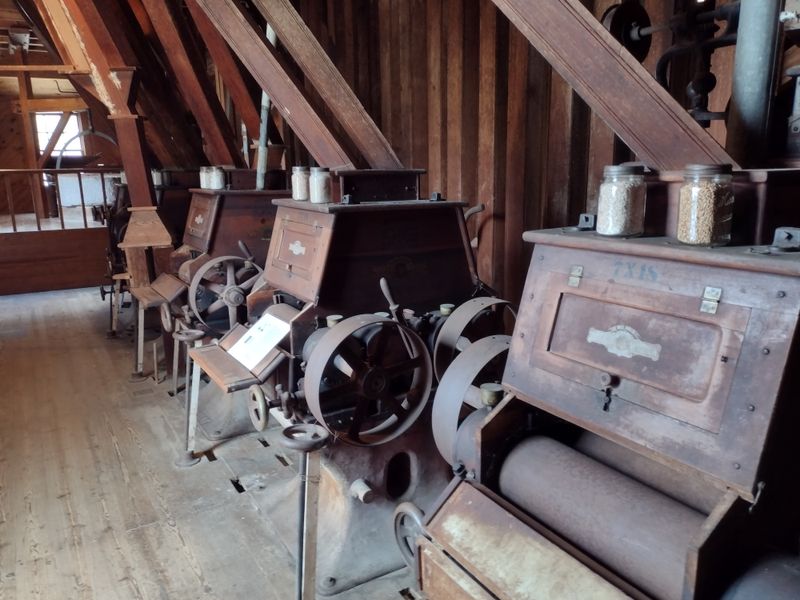
Adaptive reuse done right looks like the Wheathouse Gallery at Murray’s Mill. Originally constructed in the 1880s to store wheat before milling, this sturdy building now serves as an exhibit space showcasing local artists and historical displays.
The transformation respects the building’s agricultural heritage while giving it renewed purpose for contemporary audiences.
Exposed wooden beams and original construction details provide a stunning backdrop for rotating art exhibitions. Local painters, photographers, and craftspeople display their work against walls that once held sacks of grain.
The juxtaposition creates a unique viewing experience where history and creativity intersect in unexpected ways.
Special exhibits often focus on Catawba County’s cultural heritage, exploring topics like traditional crafts, agricultural practices, and the region’s industrial development. Educational displays help visitors understand how communities like those surrounding Murray’s Mill functioned economically and socially.
The gallery proves that historic buildings don’t need to remain static museums, they can evolve while maintaining their essential character and continuing to serve their communities.
5. National Register Recognition And Historical Importance
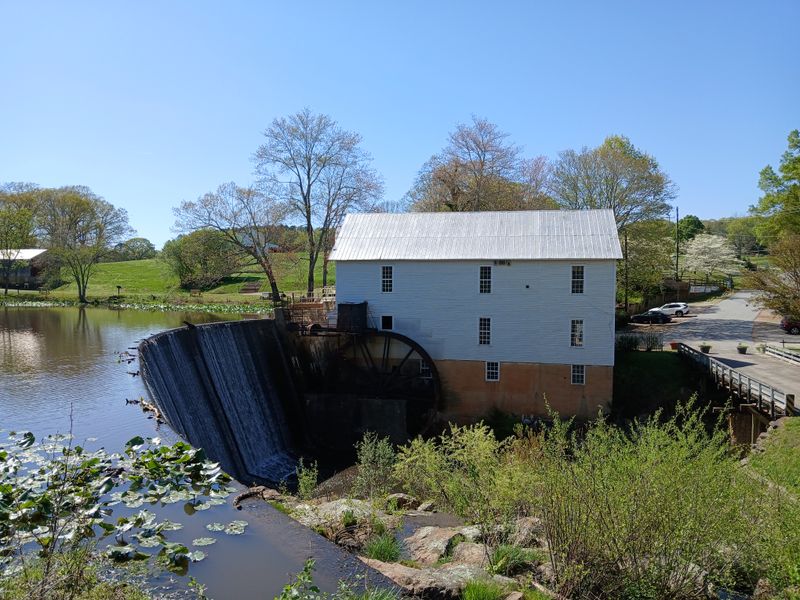
Recognition from the National Register of Historic Places isn’t handed out like participation trophies. Properties must meet strict criteria demonstrating exceptional historical significance, architectural integrity, or cultural importance.
Murray’s Mill Historic District earned this prestigious designation, cementing its status as a nationally recognized treasure worth preserving for future generations.
The listing acknowledges the site’s remarkable preservation of an intact rural industrial complex. Unlike many historic mills that lost buildings to demolition or saw structures altered beyond recognition, Murray’s Mill retained its essential character.
The district includes multiple contributing buildings, the mill, general store, wheathouse, and John Murray House, all maintaining their historical integrity.
This official recognition brings practical benefits beyond bragging rights. It provides access to preservation grants, establishes protective guidelines for future modifications, and raises public awareness about the site’s importance.
For visitors, the National Register status serves as quality assurance, confirming that what they’re experiencing represents authentic history, not a reproduction or heavily altered approximation.
6. Scenic Trails Winding Through Historical Grounds
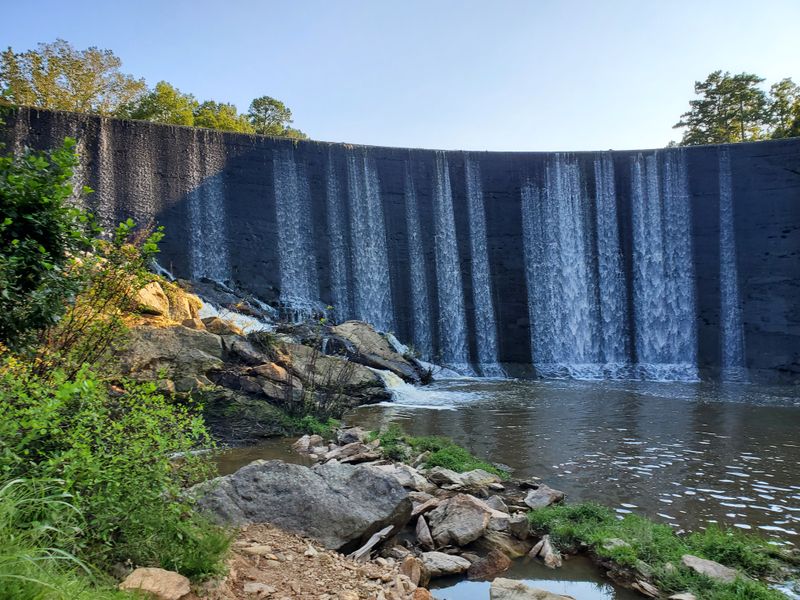
History lessons don’t have to happen indoors or standing in one spot. Murray’s Mill offers walking trails that let visitors explore the picturesque grounds at their own pace while soaking up the natural beauty that attracted the Murray family to this location originally.
The paths wind through the property, offering different perspectives on the mill complex and access to quieter, contemplative spots along Balls Creek.
One particularly popular feature is the interpretive storybook trail mentioned in visitor reviews. This creative approach to education places illustrated story panels along the walking route, making the journey especially engaging for families with children.
Kids can follow the narrative while getting exercise and fresh air, a winning combination for parents seeking educational activities that don’t feel like school.
The trails showcase why the mill’s location receives such consistent praise for its scenic beauty. Mature trees provide shade, the creek provides soothing water sounds, and the overall atmosphere encourages slowing down and appreciating simpler pleasures.
Several reviewers specifically mentioned the waterside walking trails as highlights of their visits.
7. The Towering 28-Foot Waterwheel That Powers History
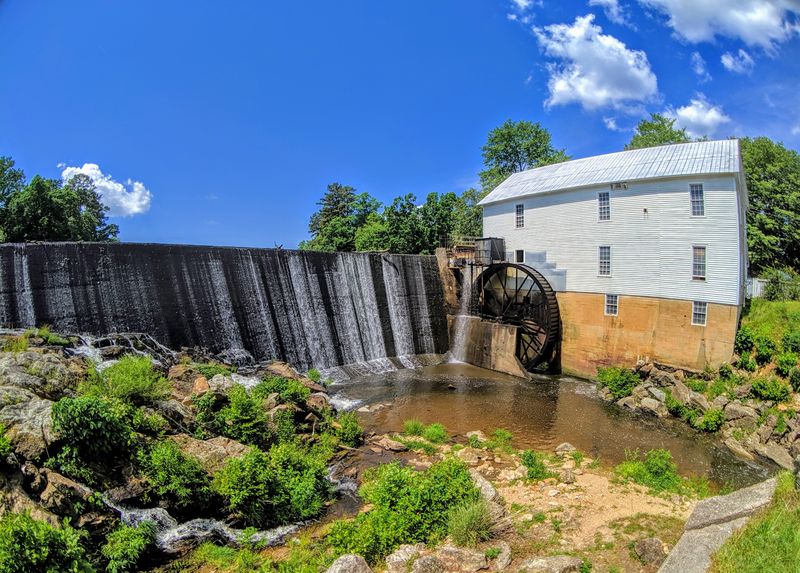
Engineering marvels don’t always come with flashing lights and computer screens. Sometimes they’re built from wood, metal, and pure ingenuity, standing proudly for over a century.
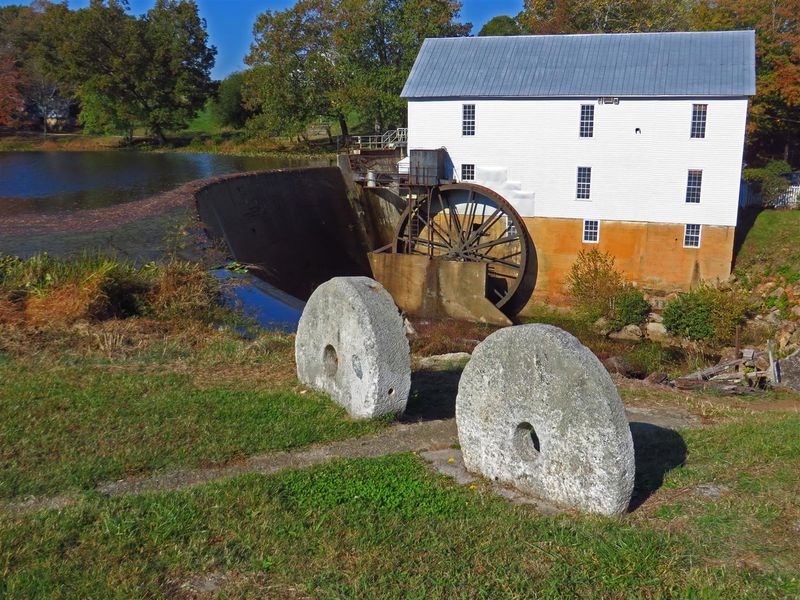
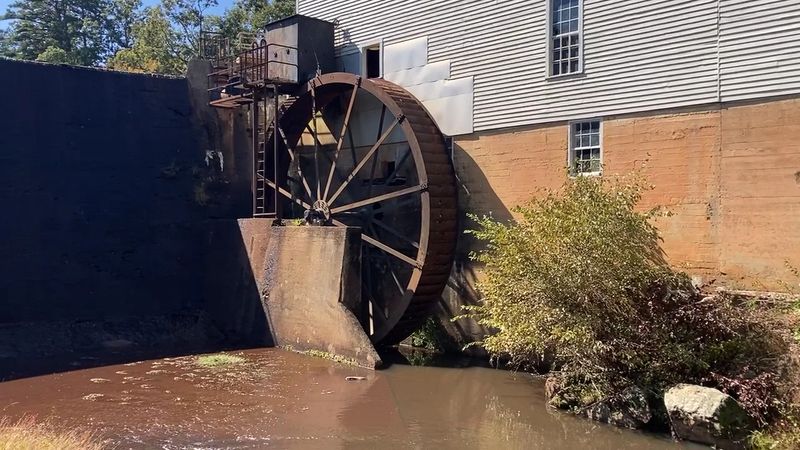
The massive overshot waterwheel at Murray’s Mill measures an impressive 28 feet in diameter, making it one of the most striking features of the entire historic district.
Water from Balls Creek flows into a wooden flume system that carries it to the top of the wheel. Gravity does the rest, pulling the water down and turning the wheel with steady, rhythmic power.
This simple yet brilliant design powered the mill’s grinding stones for decades, transforming wheat and corn into flour and meal for the surrounding community.
Watching the wheel turn today feels almost hypnotic. The creaking wood, the splashing water, and the slow rotation create a meditative experience that modern machinery simply can’t replicate.
Visitors often stand mesmerized, cameras clicking away, capturing this living piece of industrial history in motion.
8. The Annual Harvest Folk Festival Celebration
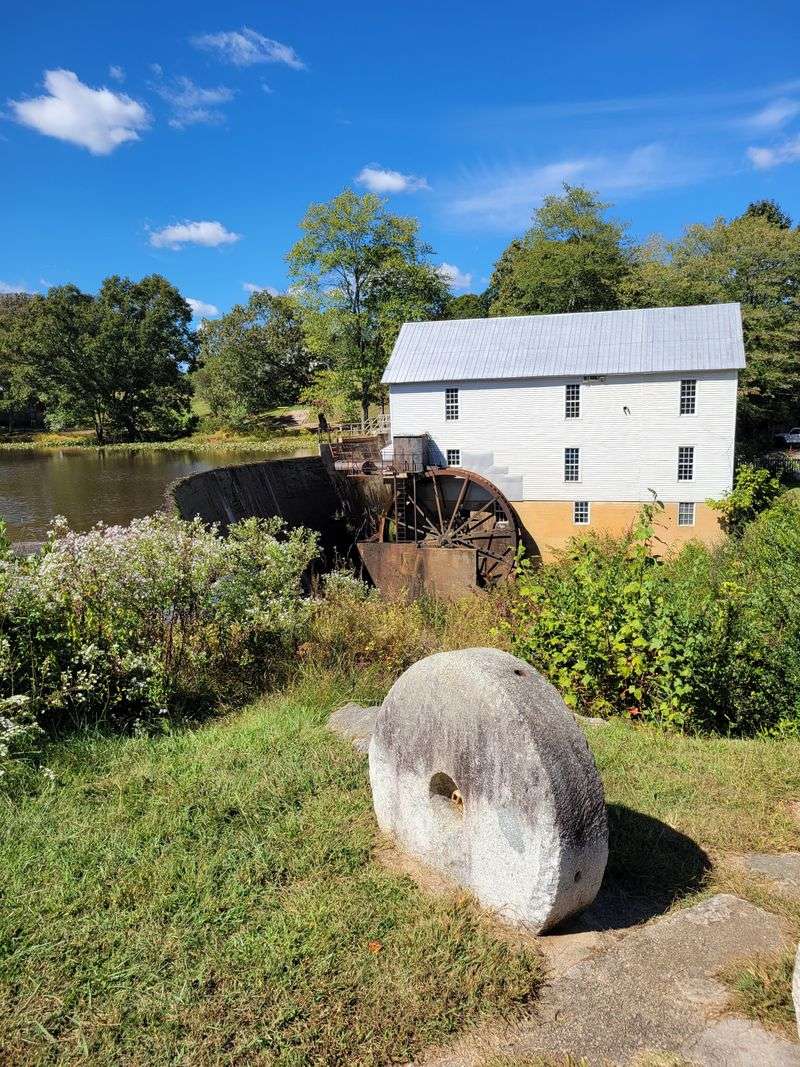
Once a year, Murray’s Mill transforms from peaceful historic site into bustling cultural celebration during the Harvest Folk Festival. This annual event draws crowds eager to experience traditional crafts, live music, and authentic food while celebrating the agricultural heritage that shaped the region.
The festival breathes vibrant life into the historic district, demonstrating how these buildings and traditions remain relevant today.
Artisans demonstrate skills like blacksmithing, weaving, pottery-making, and woodworking, crafts that would have been essential in the mill’s heyday. Musicians perform traditional folk, bluegrass, and Appalachian music that echoes the region’s cultural roots.
Food vendors serve up classic Southern fare, often using recipes passed down through generations.
The festival serves multiple purposes simultaneously: entertaining visitors, educating about traditional lifeways, supporting local craftspeople, and generating revenue that helps maintain the historic site. Families return year after year, creating their own traditions around this celebration of older traditions.
It’s community engagement done right, connecting past and present in ways that feel joyful rather than academic.
9. Educational Programs Bringing History To Life
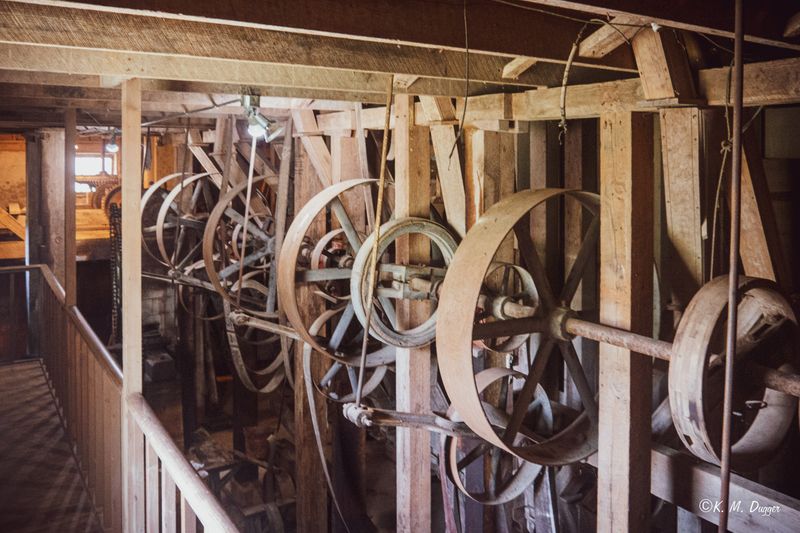
Museums that simply display artifacts behind glass miss opportunities to create lasting impressions. Murray’s Mill takes a more dynamic approach, offering educational programs that actively engage visitors, especially students, with hands-on learning experiences.
School groups regularly visit for field trips that align with curriculum standards while providing memorable alternatives to classroom instruction.
Programs cover topics like the Industrial Revolution’s impact on rural communities, agricultural economics, water-powered technology, and daily life in early 20th-century North Carolina. Educators can request customized presentations focusing on specific historical themes or grade-level requirements.
The tangible nature of the site, actual buildings, working machinery, and authentic artifacts, helps concepts stick in ways that textbooks alone cannot achieve.
Beyond school programs, the site offers workshops for adults interested in traditional skills, historical lectures by experts, and special events tied to significant anniversaries or historical commemorations. This commitment to education ensures the site functions as more than a static museum.
It becomes a living classroom where history feels relevant and accessible to visitors of all ages and backgrounds.
10. Community Events Fostering Local Connection
Historic sites risk becoming dusty relics if they don’t maintain strong connections with their surrounding communities. Murray’s Mill avoids this trap by hosting various events throughout the year that give locals reasons to visit repeatedly and feel ownership over this shared heritage.
From concerts to craft fairs, seasonal celebrations to private rentals, the site buzzes with activity that extends far beyond typical museum operations.
One reviewer mentioned attending a music recital held at the mill, where a teacher showcased student performances in this atmospheric setting. The historic backdrop added special meaning to the event, creating memories that standard recital halls couldn’t match.
Such creative uses of the space demonstrate flexibility while respecting the site’s historical character.
The mill also participates in Harvest Hosts, welcoming RV travelers to overnight on the property. This program introduces the site to visitors who might not have discovered it otherwise, while generating additional support for preservation efforts.
These diverse community engagements ensure the mill remains woven into local life rather than standing apart as something only tourists visit.
11. Photography Paradise Along Balls Creek
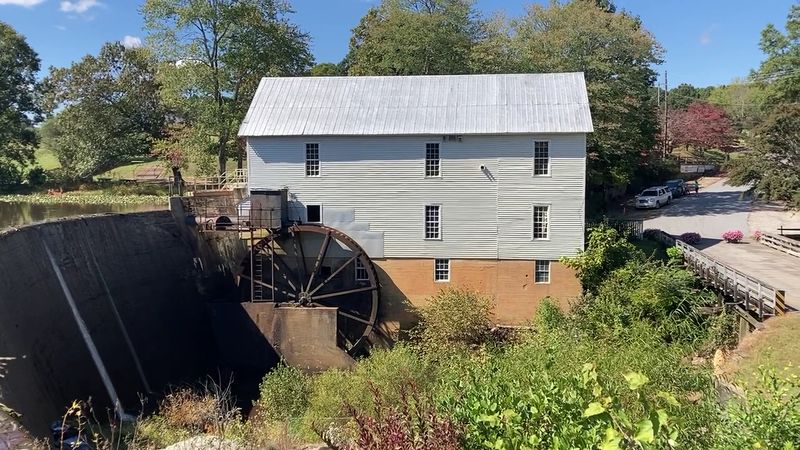
Photography enthusiasts and casual smartphone snappers alike find endless inspiration at Murray’s Mill. The site’s location along Balls Creek provides that essential ingredient for memorable images: natural beauty combined with architectural interest.
The interplay of water, weathered wood, turning waterwheel, and surrounding landscape creates compositions that practically frame themselves.
Different seasons offer distinct photographic opportunities. Spring brings blooming flowers and fresh green foliage.
Summer provides lush vegetation and longer daylight hours. Autumn delivers spectacular fall colors that complement the rustic buildings beautifully.
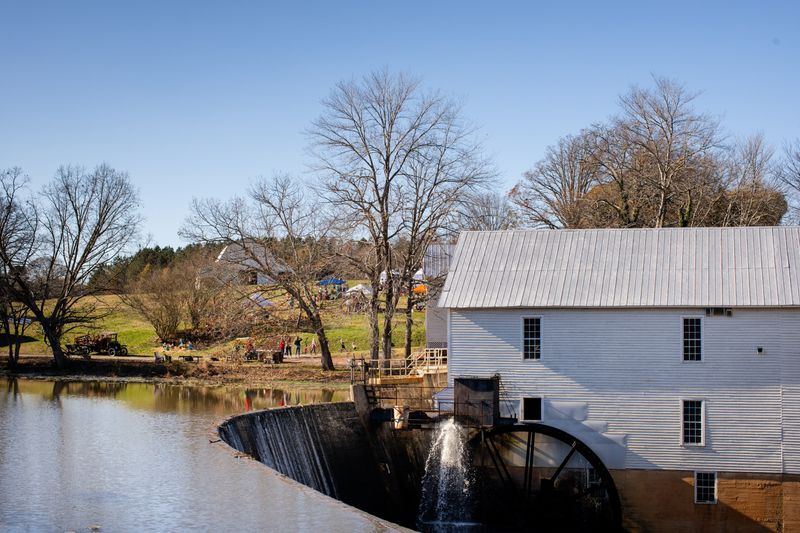
Even winter has its charm, with bare trees revealing structural details and occasional snow transforming the scene into a winter wonderland.
Multiple reviewers specifically mentioned the site’s photogenic qualities, with one noting it’s perfect for relaxation and photography. The variety of subjects, the mill exterior, waterwheel in motion, creek reflections, historic interiors, and scenic trails, means photographers can spend hours exploring different angles and lighting conditions.
Whether you’re building an Instagram feed or creating family memories, Murray’s Mill delivers visual gold.
12. The Accessible $7 Tour Experience
Quality experiences don’t require premium prices. Murray’s Mill offers guided tours for just seven dollars, an incredibly reasonable rate considering the depth of history and number of buildings included.
This accessible pricing reflects the site’s educational mission, removing financial barriers that might prevent families or budget-conscious travelers from experiencing this remarkable piece of North Carolina heritage.
Tour guides lead visitors through the mill, explaining the machinery’s operation, the Murray family’s business practices, and the community’s dependence on the mill’s services. They share stories that bring dry historical facts to life, describing specific individuals, memorable events, and daily routines that shaped life in this rural industrial setting.
The personal touch transforms buildings and artifacts into meaningful narratives.
Some visitors choose to explore independently without taking the formal tour, as one reviewer mentioned. The grounds remain accessible for self-guided wandering, bridge-crossing, and general store browsing.
However, those who invest the modest tour fee consistently report gaining deeper appreciation and understanding that casual observation alone cannot provide. Seven dollars buys a lot of knowledge and context.
13. Convenient Hours And Harvest Host Hospitality
Planning visits becomes easier when sites maintain regular, predictable schedules. Murray’s Mill, at 1489 Murrays Mill Rd in Catawba, opens at 10 AM on Wednesdays and offers Sunday hours from 1 to 5 PM, providing options for both midweek explorers and weekend adventurers.
The consistent schedule helps visitors plan trips without uncertainty about whether they’ll find locked gates upon arrival.
The site’s participation in the Harvest Hosts program adds another dimension to visitor experiences. RV travelers can reserve overnight stays, parking their rigs on the grounds and enjoying the peaceful setting after day visitors depart.
One enthusiastic reviewer praised the Harvest Host experience, mentioning the helpful staff member who escorted them via golf cart to their site and the pleasant morning walks through the mill grounds before other visitors arrived.
Phone contact at 828-241-4299 and the comprehensive website provides additional planning resources. Whether you’re a local resident planning a quick afternoon visit or a traveling photographer timing your arrival for optimal lighting, the accessible information and welcoming staff make Murray’s Mill easy to incorporate into your North Carolina explorations.