This Historic North Carolina Church Has One Of America’s Largest Freestanding Domes
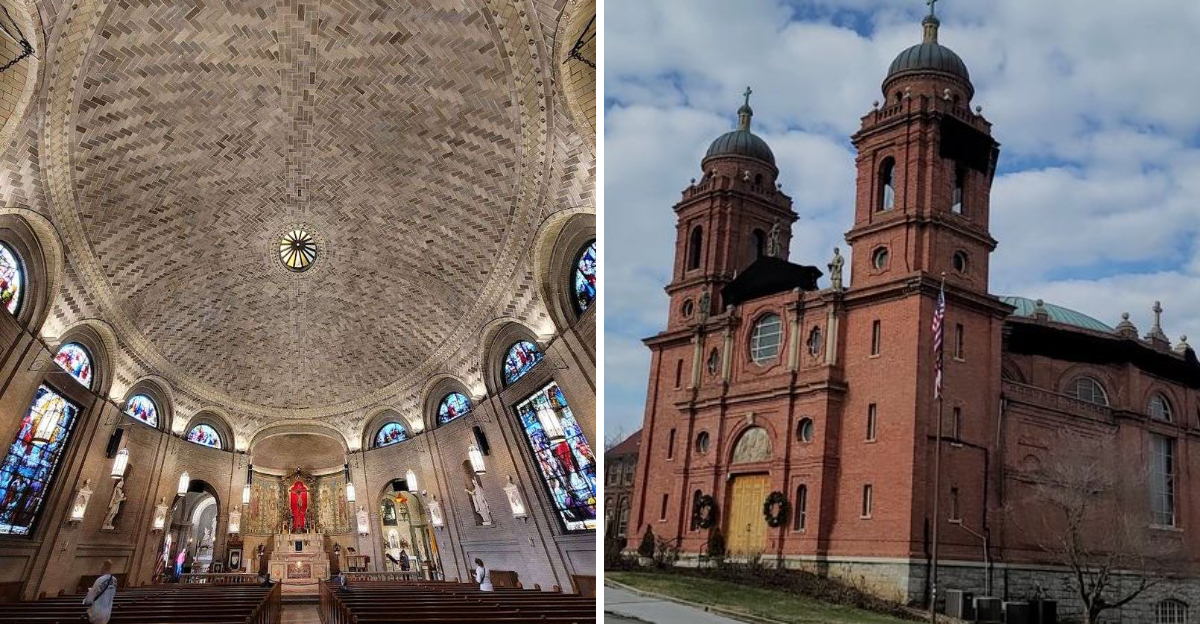
Some buildings make people casually look up.
This one makes them stand there fully flabbergasted.
In downtown Asheville, a 1909 basilica pulls off the kind of massive freestanding dome that makes silence feel like the only polite reaction.
North Carolina has plenty of historic landmarks, but this ceiling walks in, steals the scene, and leaves everyone in awe.
The Record-Breaking Dome
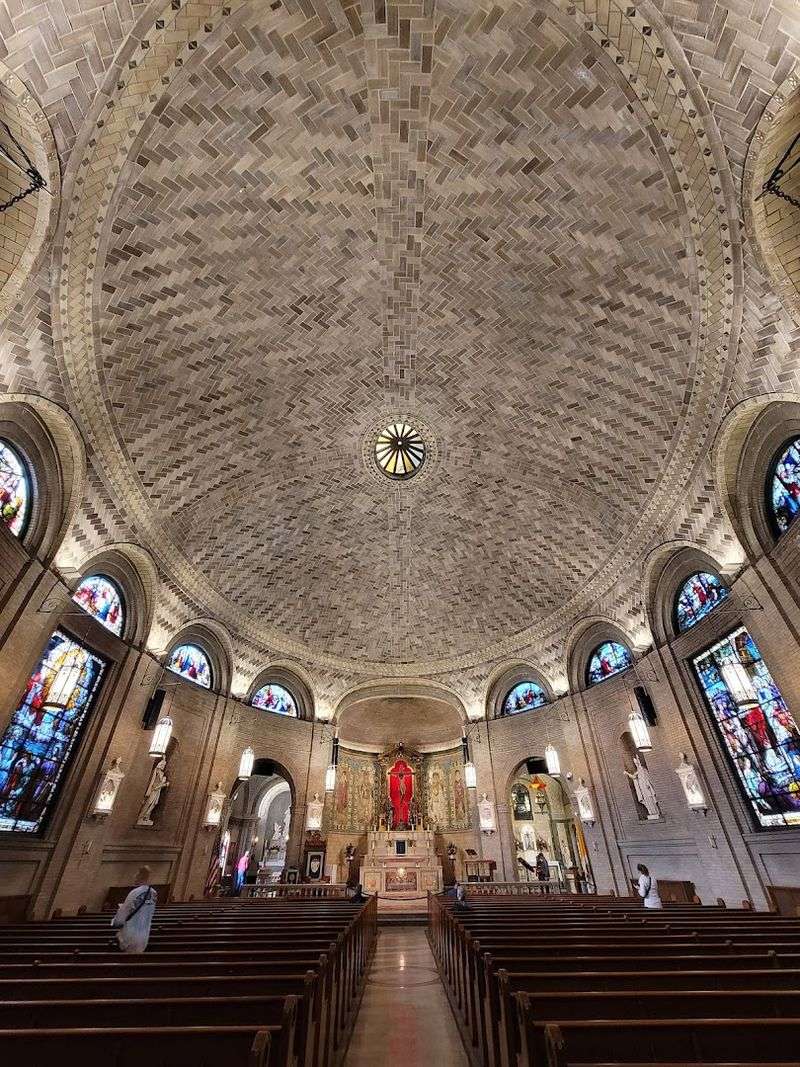
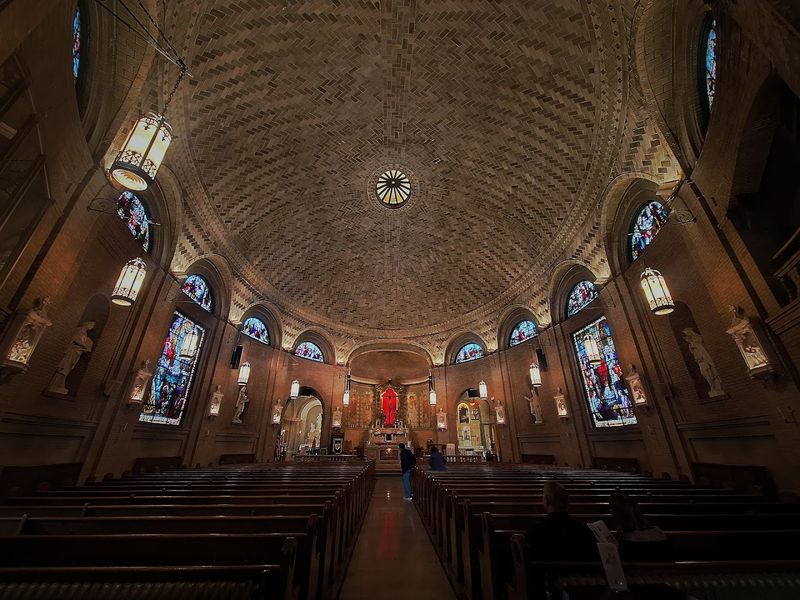
Few historic ceilings in America can compete with the sheer ambition above the nave of the Basilica of Saint Lawrence. The church at 97 Haywood Street, Asheville, NC 28801, is famous for its vast elliptical dome, which measures 82 feet long and 52 feet wide and is the largest freestanding elliptical dome in North America.
No steel supports hold it up, which makes the engineering feel even more startling once visitors understand what they are seeing. Guastavino tile construction uses interlocking terracotta pieces to create a strong self-supporting shell, turning thousands of carefully placed elements into one sweeping architectural statement.
Standing beneath it can make conversation fade fast, partly because the scale feels so unexpected inside a downtown church. Curved surfaces draw the eye upward, while the warm tile gives the space a depth modern materials rarely match.
Many visitors arrive for a quick look and end up lingering because the dome changes the mood of the entire building. It feels less like decoration and more like the church’s heartbeat, steady, graceful, and almost unbelievable.
Period.
The Visionary Architects
Rafael Guastavino and Richard Sharp Smith gave Asheville one of its most remarkable partnerships when they designed the Basilica of Saint Lawrence. Guastavino brought his celebrated tile vaulting system, a method that shaped American buildings during the late nineteenth and early twentieth centuries.
Smith, already tied to Asheville history through his work as supervising architect for the Biltmore Estate, added local experience and design sensitivity that helped the basilica feel connected to its mountain city rather than copied from somewhere else. Their collaboration created a church with Spanish Renaissance character, structural daring, and deep craftsmanship in every surface.
Guastavino’s personal connection makes the story even more powerful. He cared so much for the building that he was buried inside it, meaning the architect rests within the very masterpiece that helped define his legacy.
Visitors often find that detail moving because it turns the basilica from an architectural landmark into a human story. Genius can sound abstract until you stand below the dome and realize someone devoted his life, skill, and final resting place to this space.
That personal ending gives the landmark a tenderness most famous buildings never quite carry.
Spanish Renaissance Style
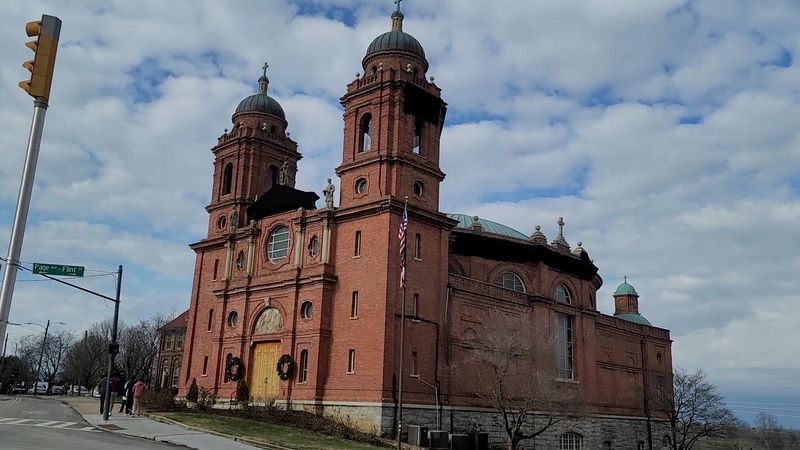
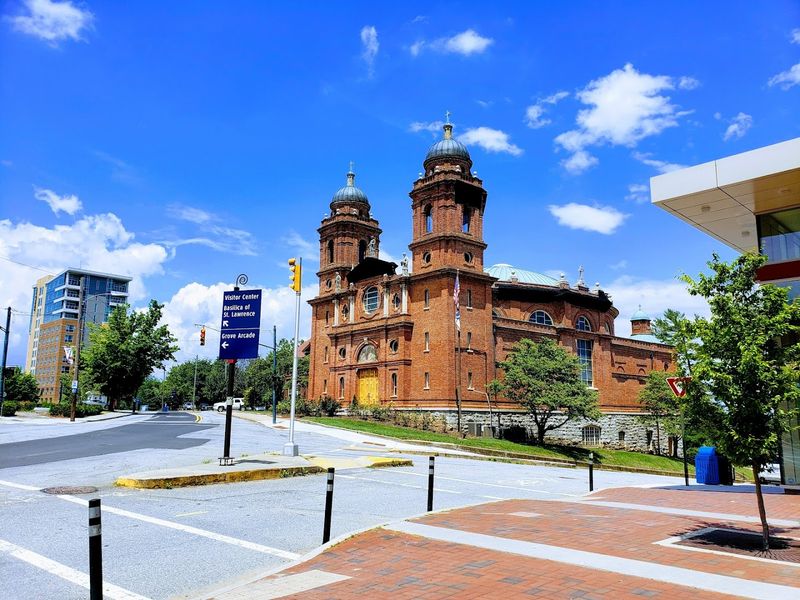
Walking up to the Basilica of Saint Lawrence feels like catching a glimpse of southern Europe right in the middle of the American South. The building is designed in the Spanish Renaissance style, which was relatively rare in North Carolina at the time of its construction.
Rounded arches, rich terracotta surfaces, and thick masonry walls give the exterior a sense of permanence and grandeur that modern buildings rarely achieve.
The architects chose local materials wherever possible, blending the building naturally into its Appalachian surroundings while still honoring European tradition. The result is a structure that feels both foreign and familiar at the same time, exotic in its style but grounded in its mountain setting.
Terracotta tiles appear throughout the building, inside and out, connecting every surface in a unified visual language.
Visitors often spend long minutes just studying the facade before they even step inside. Every carved detail, every rounded window frame, and every arched doorway tells part of a larger story about craft and intention.
North Carolina is known for its natural beauty, but the Basilica of Saint Lawrence proves that its architectural beauty deserves just as much attention. The building stands as proof that great design can transform a city block into something truly unforgettable.
Stunning Stained Glass Windows
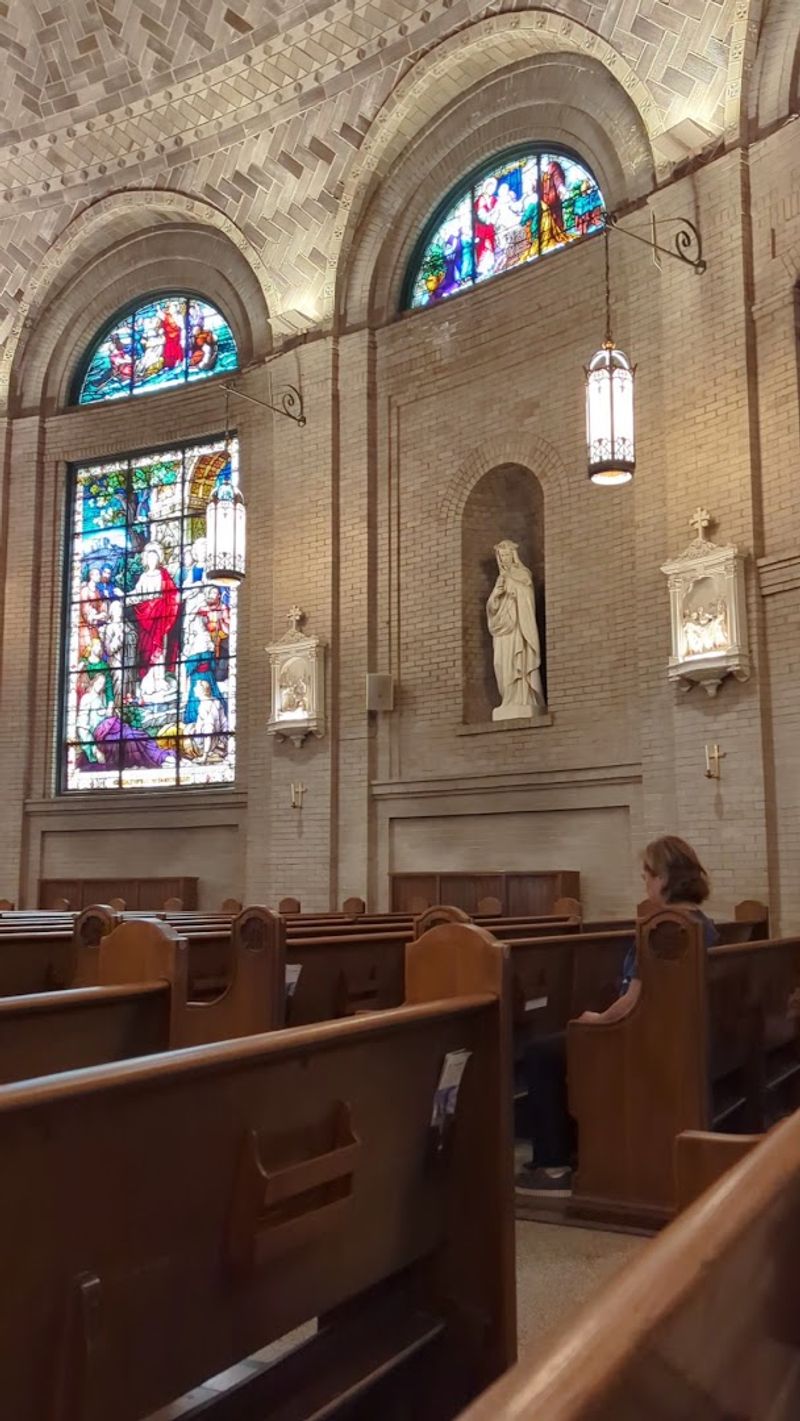
Color gives the Basilica of Saint Lawrence much of its quiet emotional force. Stained glass windows fill the interior with blues, reds, golds, and shifting light that change the space throughout the day.
Morning visits can feel gentle and reflective, while stronger midday sun brings color across the walls and floor. Each window contributes to the church’s sacred storytelling, using biblical scenes, saints, symbols, and glowing detail to draw visitors into a slower kind of looking.
Even people who arrive mainly for the dome often find themselves pausing beside the glass because the craftsmanship feels so layered. Brochures and self-guided materials help identify important features, which makes the experience more meaningful for visitors without deep knowledge of Catholic art.
The windows also soften the building’s massive architecture, adding warmth and intimacy beneath the soaring dome. Asheville can be busy just outside the doors, but inside, colored light encourages a different pace.
Spending a few quiet minutes with these windows turns the visit from a quick architectural stop into something more reflective and personal. For many guests, the glass becomes the second surprise after the famous ceiling.
Every season changes it.
Sacred Sculptures And Artwork
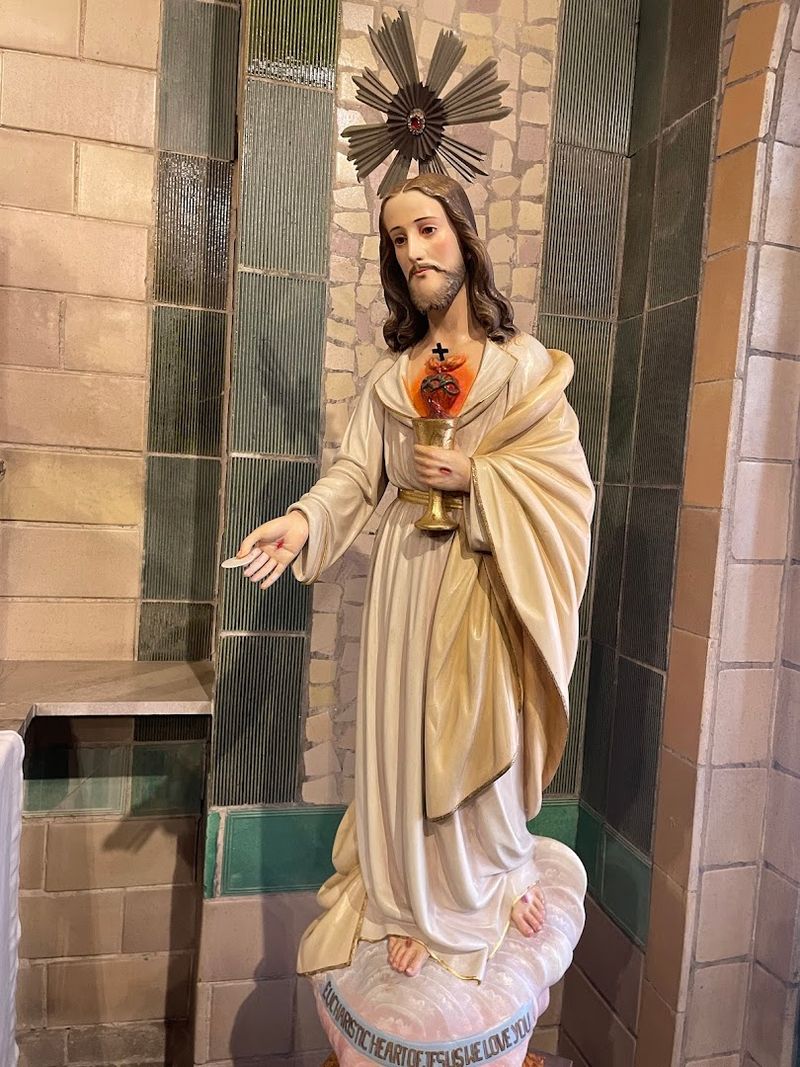
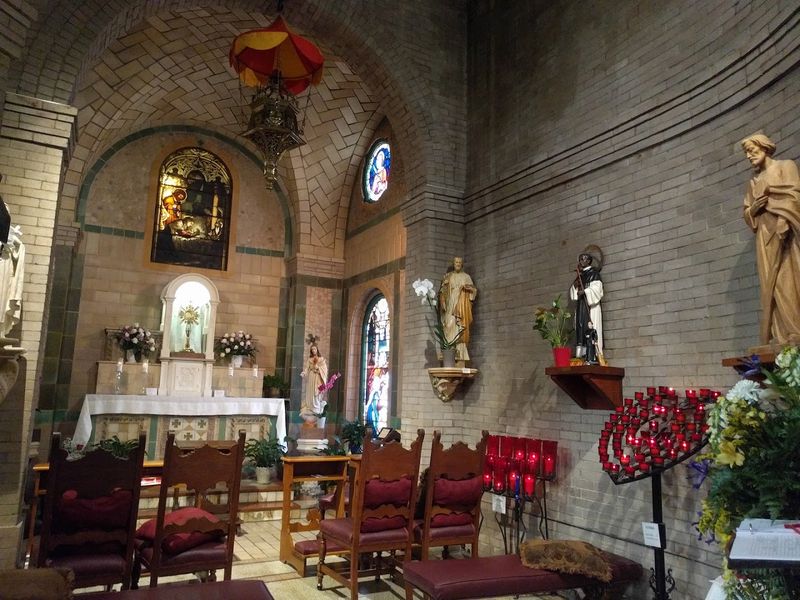
Sacred art fills the Basilica of Saint Lawrence with details that deserve more than a quick pass through the aisle. Sculptures, side altars, devotional images, and arranged liturgical features give the interior a rich visual rhythm from one section to the next.
Marble figures, painted pieces, carved forms, and symbolic details work together to create a space that feels both artistic and devotional. Visitors often notice the dome first, but the smaller elements gradually become just as compelling once the initial awe settles.
Side altars invite slower observation, especially because their symmetry and craftsmanship reveal how intentionally the whole interior was planned. Self-guided brochures help point out features that might otherwise be missed, while guided tours can add context about the meaning behind artworks.
Nothing inside feels random or purely decorative. Every sculpture and image contributes to the larger spiritual and architectural story.
For travelers used to thinking of Asheville mainly through food, music, mountains, and galleries, the basilica offers a different kind of cultural richness. It feels like a sacred art collection held inside a living church.
Quiet details keep revealing themselves, especially to visitors willing to look twice.
Tours And Visitor Experience
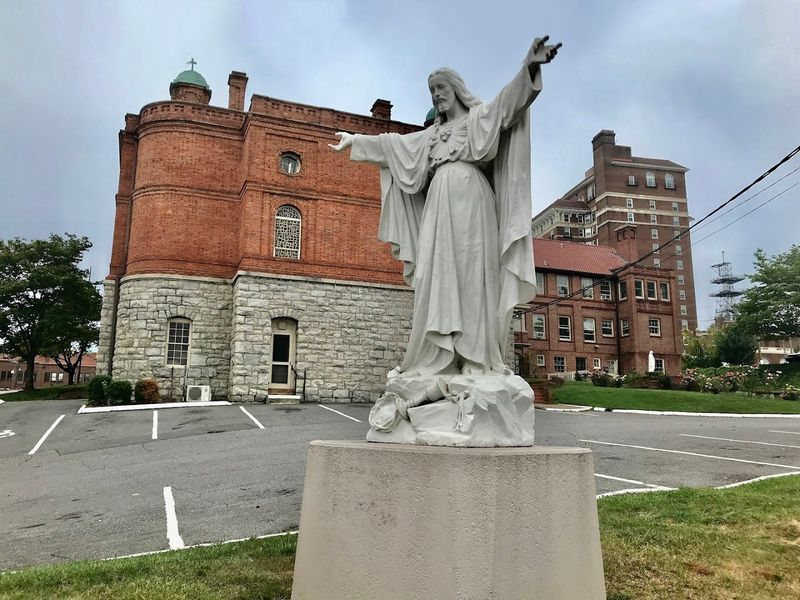
Visiting the Basilica of Saint Lawrence feels more meaningful when travelers give themselves enough time to understand what surrounds them. Free guided tours are commonly offered after Sunday morning Mass, and hosts are often praised for making the building’s architecture, history, and sacred art feel approachable instead of dry.
Self-guided visits can also be rewarding, especially with informational materials that explain the dome, stained glass, altars, and Guastavino tilework. Because the basilica remains an active Catholic parish, visitor access can shift around Masses, weddings, funerals, renovation work, and parish needs, so checking the official schedule before arriving is important.
The experience works best when treated with respect rather than rushed like a quick photo stop. Quiet voices, modest behavior, and awareness of worshippers help preserve the atmosphere for everyone.
Downtown location makes the church easy to pair with nearby restaurants, shops, galleries, and other Asheville landmarks, but the basilica deserves its own unhurried window. Plan for at least forty-five minutes, longer if taking a tour.
Even visitors with no religious background can appreciate the engineering, artistry, and welcome here. Friendly parish staff often make first-time guests feel comfortable while exploring.
Attending Mass At The Basilica
Mass inside the Basilica of Saint Lawrence offers a different experience from a daytime visit because the building becomes alive through worship, music, prayer, and community. Soaring architecture already creates a powerful setting, but hearing voices and liturgy rise beneath the dome adds another layer of depth.
Visitors who attend respectfully often describe the atmosphere as peaceful, reverent, and memorable. The parish community is known for being welcoming, which helps newcomers feel comfortable even if they are simply traveling through Asheville.
Anyone planning to attend should check the Mass schedule directly through the basilica before arriving, since service times can change and special liturgical seasons may affect access. Dressing respectfully and arriving early are wise, especially for popular Sunday services.
Parking can be easier for Mass attendees than for casual downtown visitors, but Asheville weekends still require patience. Staying afterward for a tour, when available, turns the visit into both a spiritual and historical experience.
For many travelers, attending Mass is the best way to understand the basilica not as a museum piece, but as a living sacred place with lasting purpose. Music, silence, and architecture meet there.
Deeply. Together.
Planning Your Visit To Asheville
Downtown Asheville makes the Basilica of Saint Lawrence easy to include in a larger day, but this landmark deserves more attention than a quick walk-by. The church stands at 97 Haywood Street, close to restaurants, shops, galleries, hotels, and other cultural stops, so visitors can pair it naturally with a downtown itinerary.
Checking the official basilica website before visiting is the smartest move because public hours, tours, Mass schedules, and renovation updates can change. Calling the parish can also help avoid disappointment if access is limited on a particular day.
Nearby parking decks and street parking serve the area, although busy weekends and festival periods can make spaces harder to find. Once inside, slow down instead of rushing straight to the dome photo.
Look at the tilework, stained glass, side altars, sculptures, and quiet corners that make the building feel so complete. Asheville is known for mountain views, restaurants, art, and music, but the basilica adds another layer to the city’s identity.
It offers history, faith, design, and craftsmanship in one unforgettable downtown stop. A patient visit leaves the strongest impression, especially for first-time guests.
Slow looking rewards nearly everyone.