This Historic Town In California Is One Of The Most Peaceful, Stress-Free Spots In The US
You plan a quick stop. Walk around, grab something small, get back on the road. That plan doesn’t last.
The drive in already feels different. The air cools. The noise drops. Tall trees close in just enough to make everything slower before you even park. A short street appears, lined with old buildings and places that don’t rush you in or out.
You start with a simple idea. Coffee, maybe something to eat. Then the pace shifts. Tables fill, but no one seems in a hurry to leave. Orders turn into full meals. Conversations stretch. One stop quietly turns into an afternoon.
It doesn’t take long to notice how easily time slips here, especially compared to how fast everything moves across California.
What looked like a brief detour becomes the whole point of the day. People don’t come here to check something off. They stay because the rhythm feels better, and once it settles in, it’s hard to walk away from it.
A Railroad Town With Roots Going Back To 1876
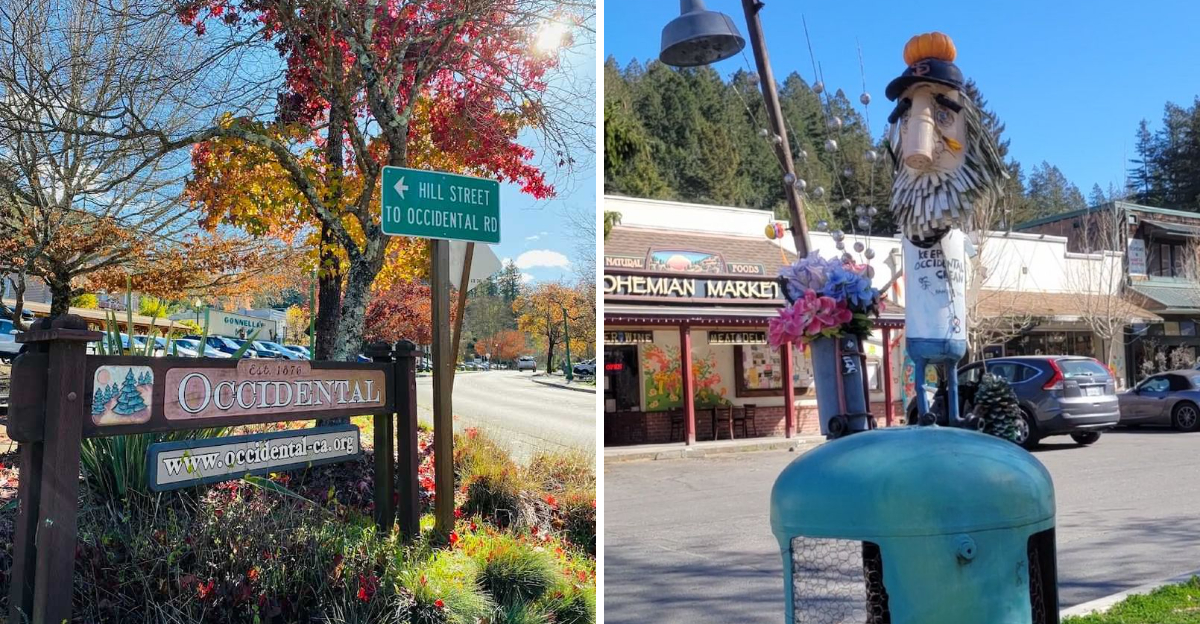
Long before it became a quiet retreat for artists and nature lovers, Occidental began as a working railroad stop.
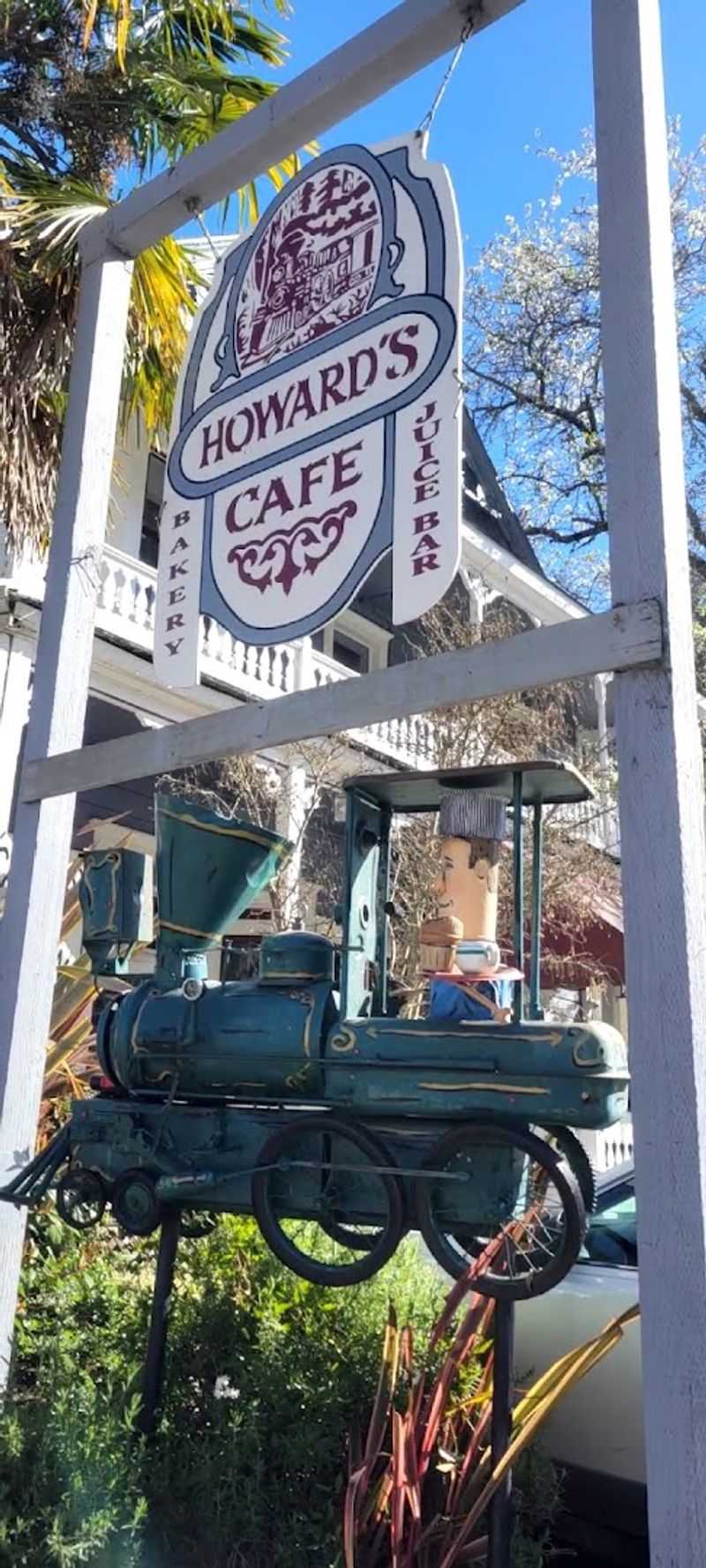
The town was established in 1876 as a station along the North Pacific Coast Railroad, originally called Howard’s Station before the name was changed to Occidental that same year.
The railroad brought steady traffic through the area, connecting the region to broader trade routes along the Northern California coast.
Logging, farming, and coal mining were the main industries that kept the town active during those early decades.
Even though the railroad era has long passed, the spirit of that founding period still shapes how the town looks and operates today.
The historic district preserves buildings from the late 19th century, giving the main street a texture that newer towns simply cannot replicate.
Walking through Occidental is a bit like reading a chapter of California history that most people never knew existed.
The pace stays unhurried, the architecture remains honest, and the sense of place runs deep in a way that comes across as earned rather than manufactured.
Population Stays Refreshingly Small At Around 1,200 Residents
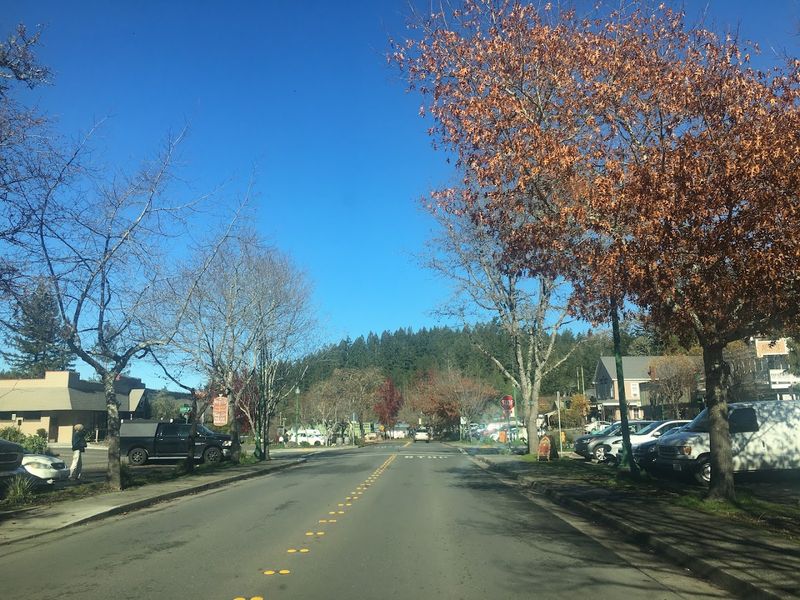
There is something grounding about a town where nearly everyone knows their neighbors.
Occidental has maintained a population of roughly 1,200 residents, a number that has remained remarkably stable over the years and contributes directly to the town’s unhurried, close-knit character.
Small-town life here means shorter lines, quieter streets, and a sense of community that larger cities often lose along the way.
The low population density also keeps green space, natural surroundings, and open land close at hand no matter where someone happens to be standing.
For visitors, the small population translates into an atmosphere that comes across as welcoming rather than overwhelming.
There are no crowds jostling for space on the sidewalk, no noise competing with conversation, and no urgency pushing anyone along.
The town moves at a rhythm that stays natural and easy, and that rhythm carries over to visitors soon after arrival.
Spending even a single afternoon here can shift a person’s pace in ways that are hard to explain but easy to notice.
Italian-American Heritage Runs Deep In The Community
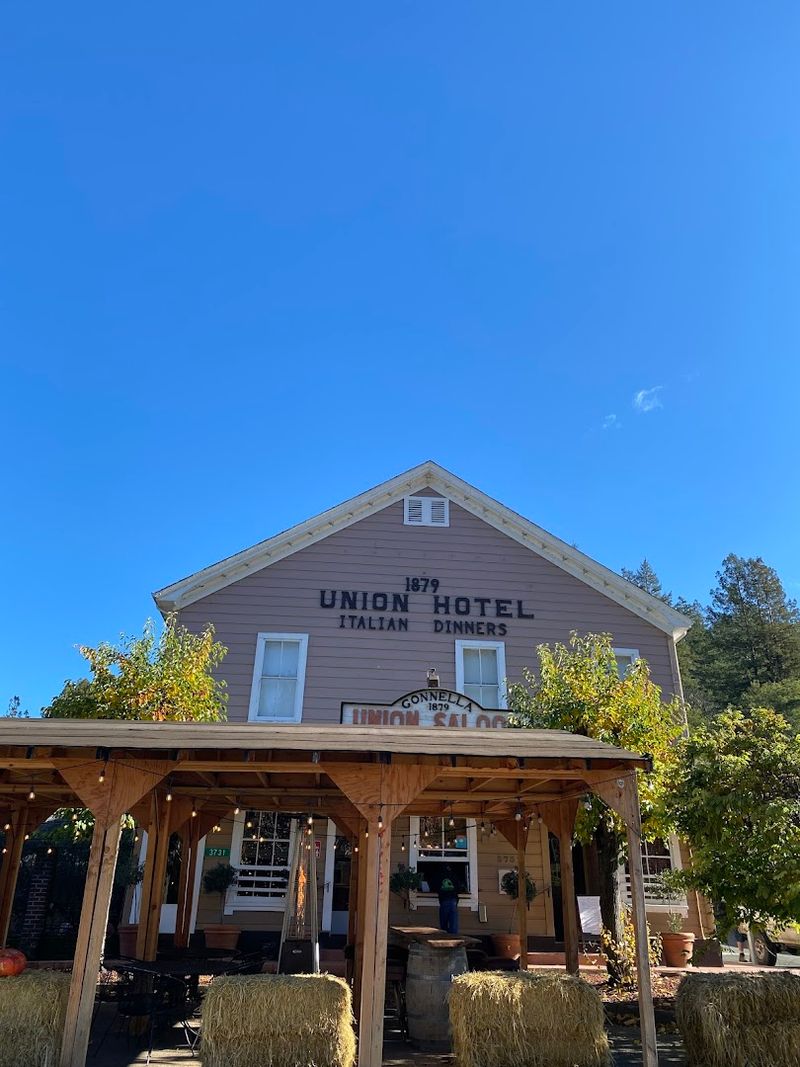
Back in the 1880s, Italian immigrants began arriving in Occidental, drawn by opportunities in farming, coal mining, and logging.
Their influence took root quickly and has never really left, shaping the town’s food culture, family networks, and overall sense of community in lasting ways.
Today, the most visible reminder of that heritage sits right on the main street in the form of two long-established family-style Italian restaurants.
Both have been feeding visitors and locals for generations, and the tradition of communal, generous dining that defines them reflects the values the original immigrant families brought with them.
Beyond the restaurants, the Italian-American presence can be felt in the way the community gathers, celebrates, and takes care of one another.
There is a warmth to social life in Occidental that echoes the kind of hospitality traditionally associated with Italian culture.
For visitors curious about the deeper layers of California’s immigrant history, spending time in Occidental offers a window into a story that is both specific and deeply human.
The food is a good place to start, but the culture extends well beyond the plate.
The Arts Scene Is Alive And Community-Driven
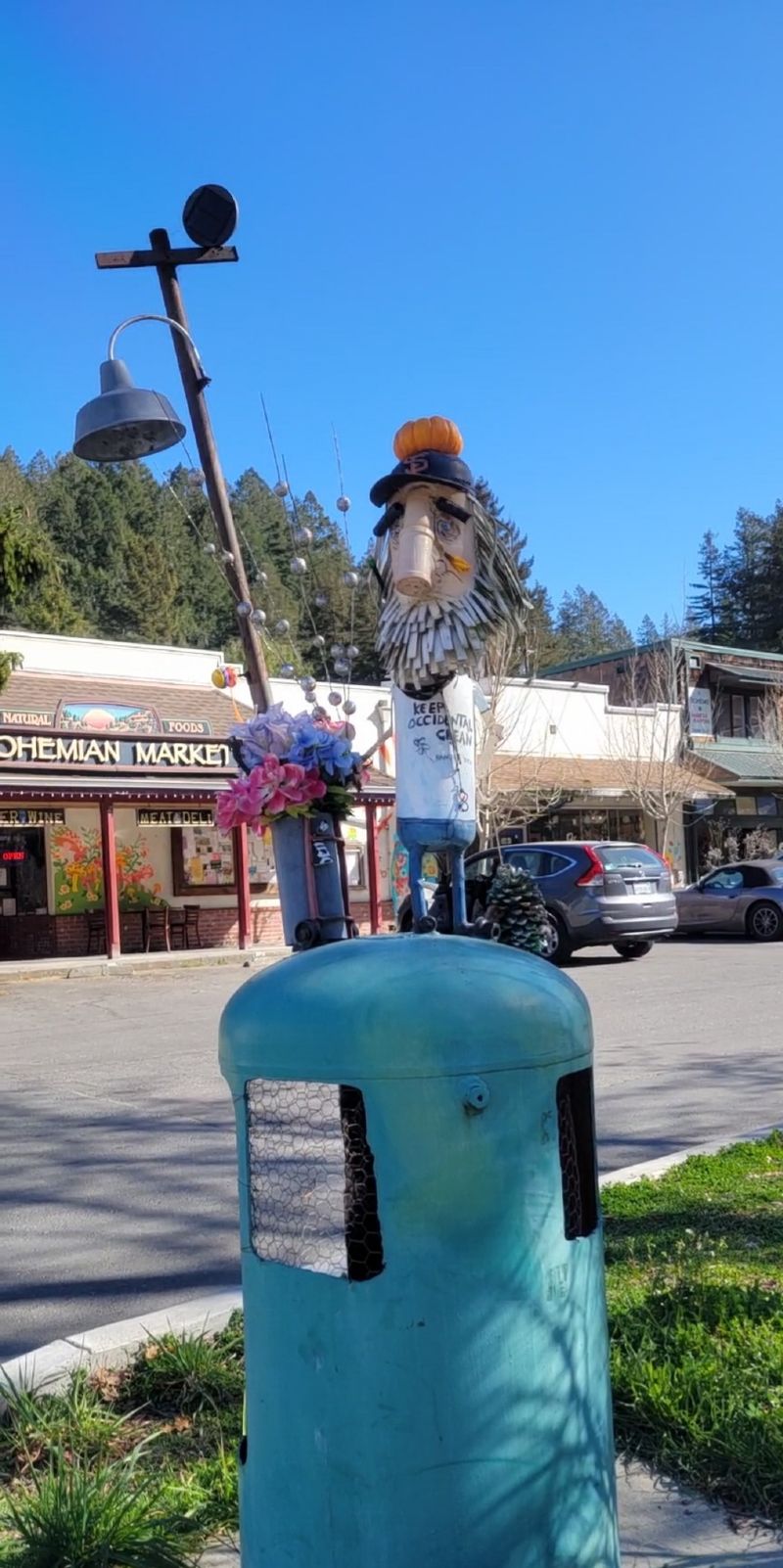
Art is not an afterthought in Occidental.
Creativity shows up in storefronts, on building walls, and in the programming offered through the Occidental Center for the Arts, which serves as the town’s main hub for cultural expression and community gathering.
The center offers classes, workshops, and live concerts throughout the year, with a strong focus on local talent.
One of its most beloved institutions is the Occidental Community Choir, a long-running group that brings residents and visitors together through music in a way that remains inclusive rather than performative.
Local artists also shape the character of the town through galleries and shops that display original work instead of mass-produced souvenirs.
The creative energy here does not come across as a marketing strategy.
It reflects a community that values expression and connection in a natural way.
For anyone who appreciates art that comes from a real place rather than a curated brand, Occidental’s arts scene offers a refreshing change of pace.
Creativity here is part of daily life, which keeps it both accessible and sincere.
Redwood Forests And Vineyards Surround The Town On All Sides

Few towns in California can claim the kind of natural backdrop that Occidental enjoys on a daily basis.
Towering redwood forests press in close on all sides, creating a landscape that stays sheltered and ancient at the same time.
Hiking and biking trails wind through the surrounding woodland, giving visitors a chance to slow down and move through nature at whatever pace suits them best.
The trails range from gentle walks suitable for most fitness levels to longer routes that reward extra effort with wider views and deeper forest immersion.
Beyond the trees, the broader Western Sonoma region is dotted with vineyards that produce some of the area’s most distinctive wines.
Occidental itself works well as a base for exploring both the forested hills and the more open agricultural land nearby.
The combination of dense woodland and rolling vineyard country adds visual variety that shifts from season to season.
Spending time outdoors here rarely requires much planning because the environment makes it easy to step outside and settle into a calmer pace right away.
Community Values Here Go Beyond Just Being Neighborly
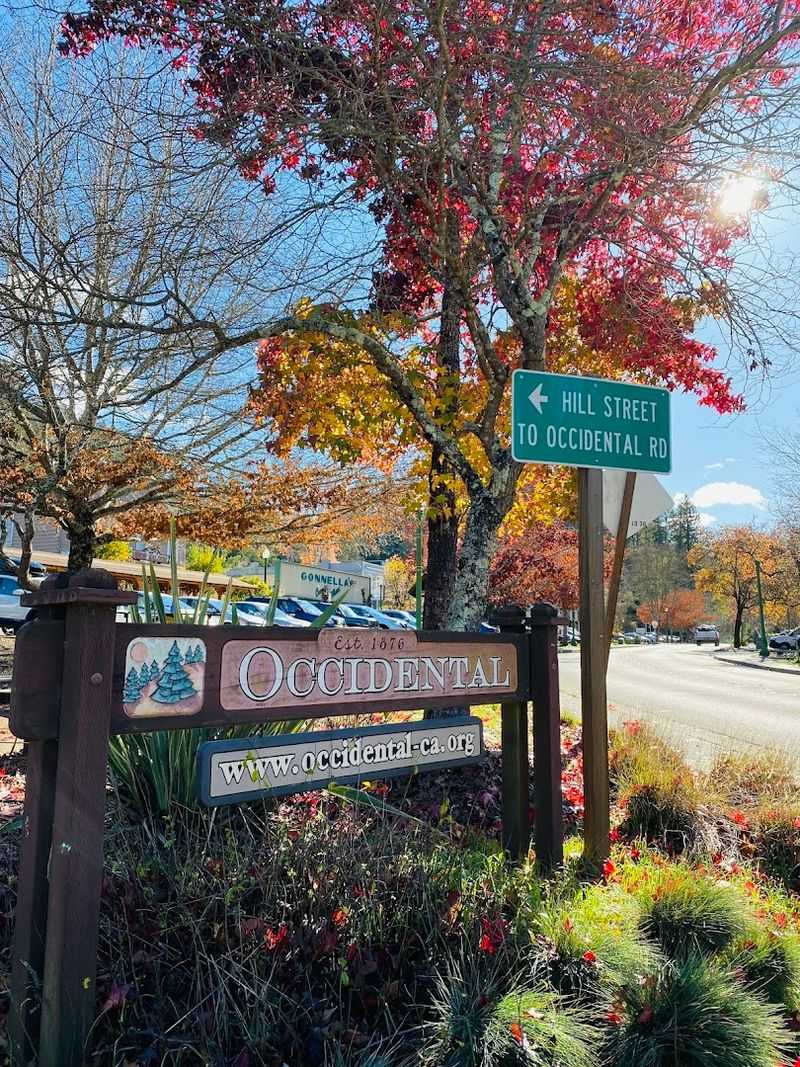
What sets Occidental apart from many small towns is not just its scenery or its history but the intentionality behind how the community chooses to live together.
The town has actively embraced values including nonviolent communication, accountability, trust, cooperation, safety, equity, inclusivity, and kindness as guiding principles for how residents engage with one another and with visitors.
These values are not just words on a poster.
They show up in how local organizations operate, how public spaces are maintained, and how newcomers are welcomed into the fold.
The overall social environment in Occidental comes across as noticeably less tense than what most people experience in larger urban settings.
For anyone who has grown tired of the friction that often comes with city life, spending time in a community that has made a deliberate effort to prioritize kindness and cooperation can be surprisingly restorative.
The town does not claim perfection, but the effort is visible and the atmosphere reflects it.
Visitors often comment on how quickly they settle in here, and that ease is not accidental.
It is the result of a community that has thought carefully about what kind of place it wants to be.
Historic Architecture Gives The Main Street Its Distinctive Character
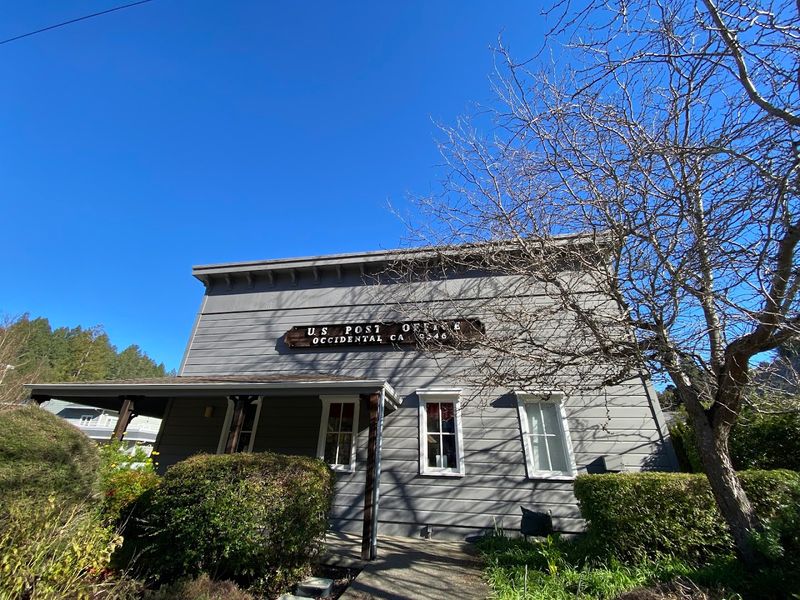
Walking down the main street of Occidental stands apart from most California towns because the buildings carry real age.
The historic district features structures dating back to the late 1800s, and many have been preserved with careful attention to their original character.
Guidelines for the district help protect that continuity, ensuring new development does not disrupt the visual cohesion that gives the street its identity.
The result is a main street that tells its story through architecture instead of replacing the past with generic modern design.
The original railroad-era buildings add a texture that remains rare in a state that has often prioritized growth over preservation.
Weathered wood, low rooflines, and modest storefronts create a visual rhythm that stays honest and unforced.
For anyone interested in California’s architectural history, Occidental offers a remarkably intact example of a 19th-century railroad town.
The buildings are not frozen in time, but they retain enough of their original form to make that history tangible rather than abstract.
Standing on the main street, the presence of more than a century of continuous community life becomes clear without needing explanation.
Locally Owned Businesses Keep the Economy Grounded and Personal
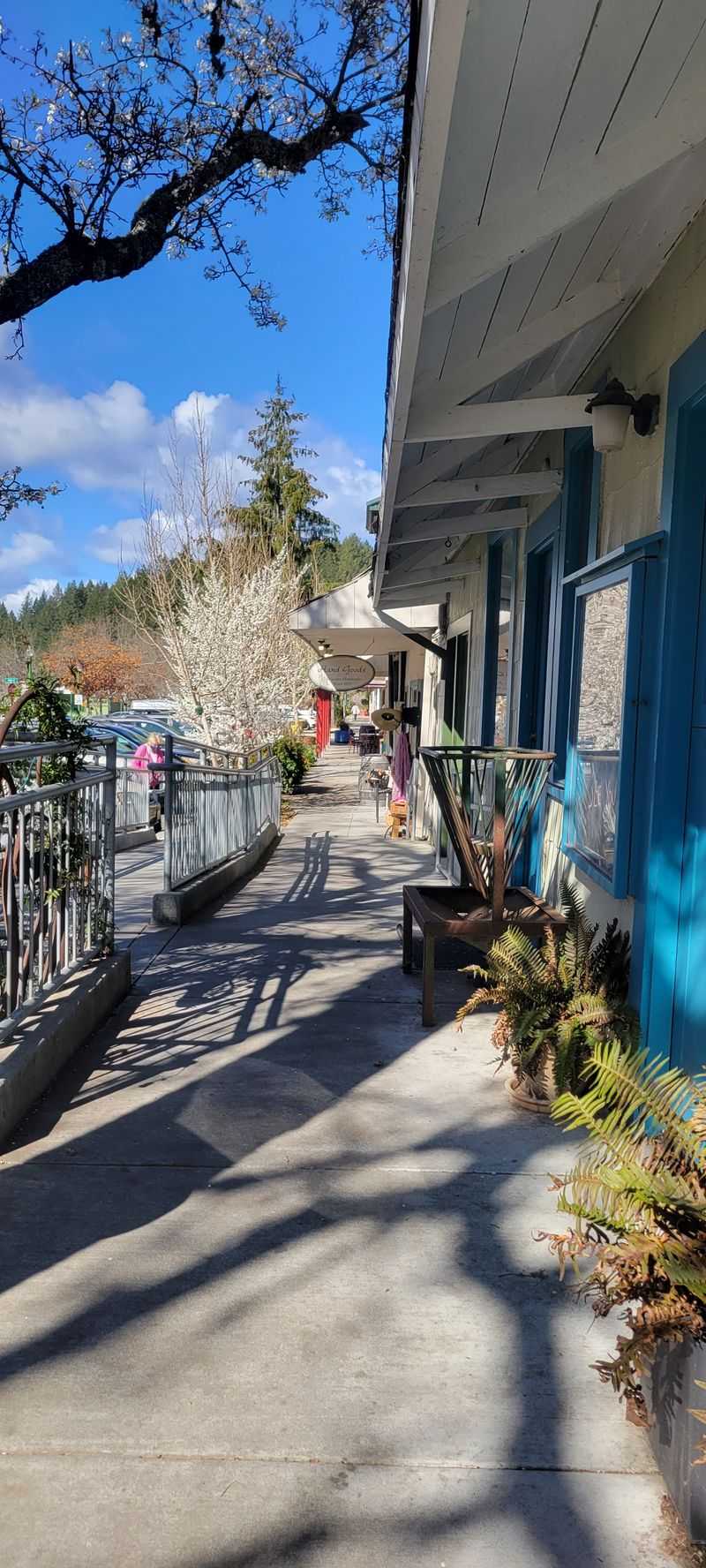
Chain stores have not taken over in Occidental, and that is not by accident.
The local economy runs on small, independently owned businesses that include art galleries, specialty shops, and restaurants that have been part of the community for years rather than months.
Shopping or browsing here comes across as a genuine exchange rather than a transaction.
The people behind the counters are often the same individuals who made the goods being sold or who have deep roots in the community.
That kind of direct connection between maker and buyer is increasingly rare and refreshing to encounter.
Local food producers, artisans, and family-run establishments also shape the economic fabric of the area, drawing visitors who support these businesses as part of a broader day trip or weekend stay.
Spending money in Occidental stays local, circulating through a network of neighbors and small business owners rather than flowing to distant corporate headquarters.
For visitors who care about where their dollars go, that distinction carries weight.
The town’s economic model is not flashy or scalable, but it remains sustainable and closely tied to the community’s identity.
The Public Schools Here Have Earned Strong Reputations
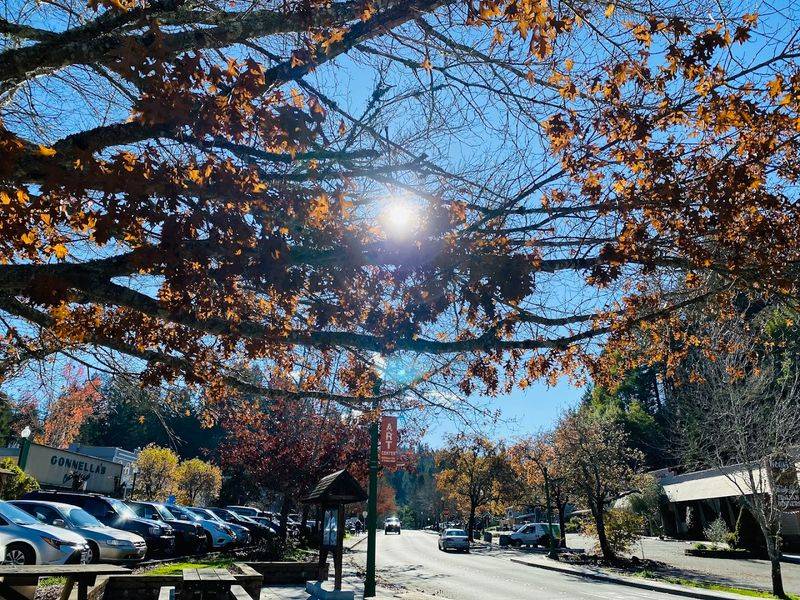
For families considering a slower pace of life in a smaller community, the quality of local schools often ranks high on the list of priorities.
Occidental’s public school options have received positive recognition, with institutions like Salmon Creek Middle School and Pathways Charter School drawing attention for their educational approach and community involvement.
Smaller school environments tend to allow for more individualized attention, and that dynamic appears to play out well in Occidental.
The close relationship between schools and the broader community means that education here does not feel siloed from daily life but rather woven into the fabric of the town itself.
Parents who value an educational setting where children are known by name rather than student number often find the Occidental area appealing for exactly that reason.
The schools reflect the same community-oriented values that define the town more broadly, including a sense of care, accountability, and genuine investment in each student’s experience.
For visitors curious about what makes Occidental a realistic place to put down roots rather than just pass through, the strength of its schools is one of the more compelling practical reasons to take the town seriously as a long-term destination.
The Climate Makes Every Season Worth Experiencing
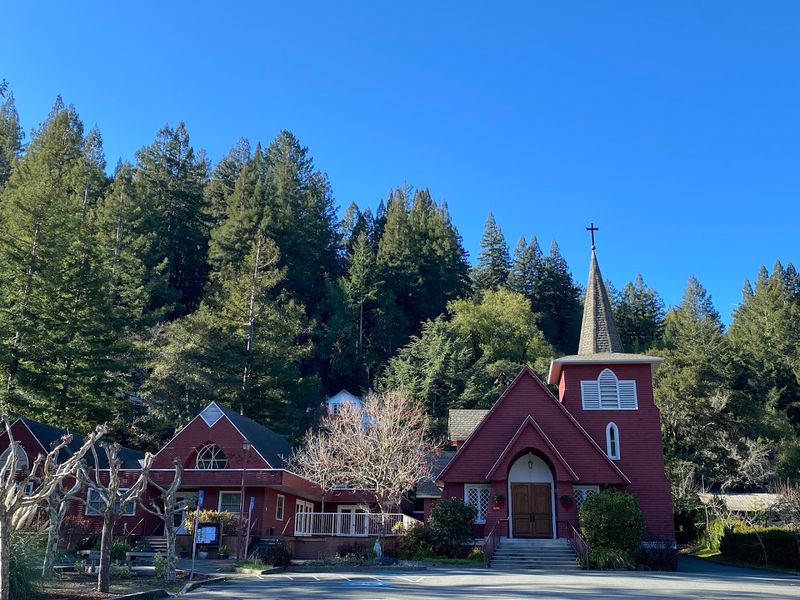
Cool, wet winters and warm, dry summers give Occidental a climate that stays comfortable rather than extreme in either direction.
The town receives an average of around 40 inches of rainfall annually, keeping the surrounding redwood forests lush and the landscape green for much of the year.
Winter visits bring a moody, atmospheric quality to the area.
Mist settles into the redwood canopy on rainy mornings, creating a quiet stillness that reads as calm and meditative, while the slower tourist season adds to the town’s relaxed pace.
Summer days stay warm and clear without the intense heat that affects much of inland California during the same months.
Coastal influence keeps temperatures moderate, making outdoor activities comfortable well into the afternoon.
Spring introduces wildflowers and fresh green growth across the hills, while autumn adds golden tones to nearby vineyards.
Each season offers something distinct, which makes it easy to plan a visit at almost any time of year.
The climate supports an outdoor lifestyle that defines Sonoma County, and Occidental sits right in the middle of it.