This Huge Connecticut Craft Store Is Packed With Decor, DIY Supplies And Seasonal Finds
Craft stores are dangerous for anyone who has ever said, “I’m just looking.” That sentence can survive for about five minutes before a seasonal display starts making suggestions.
Shelves here cover the practical side of creativity while leaving plenty of room for things you absolutely did not know you wanted. One aisle can spark a project, and the next can make you rethink a corner of the house.
In Connecticut, this craft store gives DIY moods plenty of fuel when inspiration arrives without much warning.
Maybe you came for one small supply. Somehow, decorations begin looking useful too, especially when the seasons are changing and every display seems determined to join your cart.
The fun is not really knowing what will derail the original shopping plan.
A half-finished idea can suddenly become a weekend project simply because the right material appeared on a shelf. Creative errands have a funny habit of expanding once imagination gets involved.
1. Creative Finds Fill A Huge Shopping Space
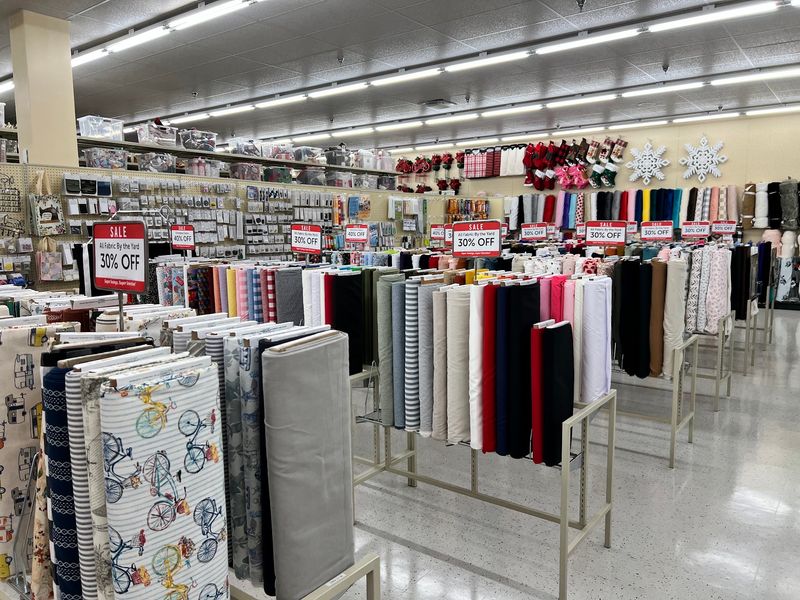
Roughly 49,000 square feet of retail space sounds abstract until you are standing in the middle of it, looking down an aisle that seems to run on for ages.
This Connecticut store carries well over 80,000 crafting and home decor products, which is the kind of number that stops being a statistic and starts being a small adventure.
Wide walkways mean you can push a cart without feeling boxed in, and the overhead lighting stays bright enough to judge paint colors and fabric shades accurately. That matters more than people expect when matching yarn or picking frame finishes.
Shoppers regularly comment on how tidy and well arranged the departments feel, with related supplies grouped together so you are not zigzagging across the building. Beginners benefit from that layout just as much as experienced makers.
What surprises many first-timers is the range packed under one roof. Art materials sit near kids’ toys, kitchenware neighbors seasonal displays, and hobby niches you had never considered turn up between the practical stuff.
Give yourself permission to wander the perimeter first. A loop around the outer aisles gives you a mental map, and once you know roughly where each department lives, the second pass becomes far more efficient and considerably more fun.
2. Federal Road Makes It Easy To Find
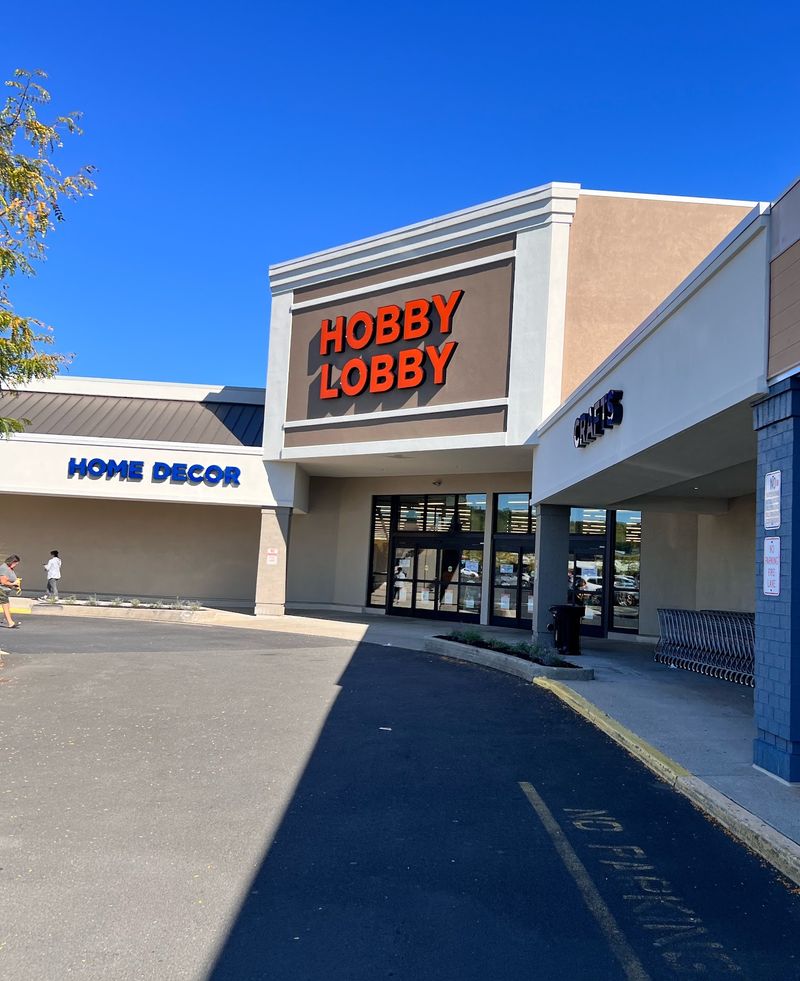
Need one craft supply? Good luck leaving with just one.
A quick stop at Hobby Lobby can easily grow once another project idea starts taking shape halfway through the aisles.
The Danbury store sits in a busy shopping area, making it easy to combine a craft run with other errands. Danbury Fair is nearby, along with plenty of additional shopping and dining options, so forgetting one small supply does not have to derail the entire day.
Parking is another practical advantage. There is room to handle larger purchases without squeezing them through a cramped downtown lot, particularly useful when the cart contains canvases, seasonal decorations, or bulky project materials.
Shopping earlier on a weekday can provide a calmer experience than a busy Saturday afternoon. That extra breathing room comes in handy when comparing supplies or trying to decide exactly what a half-finished project still needs.
Regular store hours are 9 AM to 8 PM Monday through Saturday. The Danbury Hobby Lobby operates at 15 Backus Ave, close to the Danbury Fair shopping area.
Sundays are the important exception because all Hobby Lobby stores are closed that day.
That makes Saturday the better choice for a weekend craft run. Plan the timing right, leave some room in the car, and do not be surprised when one forgotten tube of glue turns into a much bigger shopping trip.
3. Home Decor Takes Up Entire Aisles
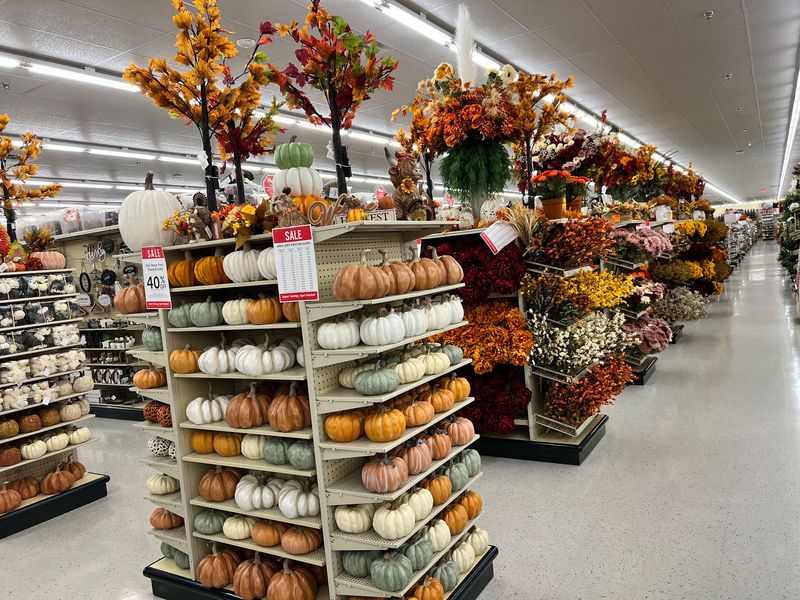
Redecorating a room usually starts with one small idea, and this is where that idea gets expensive in the best possible way. Whole aisles are devoted to home decor, from clean modern pieces to rustic farmhouse touches with weathered wood and metal accents.
Wall art occupies an impressive stretch, including canvases, framed prints, and metal pieces in a range of sizes. Decorative mirrors lean against displays nearby, and the frame section lets you build something custom if nothing off the shelf fits your wall.
Floral arrangements deserve their own mention. Stems, sprays, and filler greenery are sorted by type and color, so building a centerpiece or filling an empty vase becomes a matter of mixing and matching rather than hunting.
Kitchenware, bath accessories, storage baskets, and drawer knobs round out the offering. Swapping cabinet hardware is one of the cheapest ways to make a kitchen feel updated, and the selection here makes that easy.
Rotating sales run across decor categories fairly often, and shoppers frequently mention being pleasantly surprised by the pricing. Check tags before assuming something is out of budget, because the same item might be marked down the following week.
4. DIY Supplies Cover Countless Projects
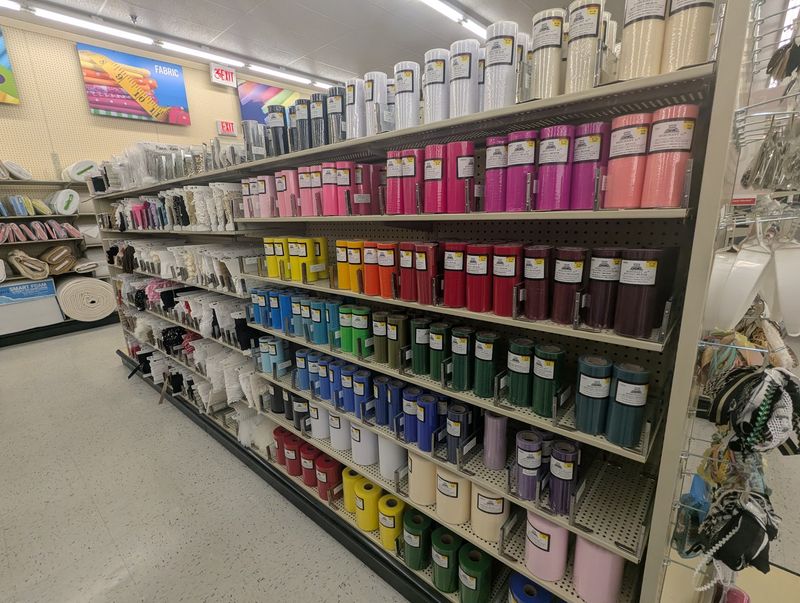
One project becomes another fast. That is half the fun.
Hobby Lobby covers enough creative territory that a trip for paint can easily spark an entirely different idea before you reach the register.
Traditional art supplies take up plenty of space, with canvases available in different sizes alongside paints, brushes, stencils, and other essentials. Scrapbooking, jewelry making, needlework, and fabric projects have dedicated selections too, giving experienced crafters plenty to browse.
Then things get more specific. Supplies for candle and soap making sit among materials for leather crafts, mosaics, models, clay projects, wood crafts, doll making, and glass work.
Those less common categories can be especially useful when a project moves beyond basic paper and paint.
School projects are covered as well. Poster supplies, foam sheets, glue sticks, origami paper, pipe cleaners, and other classroom staples can rescue a project that suddenly needs finishing.
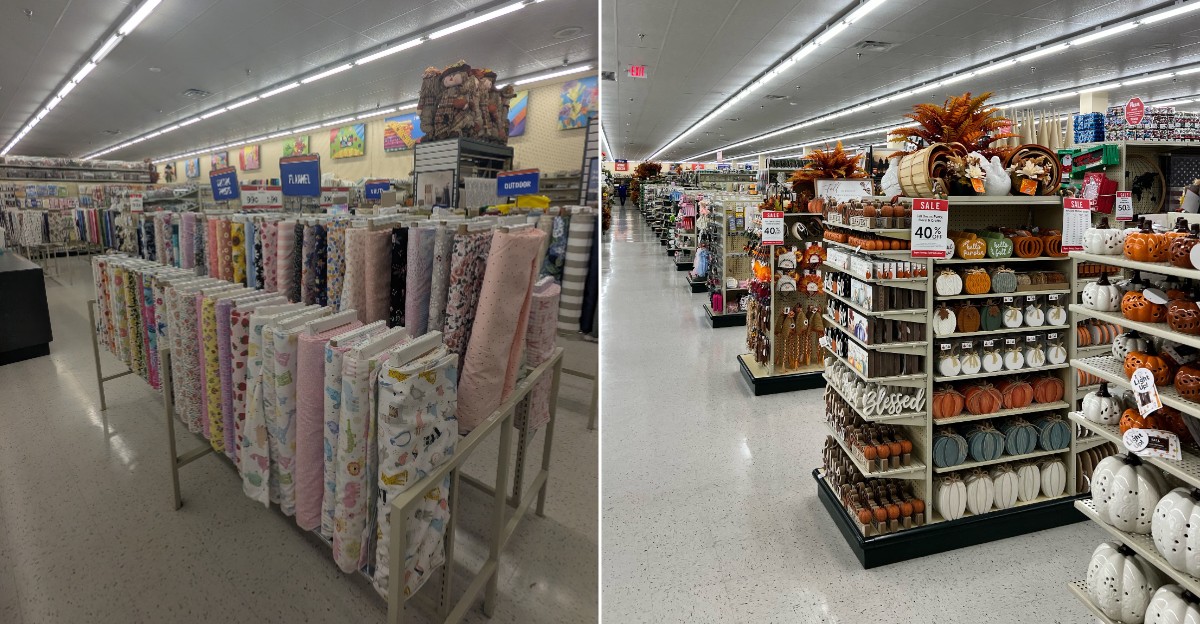
The fabric department offers another reason to slow down. Shoppers can compare patterns and materials before having their selections measured and cut at the counter, making it easier to leave ready for the next sewing project.
Finished something worth displaying? Custom framing services can take the project one step further.
The hardest part may be staying focused. With this many creative directions under one roof, the next project can start before the current one is even finished.
5. Seasonal Displays Change Throughout The Year
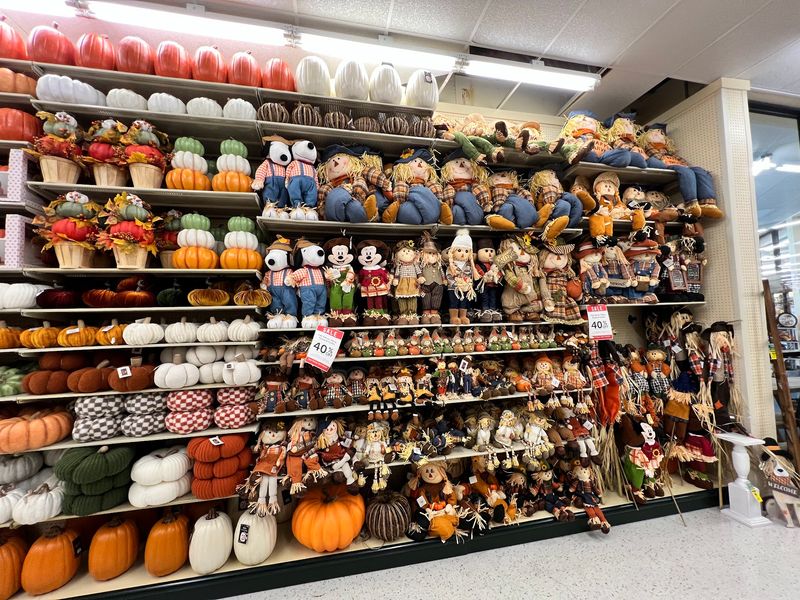
Come back three months apart and you might not recognize half the store. Seasonal merchandising is treated as a genuine event here, with displays rebuilt to match whatever is next on the calendar.
January brings New Year’s items, then Valentine’s Day takes over with hearts and paper craft supplies. St. Patrick’s Day follows, then Easter arrives with pastel ribbon, egg decorating kits, and spring florals that brighten the whole section.
Summer shifts the palette entirely. Outdoor decor, patriotic pieces for the Fourth of July, and beach-themed accents fill the front aisles while the greenery leans tropical.
Back to School supplies show up next, useful for parents and teachers building bulletin boards or classroom projects. Then autumn moves in, followed eventually by an extensive Christmas assortment that takes over a substantial chunk of the floor.
Repeat visitors learn to shop these sections early. Popular colors and styles sell down as the holiday approaches, and the deepest markdowns usually arrive after the date has passed, which is great if you plan a year ahead.
For crafters, the seasonal aisles double as inspiration. Seeing a finished display often sparks a simpler homemade version you can build yourself for less.
6. Fall Decor Arrives In Serious Numbers
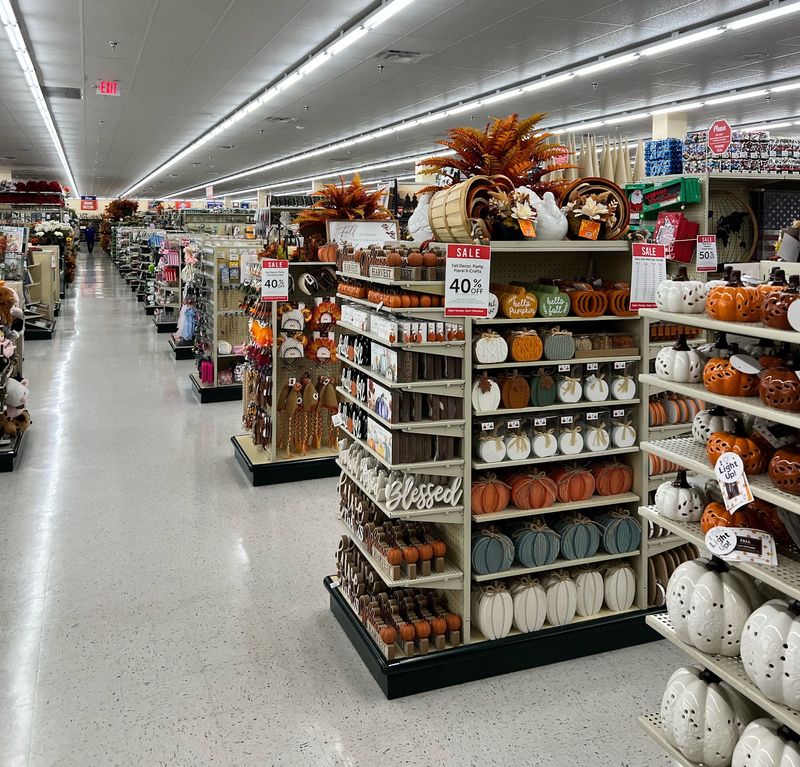
Fall arrives early here. Sometimes very early.
While summer is still going strong outside, Hobby Lobby can already be filling its aisles with pumpkins, wreaths, warm colors, and harvest decorations.
The seasonal section grows considerably as autumn approaches. Decorative pumpkins appear in different sizes, materials, and colors, including familiar orange shades alongside cream and other neutral options.
Larger pieces can become a centerpiece, while smaller decorations work easily on shelves or tables.
Wreath shoppers get plenty to consider too. Finished designs offer an easy front-door update, while wreath forms, ribbon, floral picks, and other craft supplies make it possible to build something more personal.
Thanksgiving decorations eventually join the mix, expanding the selection beyond traditional fall displays. Seasonal table pieces, textiles, pillows, signs, and craft materials can help carry the same decorating theme through November.
One advantage of autumn decor is how easily pieces can be reused throughout the season. A wreath or pumpkin display that works in September can often stay put through Thanksgiving with only small adjustments.
Earlier shopping generally means more choices, particularly when seasonal merchandise first fills the shelves. Popular styles can become harder to spot as autumn progresses.
So yes, pumpkins may appear while sandals are still perfectly reasonable outside. For enthusiastic fall decorators, that early arrival is probably part of the fun.
7. Craft Basics Sit Beside Unexpected Finds
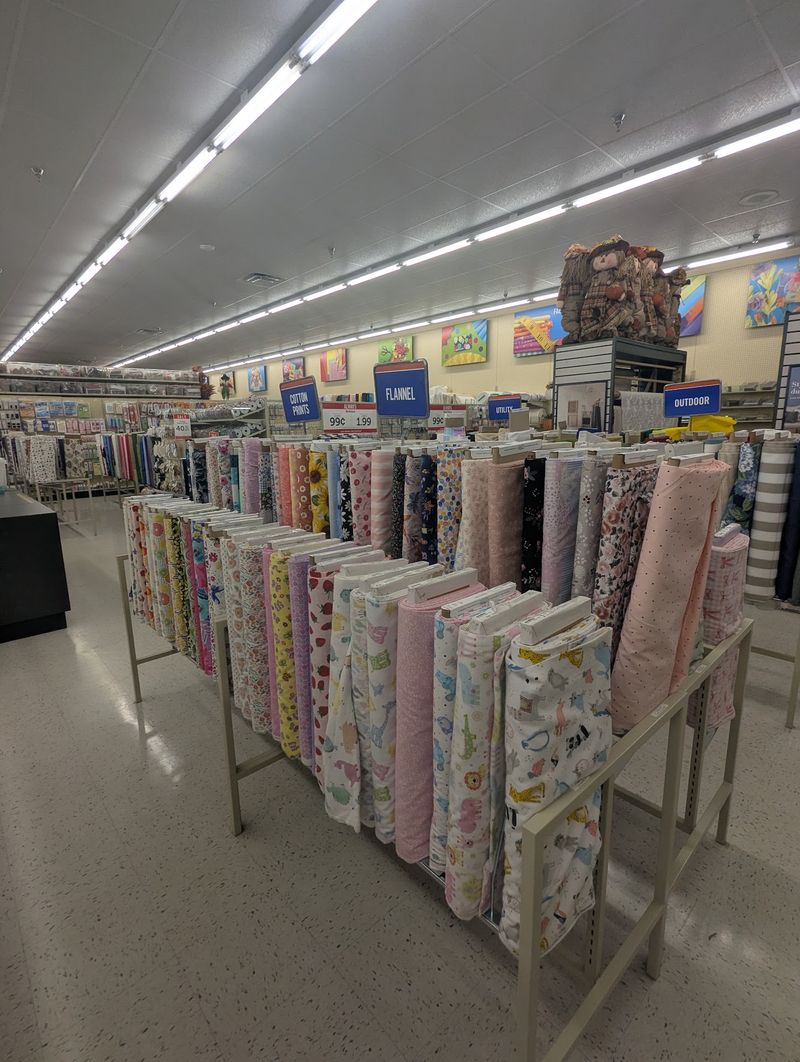
Every maker has a running list of boring essentials, and those are reliably in stock. Glue in several strengths, markers, felt sheets, glitter, foam, and craft paint in a wall of colors form the backbone of the store.
Yarn earns particular affection from regular shoppers, who often mention both the quality and the pricing. Beads and jewelry findings pull in a steady crowd too, with enough color and style variety to keep bracelet makers busy for months.
The fun part is what sits nearby. Miniature dollhouse components, cosplay materials, and leather crafting tools turn up in the same general neighborhood as the everyday supplies.
That mix is how hobbies get started by accident. Someone walks in for glue sticks and leaves genuinely curious about model kits or fairy garden accessories they had never thought about before.
Toys and kids’ activity items are scattered through the store as well, which helps if you are shopping with children in tow or hunting for a birthday gift that involves building something.
If you cannot find a specific item, asking for directions saves time. Staff are frequently described as friendly and willing to walk you to the right aisle.
8. Browsing Can Easily Become An Afternoon
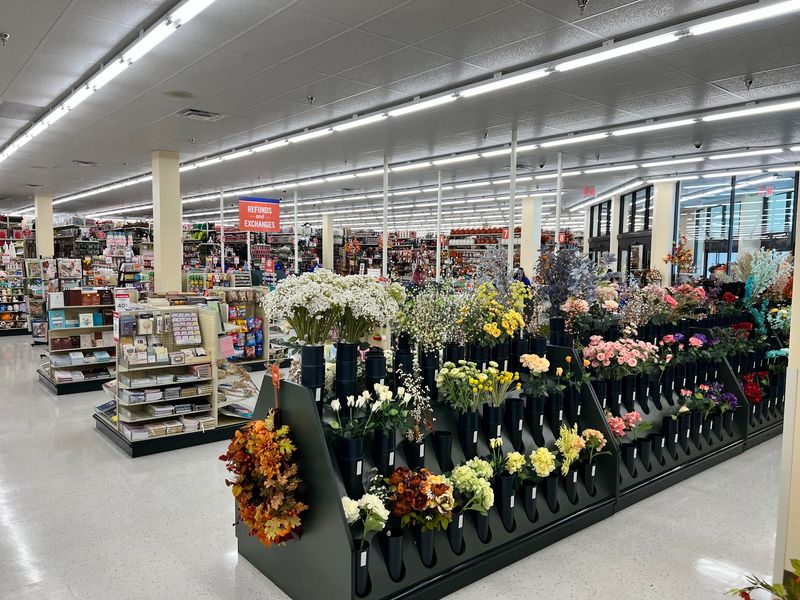
A five-minute errand here has a way of stretching. With tens of thousands of products spread across 49,000 square feet, almost nobody walks in and out with only the item they came for.
That is part of the appeal. Shoppers often describe leaving with more than planned and a head full of new project ideas, which is exactly what a good craft store is supposed to do.
Pacing helps. Tackle your list first, then allow yourself a slow lap through whatever section looks interesting, whether that is floral, framing, or the seasonal displays near the front.
Comfortable shoes are a reasonable suggestion. The aisles are long, and thorough browsing means a fair amount of walking on hard flooring.
Worth noting for planning purposes: contactless phone payments are not accepted, so bring a physical card or cash. Building that into your trip avoids a checkout surprise.
Going on a weekday morning gives you the most breathing room. Weekends draw bigger crowds, though the store handles them well and the wide aisles keep things from feeling cramped.
Whatever you came for, budget a little extra time. The store rewards curiosity, and that is genuinely half the fun.