This Iconic Louisiana Restaurant Has Been Serving Since The Oysters Rockefeller Era
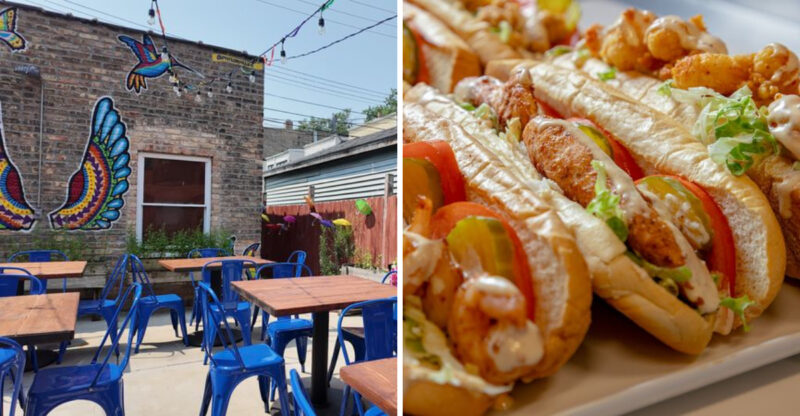
My grandfather always said the best meals come with a story. He was right.
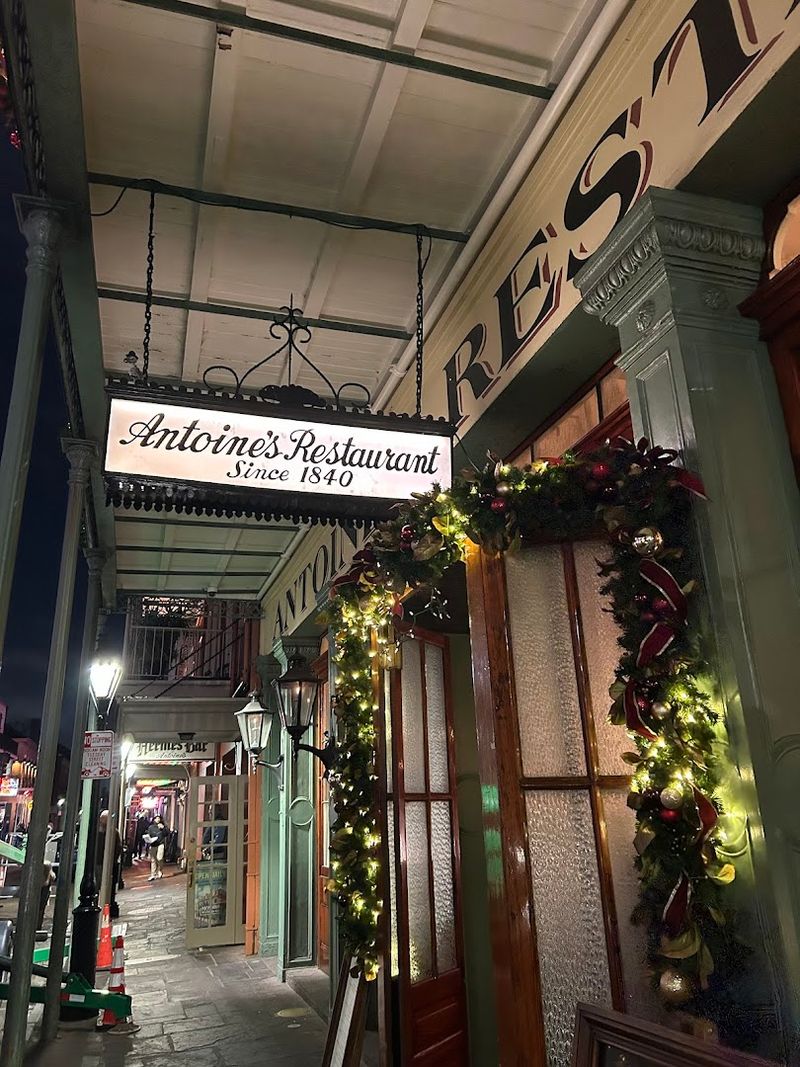
I sat down at a table in New Orleans not knowing I was about to eat history. This place has been open since 1840, making it one of the oldest family-run restaurants in the entire country.
The state of Louisiana has no shortage of legendary food, but this kitchen invented dishes the whole world now claims as its own. Oysters Rockefeller?
Born right here. I ordered it without thinking twice.
One bite and I understood why this recipe has never once been published or shared outside these walls. The state’s culinary soul lives in many places, but this is where it all started.
A Restaurant Born In 1840 That Never Stopped Serving
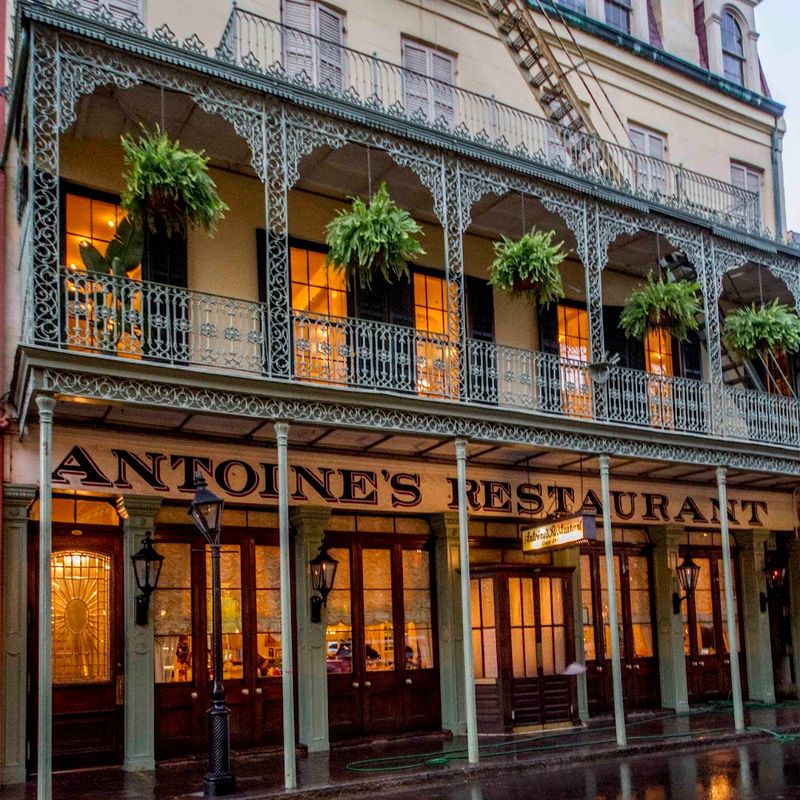
Few restaurants anywhere in the world can claim 1840 as their founding year. Antoine Alciatore opened this French-Creole establishment and it has never once closed its doors to the public since.
That kind of staying power is almost impossible to wrap your head around.
The restaurant has remained in the same family for over 180 years. Rick Blount, a great-great-grandson of the original founder, currently runs the operation.
Knowing that detail before you even sit down changes how the whole evening feels.
This is the oldest continually family-owned and operated restaurant in the United States. Not just in Louisiana, not just in the South, but the entire country.
That fact alone deserves a moment of quiet appreciation before the bread arrives.
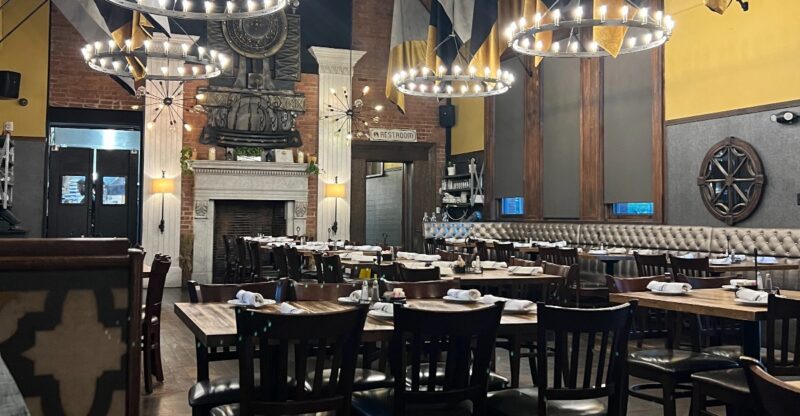
The rooms feel layered with decades of memory. Framed photographs and artifacts cover the walls like pages from a living history book.
Every corner seems to hold a story that predates your grandparents by several generations.
You will find this place at 713 St Louis St in New Orleans, Louisiana. Once you walk through that door, the address will be the last thing on your mind.
The Dish That Started A Legend
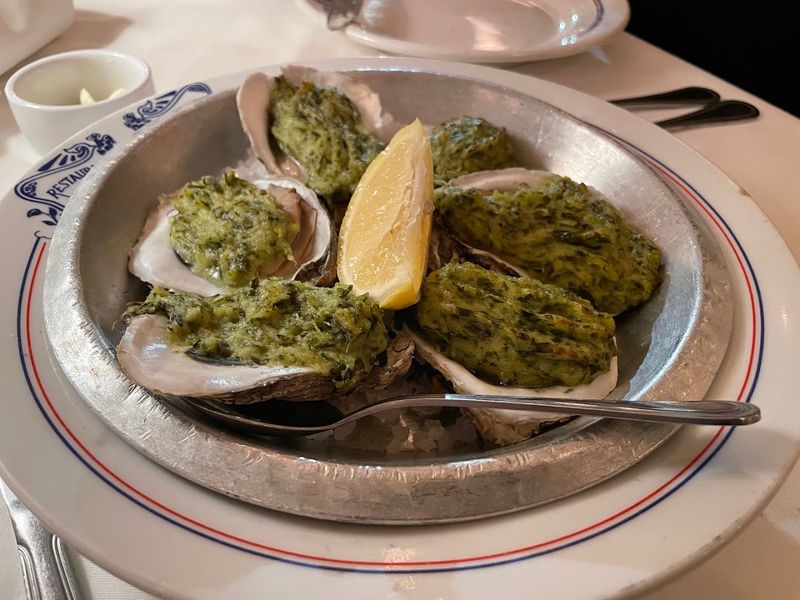
Oysters Rockefeller did not come from a cookbook. It came from a shortage.
In 1889, Jules Alciatore needed to replace escargot on the menu and reached for local oysters instead. That practical swap accidentally created one of the most famous dishes in American culinary history.
The dish was named after John D. Rockefeller, the wealthiest American of that era.
The name was chosen to reflect the richness of the sauce, with its deep green color said to resemble money. It was a clever bit of branding long before anyone called it that.
The original recipe remains a closely guarded family secret to this day. Many people assume spinach is the main green ingredient, but the restaurant has consistently denied that.
A 1986 laboratory analysis suggested the sauce may include parsley, pureed celery, scallions, olive oil, and capers.
Ordering this dish here feels like participating in something much larger than dinner. It connects you directly to 1889, to Jules, to a kitchen decision made out of necessity.
That kind of edible history is genuinely rare, and it tastes every bit as good as the story suggests.
Souffle Potatoes A Side That Steals Attention
Not every legendary dish involves seafood. The Souffle Potatoes at this restaurant are another house original, and they arrive looking like something a pastry chef and a fry cook invented together on a brilliant afternoon.
Thin, airy, perfectly puffed, and impossible to stop eating.
Served alongside a classic bearnaise sauce, they hit a texture that feels almost magical. The outside is crisp.
The inside is hollow and light. One reviewer described them as reminding her of the chip brand Munchos, but dramatically better in every possible way.
Knowing these potatoes were created here, not borrowed from somewhere else, adds an extra layer of satisfaction. The kitchen takes pride in originals.
That pride shows up clearly on the plate every single time the dish lands in front of you.
Ordering them as a starter sets the right tone for everything that follows. They signal that this kitchen is not coasting on reputation alone.
The technique is real, the execution is consistent, and the bearnaise makes the whole thing feel genuinely indulgent without trying too hard.
The Dining Rooms Tell Their Own Stories
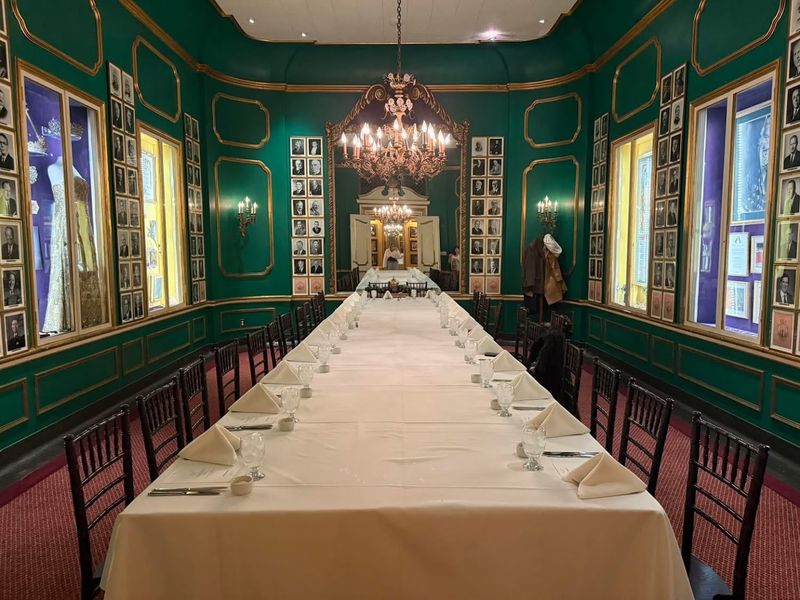
Walking through the different rooms here feels less like navigating a restaurant and more like moving through chapters of a book. Each space has its own personality, its own lighting, and its own collection of artifacts that servers are genuinely happy to explain.
The Escargot Room alone is worth asking about.
The main front dining room benefits from natural light pouring through large street-facing windows. That warm, open atmosphere makes it a favorite for first-time visitors.
Further back, the rooms grow more intimate, more layered, and honestly more fascinating.
Servers regularly offer informal tours between courses, sharing historical details that bring the whole building to life. That experience transforms a dinner reservation into something much closer to a genuine cultural event.
Very few restaurants anywhere can honestly offer that without it feeling forced or theatrical.
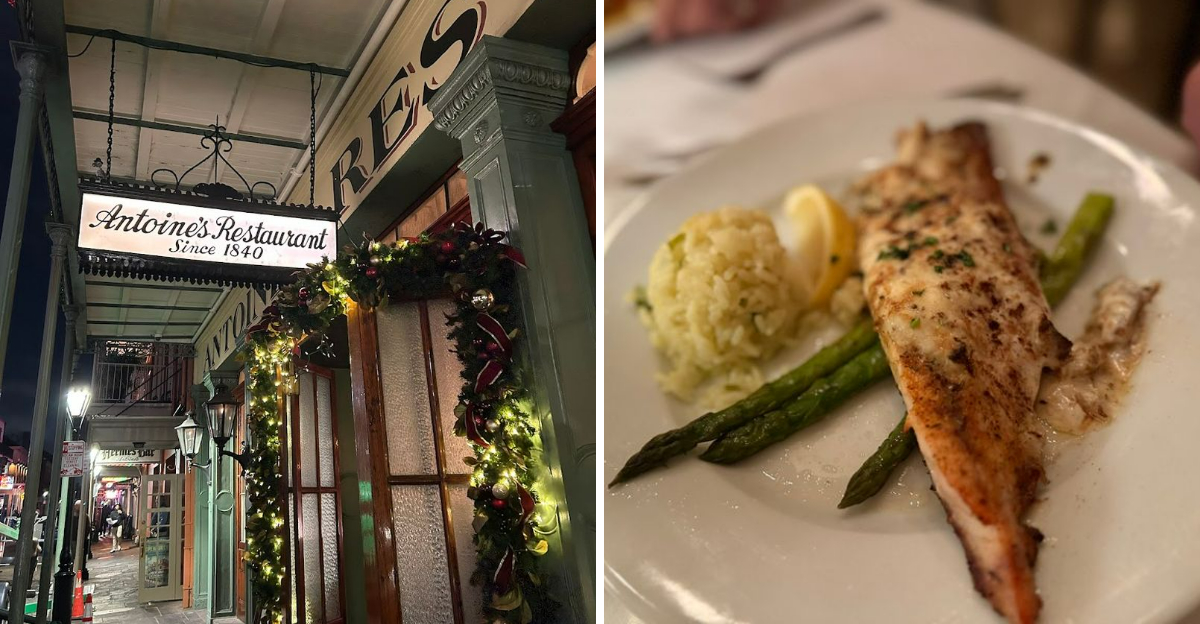
Pompano Pontchartrain A Seafood Classic Worth Ordering
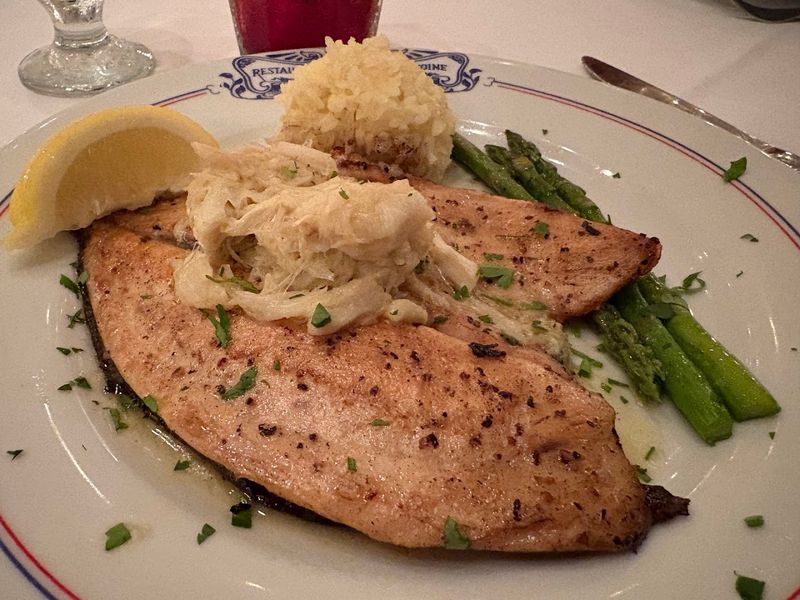
Some dishes earn their reputation quietly, plate by plate, table by table, over many years. The Pompano Pontchartrain is that kind of dish.
It does not announce itself loudly, but people who order it tend to describe it as the best white fish plate they have ever eaten, and that is a claim worth taking seriously.
Pompano is a local Gulf fish with a naturally rich, buttery flavor. The preparation here enhances that quality without overwhelming it.
The result is something clean, elegant, and deeply satisfying in the way that only well-executed simplicity can be.
This dish is one of the reasons the restaurant has kept its reputation for over 180 years. It is not trendy.
It is not experimental. It is a dish built on mastery of technique and respect for the ingredient, which is harder to achieve than any food trend ever could be.
If you are planning your first visit, this is one of the plates most worth prioritizing. It represents exactly what French-Creole cooking at its finest is supposed to taste like.
Order it, slow down, and pay attention to every single bite.
Baked Alaska A Classic Dessert That Still Impresses
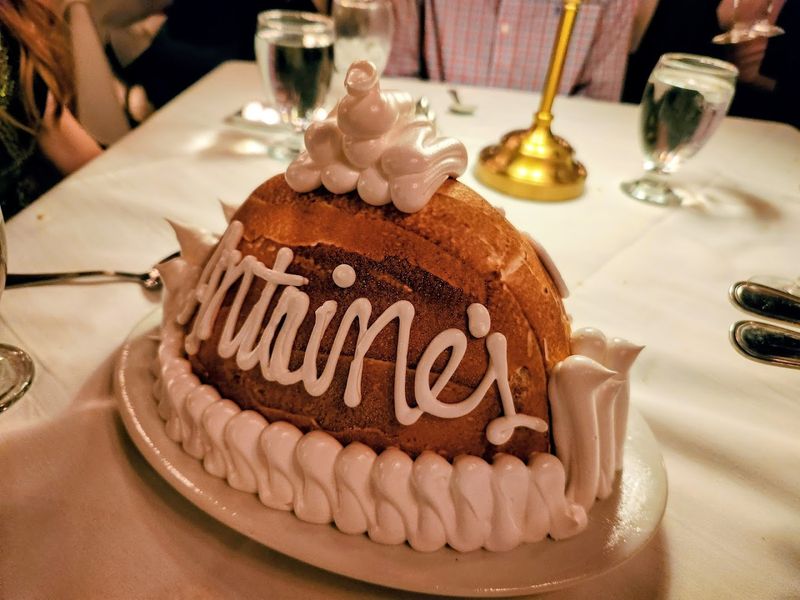
Few desserts command as much attention as a properly made Baked Alaska. This restaurant serves one that guests specifically mention by name when describing their visits, which is a telling sign.
It is the kind of dessert that makes an entire table go quiet for a moment.
The contrast of warm, toasted meringue against cold ice cream inside is one of those combinations that never gets old. It is theatrical without being gimmicky.
The kitchen executes it with the kind of confidence that comes from doing something very well for a very long time.
Guests are advised to let their server know at the start of the meal if they plan to order it. That small step ensures the timing works out perfectly, which matters a great deal with a dessert this precise.
Planning ahead is part of the experience here.
Chicken Rochambeau A Classic Worth Ordering
Chicken Rochambeau is one of this kitchen’s long-standing classic dishes. It pairs chicken with ham and a pineapple confit that sounds unusual until you taste it, and then it makes complete sense.
The combination is somehow both surprising and inevitable.
The flavors work together in a way that is hard to describe without using the word indulgent. The richness of the ham balances the brightness of the pineapple.
The chicken itself is prepared with a level of care that reminds you why classic technique still matters in a world obsessed with novelty.
This dish has been on the menu long enough to become a benchmark. Guests who return visit after visit often come back specifically for this plate.
That kind of loyalty from repeat diners is one of the most honest endorsements a restaurant can receive.
First-time visitors sometimes overlook it in favor of the more famous dishes. That would be a mistake worth correcting on a second visit.
Chicken Rochambeau is one of those quietly extraordinary plates that defines what this kitchen is genuinely capable of producing.
Gulf Fish Almondine And The Art Of Brown Butter
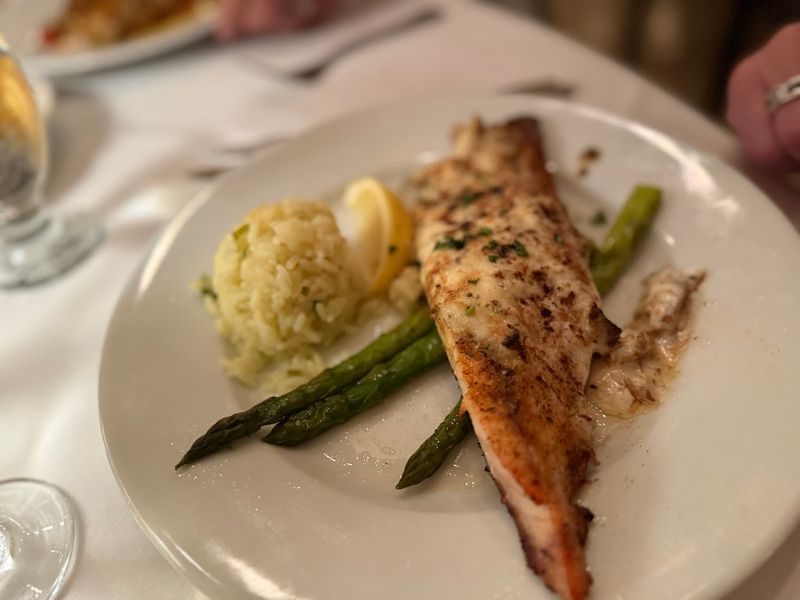
Brown butter sounds simple. In the wrong hands, it is.
In this kitchen, it becomes something worth talking about at length to anyone who will listen. The Gulf Fish Almondine arrives with a crust that gives way to fish that is tender and moist all the way through, and the brown butter sauce ties every element together with remarkable ease.
The almonds add texture without dominating. The fish delivers on the promise of something fresh from Gulf waters.
Every component earns its place on the plate, which is a standard that sounds obvious but is surprisingly rare in practice.
Louisiana Gulf seafood has a character that is specific to this region. The water, the diet of the fish, the way it is handled from catch to kitchen all contribute to a flavor profile that cannot be replicated elsewhere.
This dish makes that regional identity feel like a genuine point of pride.
Ordering this at lunch feels like a smart move. The portions are generous, the price point is fair for the quality, and the experience of eating something this well-made in the middle of a weekday afternoon is a small but meaningful luxury that stays with you.
Planning A Visit To This French Quarter Landmark
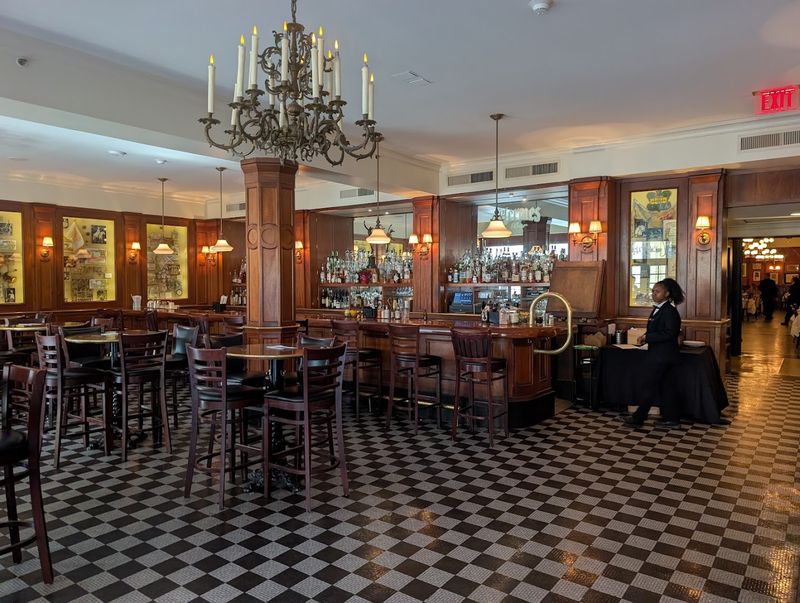
Getting a reservation sorted before you arrive in the French Quarter is genuinely worth the effort. Hours can vary depending on the day and season, so it is best to check the official website or call ahead before planning your visit.
The price point sits firmly in the upscale category, so arriving with realistic expectations matters. What you receive in return is a combination of food, history, atmosphere, and service that feels thoughtfully put together.
The experience often justifies the cost, even if the bill is not small.
The four-course prix fixe options that appear periodically can be a good way to experience more of the menu. Asking your server about any current specials when you arrive is always a smart move.
Wear something you feel good in. This is not a place that demands black tie, but it does reward a bit of effort.
The building has been hosting memorable evenings for generations, and showing up ready to enjoy that tradition feels like the right way to experience it.