This Idaho Basque Festival Turns Downtown Boise Into A Walkable Cultural Map
Listen, when downtown Boise shifts into Basque Block celebration mode, standing on the sidelines is simply not the move.
Idaho gets louder, warmer, and full of street-level energy fast. Nobody should treat this like a quick “maybe we’ll pass through” stop.
Show up curious, hungry, and ready to clap before the rhythm even makes sense.
W Grove Street becomes the heartbeat, with Basque pride filling the block through tradition, movement, and food rooted in real family history.
Every corner feels alive without needing to overexplain itself. Come meet the community, feel the culture up close, and let Boise show off properly.
Boise Becomes The Basque Block
Few downtown districts manage to feel both small and culturally huge, but the Basque Block pulls off that trick with ease.
Along W Grove Street in Boise, ID 83702, this compact stretch becomes the center of the San Inazio Festival each summer. The event usually fills the final days of July with music, dancing, food, sports, and community pride.
For 2026, the celebration is scheduled for July 31 through August 2, giving visitors a full weekend to explore the block at an easy pace. Historic buildings, cultural institutions, restaurants, murals, and gathering spaces help explain why this neighborhood matters so deeply to Boise’s identity.
Basque boardinghouse history, family businesses, social clubs, and community traditions all meet within a few walkable blocks.
During the festival, traffic gives way to crowds, conversations, performances, and the kind of street-level energy that makes the area feel transformed without losing its roots.
Arriving early on Friday is a smart choice, especially for anyone who wants to take in the setting before the busiest weekend hours build. By the time music carries down Grove Street, the block already feels like a living cultural map.
San Inazio Fills Downtown With Culture
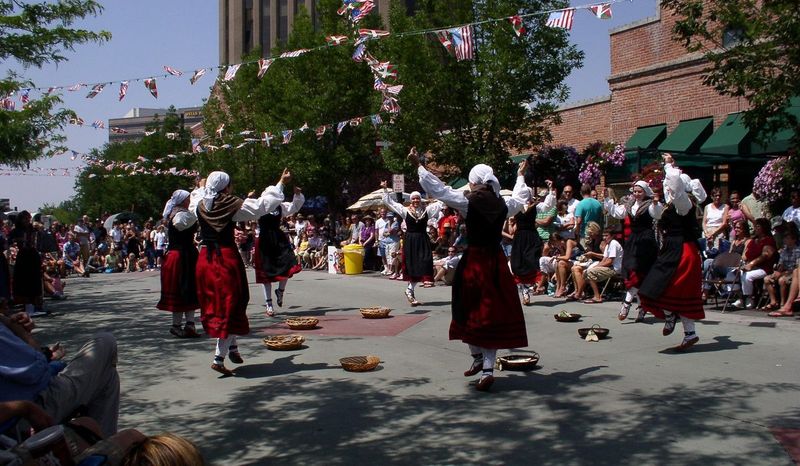
Named for Saint Ignatius of Loyola, San Inazio carries both religious and cultural meaning for Basque communities, and Boise’s annual festival gives that connection a public home.
What began as a neighborhood celebration has grown into one of the city’s most recognizable summer traditions. It draws people to the Basque Block for a weekend shaped by heritage rather than spectacle alone.
Vendors, performances, community gatherings, food booths, and cultural activities fill the area with a pace that feels festive but still welcoming. Nobody needs deep prior knowledge of Basque culture to enjoy the event.
A curious visitor can start with a dance performance, follow the sound of music, watch a sports demonstration, visit a museum exhibit, or simply move through the block and let the atmosphere build naturally.
Families often spend hours drifting between different parts of the festival because everything sits close enough to explore on foot.
Comfortable shoes help, but the real key is time. San Inazio works best when treated as more than a quick stop, because each corner of the weekend adds another piece to Boise’s Basque story.
The Basque Center Anchors The Weekend
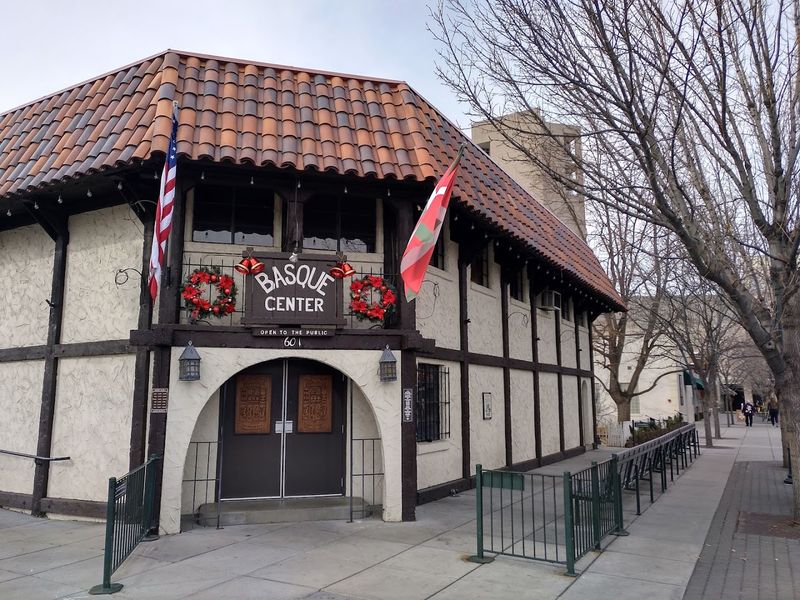
At 601 W Grove St, Boise, ID 83702, the Basque Center gives San Inazio its strongest community anchor. Built in 1949 as a social club and gathering place, the center remains active throughout the year and becomes especially important during festival weekend.
Its role goes beyond hosting events. For generations of Basque families in Idaho, the building has helped preserve language, dance, food traditions, friendships, and community memory.
During San Inazio, activity in and around the center gives visitors a clearer sense of how the celebration connects to everyday cultural life rather than existing only as a public festival.
Photographs, gatherings, performances, and conversations all add context to what happens outside on the block.
Spending time near the center helps the rest of the weekend make more sense, especially for first-time visitors who might arrive for the food and music but leave with a deeper understanding of Boise’s Basque history. The building’s presence keeps the festival grounded.
Even when the street feels busiest, the Basque Center reminds everyone that this celebration comes from a living community, not a temporary theme.
Music Carries Through The Streets
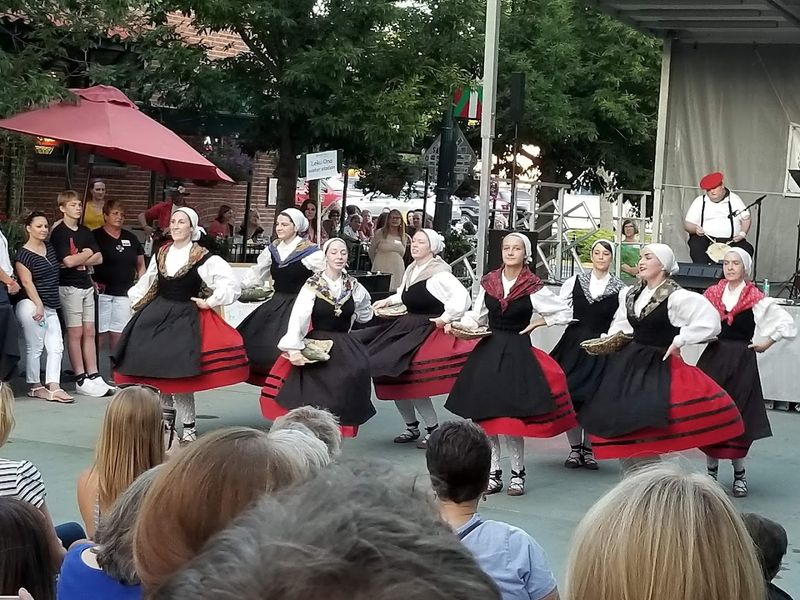
Sound often reaches visitors before they have fully stepped into the festival. During San Inazio, music moves through the Basque Block in a way that makes the celebration feel immediate, warm, and open.
Traditional Basque sounds may share space with local performers, community groups, and lively stage sets that keep people gathering throughout the weekend.
Instruments, voices, clapping, and crowd reactions all blend into the street atmosphere, giving the block a rhythm that feels larger than any single performance.
Evening programs can draw especially strong crowds, but daytime music has its own charm because it lets visitors slow down, listen, and move between activities without feeling rushed.
The best moments often happen casually: someone pauses near a stage, a family stops mid-walk, or a group of friends lingers longer than planned because the music changes the mood of the whole street.
Instead of treating performance as background noise, San Inazio lets music become a guide through the weekend. Follow the sound, and the festival begins to reveal how celebration, memory, and community can all fit into one downtown block.
Dancers Bring Tradition Into View
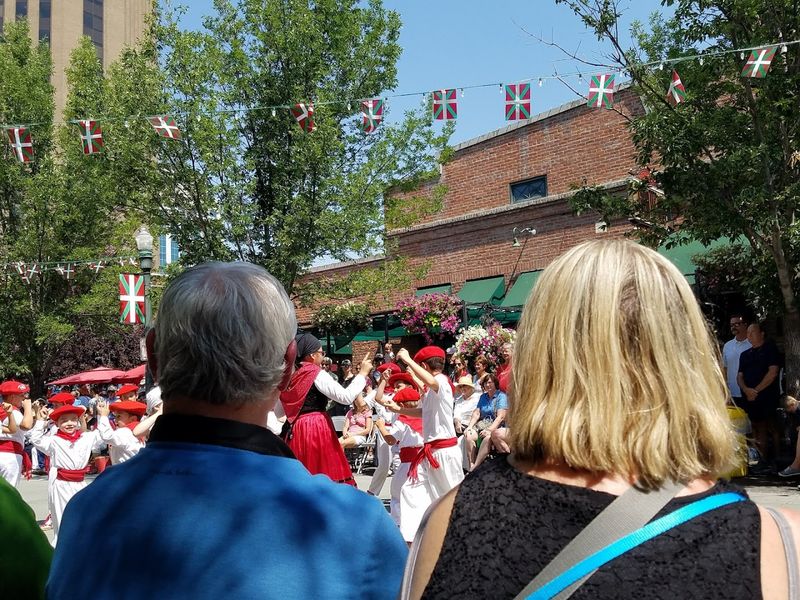
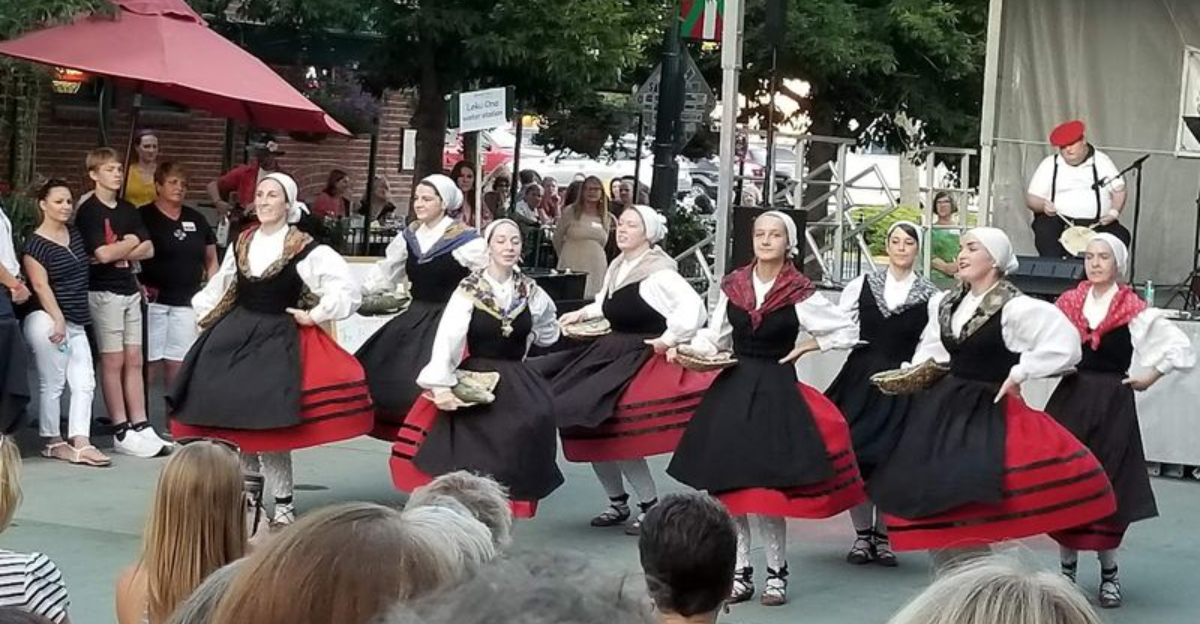
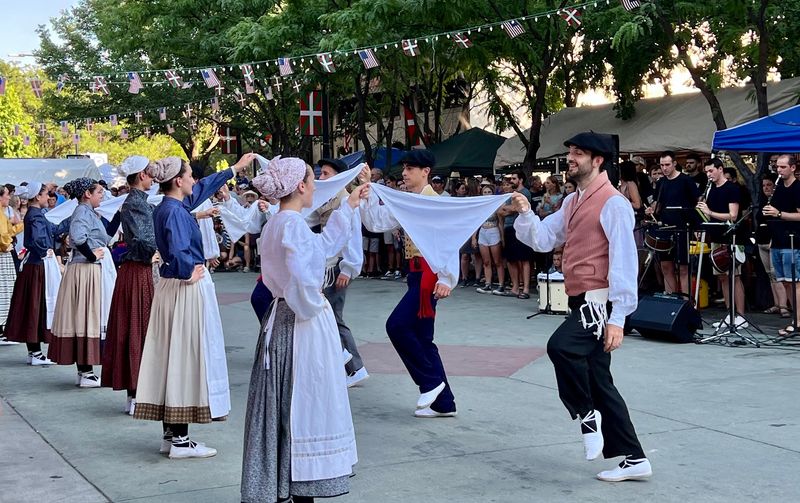
Movement makes Basque heritage visible in one of the festival’s most memorable ways. At San Inazio, folk dancers bring precision, color, and community pride to the Basque Block, often drawing large crowds as soon as the music begins.
Local groups such as Oinkari Basque Dancers have long helped keep these traditions active in Boise. Their performances show how cultural practice can move across generations without feeling frozen in the past.
Crisp white clothing, red accents, coordinated steps, and energetic formations give the dances a visual clarity that even first-time viewers can appreciate.
Some routines emphasize quick footwork, while others rely on group patterns, timing, and ceremony. Younger dancers often appear alongside more experienced performers, which makes the tradition feel alive rather than preserved behind glass.
Checking the posted schedule early in the day helps visitors plan around performances instead of stumbling upon them by chance. Still, surprise works beautifully here.
Turning a corner and finding dancers in motion can be the exact moment when the festival stops feeling like an event and starts feeling like an invitation into the culture itself.
Basque Sports Add Street-Level Energy
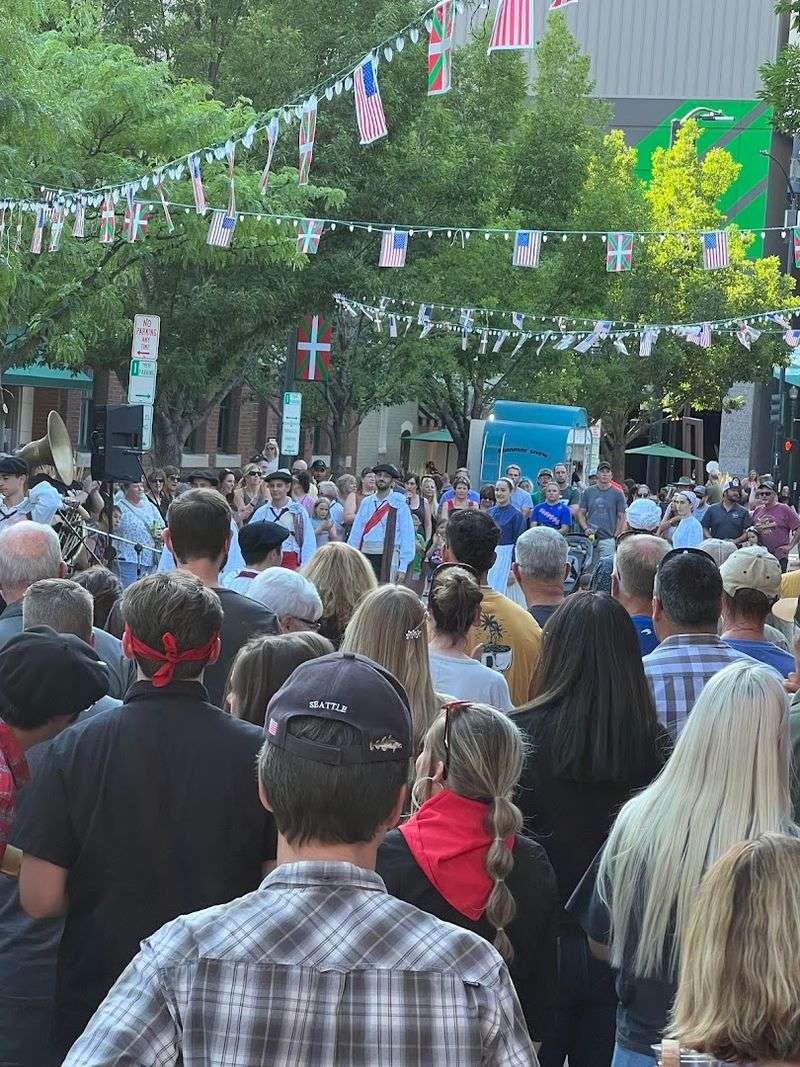
Strength, skill, and tradition meet at street level when Basque sports become part of the San Inazio weekend. Rural Basque athletic events, often connected to work traditions from farming, forestry, and village life, give the festival a burst of physical drama without needing modern spectacle.
Stone lifting, wood chopping, and other demonstrations can draw some of the most focused crowds on the Basque Block because the effort is easy to understand even when the tradition is new to a visitor.
Competitors approach each task with concentration, then turn simple materials into a test of power, technique, endurance, and timing.
Children often crowd close to the viewing area, while adults find themselves just as absorbed once the first lift or chop begins. These sports add texture to the weekend because they show a different side of Basque culture from music, food, and dance.
Heritage is not only something performed on a stage. Sometimes it is carried through the body, through practiced movement, and through skills that began as everyday labor before becoming public celebration.
Arriving a few minutes early helps secure a better view.
Food Keeps The Festival Moving
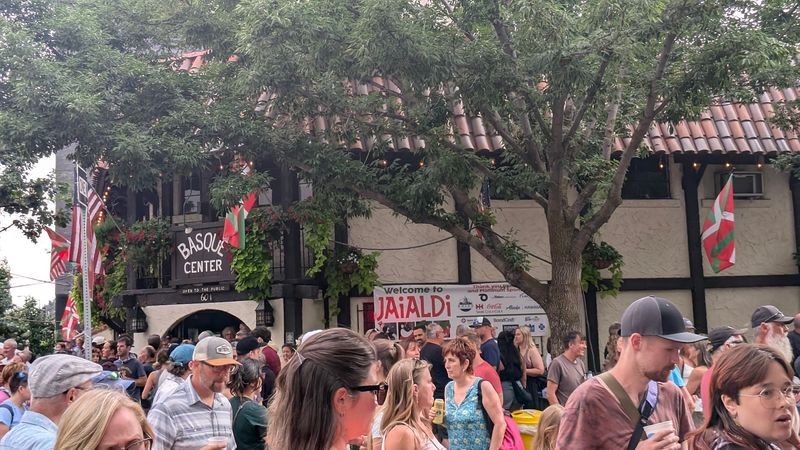
Flavor gives San Inazio another way to tell its story. Food on and around the Basque Block helps connect visitors to traditions shaped by family kitchens, community meals, and regional pride.
Festival offerings and nearby restaurants may include Basque favorites such as paella, pintxos, chistorra, lamb dishes, pastries, and other hearty specialties, depending on the year’s vendors and schedule.
Instead of treating food as a side attraction, the weekend folds it directly into the cultural experience.
People line up, compare plates, share bites, and build breaks around whatever smells best along the block. Communal food moments often become some of the easiest entry points for newcomers because a good plate can explain hospitality faster than a brochure ever could.
Anyone planning to eat during peak hours should expect lines and a lively crowd, especially around popular items. A flexible appetite helps, since festival menus can vary and favorites may sell out.
Choosing one savory item and one sweet treat is a simple way to taste more of the tradition without overcomplicating the day. Food keeps people moving, but it also gives them a reason to stay.
The Basque Museum Adds Context
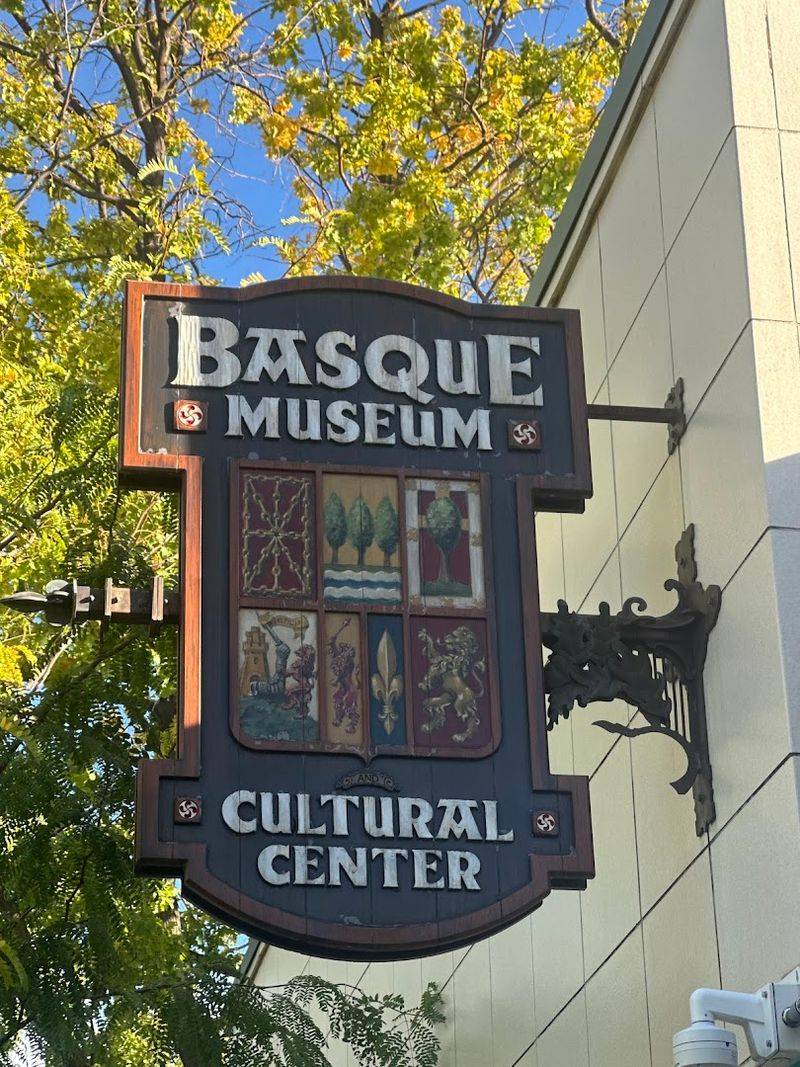
Right on the Basque Block, the Basque Museum and Cultural Center at 611 W Grove St, Boise, ID 83702 gives the festival important historical depth.
Outdoor celebrations bring energy, but the museum helps explain how Basque immigrants shaped Boise, Idaho, and parts of the broader American West.
Exhibits explore migration, sheepherding, boardinghouses, family life, language, work, and cultural preservation, giving visitors a fuller understanding of the community behind San Inazio.
The nearby Cyrus Jacobs-Uberuaga House, connected with the museum, adds another layer because it preserves a historic boardinghouse tied to Basque life in Boise.
Spending time here before or after performances can change the way the whole festival feels. Dances, sports, meals, and street gatherings become more meaningful when placed beside personal stories, artifacts, photographs, and the long history of Basque presence in the region.
The museum also gives visitors a quieter pause between louder festival moments, which can be especially useful during a busy weekend. By the time someone returns to the street, the Basque Block no longer feels like only a celebration.
It feels like a neighborhood carrying memory forward.