This Idaho Cave Takes You Down Into A Lava Tube That Stays Below Freezing Even In Summer
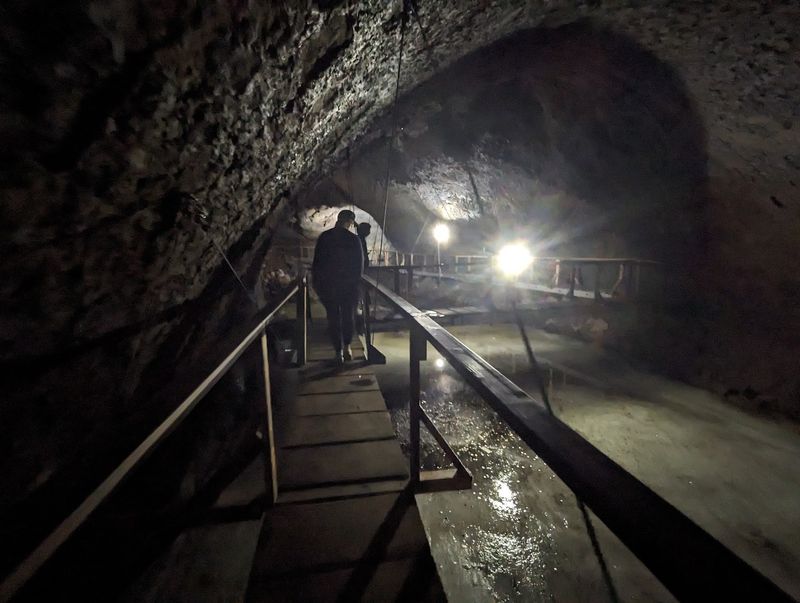
Down one Idaho staircase, the air can sit near 25 degrees while the desert above bakes in the 90s. That’s a refrigerator nobody plugged in.
The cold lives inside a lava tube left behind by ancient eruptions. Winter air sinks in, gets trapped, and turns seeping water into a block of ice that lasts all year.
A boy reportedly found it in the 1880s while hunting for a lost goat. Early settlers later hauled ice out of it, long before anyone in town owned a freezer.
I like how such a strange place sits right beside a highway in the middle of sagebrush country. There is one big twist for 2026, though, and it matters before you load up the car.
So what’s going on underground, and what can you still see on top?
A Frozen Lava Tube Hiding Beside Highway 75
Sagebrush, black lava rock, and a two-lane highway make an unlikely address for a glacier. Yet the Shoshone Ice Caves sit right there on the Snake River Plain in south-central Idaho.
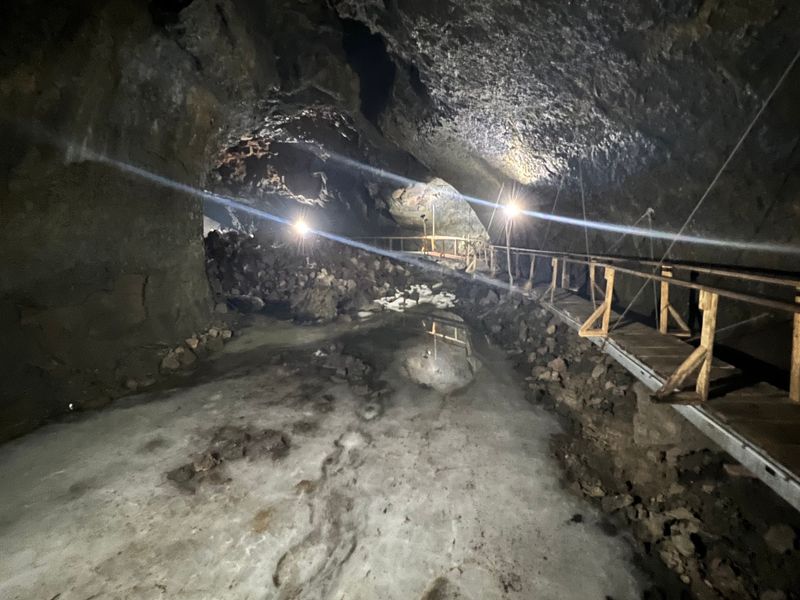
The attraction is a lava tube, which is a tunnel formed when flowing lava crusted over and drained away. What makes this one special is the ice that stays put inside it all year.
Inside, temperatures typically hover between about 18 and 33 degrees Fahrenheit. Outside, summer afternoons often climb past 90, so the swing can top 40 degrees within a few steps.
The site is privately owned and sits along State Highway 75, a little north of Idaho’s Mammoth Cave. It lands roughly between the town of Shoshone and the Wood River Valley, so plenty of Sun Valley traffic rolls right past it.
Above ground, you’ll find a gift shop, a small museum, and a scatter of quirky outdoor displays. Below ground waits the main event, a long, icy tunnel lit for guided tours.
Honestly, the setting does half the storytelling. Nobody expects winter to be waiting under a high desert lava field in July.
The 2026 Pause Every Road-Tripper Should Know About
Before anyone plans a summer day around a chilly underground stroll, here’s the headline. Cave tours at the Shoshone Ice Caves are closed for the entire 2026 season.
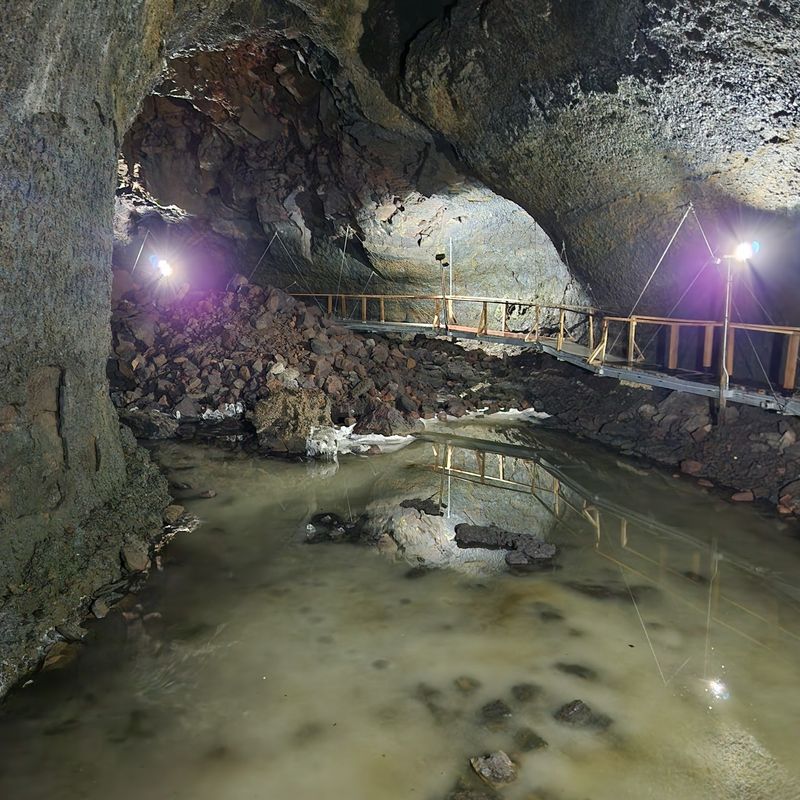
The reason is practical rather than mysterious. The internal walkway system that carries visitors over the ice needs repair and full replacement.
No reopening date for cave tours has been confirmed yet. That means checking ahead is smart before you point the car north on Highway 75.
Good news still exists, though. The gift shop, the museum, and the other on-site attractions remain open while the walkway work gets sorted out.
So a stop still makes sense for rock hounds, curious families, and anyone driving to or from the Wood River Valley. You simply won’t be heading down the stairs into the ice this year.
I believe that kind of pause is worth respecting. Boardwalks above slick ice carry a lot of feet, and a sturdy new one protects both people and the cave itself.
Think of 2026 as a preview season. You can learn the story, browse the geodes, and bookmark the cave for its comeback.
Volcanic Plumbing From Roughly 24,000 Years Ago
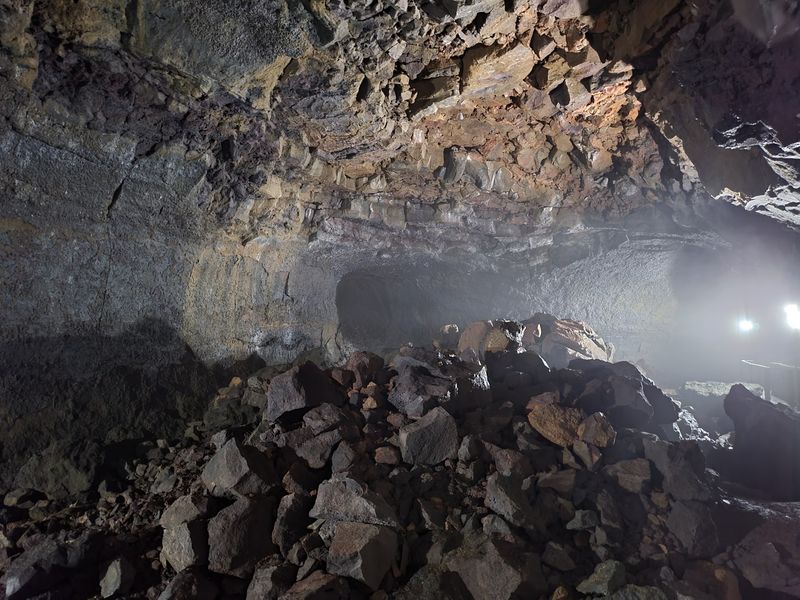
Long before Highway 75 existed, molten rock was busy carving tunnels across this part of Idaho. The lava tube holding the Shoshone Ice Caves formed roughly 24,000 years ago, according to the site’s own history.
It belongs to the Black Butte Crater Lava Field, a wide spread of basalt north of Shoshone. Rivers of lava flowed underground here, and their outer layers cooled into hard rock shells.
When the molten centers drained away, hollow tubes stayed behind. Many tubes in the area later collapsed, leaving scattered remnants rather than continuous tunnels.
This one held together impressively well. The cave stretches about 1,700 feet long, with sections reaching roughly 50 feet wide and 45 feet high.
That’s a lot of open space under a field of sagebrush. A tour group could fit inside comfortably, which surprises people expecting a cramped crawl.
The surrounding landscape tells the same volcanic story in plain sight. Dark rock, rough ridges, and wide-open sky stretch in every direction around the parking lot.
Geology fans, take note. Few places let you stand on the surface of an old lava flow and then, in normal years, walk straight through its insides.
How a Desert Cave Became a Natural Freezer
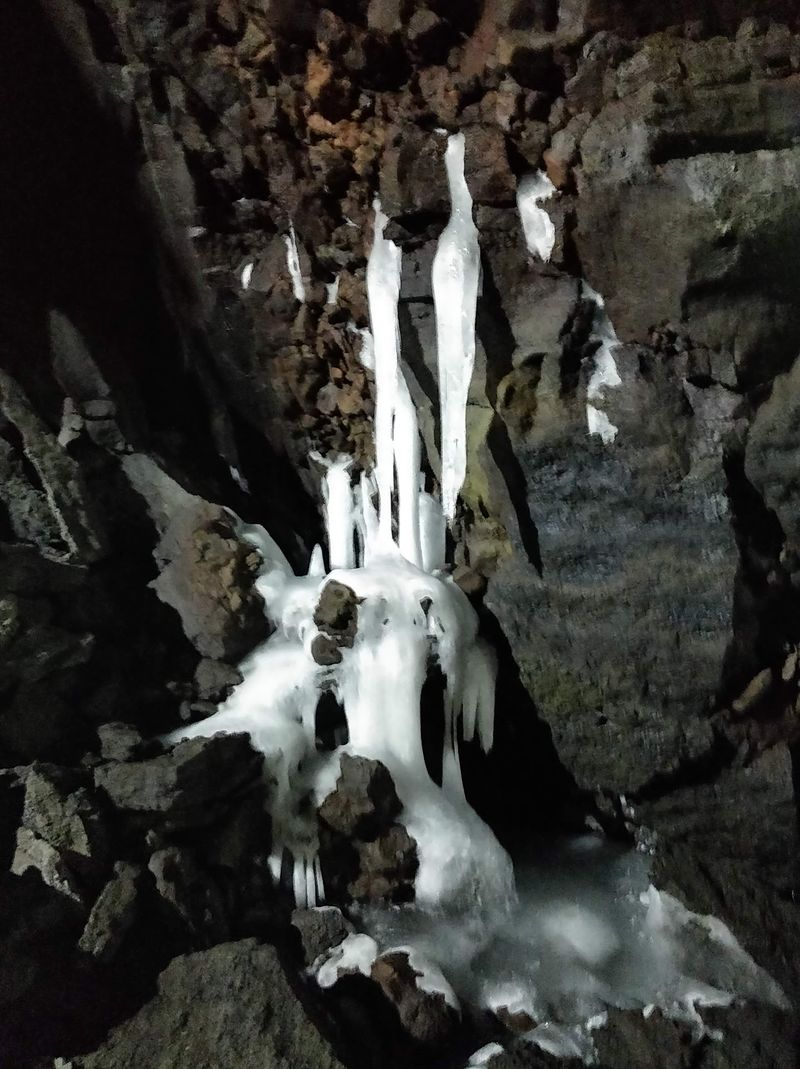
Cold air is heavy, and that simple fact runs the whole show. Geologists describe the Shoshone Ice Caves as a cold trap, a cave shaped to catch and hold frigid air.
During Idaho winters, dense cold air pours down into the lava tube. Warmer air can’t easily push it back out, so the chill settles in and stays.
Meanwhile, water seeps through cracks in the rock above. Once it reaches that trapped cold, it freezes and adds to the ice already sitting on the floor.
The ice then helps insulate the cave, keeping things frosty well into summer. The lava rock pitches in too, shielding the interior from the heat baking the surface.
Southern Idaho’s big seasonal temperature swings make the whole system work. Hot summers and genuinely cold winters give the cave its yearly refill of icy air.
The site even compares the effect to refrigeration, with airflow expanding and compressing as it moves through the tunnel. It’s a fridge built by volcanoes and powered by weather.
Not bad for a hole in the ground. No electric bill, no repairman, just physics doing steady work for thousands of years.
An Ice Floor Up to 30 Feet Deep
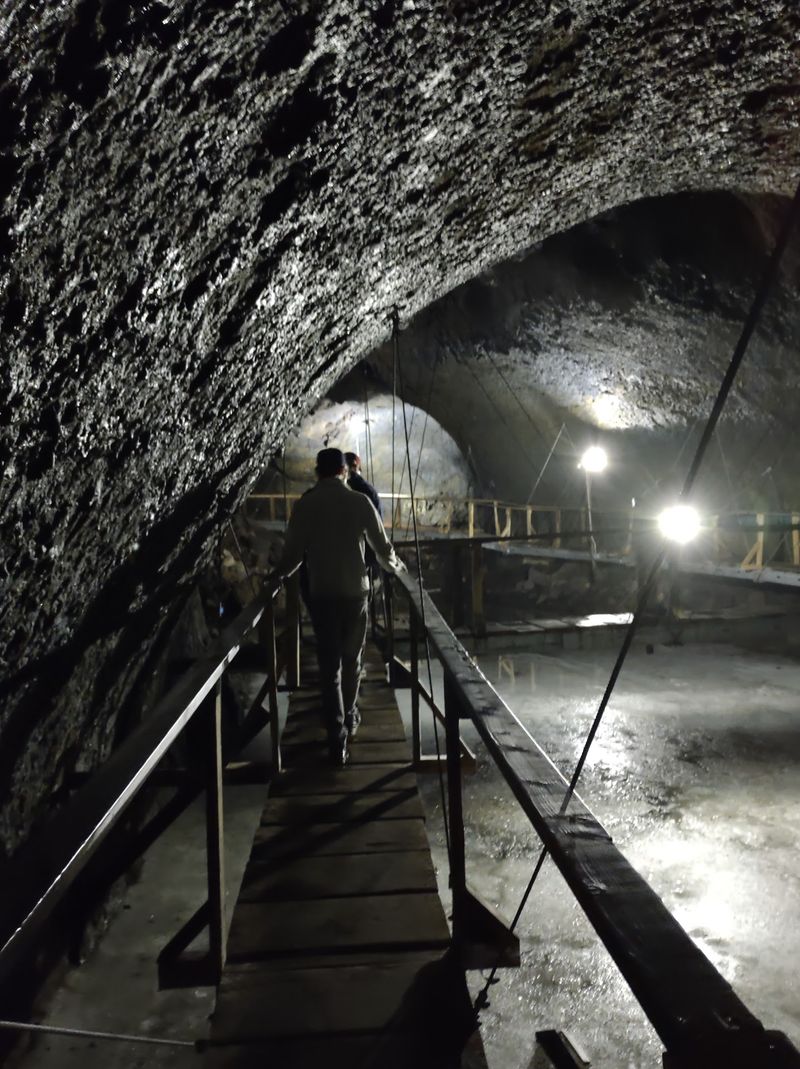
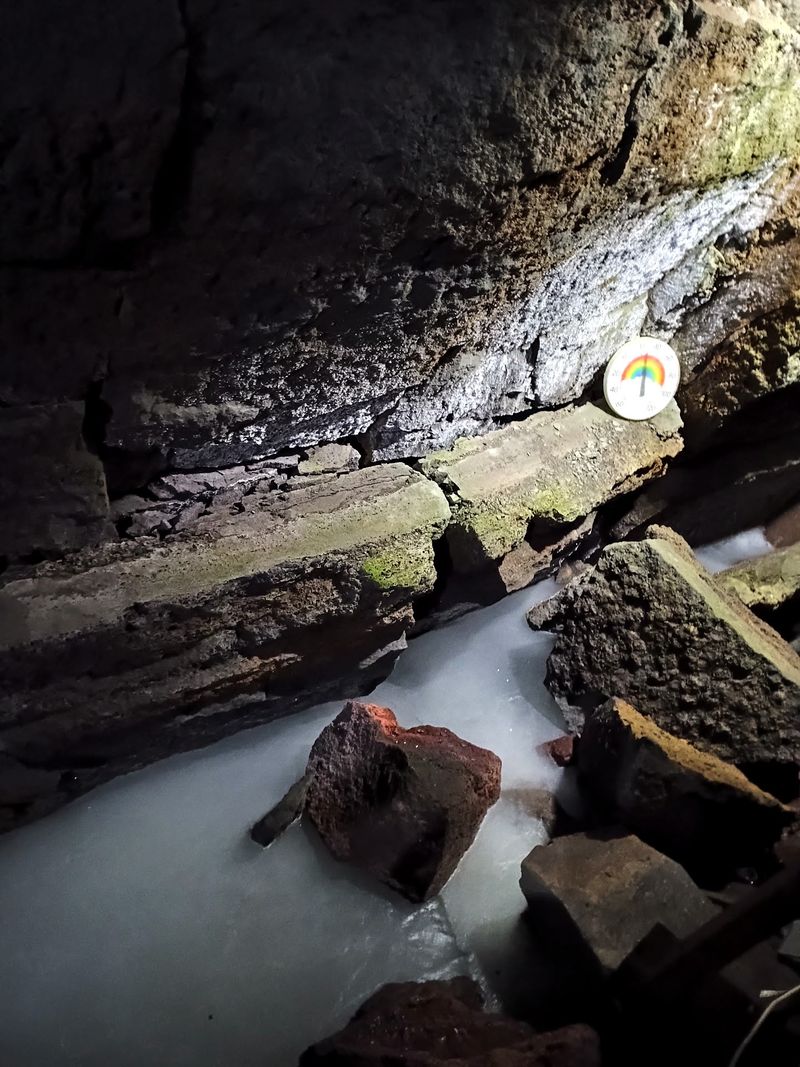
Numbers help here, because the ice is no thin glaze. The frozen block inside the Shoshone Ice Caves can stretch up to about 1,000 feet long.
Depth varies from roughly 8 feet to as much as 30 feet. That’s a frozen floor thicker than many houses are tall.
The site calls it a living glacier, since the ice keeps forming and persisting instead of slowly vanishing. Each winter’s cold air helps keep the supply going.
In normal seasons, LED lighting brings out the textures of the ice and the rough lava walls around it. Kids especially tend to notice the sparkle once their eyes adjust.
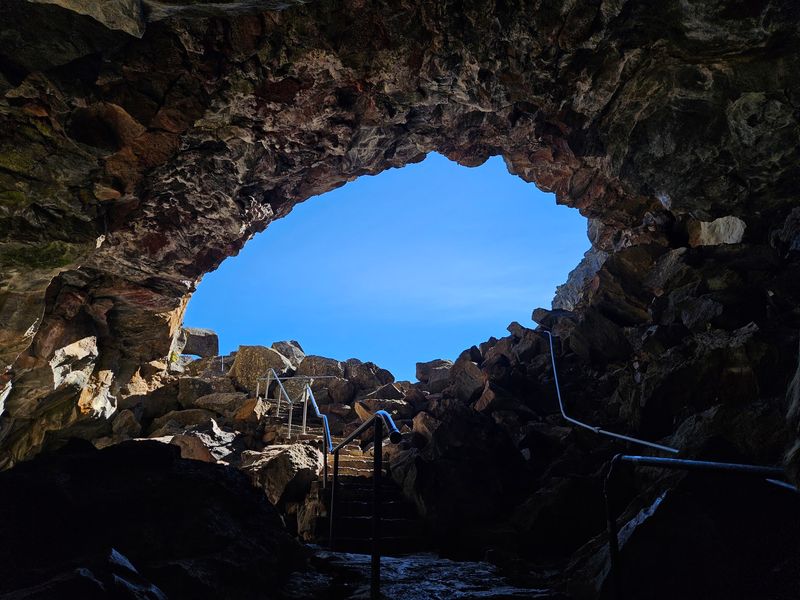
The tunnel also opens into a big, cavern-like space with a natural arch. After a narrow-feeling entry, that roominess comes as a welcome reveal.
Standing above all that ice in sweater weather while knowing the parking lot sits in summer heat feels wonderfully backward. Your brain keeps checking the calendar.
When tours return, this is the sight to wait for. Few places in Idaho let you look down at a frozen floor this thick in the middle of August.
Credit Goes to a Wandering Goat
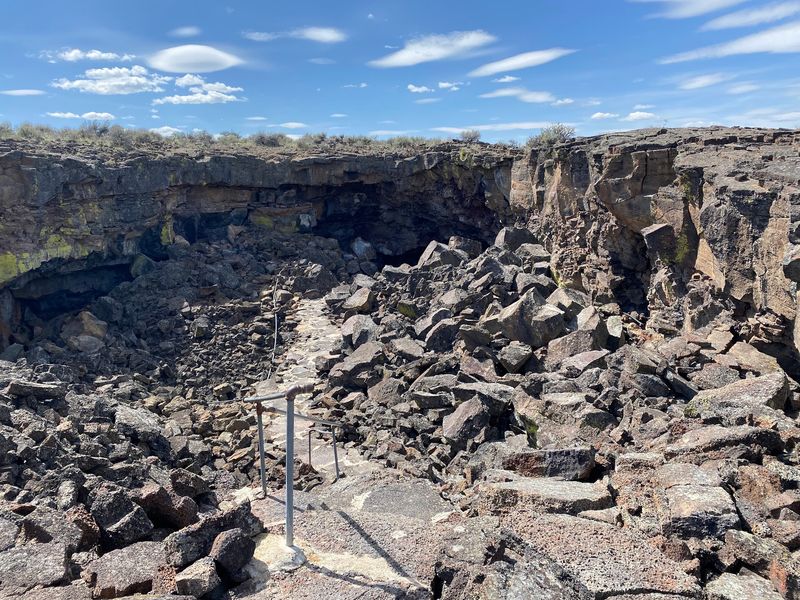
Some discoveries begin in laboratories. This one began with a missing goat.
According to the site’s history, a young boy in the 1880s went searching for his lost animal in the lava fields. He felt cold air drifting out of an opening in the rock.
Curiosity did the rest. That chilly breeze led him to the icy tunnel now known as the Shoshone Ice Caves.
History doesn’t record much about the goat’s opinion. Still, it earned a permanent cameo in one of Idaho’s oddest local stories.
The tale fits the landscape perfectly. Out here, a draft of freezing air on a warm day would stop anyone in their tracks.
It also explains why the cave stayed unknown for so long. From the surface, a lava field mostly looks like more lava field.
I can’t imagine the boy’s reaction when that first blast of cold hit him. Coming home with a lost goat is one thing, but coming home with news of underground ice is a far better story.
That small accident set the stage for everything that followed, from frontier ice runs to guided tours.
Summer Ice for a Frontier Railroad Town
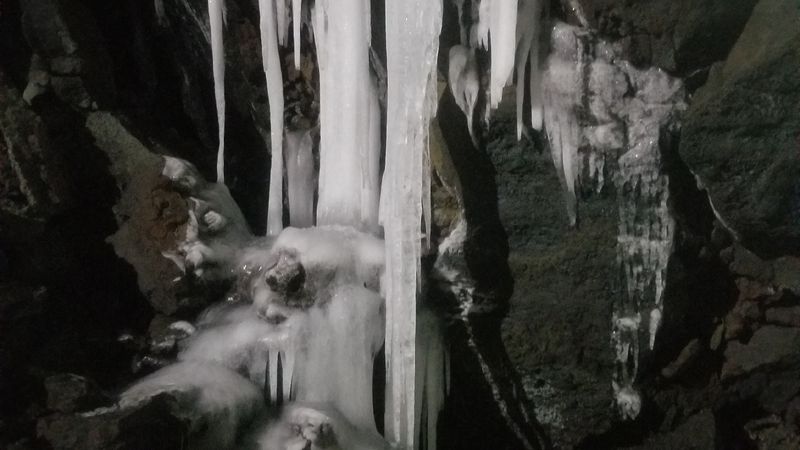
Picture a sweltering frontier summer with no refrigerator anywhere in sight. Now add a cave full of ice just up the road.
Early settlers quickly put the Shoshone Ice Caves to work. They gathered ice from the cave and supplied the nearby town of Shoshone long before modern refrigeration arrived.
For a stretch of time, it was reportedly the only place within about a hundred miles where summer ice could be found. That made the cave a genuinely useful neighbor, not just a curiosity.
Ice meant cooler food, cold drinks of water, and a little relief from the high desert heat. On the Snake River Plain, that counted as real luxury.
The arrangement shows how practical early Idahoans had to be. If the land offered something useful, people found a way to haul it home.
Of course, all that harvesting and digging came with consequences. The cave’s delicate airflow wasn’t built for heavy human traffic.
That tension between using the cave and protecting it shows up again and again in its story. The next chapter makes that lesson painfully clear.
The Near Meltdown and a Patient Rescue
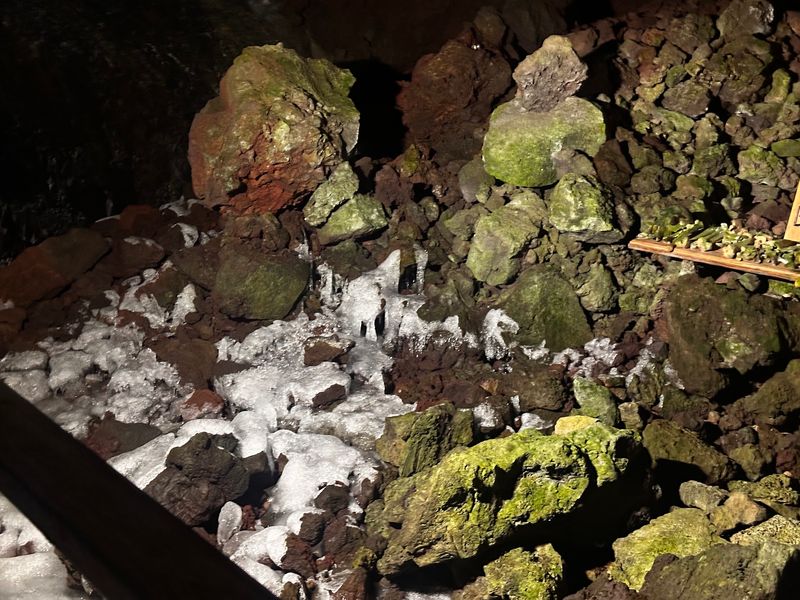
Here’s a twist few visitors expect. By the 1940s, the famous ice had almost completely melted away.
Overdevelopment was the culprit, including poorly placed access tunnels. Those changes disrupted the airflow that kept the cold trapped inside.
Warm air found new paths in, and the frozen floor shrank dramatically. Idaho nearly lost its desert glacier to some well-meaning construction.
Then, in the 1950s, Russell Robinson acquired the caves. He worked to restore the cave’s natural climate instead of fighting it.
His efforts paid off over time. By 1962, the ice had regenerated, and the cave was once again doing what nature designed it to do.
I like how this story turns the cave into something of a survivor. It shows that even a natural wonder can need a careful caretaker.
The restoration also explains why airflow matters so much to the site today. Small changes inside the tunnel can affect the entire frozen system.
Every time ice glitters under those lights, part of the credit goes back to that patient rescue. The comeback is as impressive as the cave itself.
What a Guided Trip Underground Looks Like
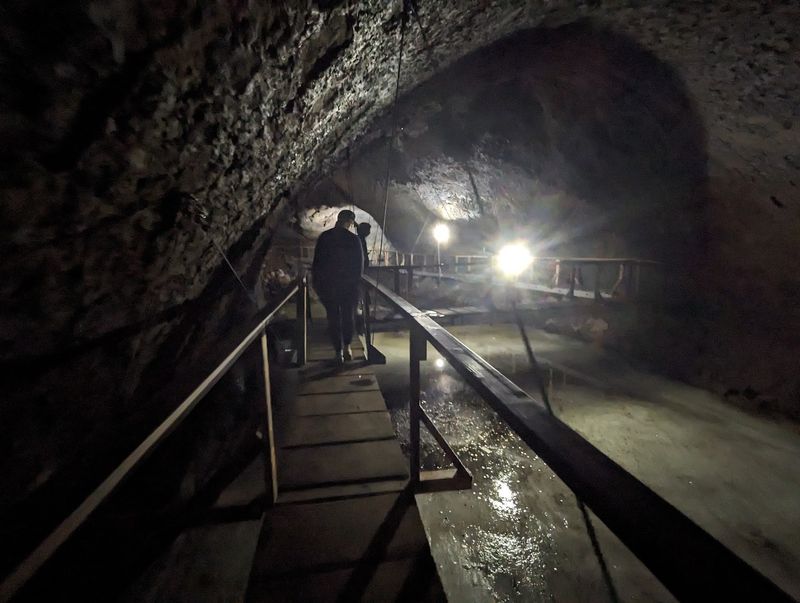
Tours aren’t running in 2026, but knowing the normal routine helps you plan for the return. In regular seasons, nobody wanders into the cave alone.
Every trip into the Shoshone Ice Caves is a guided tour. Guides share the geology, volcanic background, and history while leading the group through the tunnel.
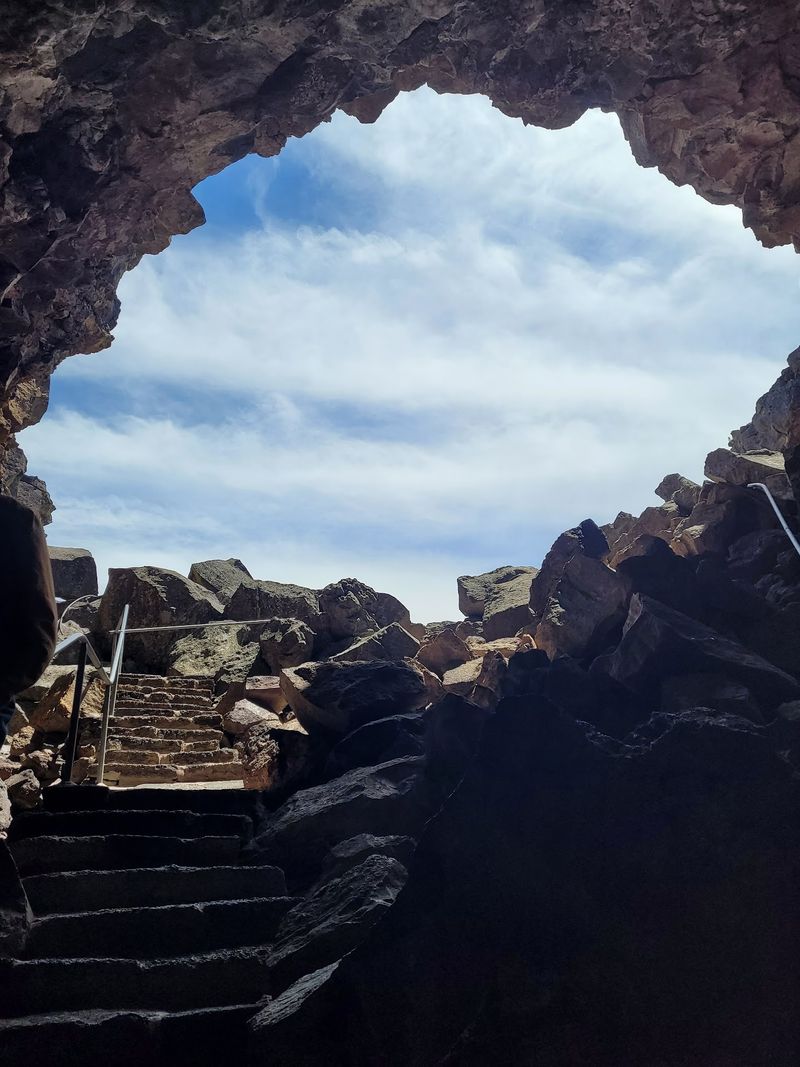
The descent goes about 100 feet below the surface. The route involves roughly three-quarters of a mile of walking and about 160 stairs total, down and back up.
Inside, a wooden walkway carries visitors above the ice. That boardwalk is exactly the structure now being replaced.
Tours have typically run in the range of 30 to 60 minutes overall. Time spent in the cold part of the cave is shorter, so most people manage the chill just fine.
Tickets were sold on site in past seasons, with times posted by the staff. Calling ahead before driving out was always a smart move.
When the new walkway opens, expect the same basic adventure. Stairs, ice, a big cavern, and a guide filling in the story as you go.
Sturdy Shoes, a Light Jacket, and Honest Expectations
Flip-flops and a tank top sound perfect for a 90-degree day. Underground, they’re a lousy plan.
The Shoshone Ice Caves recommend dressing warmly for the cave. A sweater or light jacket usually handles the short stretch inside without needing a parka.
Footwear matters even more. Sturdy, closed-toe shoes with good tread help on the uneven rock path and the stairs.
Accessibility is limited, and it’s best to know that early. The tour isn’t wheelchair or stroller accessible because of the steep stairs and rough terrain.
Families with small children should plan carefully too. The walkway over the ice is open in places, so little ones need close supervision.
For most able-bodied adults and older kids, the walk is manageable at a slow, steady pace. Taking the steps carefully makes a big difference on the way down.
Curious kids, geology lovers, and anyone who enjoys a weird roadside story tend to fit right in. People who just want a chilly break from summer heat are covered as well.
Pack for both seasons in one day. The desert and the cave won’t agree on the weather.
Geodes, Gems, and a Pocket-Size Museum
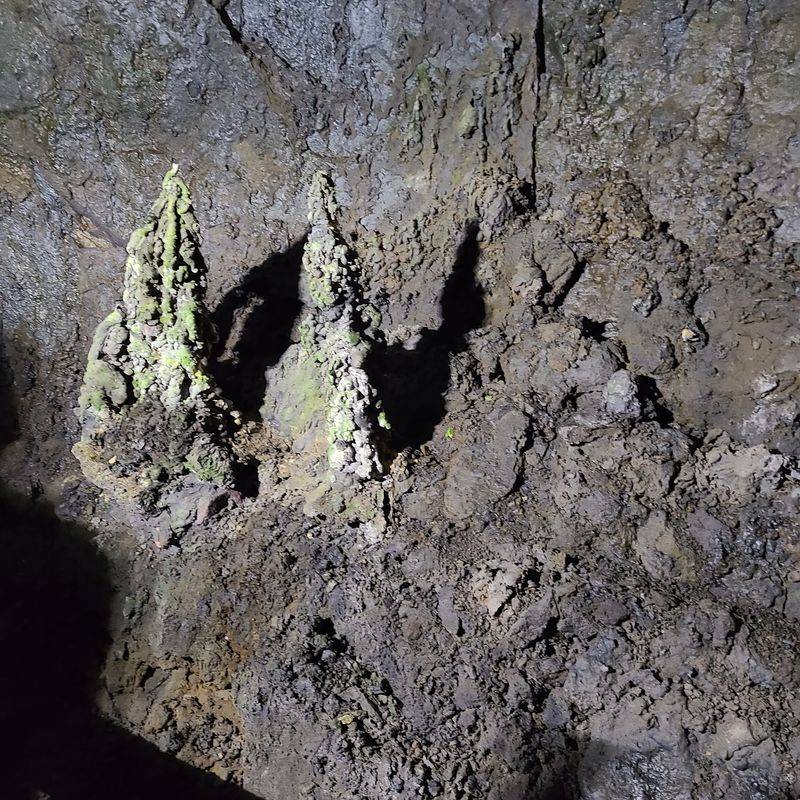
Rock hounds, this part stays open all season. The gift shop and museum at the Shoshone Ice Caves remain open even while cave tours rest.
The shop carries souvenirs alongside rocks, geodes, and crystals. Cracking a geode on site has long been a hands-on favorite for families.
There’s real suspense in a plain gray stone. You never quite know what’s sparkling inside until it splits open.
Next door, the museum packs a lot into a modest space. Exhibits include Native American artifacts plus gems and minerals from Idaho and around the world.
History about the caves and the surrounding area fills in more of the story too. It’s a quick way to understand the lava fields before or after a visit.
I believe this combination makes 2026 a decent year to stop anyway. You can still leave with a crystal in your pocket and a head full of cave trivia.
Little collectors especially tend to love this kind of shop. It turns a highway pull-off into a small treasure hunt.
Just budget a few extra minutes for browsing. Rock shelves are notoriously hard to walk away from.
A Green Dinosaur Named Dinny Guards the Grounds
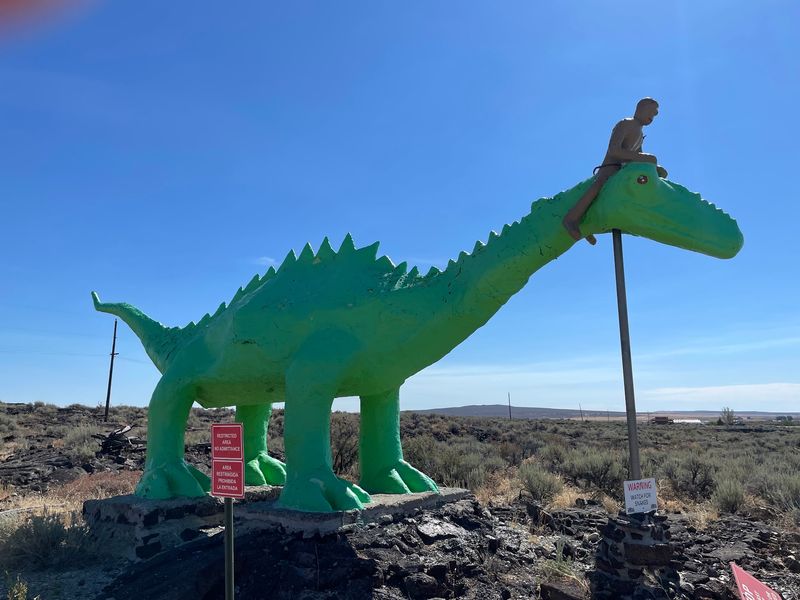
Not every Idaho attraction comes with its own dinosaur. This one has a big green fellow named Dinny.
Dinny is part of a collection of outdoor displays built for fun photos. He stands out against the sagebrush in the best possible way.
The grounds also feature a statue of Chief Washakie of the Shoshone Tribe. Washakie was a well-known leader, and his presence adds a thoughtful note among the playful pieces.
A mining sluice gives kids a chance to sift for treasures. It’s simple, a little messy, and usually a hit with younger visitors.
A picnic area rounds things out for anyone packing lunch. Open desert views come free with every sandwich.
The cave carries a few spooky stories as well. Tales of mysterious voices and footsteps, plus a legend about a Shoshone princess named Edahow, add to its air of mystery.
Believe them or not, those legends show how long people have felt awe here. A frozen cave in hot country naturally invites a good story.
Between the dinosaur and the ghost tales, the grounds offer plenty of personality. Nobody will mistake this for an ordinary rest stop.
Getting There and Making a Day of It
Finding the place is refreshingly easy. The Shoshone Ice Caves sit at 1561 ID-75, Shoshone, ID 83352, right off the highway.
That’s a little over 16 miles north of the town of Shoshone. Twin Falls is an easy drive south, which makes this a natural Magic Valley day trip.
Heading north on Highway 75 leads toward Hailey and the Wood River Valley. Plenty of travelers fold a stop here into a longer Sun Valley run.
Craving more lava tube time? Idaho’s Mammoth Cave sits just a few miles away on the same highway and is open for the 2026 season through late September.
That cave offers a self-guided walk with lanterns provided. It isn’t an ice cave, though, so don’t expect the same frozen floor.
For a bite in town, the Manhattan Café serves burgers and sandwiches from a big menu. The Shoshone Snack Bar covers comfort food like chicken strips, fries, burgers, and ice cream.
Hours can shift by season, so check before driving. With a little planning, two caves, a geode, and a burger make a pretty great Idaho afternoon.
Why This Frozen Oddball Deserves Your Patience
Every comeback needs a crew. For the Shoshone Ice Caves, that crew starts with owners Shane Wallace and Shelly Adamson, who bought the property in 2019.
They’ve been working to modernize the site ever since. Replacing the walkway is a major project, designed to last at least three decades once finished.
The owners are seeking community and sponsor support to fund the work. Options include personalized bricks for a new retaining wall and tiered sponsorships.
That brick idea is a nice touch. Families could someday spot their names at a cave their grandparents might have toured.
So is the place worth your time this year? With the museum, gift shop, and Dinny open, a quick stop still pays off for curious travelers.
The real prize, though, is waiting below. A glacier inside a 24,000-year-old lava tube, saved once already, deserves a safe new path across it.
I can’t think of many Idaho places with a stranger or sturdier story. A boy, a goat, a near meltdown, and a rescue all lead to this moment.
Keep it on your list. When those stairs reopen, the ice will be ready.