This Idaho Ghost Town Is One Of The State’s Favorite Haunted Places To Visit
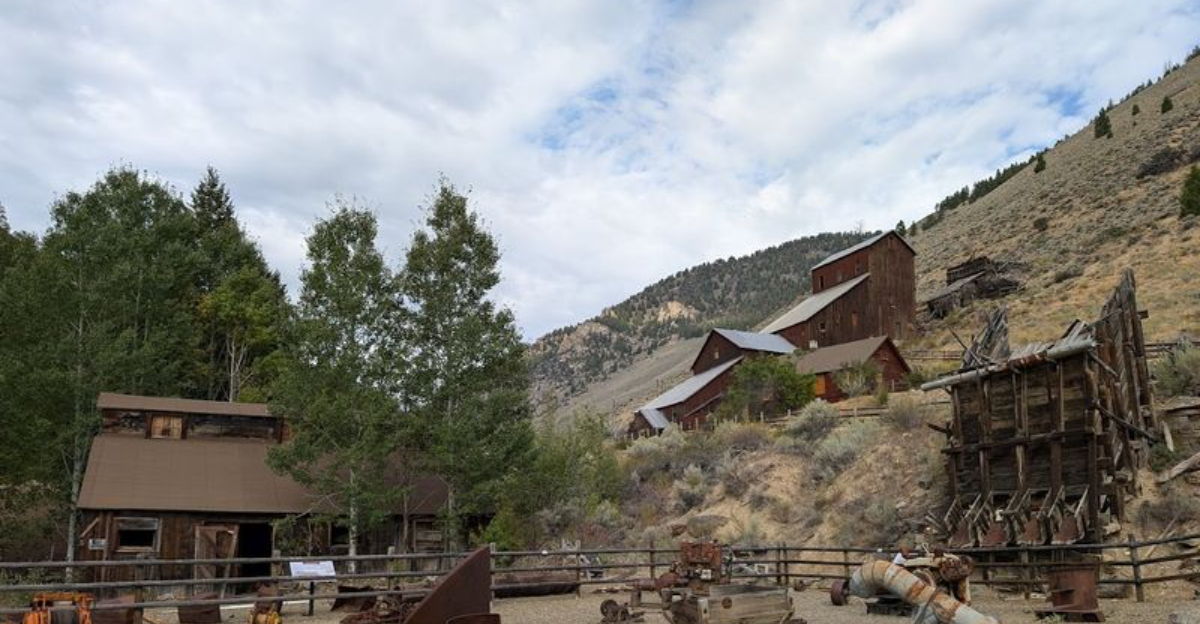
Old mining towns already look like they know something, but this Idaho ghost town makes the silence feel like it has been practicing.
Weathered buildings stand in the mountain quiet with the confidence of places that have watched people come, panic, leave, and maybe forget one lantern behind.
Nothing has to leap out from a doorway, which is almost worse, because the creepiness arrives politely and then refuses to leave.
A dark window starts looking a little too aware, and suddenly every creak sounds like the town clearing its throat.
That is the fun of it.
The whole place feels spooky enough to make visitors check over their shoulders, but not so terrifying that anyone has to pretend they were “just stretching.”
You Can Walk Straight Into Idaho’s Mining Past Here
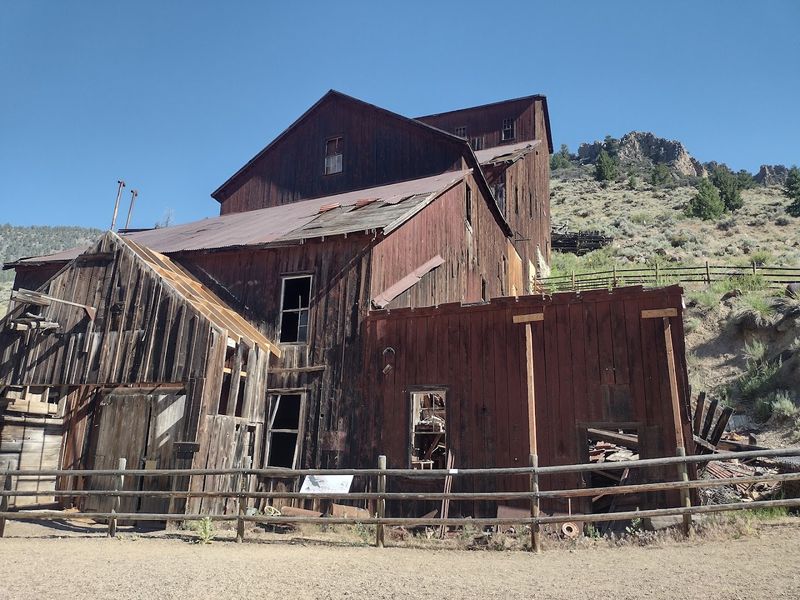
Few historic stops in Idaho make the mining era feel as immediate as Bayhorse Ghost Town.
Rather than reading about frontier industry from behind museum glass, you can follow the paths through a real former settlement and stand near buildings connected to daily life, commerce, and ore processing.
Bayhorse developed after silver discoveries in the surrounding mountains, with active growth beginning around 1880 and a population that reached roughly 300 people by the mid-1880s.
Storefronts, boarding houses, work sites, and mining-related remnants help explain how much effort it took to keep a remote town functioning in rugged country.
Interpretive signs add helpful context without making the place feel over-managed. Nothing here feels glossy or overly staged, which is exactly why the site works so well.
Weathered wood, uneven ground, old foundations, and mountain views all help visitors understand the practical reality of life here. Bring water, sun protection, and comfortable shoes because this is the kind of place where one quick look usually turns into a much longer wander.
The Empty Main Street Makes The First Look Feel Unsettling
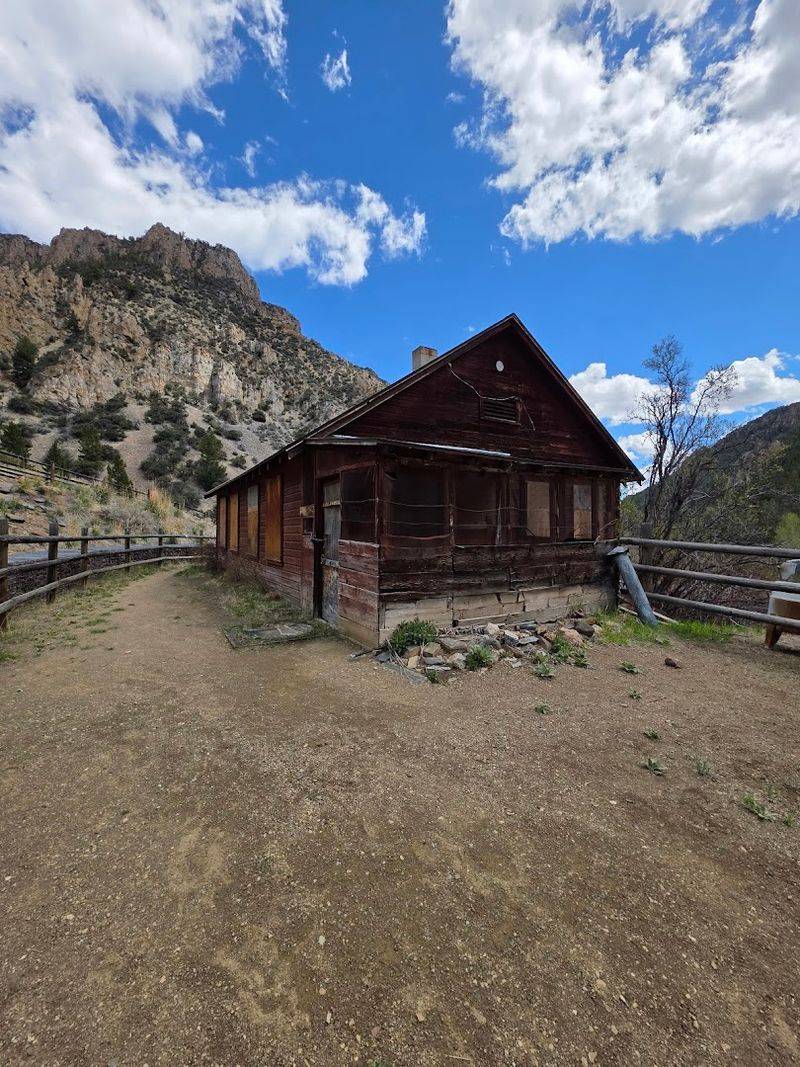
Silence does more work than any ghost story when you first face the old main street. Bayhorse once held the ordinary noise of a mining town, with wagons, workers, businesses, conversations, and constant movement tied to the mines nearby.
By 1885, accounts describe a community with about 300 residents, along with businesses such as stores, a hotel, a restaurant, a meat market, boarding houses, and saloons. Seeing the street without that bustle makes the contrast hit harder.
Empty buildings sit where daily errands once happened. Mountain air moves through spaces that once held plans, arguments, meals, repairs, and long workdays.
Nothing has to jump out for the place to feel eerie. The absence is enough.
Each weathered wall seems to ask visitors to imagine what the town sounded like before abandonment became its defining feature. Bayhorse earns its haunted reputation through that gap between past activity and present stillness.
Standing there, the town feels less like a ruin and more like a paused scene that never fully resumed.
You’ll Want To Slow Down Around Every Weathered Building
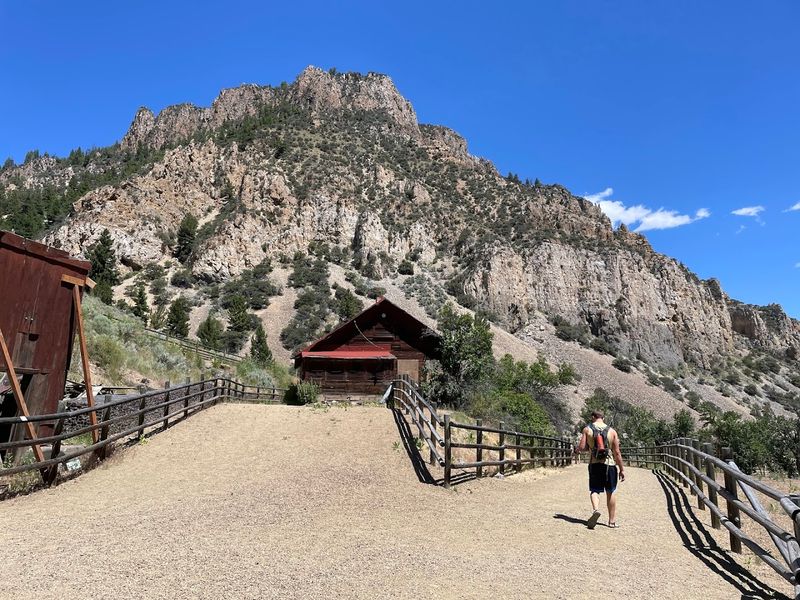
Rushing through Bayhorse would miss most of what makes it powerful. Surviving structures and ruins reveal their character slowly, especially when light shifts across old boards, rooflines, stonework, and window openings.
Some buildings still hold a recognizable shape, while others have surrendered more visibly to weather, age, and mountain seasons. That uneven survival gives the town its texture.
One structure may feel sturdy enough to suggest the original ambition behind it. Another may lean just enough to remind you how harsh this country can be.
Visit Idaho notes that Bayhorse allows travelers to see the ovens once used to make charcoal for the smelter, which adds an important industrial layer beyond the wooden remains. Photographers will find plenty to work with, but the strongest impressions often come without a camera.
Grain in the wood, dry grass near foundations, and distant hills all contribute to the setting. Bayhorse is not just a collection of old buildings.
It is a mountain landscape holding onto the evidence of a town that worked hard, faded slowly, and still refuses to disappear completely.
The Old Kilns Make The Ghost Town Feel Even Stranger
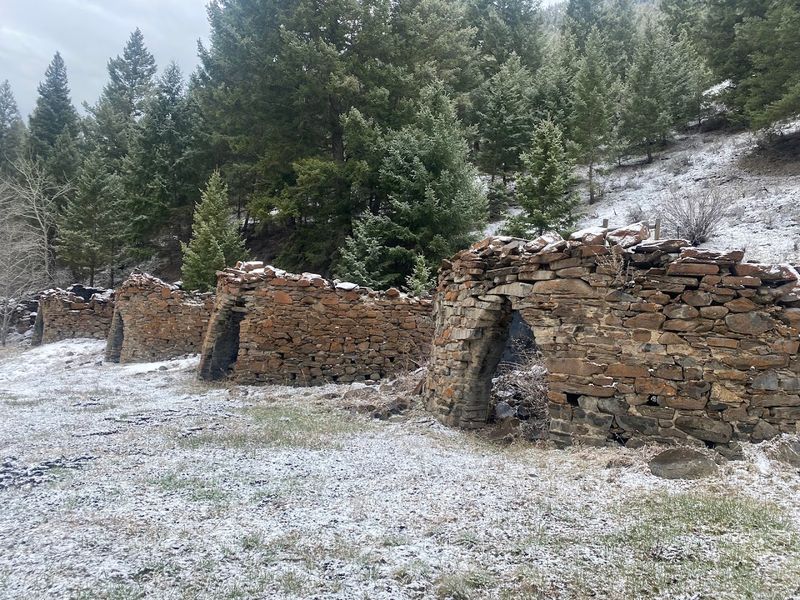
Charcoal kilns give Bayhorse a heavier, stranger presence than many smaller ghost towns. Wooden cabins and storefronts already carry plenty of atmosphere, but the ovens connect the site directly to the industrial work that powered the settlement.
Visit Idaho identifies the ovens as structures used to make charcoal for the smelter, while other historic summaries note that intact charcoal kilns remain among the visible remnants of Bayhorse. Their shape and purpose make them feel different from the surrounding buildings.
Instead of suggesting family life or storefront activity, they point to heat, ore, labor, and production. Standing near them, it becomes easier to understand Bayhorse as more than a romantic abandoned town.
People came here because mining created opportunity, and that opportunity required serious infrastructure. Ore had to be processed, fuel had to be made, and the surrounding landscape became part of the operation.
Those kilns still anchor that story. Their survival adds weight to the visit, making the site feel more grounded, more unusual, and far more memorable than a simple row of empty cabins.
Mountain Silence Does Half The Haunting For You
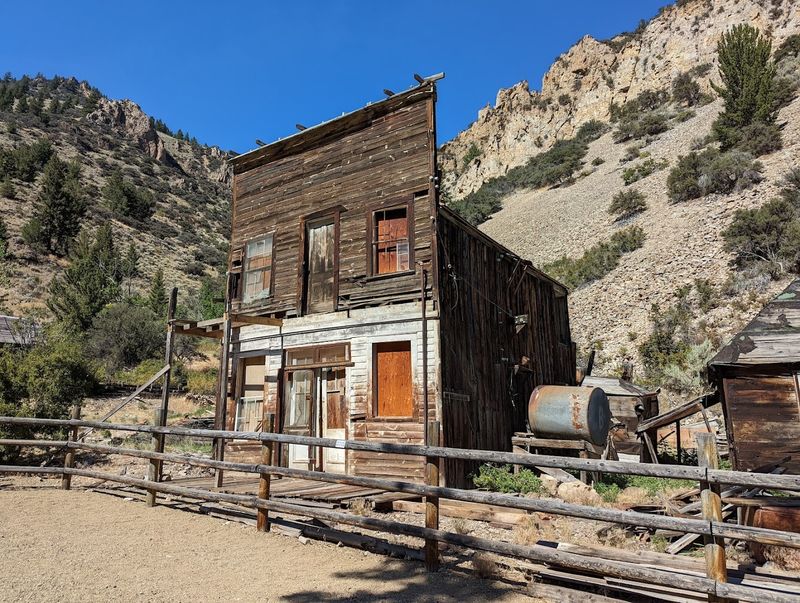
Atmosphere at Bayhorse comes naturally from the mountains around it. No staged effects are needed when wind, distance, dry grass, and old wood create their own unsettling rhythm.
Land of the Yankee Fork State Park sits in Custer County near Challis, surrounded by historic mining country, outdoor routes, and rugged scenery that still feels remote compared with Idaho’s busier travel corridors. Morning light can make the ruins look stark and exposed.
Late afternoon can stretch shadows across the ground and sharpen every broken line. Even small sounds seem louder here because there is so little competing with them.
Footsteps on dirt, a creak from an aging board, or wind brushing through brush can feel surprisingly dramatic. That natural quiet is what makes the ghost-town mood believable.
Bayhorse does not need exaggeration to feel haunting. Its setting already carries the right kind of loneliness.
Anyone visiting should give the place enough time to settle in. Stand still for a moment, listen carefully, and the mountains will do most of the storytelling.
Every Cabin Looks Like It Has One More Story Left
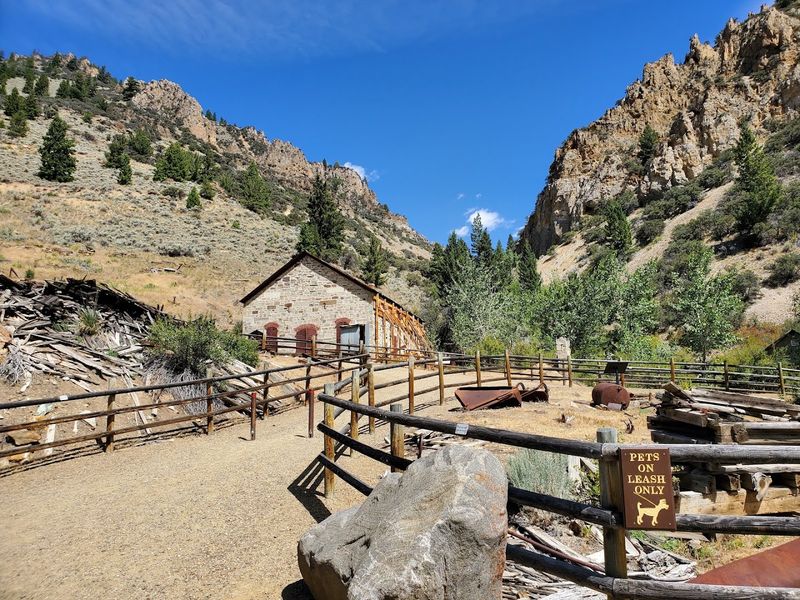
Small buildings at Bayhorse can feel more moving than the larger industrial remnants because they pull the imagination toward individual lives. Mining towns were not only about ore, smelters, and profit.
People slept here, ate here, waited through storms, made repairs, ran businesses, and tried to build some version of stability in a place shaped by uncertainty.
Bayhorse supported stores, lodging, food businesses, and other services during its 1880s peak. The remaining structures still feel tied to a once-functioning community rather than a scattered ruin.
Weathered cabins and building shells keep that human scale visible. A doorway can suggest cold mornings.
A window opening can frame the same mountains someone once looked at after a long shift. A sagging wall can say more about time than any dramatic legend.
Preservation work at the site matters because it lets visitors feel those connections without pretending the town is frozen perfectly in the past. Bayhorse is strongest when it remains honest, worn, quiet, and personal.
You Get The Eerie Feeling Without Any Fake Haunted-House Tricks
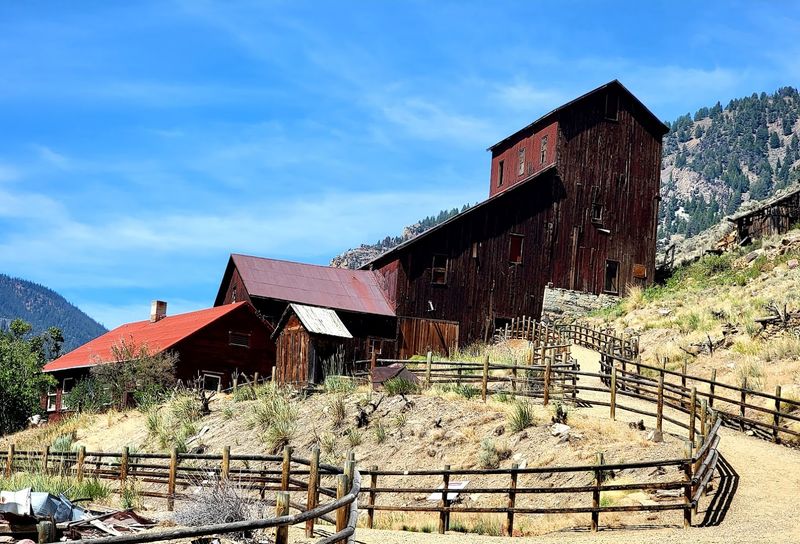
Manufactured scares would only weaken a place like this. Bayhorse feels eerie because its history is real, its buildings are genuinely old, and its setting leaves plenty of room for the imagination.
Nothing needs to be dressed up. Broken textures, empty paths, interpretive signs, mining remnants, and mountain stillness all build the mood gradually.
Visit Idaho lists Bayhorse among the state’s ghost towns and mining-history sites, while Idaho Parks describes Land of the Yankee Fork as a park focused on frontier mining history, including Bayhorse, Bonanza, Custer, and the Yankee Fork Gold Dredge. That context keeps the experience grounded.
Instead of a spooky attraction built for quick thrills, Bayhorse offers something quieter and more lasting. Visitors often find themselves speaking softly, walking more slowly, and noticing small details they might ignore elsewhere.
The feeling comes from recognizing that real people built this place, depended on it, and eventually left it behind. Bayhorse may be called haunted, but its strongest pull is not fantasy.
It is the strange intimacy of standing inside a town after the town has vanished.
Bayhorse Is The Kind Of Stop You Keep Thinking About Later
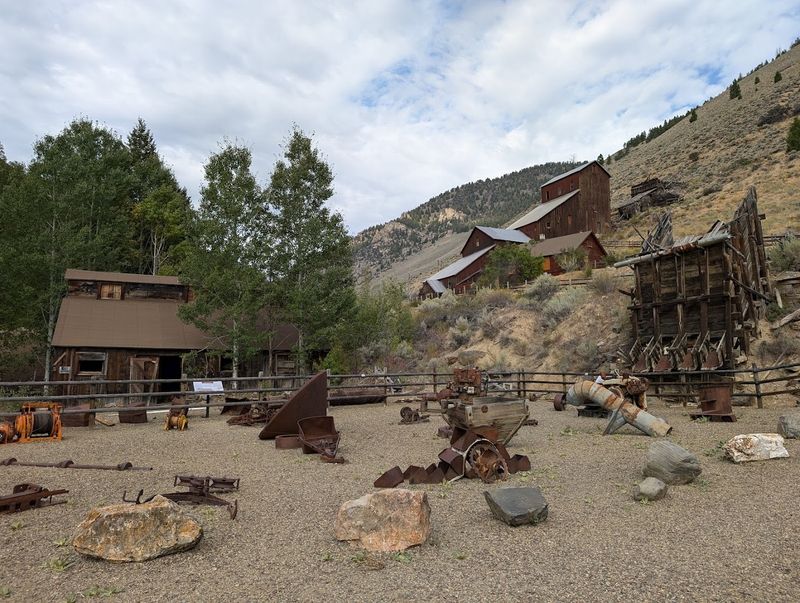
Certain places linger because they do not reveal themselves all at once. Bayhorse is one of those stops.
At first, the appeal may seem simple: old buildings, mountain views, ghost-town atmosphere, and a strong connection to Idaho’s mining past. After leaving, smaller details often return more vividly.
Charcoal ovens against the hills. A quiet main street.
Weathered boards. Interpretive signs naming lives and work that once filled the settlement.
Official Idaho Parks information notes that Bayhorse opens seasonally, with the 2026 season beginning May 1, so checking current park details before visiting is the safest plan.
That practical step matters because mountain sites can be affected by season, road conditions, and park operations.
Once you arrive, though, the best approach is simple. Move slowly.
Read the signs. Look beyond the obvious photo angles.
Let the silence feel a little uncomfortable. Bayhorse does not need to be exaggerated into something it is not.
Its real history, remote setting, and surviving structures already make it one of Idaho’s most memorable ghost-town visits.