This Idaho Observatory Brings Cosmic Wonders Closer Through The State’s Largest Public Telescope
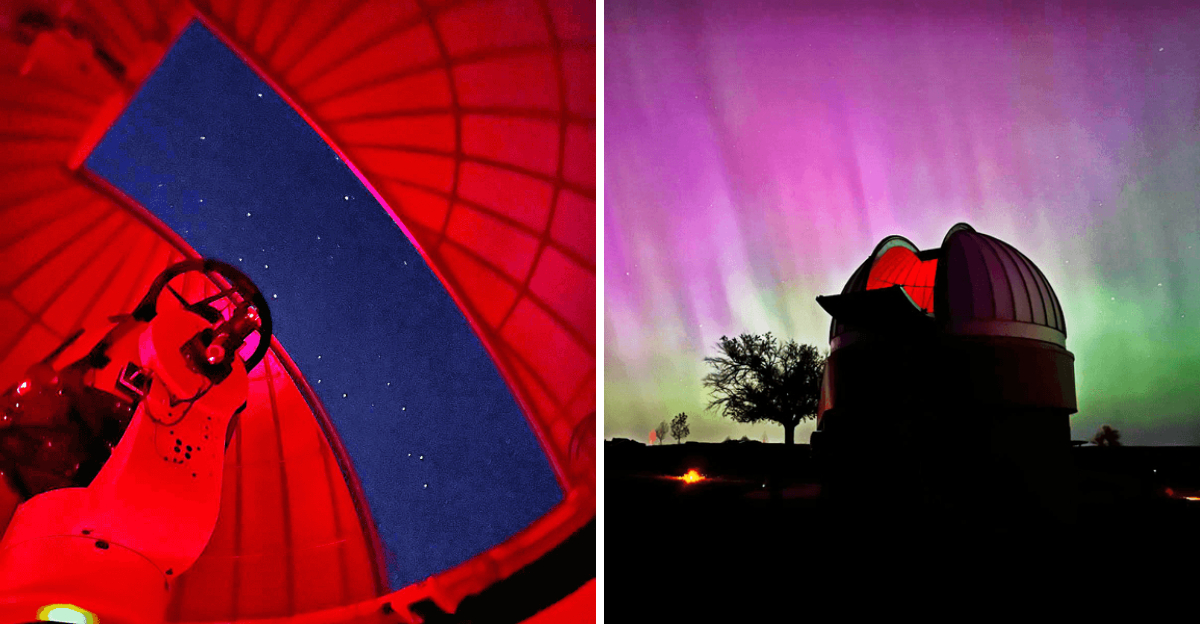
The universe looks much less distant when Idaho hands you a telescope powerful enough to expose its secrets.
High in the desert, an observatory roughly 60 miles southeast of Boise turns an ordinary night into something far bigger.
Stars sharpen, planets stop looking like bright dots, and the moon suddenly reveals that it has been showing off this entire time.
No advanced astronomy knowledge is required. Curiosity does most of the work, while the dark sky handles the dramatic entrance.
Children may arrive expecting a quick look upward and leave with several urgent questions about black holes. Adults are equally likely to forget how late it is.
Few evenings make Earth feel this small without requiring anyone to leave the state.
Once the telescope points skyward, even the most casual visitor may start wondering what else has been hiding above Idaho all along.
Start With The Observatory’s Powerful Public Telescope
Telescope time is the reason many visitors stay at Bruneau Dunes after sunset, and you should absolutely make room for it.
The park has offered public astronomy programs for decades, giving regular visitors a rare chance to look deep into the night sky without owning expensive equipment or knowing every constellation by name.
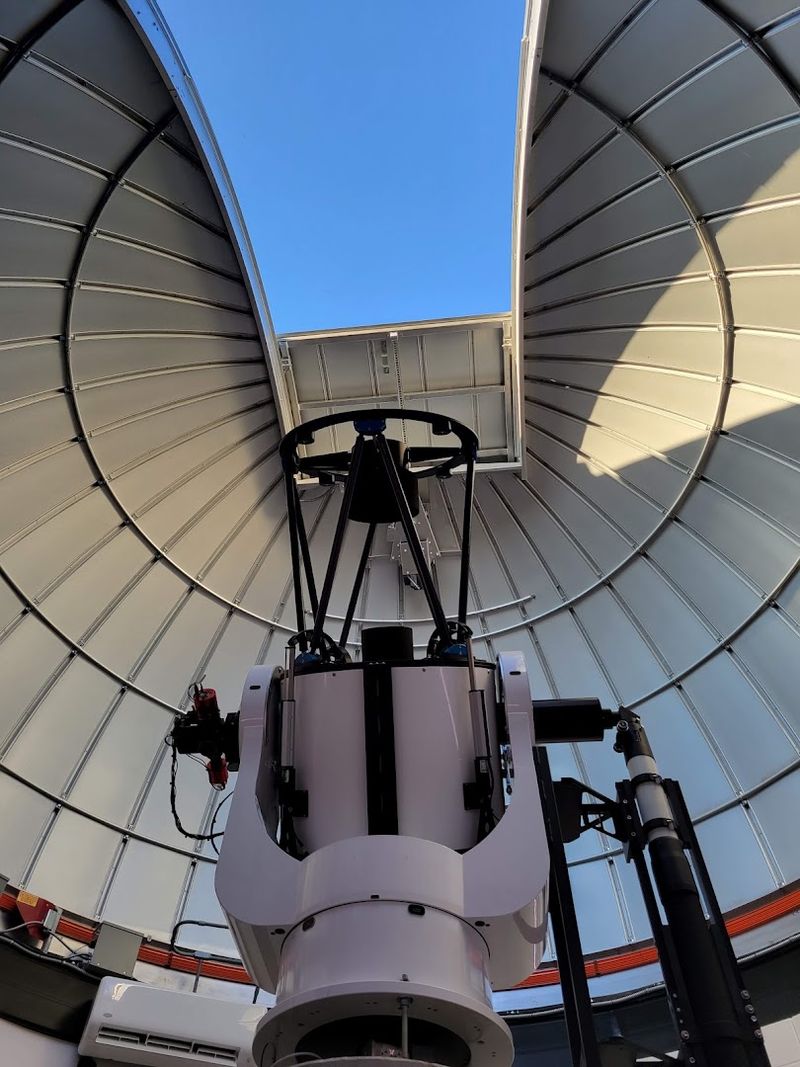
The newer observatory, completed in 2023, adds a PlaneWave CDK700 system with a 700-millimeter aperture, making the experience feel far more serious than a casual peek through a backyard scope. You do not need to arrive as an astronomy expert.
That is part of the fun. Staff and volunteers help guide the night, explain what is visible, and turn a dark desert sky into something understandable.
One person may come hoping to see Saturn’s rings. Another may want Jupiter, star clusters, or a faint galaxy that looks impossible from town.
Kids usually just want the eyepiece to deliver something cool. It does.
Looking through a large public telescope has a way of changing the room. People lower their voices, lean in, and suddenly remember that space is not an abstract idea.
It is right there, waiting for your turn.
Watch The Roof Roll Away Above The Viewing Room
A moving dome makes the whole night feel like a little science-fiction moment, and that is before the telescope even starts showing off.
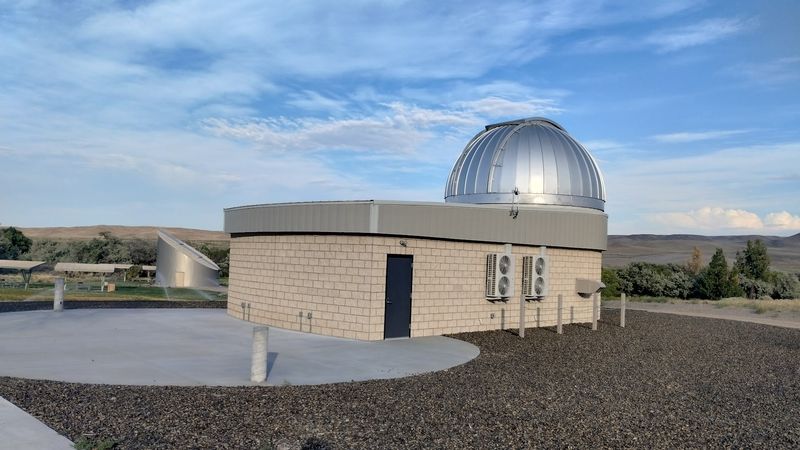
The newer observatory uses a 20-foot-6-inch Ash-Dome around the PlaneWave telescope, with automation that helps protect the equipment and keep observing conditions safe.
When the roof opens and the telescope lines up with the sky, the mood shifts fast. You can feel the room move from “nice park program” to “wait, this is serious.” That bit of theater works because it serves a real purpose.
The dome helps shield the telescope, manage observing conditions, and allow the instrument to point toward different parts of the sky. It is not just a fancy lid.
It is part of the machine. Watching it operate helps visitors understand how much planning sits behind one clear view through an eyepiece.
Weather systems, wind, cloud cover, and moisture all matter when expensive optics are involved. The dome responds to those practical realities while still looking extremely cool.
Children notice the movement first. Adults pretend they are focused on the engineering.
Everyone is secretly impressed. That opening moment makes the observatory feel alive.
You Can See Planets, Nebulae, And Distant Galaxies
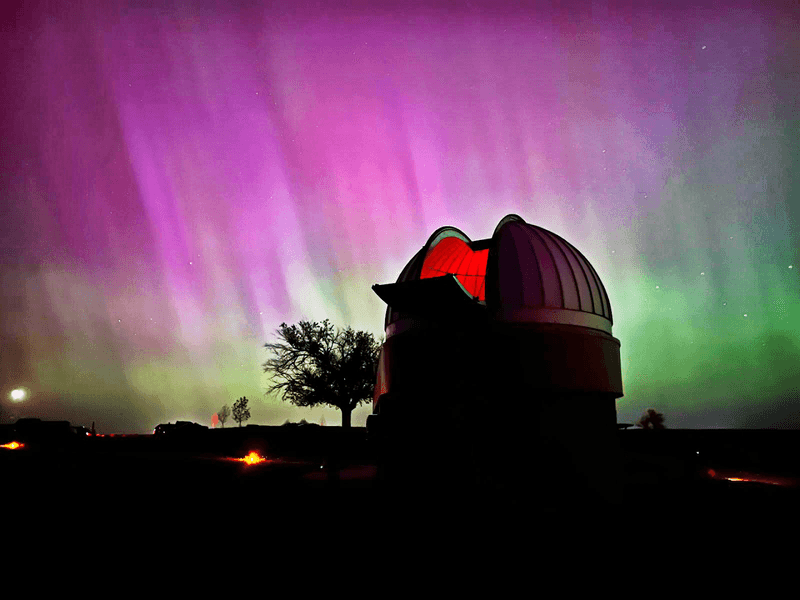
Planets usually steal the first round of excitement, and nobody should feel bad about that. Saturn’s rings, Jupiter’s bands, bright moons, and crisp lunar details are exactly the kind of sights that turn casual visitors into sudden astronomy fans.
Bruneau Dunes can also point deeper when conditions cooperate. Star clusters, nebulae, and distant galaxies become part of the evening’s possibilities, depending on the season, weather, moonlight, and what sits high enough in the sky.
That uncertainty keeps the program interesting. You are not watching a pre-recorded show.
You are dealing with real sky, real timing, and real limits. Some nights bring sharp planetary views.
Others favor deep-sky objects. A clear, moonless evening can make fainter targets far more rewarding, while bright moonlight may shift attention toward lunar features and planets.
The best move is to let the presenters guide the night instead of arriving with a strict cosmic shopping list. They know what is worth aiming at.
You get to relax, listen, and wait for your turn. When the view lands, even a faint smudge can feel enormous once you understand it may be a cluster or galaxy far beyond normal human scale.
Join An Evening Astronomy Presentation
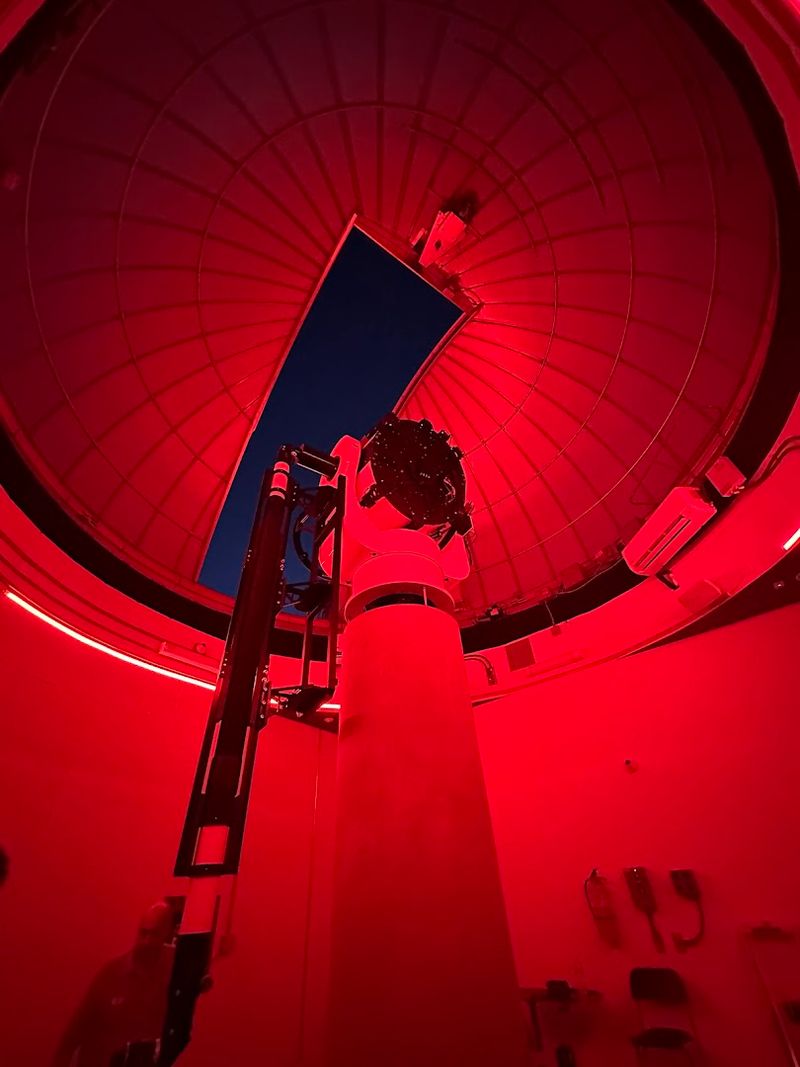
A good night at the observatory starts before anyone reaches the eyepiece. Evening programs usually pair sky education with telescope viewing, which helps you understand what you are looking at instead of simply nodding at a bright dot.
That makes a huge difference for families. Kids may walk in knowing planets from classroom posters, then leave with a better sense of scale, motion, distance, and why dark skies matter.
Adults get the same benefit, even if they pretend they already knew everything. Program details vary through the season, so check the current schedule before driving out.
In 2026, public observatory events are listed on selected Friday and Saturday evenings, with summer programs often beginning around 7:30 p.m. and running late into the night.
Admission for the astronomy program is separate from the park entrance fee, with posted program pricing at $5 per person or $20 per family.
Seating and viewing can be limited, and weather always has the final vote. Do not treat the schedule like a casual suggestion.
Check before you go, arrive early, and bring layers. The desert can cool down quickly once the sun drops, especially when your group is standing around waiting to see Saturn.
Let The Dark Desert Sky Do Most Of The Showing Off
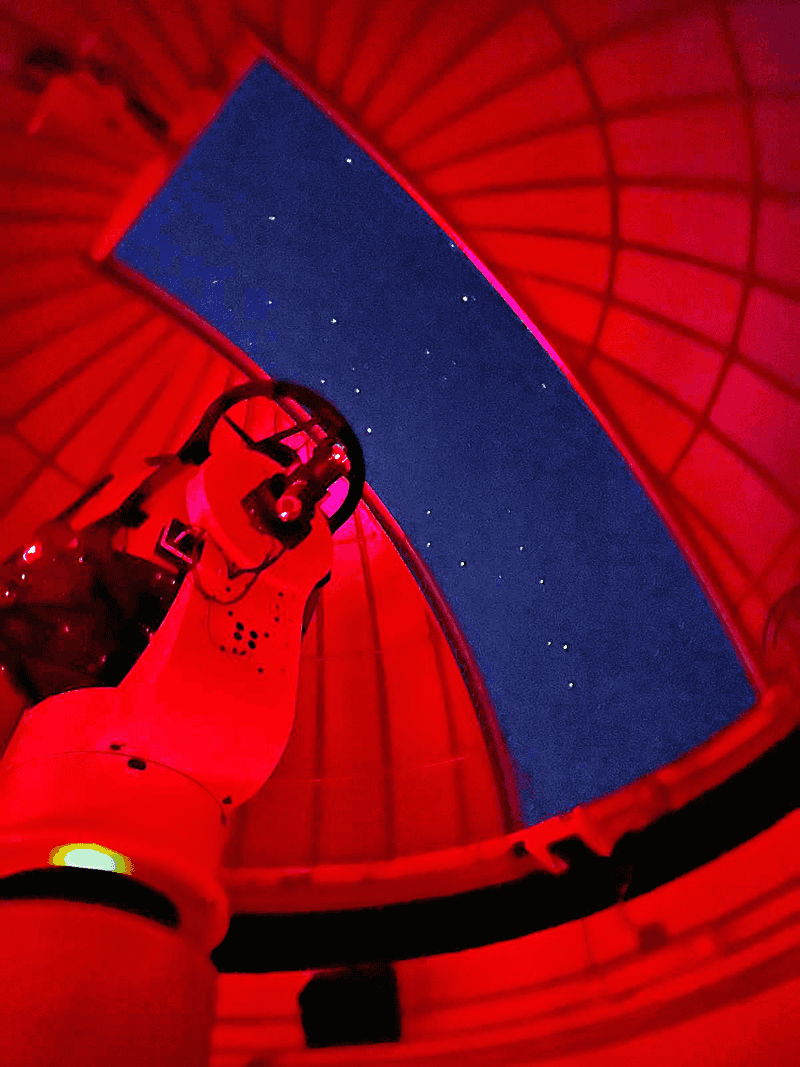
Darkness is the real star here, and the observatory is smart enough to let it work. Bruneau Dunes became an International Dark Sky Park in 2024, a designation that recognizes the quality of its night sky and the effort to protect it from light pollution.
That matters because a telescope can only do so much if the surrounding sky is washed out. At Bruneau, the desert setting gives visitors a better chance at seeing stars, constellations, and the Milky Way with the naked eye before any equipment enters the scene.
You should give your eyes time to adjust. Put the phone away or switch to a red-light setting.
Avoid blasting white flashlights across the viewing area unless you want every stargazer nearby to silently judge your life choices. Once your vision settles, the sky opens up in layers.
Stars that were invisible at first start appearing. Familiar constellations get more crowded.
The horizon feels wider than usual. The stillness helps too.
With dunes, lake water, desert air, and a huge Idaho sky around you, the night feels less like a program and more like a pause.
Climb The Tallest Sand Dune In North America
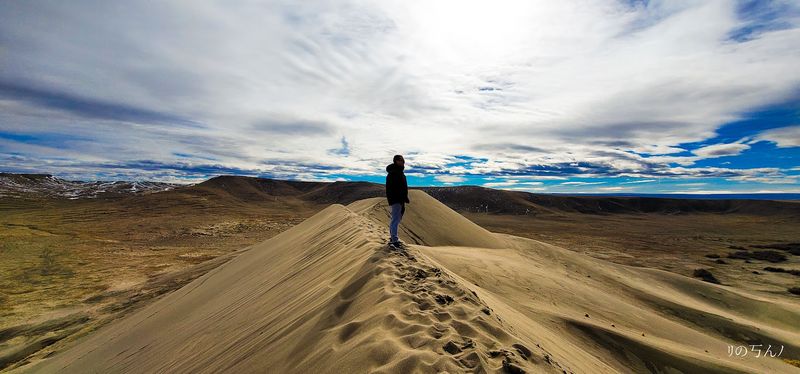
Daylight gives Bruneau Dunes its other headline act. The park is home to the tallest single-structured sand dune in North America, rising 470 feet above the desert floor, and you will feel every bit of that number if you decide to climb it.
This is not a casual little mound pretending to be impressive. It is a full sandy workout with a view waiting at the top.
Go earlier in the day during warm months, because hot sand can turn enthusiasm into regret very quickly. Sandboards are available for rent at the visitor center, which gives brave visitors a much more entertaining way down than the climb up.
Families can turn the dune into a full daytime adventure before shifting into astronomy mode at night. That combination is what makes the park special.
You get a landscape that feels otherworldly under the sun, then a sky that feels even bigger after dark. The lakes near the dunes add fishing and birdwatching to the day, while the open desert keeps the scenery feeling spacious and strange.
Climb the dune, shake sand out of everything, then reward yourself with stars.
Stay Late Enough For The Milky Way To Appear
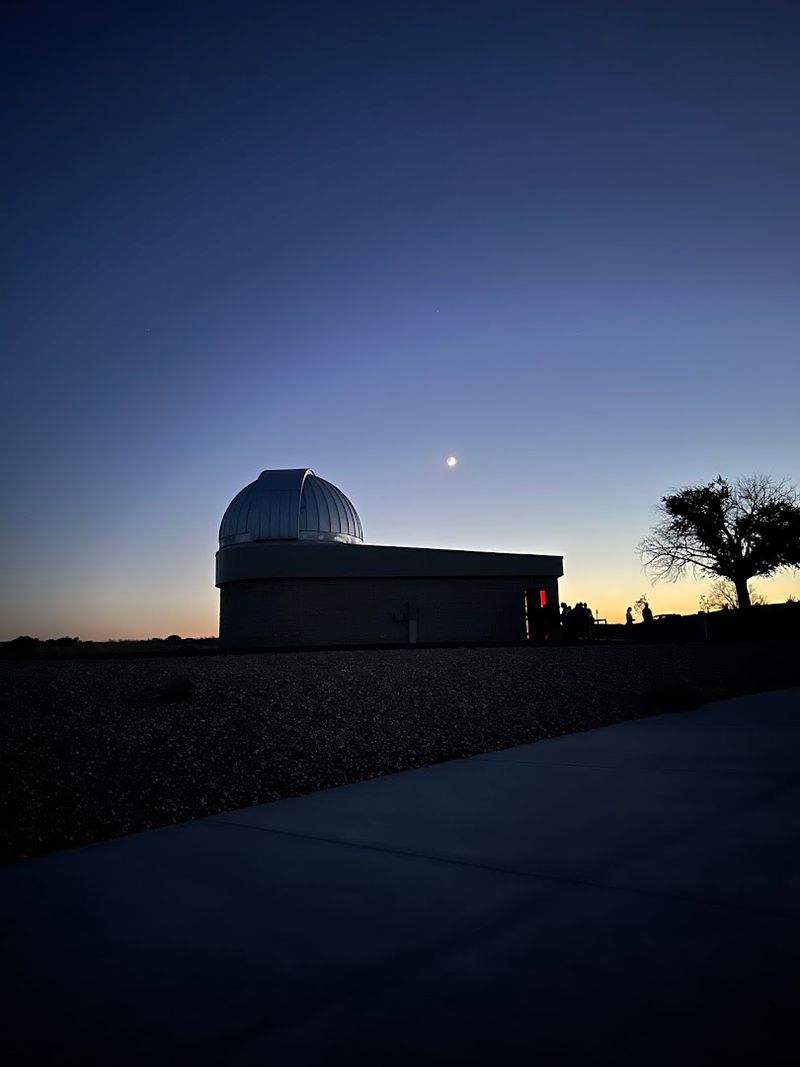
Late nights pay off at Bruneau Dunes if the sky, moon, and weather cooperate. The Milky Way needs darkness, so patience becomes part of the experience.
Early evening may bring planets, bright stars, and public program energy, but the deeper night can feel completely different. Once twilight fades and your eyes adjust, the sky gains texture.
On a good moonless night, the Milky Way can appear as a pale river across the darkness, and that sight has a way of making every tired person in the group suddenly glad they stayed. A reclining camp chair or blanket can turn waiting into part of the fun.
So can warm layers, because desert air often cools faster than visitors expect. If kids are joining, set expectations early.
This is not a quick “look up for three seconds” moment. It is a stay-awake, watch-slowly, let-the-sky-change kind of night.
Summer often gives better Milky Way timing, but exact visibility depends on moon phase and cloud cover. Check a night-sky app before you go if that is your main goal.
Then give the desert enough time to reward you.
Check The Observatory Schedule Before Arriving
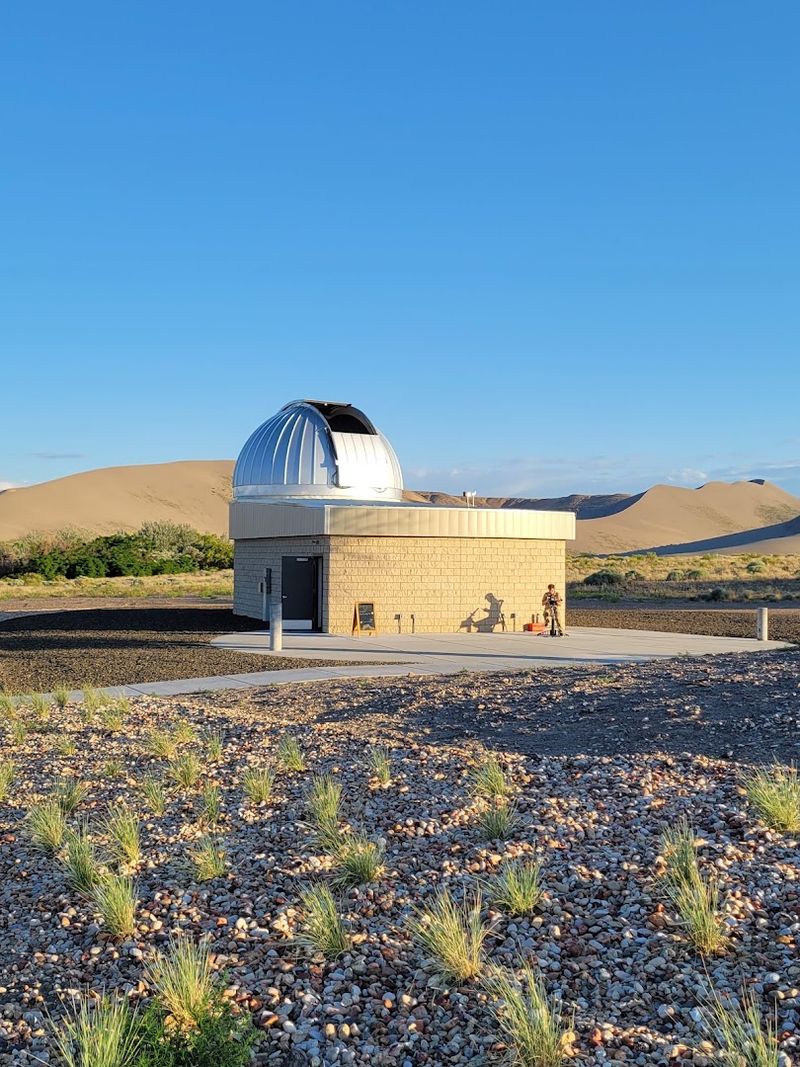
Planning is not the boring part here. It is what keeps the trip from becoming a long drive to a closed dome.
The observatory does not operate like a walk-in attraction every hour of every day, and weather can change the plan fast.
Public astronomy programs are scheduled on specific evenings, and current 2026 listings show regular Friday and Saturday event dates during the main season.
Programs may include presentation time, telescope viewing, and other sky-focused activities, but clouds, wind, precipitation, staffing, attendance, or safety concerns can affect what happens.
A motor vehicle entrance fee is required to enter the park unless you have a valid Idaho State Parks Passport, and the observatory program has its own admission cost.
Call ahead or check the latest posted schedule before you build the evening around telescope time. Bruneau Dunes State Park is at 27608 Sand Dunes Road in Mountain Home, Idaho, about 64 miles south of Boise, and the park phone number is 208-366-7919.
If the sky is clear, arrive with layers, red-light discipline, and enough patience to let the night unfold. The universe is not rushing.
You should not either.