This Idaho Ridge Trail Rewards Hikers With Sweeping Views Over The City Below
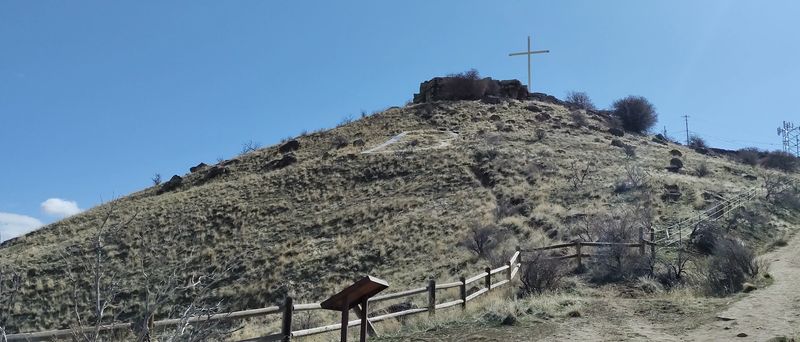
A 60-foot white cross glows on top of a sandstone mesa, and you can see it from much of the city after dark. People hike up to stand right beside it.
The rock under their boots has a story too. Sandstone cut from this bluff helped build the state capitol and an old territorial prison.
Inmates once worked the quarries here.
Today the climb takes about an hour from the bottom, depending on your pace. The reward is a wide view across the Treasure Valley in Idaho.
Sunset is the favorite time, and I can see why.
I like how a hike this close to town can feel this big. You get a workout, a history lesson, and a valley view in one afternoon.
So what does the top actually look like when the light goes gold?
A Sandstone Mesa Sitting Right Above Downtown
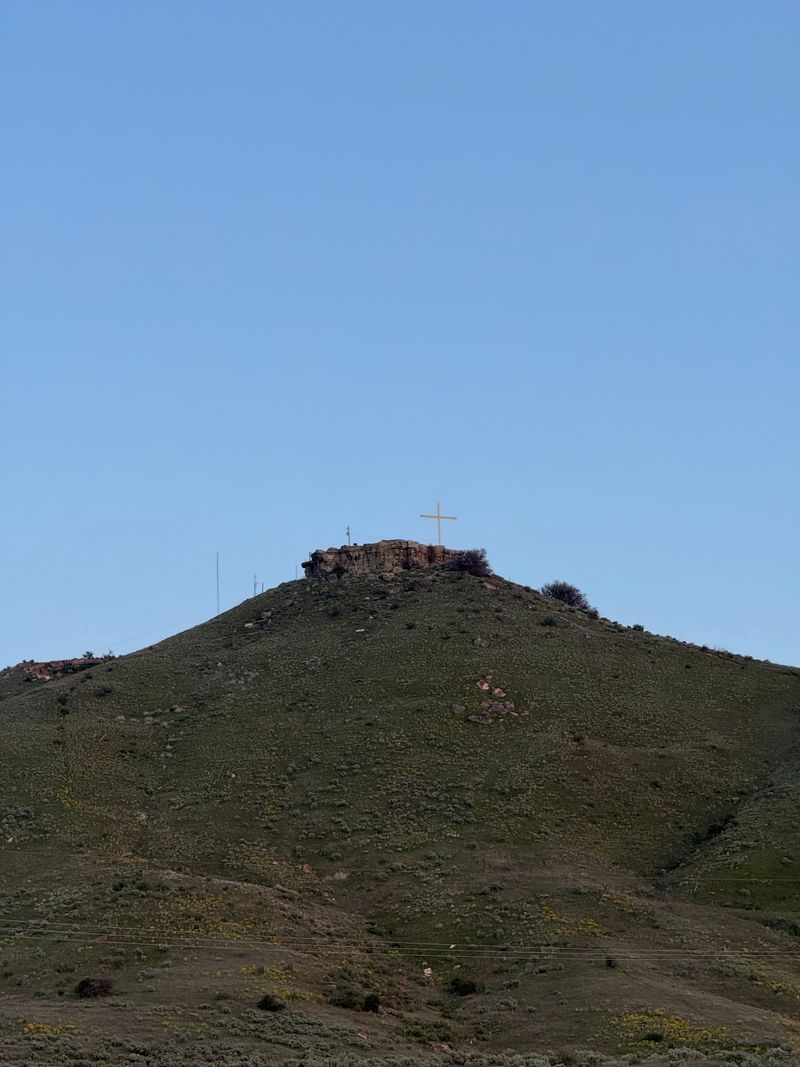
Table Rock rises from the Boise Foothills as a flat-topped sandstone mesa. It sits just east of downtown Boise, close enough to reach without a long drive.
The trail network belongs to the Ridge to Rivers Trail System. That group manages the many foothill paths that wrap around the city.
The main route is often listed as Table Rock Trail #15. As a loop, it runs about 3.7 to 3.8 miles total.
Elevation gain lands somewhere between 880 and 961 feet, depending on the source. That’s enough to feel in your legs without wrecking your weekend.
Much of the climb follows an old road that stays wide for long stretches. Open sagebrush slopes line the way and leave plenty of room for views.
Most hikers finish the loop in about two to two and a half hours. Some fast walkers reach the top in under an hour.
The mountain peak listing describes trails leading up a bluff known for its sunsets. That short description sums up why Table Rock pulls so many people uphill.
Idaho has bigger peaks, sure. Few of them sit this close to a coffee shop, though.
Sacred Ground Long Before Anyone Laced Up Boots
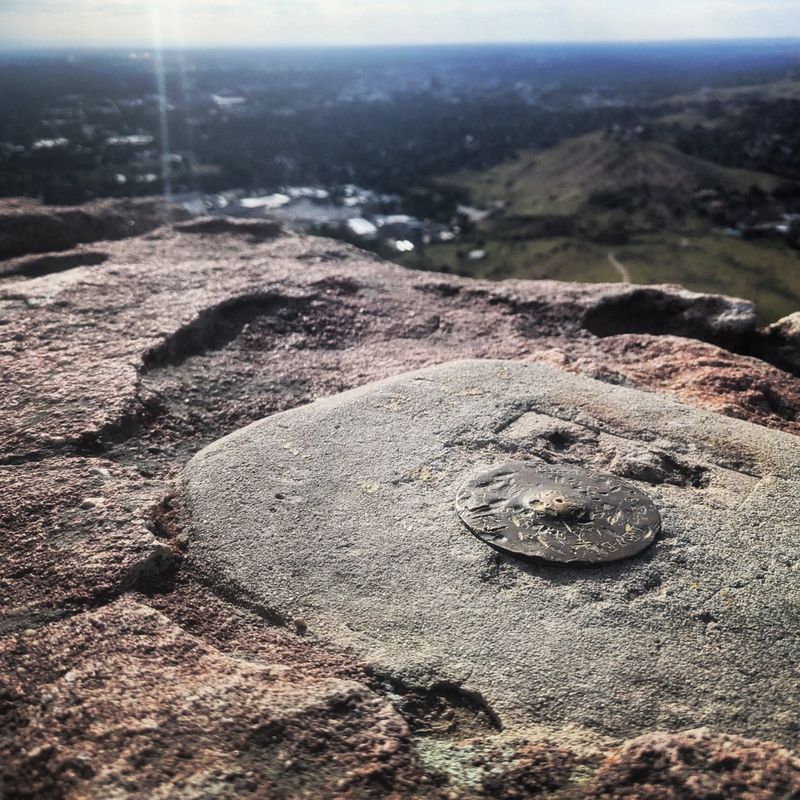
Long before trail maps existed, this bluff meant something deeper. Table Rock is sacred to Native American tribes, and it served as a ceremonial meeting place.
Artifacts found in the area point to a long human story here. That history reaches back centuries before Boise was a city at all.
Knowing that changes the hike a little. You’re walking across land that people valued long before it became a weekend workout.
Respect fits naturally on this trail. Staying on marked paths helps protect the ground and the slopes around it.
The flat top makes it easy to understand why people gathered here. It offers a clear view in every direction across the valley.
Nothing about that history requires a guidebook to appreciate. Standing on the mesa, the setting explains much of it on its own.
I believe that layer of meaning is part of the draw. A trail with a backstory simply feels richer than one without it.
So take a quiet minute up top before reaching for your phone. The view will still be there when you’re ready.
The Quarry That Built The Capitol
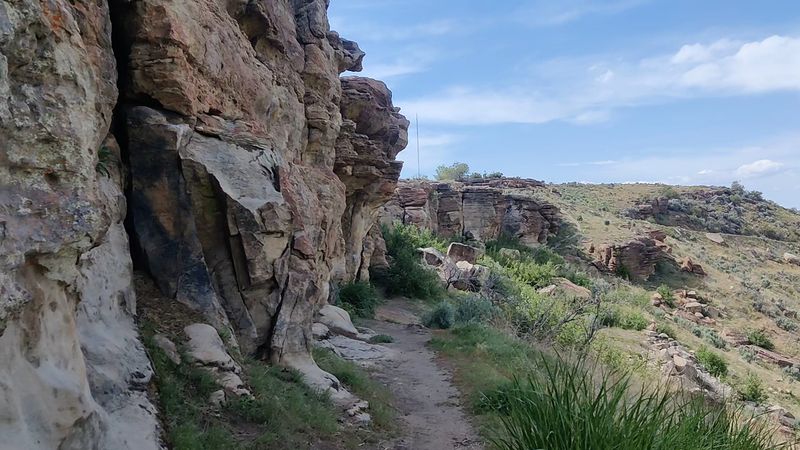
Here’s a fun fact for your next trip downtown. The warm-toned sandstone on the Idaho State Capitol came from Table Rock.
Quarrying here began in the 1860s. The stone became a building block for some of Boise’s most important structures.
The Old Idaho Penitentiary used Table Rock sandstone too. Inmates from that prison were among the workers in the quarries.
That detail makes the walk feel connected to the city below. You can stand on the source and spot the finished product from the summit.
Look closely along the cliffs and you’ll notice the layered sandstone. It’s the same material that gives downtown its golden glow.
Few hikes in Idaho let you trace a capitol dome back to a hillside. This one does, and it’s only a short climb away.
Kids especially might enjoy that connection. It turns a pile of rocks into a real piece of state history.
Next time you pass the capitol, you’ll probably glance east. That mesa on the skyline helped make it.
Your Hike Starts Beside An Old Prison
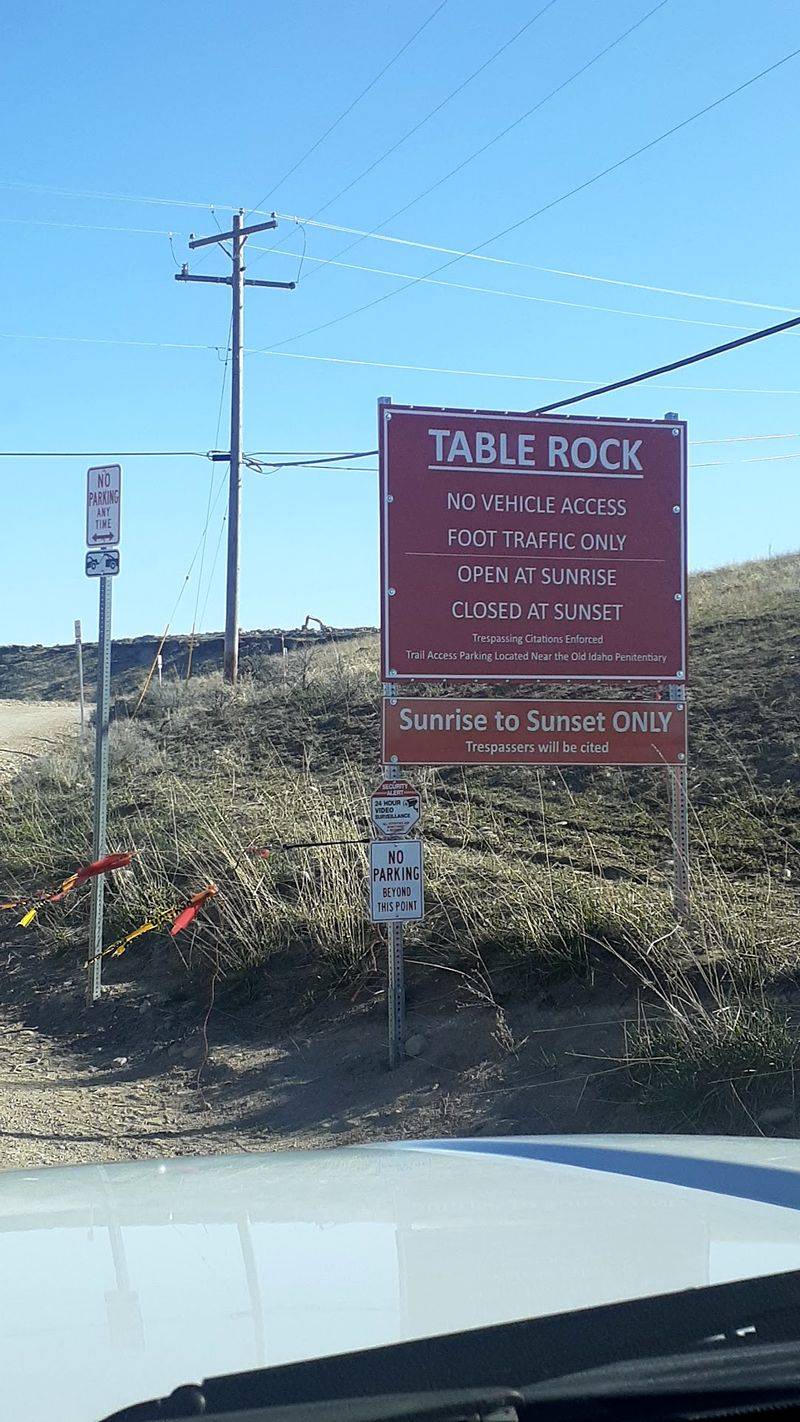
Not many trailheads come with stone prison walls. The popular starting point for Table Rock sits near the Old Idaho Penitentiary.
The address is 2421 Old Penitentiary Rd, Boise, ID 83712. A large free parking lot waits there, which makes the start easy.
From the lot, the trail heads up the foothills right away. The old road climbs steadily toward the mesa.
Restrooms are available nearby at Castle Rock. You won’t find water stations along the trail, so fill bottles before leaving.
The road to the top is closed to cars. Access up there is limited to hikers and bikers, so plan on using your legs.
That closure matters for anyone hoping to drive to the view. The summit is a hike-only reward for now.
Muddy conditions can show up near the start after rain. The rest of the route often dries faster.
Arrive with snacks, sunscreen, and plenty of water. Then let the old prison fade behind you as the city shrinks below.
Valley Views That Go On Forever
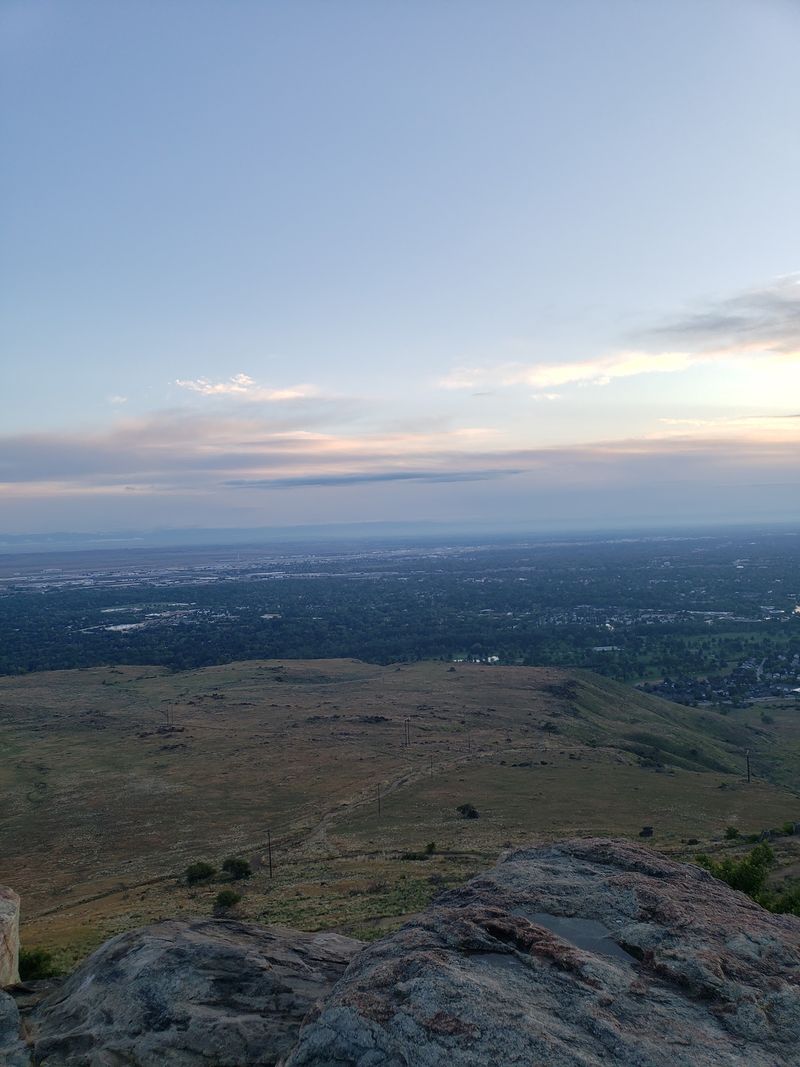
Downtown Boise spreads out below like a model city. That’s the payoff waiting at the top of Table Rock.
The Boise River winds through the scene in a long green line. Beyond it, the Treasure Valley stretches far into the distance.
On a clear day, the Owyhee Mountains show up to the southwest. Look north and the foothills roll toward the Boise Mountains.
Some hikers even spot the Boise airport from up there. Watching planes from above feels oddly satisfying.
The flat summit gives you room to roam and pick your angle. You can sit, snack, and soak it in without feeling rushed.
A breeze often moves across the top. After a warm climb, that air feels like a reward of its own.
Wildflowers brighten the hills in spring, including sunflowers along the path. Marmots sometimes show up near the summit too.
Good luck putting your camera away. Every direction offers a different piece of Idaho to admire.
That Glowing Cross On The Skyline
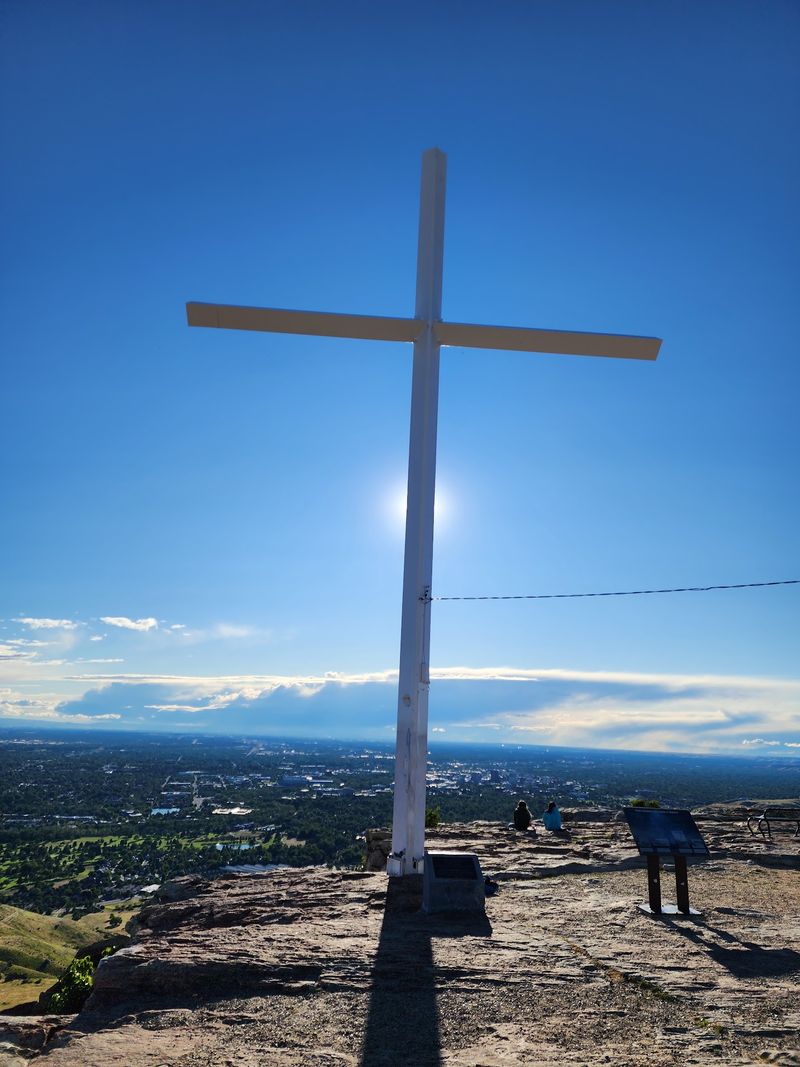
Sixty feet tall and lit at night, the cross on Table Rock is hard to miss. You can see it from much of Boise after dark.
The Junior Chamber of Commerce, known as the Jaycees, put it up in 1956. It has stood on the skyline ever since.
Its presence has sparked public debate over the years. Questions about church and state have followed it through local history.
For many hikers, though, it works as a simple landmark. It tells you exactly where you’re headed from the bottom of the trail.
Up close, the scale surprises plenty of first-timers. Photos from town don’t really capture its size.
The cross also helps you find Table Rock from all over the valley. Point east at night, and there it is.
It has become part of how Boise residents picture their city. Love it or debate it, the cross is a fixture.
Standing beside it at dusk gives you a front-row seat. The lights of the city start flicking on below.
Sunset Is When The Mesa Really Shows Off
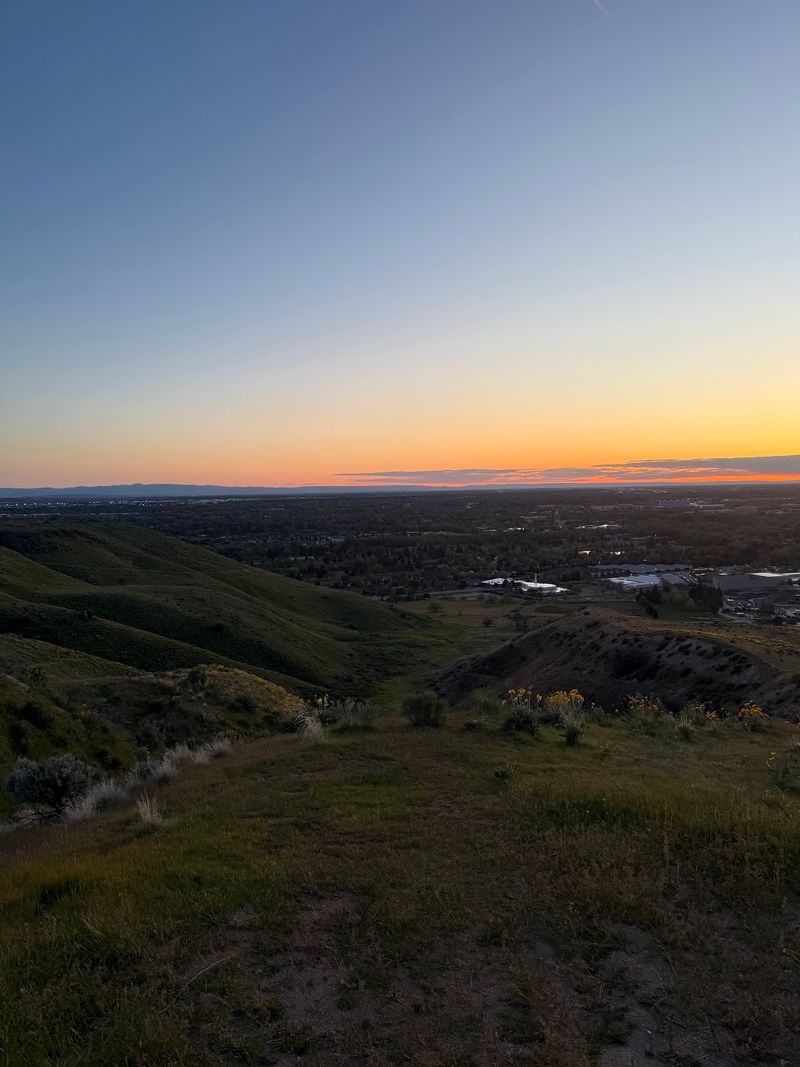
Ask what time to go, and the answer is usually sunset. Table Rock is known for its evening light, and it earns that reputation.
The sun sinks across the Treasure Valley while the city starts to glow. It’s a slow, colorful show from a very good seat.
Spring and fall offer the most comfortable temperatures for these hikes. Evening light in those seasons can look especially warm on the hills.
Sunrise works beautifully too. Early mornings also help you beat the heat on the open slopes.
Summer afternoons get hot quickly because the trail has almost no shade. A mid-afternoon climb can feel like walking on a griddle.
Crowds tend to thin out once the sun goes down. A quieter summit makes those last minutes feel even better.
Bring a light and start down with time to spare. The trail is open from sunrise to sunset.
Some call Table Rock Boise’s favorite date spot. A golden sky and city lights certainly make a strong case.
Room On The Trail For Bikes, Horses And Dogs
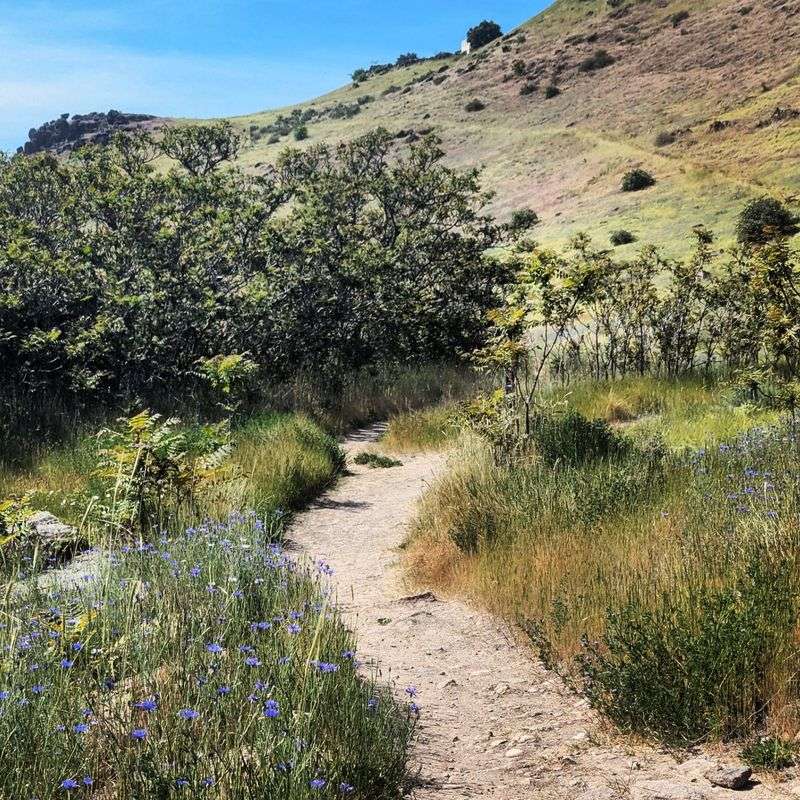
Hikers aren’t the only ones heading uphill. The Table Rock trails welcome runners, mountain bikers, and horseback riders too.
Mountain bikers especially value the technical terrain around the mesa. Some call it one of Boise’s best spots for that kind of riding.
Dogs are welcome on the trail. Keep them leashed so everyone shares the path comfortably.
Families tackle the climb as well. Young kids can handle much of the route with a steady pace and a few breaks.
Some steep sections may slow you down. Comfortable shoes with good grip make a real difference on loose ground.
Watch your step in warmer months. Snakes sometimes appear along the foothill paths.
Shared trails work best with a little courtesy. A quick hello and some room to pass go a long way.
The mix of users gives the trail a lively feel. It’s a true community path that happens to end with a huge view.
Plan Around Mud, Heat And A Bonus Afternoon
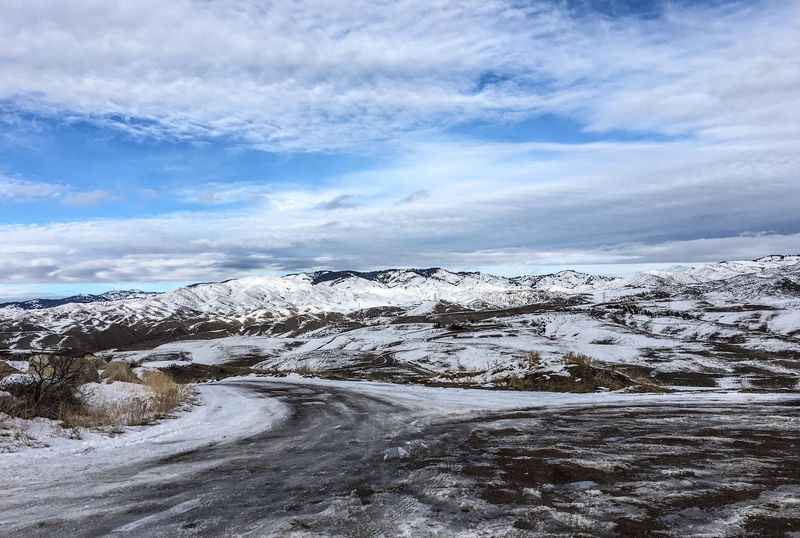
Boise’s foothill soil holds a lot of clay. When it’s wet, the trails turn into sticky mud fast.
The local rule is easy to remember. If you’re leaving footprints, turn around and come back when it dries.
That protects the trail and saves your shoes. Winter and early spring are the usual mud seasons in this part of Idaho.
Summer brings the opposite problem with strong sun and heat. Start early, pack sunscreen, and bring more water than you think.
Checking Ridge to Rivers trail conditions before driving is a smart habit. Conditions can change quickly after storms.
Once you’re back at the bottom, the fun doesn’t have to stop. The Old Idaho Penitentiary sits right at the trailhead and tells the prison’s long story.
The Idaho Botanical Garden is right next door. Its plant collections make a calm finish after a dusty climb.
I can’t imagine a better half-day outing so close to town. Table Rock offers history, exercise, and a view worth bragging about.