This Idaho Town Blends Frontier History With Cozy Cafes And Small-Town Charm
Small towns usually whisper for attention, but this northern Idaho mountain town shows up wearing brick buildings and mining history like it has a documentary crew following behind.
With fewer than 800 residents, the place still somehow carries enough personality to make much bigger towns look like they forgot to season themselves.
Entire downtown blocks feel preserved in the best way, as if the late 1800s packed a suitcase and decided to stay.
Mine tours add underground drama without requiring anyone to become a prospector.
Cozy cafes keep things comfortable above ground, which feels important after learning how much history happened below it.
For a mountain escape, this town has serious “small but oddly mighty” energy.
Downtown Historic District
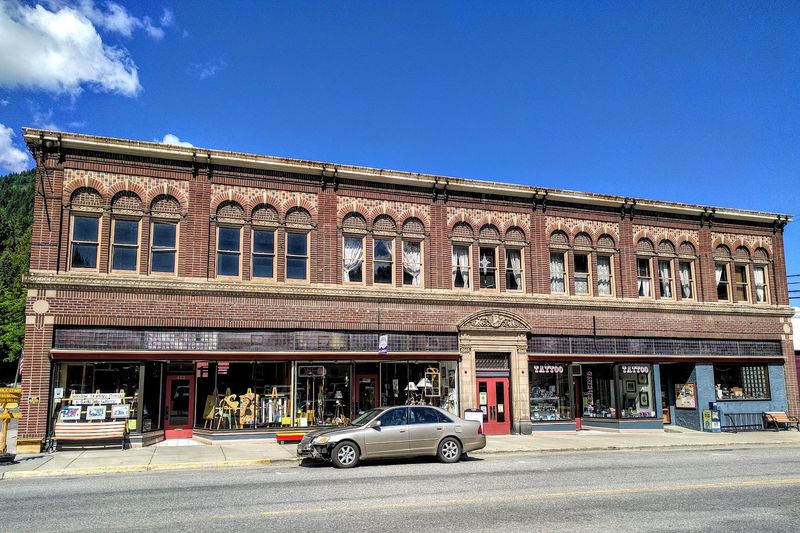
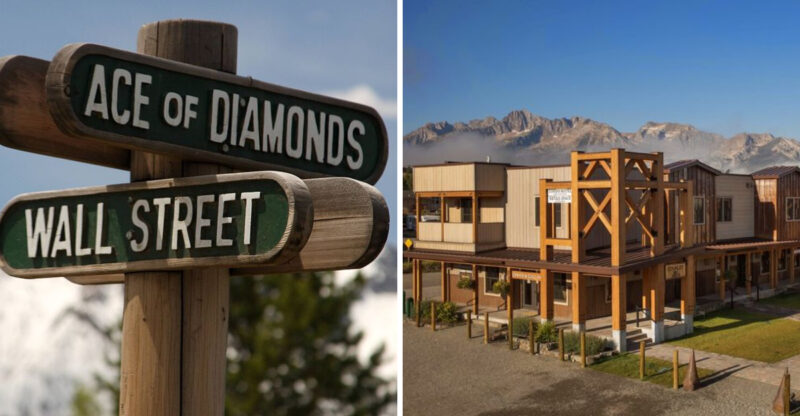
Along Bank Street, Cedar Street, and the surrounding historic blocks, downtown Wallace feels like a silver-boom town that kept its best bones and then invited real life back inside.
Brick buildings, arched windows, old commercial facades, and vintage signs give the district a strong late-19th- and early-20th-century look, but the appeal comes from how usable everything still feels.
Coffee stops, restaurants, shops, museums, and visitor services operate inside buildings that carry the weight of mining history without becoming lifeless props.
Preservation mattered deeply here, especially when interstate plans threatened the town’s layout and local efforts helped protect the historic core.
Instead of one isolated landmark, Wallace offers an entire streetscape where visitors can wander, compare architectural details, and duck into businesses without needing a complicated itinerary.
A good starting point is the downtown visitor area around 10 River Street or the central blocks near 6th Street, where the town’s compact layout makes orientation easy.
Wallace works best on foot because every corner seems to reveal another detail worth slowing down for.
Sierra Silver Mine Tour
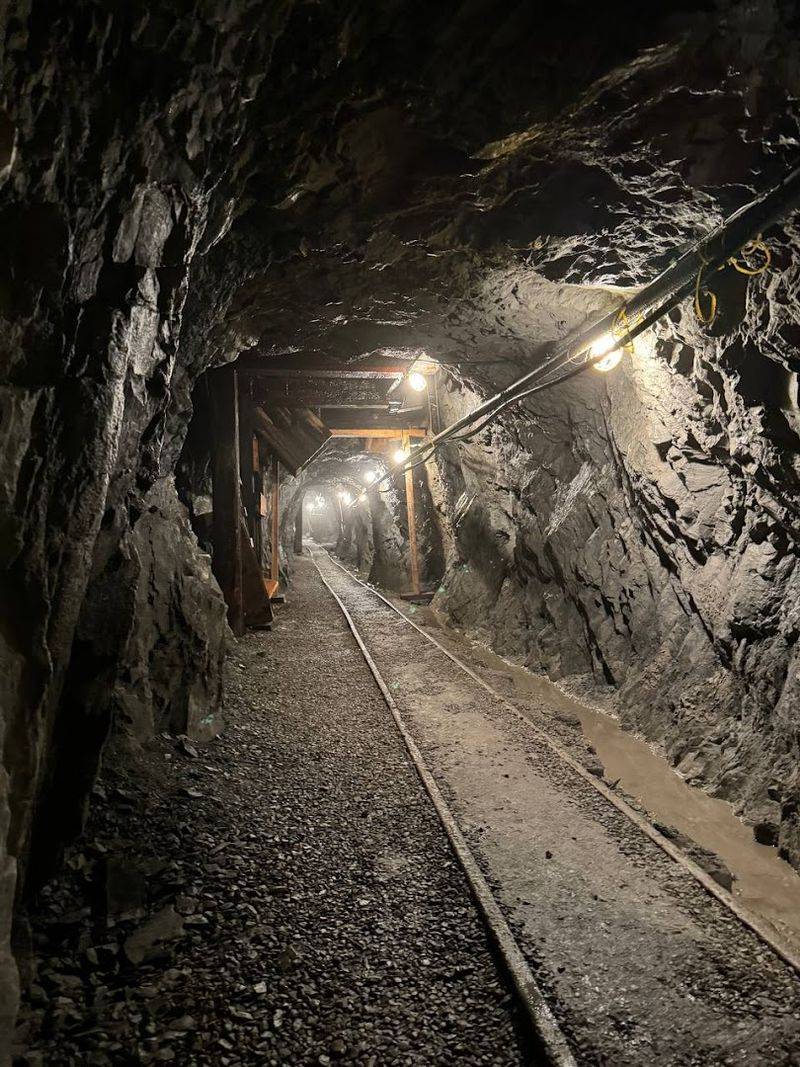
At 509 Cedar Street in Wallace, Sierra Silver Mine Tour gives visitors one of the clearest ways to understand why this small town became such a major part of Idaho mining history.
The experience begins in town before leading guests into an actual underground silver mine, where trained guides explain hard-rock mining methods, equipment, and the demanding work that shaped the Coeur d’Alene Mining District.
Rather than feeling like a distant history lesson, the tour puts people close to the tools, tunnels, and techniques connected to the region’s silver story.
Official tour information describes seasonal operations in spring, summer, and fall, with longer daily hours during June, July, and August, so checking current schedules before visiting is important.
The tour is especially helpful for families, curious road-trippers, and anyone who wants Wallace’s brick buildings to make more sense after returning above ground. Comfortable shoes are smart because mine floors and walking surfaces can feel uneven.
Once finished, visitors are already back in the walkable downtown core, close to cafes, museums, and the next historic stop.
Northern Pacific Depot Railroad Museum
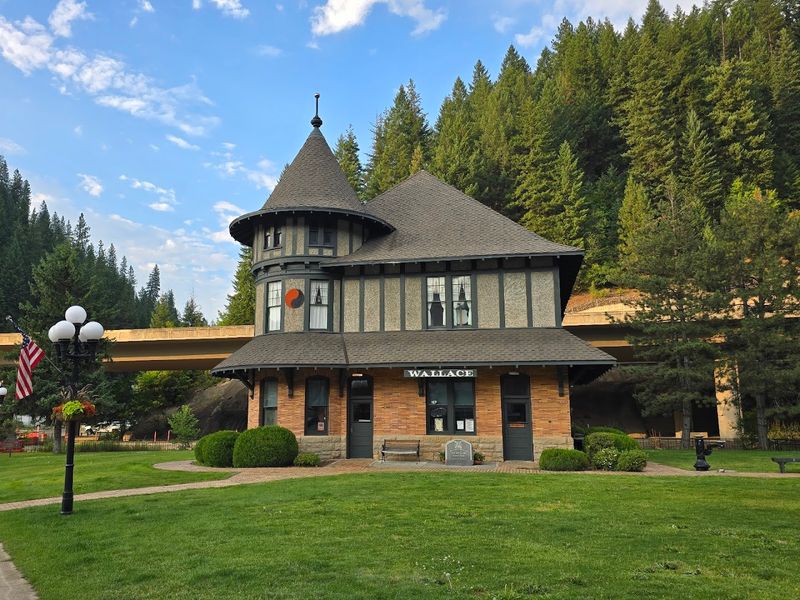
Near the heart of Wallace, the Northern Pacific Depot Railroad Museum adds another layer to the town’s Silver Valley story.
Rail connections helped mining communities move ore, supplies, workers, and families through northern Idaho, and this restored depot keeps that transportation history easy to understand.
Built in the early 1900s, the building itself is part of the draw, with chalet-style architecture that looks distinct from the brick storefronts nearby.
Inside, exhibits focus on how the railroad helped place Wallace and the surrounding mining district on the map, using artifacts, photographs, and local context to connect transportation with everyday life.
The museum fits naturally into a downtown visit because it sits close to other Wallace attractions, making it easy to pair with a mine tour, lunch stop, or relaxed walk through the historic district.
Staff and volunteers are often praised for their knowledge, which matters in a place where local history can get detailed quickly.
For travelers who enjoy towns shaped by industry, movement, and mountain geography, the depot gives Wallace’s story more depth than scenery alone could provide.
Oasis Museum
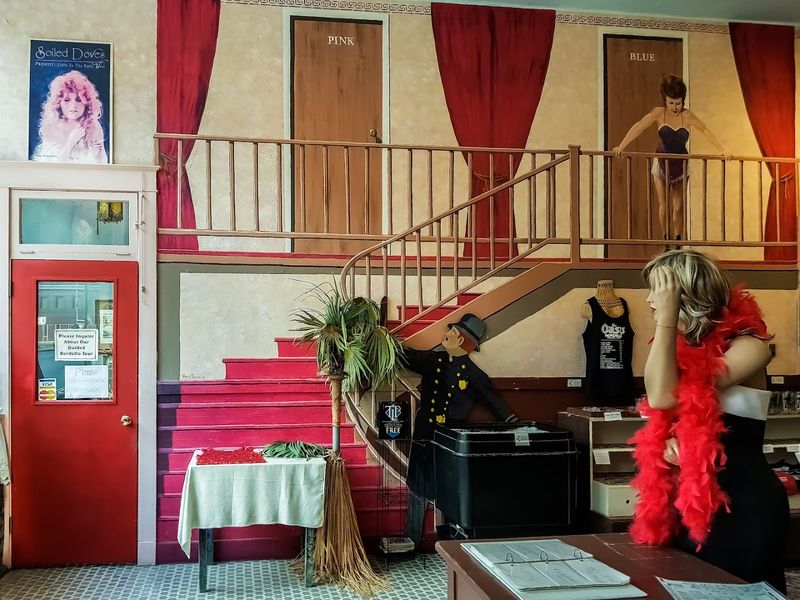
Oasis Museum at 605 Cedar Street preserves one of Wallace’s more unusual pieces of social history, and the subject deserves careful, respectful wording. The museum occupies a former restricted-era historic business that closed in the late 1980s, and its rooms were preserved in a way that creates a striking time-capsule effect.
Rather than treating the building as a gimmick, guided tours typically frame the site through local history, labor, law enforcement, and the complicated realities of a mining town.
Personal items, furnishings, and room details remain part of the interpretation, giving visitors a look at a chapter that many polished heritage towns would rather skip.
Because the topic is mature, families may want to decide whether it fits their group before visiting. Still, for adults interested in honest small-town history, the museum helps explain why Wallace is often described as colorful in the truest sense.
Its location within the downtown corridor also makes it easy to include without driving anywhere, which keeps the whole day moving at Wallace’s slower, walkable pace.
Blackboard Cafe
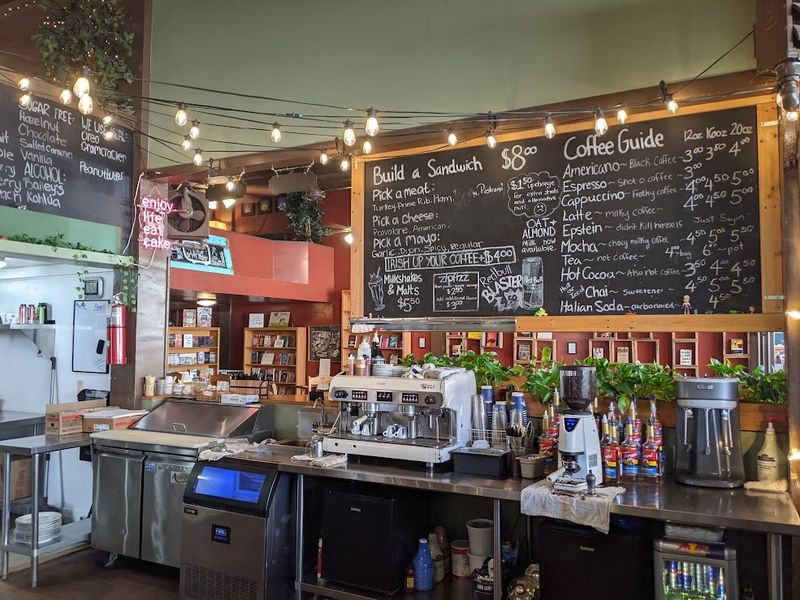
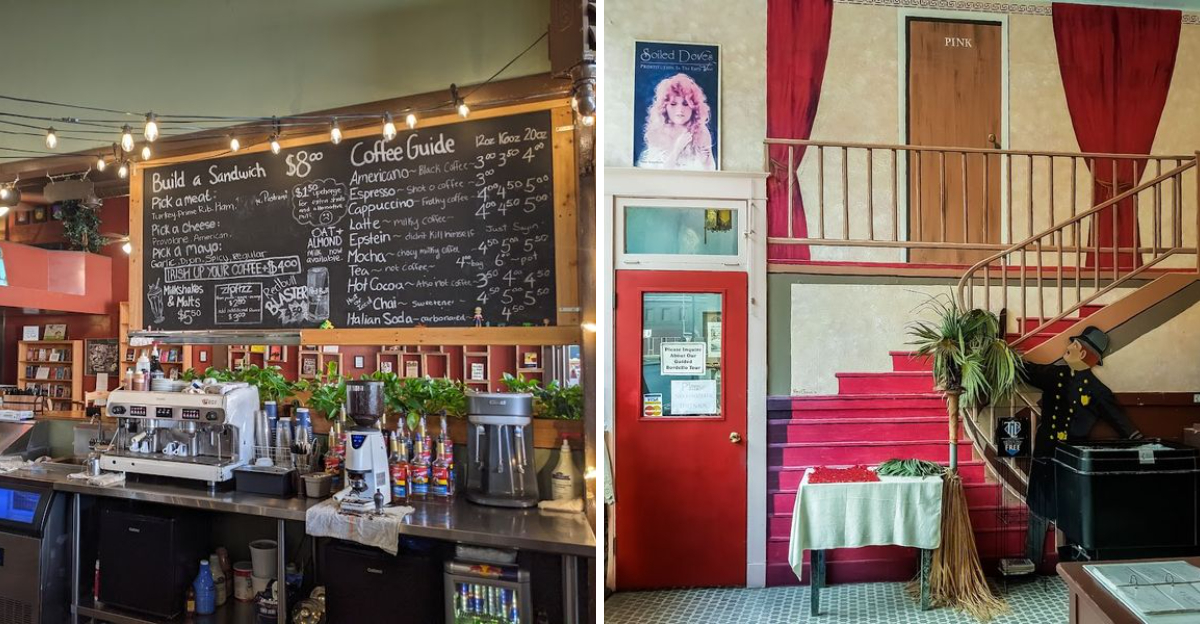
At 600 Cedar Street, Blackboard Cafe and Marketplace gives Wallace a modern gathering place that still feels rooted in the town’s historic rhythm.
The business combines food, coffee, baked goods, shopping, and a bookstore-style atmosphere under one roof, which makes it especially useful for travelers who want more than a quick bite.
Official information lists the marketplace as open daily, though hours and menus should always be checked before planning around them. What makes the cafe fit Wallace so well is the way it serves both locals and visitors without feeling overly polished for tourists.
Someone can grab coffee, settle into a casual meal, browse nearby retail spaces, and then step right back into the historic downtown core. That easy overlap between food, shopping, and walkability is part of the town’s charm.
After a mine tour or museum stop, Blackboard Cafe feels like a natural reset point rather than a random restaurant choice. It gives Wallace the cozy, lived-in quality that makes the town feel active, not preserved behind glass.
Bitterroot Mountain Scenery
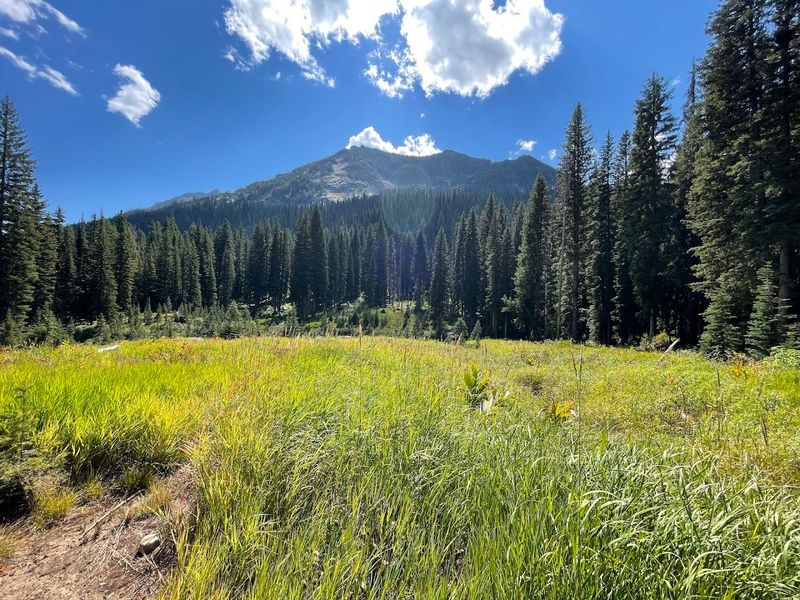
Mountain scenery frames Wallace so closely that even a short downtown stroll comes with a dramatic backdrop. Forested slopes rise around the Silver Valley, giving the town a tucked-in feeling without making it feel isolated from the highway or neighboring communities.
Instead of one postcard viewpoint doing all the work, the setting shows up everywhere: above rooflines, at the ends of streets, behind historic buildings, and along the roads.
Outdoor travelers can use Wallace as a base for regional adventures, while slower-paced visitors can enjoy the landscape from sidewalks, cafes, and scenic pullouts.
Seasonal changes give the town different moods throughout the year, with green hillsides in warmer months, autumn color in the surrounding forests, and snowy ridges adding extra character during colder stretches.
The mountains also help explain Wallace’s history, since mining, rail lines, and road routes all had to work around the terrain.
For such a compact place, the town carries a surprisingly big sense of geography.
Walkable Small-Town Layout
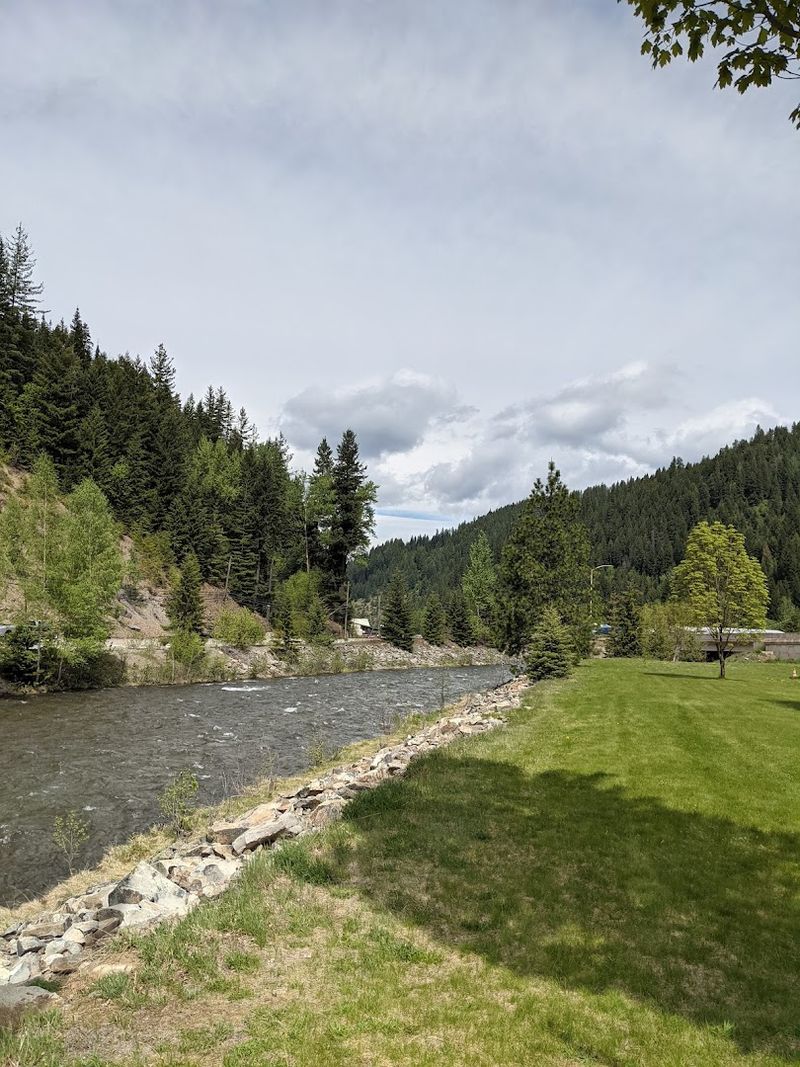
There is something deeply satisfying about a town you can actually walk across without needing a car, a map, or a plan.
Wallace is built on a human scale that feels increasingly rare in the modern world, with museums, cafes, shops, and historic sites all clustered within easy strolling distance of one another.
Arriving without a rigid itinerary and simply wandering is genuinely one of the best ways to experience this place.
The compact layout means that spontaneous discoveries happen constantly. You might duck into a vintage bookshop between museum visits or stumble onto a local art gallery tucked beside a century-old hardware store.
Idaho’s Silver Valley has a handful of charming communities, but Wallace stands out for how effortlessly its attractions connect with each other on foot.
Families with young children appreciate the relaxed pace and the absence of heavy traffic in the historic core. Older visitors enjoy not having to worry about parking or long distances between points of interest.
The town’s layout is not just convenient; it actively encourages the kind of slow, attentive travel that leaves you with lasting memories rather than blurry snapshots.
Silver Mining Heritage
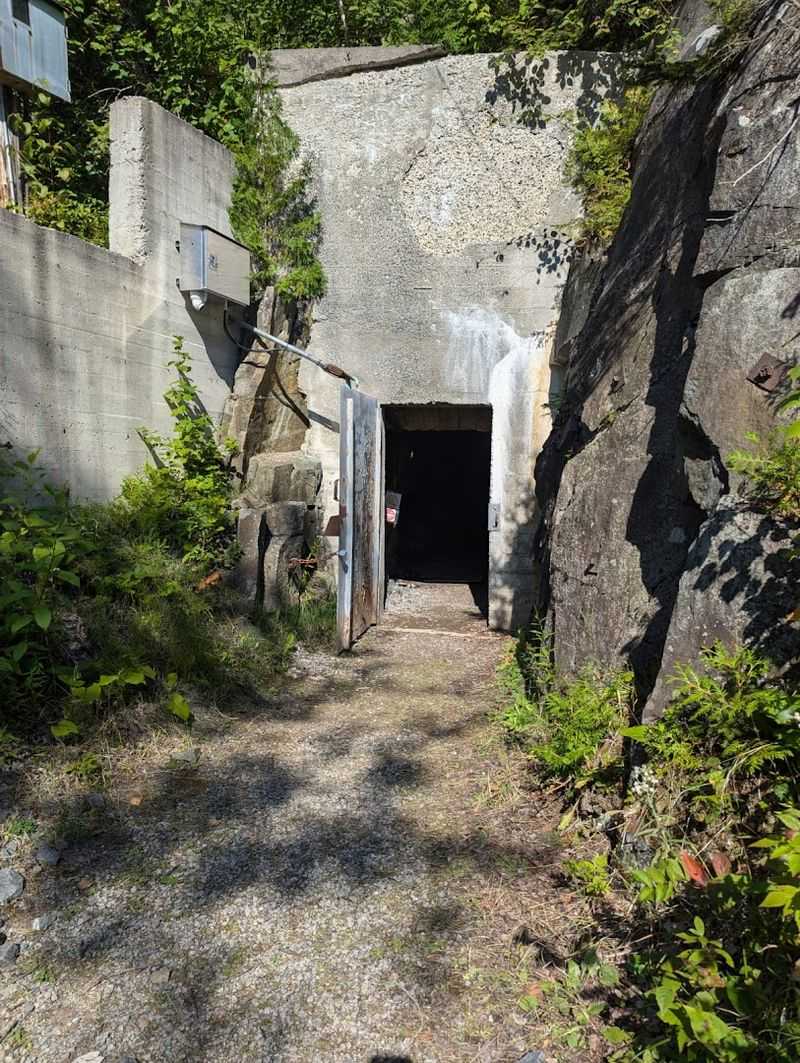
Silver mining remains the thread connecting Wallace’s buildings, museums, tours, rail history, and local identity. Founded in 1884, the town grew within the Coeur d’Alene Mining District, an area recognized by Visit Idaho for producing an enormous amount of silver over time.
That history is not tucked into one museum corner; it shows up through mine tours, historic markers, preserved architecture, railroad interpretation, and the practical layout of a town built around industry.
Understanding that background makes downtown Wallace feel more meaningful, because the brick buildings and compact streets are not just attractive scenery.
They reflect the boom years, labor demands, transportation networks, and preservation battles that shaped the community. Visitors who begin with the Sierra Silver Mine Tour often see the rest of town differently afterward, noticing how deeply mining influenced everything around them.
Wallace does not need exaggerated frontier language to be interesting. Its real story is strong enough on its own, especially when a traveler connects the underground work, the rail lines, the historic district, and the mountain setting into one complete Silver Valley experience.