This Is Considered One Of The Oldest Restaurants In New York And It Is Remarkable
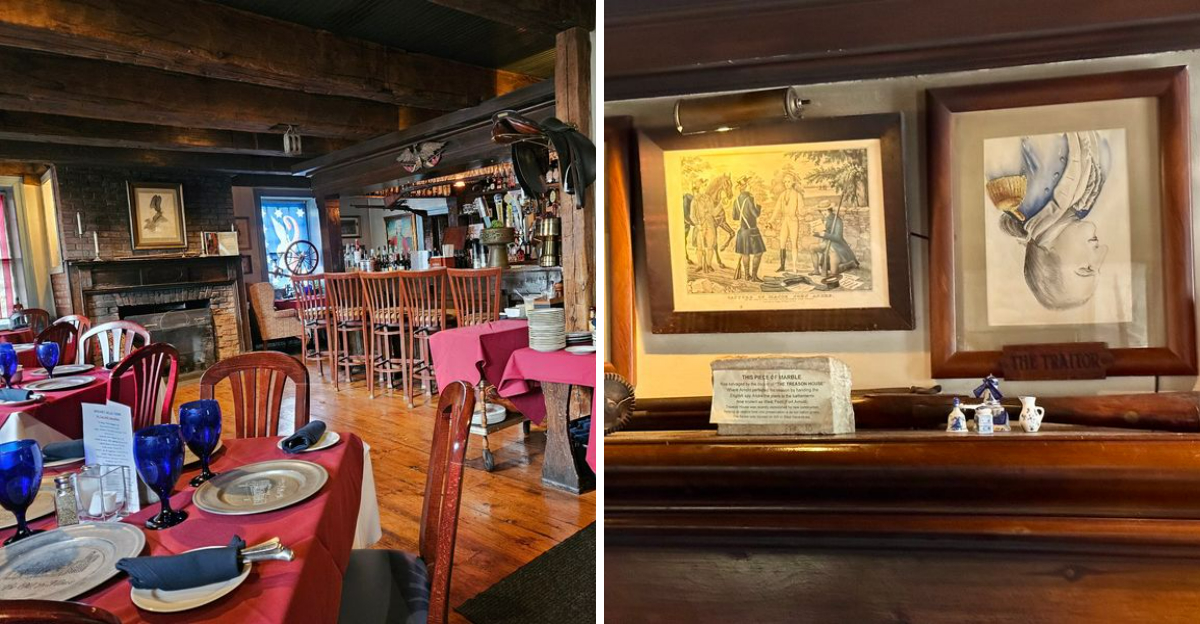
Some places make you feel like a guest in someone else’s story. I walked in for a quick meal and left three hours later, still asking questions about the building.
Low doorways forced me to duck. Old stone walls held onto centuries of smoke and conversation.
New York carries plenty of history, but this spot feels like it predates the state itself. I sat by the fireplace and forgot to check my phone once.
My food arrived, and for a moment, I almost forgot to eat it too, distracted by the worn wood and the quiet weight of the place. New York does not always shout about its oldest treasures.
This one has stood through countless seasons and generations of hungry travelers, and it is still standing, still serving, still worth every mile of the drive.
A Tavern Older Than The United States
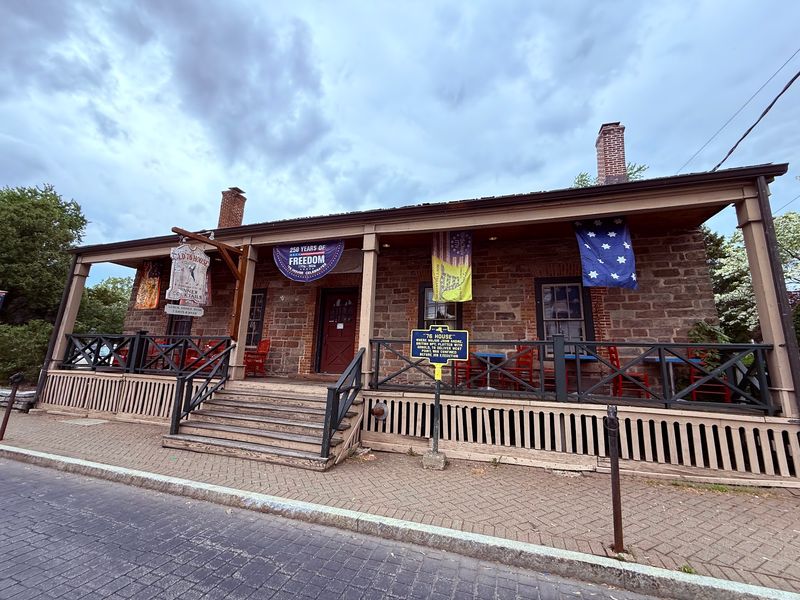
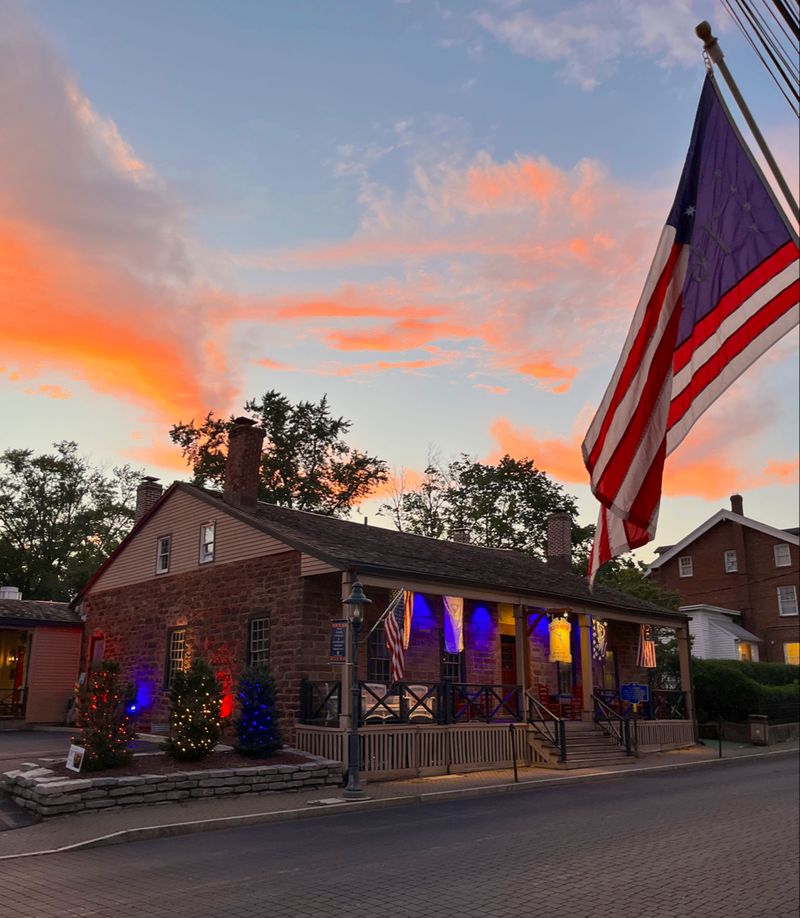
Very few buildings in America can claim they were serving guests before the country existed. The present building dates to 1754, although the restaurant’s history is often traced to earlier tavern traditions in Tappan that stretch back even further.
The structure standing today was built in 1754 by Casparus Mabie. It worked double duty as his family home and his tavern, a common setup for the era that kept business and daily life under one roof.
Often described as one of America’s oldest taverns, the place wears its history without shouting about it. The stone facade looks modest from the road, which is part of the charm and part of why so many visitors slow down to take a second look.
It also holds a spot on the U.S. National Register of Historic Places.
Beyond that, it counts as a contributing property to the Tappan Historic District, adding to the neighborhood’s layered and well documented past.
Walk the perimeter before you head inside. The proportions, the roofline, and the thick walls tell you plenty about eighteenth century building habits and the craftsmanship that went into structures meant to last generations.
Parking is easy, with a large lot that removes the usual small town stress. That alone makes the visit feel welcoming before you even reach the front door.
You will find it at 110 Main St in Tappan, New York, at The Old ’76 House.
A Building With Real Historical Roots
History books talk about the Revolution. Here you stand inside a room where it played out.
General George Washington used the tavern as a headquarters and dined here with his generals. His chief provisioner, Samuel Fraunces, also shared meals with him at the same tables.
General Nathanael Greene made the house his headquarters too, while the Continental Army camped nearby. Alexander Hamilton is said to have lived in the upper quarters for close to two years.
In 1780, British spy Major John Andre was held here for a few days. Because of that, some people still call the building Andre’s Prison.
His trial took place at the nearby Tappan Reformed Church, not inside the tavern itself. Small details like that matter when you are separating fact from legend.
Bring anyone who loves early American history. They will spend half the meal reading the walls instead of the menu.
The past feels close here, not distant or dusty.
Four Dining Rooms, Four Fireplaces
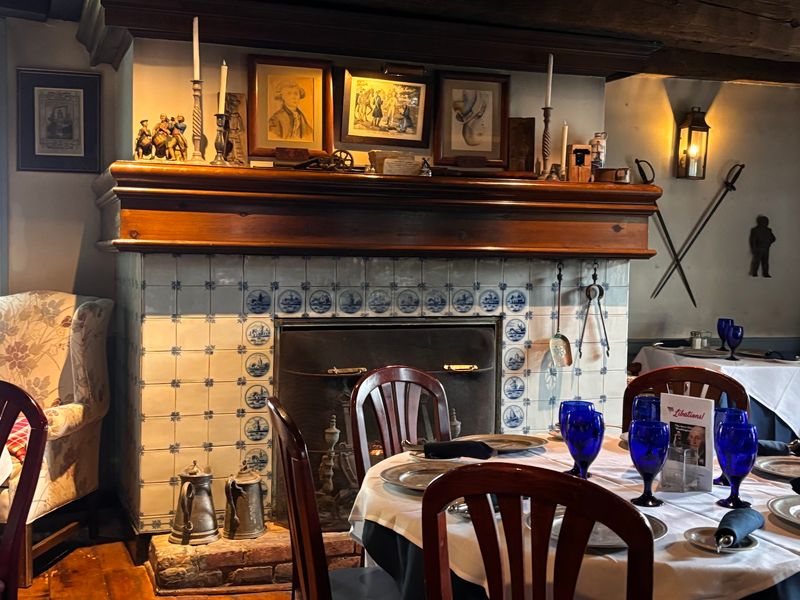
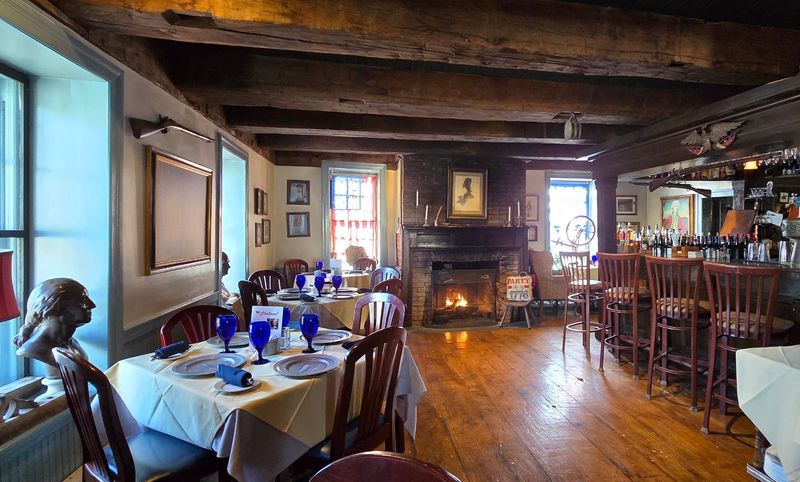
Cold weather makes this building shine. Each of the four dining rooms has its own glowing fireplace.
The centuries old main dining room is warmed by a beautiful delft tile fireplace. Huge timber beams hold up the ceiling above it.
Every room has a slightly different mood, so ask for a look around before you sit. A table near the hearth changes the whole meal.
Together, the rooms hold up to 150 guests. That capacity also makes the building a popular choice for private events.
Wide plank floors creak politely under your chair. Ceilings sit lower than modern rooms, which makes everything feel closer and calmer.
When the place fills up, sound carries. Quieter weeknights are ideal if you want a long conversation.
Lighting stays soft and golden, especially after dark. Photos come out warm without any filter.
Take your coat off slowly and look up. The beams overhead have been holding this roof steady for a very long time.
Few dining rooms in the state feel this genuinely lived in.
The 1987 Restoration That Saved The Building
Old buildings do not survive by luck. Somebody has to do the hard work.
The Norden family purchased the restaurant in 1987 and started a serious restoration project. Their goal was keeping the building honest rather than modernizing it.
Crews strengthened the foundation with concrete. Weakened floor and ceiling joists were replaced before anything worse happened.
Here is the detail I love most. The new joists came from an old barn, and the floorboards came from an old schoolhouse.
That means the replacement wood already had decades of history behind it. Nothing looks freshly milled or artificially aged.
Run your hand along a beam and you can feel the difference. Old timber has texture that new lumber never manages.
Restoration like this costs patience as much as money. The payoff is a room that still reads as authentic.
Guests today benefit without thinking about it. The floors feel solid, the walls stay straight, and the character survives intact.
It is a quiet reminder that preservation is an ongoing job, not a one time event.
Colonial Comfort Food On The Lunch Menu
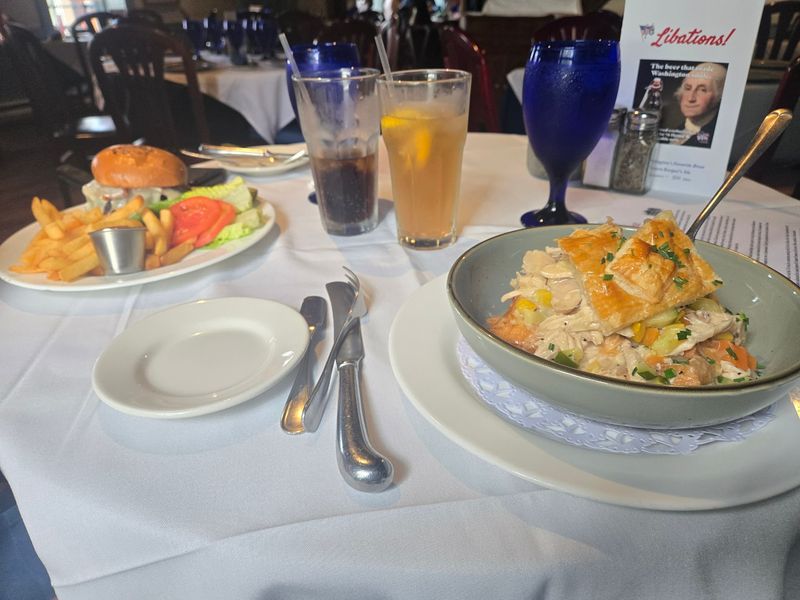
Midday here is a bargain in terms of atmosphere. The lunch menu is branded An American Lunch.
You will find sandwiches, burgers, and colonial favorites side by side. The mix keeps everyone at the table happy.
Shepherd’s Pie shows up often, and for good reason. So does Chicken Pot Pie, which is one of the most talked about plates in the building.
The Thanksgiving Sandwich is the sleeper pick. It delivers holiday flavors on a random Tuesday, which feels slightly rebellious.
Portions lean generous rather than delicate. Nobody leaves hungry after a proper lunch here.
Doors open at noon most days, with an earlier 11:30 start on Sundays. Arriving right at opening usually means a calmer room.
Order something warm if you sit near a fireplace. The combination of hearth heat and a pot pie is hard to beat in January.
Lunch also gives you time to wander and look at the displays. Fewer guests means more room to explore between courses.
Go hungry and plan on dessert.
Dinner Classics With A Colonial Twist
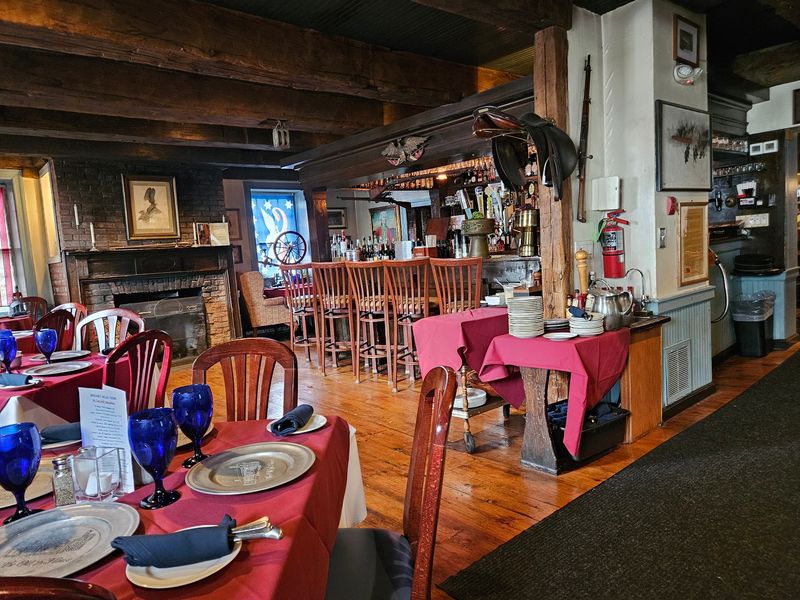
Evenings bring out the heavier hitters. The kitchen describes its cooking as New American cuisine with a colonial twist.
Dinner leans into classic American dishes and steakhouse staples. Broiled filet mignon anchors one end of the menu.
Yankee pot roast anchors the other. It is a homestyle dish done properly, and it fits the room perfectly.
Old menus from the 1970s hung around the building show Deep Fried Jumbo Shrimp and Roast Prime Sirloin Tip of Beef. Reading those is half the fun while you wait.
The colonial twist is not a gimmick. It shows up in how dishes are framed rather than in costume level theatrics.
Kitchen hours run to 9 PM most nights and 10 PM on Friday and Saturday. Sundays wrap earlier at 8 PM.
Reservations are smart on weekends. Dinner here rewards both in equal measure.
It is a meal you will describe to people later.
Where Portraits And Original Documents Tell The Story
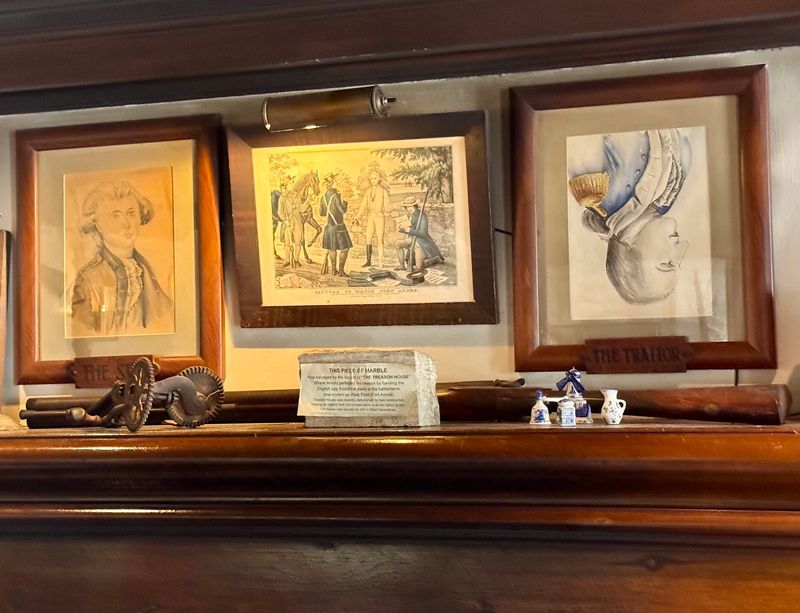
Most restaurants hang art. This one hangs history.
Vintage portraits line the walls throughout the building. Historical certificates and documents sit framed alongside them.
Give yourself an extra twenty minutes for this. Rushing past the displays would waste half the reason to visit.
The Tap Room deserves special attention. Its fireplace features original delft tiles, which are rare survivors in any building this old.
Kids who normally hate history lessons tend to perk up here. Real objects work better than textbooks.
Bring a phone with battery to spare. The details on the older documents are genuinely worth photographing.
What impresses me is how casual it all feels. History sits beside your table instead of behind velvet rope.
That balance between museum and restaurant is difficult to strike, and it works here.
Live Music And Planning Your Visit
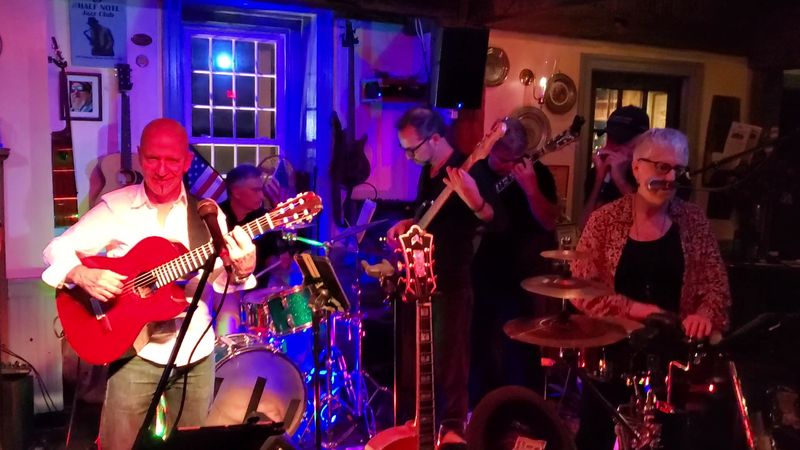
Music turns a historic room into a social one. Certain evenings here feature live performances.
Jazz shows up regularly on the schedule. The sound fills the low ceilinged rooms in a way modern spaces cannot copy.
Guests mention live music more than almost anything else about the place. It has become part of the identity.
If you want quiet conversation, aim for a slower weeknight instead. Full rooms plus a band means a lively volume.
Hours run noon to 9 PM Monday through Thursday. Friday and Saturday stretch to 10 PM, and Sunday runs 11:30 AM to 8 PM.
Outdoor seating exists when the weather cooperates. The parking lot is large, which is unusual for a village main street.
Anniversaries, birthdays and retirement dinners fit naturally here. Four dining rooms give planners real flexibility.
Go once for the history. Go back for the pot roast and the music.