This Is The Incredible Botanical Garden In Connecticut That Most People Rarely Discover
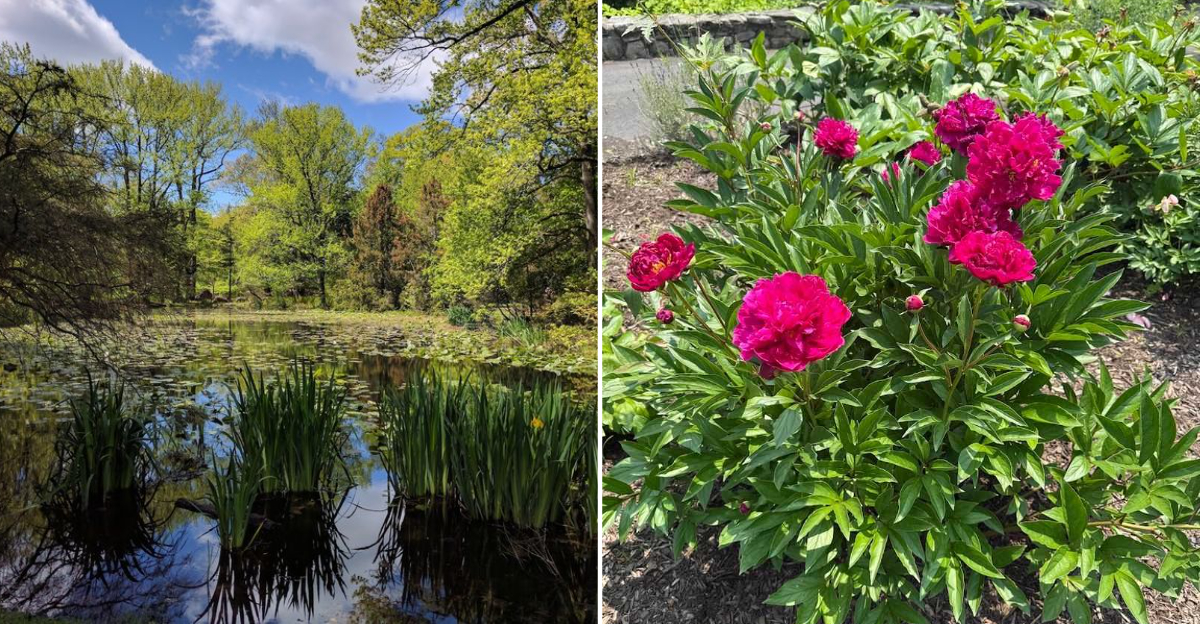
A garden does not have to be huge to feel special. Sometimes the smaller ones stay with you longer because they feel calm, personal, and easy to enjoy without rushing.
A quiet botanical escape like this shows how peaceful Connecticut can feel beyond the usual garden crowds. The charm is in the slower pace.
You can wander through leafy grounds, notice seasonal color, and enjoy the kind of green space that feels cared for without feeling overly formal. It is a lovely spot for anyone who likes plants, nature programs, or peaceful corners where the day seems to soften a little.
Spring brings fresh energy. Summer makes the paths feel full and alive.
Even a short visit can feel like a reset, especially when you want beauty without a big production. It has that rare mix of simplicity and surprise that makes you wonder why more people do not talk about it.
1. A Garden Hidden Inside Cos Cob
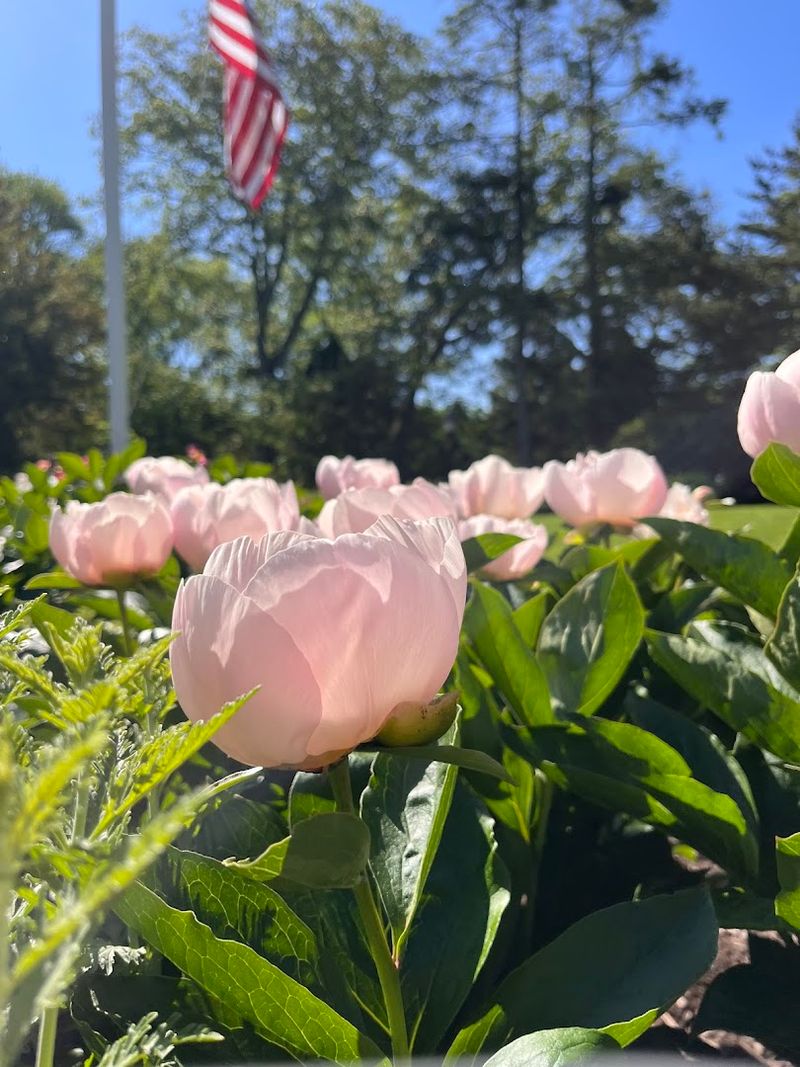
A garden visit does not need a grand entrance to leave a strong impression.
Greenwich Botanical Center at 130 Bible Street in Cos Cob, CT 06807, has a quiet, wooded feel within Montgomery Pinetum Park, where the setting comes across more like a peaceful forest retreat than a traditional botanical destination.
Even so, the center includes classrooms, a greenhouse, and an art gallery, giving the property more variety than its low-key first impression suggests.
Founded in 1957 by Jane Duff as the Greenwich Garden Center, the organization has continued to grow while holding onto its community-centered spirit.
The property links with nearby Pomerance and Tuchman Parks, creating a broad stretch of connected woodland that extends well beyond the center’s main buildings.
Visitors expecting a small garden stop may be pleasantly surprised by how much room there is to wander.
The center operates as a member-based nonprofit supported by volunteers and community contributions, which gives the place a friendly, grassroots feel. Marked trails, picnic benches, gardens, and quiet wooded areas make it easy to explore without rushing.
For a destination that still feels a bit under the radar, Greenwich Botanical Center offers an appealing mix of nature, learning, art, and local character.
2. Why Plant Lovers Should Stop Here
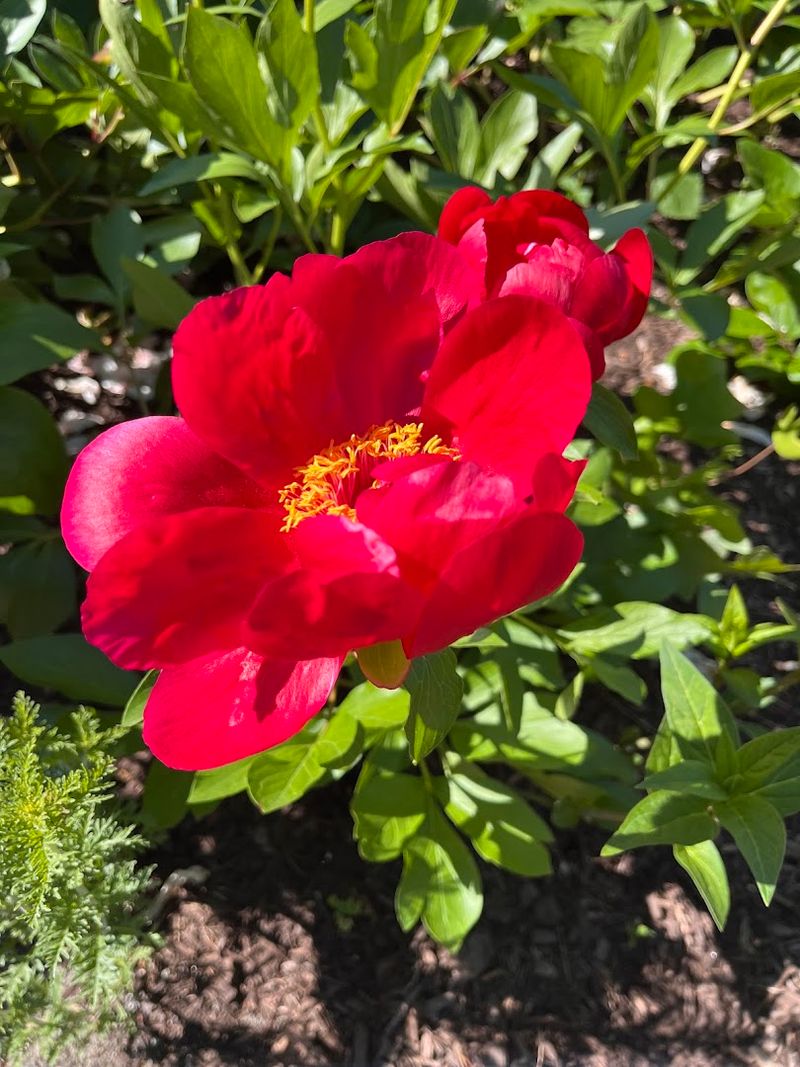
For anyone who genuinely loves plants, a visit to the Greenwich Botanical Center could feel like finding a quiet treasure. The on-site greenhouse is fully operational and stocked with gardening essentials, seasonal plants, and flowers available for purchase throughout the year.
Beyond shopping, the greenhouse serves as a hands-on learning space where the connection between people and plants feels tangible rather than decorative.
The center offers a wide range of educational programs covering horticulture, conservation, and nature education for all ages. Workshops and lectures are held regularly, and field trips are available for school groups exploring topics like plant adaptations and animal classification.
The depth of programming here goes well beyond what most small botanical centers typically provide.
An herb garden, a rose garden, a woodland garden, and a children’s garden are among the distinct spaces spread across the property. Each area has its own character and seasonal rhythm, meaning repeat visits tend to feel fresh rather than repetitive.
Plant enthusiasts who appreciate learning the names, histories, and habits of what they are looking at will find the center particularly rewarding. The knowledgeable greenhouse staff tends to make every question feel welcome rather than inconvenient.
3. The Peaceful Pinetum Setting
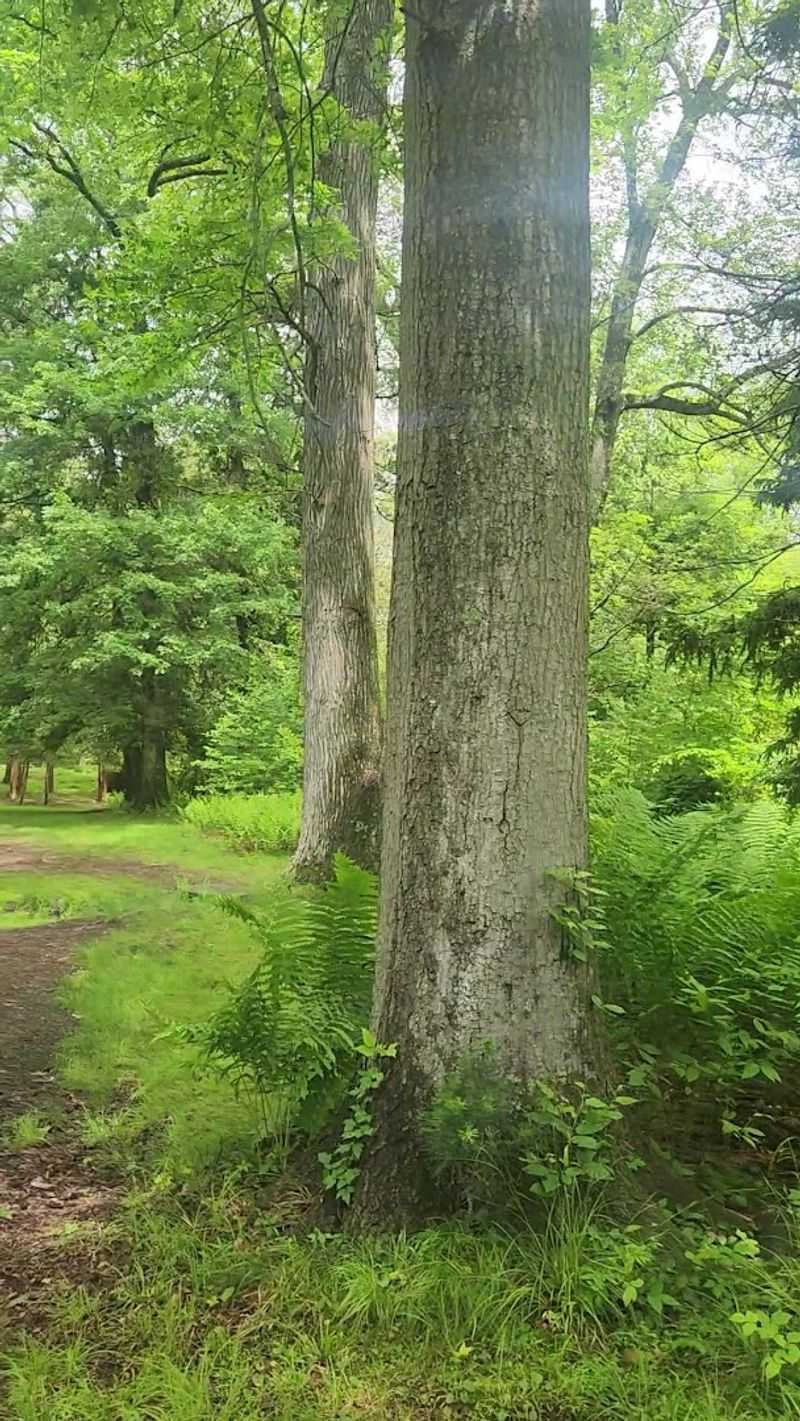
There is something genuinely calming about walking through a landscape that has been quietly growing for over a century.
The Montgomery Pinetum, which forms the natural backbone of the Greenwich Botanical Center property, was established in 1922 when Colonel Robert Montgomery and his wife Nell acquired 125 acres and began collecting 850 species of evergreens and other plants.
That original vision still shapes the atmosphere of the grounds today.
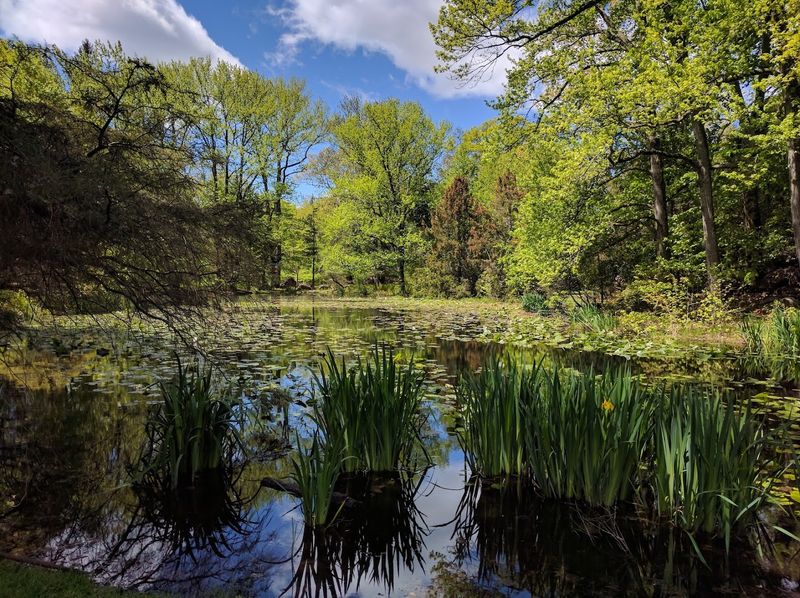
Tall conifers line many of the trails, creating a canopy that filters light in soft, shifting patterns depending on the time of day and season. The overall setting includes ponds, meadows, wetlands, and dense forest sections that offer a real sense of ecological variety within a relatively compact visit.
Birdwatchers and casual walkers alike tend to appreciate how the terrain shifts gradually from open meadow to shaded woodland without feeling abrupt.
The trails have some elevation changes, so the walk is not entirely flat, which adds a bit of gentle physical engagement to the experience. Strollers can navigate most of the paths, though terrain awareness is helpful for planning.
Spending time in the pinetum feels less like visiting a maintained park and more like stepping into a living collection that has been tended with genuine care for decades.
4. Classes, Blooms, And Quiet Paths
Youth programs at the Greenwich Botanical Center serve children as young as 12 months through fifth grade, covering topics like nature observation, seasonal changes, and creative interaction with the outdoor environment.
Forest Days and specialized field trips round out the offerings for younger visitors in a way that feels genuinely engaging rather than overly structured.
Adults and families can also find workshops and lectures on gardening, conservation, and plant care throughout the year. The auditorium and Montgomery Room classroom are used for hosted events that bring the community together around shared interests in horticulture and the natural world.
Art shows are held periodically in the on-site gallery, adding a creative dimension that sets the center apart from a typical garden walk.
The paths between all of these activities wind through blooming sections that shift with the seasons, so the visual experience changes depending on when a visit happens to fall.
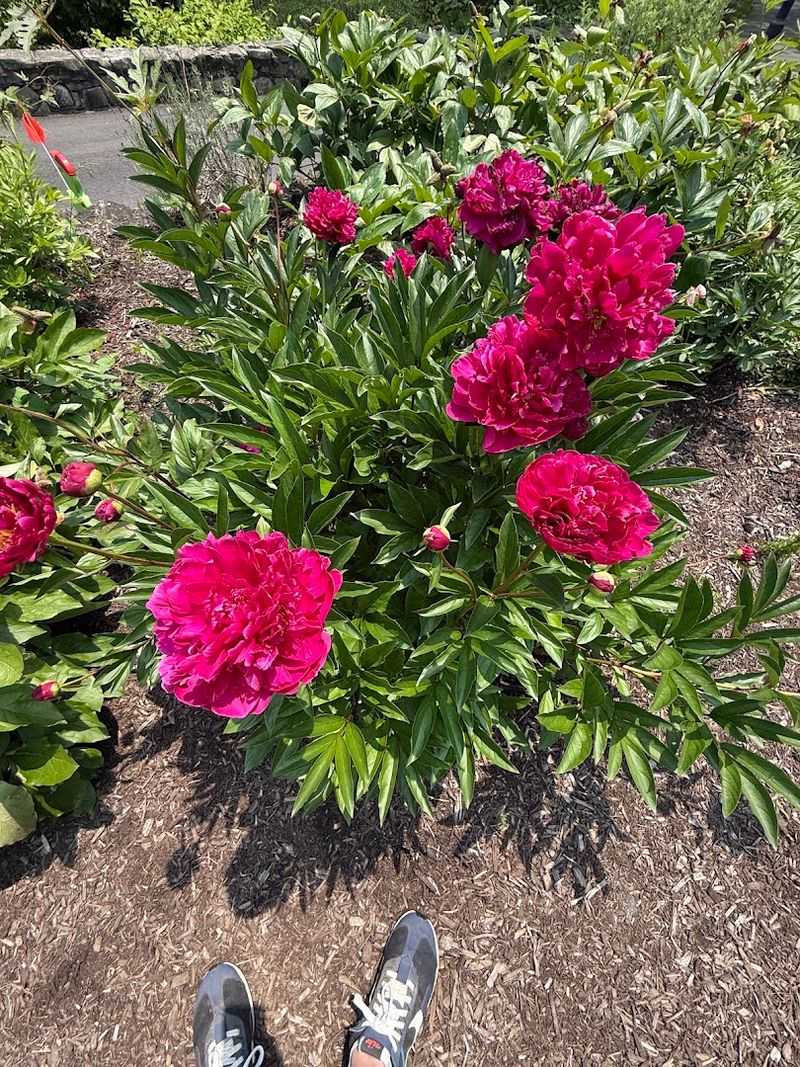
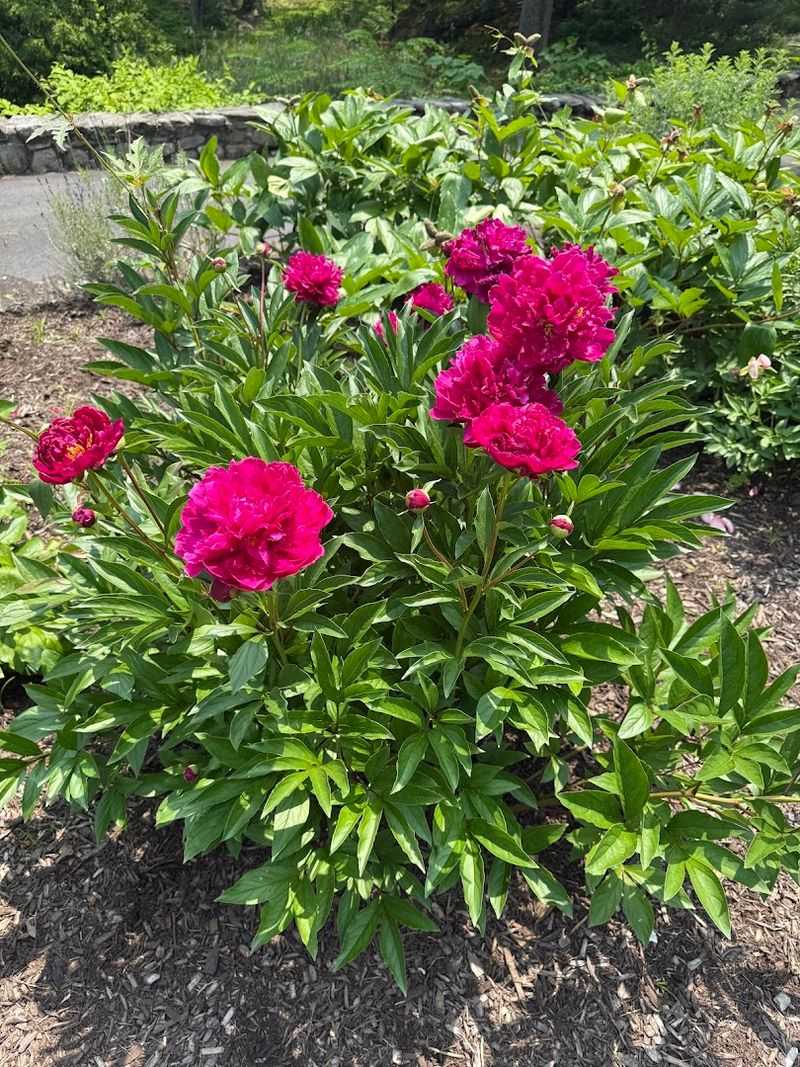
Spring tends to bring bursts of color from the rose and woodland gardens, while summer stretches out with full canopy shade along the forest trails.
Even a slow, unscheduled wander through the grounds tends to offer something worth pausing to look at a little longer.
5. Best Time To Wander Through
The center is open Monday through Friday from 9 AM to 4 PM and is closed on Saturdays and Sundays, which means weekday visits are the only option for exploring the grounds and facilities.
That schedule naturally keeps foot traffic lighter than a typical weekend-open attraction, giving the space a quieter, more personal feel most of the time.
Spring and early summer tend to be particularly rewarding for those interested in seeing the gardens at their most colorful and active.
The rose garden and herb garden both reach their peak visual interest during warmer months, and the woodland paths carry a fresh, earthy scent after rain that adds to the sensory experience.
Fall brings its own appeal as the deciduous trees within the pinetum shift color against the backdrop of the evergreens.
Arriving earlier in the morning generally allows for a more unhurried walk before any scheduled programs or events fill the main buildings. Wearing comfortable shoes with decent grip is a practical consideration given the uneven terrain on some of the forest trails.
Checking the center’s website ahead of a visit is a good habit since events and seasonal programming can affect which areas are accessible on any given day.
6. Small But Full Of Green Charm

What makes the Greenwich Botanical Center particularly charming is how much variety it manages to hold within a relatively modest footprint.
The main property covers around 12 acres of developed garden space, with distinct zones including an herb garden, rose garden, children’s garden, and woodland garden all within comfortable walking distance of each other.
Each area has been tended with clear intention, and the transitions between spaces feel natural rather than abrupt.
Statues and art installations are placed at intervals throughout the grounds, giving the walk a subtle gallery quality that rewards slow exploration. Picnic benches are available in several spots, making it easy to sit down and simply absorb the surroundings without needing to keep moving.
The greenhouse adds a warm, sheltered option for days when the weather is less cooperative, and the plants available for purchase there tend to be healthy and reasonably varied by season.
Families with young children often find the grounds manageable and stroller-accessible for most sections, though some wooded paths do have uneven surfaces worth navigating with care. Dogs are welcome on the grounds as well, which adds to the casual, community-friendly atmosphere.
For a botanical space this size, the sense of layered discovery it offers tends to outlast the first visit by quite a bit.
7. A Lovely Stop For Nature Fans

Nature enthusiasts who appreciate habitats beyond just manicured flower beds will find the Greenwich Botanical Center genuinely satisfying.
The property includes ponds, wetlands, meadows, and forested sections that support a range of native plant species and wildlife in a relatively natural state.
Walking from one habitat type to another within the same visit creates a layered ecological experience that many larger parks struggle to offer in such a compact space.
Birdwatching is a quiet but rewarding activity here, particularly during spring migration when the mix of open meadow and dense forest canopy attracts a noticeable variety of species. The ponds add a reflective stillness to the landscape that slows the pace of a walk in a pleasant way.
Even on a visit with no specific program or event on the calendar, the natural diversity of the grounds gives plenty of reason to keep moving along the trail.
Ticks are a realistic consideration in Connecticut’s forested areas, and light clothing with proper repellent is a sensible precaution during warmer months.
The well-marked trail system helps visitors stay oriented without needing to worry about getting turned around in the larger forested sections.
For nature fans who prefer exploration over spectacle, the center’s understated, habitat-rich setting tends to deliver something genuinely restorative rather than performative.
8. Why It Feels So Undiscovered
Part of what makes the Greenwich Botanical Center feel so undiscovered is simply its location and operating structure.
Sitting off Bible Street in Cos Cob rather than along a main tourist corridor, and open only on weekdays, the center never really enters the rotation of weekend day-trip destinations that most visitors build their plans around.
That combination of modest signage and limited hours creates a natural filter that keeps the crowds thin and the atmosphere genuinely peaceful.
Being volunteer-supported and community-driven also means the center does not operate with the marketing budget of a larger attraction, so word of it tends to spread slowly and personally rather than through broad promotion.
The people who know about it often describe it in terms that sound almost protective, as though sharing the secret too widely might somehow change its character.
That quiet loyalty from regular visitors says something meaningful about the kind of place it actually is.
For anyone who values a slower, more contemplative outdoor experience over the energy of a popular destination, the Greenwich Botanical Center delivers exactly the kind of visit that is hard to find without a trusted recommendation.
The state has no shortage of natural beauty, but few spots manage to feel this genuinely off the beaten path while still being well-maintained and thoughtfully organized for visitors of all ages.