This Kentucky City Sits Inside A Three Mile Wide Meteor Crater, And Most Visitors Never Notice
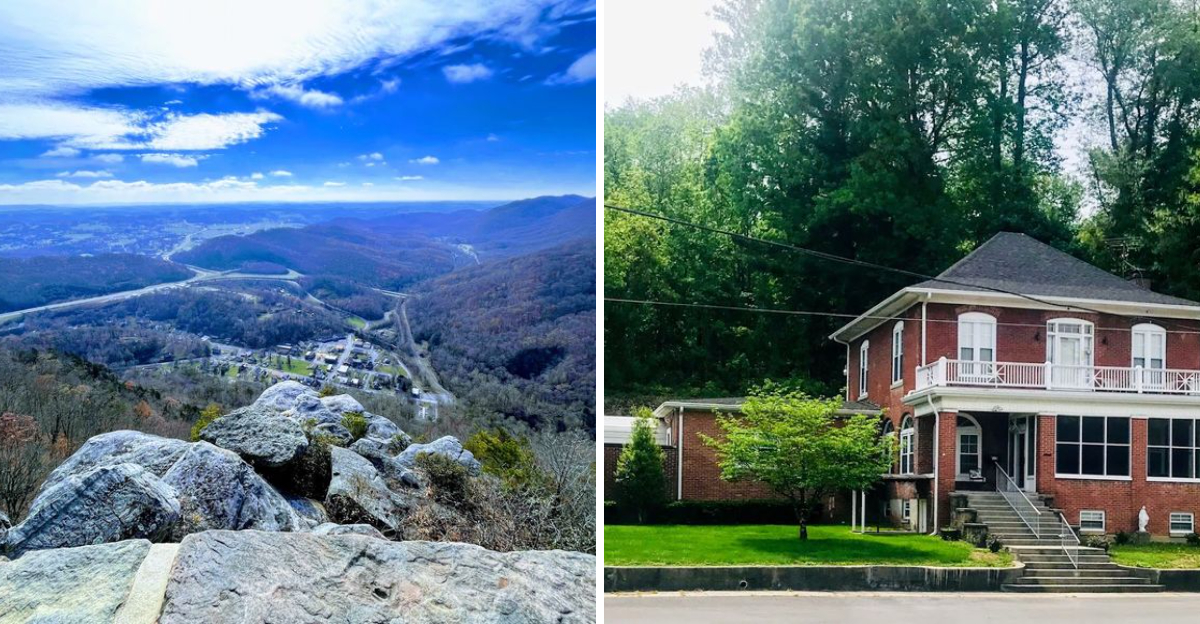
Around three hundred million years ago, a space rock slammed into what is now southeastern Kentucky. The explosion carved a bowl several miles wide into the mountains.
Then life went on, forests grew back, and everyone forgot. Millions of years later, settlers found a strangely flat, round valley in the middle of rugged Appalachia.
They shrugged at their good luck and built an entire city inside it. Today thousands of people live, work, and sleep inside a meteor crater.
Most of them drive to the grocery store without thinking about it once. You can stand downtown and trace the crater rim along the surrounding ridges.
Geologists confirmed the impact, and the site earned official recognition as a geological landmark. It is also the only place on Earth where coal gets mined inside a crater.
Space tried to leave a scar here. Kentucky turned it into a zip code.
A City Built In A Crater
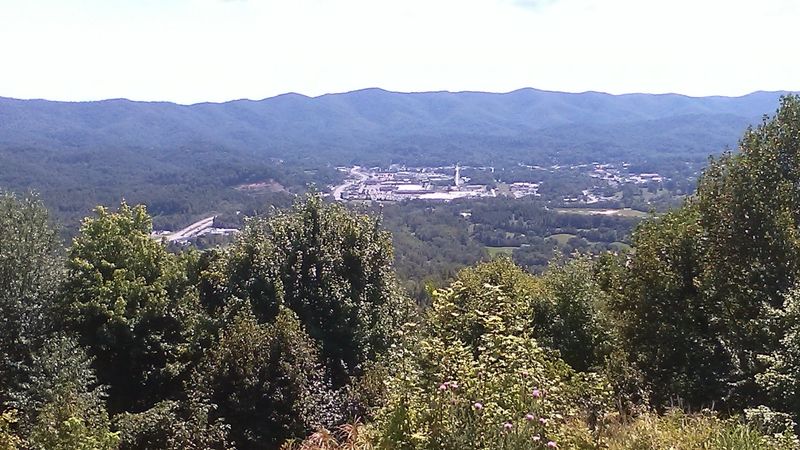
This is not your average small town. It sits inside a meteorite impact crater roughly three miles wide, formed about 300 million years ago when a space rock slammed into what is now southeastern Kentucky.
The town was established in the 1880s, long before geologists confirmed the impact origin of the basin.
The crater is so large that you cannot see its full shape from ground level. You have to look at a topographic map or aerial image to spot the near-perfect circular valley ringed by curved ridgelines.
Scientists confirmed the crater origin in the 1960s after finding shocked quartz, a mineral only formed under extreme impact pressure.
About 9,000 people live inside this ancient impact zone today. Most go about their daily routines without ever thinking about the cosmic event beneath their feet.
The surrounding Cumberland Mountains curve naturally around the basin, which makes the crater easy to miss unless you know exactly what you are looking for.
Middlesboro is proof that extraordinary geology can hide in the most ordinary-looking places.
The Science Behind The Crater
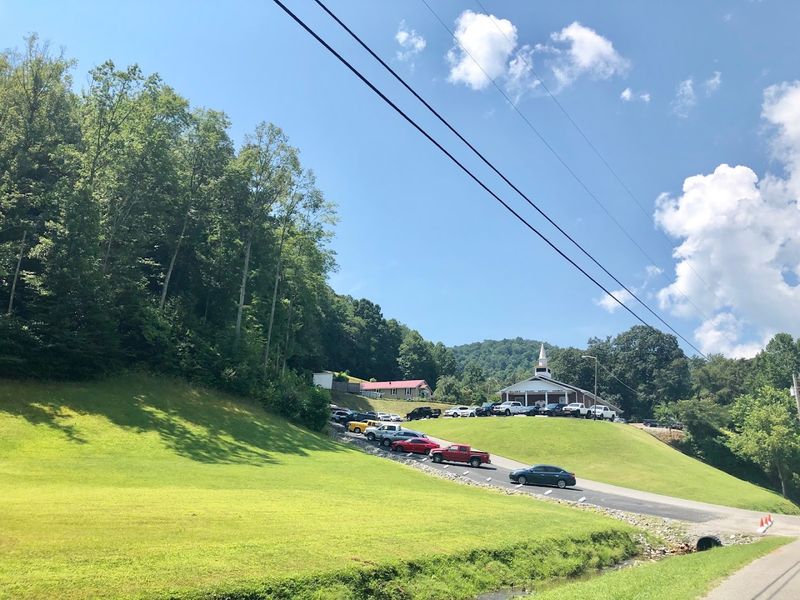
A meteor does not just leave a hole when it hits Earth. The impact sends shockwaves through surrounding rock at incredible speeds, warping and fracturing minerals in ways that normal geological processes simply cannot replicate.
That unique fingerprint is exactly what scientists used to confirm Middlesboro as an impact site.
Shocked quartz was the key piece of evidence. This mineral forms only when rock is subjected to pressures far beyond what volcanoes or earthquakes produce.
Finding it in the Middlesboro basin told geologists that something extraordinary had happened here, and that something was a meteor impact around 300 million years ago.
The original crater was likely much deeper right after impact. Over hundreds of millions of years, erosion, sediment, and tectonic shifts gradually filled and reshaped the basin into the gentle valley you see today.
The Cumberland Gap region already had rugged terrain, which helped disguise the circular shape even further.
Scientists estimate the original impacting object was roughly 300 feet in diameter, small by cosmic standards but more than enough to reshape an entire landscape for eternity.
How The Town Got Built Here
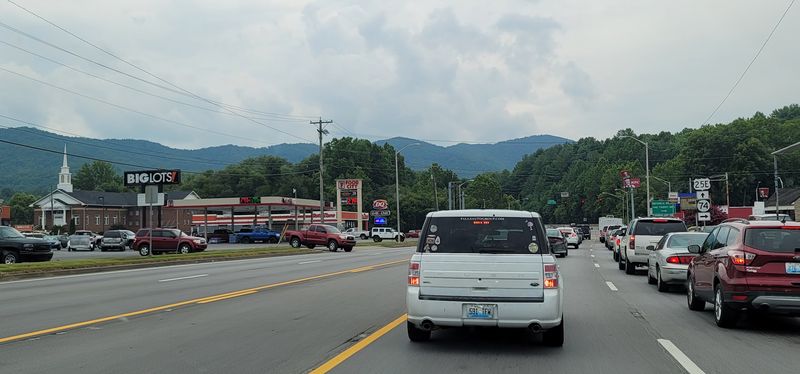
The founders of Middlesboro had no idea they were building on a meteor crater. In the late 1880s, a group of British investors saw the natural bowl-shaped valley as a perfect location for an industrial city.
The surrounding mountains offered coal and timber, and the low-lying basin seemed like ideal flat ground for development.
The town was designed with a grid street plan and quickly grew into a bustling industrial hub. Steel production, coal mining, and railroad access made Middlesboro one of the most ambitious development projects in Appalachian history.
At its peak, it attracted workers and investors from across the United States and Europe.
The British developers called it the “Magic City” because of how quickly it rose from wilderness. They were not wrong about the location being special, just not for the reasons they imagined.
The same geological forces that shaped the crater also concentrated rich mineral deposits in the region, making it genuinely valuable for industry.
It took another century before anyone realized the flat valley floor they had built their dreams on was actually the floor of an ancient cosmic collision zone.
Cumberland Gap National Historical Park Next Door
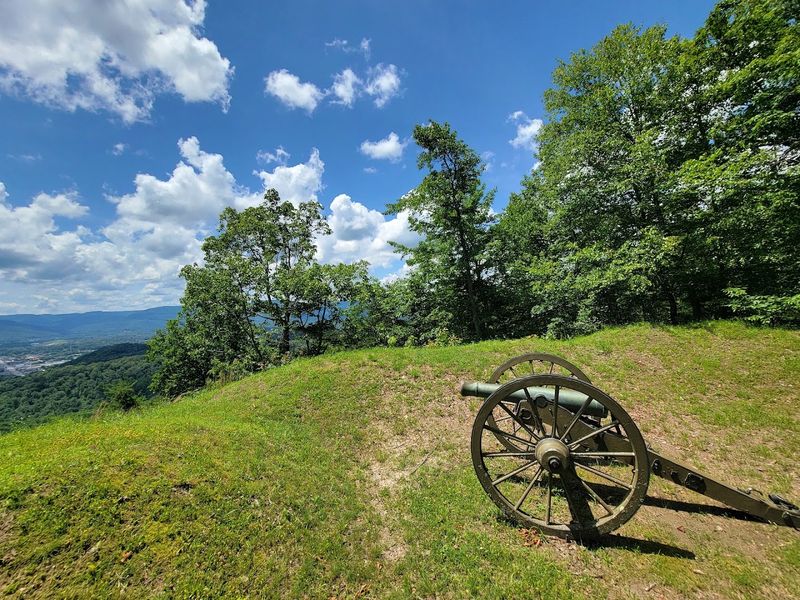
Just minutes from downtown Middlesboro sits one of the most historically significant passes in American history.
Cumberland Gap National Historical Park straddles the borders of Kentucky, Virginia, and Tennessee, and it draws hundreds of thousands of visitors every year.
Many of them never realize the town they passed through to get here is geologically unique.
The Gap itself was the primary route through the Appalachian Mountains for westward-moving settlers in the 18th century.
Daniel Boone helped blaze the Wilderness Road through here in 1775, and hundreds of thousands of pioneers followed. The park preserves that history beautifully, with trails, overlooks, and visitor programs that bring the past to life.
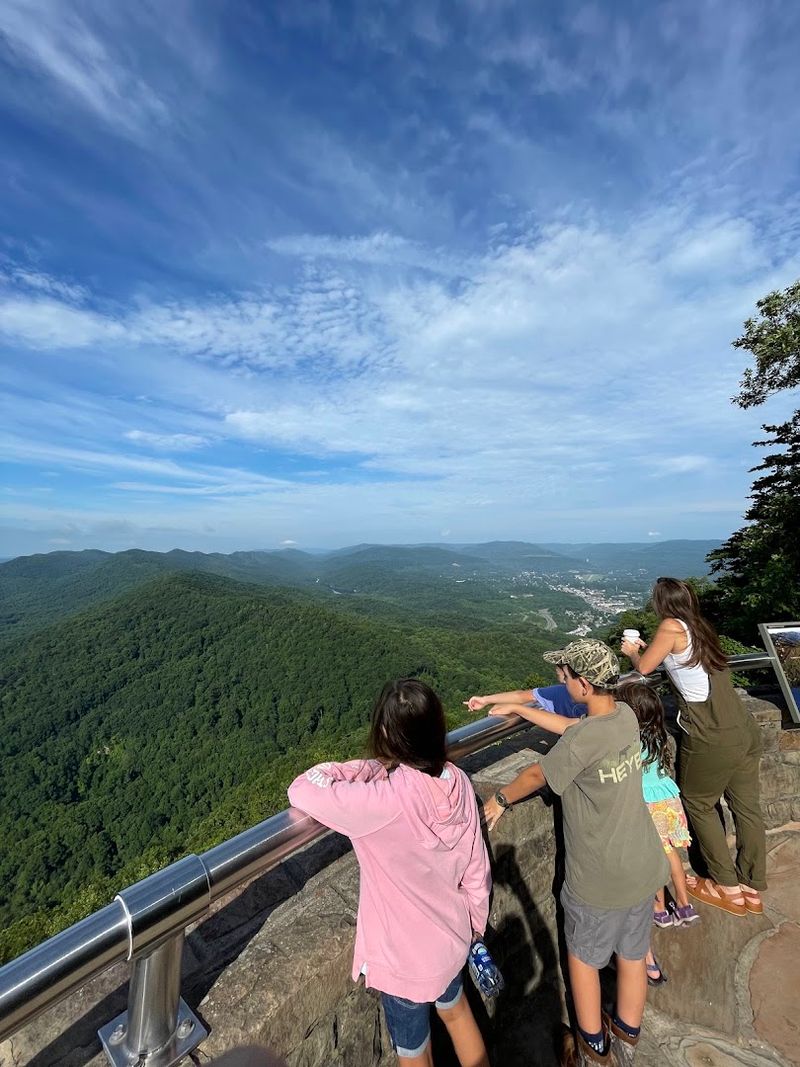
From the Pinnacle Overlook inside the park, you can look down and see Middlesboro laid out below you in its circular valley.
If you know what you are looking at, the crater shape becomes surprisingly obvious from that elevation.
It is one of the best places to appreciate both the natural drama of the Cumberland Mountains and the subtle circular outline of the ancient impact basin. The view alone is worth the drive up the winding park road.
This Crater Compared To Others Around The World
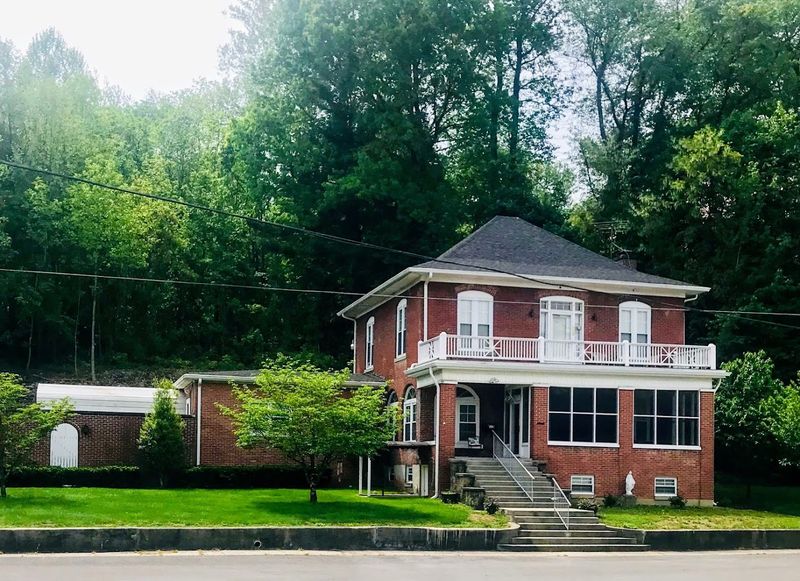
There are roughly 190 confirmed meteor impact craters on Earth, and Middlesboro is one of a very small number that have an entire city built inside them.
Most impact craters are found in remote deserts, ancient shield rock in Canada, or underwater. Finding one with a functioning downtown and a Walmart is genuinely unusual.
The Barringer Crater in Arizona is probably the most famous impact site in North America. It is about three-quarters of a mile wide and formed roughly 50,000 years ago.
Middlesboro’s crater is significantly larger at three miles across, though it is far older and much more eroded, which is why it looks like a valley instead of a dramatic bowl.
The famous Chicxulub crater in Mexico, linked to the extinction of the dinosaurs, dwarfs both at over 90 miles wide. But size is not everything.
What makes Middlesboro stand out is the human story layered on top of the geology.
People built a city here, raised families, opened businesses, and lived full lives without knowing they were standing on one of the planet’s most interesting geological footnotes.
That combination of cosmic history and everyday life is genuinely rare.
What You Can See When You Visit

Visiting Middlesboro expecting to see a dramatic crater rim will leave you puzzled. The crater walls are the surrounding mountain ridges, softened by 300 million years of erosion and covered in dense Appalachian forest.
From street level, it just looks like a pretty mountain town sitting in a valley. That is exactly the point.
The best way to appreciate the geology is to drive or hike to higher ground.
The Pinnacle Overlook at Cumberland Gap National Historical Park gives you the clearest bird’s-eye perspective of the circular basin.
From up there, the curved ridgeline pattern around Middlesboro becomes much easier to recognize. Bring binoculars if you have them.
Downtown Middlesboro contains a nationally recognized historic commercial district with buildings such as the Old City Hall, the Coal House, the former Carnegie Library, and the historic post office.
The town is small enough to walk comfortably and friendly enough that locals will happily chat if you tell them you came specifically to see the crater.
Most of them find it genuinely amusing that their hometown is famous for something most residents never think about.
Local Trails That Put You Right On The Crater Rim
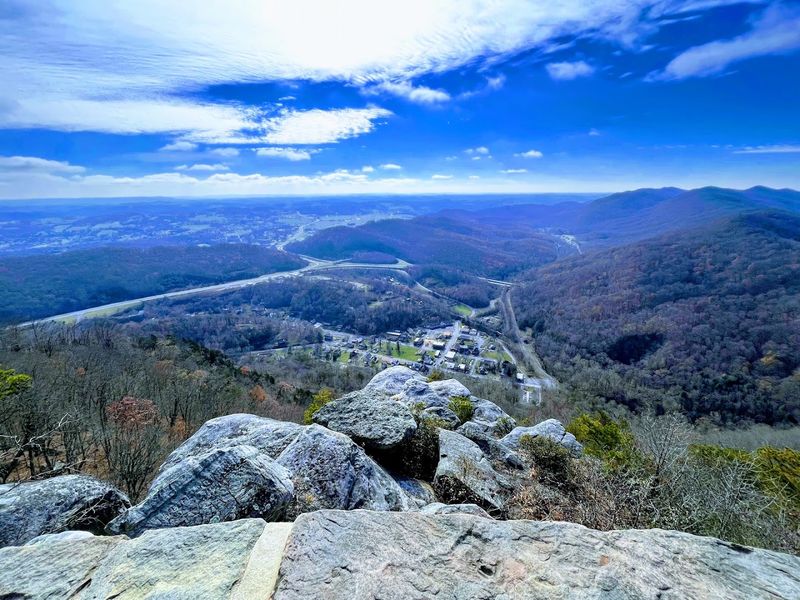
Hikers have a real advantage when it comes to understanding Middlesboro’s geology. Several trails in and around Cumberland Gap National Historical Park run directly along ridgelines that form the ancient crater rim.
Walking those paths gives you a physical connection to the impact structure that no roadside sign can replicate.
The Ridge Trail is one of the best options for experiencing the crater’s edge on foot. It winds along the high ground with views looking both outward into the broader Cumberland Mountains and inward toward the town below.
The contrast between the rugged ridgeline and the flat basin floor is striking once you understand what you are seeing.
Martin’s Fork and other nearby natural areas also offer solid hiking with geological interest.
The rock formations throughout the region show the kind of folding and fracturing consistent with a major impact event, though you need a trained eye to spot it.
Guided geology tours are occasionally offered through local organizations and the national park. Honestly, even a casual hike with a basic understanding of the crater story transforms the experience completely.
The landscape stops looking generic and starts feeling like something that deserves a second, much longer look.
Why This Place Deserves More Attention Than It Gets
Middlesboro does not shout for attention, and that is part of its appeal. It sits quietly in the southeastern corner of Kentucky, surrounded by mountains, doing its thing.
But the story beneath the surface, literally, is one of the most fascinating geological narratives in the entire country, and it deserves a much bigger audience.
Places like Roswell, New Mexico built entire tourism industries around far less tangible claims. Middlesboro has actual scientific evidence, confirmed impact geology, and a living community built on top of it.
That combination is rare and genuinely cool, yet most travel guides give it a passing mention at best.
Part of the reason is accessibility.
Middlesboro is not on the way to anywhere particularly famous, so it tends to attract only intentional visitors. But that also means when you show up, you get the place mostly to yourself.
No crowds, no ticket lines, no overpriced gift shops. Just a small Appalachian city with a story 300 million years in the making.
If you are the kind of person who likes knowing something most people do not, Middlesboro will feel like exactly the kind of discovery worth sharing. Just do not be surprised if your friends do not believe you at first.