This Kentucky County Is The Healthiest In The State, And The Reason Surprised Researchers

Kentucky does not usually win health headlines. You know this already.
The state lands near the bottom of most national lists, and everyone here has made a kind of peace with it.
Then there is one county that keeps quietly breaking rank. It has sat at or near the top of the state health rankings for well over a decade.
This is not a single good year but a long unbroken streak.
You might expect the explanation to involve mountain air or some local superfood. The truth is less romantic and considerably more interesting.
It has almost nothing to do with what people eat or where they hike.
Here is the part worth sitting with. The things driving this county’s numbers are mostly not medical at all.
They are ordinary advantages that compound quietly over years. You may recognize a few of them.
The Commonwealth’s Quiet Overachiever
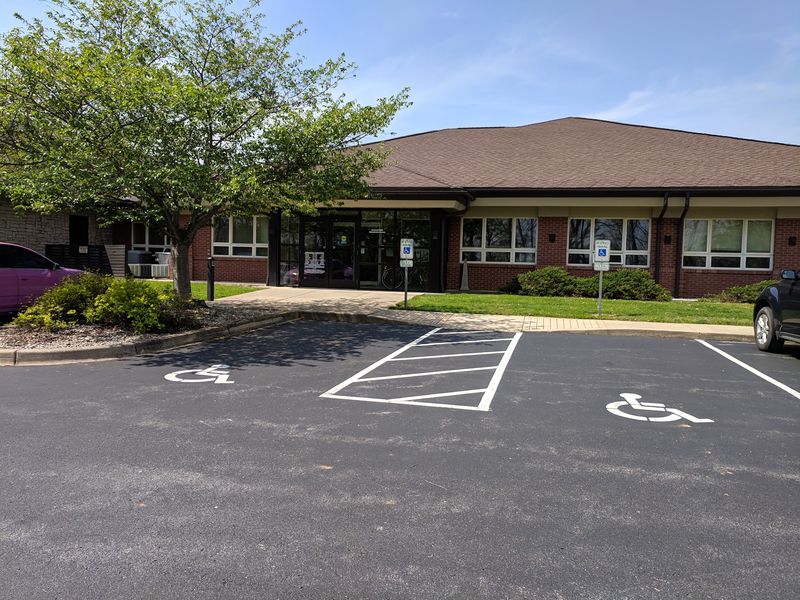
Oldham County has ranked among Kentucky’s healthiest counties in recent County Health Rankings.
Those rankings come from the University of Wisconsin Population Health Institute, supported by the Robert Wood Johnson Foundation. They score every county in the country using dozens of measures.
The scoring is not just about who visits the doctor most. Researchers weigh length of life, quality of life, and the conditions that shape both.
That means schools, income, food access, and exercise options all count. A county can have good clinics and still score poorly if daily life works against people.
Oldham sits northeast of Louisville, close enough to major medical centers to matter. Suburban growth brought parks, sidewalks, grocery stores, and steady jobs along with it.
What surprised analysts was the consistency. Most counties spike in one category and slump in another.
You can treat the ranking as a scoreboard or as a recipe. The recipe reading is far more useful for anyone else.
Keep reading, because the ingredients are surprisingly ordinary. That is exactly what makes them worth copying.
Longer Lives, Measured In Real Numbers
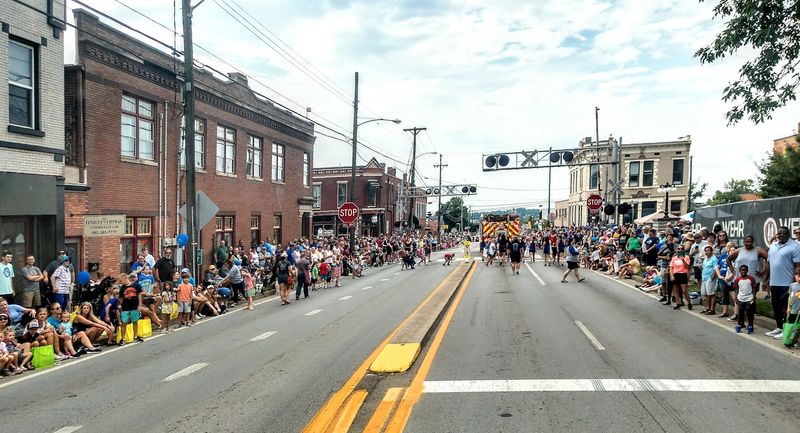
Oldham County residents tend to live longer than the Kentucky average, and the gap is not small. Researchers track this with a measure called years of potential life lost.
That statistic counts deaths that happen before age 75. Lower numbers mean fewer lives cut short than expected.
Kentucky as a whole struggles here compared to national figures. Oldham runs well below the state rate, which is a big deal in rankings.
Quality of life measures follow the same pattern. Fewer adults report poor general health or frequent days feeling unwell.
Why does that matter to you? Because those self-reported answers predict future medical costs surprisingly well.
People who feel decent most days move more, work more, and get screenings on schedule. Small habits stack into long-term results.
Chronic conditions like diabetes and high blood pressure appear at lower rates too. Earlier detection plays a role in that.
Nothing here suggests residents are immune to illness. They simply catch problems sooner and manage them longer.
The practical lesson is boring and effective. Regular checkups and steady movement beat dramatic health overhauls every time.
Numbers like these take decades to shift. Oldham’s steady climb shows patience actually pays off.
Where Almost Everyone Can Exercise

Roughly 89 percent of Oldham County residents have access to places for physical activity. Statewide, that figure sits noticeably lower.
Access sounds like a soft measure until you think about it. A gym twenty miles away is not really access.
Researchers count parks, recreation centers, and trails within reasonable distance of homes. Oldham has plenty of all three.
The county park system includes ball fields, playgrounds, and paved paths. Local schools open facilities to community programs as well.
Sidewalks matter more than people expect. Neighborhoods built with connected walkways get more casual movement per day.
That casual movement is the quiet hero of public health. Errands on foot beat a gym membership you never use.
You do not need a marathon plan to copy this. Twenty minutes of walking most days moves the needle.
Here is a fun wrinkle. Horse country means plenty of open land, and trails often follow old farm routes.
Families use these spaces for practice, birthday parties, and evening laps. Social reasons keep people coming back.
If your town lacks trails, show up to planning meetings. Sidewalk decisions shape health decades later.
Groceries Close Enough To Cook With

Food access gets its own score, and Oldham County posts one of the best in Kentucky. The measure is called the food environment index.
It combines two things: how close people live to healthy food and how many struggle to afford it. Both sides have to work.
Oldham’s score sits near the top nationally, which few Kentucky counties can claim. Food insecurity rates run well below the state figure.
Full grocery stores are spread across the populated areas. Seasonal farmers markets add local produce in warmer months.
Living in farm country does not guarantee good food access. Plenty of rural counties export crops and import snacks.
What helps here is proximity to the Louisville metro. Distribution and competition keep stores stocked and prices reasonable.
You can borrow the habit even without the geography. Planning one grocery trip a week reduces takeout by a lot.
Frozen vegetables count, by the way. Nutritionists rank them right alongside fresh for most meals.
School meal programs and food pantries fill remaining gaps. Coordination keeps families from falling through cracks.
Education Shows Up In The Bloodwork

Schooling might be the strongest health predictor nobody puts on a prescription pad. In Oldham County, about 94.5% percent of adults hold a high school diploma or more.
Nearly 40 percent carry a bachelor’s degree or higher. Both figures sit far above Kentucky averages.
Researchers have tracked this link for decades across many countries. More education generally means longer life and fewer chronic problems.
The reasons are practical rather than mysterious. Education opens doors to steadier jobs with insurance and paid sick time.
It also builds comfort with paperwork and medical instructions. Reading a prescription label correctly protects you more than any supplement.
Oldham’s school district holds a strong statewide reputation. High graduation rates feed directly into these numbers.
Families move there partly for schools, which strengthens the pattern further. Success attracts more success.
What can you actually use here? Health literacy is learnable at any age and any grade level.
Ask your provider to explain things twice if needed. Write questions down before appointments.
Libraries and community centers run free classes on nutrition and money. Those rooms are usually half empty, which is a shame.
Paychecks, Coverage, And Fewer Impossible Choices

Money buys options, and options protect health in ways charts capture clearly. Oldham County reports a median household income around 109,815 dollars in recent years.
The poverty rate sits near 4.2 percent. Kentucky’s statewide rate runs several times higher.
Insurance coverage reaches roughly 96.8 percent of residents. That leaves very few people avoiding care because of cost.
Those three figures explain a lot of the ranking. When a checkup does not threaten rent, people go to checkups.
Preventive visits catch high blood pressure and early diabetes cheaply. Skipped visits turn the same conditions into emergencies.
Higher income also buys time, which is underrated. Time allows cooking, sleeping, and actually filling prescriptions.
None of this means wealth equals wellness automatically. Plenty of comfortable counties post mediocre health scores.
The difference is that Oldham pairs resources with community effort. Advantage only helps when someone puts it to work.
If your budget is tighter, coverage still matters most. Free clinics, sliding-scale programs, and state marketplaces exist for that reason.
Preventive care is usually covered at no extra cost. Using that benefit is the closest thing to free money in health care.
A Coalition Doing The Unglamorous Work
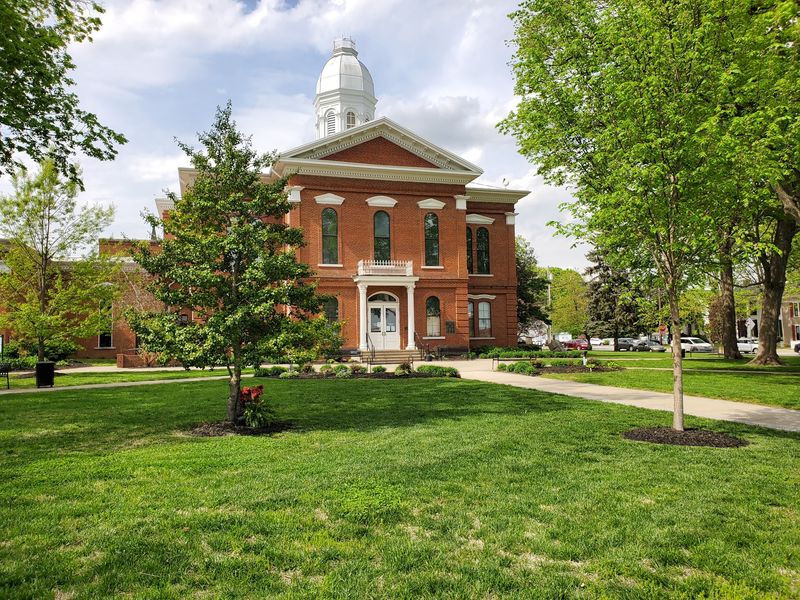
Behind good numbers there is almost always a group holding meetings nobody photographs. The Coalition for a Healthy Oldham County plays that role here.
The group brings together the local health department, schools, and community partners. Together they build community health improvement plans.
Those plans identify top local concerns and assign real responsibility. Progress gets reviewed instead of forgotten.
Programs cover screenings, nutrition education, and healthy activity for families. Nothing flashy, just steady follow-through.
The Oldham County Health Department publishes assessments that guide the work. Data decides priorities rather than guesswork.
That structure is why researchers pay attention. Many wealthy counties never organize this kind of effort at all.
You can find similar coalitions in most Kentucky counties. Meetings are often open to residents.
Showing up once gives you a clear picture of local health gaps. It also puts you near people who fix them.
Volunteers help staff health fairs and outreach events. Skills like translating, driving, or organizing are always short.
Community health improves through hundreds of small commitments. Oldham simply kept making them year after year.
The Combination Nobody Predicted
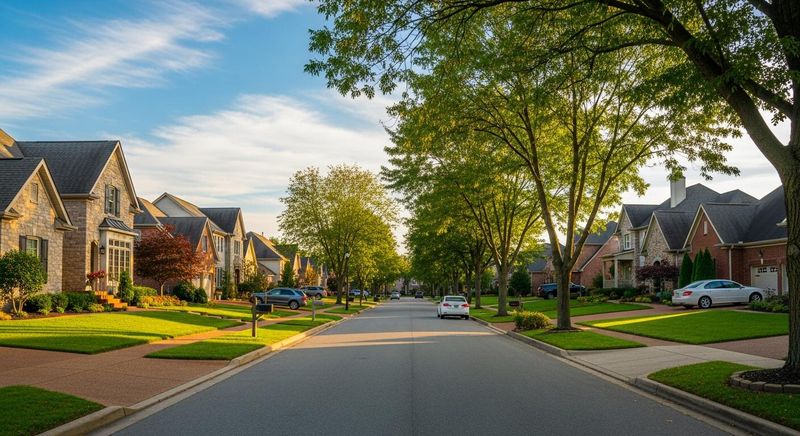
The real finding was not that Oldham County ranks first. It was how many things had to line up at once.
Strong income met strong schools. Good food access met plenty of places to move.
Insurance coverage met an organized coalition tracking local needs. Each piece made the others work better.
Researchers call that kind of overlap synergy, and it resists easy copying. You cannot import one program and expect the same result.
Still, the pattern offers a usable blueprint. Health outcomes follow daily conditions more than heroic medical rescues.
Zip code shapes outcomes as much as genetics for many people. That finding reframes what counts as health care.
Sidewalks, grocery stores, classrooms, and clinics all belong on the list. So do the volunteers who keep them connected.
Oldham’s advantages did not appear overnight. Decades of investment and steady population growth built them.
The county remains a benchmark other places study closely. Being studied is its own kind of quiet honor.
Your own town can move in the same direction. Start with one meeting, one trail, or one overdue checkup.