This Kentucky Ranch Grows Its Own Alpaca Fiber And Turns It Into Yarn You Can Buy
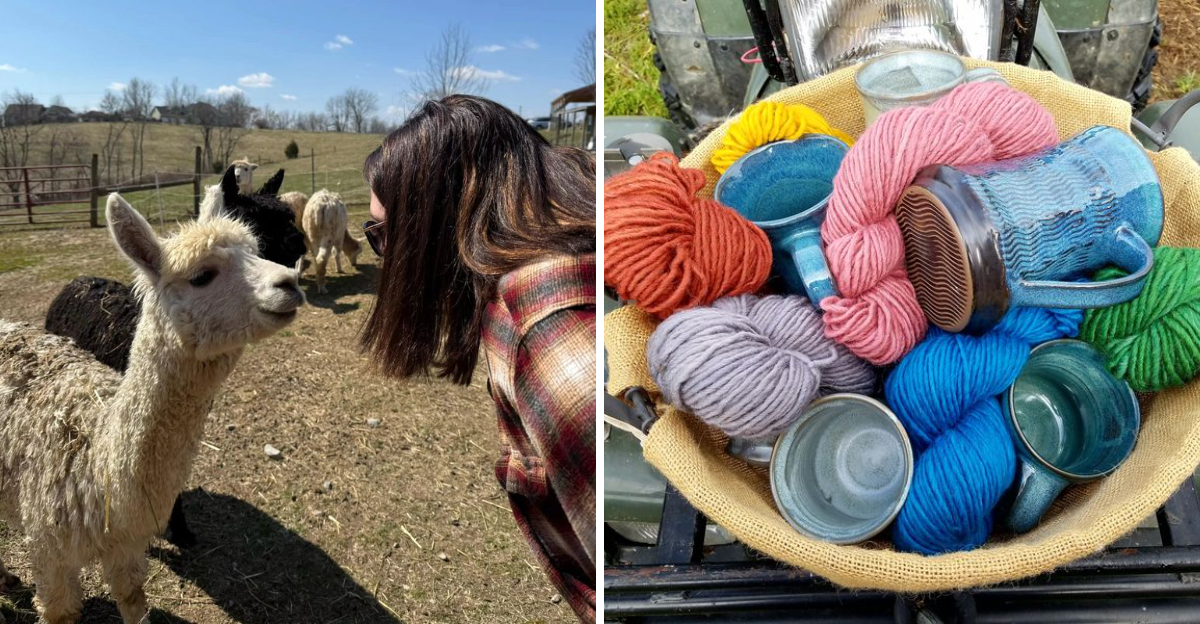
Alpacas look like someone drew a sheep from memory. They have long necks, permanent bedhead, and the facial expression of a creature that knows something you do not.
They are also walking sweaters. Every spring they get sheared, and the fleece that comes off is softer than wool and warmer by weight.
Somewhere in Kentucky there is a place where that whole process happens on one property. The animals graze there.
The fiber gets cleaned, spun, and turned into yarn there. Then it lands on a shelf where you can buy it.
You can meet the alpaca whose fleece you are holding, which is a strange and lovely thing to be able to say about a skein of yarn. You will probably pet one, because everyone does.
Bring cash and low expectations about leaving quickly. The alpacas will not hurry, and neither will you.
A Working Alpaca Farm With A Yarn Shop Attached
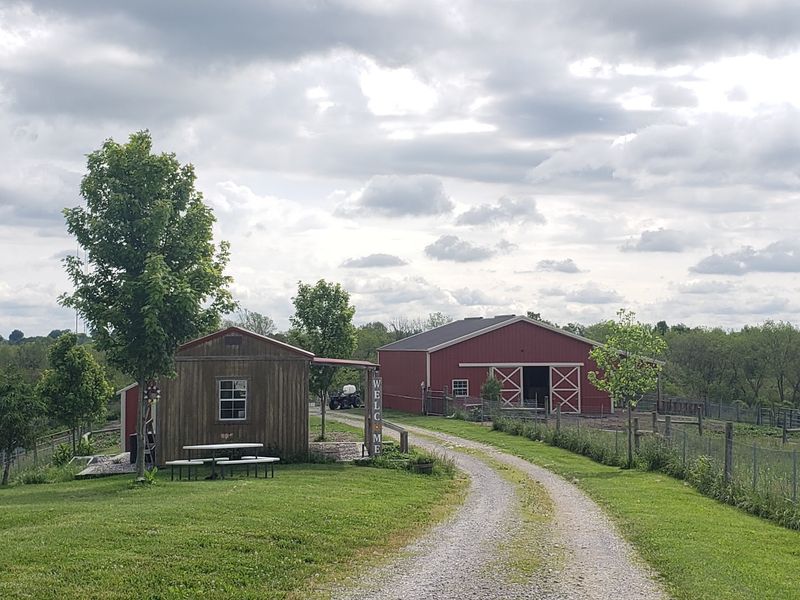
River Hill Ranch is the rare place where the animal, the fiber, and the finished yarn all share one address. The alpacas graze outside.
The yarn sits inside.
That short distance is the whole point. Most yarn travels through many hands before reaching a shelf.
Here the trip is measured in steps.
I liked seeing the connection laid out so plainly. You watch a herd chew hay, then hold a skein grown from that same herd.
The setting is classic Madison County. Rolling pasture, fence lines, and a big open sky above the fields.
It feels like a farm first and a shop second. That order matters, and you can sense it right away.
Visitors tend to arrive curious and leave slightly obsessed. Alpaca fiber has that effect on people.
Bring questions. The folks who raise these animals know their herd by name and by fleece quality.
Plan on more time than you think you need. Ten minutes turns into an hour without much effort.
You can find the ranch at 680 River Hill Dr, Richmond, Kentucky, just a short drive from downtown Richmond.
Meet The Herd Behind Every Skein
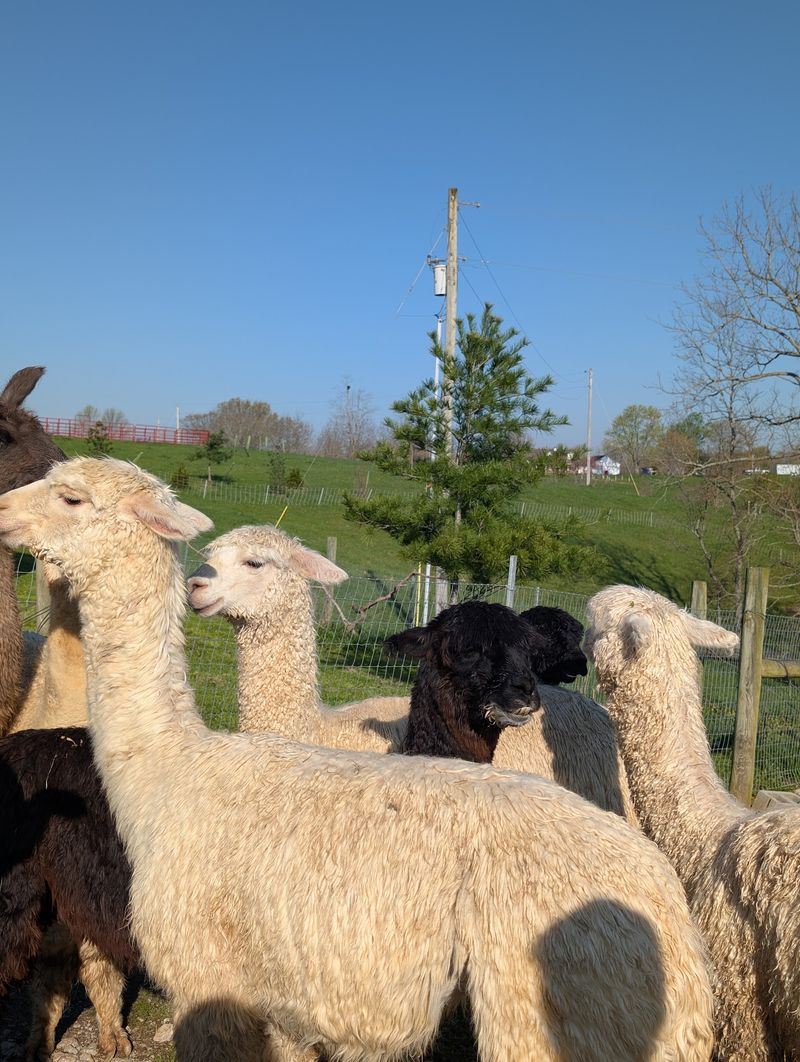
Alpacas have a talent for staring. They line up at the fence and study you like you owe them money.
Their faces do most of the charming. Big eyes, fuzzy topknots, and ears that swivel at every sound.
They hum. Not loudly, just a soft sound that carries across the pasture on a still morning.
Each animal has its own fleece personality. Some grow dense, crimpy fiber.
Others produce a silkier, longer staple.
Color varies too. White, fawn, brown, gray, and near black all show up in alpaca herds.
That natural range means yarn can be made without dye. The color simply comes off the animal.
Watching them move is oddly relaxing. They travel as a group and stop as a group.
They are gentle around people but still livestock. Slow hands and calm voices work best.
Kids usually fall in love within about thirty seconds. Adults pretend to be cooler about it.
Getting to know the herd changes how you shop. A skein stops being generic once you have met its source.
Ask which animal produced which batch. The answer is often specific and genuinely fun.
Shearing Day, The Farm’s Busiest Morning
Once a year the whole schedule bends around one event. Shearing day arrives and the barn turns into a production line.
Each alpaca gets its annual haircut. The fleece comes off in large, connected sections.
The process is quick when done by skilled hands. Calm handling keeps stress low for the animals.
Timing matters in Kentucky. Spring shearing helps the herd stay comfortable through humid summer weeks.
The best fiber comes from the blanket area along the back and sides. That section is the prize.
Neck and leg fiber is coarser. It still gets used, just for different products.
Sorting happens right there on the table. Workers separate by fineness, length, and cleanliness.
Bits of hay and dirt get picked out by hand. Tedious work, but it protects the final yarn.
A single alpaca can produce several pounds of usable fleece. That adds up fast across a herd.
After shearing, the animals look comically thin. All that bulk was fiber, not body.
Then it grows back. Twelve months later the whole cycle starts again from scratch.
Knowing this rhythm makes yarn feel less like a product and more like a harvest.
Why Alpaca Fiber Feels Different In Your Hands
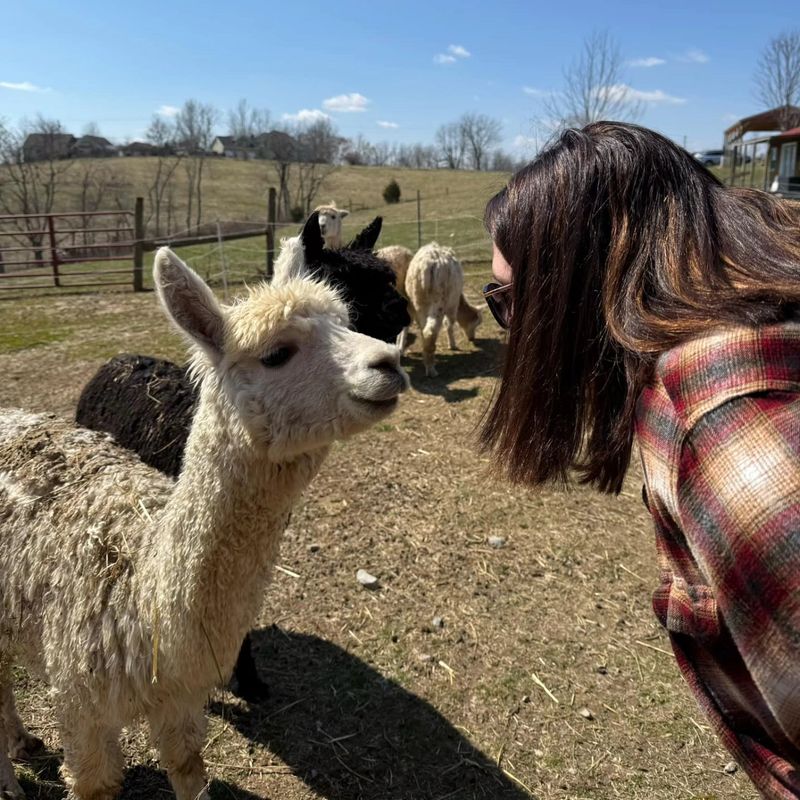
Pick up raw alpaca fleece once and your standards shift. It feels light and slippery, almost like a cloud with weight.
The fibers are smooth along the surface. That smoothness is why it rarely feels scratchy on skin.
Sheep wool contains lanolin. Alpaca fiber does not, which makes it friendlier for people with sensitive skin.
Warmth is another selling point. The fiber is partly hollow, trapping air and holding heat efficiently.
It also handles moisture well. Damp weather does not flatten it the way some fibers get flattened.
Fineness is measured in microns. Lower numbers mean softer fiber and a better next-to-skin feel.
Baby alpaca does not mean a baby animal. It refers to the finest grade of fleece.
Drape is where alpaca really shows off. Knitted fabric hangs beautifully instead of standing stiff.
That same drape means alpaca stretches more than wool. Good pattern choices keep garments in shape.
Hats, scarves, and shawls are natural fits. Structured sweaters need a bit more planning.
Touch a sample before buying. Fingers understand fiber quality faster than any label ever will.
From Fleece To Yarn, Step By Step
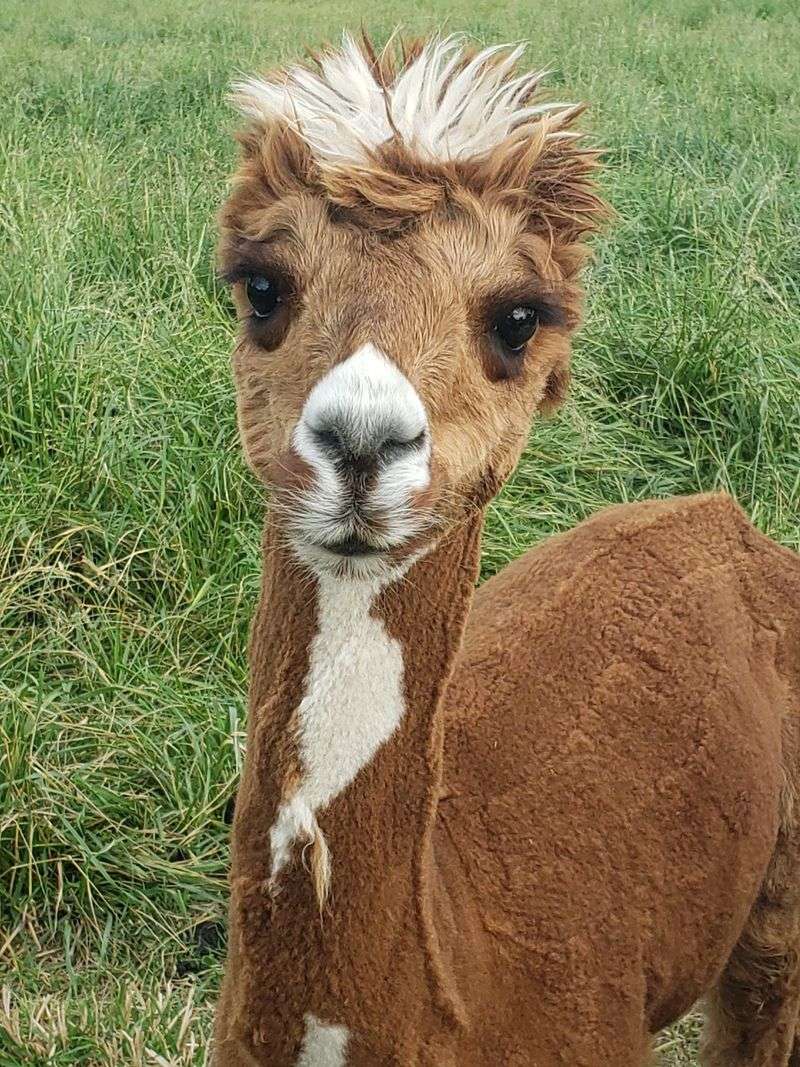
Fleece does not become yarn by magic. It goes through a specific, hands-on sequence.
First comes skirting. Dirty edges and short bits get removed so only good fiber moves forward.
Washing follows. Alpaca needs less scouring than sheep wool since there is no lanolin to strip.
Then the fiber gets picked apart to open the locks. Compressed fleece will not card properly.
Carding aligns everything into a fluffy sheet or long rope called roving. This stage looks satisfying.
Spinning twists the roving into yarn. Twist is what gives strength and keeps fibers locked together.
Plying combines two or more strands. Most yarn you buy is plied for balance and durability.
A final wash sets the twist. Skeins are then wound, labeled, and ready for the shelf.
Small batches mean small variations. One skein may be slightly different from the next.
That is not a flaw. It is a fingerprint of real farm production.
Understanding these steps changes how you value the price tag. A lot of labor sits inside each skein.
Ask about the process during a visit. The explanation is more interesting than any video.
Browsing The Yarn Shelves
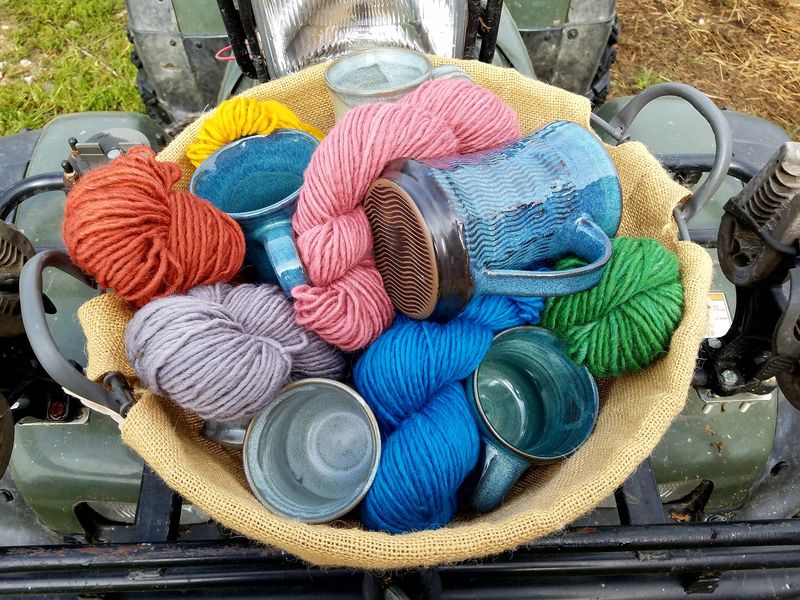
Yarn shopping at a farm hits differently than yarn shopping online. You can squeeze every skein before deciding.
Natural shades dominate. Creamy white, warm fawn, soft gray, and deep chocolate brown all appear.
Undyed yarn has quiet appeal. The color came straight from an animal that lives down the hill.
Weights vary by batch. Some skeins run fingering thin, others come closer to worsted.
Check the yardage on the label. Alpaca is light, so a small skein can hold surprising length.
Blends show up too. Mixing alpaca with wool adds bounce and helps garments hold structure.
Buy enough for the whole project at once. Small-batch yarn may not repeat exactly next season.
Knitters know that lesson the hard way. Running short mid-sweater is a special kind of frustration.
Beginners should start small. A hat or cowl teaches you how alpaca behaves on needles.
Swatch before committing. Alpaca relaxes after washing, and gauge can shift noticeably.
Bring your project notes. Choosing yarn goes faster when you already know what you need.
Socks, Hats, And Other Things Worth Carrying Home
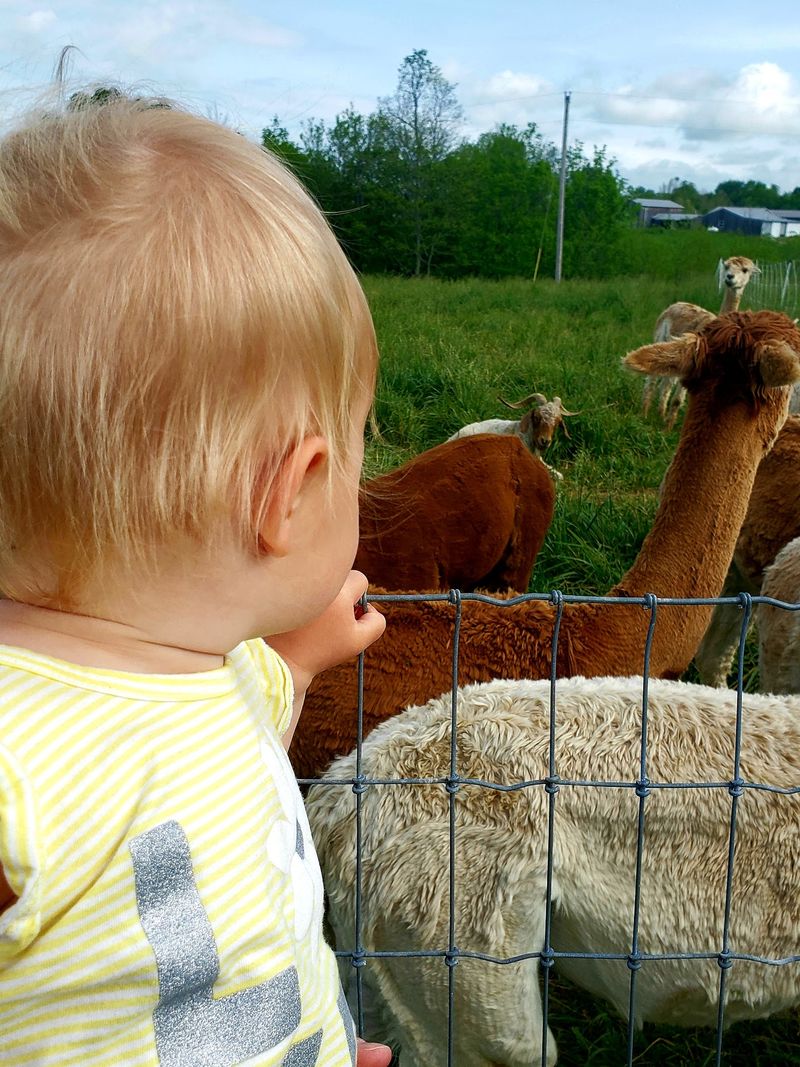
Not everyone knits, and the shop knows it. Finished goods fill the space alongside the yarn.
Alpaca socks convert skeptics fastest. People buy one pair, then come back for four more.
Warmth without sweatiness is the appeal. Cold mornings feel much shorter in good socks.
Hats and headbands are easy grabs. They pack flat and fit almost everyone.
Gloves and mittens hold heat well thanks to that hollow fiber structure. Fingers notice the difference.
Scarves and shawls show alpaca drape at its best. The fabric flows instead of bunching.
Stuffed alpaca toys sit near the register for a reason. Kids spot them instantly.
Felted insoles are an underrated find. Slip them into boots and winter gets more tolerable.
Gift shopping becomes simple here. Everything has an origin story attached.
Prices reflect real farm labor and small production runs. You are not buying mass-market filler.
Care instructions matter. Gentle washing and flat drying keep alpaca items looking sharp for years.
Store them folded, not hung. Heavy alpaca knits stretch when they dangle on hangers.
Planning Your Visit
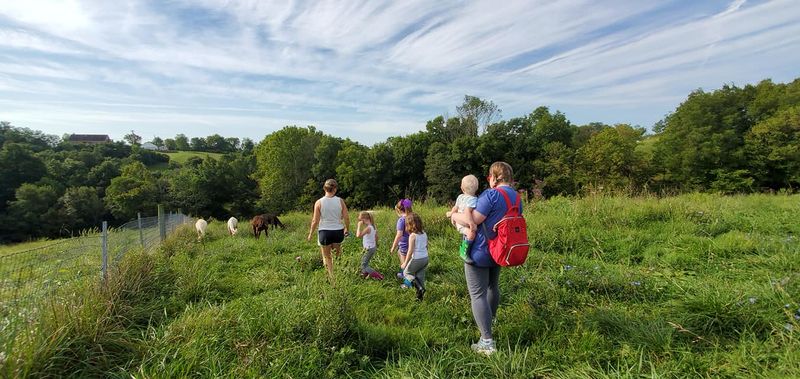
A little planning turns a good farm stop into a great one. Start by calling ahead.
Small farms run on chores, not retail hours. Confirming your visit avoids a wasted drive.
Wear shoes you do not mind getting muddy. Pastures are pastures, especially after rain.
Morning visits often work best. Alpacas tend to be more active before the afternoon heat settles in.
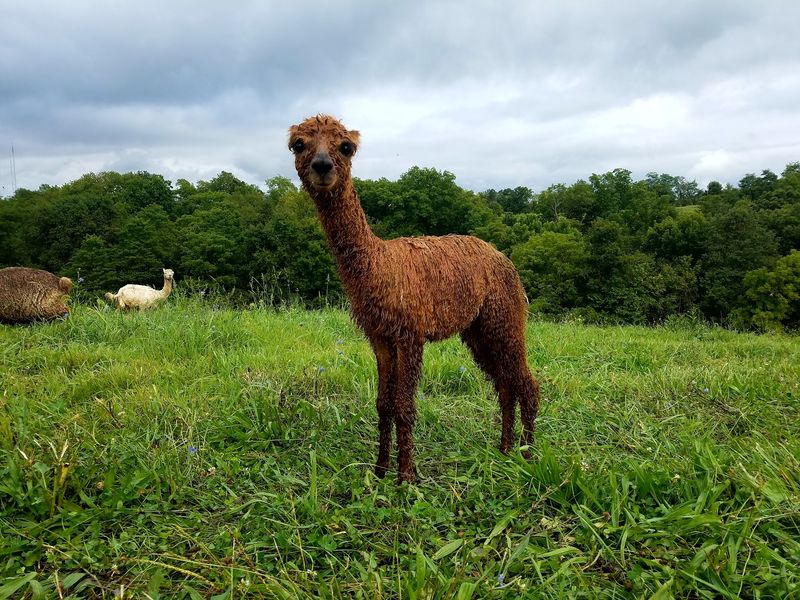
Spring brings shearing and sometimes crias, the name for baby alpacas. Fall brings restocked yarn shelves.
Bring cash or a card and check ahead on payment options. Rural shops vary.
Cameras are welcome, and alpacas photograph well. Their expressions do half the work.
Keep voices calm around the fence line. Sudden noise scatters the group quickly.
Do not feed animals without permission. Farm diets are managed carefully for health.
Richmond sits close by for food and fuel. Interstate 75 makes the trip easy from Lexington.
Groups should ask about arrangements in advance. Larger visits need a little coordination.
Leave room in the car. Yarn purchases have a habit of multiplying on the way out.