This Kentucky Road Trip Is A Rockhound’s Dream, From Mineral Museums To Gem-Mining Stops
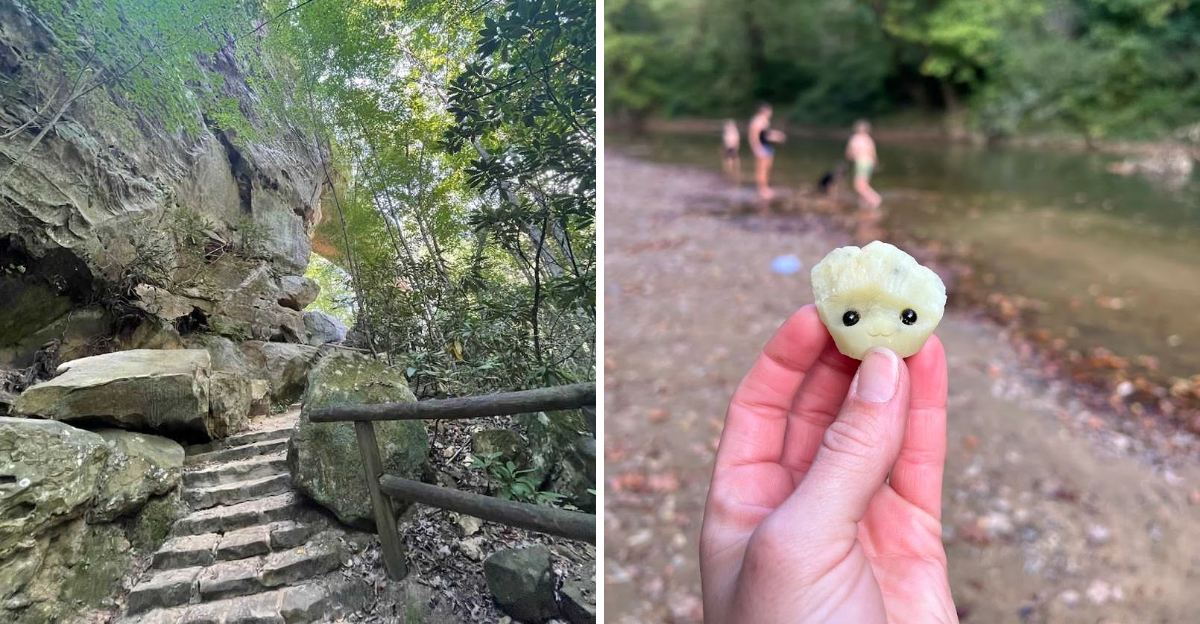
Your trunk is about to get heavier. That is the deal you make when you take this trip.
Kentucky sits on top of some genuinely strange geology, and the state has never been shy about it. Fluorite country in the west built an entire mining industry on purple crystals.
Geodes turn up in creek beds like the state is handing out party favors. Museums along the way display specimens that make your shoebox collection look modest.
Some stops let you dig. Others hand you a bucket and a screen and let you sort.
Both are more fun than they have any right to be at your age. You will start the drive with a casual interest in rocks.
You will end it explaining calcite to someone who did not ask. Bring gloves, water, and a container with a lid.
Your back seat has seen worse than a few pounds of limestone.
1. Ben E. Clement Mineral Museum
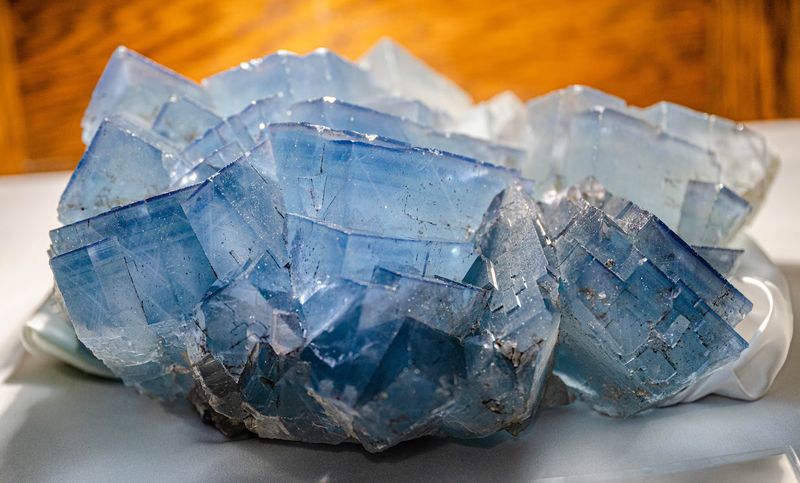
Fluorite is everywhere in Marion, Kentucky, and this museum makes sure you know it. The Ben E.
Clement Mineral Museum holds one of the most impressive private mineral collections ever donated to a public institution.
Located at 205 N Walker St, Marion, it celebrates the rich fluorspar mining history of western Kentucky in a way that feels personal and genuine.
Walking through the exhibits feels like cracking open the earth itself. Shelves glow with purple, green, and yellow fluorite specimens that were pulled from nearby mines.
The variety is jaw-dropping, even for people who think rocks are just rocks.
Ben Clement spent decades collecting these minerals, and his passion shows in every display case. The museum also features mining equipment, historical photos, and geological maps.
It is a small building with a massive story to tell. Plan to spend at least an hour here, because you will keep stopping to stare.
Admission is affordable, and the staff genuinely love talking about the collection. This is the kind of place that turns casual visitors into full-blown mineral enthusiasts by the time they reach the exit.
2. Mining And Mineral Resources Building
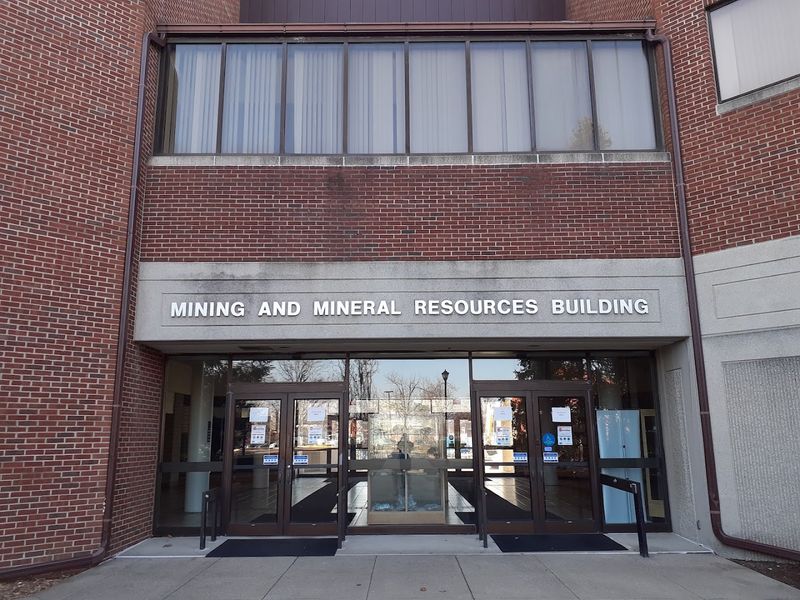
Most people visit Lexington for basketball or horse farms. Few realize the University of Kentucky is also home to one of the most informative geology resources in the state.
The Kentucky Geological Survey periodically welcomes the public through special events such as its annual Geoscience Open House. Visitors should confirm access before travelling to the Mining and Mineral Resources Building.
The building houses mineral and rock collections that support both research and public education. Displays cover Kentucky geology from ancient sea beds to modern mining operations.
It is surprisingly accessible for non-scientists, and the exhibits are laid out in a way that builds your understanding naturally.
I stopped in expecting a dry academic hallway and found myself genuinely fascinated by the fossil coral samples and coal seam cross-sections. The staff were friendly and happy to explain what I was looking at.
If you have kids along for the road trip, this stop adds serious educational value without feeling like homework. Kentucky sits on some remarkable geological formations, and this building puts that story in context.
It is a smart stop early in your road trip so the rest of the journey makes even more geological sense. Free to visit during university hours.
3. Red River Gorge Earth Shop
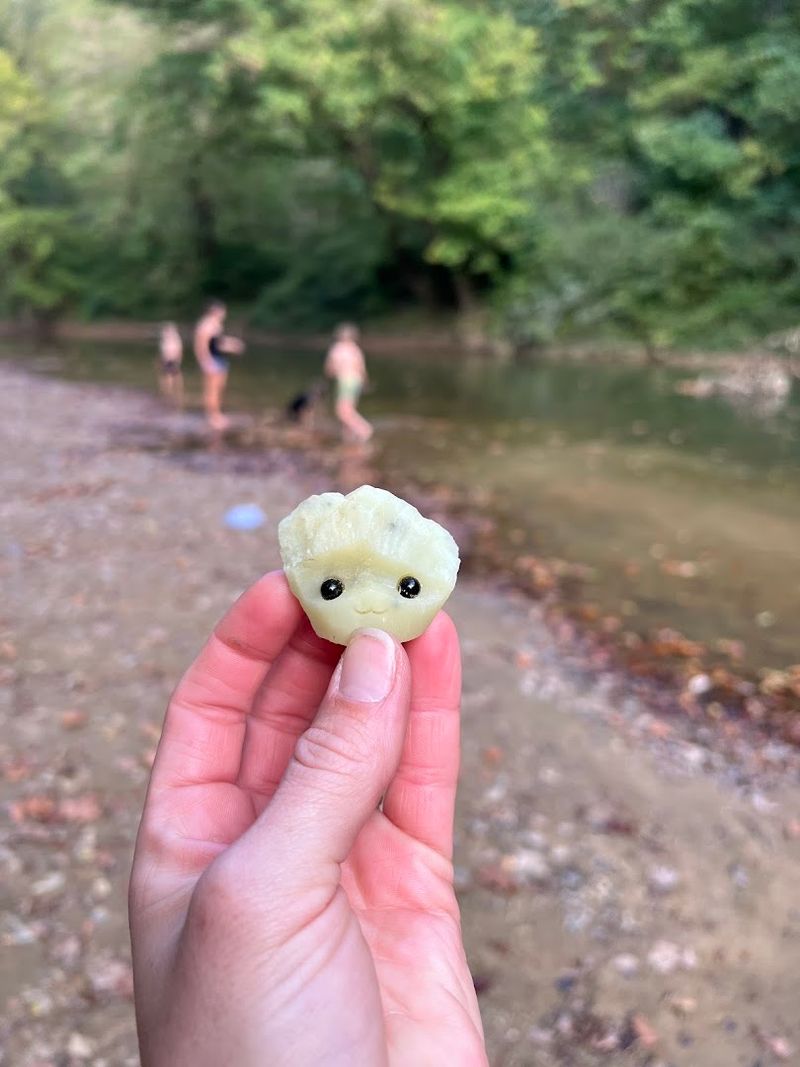
Right on the edge of one of Kentucky’s most dramatic landscapes sits a little shop that feels like it grew out of the rock itself. The Red River Gorge Earth Shop at 888 Natural Bridge Rd, Slade, is the kind of place rockhounds dream about finding on a road trip.
It stocks locally sourced minerals, crystals, fossils, and geodes at very reasonable prices.
The shop has a curated but not corporate feel. Every shelf seems to hold something unexpected, from raw quartz clusters to polished agates that catch the light perfectly.
The owners know their inventory and are happy to share where each piece came from.
What makes this stop special is its location. You are minutes from actual geological formations you can explore on foot.
Buying a piece here feels like taking home a fragment of the gorge itself. I picked up a small Kentucky agate that I still keep on my desk as a reminder of the trip.
The Earth Shop also carries field guides and maps, which are genuinely useful for rockhounding in the surrounding area. Stop here before hiking so you know what to look for out on the trail.
4. Gladie Visitor Center
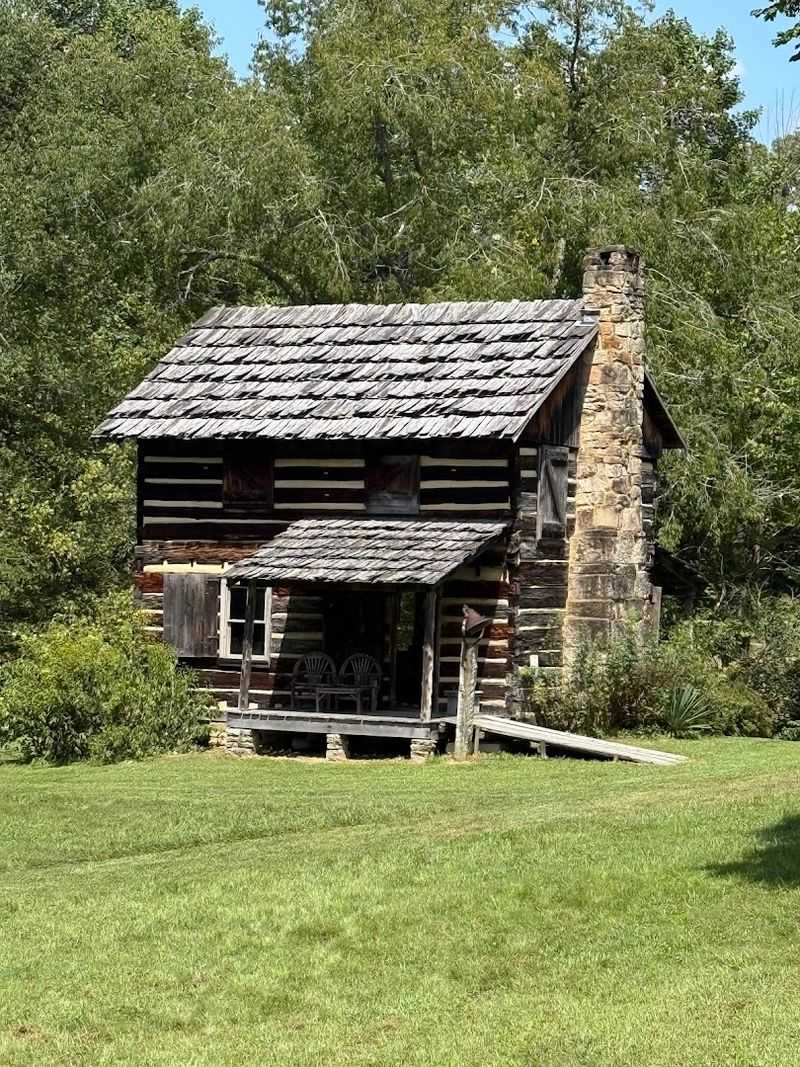
Some visitor centers hand you a pamphlet and point you toward the bathrooms. The Gladie Visitor Center at 3451 Sky Bridge Rd, Pine Ridge, actually teaches you something worth knowing.
Operated by the Daniel Boone National Forest, it serves as the main educational hub for Red River Gorge geology and natural history.
The center features hands-on exhibits about the sandstone arches, rock shelters, and creek geology that make this region so remarkable for rockhounds. Rangers here are knowledgeable and enthusiastic.
Ask about rockhounding regulations before you head out on any trail, because rules vary by area within the national forest.
The surrounding landscape is rich with iron-stained sandstone, plant fossils, and concretions that can be found along creek beds.
The visitor center helps you understand what you are seeing before you see it, which makes the whole experience more rewarding.
I asked a ranger about the best spots for finding fossils, and she pointed me toward two creek crossings I never would have found on my own.
The Gladie historic cabin site nearby is also worth a quick walk. This stop sets the tone for the most geologically rich section of the entire road trip.
5. Daniel Boone National Forest Supervisor’s Office
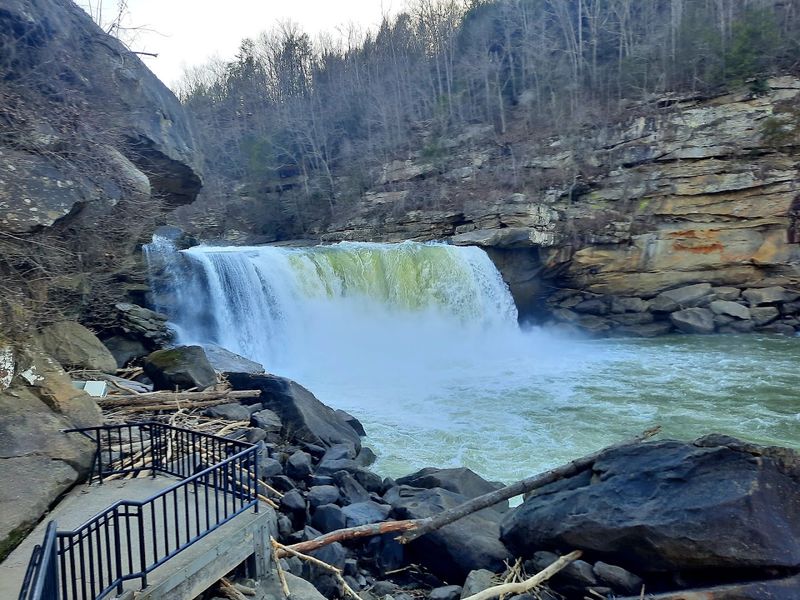
Before you start digging in creek beds across two million acres of national forest, it helps to know the rules.
The Daniel Boone National Forest Supervisor’s Office at 1700 Bypass Rd, Winchester, is the central authority for all land use within the forest, including rockhounding and fossil collecting.
Staff here can provide official maps, permitted collection zones, and guidance on what you can legally take home.
Casual rockhounding for personal use is generally allowed in national forests, but there are limits on quantity and restrictions near archaeological sites. Getting this information firsthand saves confusion later.
The office also stocks free brochures covering geology, trail conditions, and seasonal access. If you are planning a guided creek hunt or want to know which drainages are best for finding fossils, this is the right place to ask.
The staff are helpful and used to fielding questions from curious visitors. I stopped in with a rough plan and left with a much smarter one.
They pointed out a section of creek I had completely overlooked on my own map. Think of this office as your official briefing before heading into the field.
It takes twenty minutes and makes the whole rockhounding experience significantly better.
6. Kentucky Artisan Center
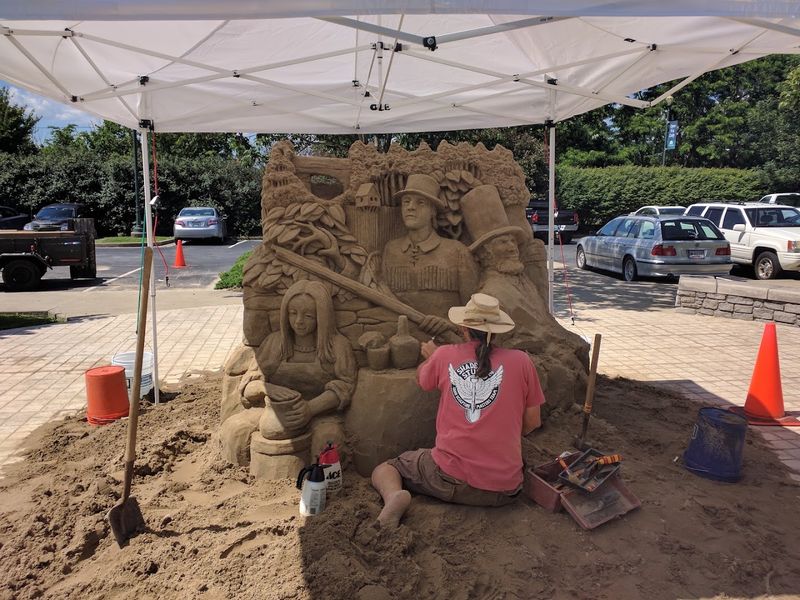
Berea is known as the folk arts capital of Kentucky, and the Kentucky Artisan Center at 200 Artisan Way makes a strong case for that title.
The center showcases work from hundreds of Kentucky artists, and a surprising number of them work with locally sourced stones, minerals, and fossils. It is where geology meets craftsmanship in a genuinely beautiful way.
You will find hand-carved stone jewelry, mineral-inlaid woodwork, and polished Kentucky agate pieces transformed into wearable art.
The quality is high and the prices reflect real labor, not mass production. Every piece comes with the story of the artist who made it.
For a rockhound, this stop adds a different dimension to the trip. It shows what skilled hands can do with the same materials you might find in a creek bed.
I bought a small pendant made from Kentucky agate here and wear it regularly.
The center also has a cafe and a well-stocked gift shop with geology-themed books and educational items. It sits right off Interstate 75, making it an easy and worthwhile detour.
Berea itself is a walkable, charming town worth an extra hour of exploration if your schedule allows.
7. Lost River Cave
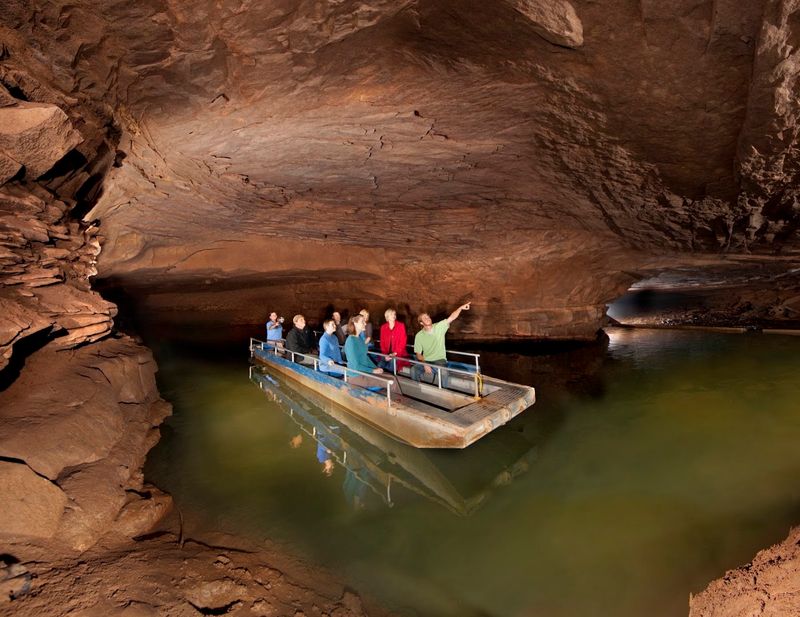
Underground rivers are not something most people expect to find on a rockhounding road trip, but Lost River Cave earns its spot on this list.
Located at 2818 Nashville Rd, Bowling Green, it offers guided boat tours through an actual underground river system carved into Kentucky limestone. The geology here is dramatic and immediate.
The cave walls display millions of years of sedimentary history up close. You can see where water dissolved the limestone, how stalactites began forming, and how underground drainage systems shape entire landscapes above ground.
Guides explain the geology clearly without talking down to visitors.
The cave stays a constant cool temperature year-round, which makes it a refreshing stop on a warm summer road trip day. Kids love the boat ride, and adults tend to get genuinely absorbed in the geological storytelling.
The surrounding grounds include nature trails, a butterfly habitat, and a geology exhibit near the entrance. I had not originally planned to stop here, but a fellow traveler at a gas station mentioned it and I am glad I listened.
It is not a traditional rockhounding site, but understanding cave geology deepens your appreciation for everything else you see on this trip. Budget about ninety minutes total.
8. Natural Bridge State Resort Park
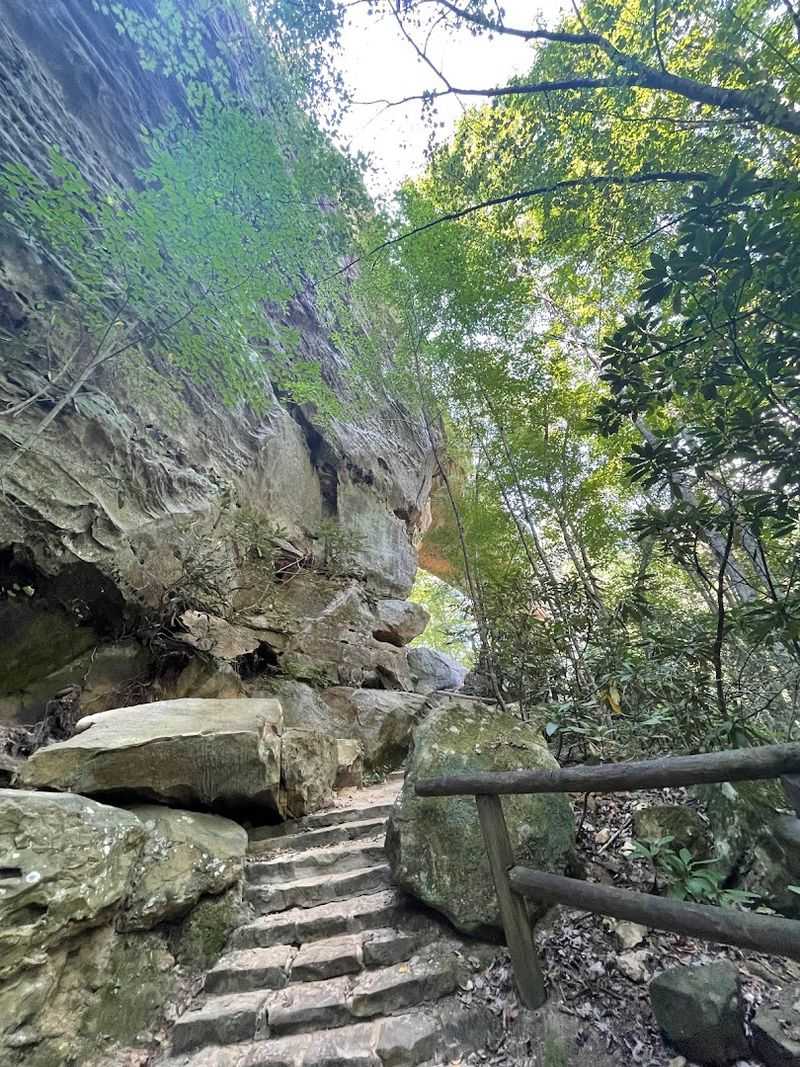
Standing beneath a sixty-five foot natural sandstone arch is the kind of moment that makes you stop talking mid-sentence.
Natural Bridge State Resort Park at 2135 Natural Bridge Rd, Slade, centers around one of Kentucky’s most remarkable geological formations.
The bridge was carved by water and wind over millions of years, and seeing it in person puts deep time into real perspective.
The park offers multiple hiking trails that pass through exposed sandstone outcroppings, creek beds, and forested ridgelines.
Along the way, you can spot plant fossils embedded in rock faces and iron oxide staining that paints the stone in shades of orange and red. It is a rockhound’s trail with a resort park wrapper.
A skylift also runs to the top for those who prefer not to hike, though the trail itself is manageable for most fitness levels.
The park has lodge accommodations, a pool, and a restaurant, making it a natural overnight stop on the road trip. I hiked up at sunrise and had the arch almost entirely to myself.
The light hitting the sandstone at that hour was extraordinary. Bring a hand lens to examine the rock surfaces closely.
You will find more than you expect.
9. Agate Alley Gem Mine
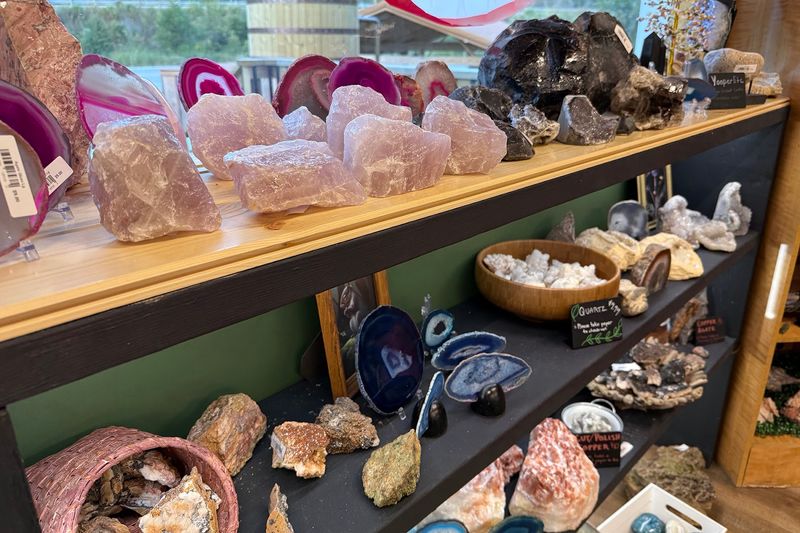
If you want to actually dig for something and take it home, Agate Alley Gem Mine at 9901 Campton Rd Suite G, Stanton, is the highlight of the whole road trip.
This is a hands-on gem mining experience where you sluice through bags of mineral-rich material and keep everything you find. It is genuinely exciting regardless of your age.
The mine stocks bags with Kentucky-region minerals including agates, garnets, fossils, and quartz varieties. Staff help you identify what you find and explain where each mineral type originates.
The sluice setup is clean, well-organized, and fun for groups of any size.
I went in expecting a tourist gimmick and came out with a bag of legitimately interesting specimens and a much better understanding of regional geology.
The staff are enthusiastic without being pushy, and they clearly enjoy watching people discover their finds. Agate Alley also carries a retail selection of minerals, geodes, and lapidary supplies if you want to browse without sluicing.
It sits close to Red River Gorge, making it a natural companion stop to the hiking and natural areas nearby. Set aside at least an hour and expect to leave with dirty hands and a big smile.
Bring cash just in case.