This Kentucky Wildlife Center Is Home To Forty Native Species You Can Meet Face-To-Face
You have probably driven past a zoo and thought about the logistics of it all. Someone has to fly in a penguin.
Someone has to explain Kentucky weather to a giraffe. This place skipped that entire conversation.
Every species here is native to Kentucky, which sounds modest until you meet the bison. There is also a black bear who has been the main attraction for a quarter century and knows it.
The bald eagle got here because of a broken wing, and now he has a job. You will find bobcats, elk, screech owls, and a salamander with a name so odd you will say it out loud twice.
The whole thing sits on twelve acres near Frankfort. Admission costs less than lunch.
Your kids will talk about the bear for a week.
The Center That Hides Behind A Quiet Parking Lot
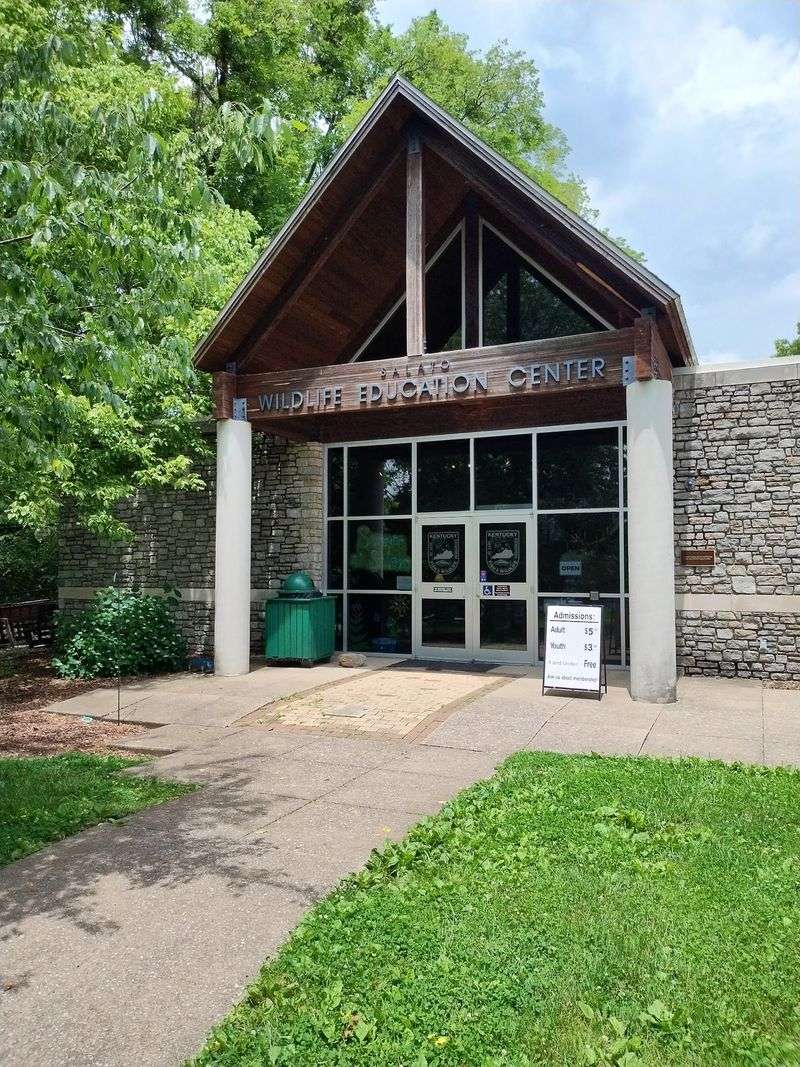
Salato Wildlife Education Center looks modest until you step past the front doors. The building is calm, clean, and full of exhibits that pull you in slowly.
Inside, freshwater aquariums glow along the walls. Kentucky fish drift behind the glass while kids press their noses close.
The staff greet you without a script. They point out what is active outside that morning, which saves you time.
Displays explain the state’s forests, rivers, and grasslands in plain language. I learned more in ten minutes than I expected to learn all day.
The center is run by the Kentucky Department of Fish and Wildlife Resources. That connection shows in the accuracy of every panel.
Restrooms, water fountains, and shaded benches sit close to the entrance. Small details like that matter when you bring children.
Admission is affordable and hours vary by season, so check before you drive. Closures happen in winter months.
Give yourself two hours minimum. Three is better if you plan to walk the outdoor trails.
You will find it at 1 Sportsman’s Ln, Frankfort, Kentucky.
Bison Grazing Where You Least Expect Them
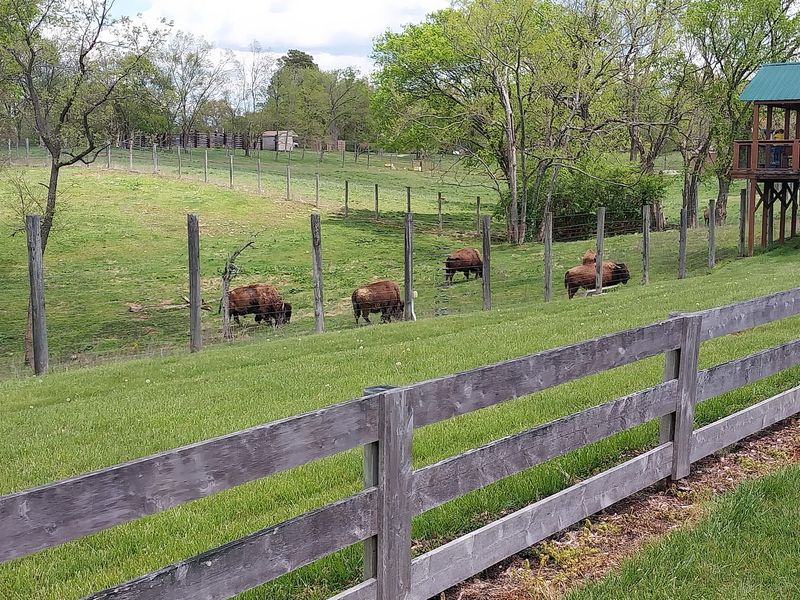
Nothing prepares you for the size of a bison up close. The animals here graze in a broad field, and the fence keeps everyone comfortable.
Kentucky once had bison in large numbers. Their trails helped shape early roads across the state.
I stood at the viewing area for twenty minutes without moving. One bull turned his head and simply looked at me.
They move slowly, then suddenly not slowly at all. That shift catches visitors off guard every time.
Morning visits usually give you the best activity. Afternoon heat sends them toward shade and stillness.
Signs near the enclosure explain their history in Kentucky. Kids read them out loud without being asked, which says something.
Bring binoculars if you have a pair. The field is large and the animals sometimes drift toward the far edge.
Photos are tricky through fencing. Hold your lens close to the wire and the mesh mostly disappears.
The bison are one of the first things guests mention afterward. They anchor the whole outdoor experience.
Give them a few minutes of patience. They reward it.
Elk With Antlers Wider Than Your Arms
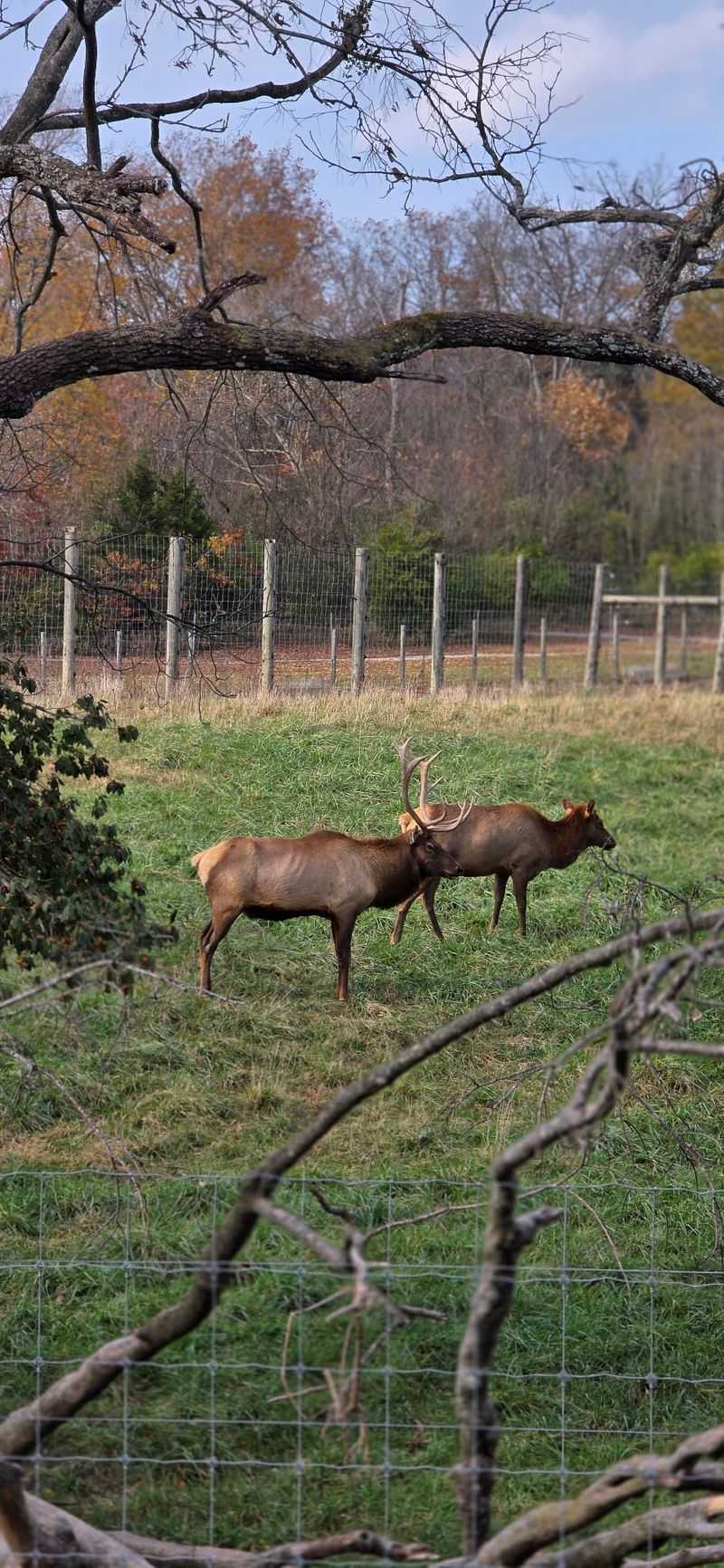
Elk once vanished from Kentucky and later returned through careful restoration work. Seeing one in person makes that story feel real.
The bulls carry antlers that seem impossible. In fall, they look like walking furniture.
Their enclosure includes trees and open space, so the animals can choose sun or shade. Patience helps here too.
I visited on a cool morning and watched one bull rub his antlers on a trunk. The sound carried across the whole path.
Eastern Kentucky now holds one of the largest elk herds east of the Mississippi. Staff explain that history clearly on nearby signs.
Cows and calves behave differently than bulls. They cluster, graze, and stay alert to noise.
Antlers drop each year and grow back larger. Ask a staff member if any shed antlers are on display.
Keep voices low near the viewing rail. Quiet visitors see more movement.
The elk area connects easily to the rest of the outdoor loop. You will pass it more than once.
It is worth stopping both times.
Black Bears That Steal Every Visitor’s Attention
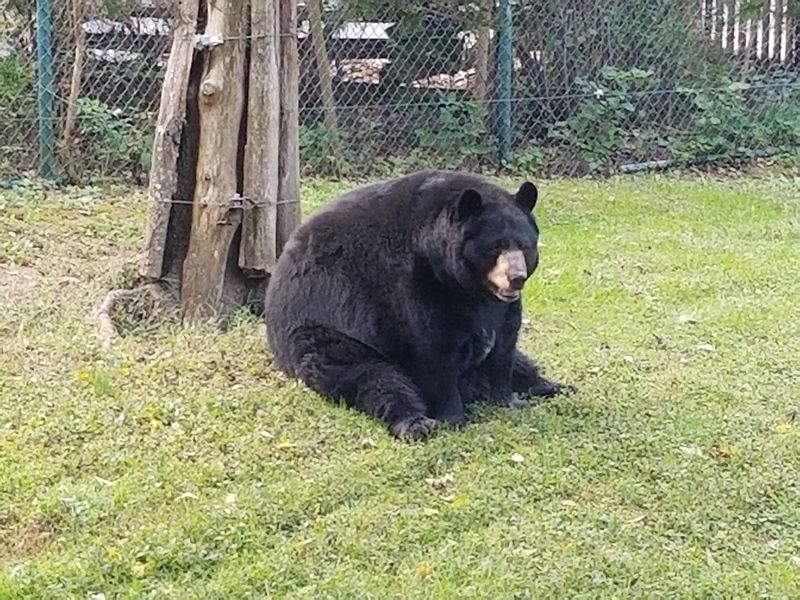
Ask any kid what they remember and the answer is usually the bears. Their enclosure sits along the outdoor path with wide viewing spots.
Black bears live in eastern Kentucky’s mountains. Sightings there have grown steadily over recent decades.
The bears here move with a slow, rolling walk. Then they climb, and everything speeds up.
I watched one flip a log looking for insects. It took about four seconds and looked effortless.
Feeding and enrichment times draw crowds. Staff hide food so the bears use their noses and paws to work for it.
Interpretive signs cover bear safety for hikers and campers. Practical advice, not scary talk.
Their sense of smell ranks among the strongest of any land mammal. That detail sticks with visitors.
Shade near the viewing area helps on warm days. Bring a hat anyway.
Try to arrive early if bears are your priority. Activity levels drop as the day warms up.
Stay a few extra minutes. They usually do something worth watching.
Bobcats, Foxes, And The Art Of Looking Closely
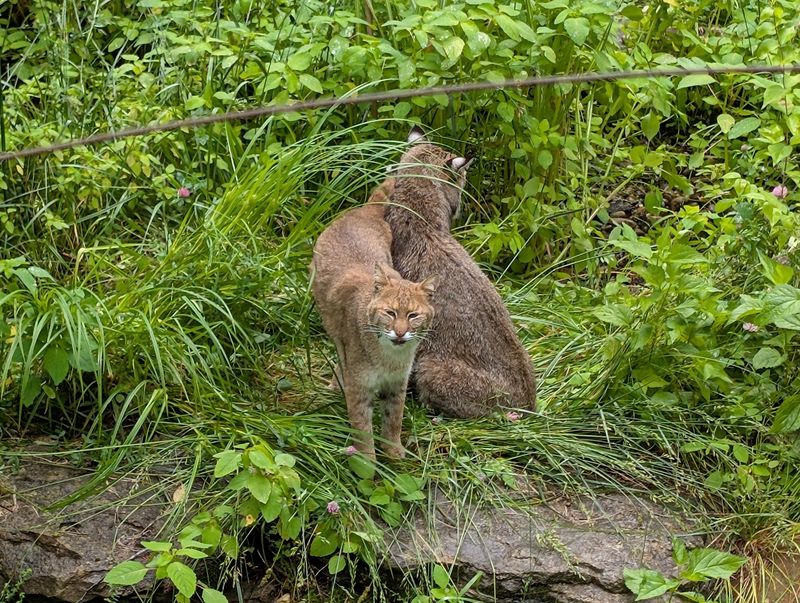
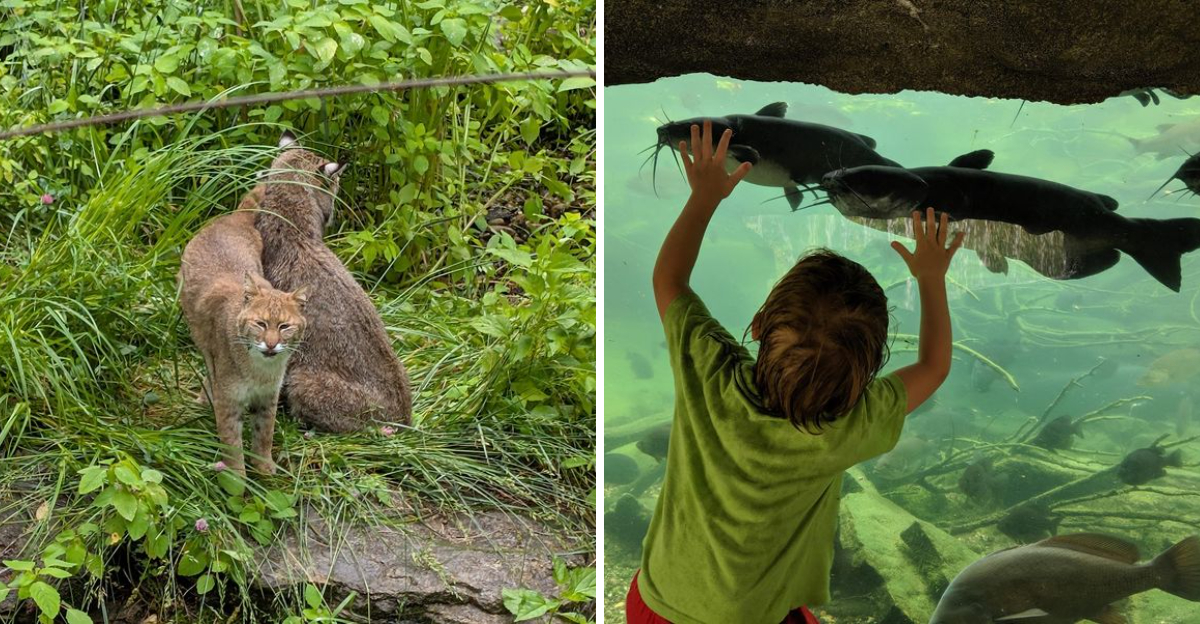
Bobcats are experts at not being seen. Their enclosure has rocks, brush, and ledges that suit that talent perfectly.
My first pass found nothing. On the second loop, one was sitting in plain sight, ten feet away.
Red and gray foxes also live at the center. Gray foxes can climb trees, which surprises almost everyone.
Look for movement rather than shapes. Ears and tails give them away first.
Kentucky’s bobcat population is healthy statewide. Most people never spot one in the wild.
Signs describe how these animals hunt small prey and keep rodent numbers balanced. Useful information, simply written.
The paths here are paved and easy to walk. Strollers handle them without trouble.
Photography takes patience. Use a longer lens and wait for the animal to settle.
Late afternoon often brings more activity from the smaller predators. Ask staff what they have noticed that day.
Walk the loop twice if time allows. The second pass almost always shows you something new.
Birds Of Prey With Serious Stares
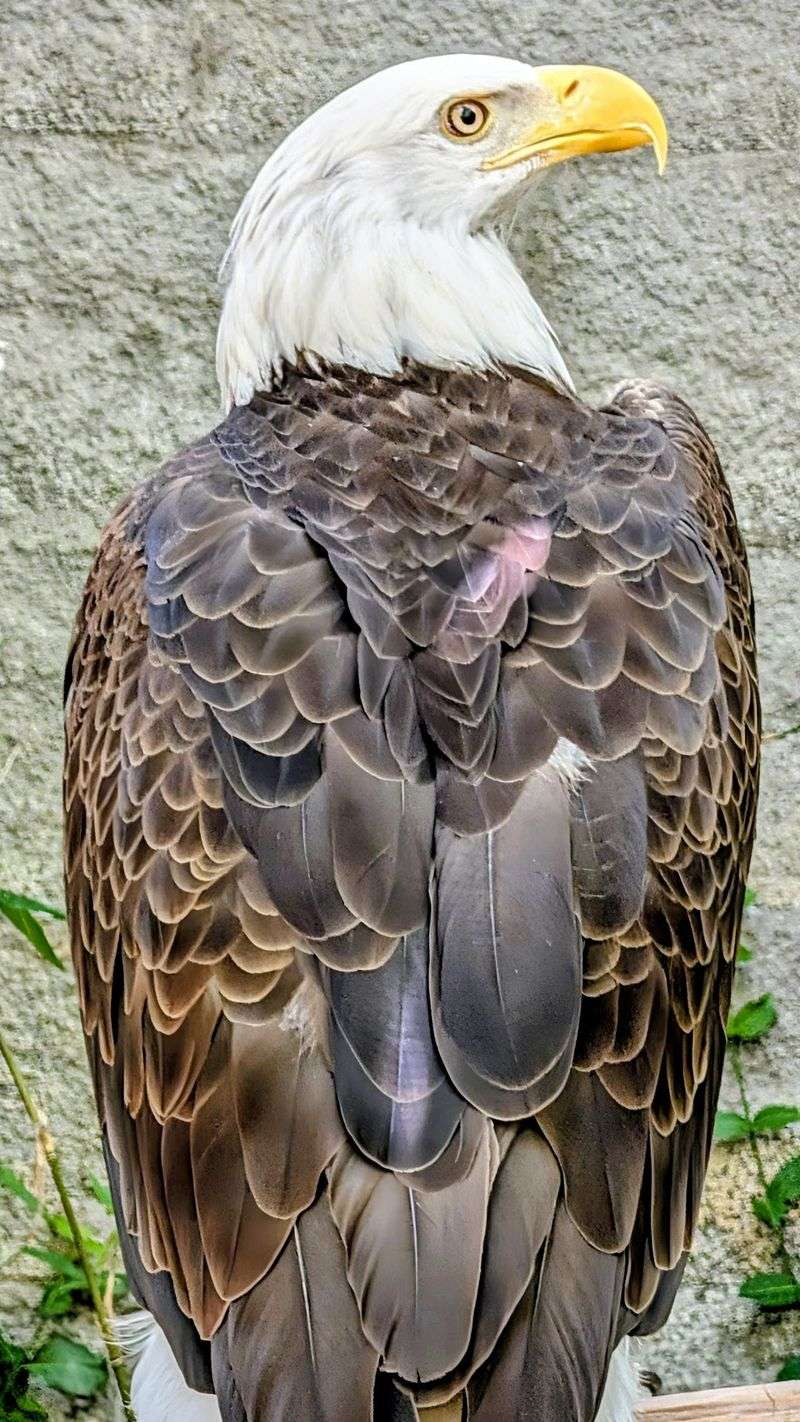
A bald eagle looks straight through you. The aviaries here put you close enough to notice every feather.
Many of the birds at the center cannot survive in the wild due to permanent injuries. They now serve as ambassadors.
Hawks, owls, and eagles occupy separate spaces along the outdoor path. Each has interpretive signage.
Barred owls have dark eyes and a call that sounds like a question. Kids love imitating it.
I stopped at the red-tailed hawk enclosure and stayed longer than planned. The bird never blinked once.
Eagle talons grip with tremendous force. Signs explain how that strength works during hunting.
Photograph through the mesh by getting close and focusing past it. The trick works surprisingly well.
Keep noise down near the aviaries. Loud groups make the birds retreat to back perches.
Vulture exhibits also appear along the route. Underrated birds, honestly, and important cleanup crews.
Read at least two signs here. The rehabilitation stories are genuinely interesting.
Turtles, Snakes, And Indoor Aquariums Worth Slowing Down For
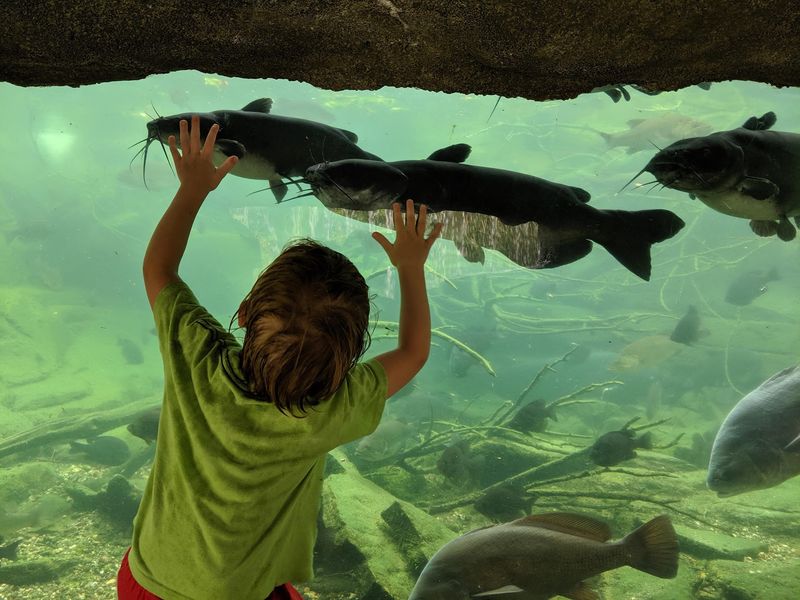
The indoor section handles Kentucky’s cold-blooded residents. Aquariums line the walls with bass, catfish, and gar.
Turtles bask under lamps and ignore everyone. That is part of their charm.
Snake exhibits explain which species are venomous and which are harmless. The information is calm and factual.
Kentucky has four venomous snake species. Everything else you meet outdoors is safe to leave alone.
I overheard a staff member answer a kid’s question about copperheads. The explanation was clear and reassuring.
Air conditioning makes this area a good midday break. Summer visitors appreciate that more than they admit.
Some exhibits rotate, so repeat visits show new residents. Ask at the desk what has changed.
Benches let you sit and watch the fish tanks. Kids settle down fast in front of moving water.
Educational programs sometimes happen indoors on weekends. Schedules are posted near the entrance.
Save this section for when your legs need a rest. It works perfectly as a halfway point.
Trails, Lakes, And Planning A Visit That Works
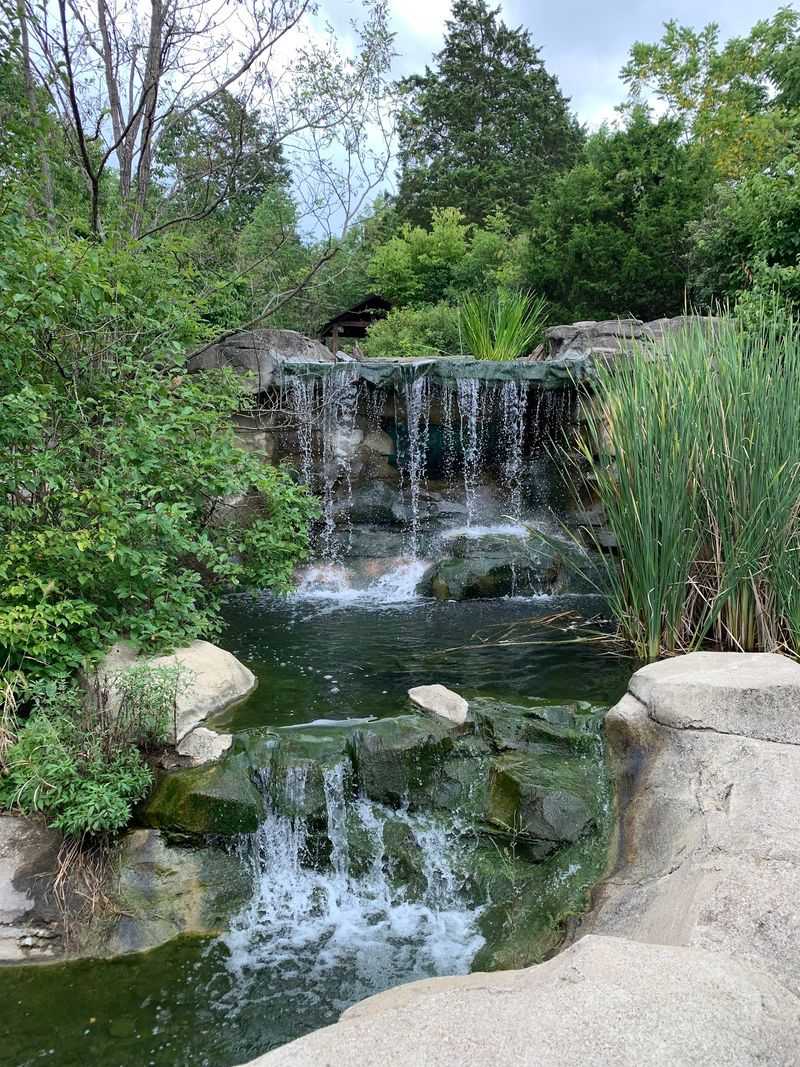
Beyond the animal exhibits, the grounds open into trails and two fishing lakes. The change of scenery keeps the visit fresh.
Paths wind through woods and meadows with butterfly gardens along the way. Wildflowers bring in pollinators all summer.
The Dragonfly Trail and Habitat Trail are short and manageable. Comfortable shoes are enough.
Fishing is allowed at the lakes with a valid Kentucky license. Check current rules before casting.
Picnic tables sit near open lawn space. Packing lunch saves money and time.
I ended my visit on a bench by the water. Turtles surfaced, dragonflies hovered, and nobody was in a hurry.
Weekdays are quieter than weekends. School groups arrive in spring mornings, so plan around that if you want calm.
The center closes on certain days and seasons, so confirm hours first. A quick check prevents disappointment.
Bring water, sunscreen, and curiosity. That covers everything you need.
Forty native species, one easy loop, and a whole afternoon that feels well spent.