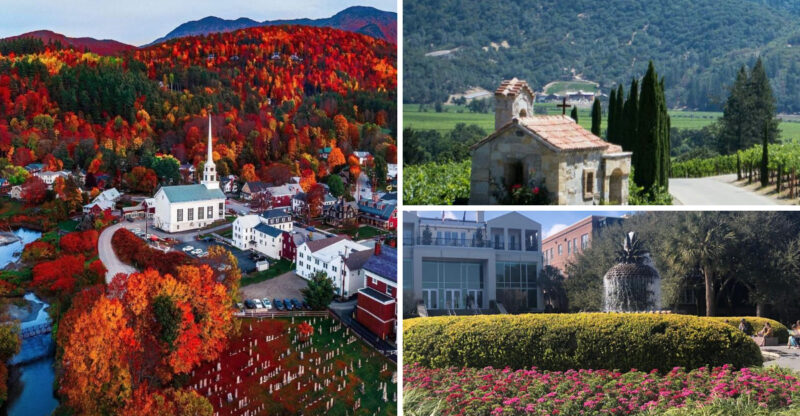
This Laid-Back California Town Is Quietly Becoming One Of West Coast’s Favorite February Escapes
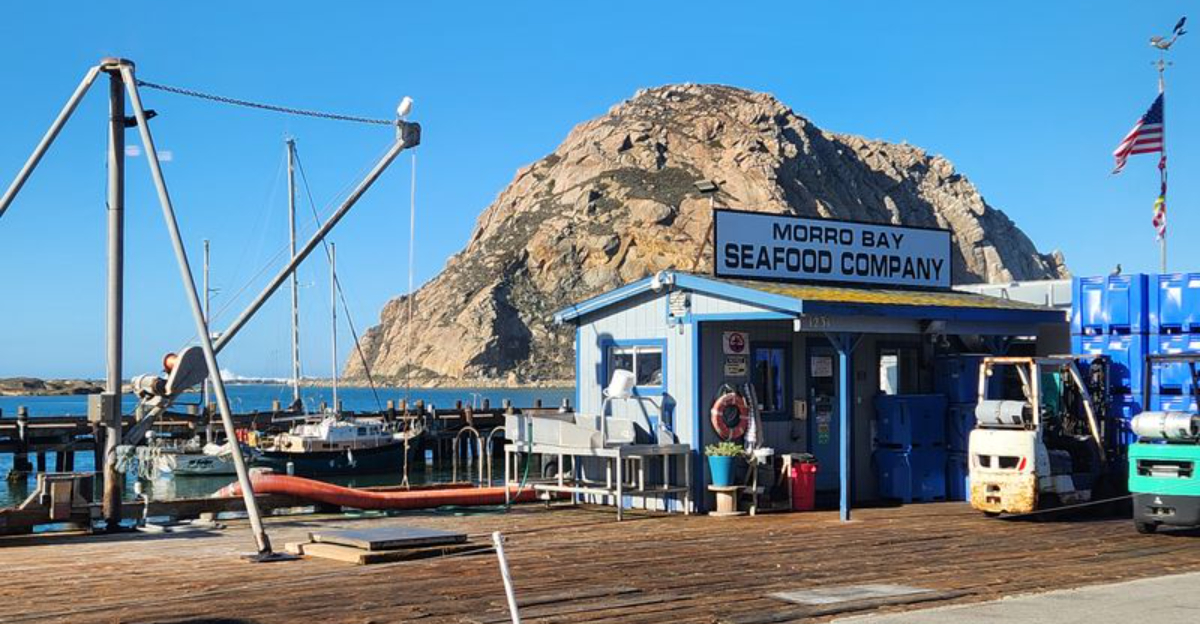
February looks different here. No snow boots. No gray slush. Just cool ocean air and a harbor that feels like it’s exhaling.
Morro Bay doesn’t try to impress you loudly. It doesn’t have to. Giant waves roll in quietly. Sea otters float like they own the place. And Morro Rock rises from the water like something ancient and unmoved by time.
You wake up to fog that slowly lifts. Coffee tastes better with salt in the air. The waterfront feels unhurried, like everyone silently agreed to slow down.
Then there are the whales.
They pass by offshore this time of year, steady and sure on their migration north. You stand there scanning the horizon, and suddenly a spout appears. It feels small and magical all at once.
February keeps the crowds away. Trails stay peaceful. Restaurants feel local. The whole town feels like it’s letting you in on a secret.
California in February can mean standing by the ocean in a sweater, watching whales glide past Morro Rock, and realizing winter doesn’t have to feel heavy.
You don’t come here for noise. You come here to breathe. And somehow, that’s exactly what you do.
1. Comfortable Winter Weather Makes February Perfect
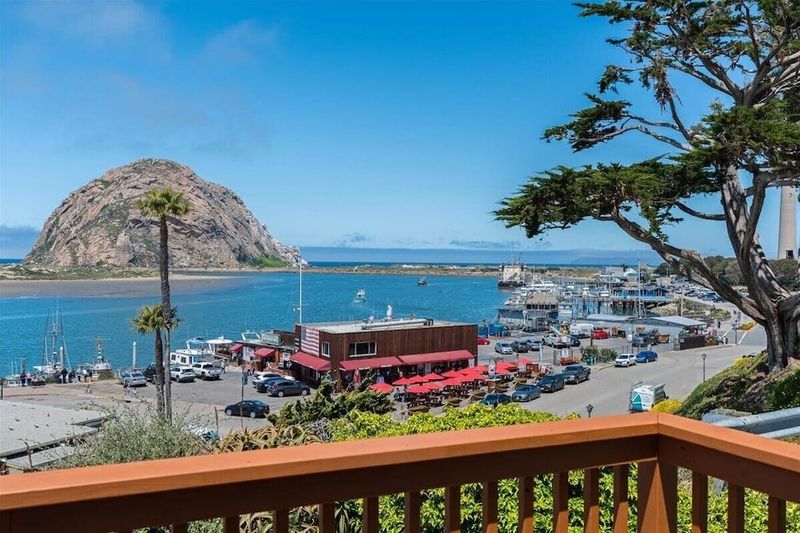
February temperatures in Morro Bay hover around 52 degrees, creating conditions that feel refreshing without being uncomfortably cold.
Visitors can explore outdoors comfortably with just a light jacket or sweater, unlike colder destinations that require heavy winter gear. The mild climate means activities remain enjoyable throughout the day.
Morning walks along the Embarcadero feel crisp and energizing, while afternoon hikes warm up just enough to feel pleasant. Rain occurs occasionally but tends to pass quickly, leaving behind clear skies and fresh ocean air.
This weather pattern makes February ideal for travelers seeking outdoor experiences without extreme temperatures. Families can spend full days exploring without worrying about children getting too cold.
Photographers appreciate the soft winter light that creates beautiful conditions for capturing coastal landscapes.
The comfortable temperatures also mean restaurants with outdoor seating remain appealing options.
Waterfront dining feels enjoyable rather than chilly, especially during midday hours when sunshine warms patios naturally.
This climate advantage sets Morro Bay apart from many winter destinations where indoor activities become necessary. Packing becomes simpler with this moderate weather.
Layered clothing works perfectly, allowing adjustments throughout the day as temperatures shift slightly between morning fog and afternoon sun.
2. Winter Bird Festival Draws Nature Enthusiasts
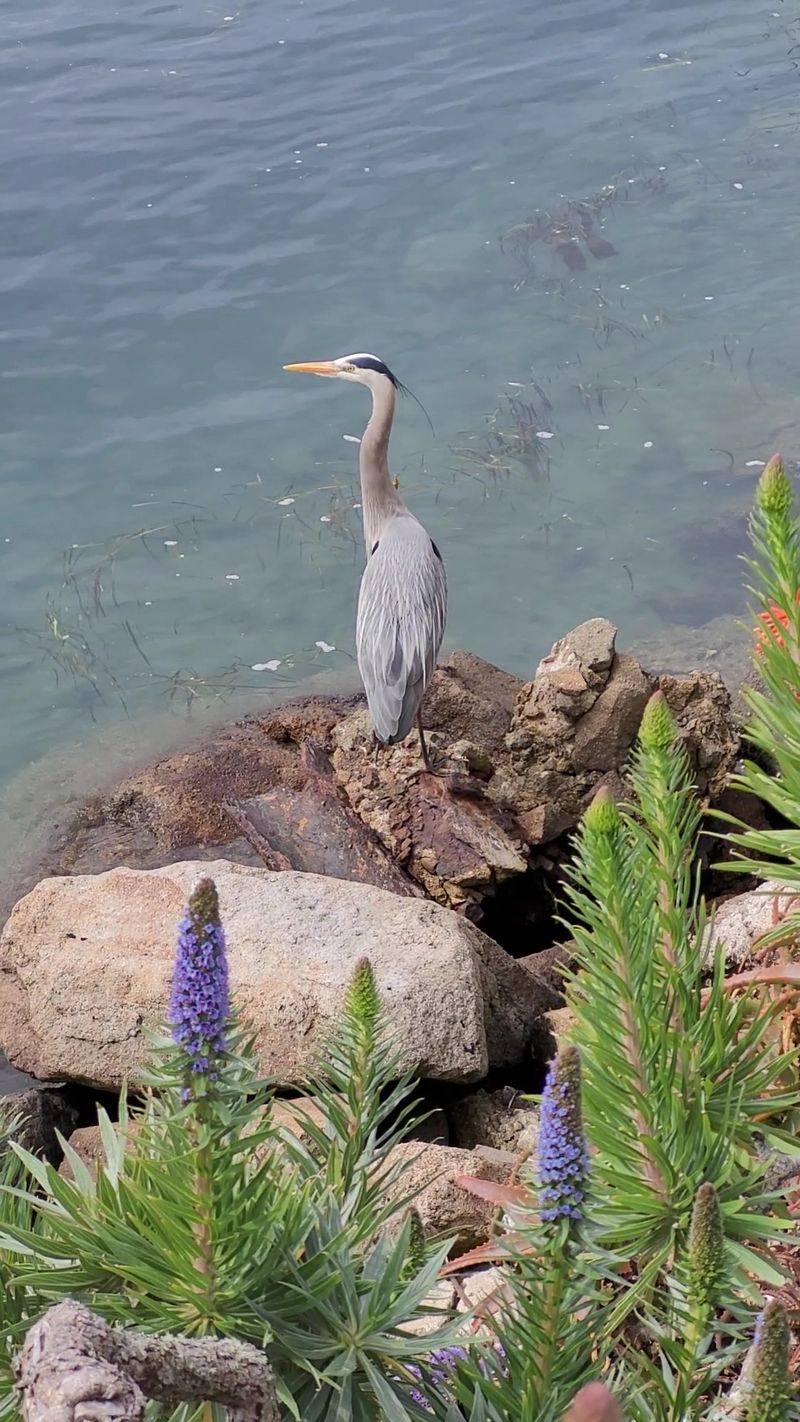
Each year over Martin Luther King Jr. weekend, Morro Bay hosts a Winter Bird Festival that attracts more than 450 birding enthusiasts.
The event celebrates the approximately 200 bird species that inhabit or pass through the area during winter months. Guided tours lead participants through different habitats where various species gather.
The estuary provides rich feeding grounds for shorebirds and waterfowl, while nearby forests shelter songbirds and raptors.
Experienced guides help identify species and share information about migration patterns and behaviors. Photography workshops during the festival teach techniques for capturing birds in natural settings.
The combination of diverse species and scenic backdrops creates exceptional opportunities for both amateur and experienced wildlife photographers. Many participants return year after year, building friendships with fellow birders.
The festival includes presentations from ornithologists and conservationists who discuss topics ranging from habitat preservation to climate impacts on bird populations.
These educational components add depth to the experience beyond simple observation. Even visitors unfamiliar with birding find the festival welcoming.
Beginner-friendly activities introduce basic identification skills and provide binoculars for those without equipment.
The shared enthusiasm for nature creates an inclusive atmosphere where everyone can participate regardless of experience level.
3. Gray Whales Migrate Past The Coast
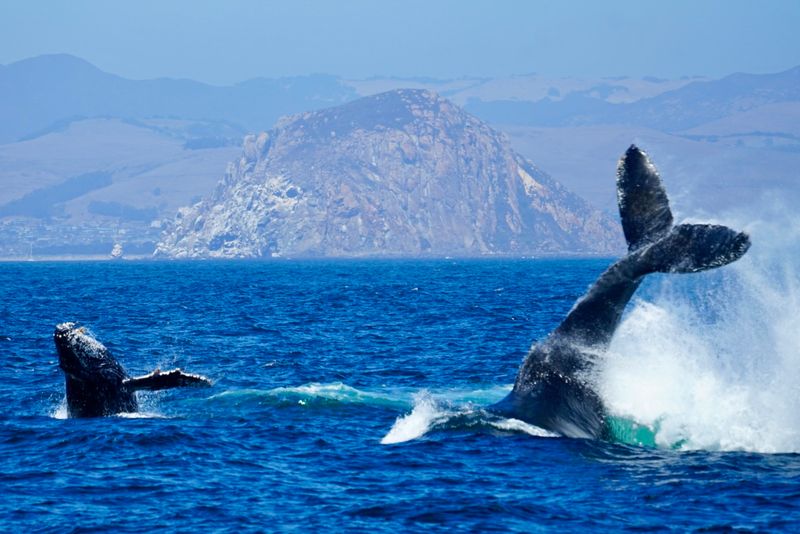
February marks the beginning of the northbound gray whale migration along the California coast. These massive mammals travel from breeding lagoons in Baja California back toward Arctic feeding grounds, passing offshore near Morro Bay during their journey.
Local tour operators offer whale-watching excursions into the Pacific, maintaining respectful distances while providing excellent opportunities to observe whales as they surface to breathe.
A 40-foot gray whale spouting just offshore is an unforgettable sight. Other species, including humpback whales, may also be seen seasonally.
Knowledgeable captains often share information about whale biology and migration patterns during tours.
Shore-based whale watching is another option, with coastal viewpoints offering elevated spots to scan for spouts and backs breaking the surface. Binoculars greatly improve the experience.
While wildlife sightings are never guaranteed, late winter offers consistent opportunities to observe migrating whales, adding an exciting element to a February visit.
4. Elfin Forest Offers Unique Coastal Hiking
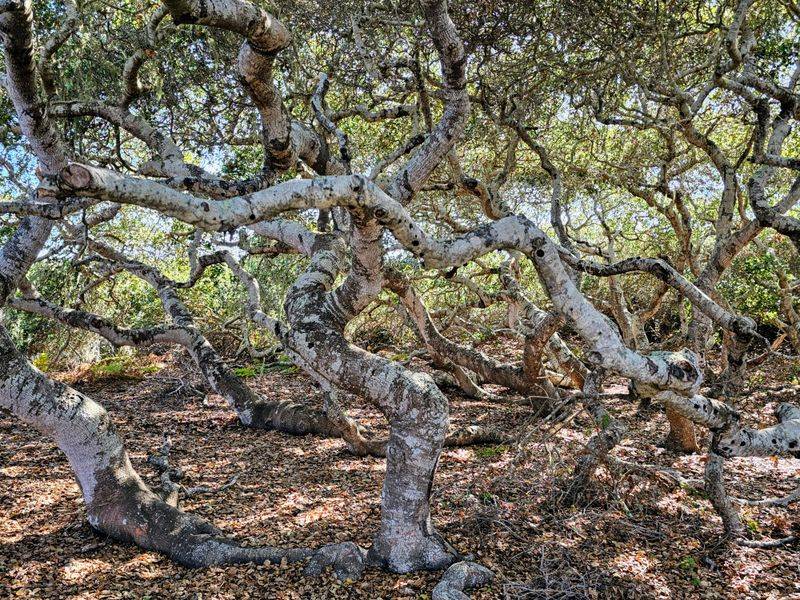
The Elfin Forest Natural Area protects 90 acres of rare pygmy oak woodland, where ancient trees grow only a few feet tall due to harsh coastal conditions.
Nearly a mile of boardwalk trails wind through this unusual landscape, keeping visitors on designated paths while protecting fragile vegetation.
Walking through the forest feels like entering a miniature world where full-grown oaks reach barely waist height.
The twisted branches and gnarled trunks create shapes that photographers find endlessly fascinating.
Interpretive signs along the trail explain the unique geology and ecology that created this environment. The boardwalk system makes the area accessible to visitors with varying mobility levels.
The smooth wooden surface accommodates wheelchairs and strollers on most sections, though some elevation changes exist.
Benches positioned along the route provide rest spots with views across the forest and toward the estuary. Different seasons bring changes to the forest appearance.
February vegetation shows fresh green growth from winter rains, and wildflowers begin emerging in sheltered spots. Bird songs fill the air as species move through the area during migration.
The trail typically takes 30 to 45 minutes to walk at a leisurely pace, though many visitors spend longer stopping to observe plants and wildlife. The peaceful atmosphere encourages slow exploration rather than rushing through.
5. Morro Bay State Park Provides Diverse Activities
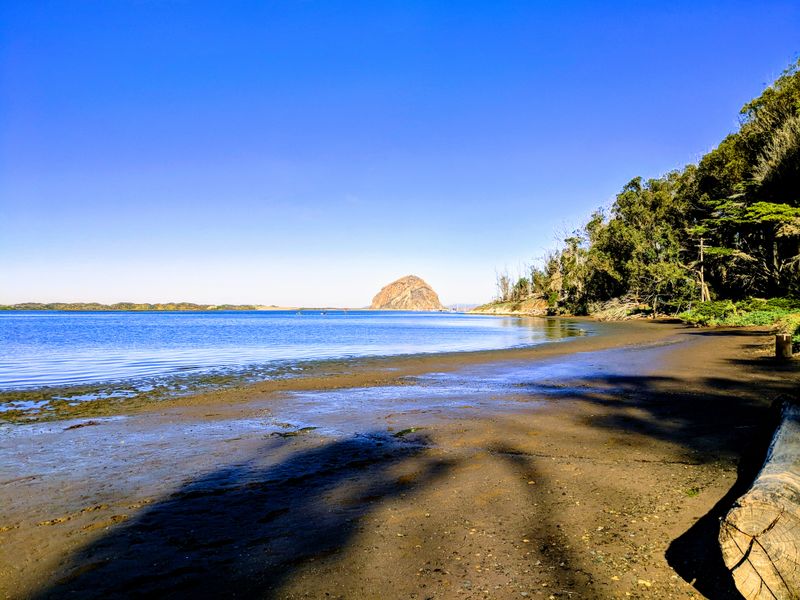
Spanning over 2,700 acres, Morro Bay State Park encompasses diverse habitats from coastal waters to wooded hillsides.
The park entrance sits at State Park Road, providing access to trails, campgrounds, and waterfront areas that attract visitors year-round. Hiking trails range from easy bayside walks to more challenging climbs up Black Hill.
The Black Hill Trail gains elevation steadily, rewarding hikers with panoramic views across Morro Bay, the estuary, and surrounding landscape.
Clear February days offer exceptional visibility extending far along the coastline. The park marina serves as a launch point for kayakers and small boats exploring the protected bay waters.
Calm conditions inside the harbor make paddling accessible even for beginners, while more experienced kayakers venture toward the estuary channels.
Fishing from shore or boat remains popular, with various species available depending on season and location.
Camping facilities within the park include sites with basic amenities and access to restrooms and showers.
February camping offers cooler temperatures that many find more comfortable than summer heat. Campsites fill less quickly during winter months, increasing availability for last-minute visitors.
The park’s natural beauty and recreational variety make it a central feature of any Morro Bay visit. Families find enough activities to fill multiple days without repeating experiences.
6. Museum Of Natural History Explores Local Ecology
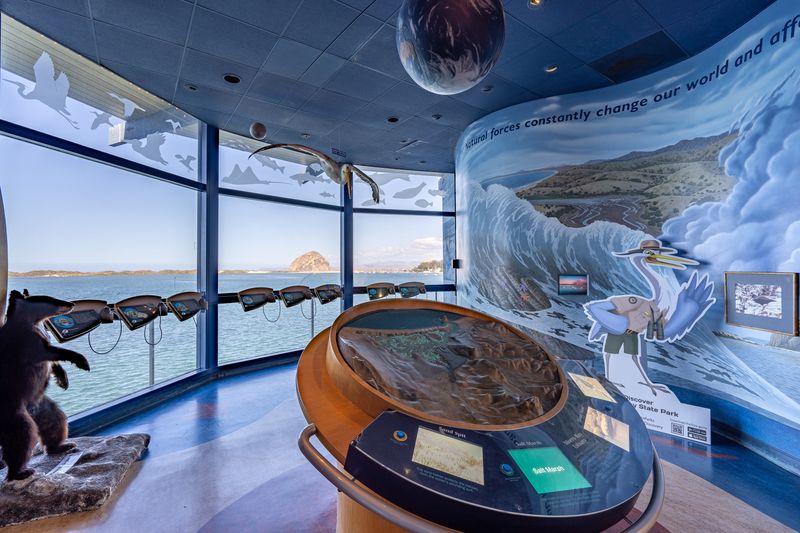
Perched on a hillside within Morro Bay State Park, the Museum of Natural History focuses on the ecology, geology, and cultural history of the region.
The museum building at 20 State Park Rd, Morro Bay, CA 93442 offers views over the estuary, connecting indoor exhibits with the outdoor landscapes they describe.
Interactive displays explain how the estuary functions as a critical habitat for fish, birds, and marine invertebrates.
Touch tanks allow visitors to gently handle sea stars and other tide pool creatures under staff supervision. These hands-on elements particularly engage younger visitors while teaching respect for marine life.
Geological exhibits detail the volcanic origins of Morro Rock and the chain of ancient volcanic peaks extending inland. Models and diagrams illustrate processes that shaped the coastline over millions of years.
Understanding this geological history adds depth to views of the dramatic rock formations visible throughout the area.
Cultural history sections acknowledge the Chumash people who inhabited this region for thousands of years before European contact.
Displays show traditional tools, explain resource use, and discuss the sophisticated maritime culture that developed along this coast.
The museum operates on a modest scale, typically requiring 45 minutes to an hour for a thorough visit.
The combination of natural science and cultural history provides context that enhances appreciation for the entire Morro Bay area.
7. Maritime Museum Preserves Nautical Heritage
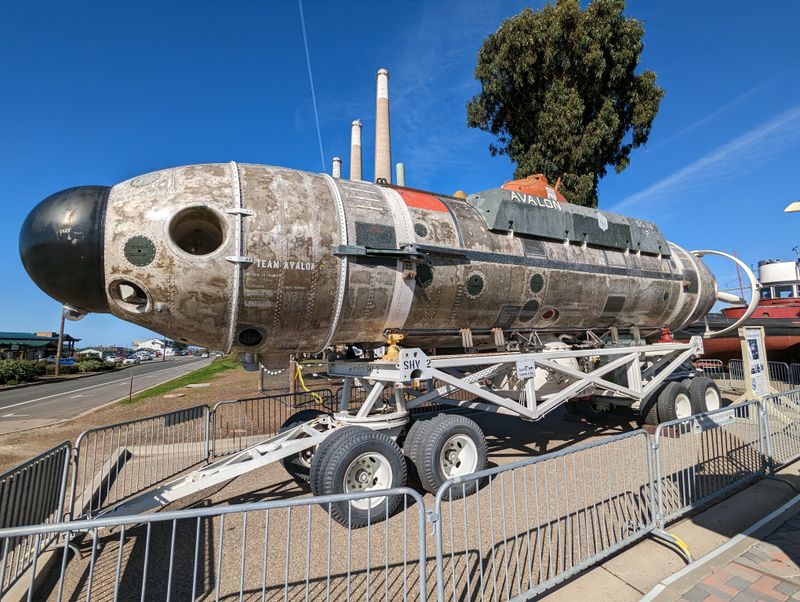
The Morro Bay Maritime Museum documents the town’s relationship with the sea through collections of historic boats, fishing equipment, and navigational instruments.
Visitors can find the museum at 1210 Embarcadero, Morro Bay, CA 93442, appropriately situated near the working harbor it chronicles.
Exhibits trace the development of local fishing industries from early methods to modern commercial operations.
Photographs show the harbor’s evolution over decades, revealing how boats, equipment, and waterfront structures changed with technology and regulations.
These historical images provide fascinating comparisons with current harbor scenes visible just outside.
Restored boats on display include examples of vessel types that worked these waters commercially and recreationally.
Detailed information explains construction methods, intended uses, and the skills required to operate each craft. Maritime enthusiasts appreciate the careful preservation and documentation efforts.
The museum also covers Coast Guard operations and rescue services that have protected mariners along this sometimes treacherous coastline.
Stories of dramatic rescues and the brave individuals who performed them add human interest to the nautical history.
Volunteer docents often staff the museum, sharing personal knowledge and answering questions with genuine enthusiasm. Their passion for maritime heritage creates engaging conversations that bring exhibits to life.
The museum typically requires about an hour to explore thoroughly, though maritime history buffs often spend longer examining details.
8. Fresh Seafood Restaurants Line The Embarcadero
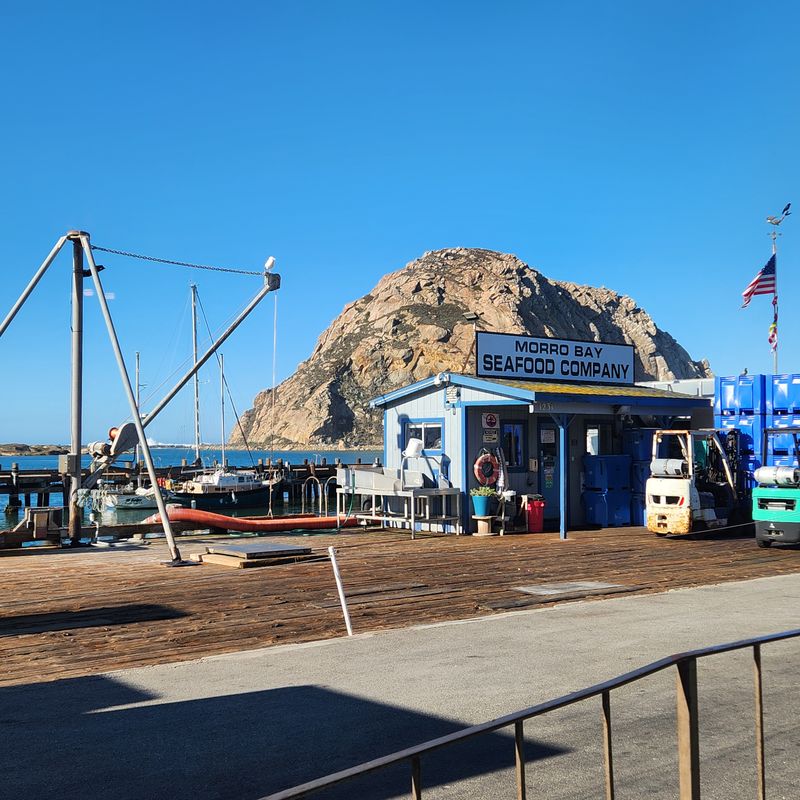
The Embarcadero stretches along the waterfront, lined with restaurants specializing in fresh seafood caught locally.
Many establishments feature windows or outdoor seating that provide harbor views while dining, creating a connection between the meal and its ocean origins.
Menus emphasize fish and shellfish landed at nearby docks, often listing specific catch dates or fishing methods. Preparations range from simple grilled fish to more elaborate dishes incorporating local ingredients.
The proximity between fishing boats and restaurant kitchens means exceptional freshness that seafood lovers notice immediately. Dining atmospheres vary from casual counter-service spots to more refined sit-down restaurants.
Families find kid-friendly options with simpler menu items, while seafood enthusiasts seek out restaurants known for particular specialties.
Most establishments maintain reasonable prices despite the waterfront locations and quality ingredients. February dining benefits from smaller crowds compared to peak summer months.
Visitors find shorter wait times and easier parking, making spontaneous meal decisions more practical.
The cooler weather makes both indoor and covered outdoor seating comfortable throughout the day.
Several restaurants accommodate dietary restrictions with vegetarian options and dishes modified for various needs. Staff members typically respond helpfully to questions about ingredients and preparation methods.
The overall dining scene balances tourist appeal with authentic local character, avoiding overly touristy atmospheres while remaining welcoming to visitors.
9. Kayaking Through The Protected Harbor
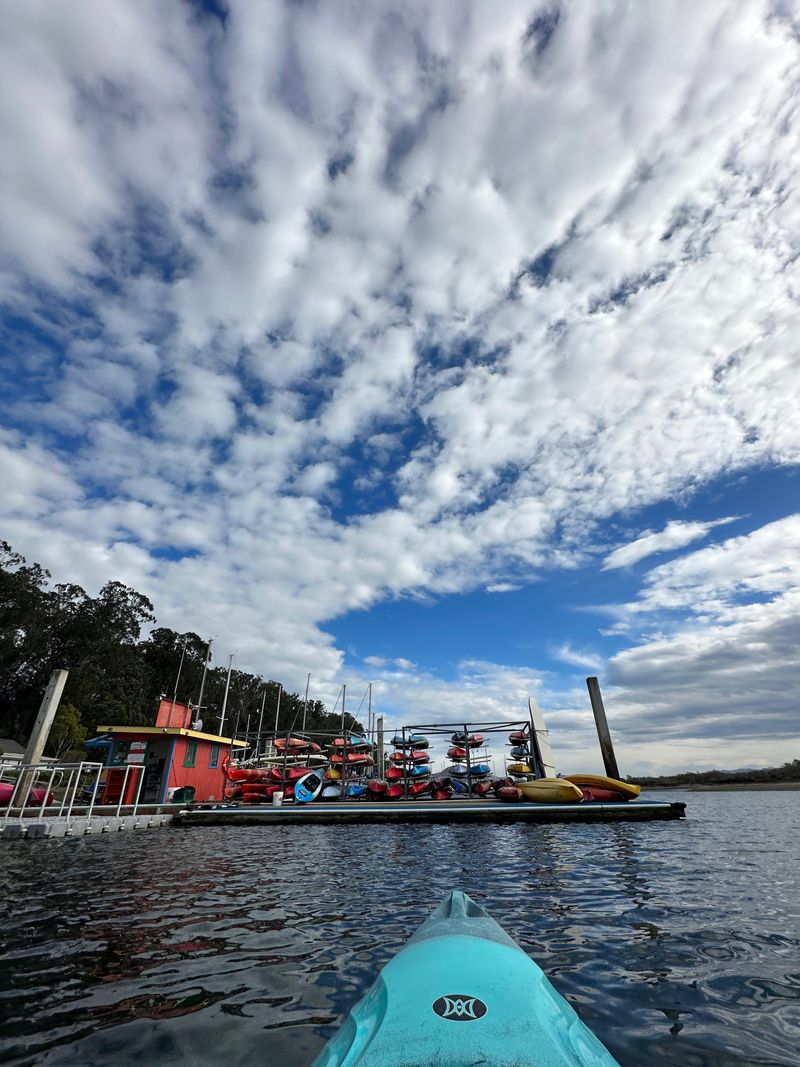
The protected waters inside Morro Bay harbor provide ideal conditions for kayaking, with minimal waves and currents that make paddling accessible even for beginners.
Rental shops along the Embarcadero offer kayaks and basic instruction for those unfamiliar with the activity.
Paddling routes can follow the shoreline for easy navigation or venture toward the estuary channels where wildlife concentrations increase.
Sea otters frequently appear in the harbor, floating on their backs or diving for food. Their playful behavior and apparent comfort around kayaks create memorable wildlife encounters.
The calm water surface acts like a mirror on still days, reflecting Morro Rock and surrounding hillsides with stunning clarity.
Photographers appreciate the unique perspectives available from water level, capturing angles impossible from shore.
The quiet nature of kayaking allows close approaches to birds without disturbing them. Guided kayak tours provide additional context about the bay’s ecology and history.
Guides point out features easily missed by independent paddlers and share information about the estuary’s importance as a nursery for marine species.
These tours typically last two to three hours. February kayaking requires dressing in layers, as temperatures on the water feel cooler than on land.
Most rental operations provide waterproof bags for personal items and basic safety equipment. The combination of easy conditions and rich wildlife makes kayaking a highlight for many Morro Bay visitors.
10. Local Art Galleries Showcase Creative Community

Morro Bay supports a thriving artistic community with numerous galleries displaying work by local and regional artists.
Many galleries concentrate along the Embarcadero and nearby streets, making gallery browsing a natural addition to waterfront walks.
Artwork themes often reflect the coastal environment, with paintings, photographs, and sculptures inspired by ocean views, wildlife, and maritime subjects.
The quality ranges from emerging artists to established professionals, with prices spanning affordable prints to significant original pieces.
Visitors find everything from small souvenirs to serious art purchases. Several galleries feature rotating exhibits that change monthly or seasonally, providing reasons for repeat visits.
Opening receptions for new shows create social events where artists meet visitors and discuss their work. These gatherings add a cultural dimension to the town’s appeal beyond natural attractions.
Public murals appear on various buildings throughout town, creating an outdoor art experience accessible to everyone.
The murals depict local history, marine life, and coastal scenes, adding visual interest to walks through different neighborhoods.
Maps available at the visitor center identify mural locations for those wanting to view them systematically.
The artistic presence contributes to Morro Bay’s character as a community that values creativity alongside its fishing heritage.
This cultural layer appeals to visitors seeking destinations with depth beyond typical tourist activities.
11. Proximity To Paso Robles Wine Country
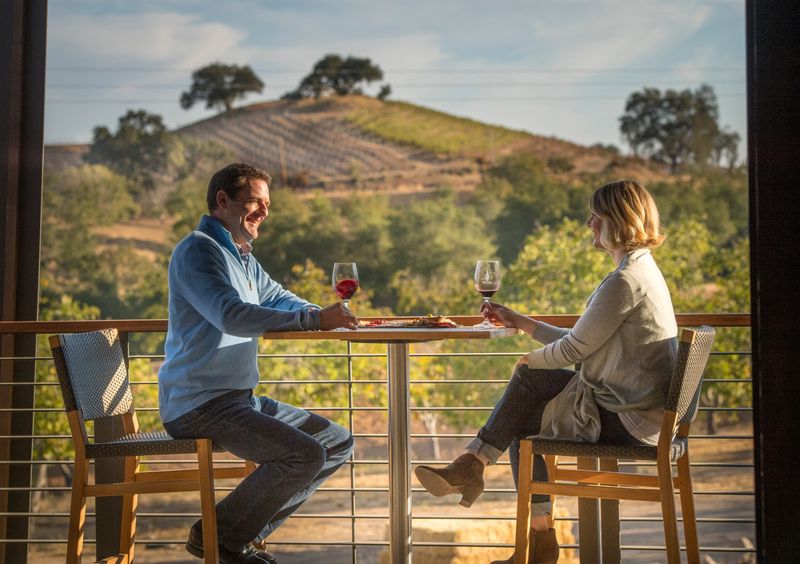
Located approximately 30 miles inland from Morro Bay, Paso Robles wine country offers an easy day trip for visitors interested in exploring vineyards and tasting rooms.
The drive takes roughly 45 minutes through scenic countryside that transitions from coastal terrain to inland valleys.
More than 250 wineries operate in the Paso Robles area, producing diverse wine styles in microclimates ranging from cool coastal influences to warmer inland conditions.
Tasting rooms welcome visitors throughout the week, with many offering tours that explain growing and production processes.
The variety of wineries means visitors can find experiences matching their interests and knowledge levels.
Some tasting rooms maintain casual atmospheres with outdoor seating and relaxed service, while others provide more formal experiences with structured tastings and detailed wine education.
Reservation requirements vary by location and season, with February typically offering more flexibility than busy summer months.
The combination of coastal morning activities in Morro Bay followed by afternoon wine tasting creates a full day of varied experiences.
Visitors can watch whales in the morning, enjoy lunch along the Embarcadero, then spend the afternoon exploring wineries before returning to Morro Bay for dinner.
This proximity to wine country adds another dimension to Morro Bay’s appeal, particularly for travelers who enjoy combining different types of experiences.
The easy access means wine exploration fits naturally into a coastal vacation without requiring separate overnight accommodations.