This Legendary California Landmark Draws Visitors From Around The World
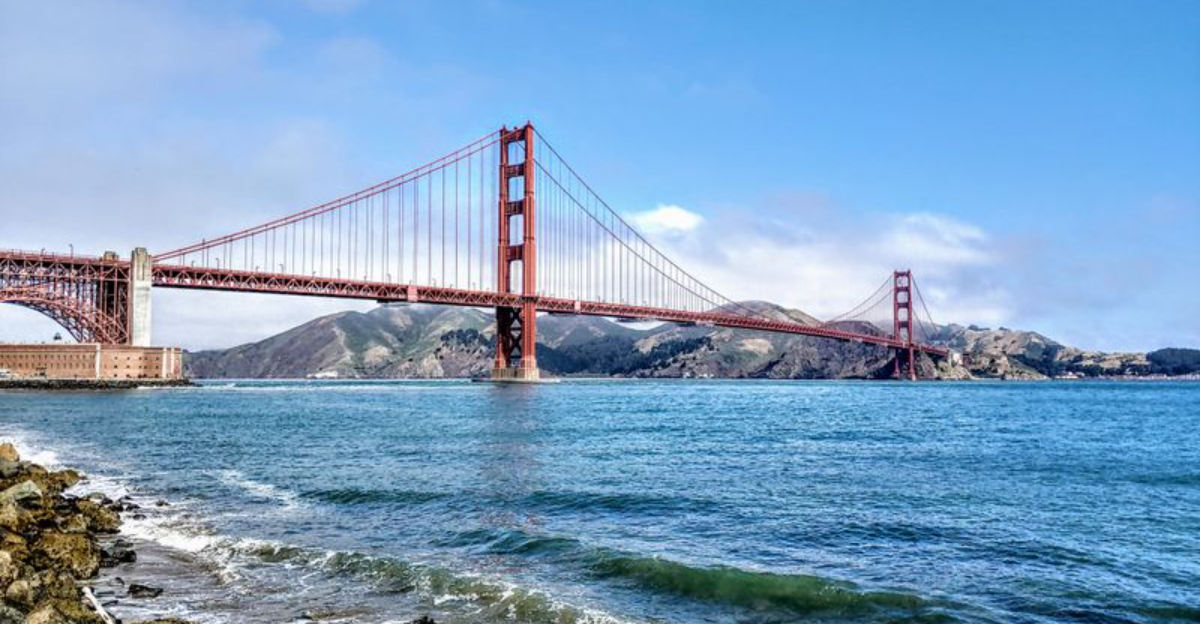
The moment it comes into view, everything else fades into the background. Towering above the water where the Pacific meets San Francisco Bay, this world-famous span doesn’t just connect land.
It stops people in their tracks. It feels larger than infrastructure. Larger than transportation.
It stands as one of the most recognizable man-made icons on Earth. That international fame didn’t happen by accident.
When it opened in the 1930s, engineers had just accomplished what many believed was impossible – stretching a suspension bridge across violent currents, deep waters, and relentless coastal winds.
Today, millions travel to see it in person, drawn by that same sense of disbelief. The color glows against coastal fog. The towers vanish into clouds.
From certain angles, the bridge looks less built and more imagined. Walking across feels cinematic. Driving it feels surreal.
Even longtime California residents admit the view never gets old.
Storms have battered it. Earthquakes have tested it. Endless traffic has rolled across its steel spine for decades. Yet it still stands as a symbol of ambition, resilience, and design brilliance.
Every rivet, cable, and tower tells a story – and the deeper you look, the more extraordinary this landmark becomes.
1. Opening Day Marked Engineering History
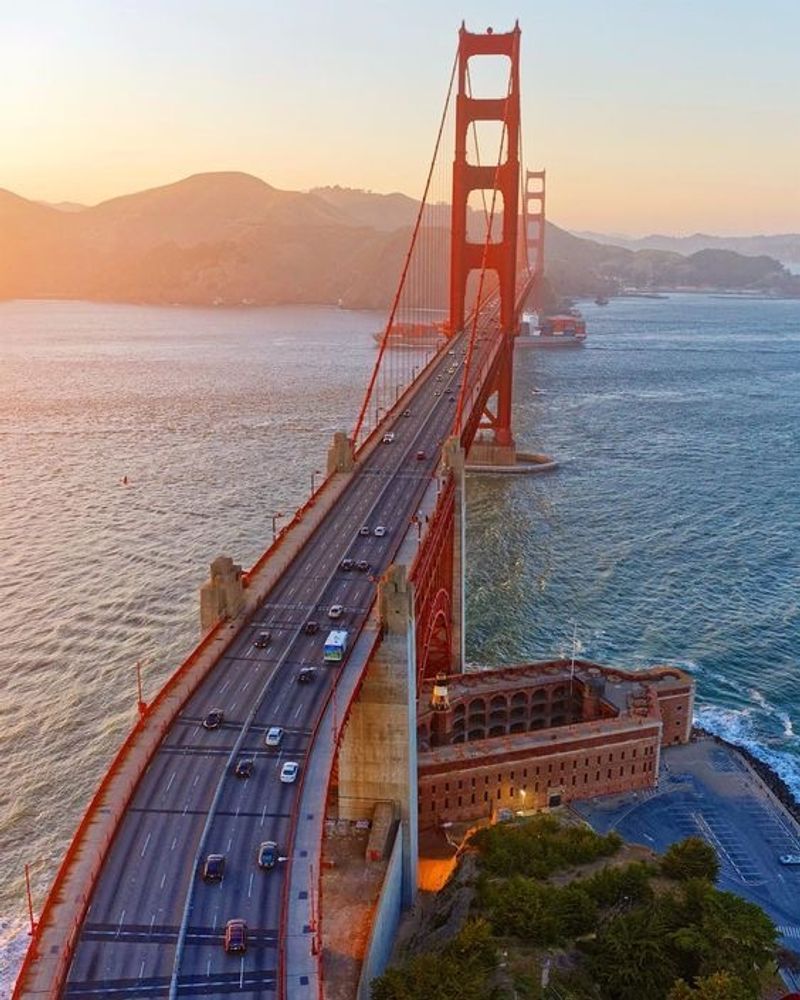
May 27, 1937 became a date that changed San Francisco forever when the Golden Gate Bridge officially opened to the public.
The bridge claimed the title of longest suspension bridge in the world at that time, with its main span stretching 4,200 feet across the water.
Towers rising 746 feet above the surface made it the tallest suspension bridge as well. The opening day celebration drew enormous crowds who marveled at what engineers had accomplished.
Pedestrians were allowed to walk across first, and roughly 200,000 people took advantage of the opportunity during that initial day.
The excitement in the air was tangible as residents realized they no longer needed to rely solely on ferries to travel between San Francisco and Marin County.
Vehicles began crossing the following day, marking the start of the bridge’s role as a vital transportation link.
The engineering achievement represented years of planning, debate, and construction that many had considered impossible.
The bridge’s completion during the Great Depression provided a source of pride and hope for the region.
Today, the anniversary of the opening continues to be celebrated as a milestone in American engineering history.
2. International Orange Creates Visibility
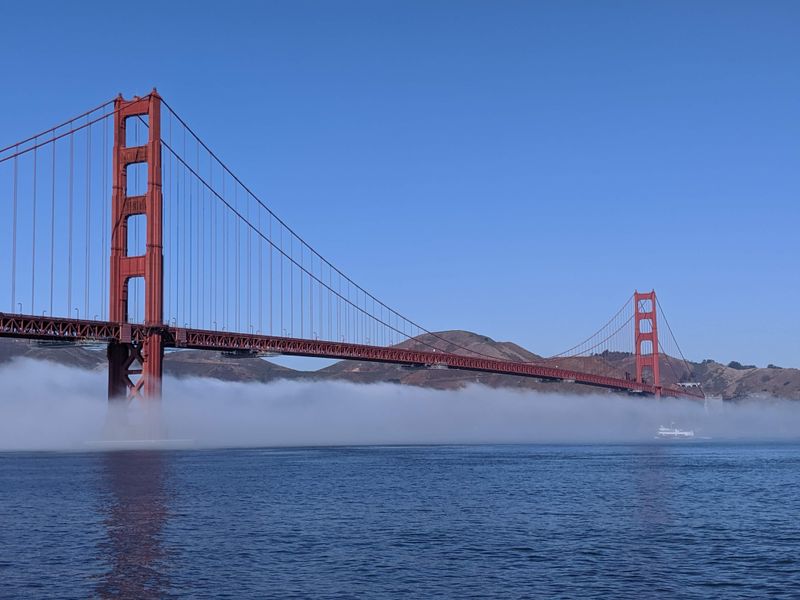
The distinctive color of the Golden Gate Bridge wasn’t chosen randomly or simply for aesthetic appeal.
International Orange was selected because it provides excellent visibility even when thick fog blankets the area, which happens frequently in San Francisco.
The shade also complements the natural landscape of the surrounding hills and water rather than clashing with the environment.
Some people initially wanted the bridge painted in black and gold stripes or gray to match naval ships.
The consulting architect Irving Morrow advocated strongly for the orange shade, recognizing its practical and visual benefits.
The color has become so associated with the bridge that many people cannot imagine it painted any other way.
Maintaining the distinctive paint requires constant work by a dedicated crew who touch up areas affected by weather and salt air.
The bridge uses about 1,000 gallons of paint weekly to keep its appearance fresh and protected from corrosion.
The International Orange shade has been matched precisely over the years to ensure consistency across all sections. The color choice turned out to be one of the most successful design decisions in the bridge’s history.
3. Wind Resistance Allows Flexibility
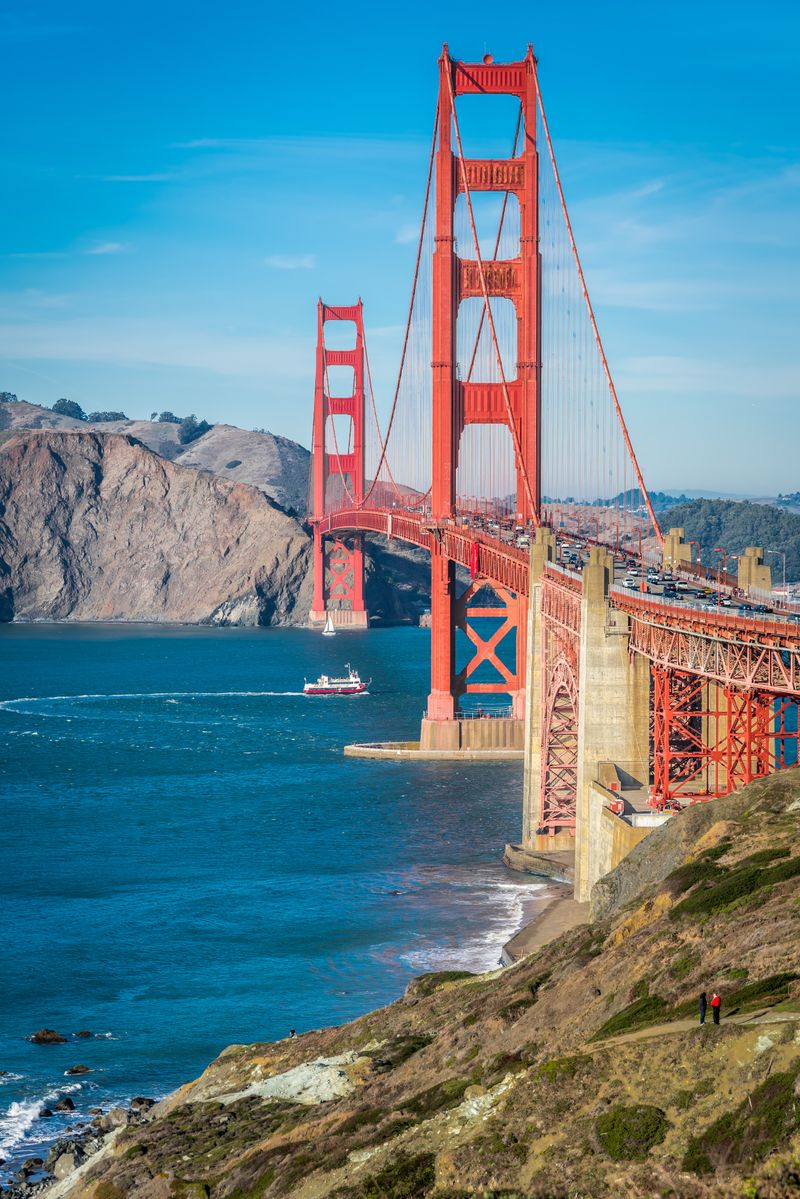
Engineers designed the Golden Gate Bridge to move rather than resist natural forces completely, which might seem counterintuitive at first.
The structure can sway up to 27 feet sideways when powerful winds blow through the Golden Gate Strait, demonstrating remarkable flexibility.
This ability to flex prevents the bridge from suffering catastrophic damage during extreme weather conditions.
The suspension design allows the deck to shift and adjust while the cables absorb and distribute forces throughout the structure.
Wind tunnel testing during the design phase helped engineers understand how air would flow around and through the bridge.
The strait experiences some of the strongest and most consistent winds in the region, making this flexibility essential.
The bridge also needed to withstand earthquakes, which are common in California and can strike without warning.
The combination of wind resistance and seismic preparedness made the Golden Gate Bridge a groundbreaking achievement in structural engineering.
Modern upgrades have further strengthened the bridge’s ability to handle movement and stress. The original design principles continue to prove their worth nearly nine decades after construction was completed.
4. Safety Net Saved Worker Lives
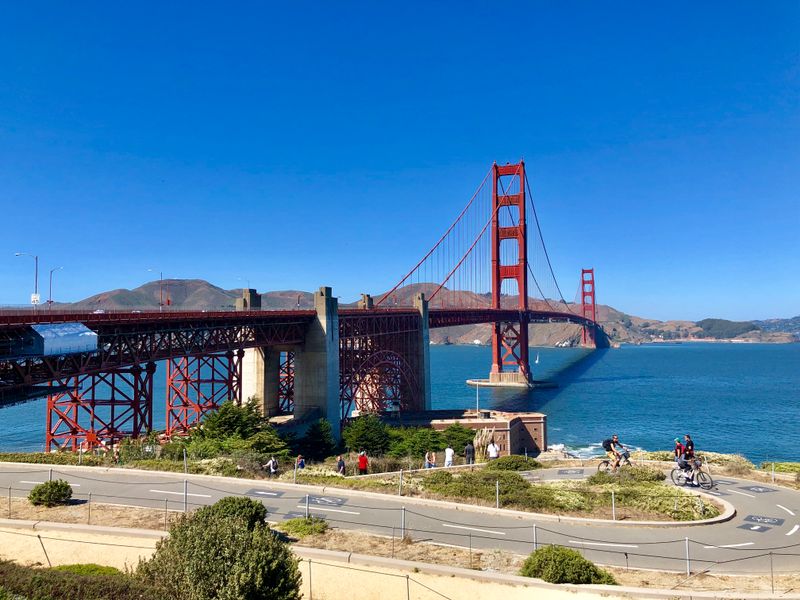
Building the Golden Gate Bridge required workers to perform dangerous tasks high above the water in challenging conditions.
Strong winds, fog, and the constant risk of falling made construction one of the most hazardous projects of its time.
Chief engineer Joseph Strauss insisted on installing a safety net beneath the bridge, which was an innovative approach to worker protection in the 1930s.
The net stretched under the construction area and caught 19 workers who fell during the four years of building.
These men became known as the Halfway to Hell Club, a nickname that reflected their brush with death and fortunate survival.
The safety net represented a significant investment but proved its worth by preventing what would have been fatal accidents.
Sadly, an earthquake in 1935 caused a section of scaffolding to collapse, and ten workers fell through a torn portion of the net. The tragedy reminded everyone involved of the constant dangers present on the construction site.
Despite this loss, the safety measures implemented during construction were considered progressive for the era. The bridge’s completion cost fewer lives than many similar projects of that period.
5. Cultural Icon Appears In Media
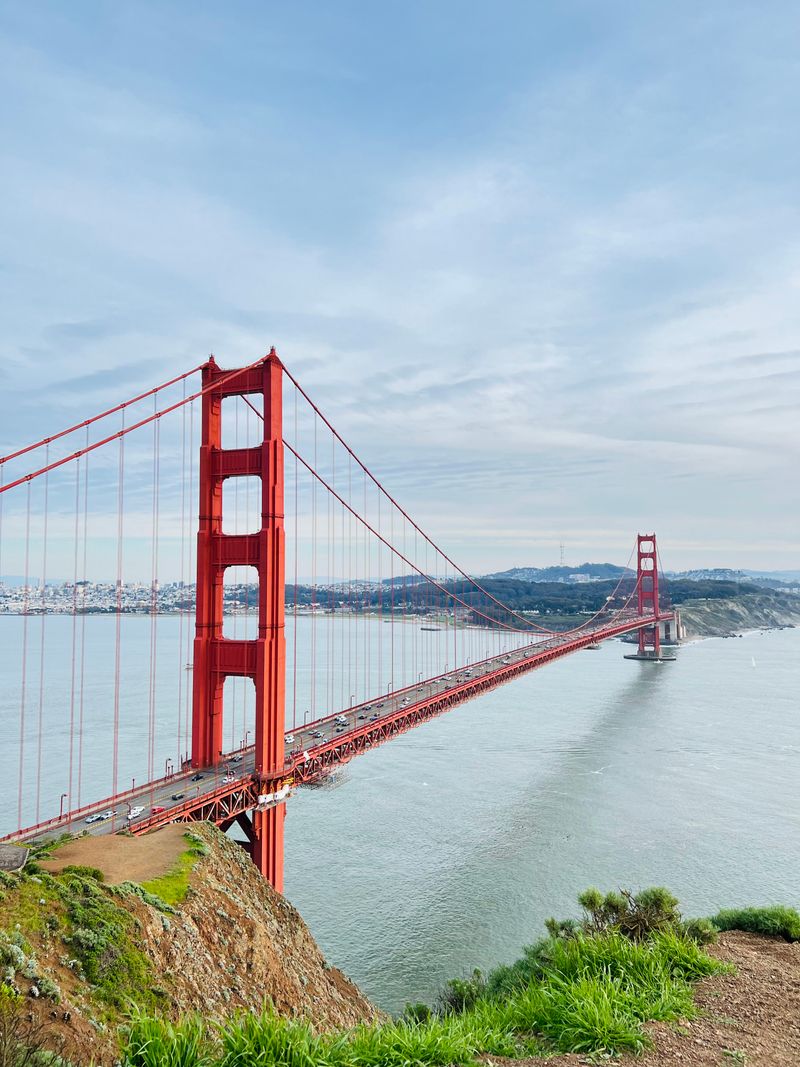
Few structures have achieved the level of recognition that the Golden Gate Bridge enjoys in popular culture worldwide.
The bridge has appeared in countless films, from monster movies to romantic dramas, often serving as a visual shorthand for San Francisco.
Directors use the bridge to establish location immediately, knowing audiences will recognize it within seconds of appearing on screen.
Songs have been written about the bridge, and artists have painted it from every conceivable angle and in every season.
Photographers consider the bridge one of the most rewarding subjects in the world, with changing light and weather creating endless variations.
The structure has come to represent innovation, progress, and the American spirit of tackling difficult challenges.
International visitors often list seeing the bridge as their primary reason for traveling to San Francisco. The bridge’s cultural significance extends beyond its practical function as a transportation route.
Postcards, posters, and souvenirs featuring the bridge generate significant revenue for local businesses.
The structure has transcended its original purpose to become a symbol recognized by people who may never visit California in person.
6. Daily Traffic Crosses Six Lanes
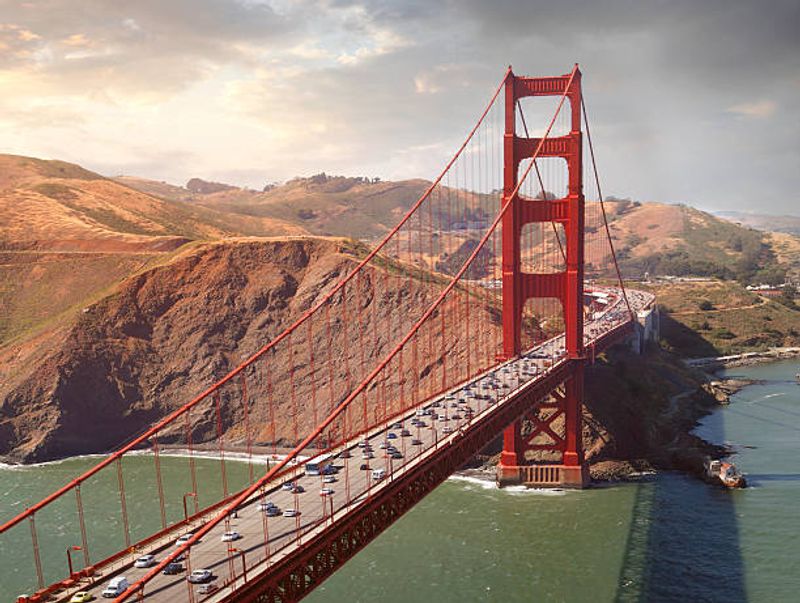
The Golden Gate Bridge carries approximately 100,000 vehicles across its six traffic lanes every single day.
The volume of traffic has grown steadily since the bridge opened, reflecting the population growth in the San Francisco Bay Area.
The bridge includes walkways on both sides that allow pedestrians and cyclists to cross while enjoying spectacular views.
The eastern walkway is typically reserved for pedestrians during daytime hours, while the western side accommodates cyclists.
Traffic patterns change throughout the day, with morning commutes seeing heavy flow into San Francisco and evening rushes heading north toward Marin County.
The bridge authority adjusts lane directions using a movable median barrier to optimize traffic flow during peak periods.
Toll collection occurs only for southbound traffic entering San Francisco, with electronic systems replacing traditional toll booths in recent years.
The bridge’s capacity to handle modern traffic levels while maintaining its 1930s design speaks to the foresight of its creators.
Maintenance work occasionally requires lane closures, but the bridge has never been completely shut down for extended periods. The structure continues serving as a vital link for residents, commuters, and visitors alike.
7. Anniversary Celebrates Eight Decades
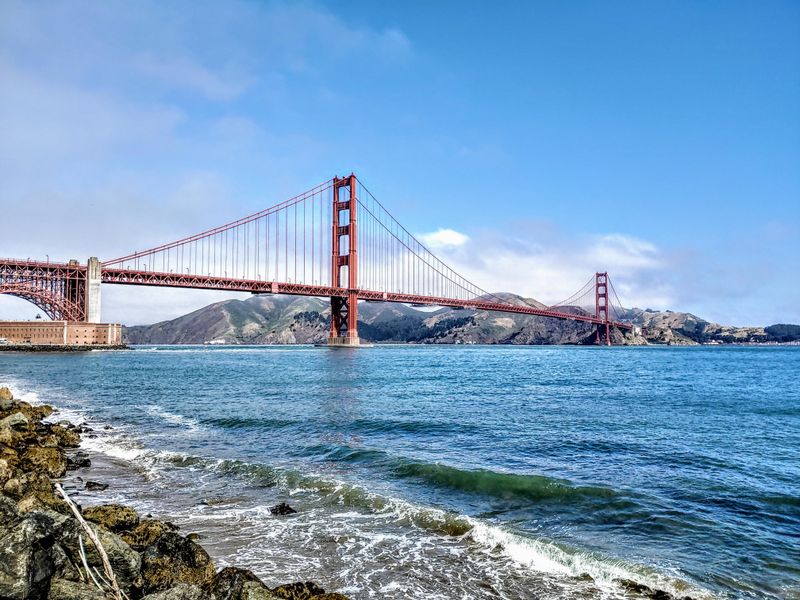
May 2025 marked the 88th anniversary of the Golden Gate Bridge, celebrating more than eight decades of service to the region.
The milestone provided an opportunity to reflect on how the bridge has shaped the development of the San Francisco Bay Area.
Special events and commemorations took place throughout the anniversary period, drawing crowds who wanted to be part of the celebration.
The bridge has witnessed enormous changes in the region, from population growth to technological advancement, while remaining remarkably unchanged itself.
The anniversary highlighted the bridge’s resilience and the ongoing maintenance efforts that keep it safe and functional.
Engineers and historians shared stories about the bridge’s construction and the people who made it possible.
The celebration also looked forward to the bridge’s future and the continued role it will play in connecting communities.
Families gathered to take photographs and walk across the span, creating new memories at the historic landmark.
The anniversary served as a reminder of what humans can achieve when they combine vision, determination, and skill.
The bridge continues standing as a testament to the workers, engineers, and planners who believed in the project when others thought it impossible.
8. Photography Attracts Global Visitors
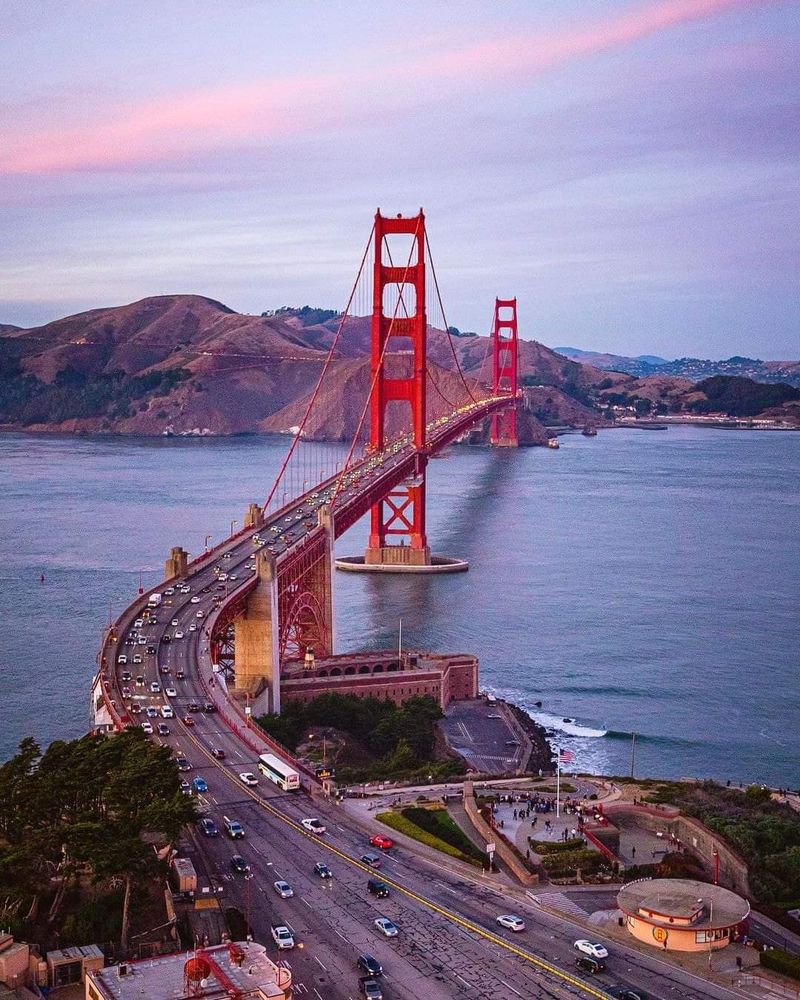
The Golden Gate Bridge holds the distinction of being one of the most photographed structures anywhere on Earth.
Millions of visitors arrive each year with cameras and smartphones ready to capture their own version of this iconic landmark.
The bridge offers different visual experiences depending on weather conditions, time of day, and viewing angle.
Fog creates an ethereal quality that photographers find particularly compelling, with the towers emerging from clouds in dramatic fashion.
Sunrise and sunset provide golden light that makes the International Orange color glow with warmth and intensity.
Popular viewing spots include Battery Spencer on the Marin side and various locations along the San Francisco waterfront.
Professional photographers return repeatedly to capture new perspectives and seasonal variations in the bridge’s appearance.
The structure’s graceful lines and massive scale create compositions that work well in both color and black-and-white photography.
Social media has amplified the bridge’s photographic appeal, with millions of images shared online annually.
Each photograph contributes to the bridge’s status as a global icon and reinforces its place in popular culture.
The bridge’s accessibility to photographers of all skill levels makes it a democratic subject that anyone can capture.
9. Economic Impact Transformed Region
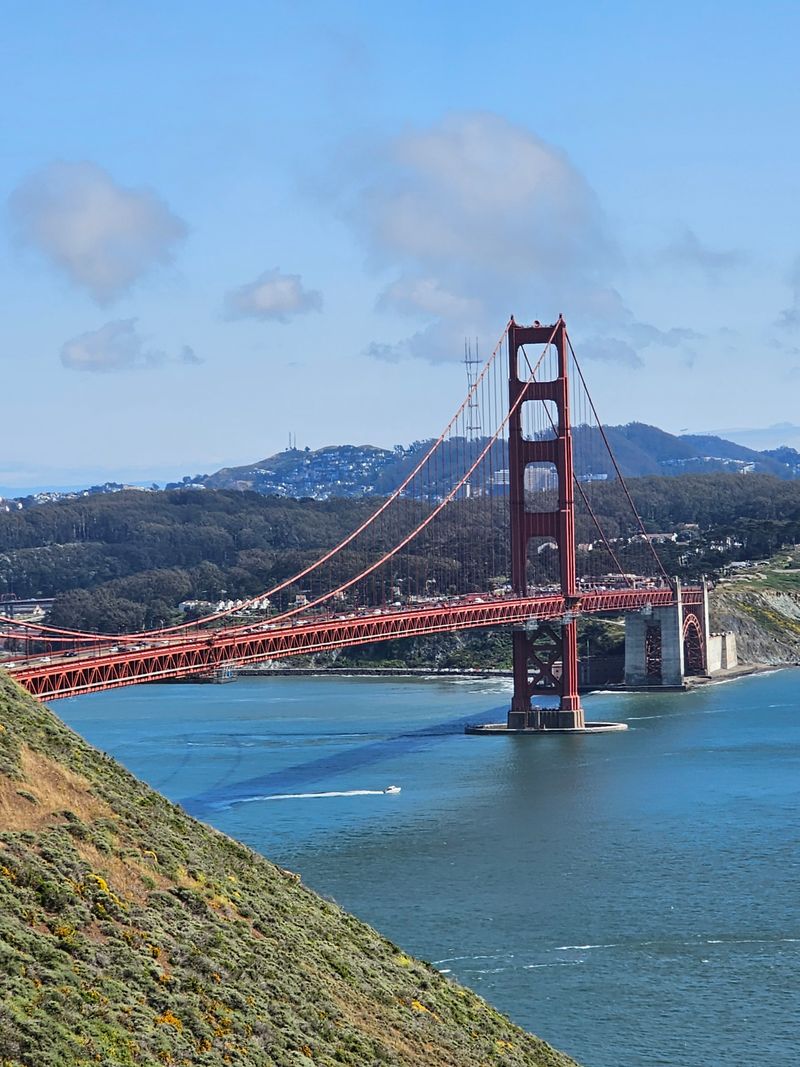
Before the Golden Gate Bridge existed, ferries provided the only way to cross between San Francisco and Marin County.
The ferry system was slow, weather-dependent, and created significant delays that limited economic growth and development in both regions.
The bridge’s completion in 1937 transformed the economic landscape by providing reliable, fast transportation regardless of conditions.
Businesses could expand their operations knowing that employees and goods could move freely across the water.
Marin County experienced substantial development in the decades following the bridge’s opening, as communities became more accessible to San Francisco workers.
The bridge facilitated tourism growth, making it easier for visitors to explore areas north of the city. Property values increased in areas that suddenly had convenient access to San Francisco’s job market and cultural amenities.
The bridge continues generating economic benefits through toll revenue that funds maintenance and regional transportation projects.
The structure’s role as a tourist attraction brings millions of visitors who spend money in local businesses and hotels.
The economic impact extends far beyond simple transportation, touching nearly every aspect of regional development and prosperity in the Bay Area.